






















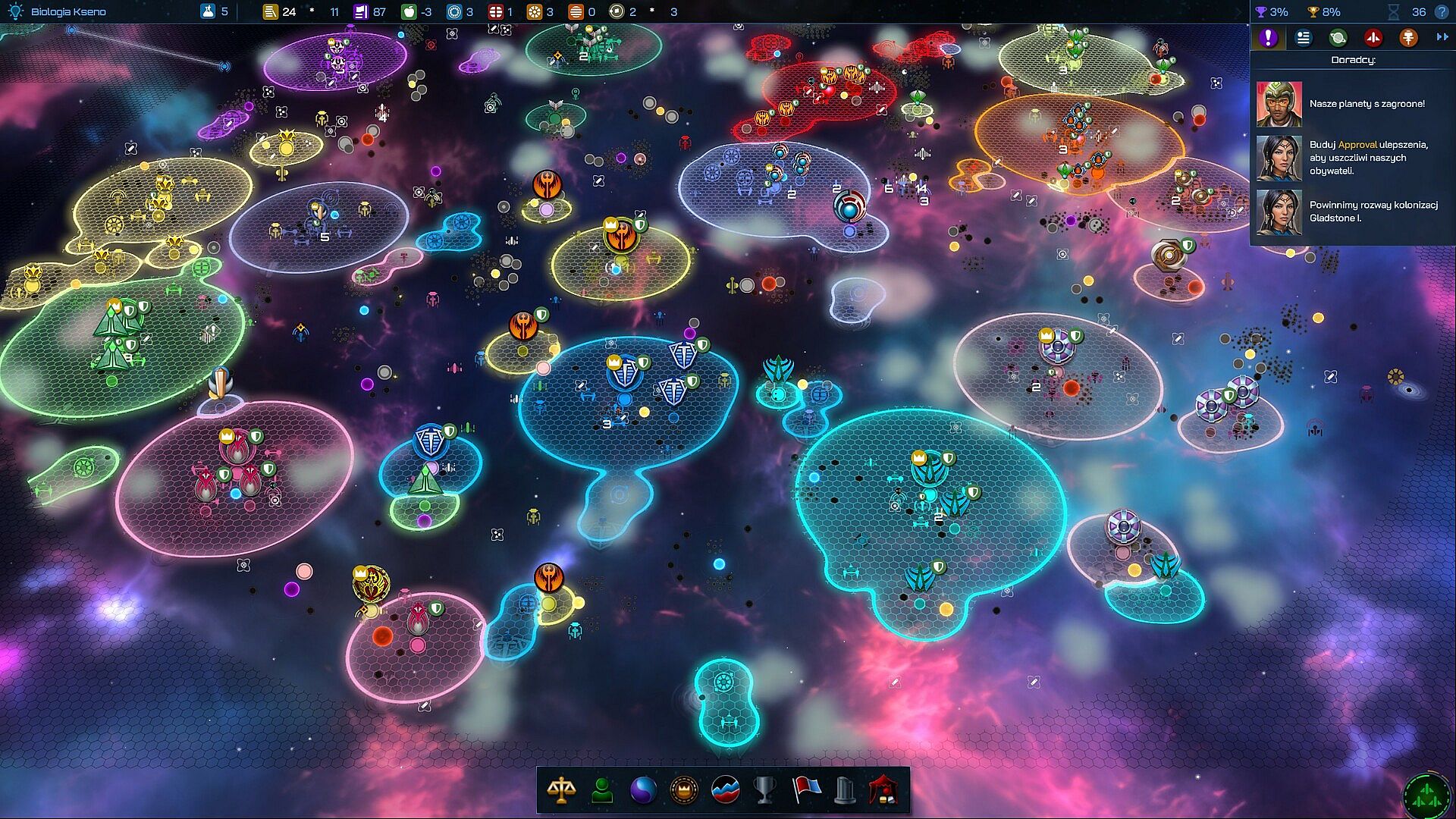




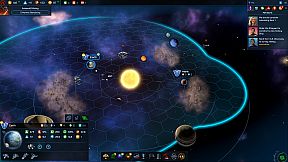



Galactic Civilizations IV stands as a deep 4X strategy simulation game where you lead an interstellar empire through the vastness of space. Released for PC, it challenges players to build and manage civilizations amid alien encounters, technological advancements, and cosmic conflicts. This title emphasizes strategic depth, allowing you to shape your empire's destiny in a procedurally generated universe full of opportunities and threats.
Gameplay
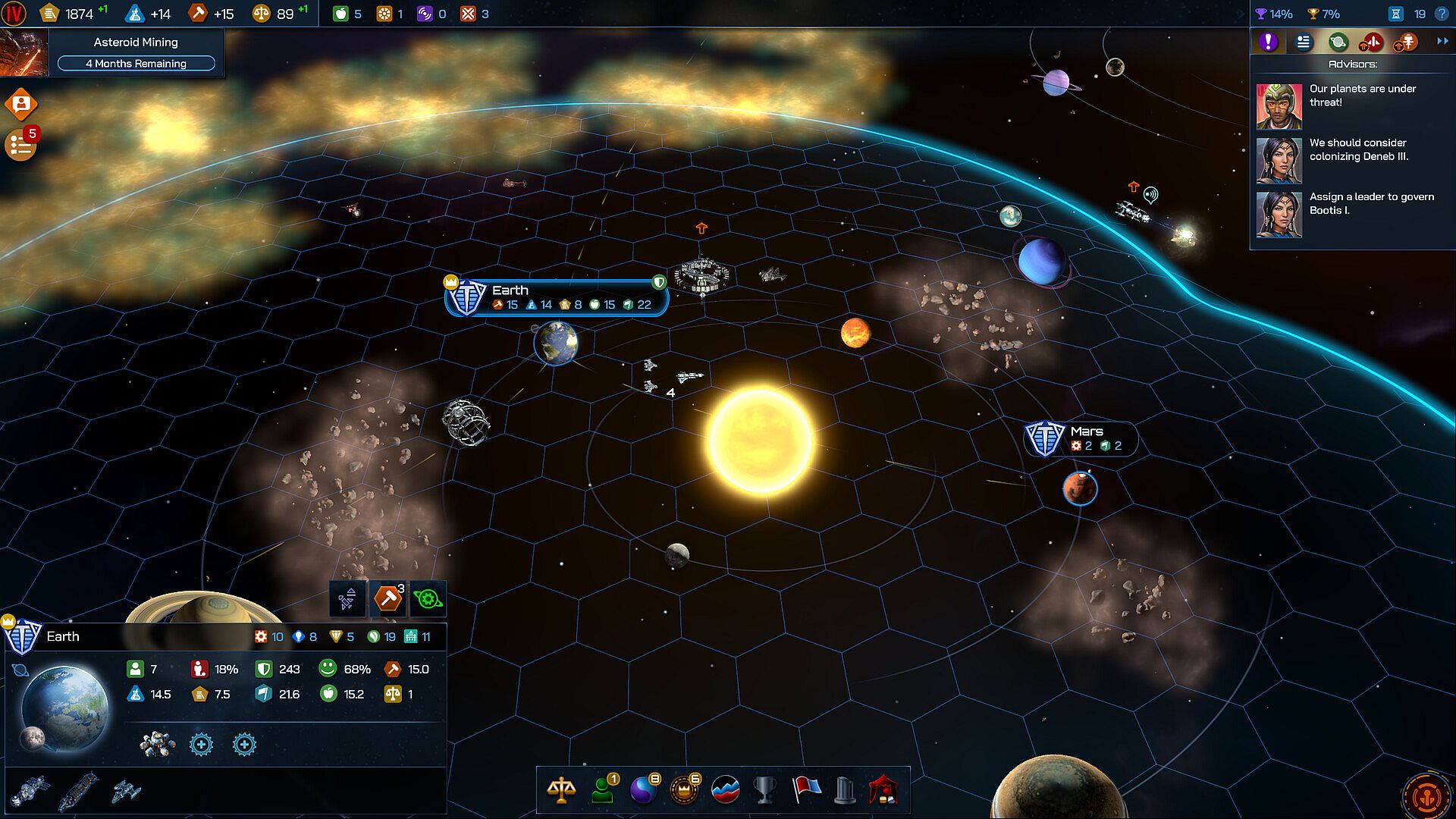
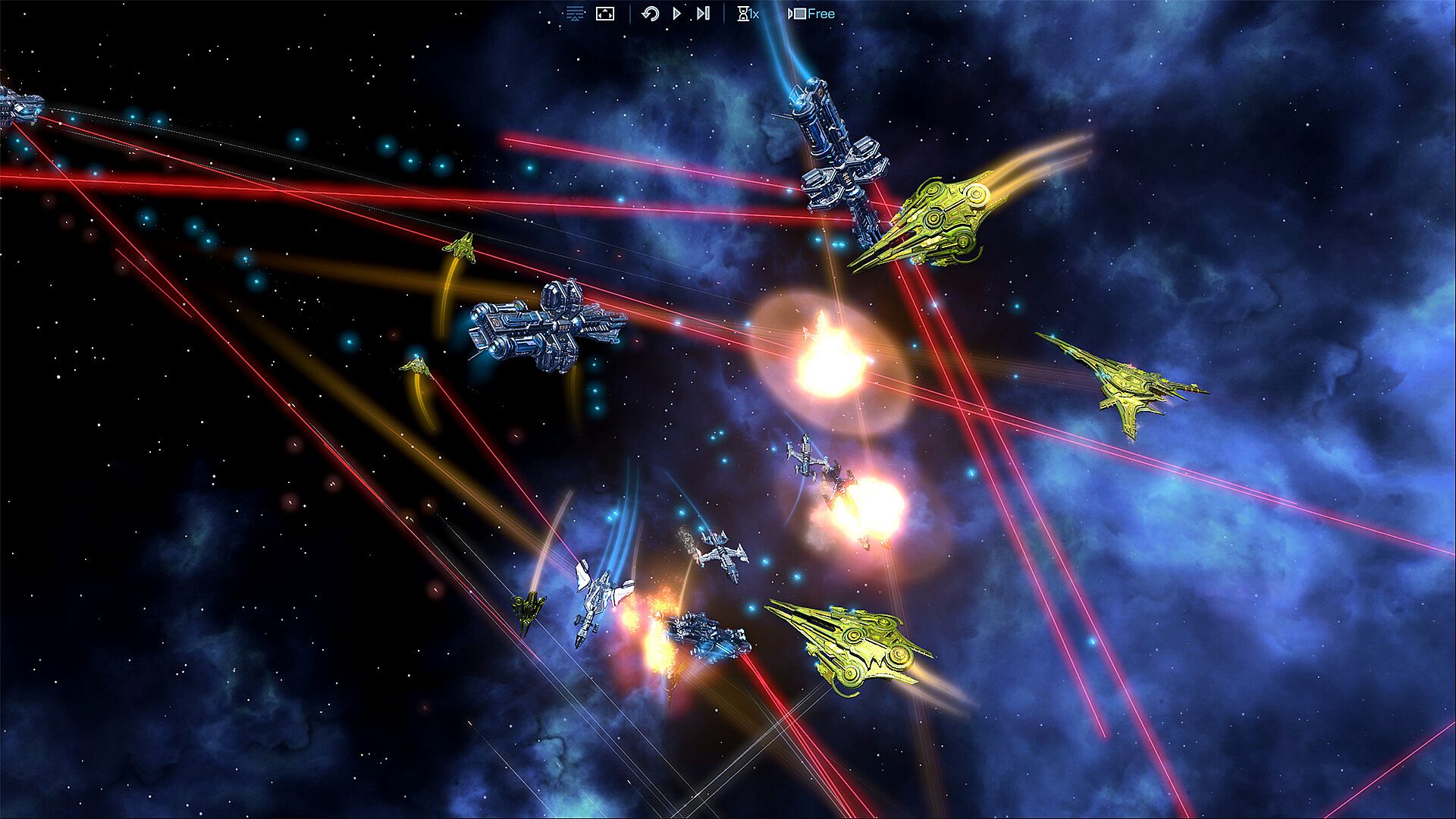
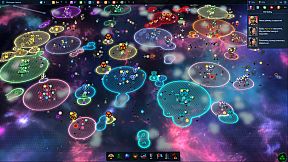
In Galactic Civilizations IV, the core experience revolves around the classic 4X pillars: explore uncharted sectors of the galaxy, expand your influence by colonizing planets, exploit resources to fuel your growth, and exterminate rivals if diplomacy fails. You start as the leader of a emerging species, making decisions on research paths that unlock new technologies for better ships, defenses, and economic boosts. Combat involves tactical fleet engagements, where positioning and ship composition matter, drawing on an improved system that feels more engaging than in past entries.
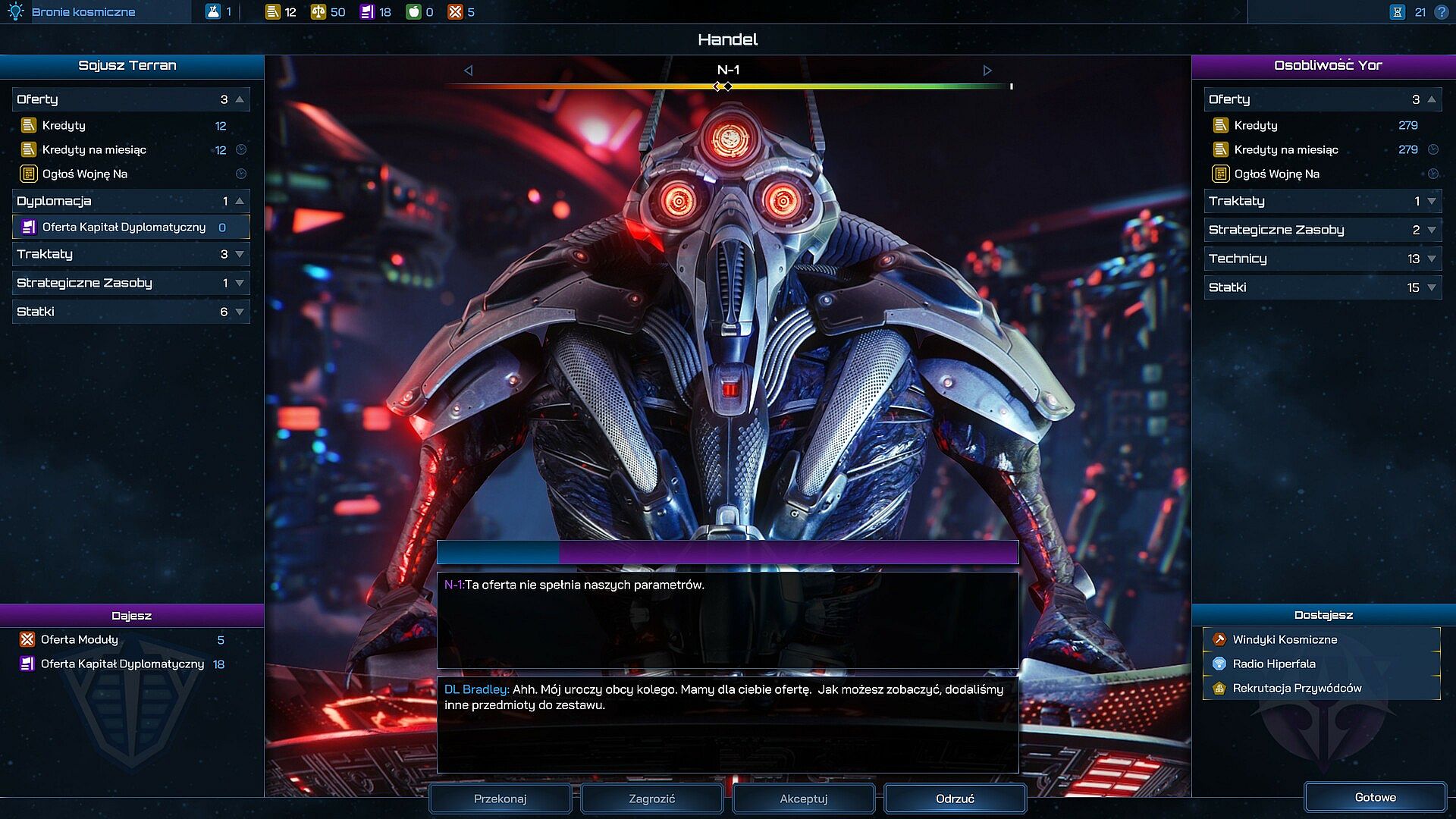
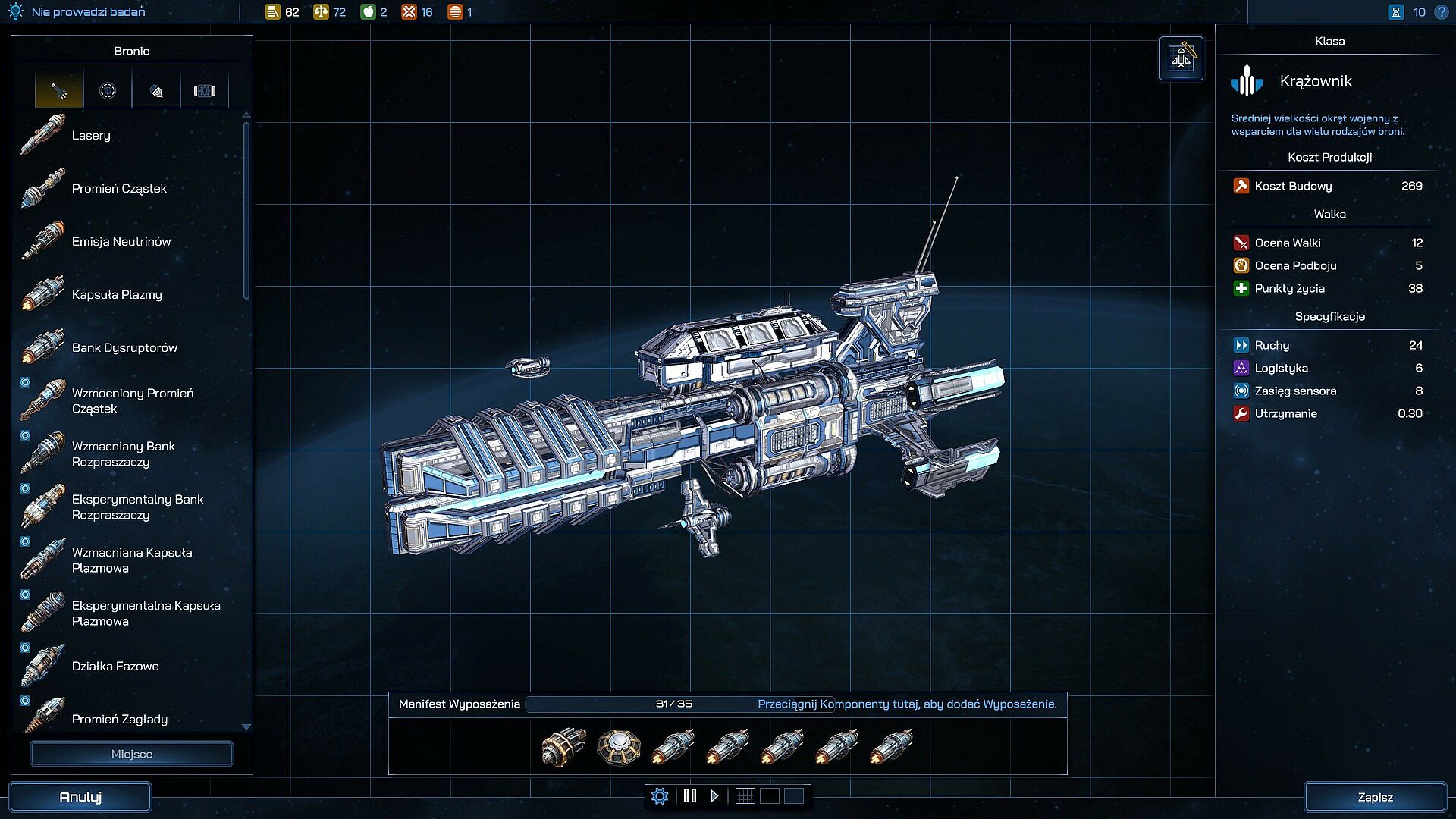
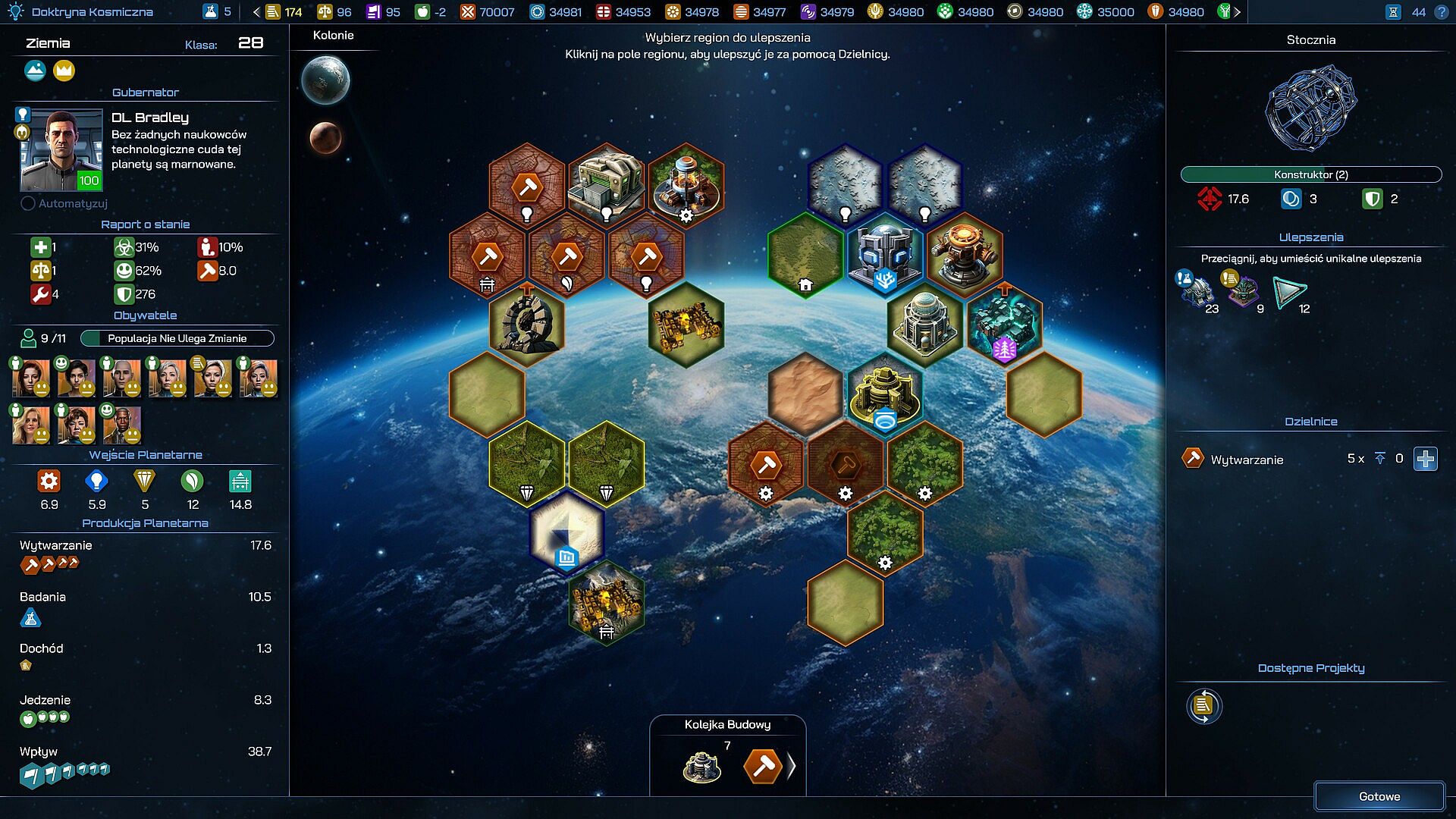
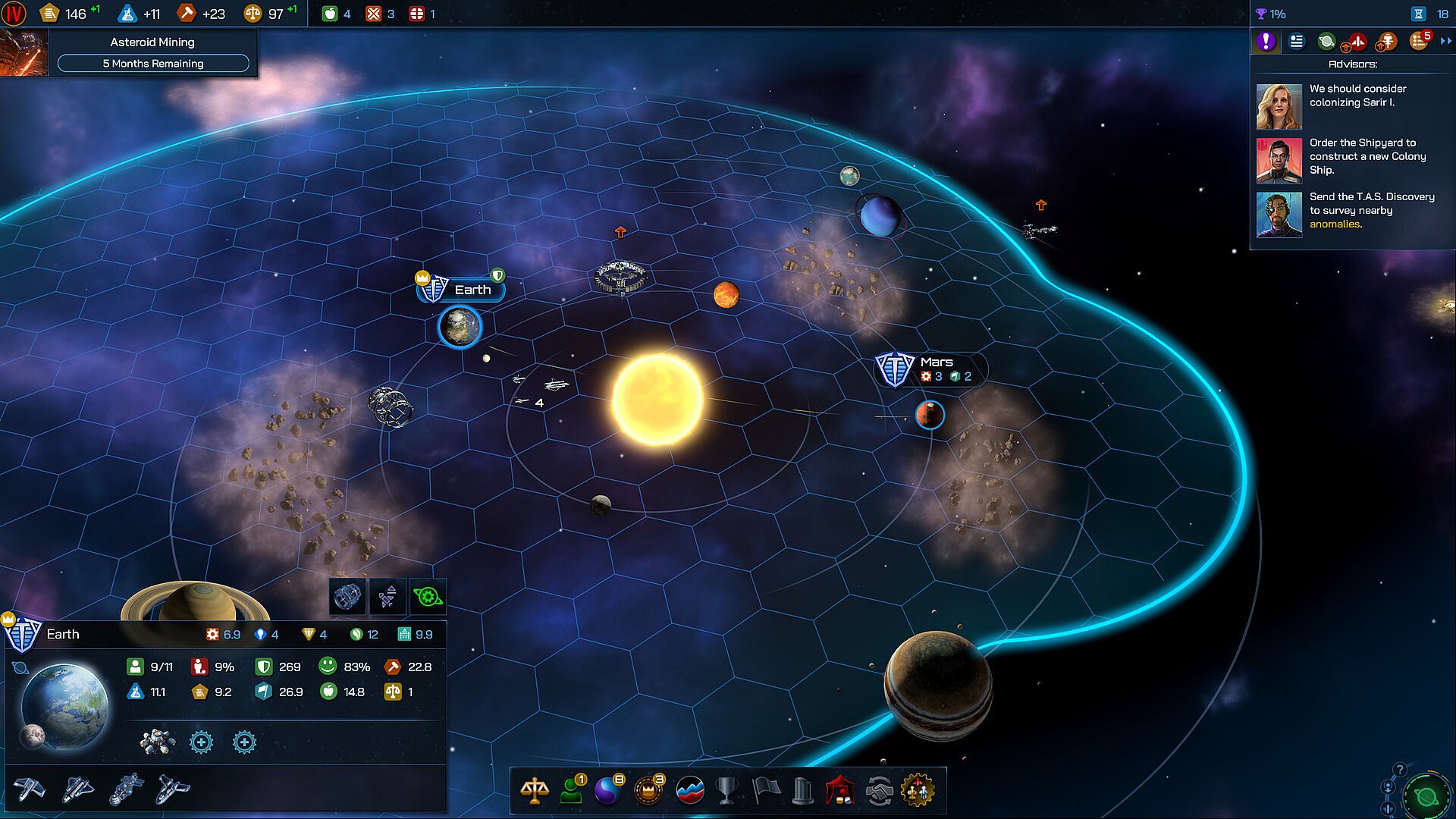
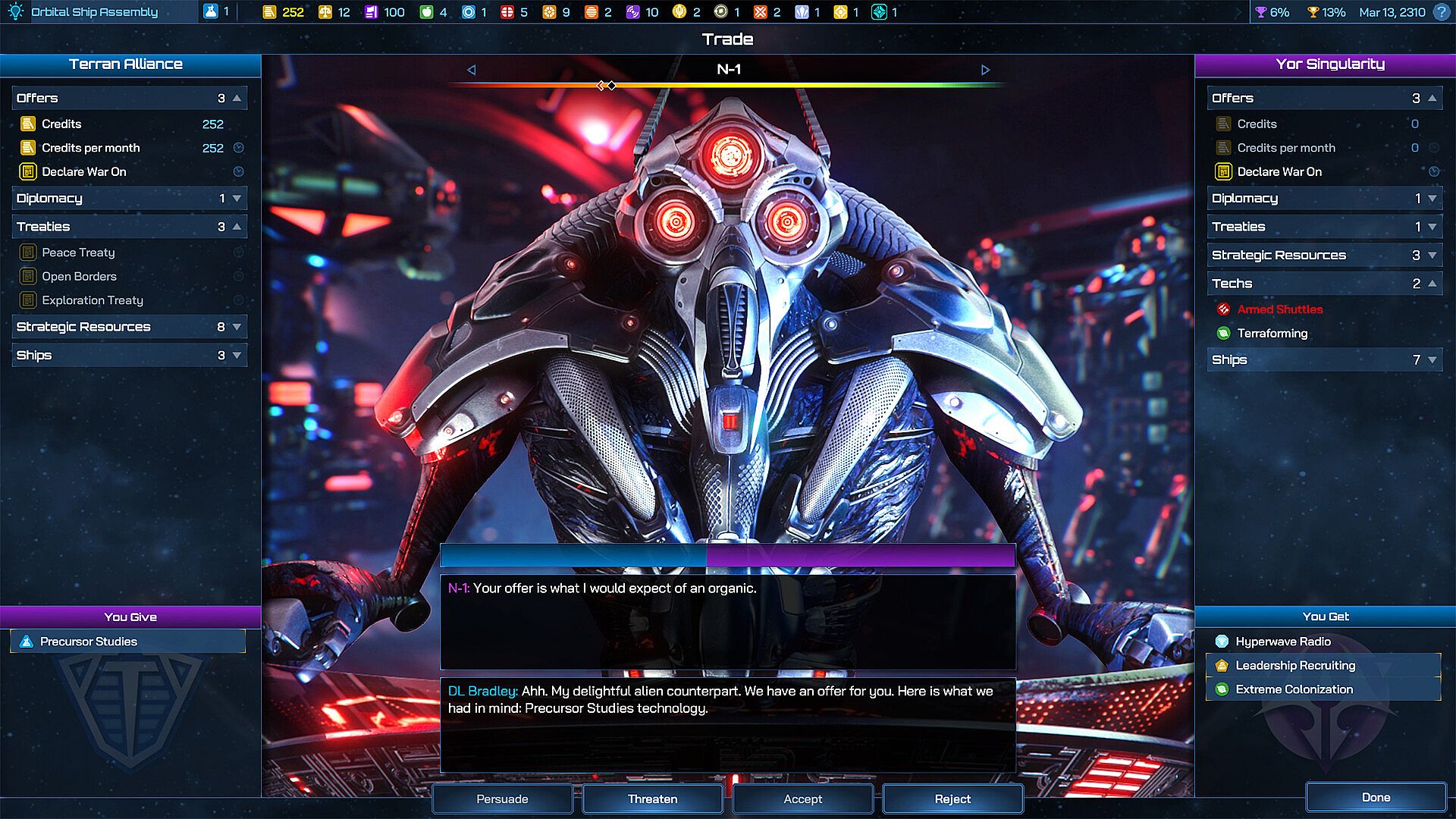
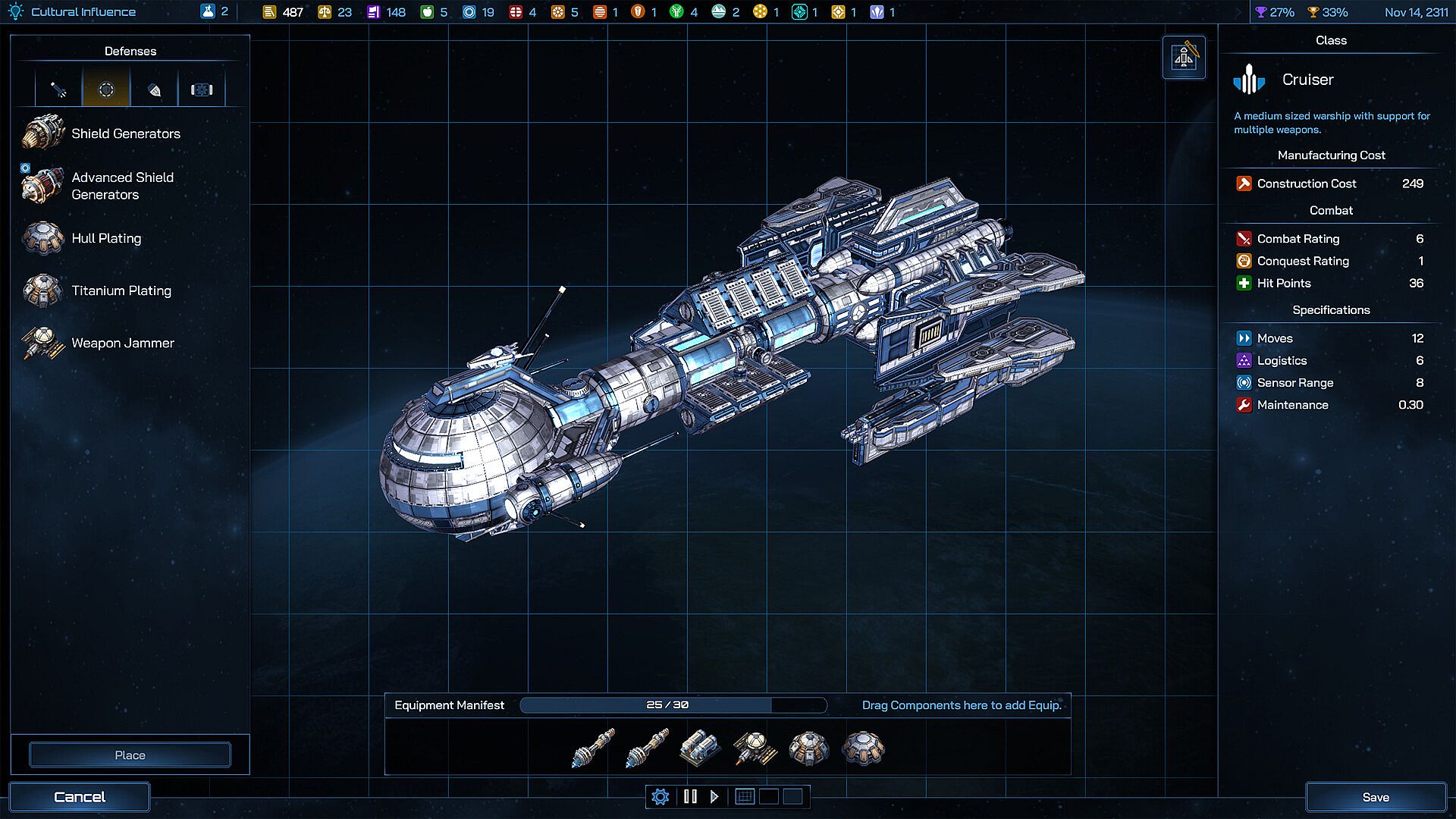
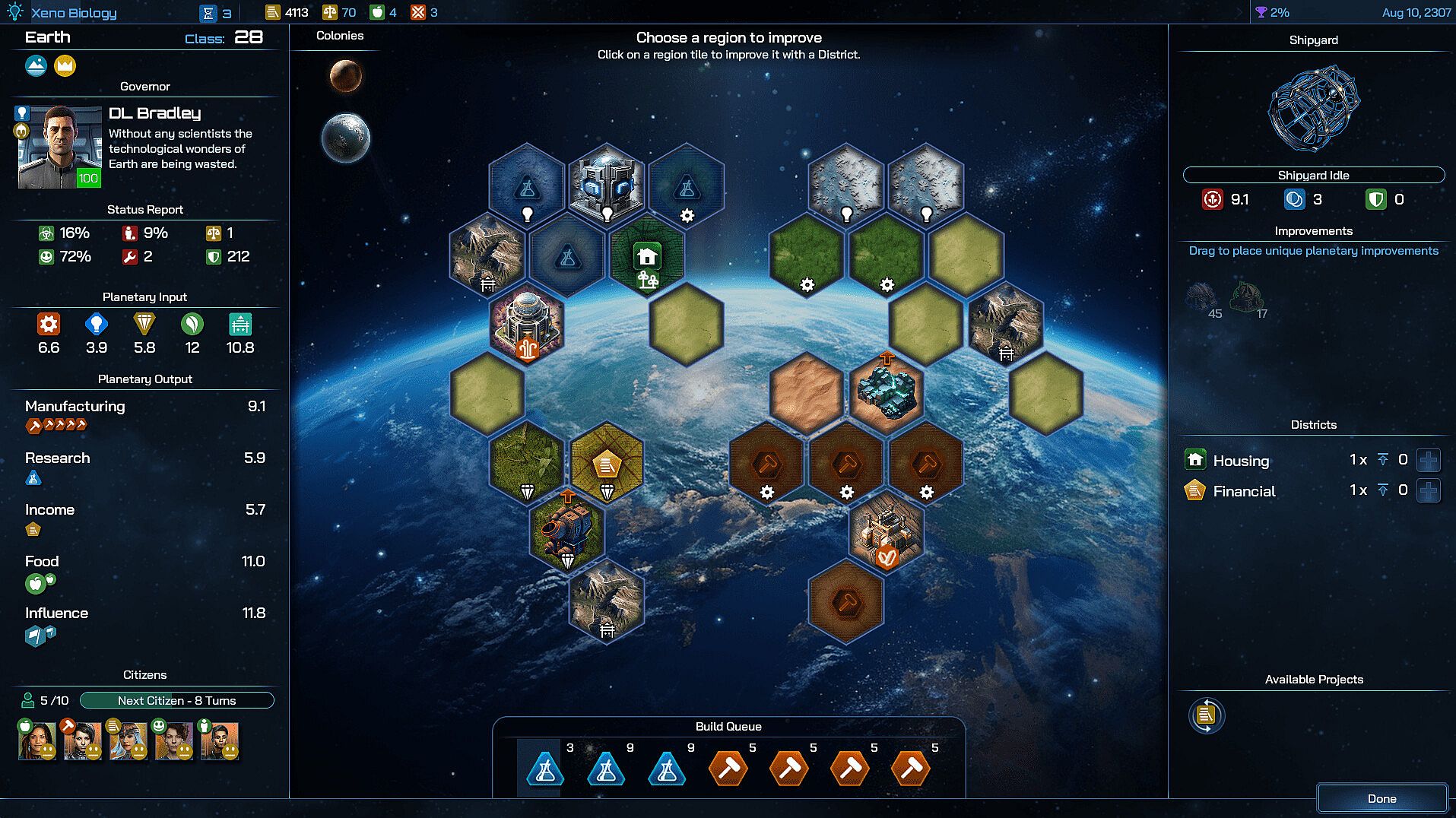
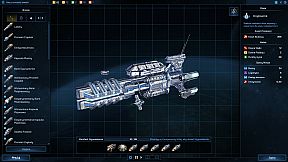
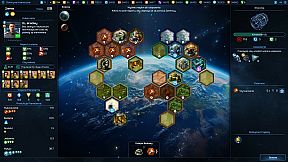
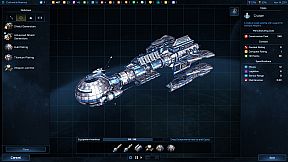
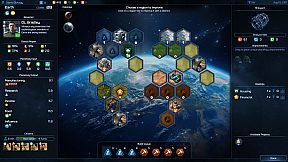
Management extends to planetary development with a distinction between Core Worlds and Colonies. This mechanic supports different strategies: focus on a few high-output Core Worlds linked to multiple Colonies for a tall empire, or spread out with many individually upgraded planets for a wide approach. The Ship Designer lets you customize vessels by selecting hulls, weapons, engines, and modules, tailoring fleets to your tactical needs. Diplomacy plays a key role, with AI opponents pursuing their own goals, leading to alliances, trades, or wars influenced by cultural traits and events.
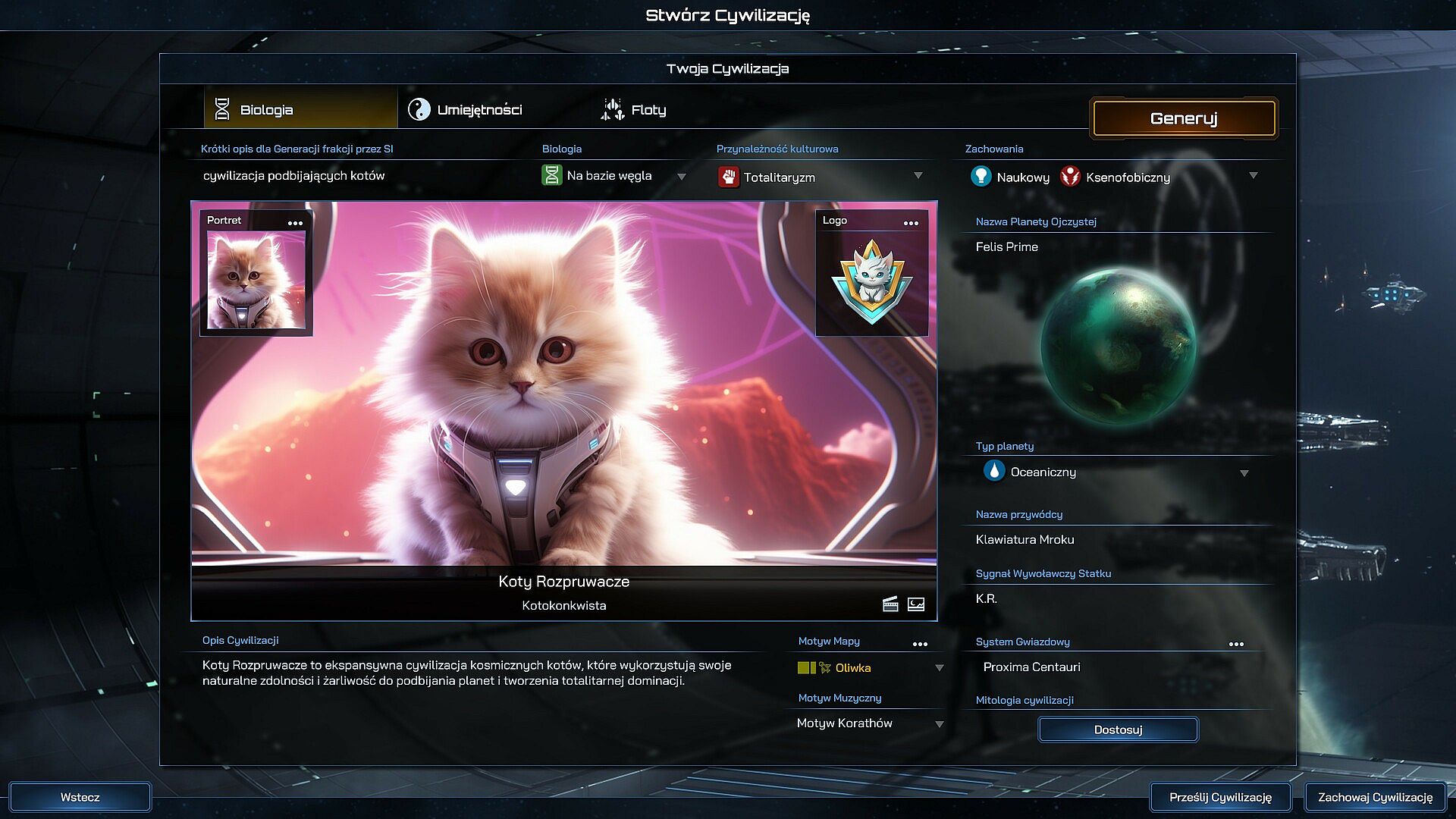
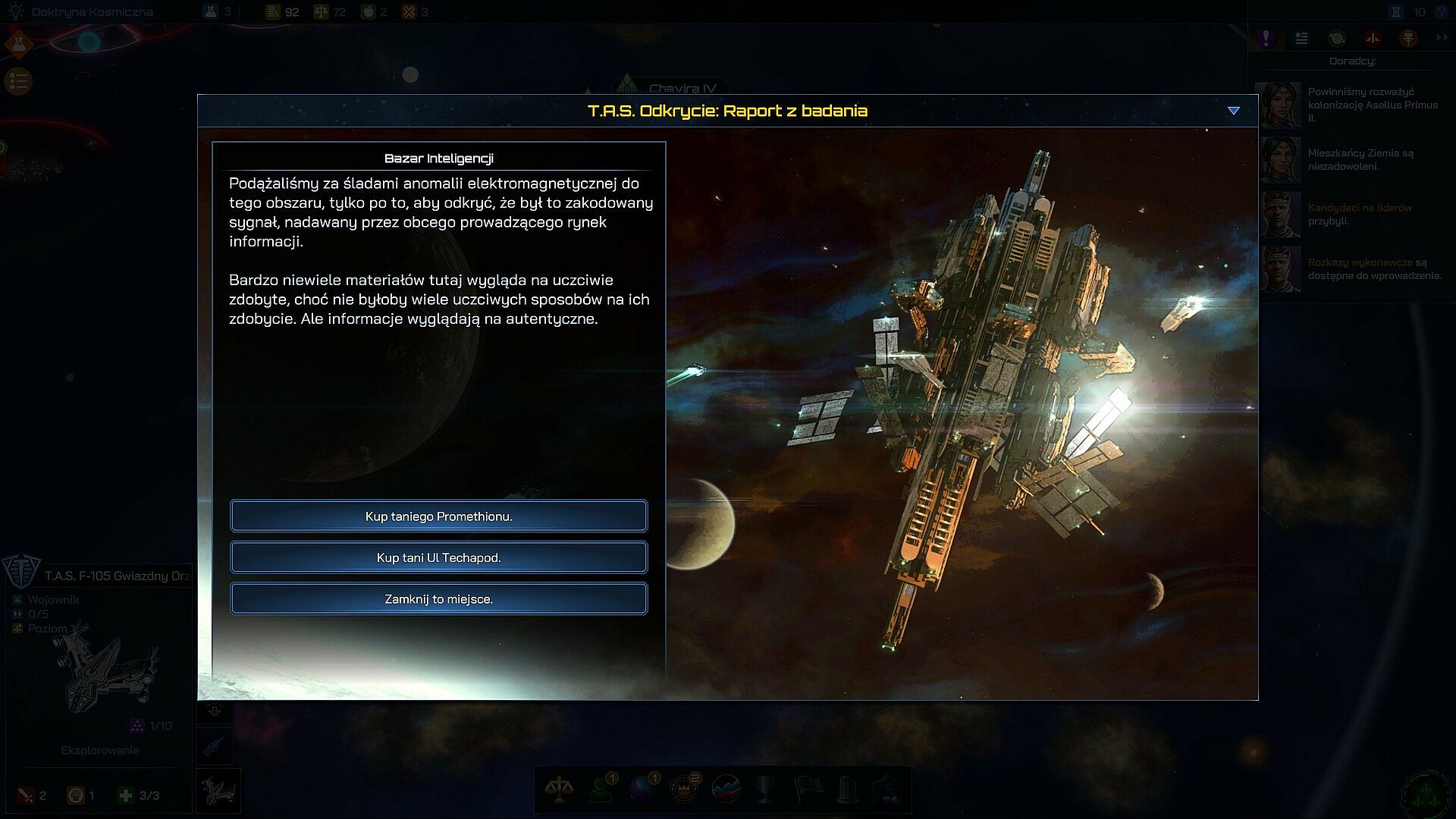
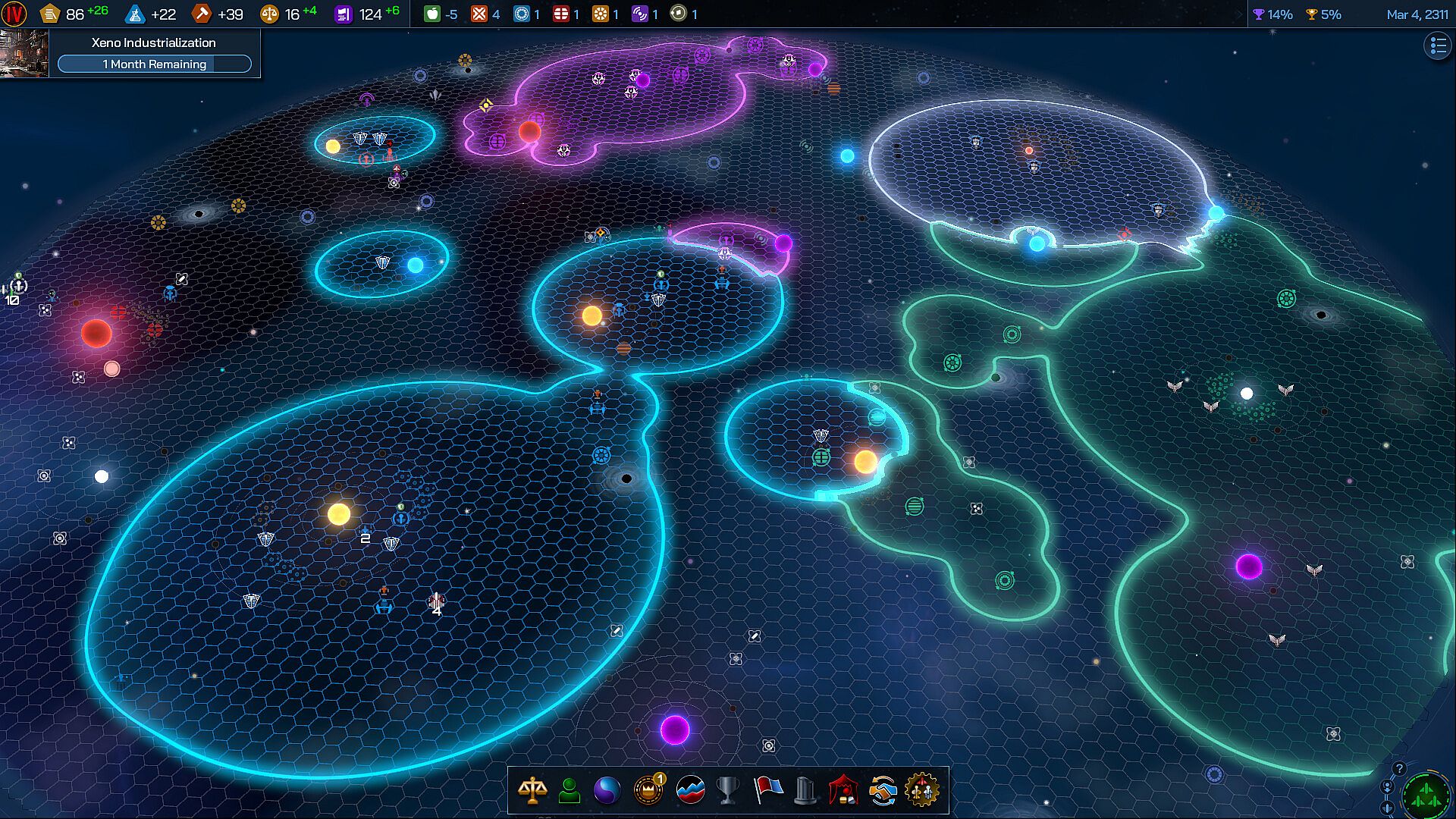
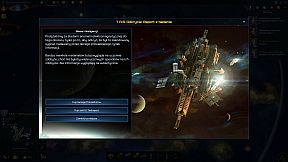
Customization shines through AlienGPT, an AI tool that generates unique lore, dialogues, ship options, and visuals based on your descriptions of a civilization's traits and ambitions. Procedural generation ensures varied galaxies, complete with events like anomalies or rival encounters, keeping strategies fresh. Victory comes in multiple forms, such as military conquest, cultural dominance, diplomatic unity, or completing prestige challenges.
Game Modes
Galactic Civilizations IV focuses on single-player gameplay, with sessions customizable for duration and scale. You can set up quick matches that wrap up in under an hour or expansive campaigns that span weeks, adjusting galaxy size, number of opponents, and difficulty to suit your preference. Procedural generation creates unique maps each time, populated with diverse civilizations and random events.
There are no dedicated multiplayer options, but the game's flexibility allows for varied solo experiences. Choose from predefined factions or create custom ones, then navigate through scenarios driven by AI behaviors and galactic happenings. Expansions like Supernova introduce additional content, enhancing replayability with new mechanics and challenges integrated into these setups.
Factions and Mechanics
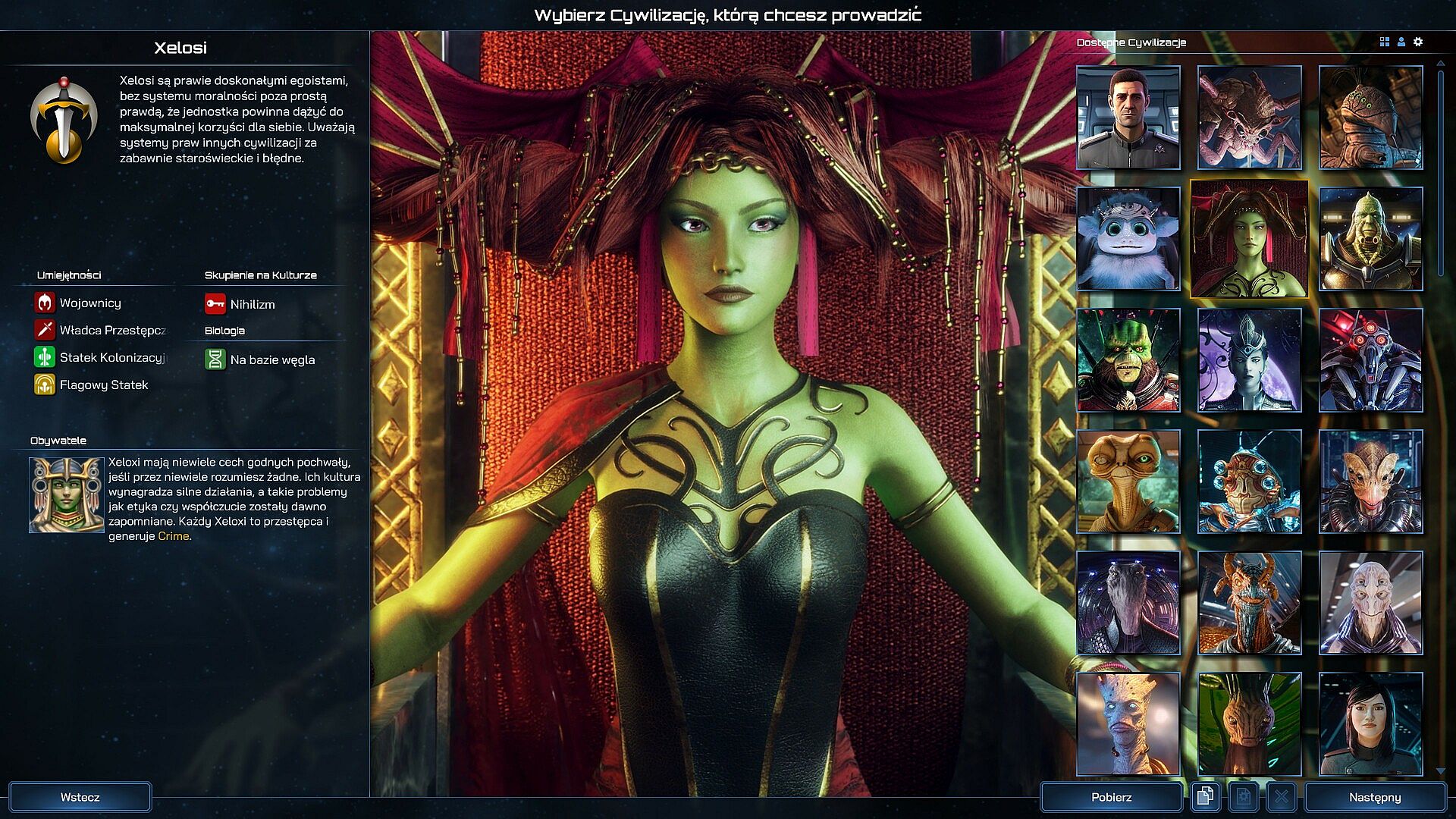
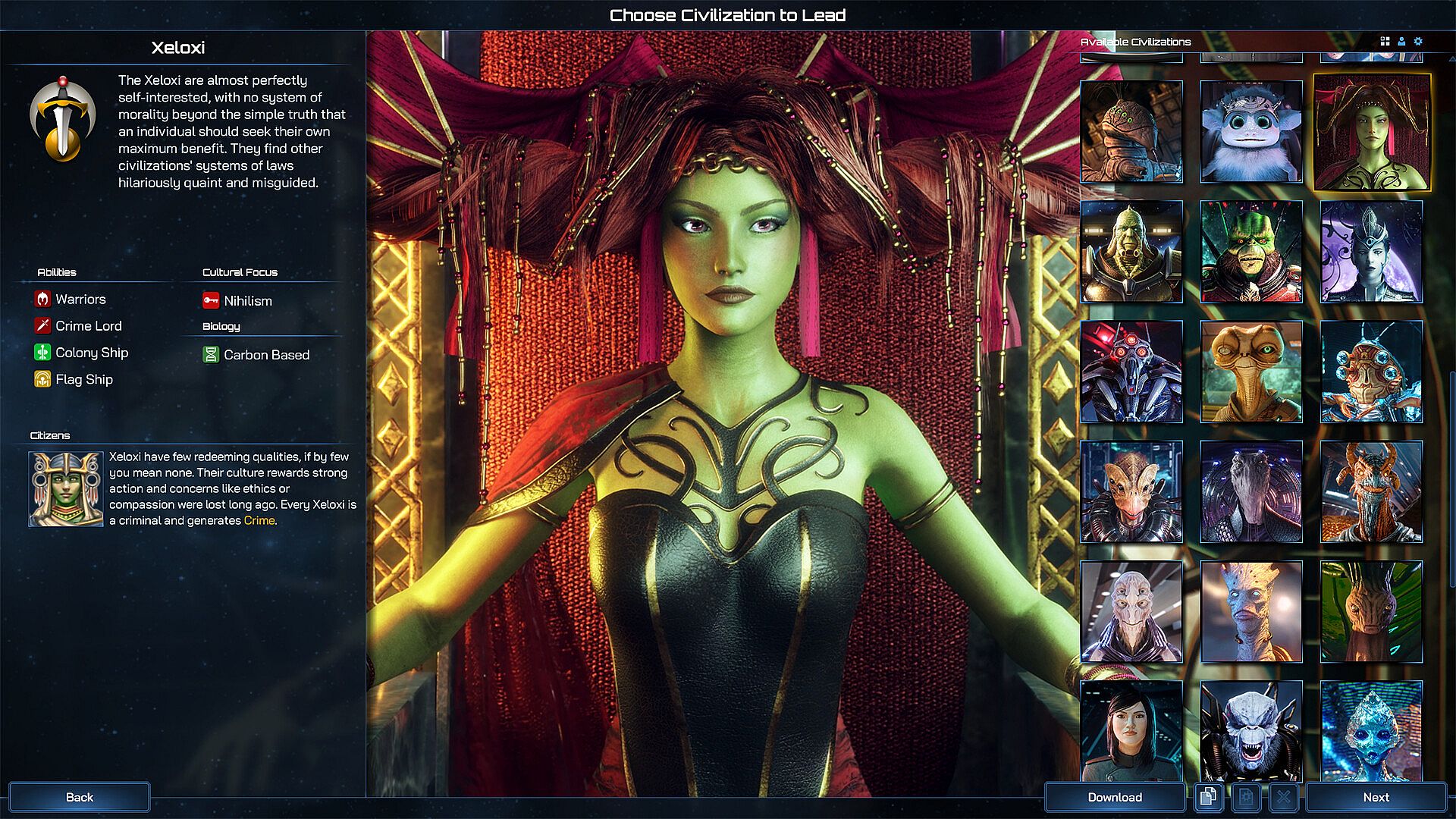
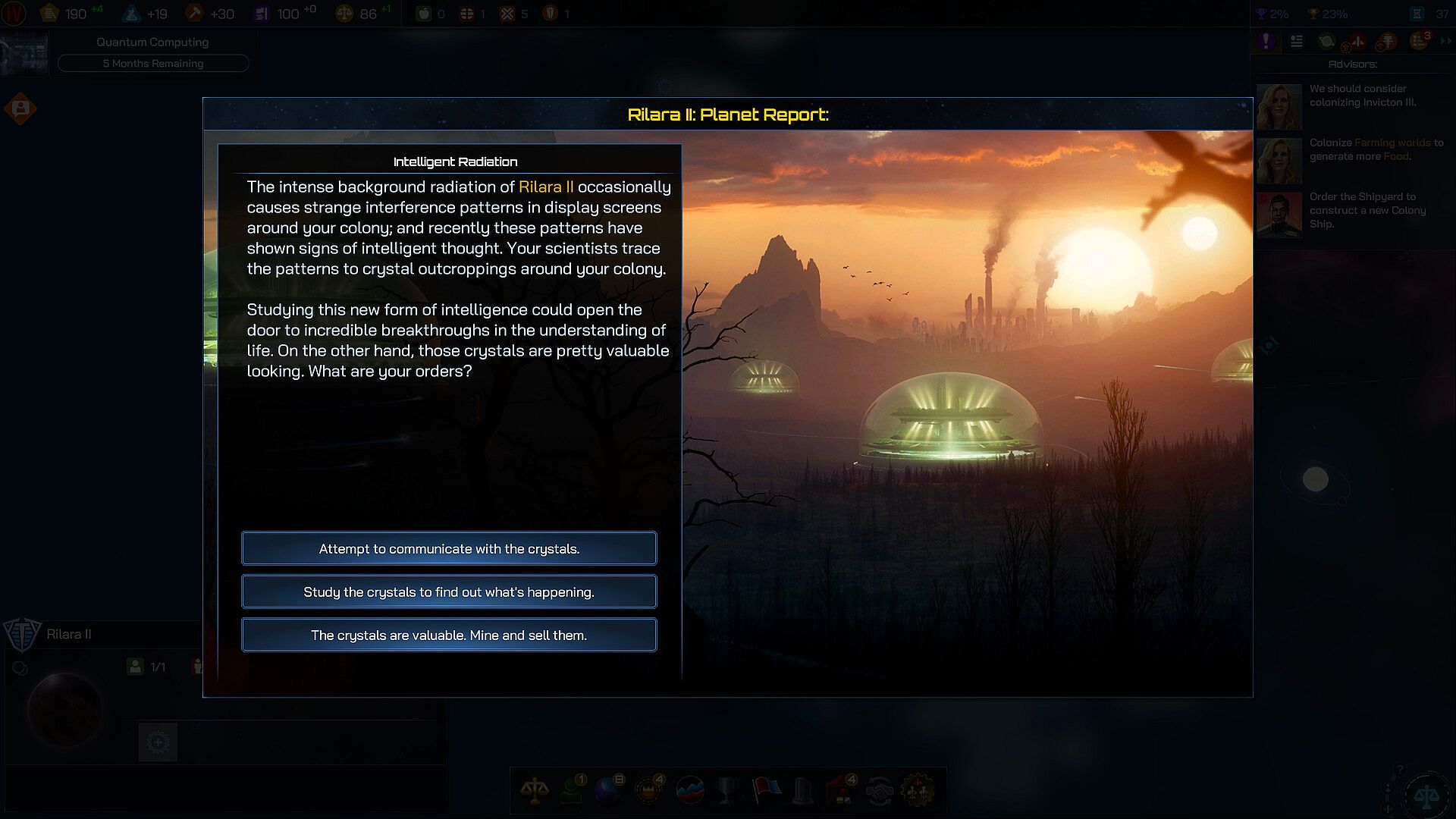
The game features a roster of distinct factions, each with unique abilities, backstories, and playstyles. For instance, some emphasize diplomacy and culture, while others lean toward aggressive expansion or technological superiority. Mechanics like resource management require balancing production, research, and military might, with events adding unpredictability.
Updates have refined these elements, improving AI decision-making and combat flow. The current version includes ongoing support, with patches addressing balance and adding features to deepen strategic layers.
Is It Worth Playing?
For enthusiasts of 4X strategy games who enjoy crafting empires and outmaneuvering AI foes in a space setting, Galactic Civilizations IV offers substantial value, especially with its Supernova expansion that builds on the base experience. Player feedback highlights strengths in customization and replayability, though some note it can feel derivative in crowded genres.
It suits those who prefer thoughtful, turn-based planning over fast-paced action, with its depth rewarding long-term investment. If you seek a strategy title with creative tools and varied paths to victory, this one holds up well in its current state, supported by developer updates that keep the community engaged.