







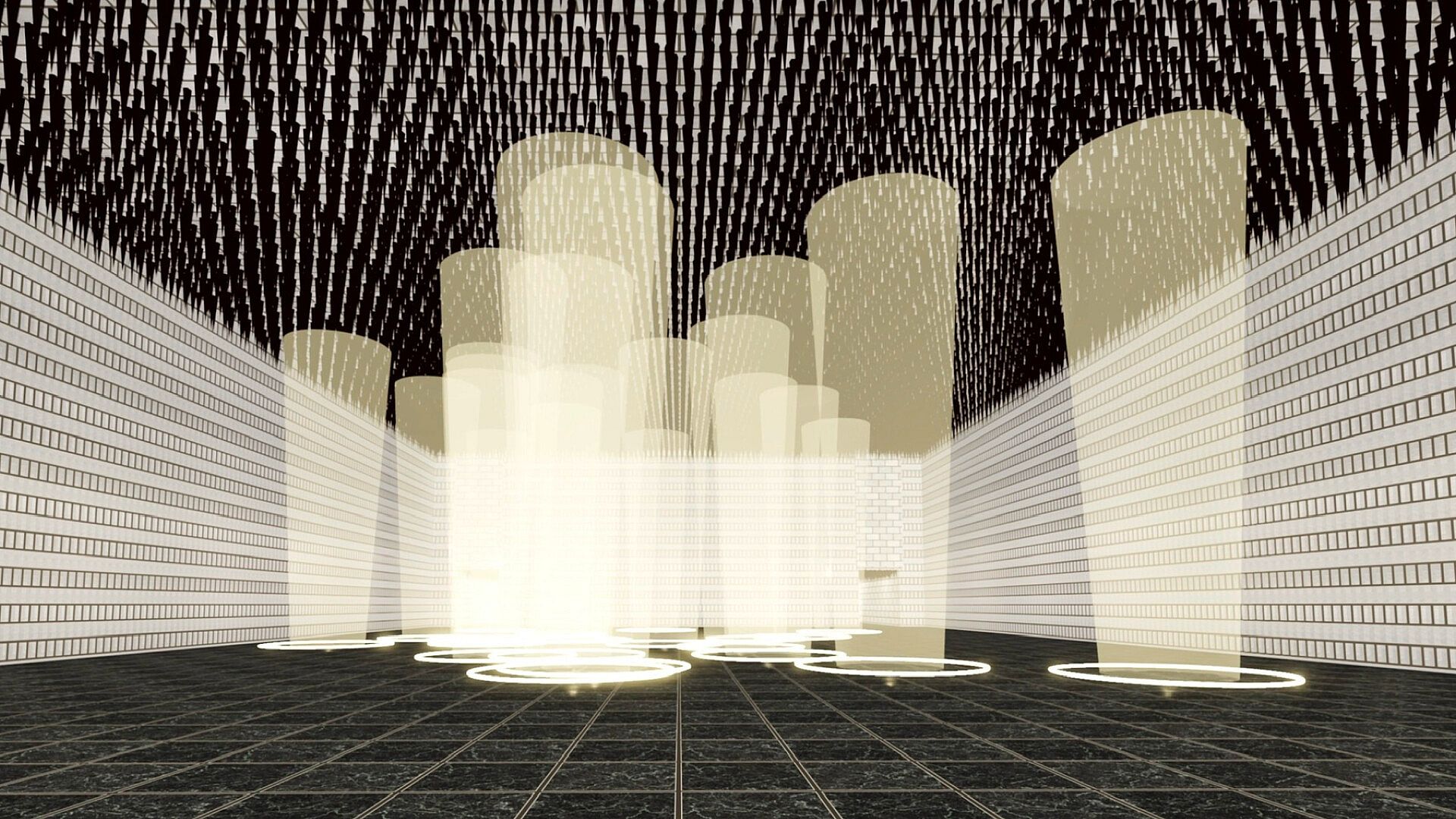
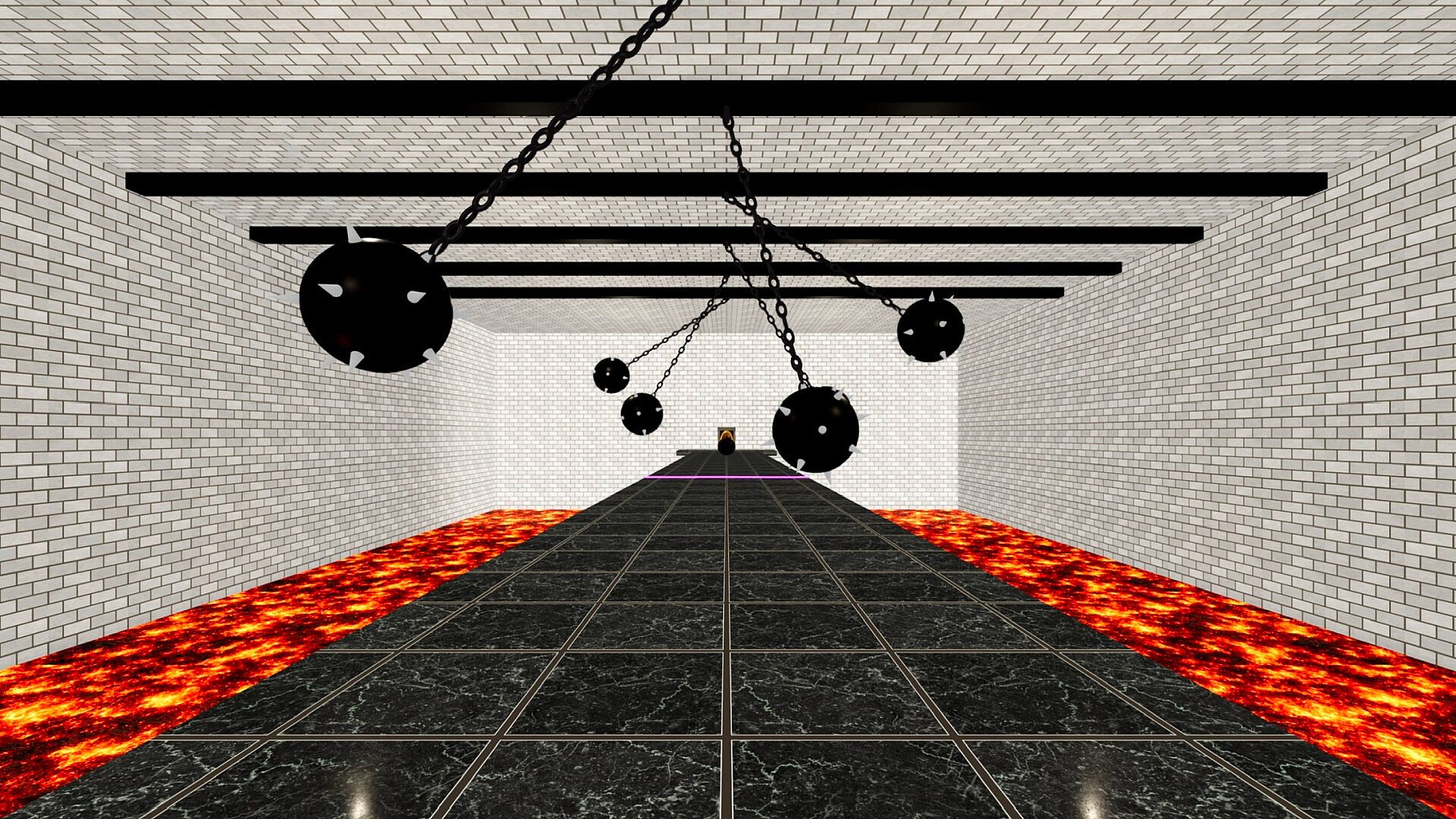

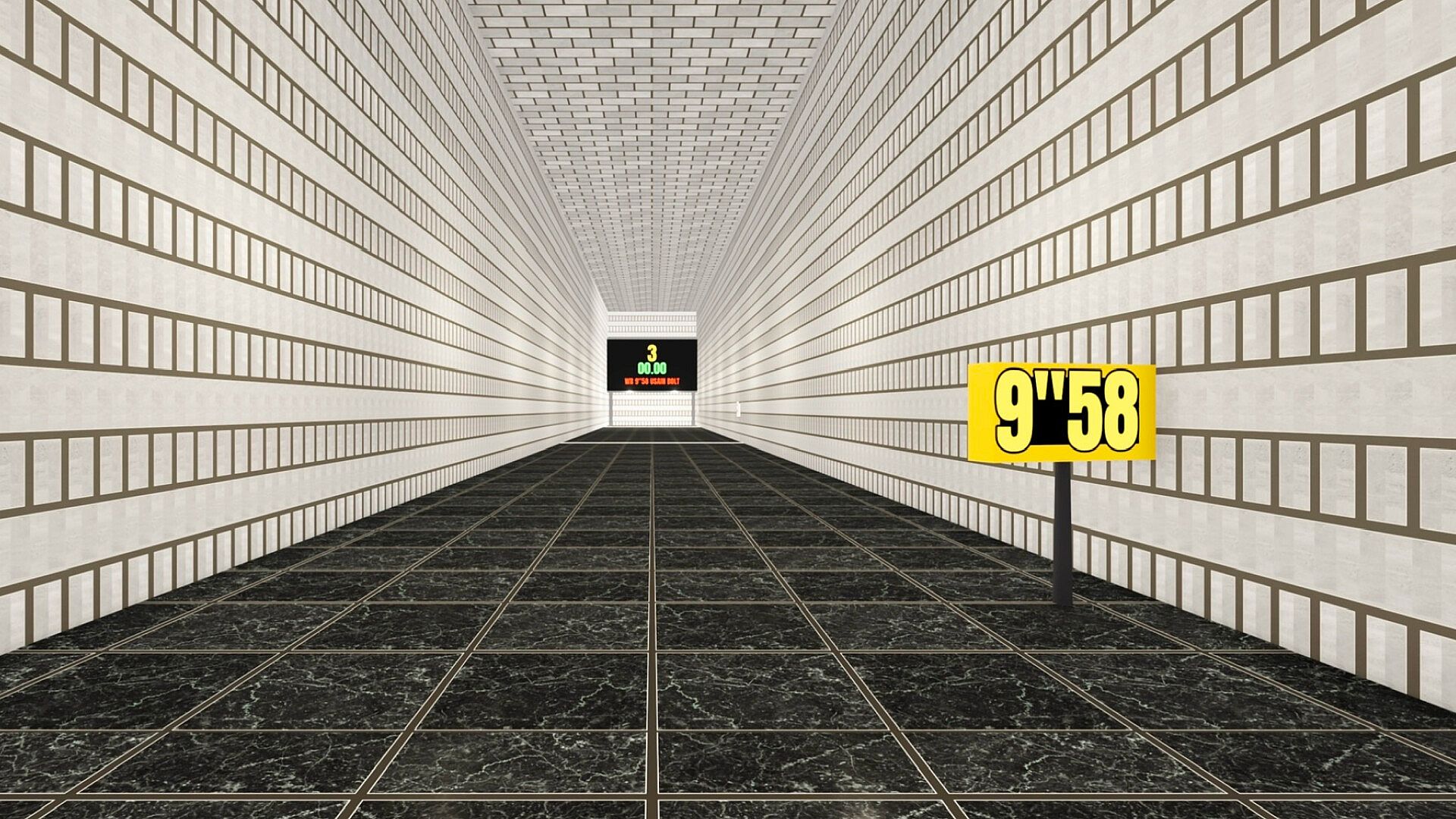
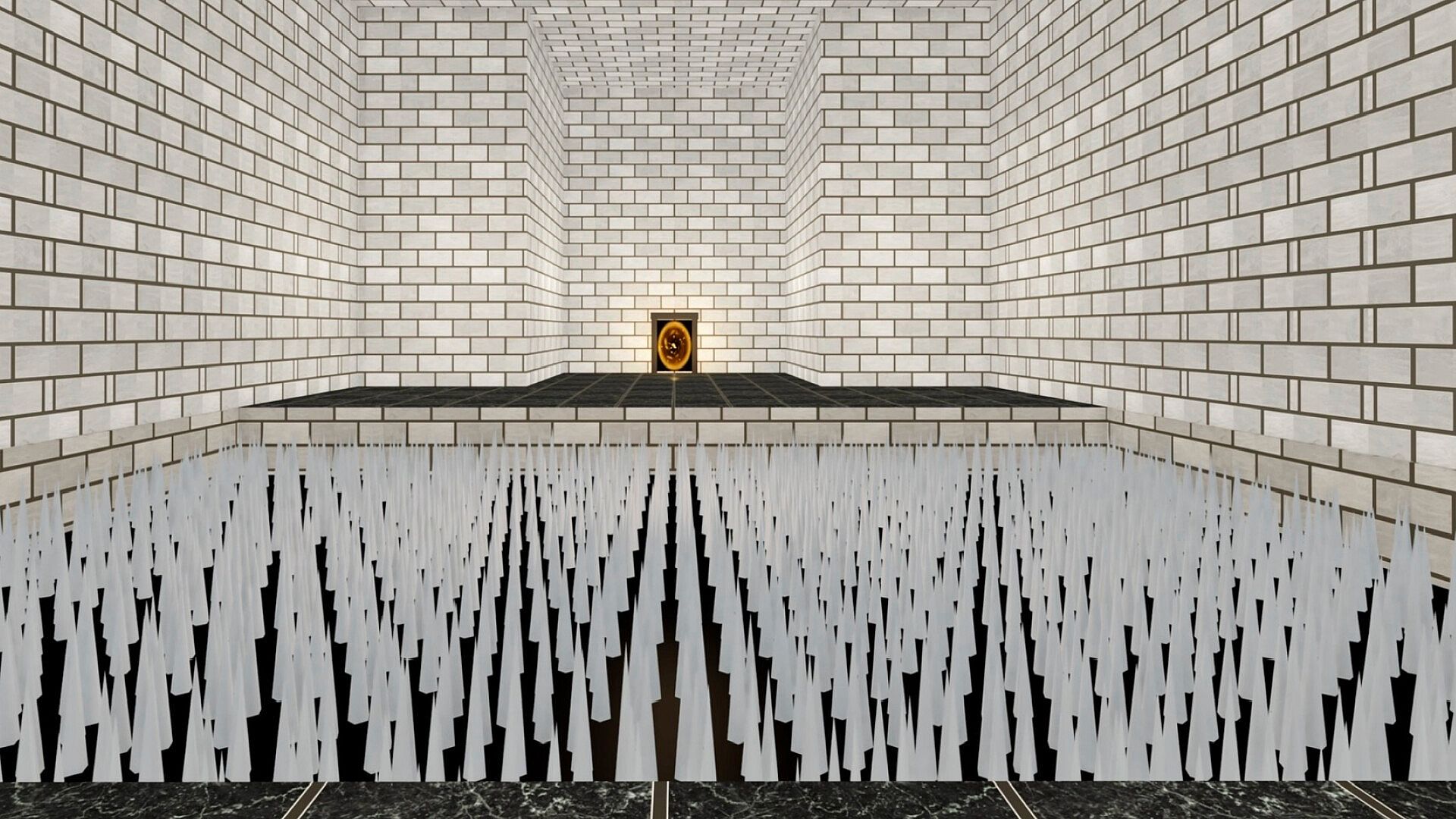

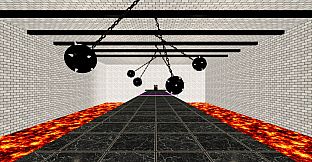


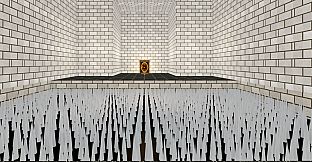
GALLERY OF LIES is a first-person action adventure game built around observation and misdirection. Players wake inside a sealed museum and must navigate a series of connected spaces by identifying false paths and hidden dangers rather than relying on speed or combat.
Gameplay
The core loop centers on moving through enclosed rooms where visual cues and spatial choices lead players astray. Every apparent safe route or logical exit conceals a trap, forcing constant reevaluation of surroundings and assumptions. Progress requires pausing to examine details that contradict initial impressions, revealing the correct path only after the deception is spotted.
Death returns the player immediately to the start of the current sequence without loading screens or penalties that break momentum. This structure keeps focus on pattern recognition and repeated attempts within the same environment. The experience stays strictly single-player, with no external elements or cooperative features altering the solitary progression through the fixed sequence of challenges.
Game Modes
The game presents one continuous single-player campaign structured around sequential room clearing. There are no separate modes, difficulty settings, or branching campaigns confirmed at this stage. All activity occurs within the same trap-filled museum layout, where success depends on learning from each failed attempt and applying that knowledge to the next room in line.
Core Mechanics and Structure
Twenty-three distinct rooms form the complete path to escape. Each room operates on the principle that the most obvious solution is incorrect, shifting emphasis from reflexes to careful scrutiny of the environment. Black vortex portals replace traditional exits, serving as the only way forward once the correct trigger or hidden passage is located.
Common sense often works against the player, so the design encourages deliberate second-guessing of every doorway, object placement, and visual hint. No combat or resource management systems appear in the available details, keeping the focus narrow on trap avoidance and logical deduction within tight spaces.
Is It Worth Playing?
This title suits players who enjoy methodical puzzle-solving and trial-and-error loops without frustration from long restarts. The immediate respawn system supports sustained attempts at each section, rewarding patience and attention to detail over quick reflexes. Because the game remains unreleased with no player reviews or update history available, any assessment rests on the described single-player structure alone.
Those drawn to short, focused indie experiences centered on misdirection and environmental observation will find the premise aligned with their preferences. The absence of multiplayer or additional modes keeps the scope contained to one linear challenge that tests perception repeatedly across its twenty-three rooms.











