


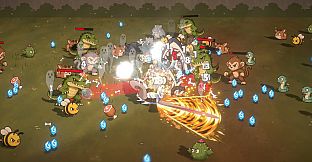
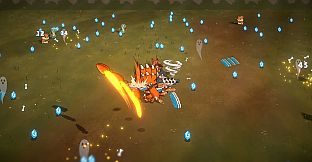
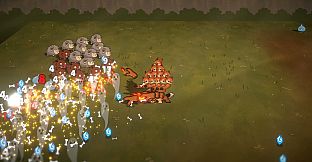
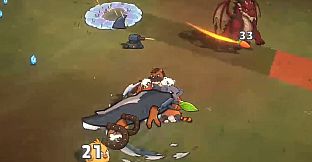
Gene Gone Wild is an action indie game for PC in which players construct and control a custom creature built from mismatched animal parts. The core loop centers on scavenging genes during runs, equipping heads, limbs, and tails that alter combat capabilities, then refining the build across multiple attempts. This survivor roguelite emphasizes experimentation with ability combinations rather than fixed character classes.
Gameplay
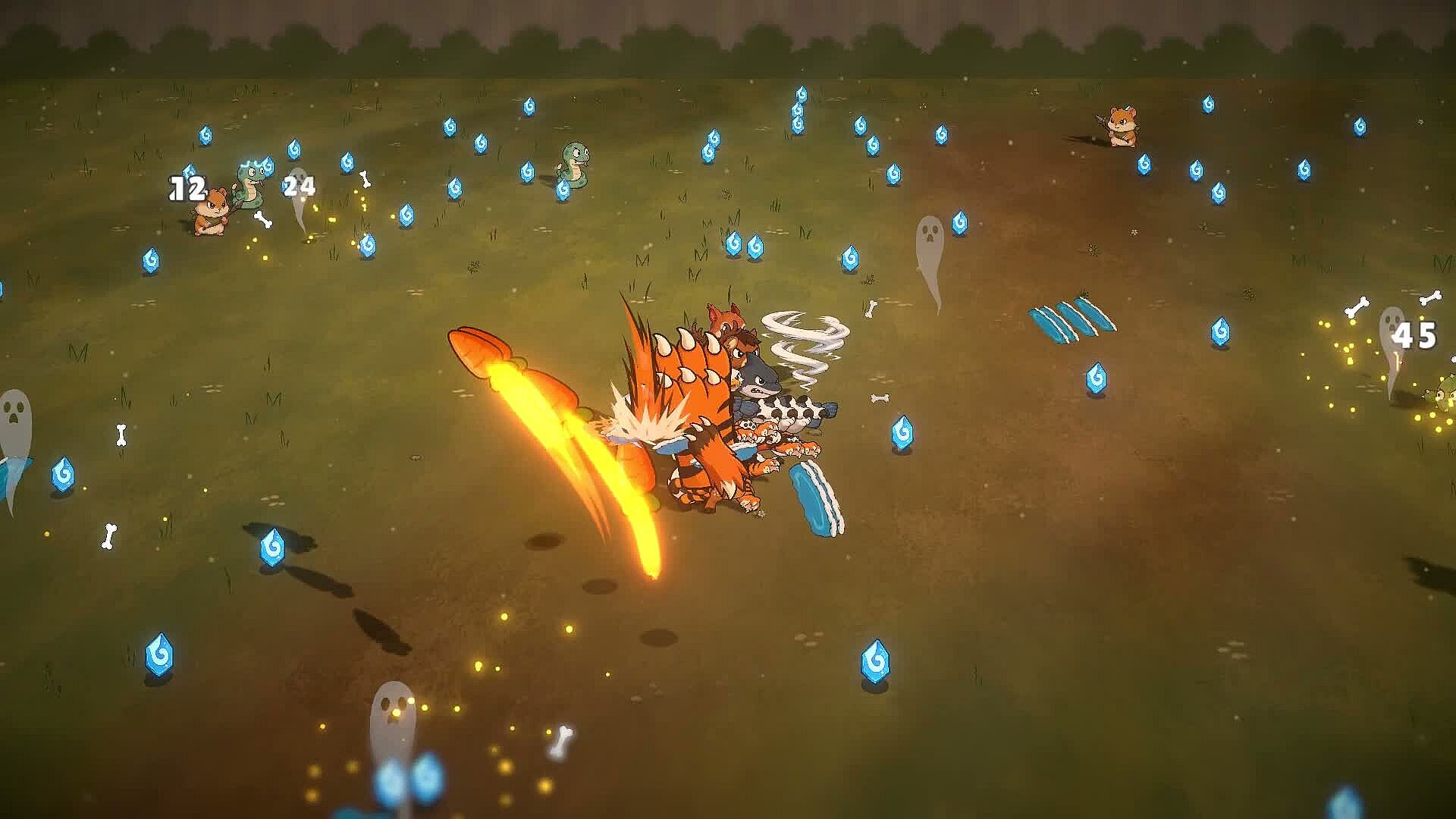
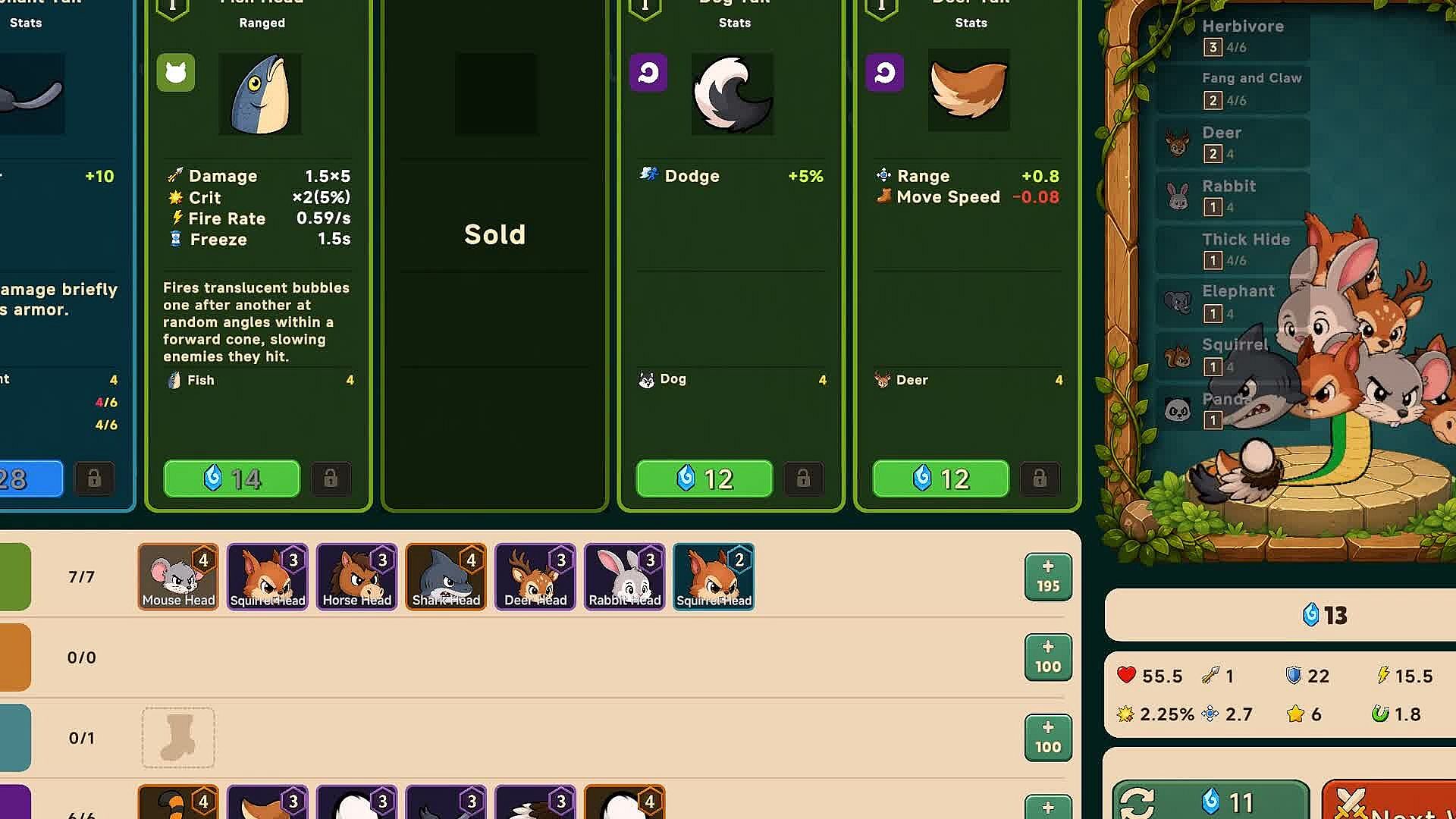
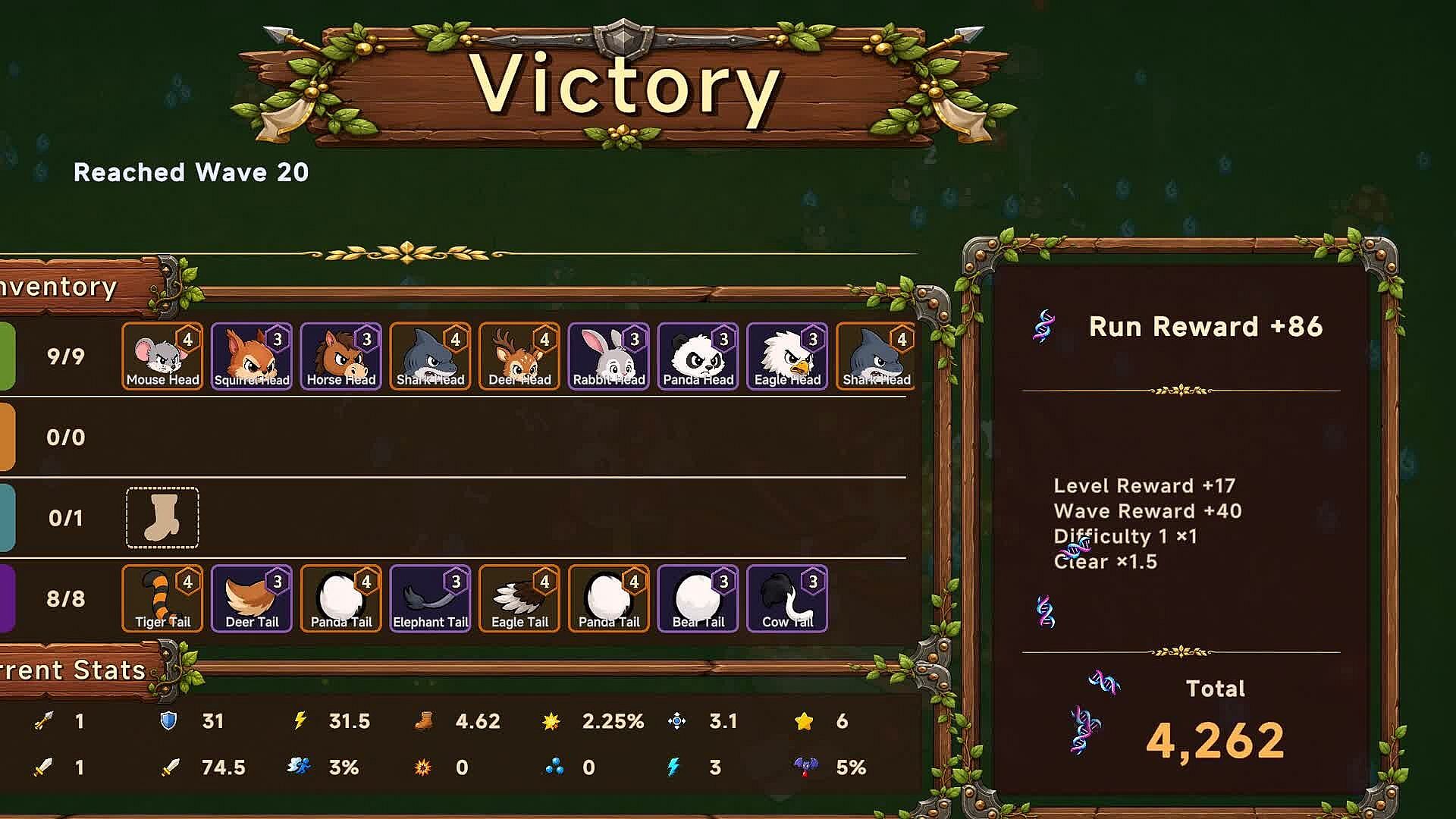
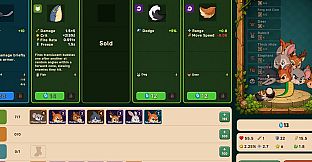
Each run begins with a small creature that grows through the addition of body parts collected between waves. Heads deliver primary attacks, upper limbs handle close-range strikes or grabs, lower limbs influence mobility, and tails provide area effects or follow-up damage. Parts of matching type and level can be merged into upgraded versions that scale damage output or add secondary traits.
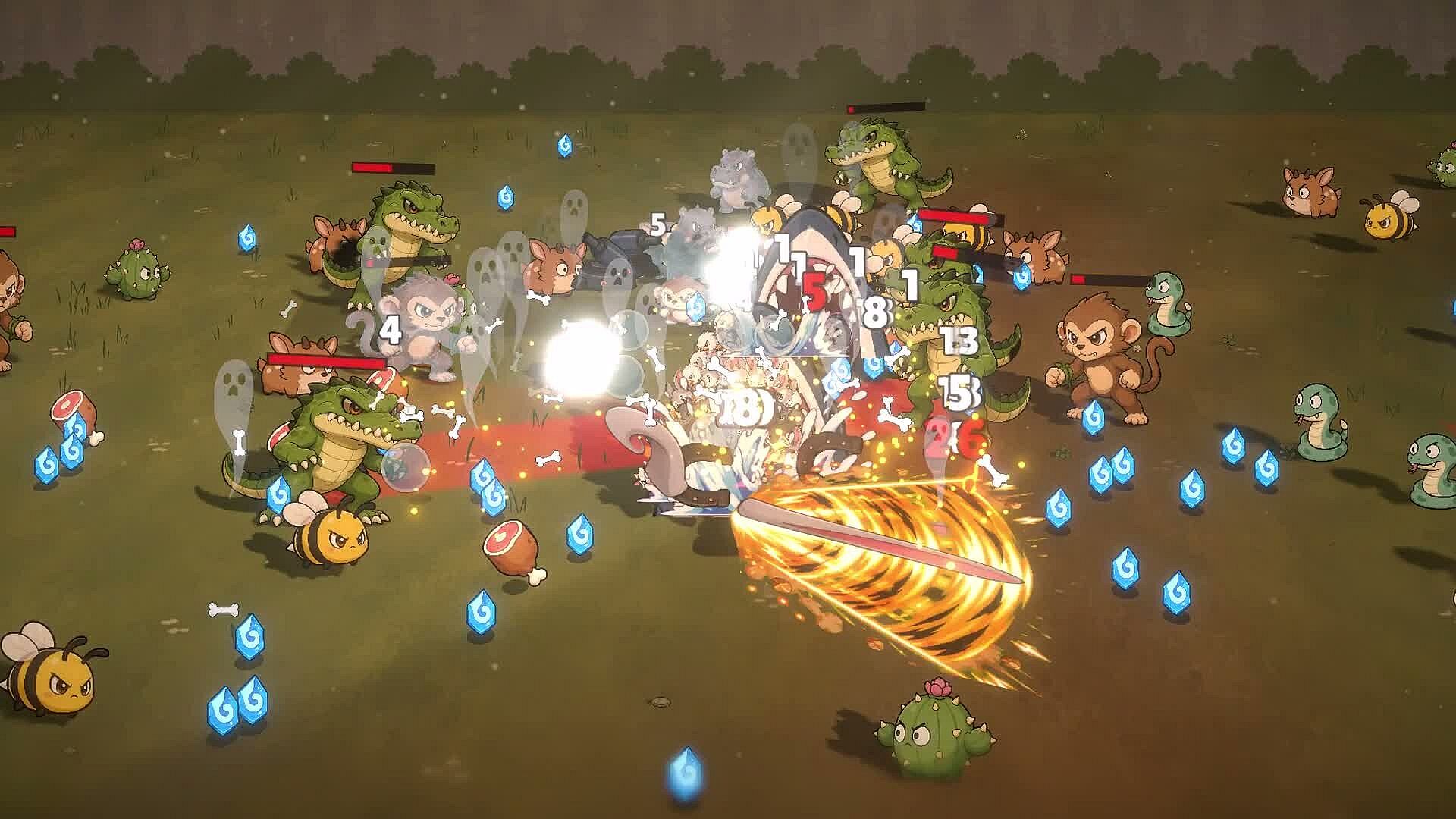
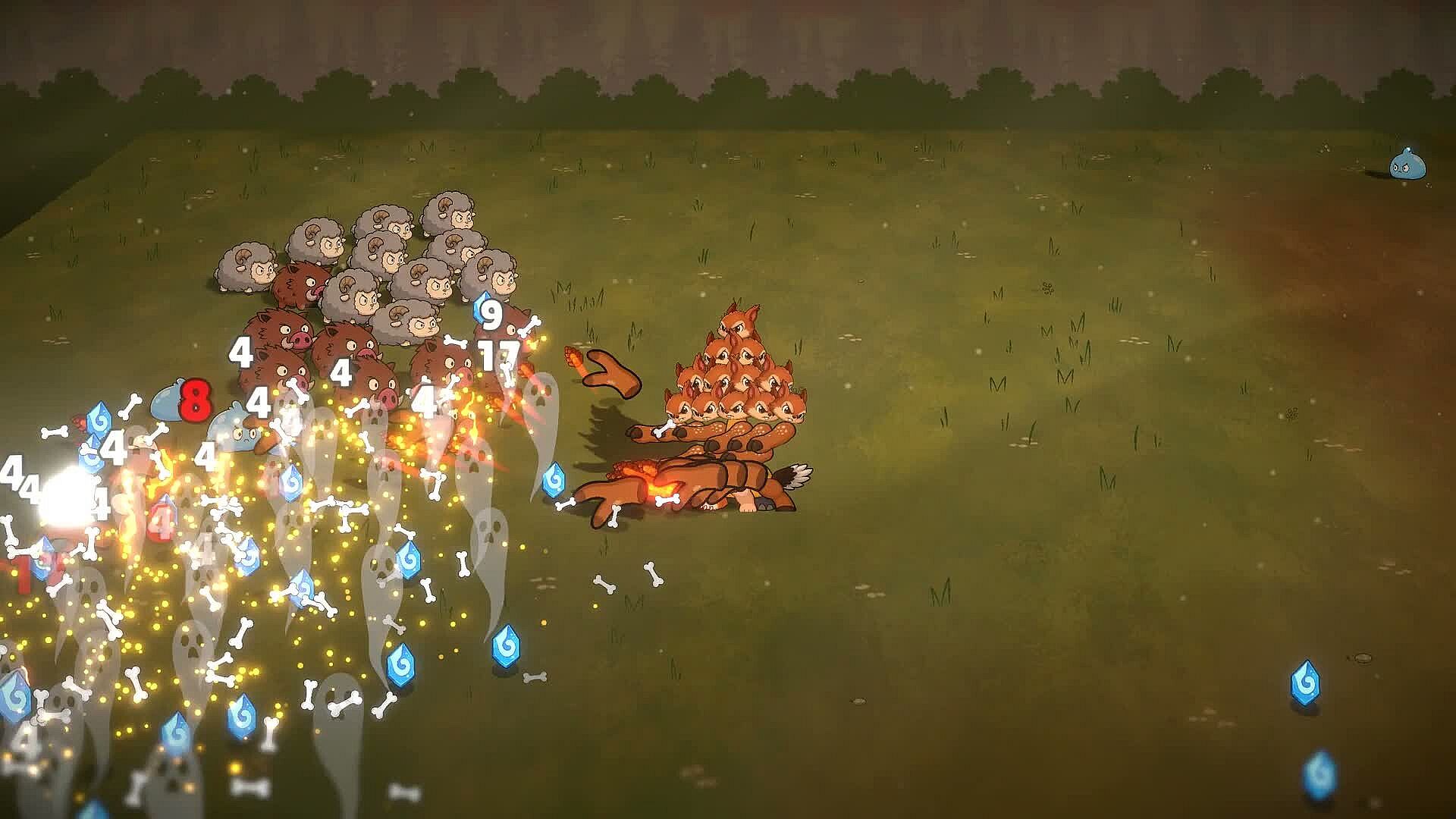
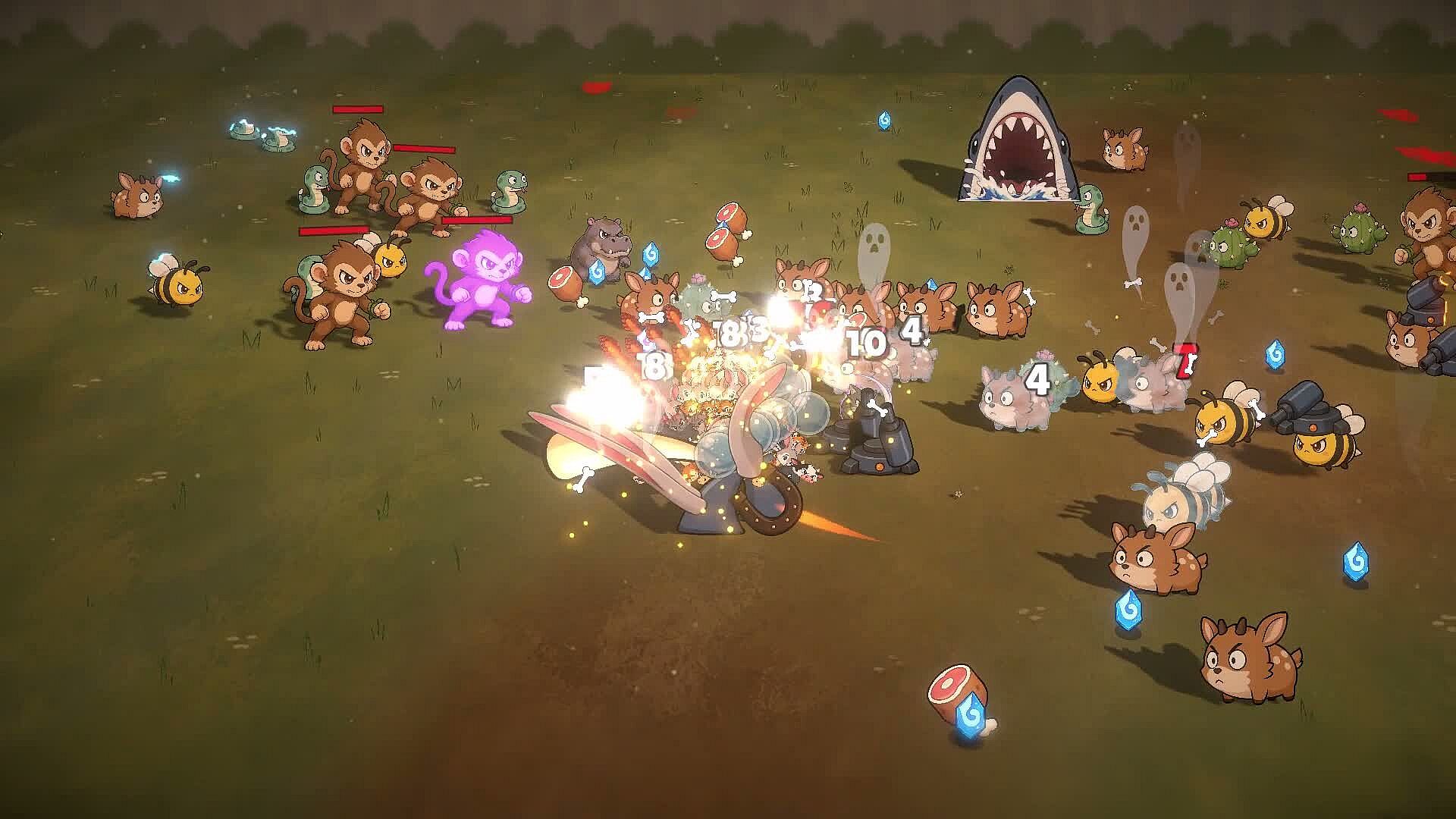
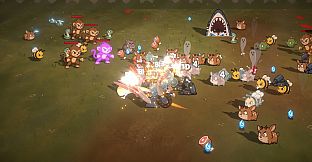
Combat rewards positioning and timing. Multiple equipped parts activate simultaneously, creating layered attacks that clear groups of enemies or focus down larger threats. Movement speed, attack range, and defensive options shift with every new attachment, forcing constant adaptation as enemy density increases. The system rewards players who identify synergies, such as pairing a ranged head with a mobility limb to maintain distance while dealing consistent damage.
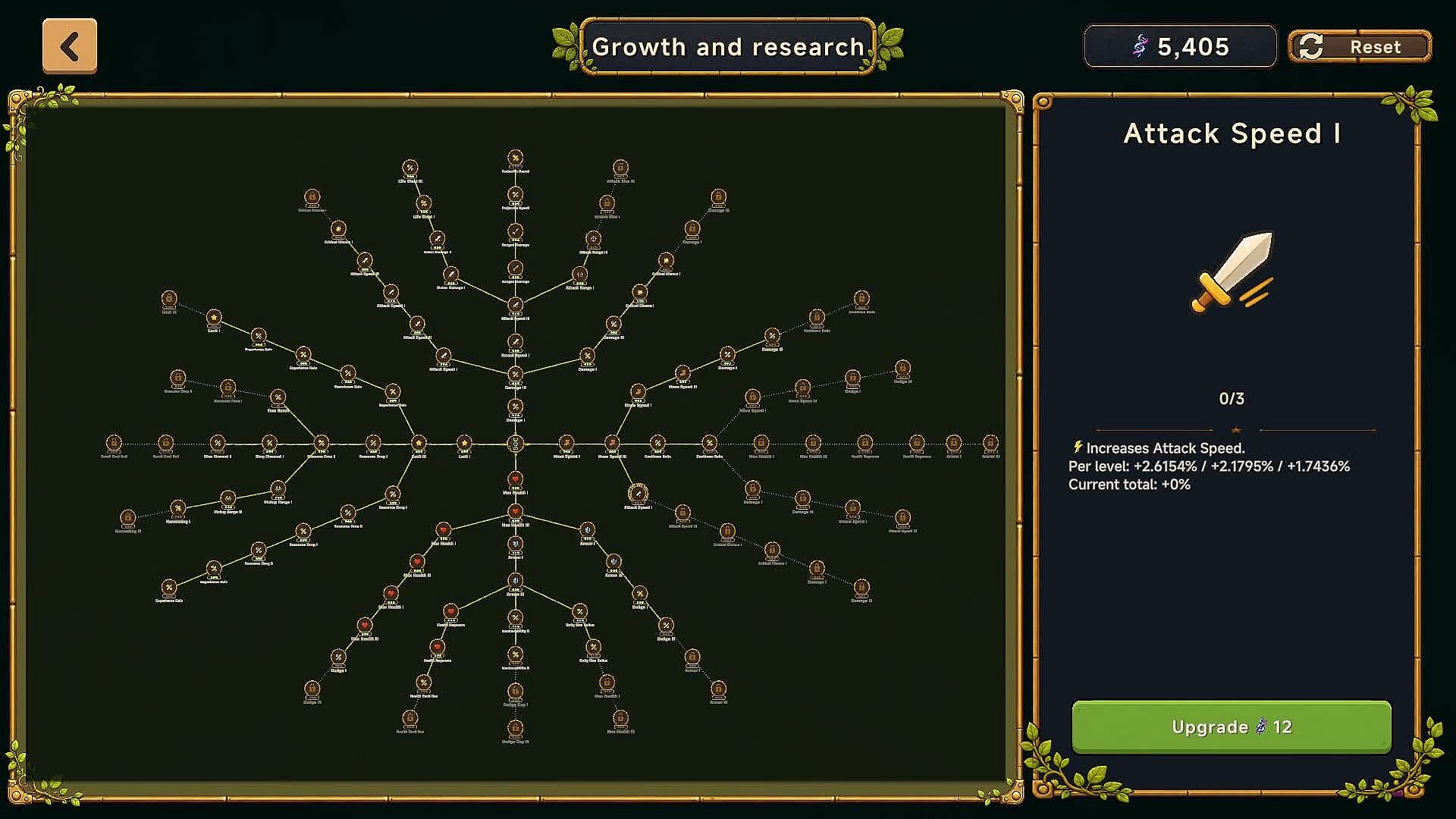
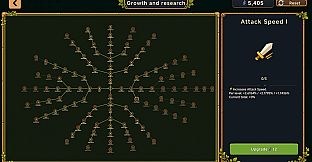
Between runs, earned genes feed into a talent tree. Paths require specific prerequisites, and upgrades can emphasize offense, survival, or hybrid approaches. The tree supports full resets, allowing a complete shift in focus without permanent loss of progress. This structure encourages repeated play as new part combinations interact with chosen talents in fresh ways.
Game Modes
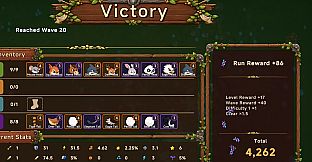
The experience centers on single-player runs against escalating swarms and bosses. Each attempt tests a different creature configuration in a loop of survival, part acquisition, and refinement. No separate competitive or cooperative modes appear in the available information, keeping the focus on iterative solo progression through increasingly challenging encounters.
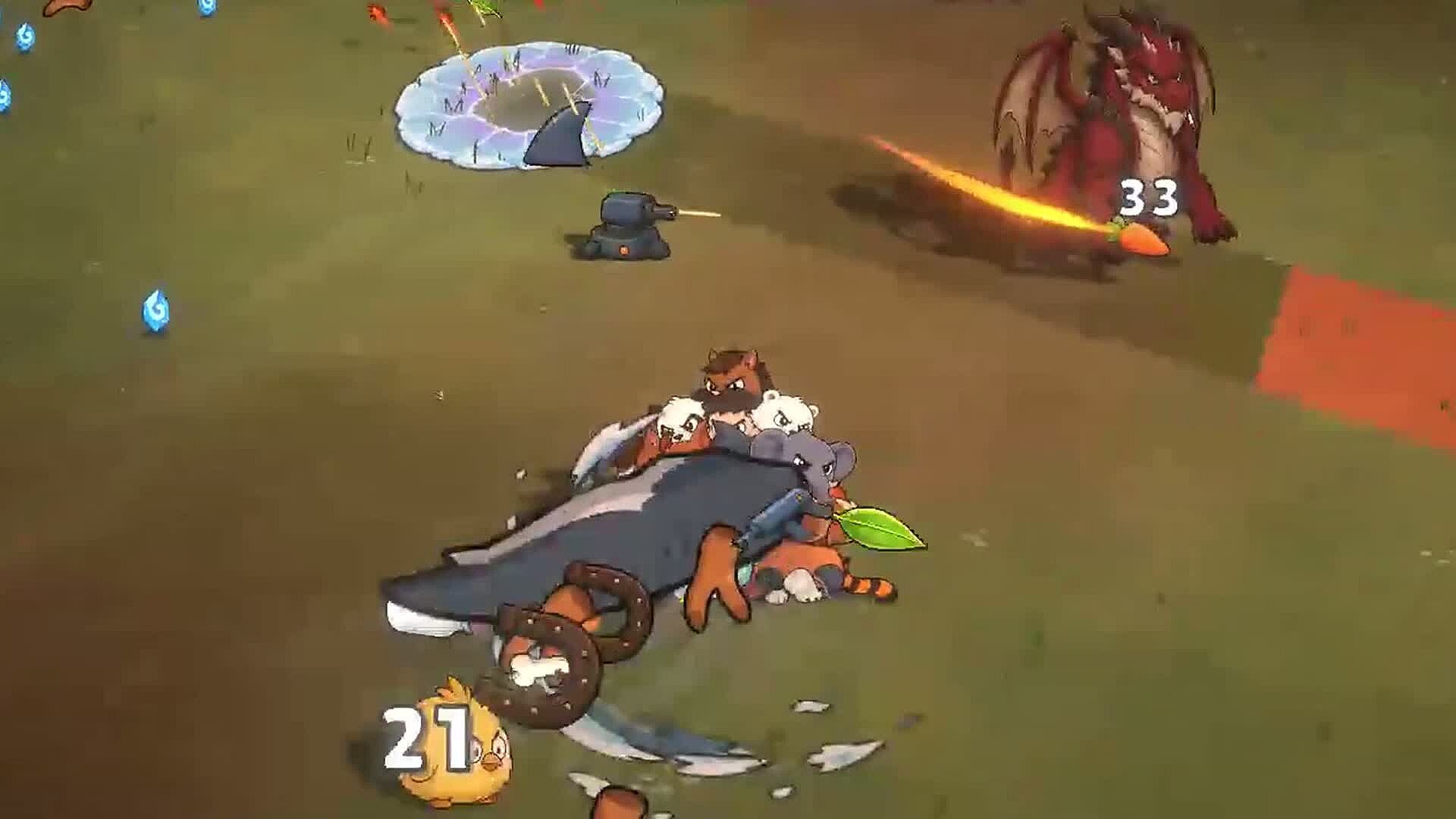
Wave survival forms the backbone of every session. Early stages allow testing of basic part setups, while later waves demand careful management of multiple attack types and movement options. Boss encounters require precise timing and build adjustments to overcome higher health pools and unique attack patterns.
Creature Building and Progression
Body parts function as both visual and mechanical upgrades. A new head might introduce projectile attacks, while a set of claws adds rapid melee combos. Tails often contribute crowd control or passive bonuses. The visible changes on the creature reinforce the sense that every choice alters how the beast operates in the field.
Gene investment happens outside runs. The talent tree branches into distinct routes that complement particular animal themes or combat styles. Players can pursue aggressive damage paths, defensive sustain options, or utility-focused nodes that improve part merging efficiency. Resetting the tree at any time supports testing alternative strategies without restarting the entire collection process.
Is It Worth Playing?
Gene Gone Wild suits players who enjoy roguelite runs built around modular character creation and incremental power growth. The single-player format delivers focused sessions centered on experimentation with animal-part combinations and talent choices. With no user reviews available at this stage, the game remains an untested title whose appeal rests on its core loop of building, surviving, and refining. Those drawn to indie action experiences that prioritize creative builds over narrative or multiplayer elements may find the systems engaging enough to justify early exploration. Availability on PC through standard digital storefronts makes it accessible for those interested in the genre.