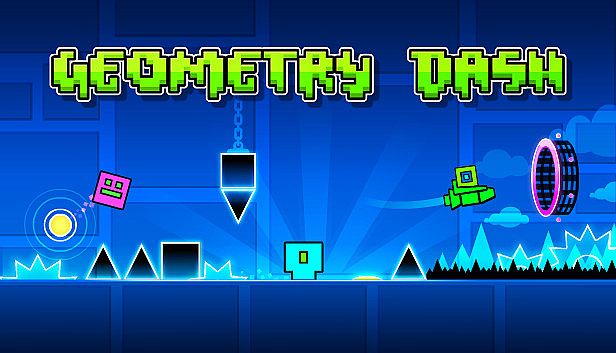










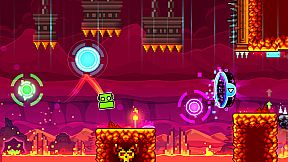
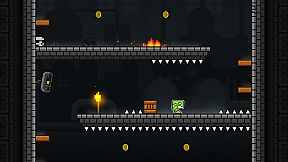
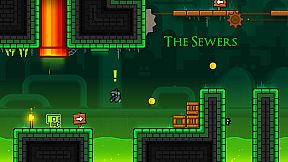
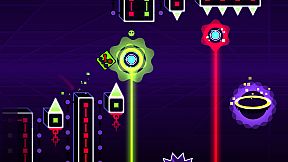
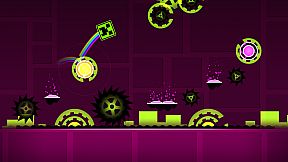
Geometry Dash stands out as a rhythm-based action platformer that tests precision and timing in a fast-paced environment. Released initially in 2013, this indie title from developer Robert Topala challenges players to navigate geometric shapes through obstacle-filled levels synced to energetic soundtracks. With its focus on skill-building and community-driven content, it appeals to those seeking intense single-player experiences on PC.
Gameplay
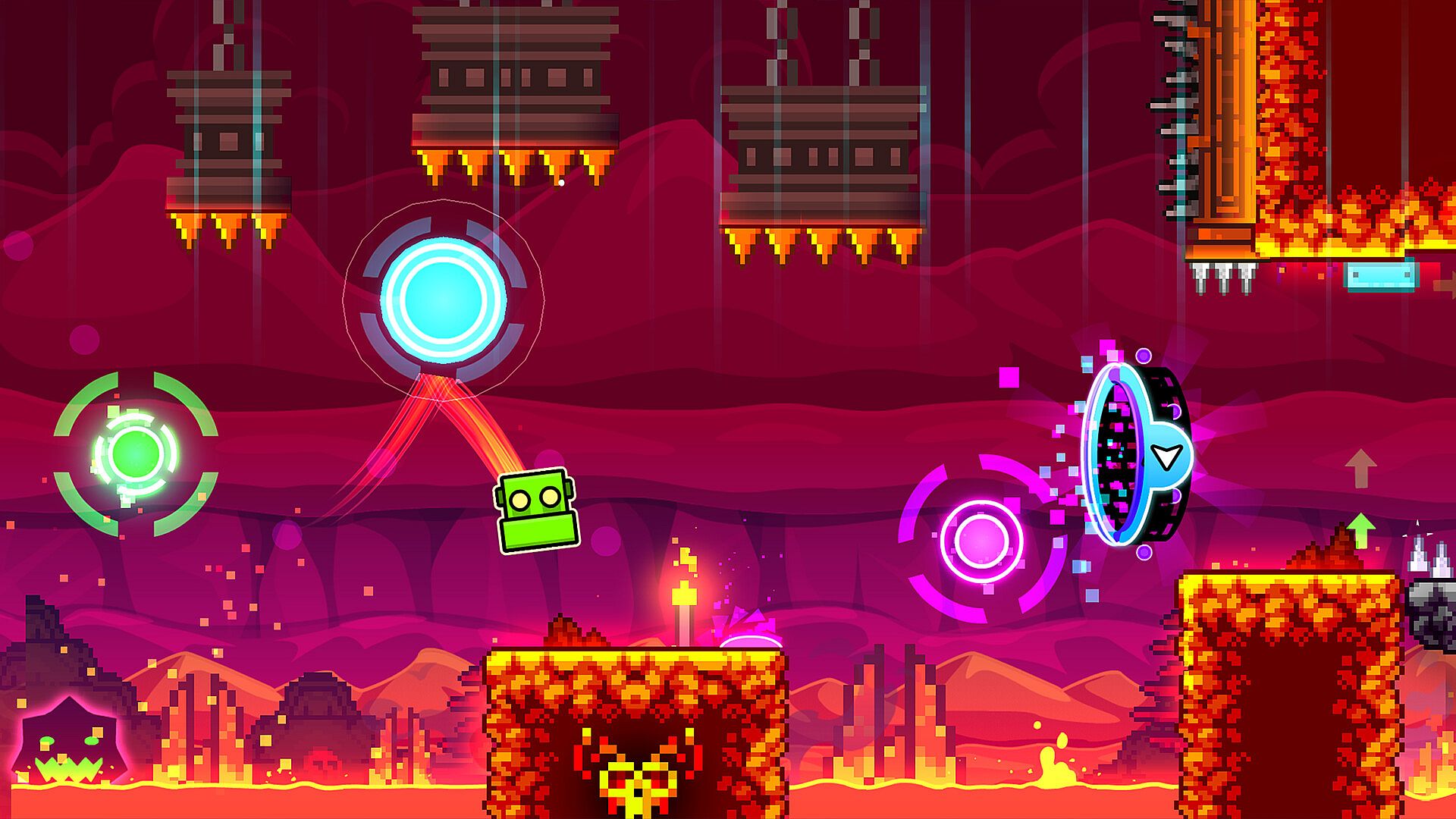
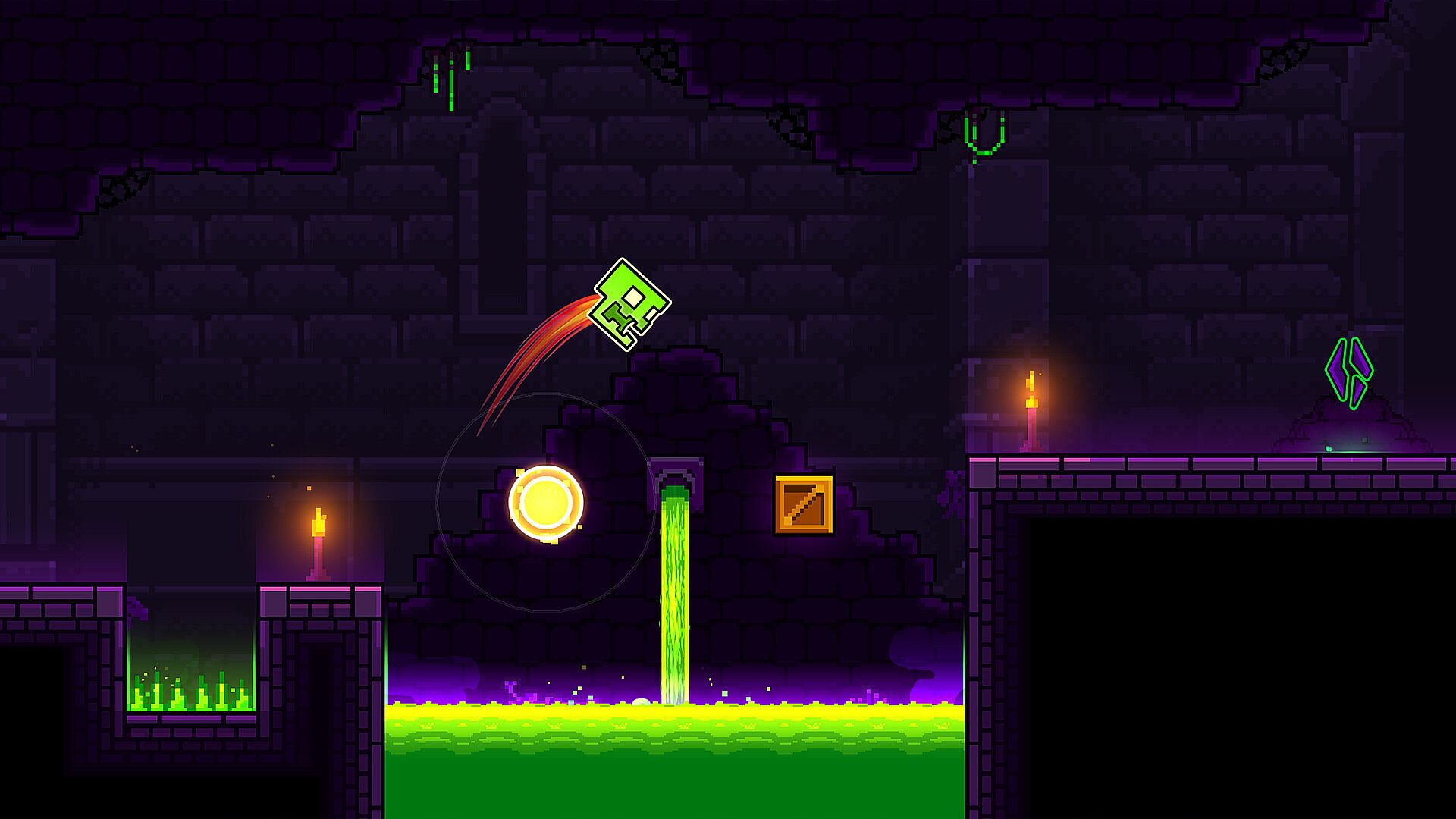
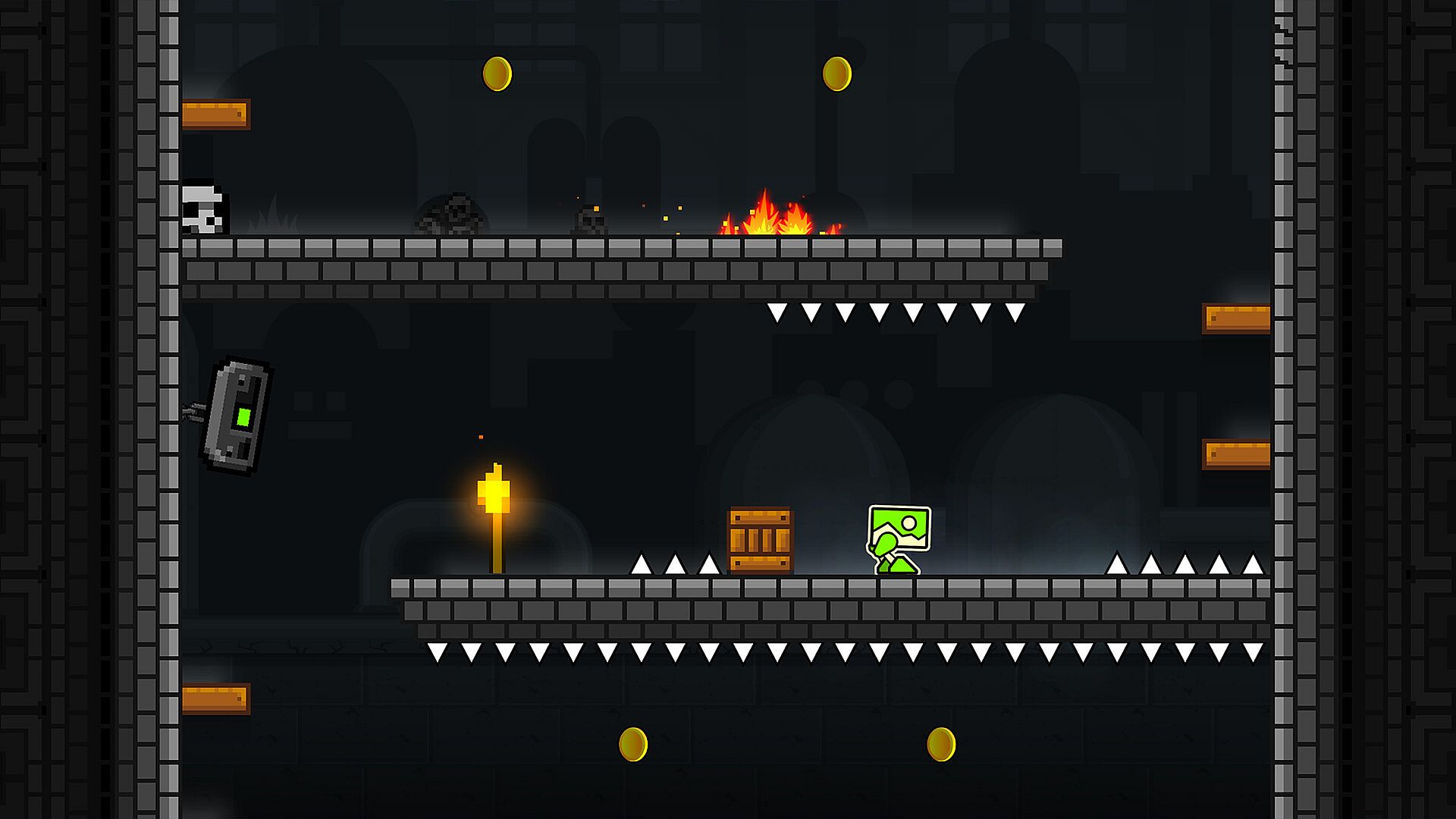
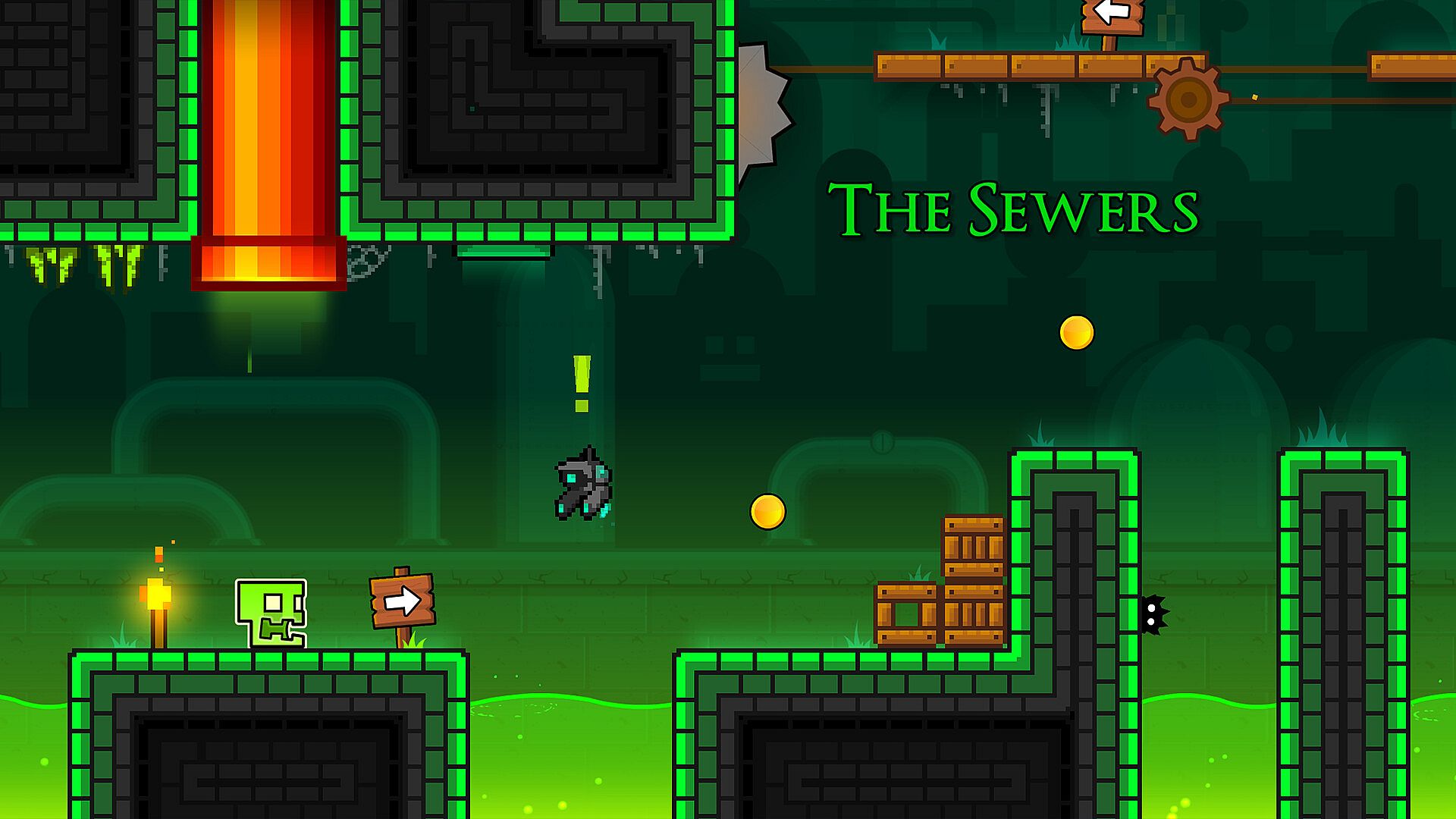
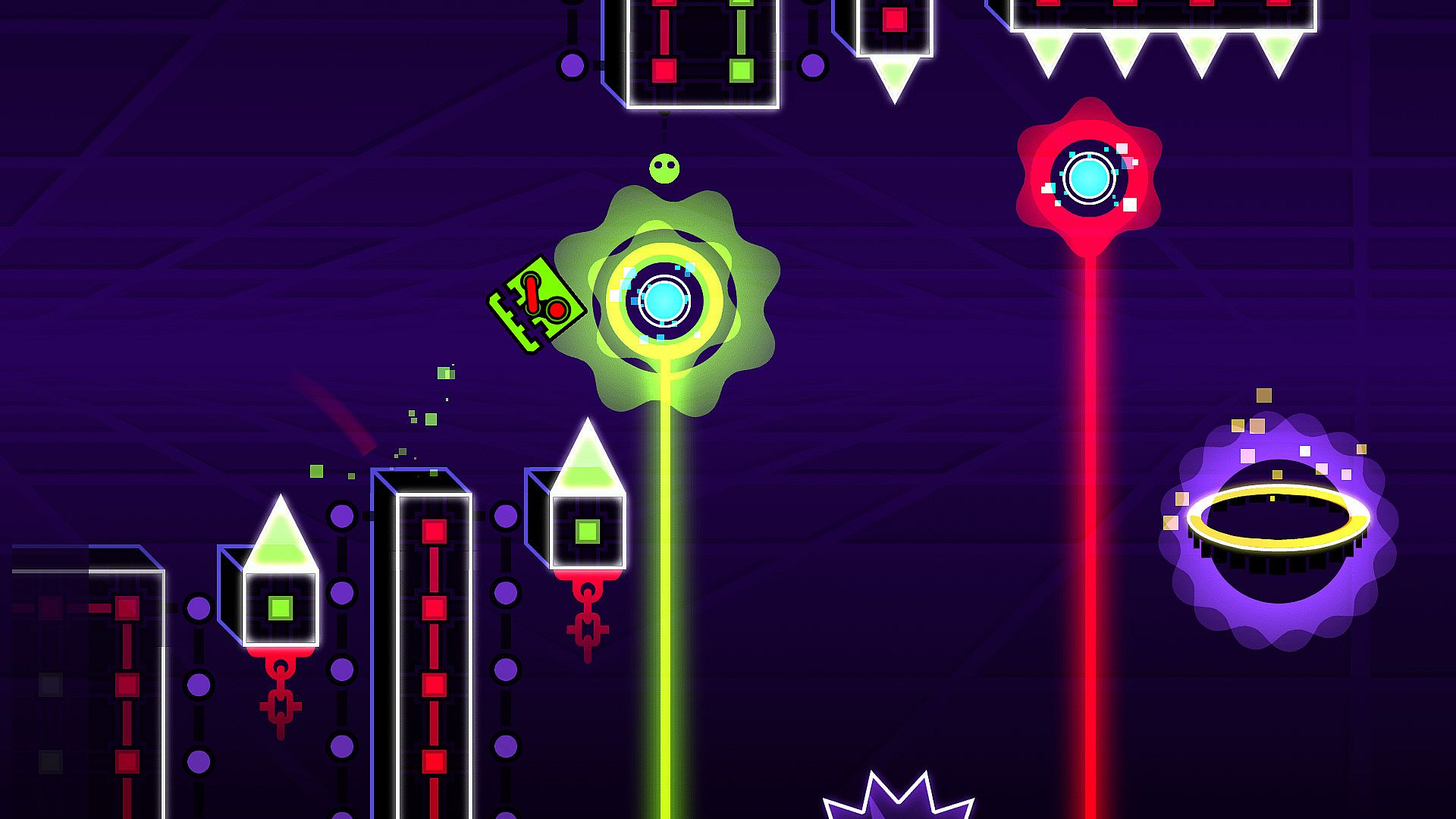
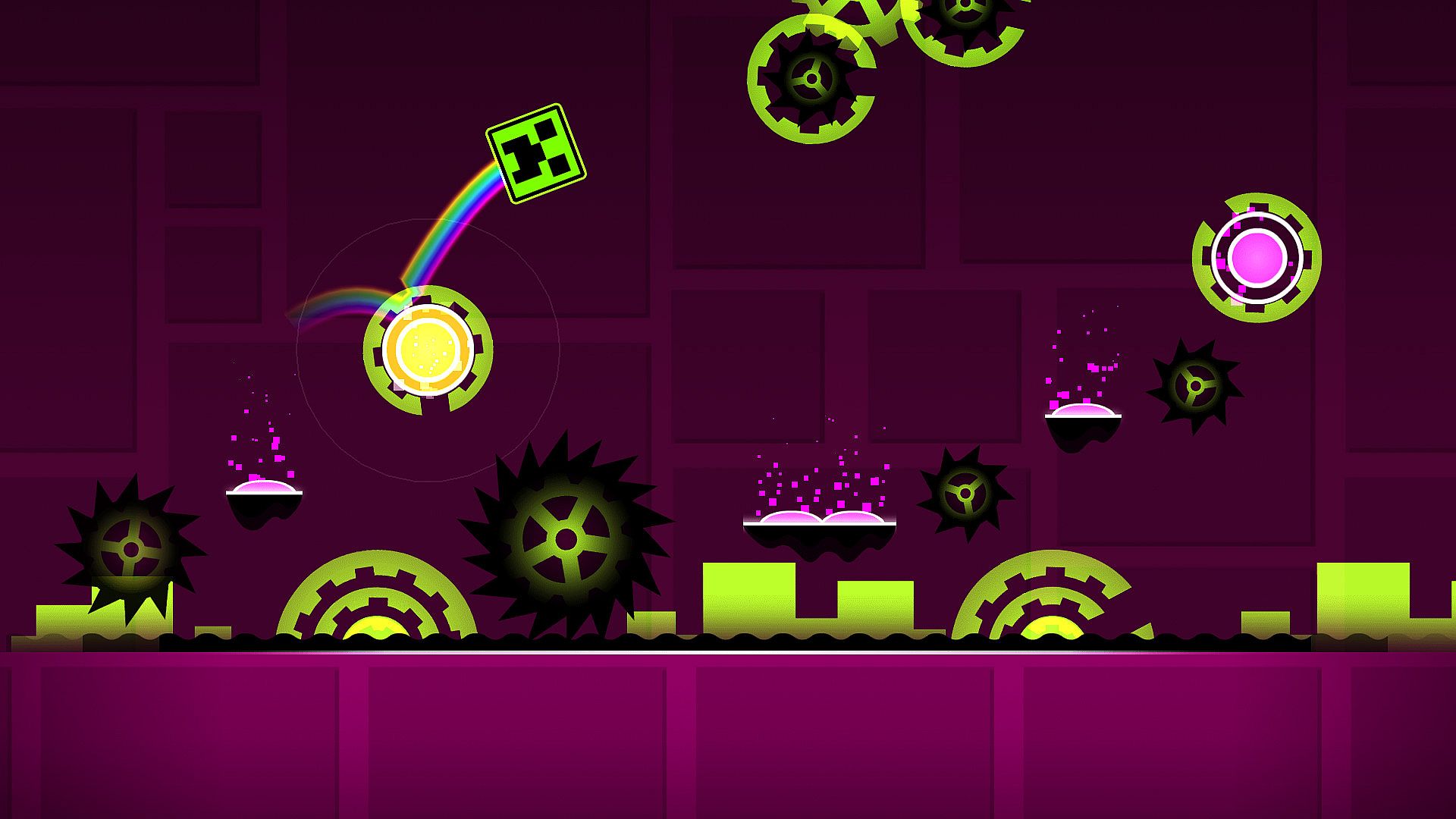
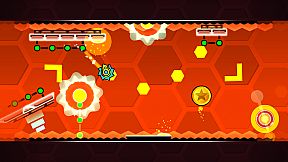
In Geometry Dash, the core loop revolves around controlling a shape that automatically moves forward, requiring players to time jumps, flights, and flips to avoid spikes and other hazards. Each level syncs with a unique soundtrack, where beats guide the rhythm of obstacles, demanding quick reflexes and memorization. Customization plays a key role, as unlocking new icons and colors lets users personalize their character. Features like flying rockets and gravity flips add variety, while a practice mode helps refine skills without full commitment. Achievements reward persistence, pushing players toward mastering near-impossible sections.
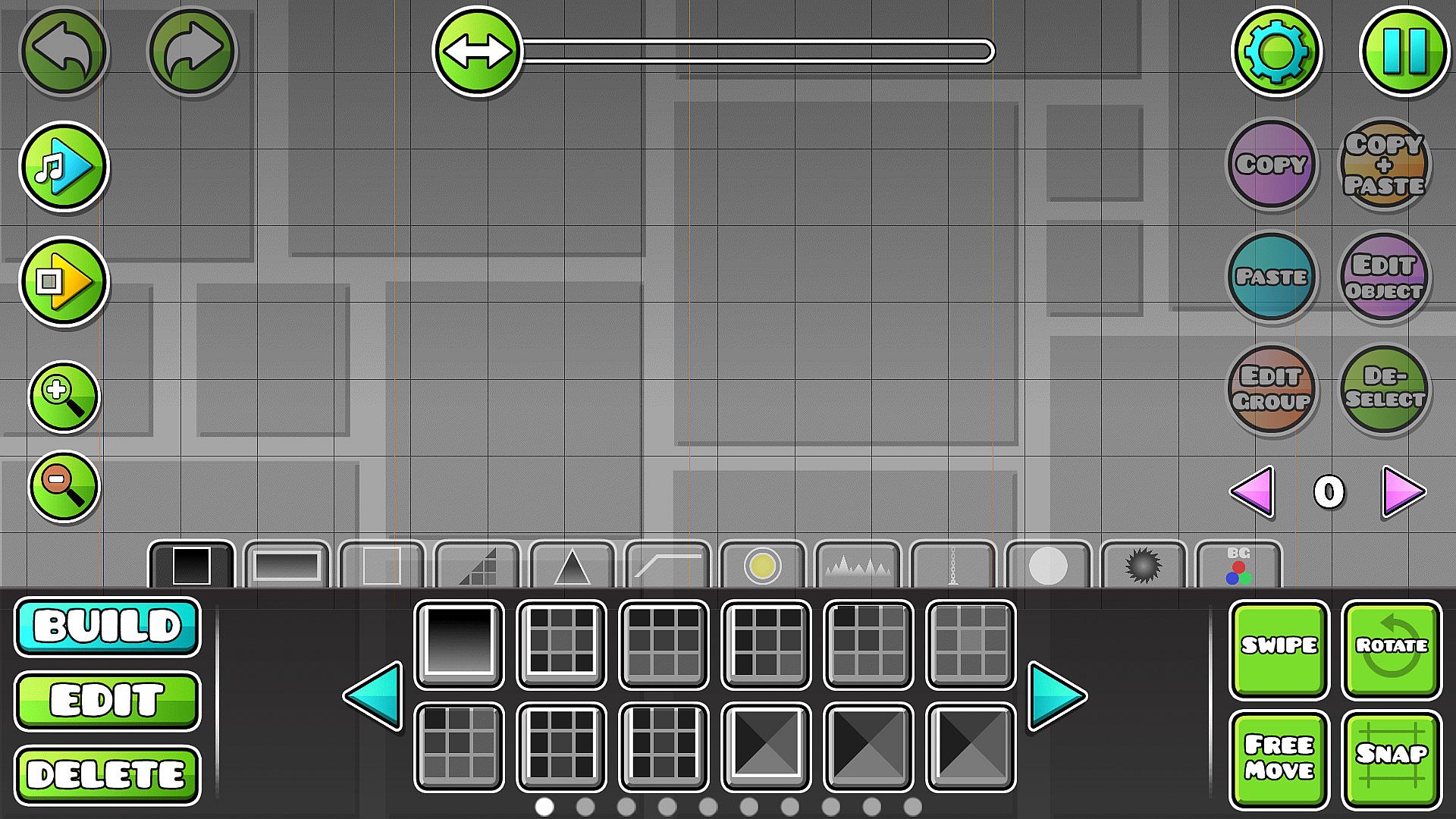
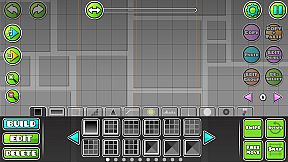
The level editor empowers creators to build and share custom stages, leading to thousands of user-generated levels available for download. This system fosters replayability, with high-quality community content extending the game's life far beyond official offerings.
Game Modes
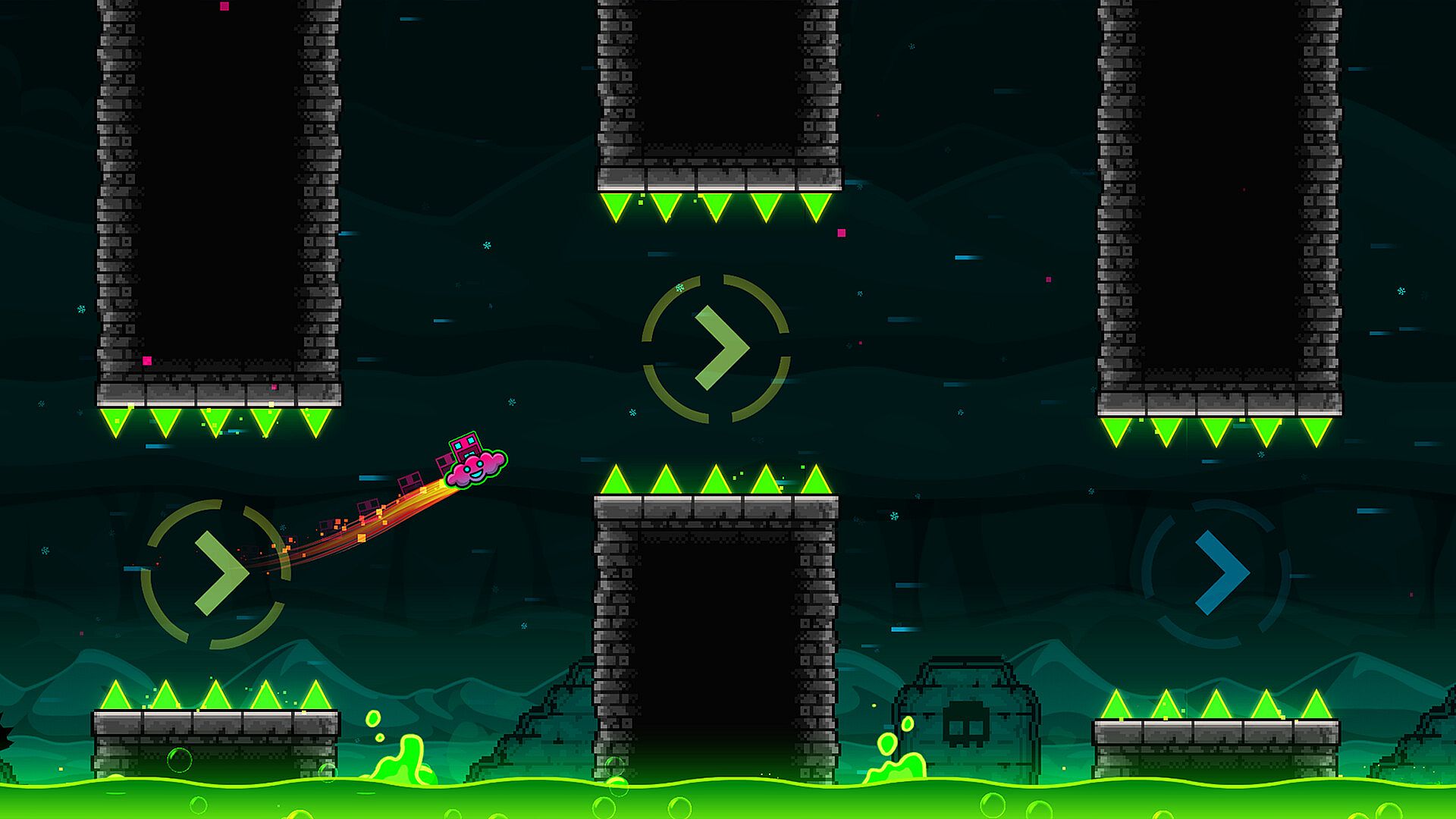
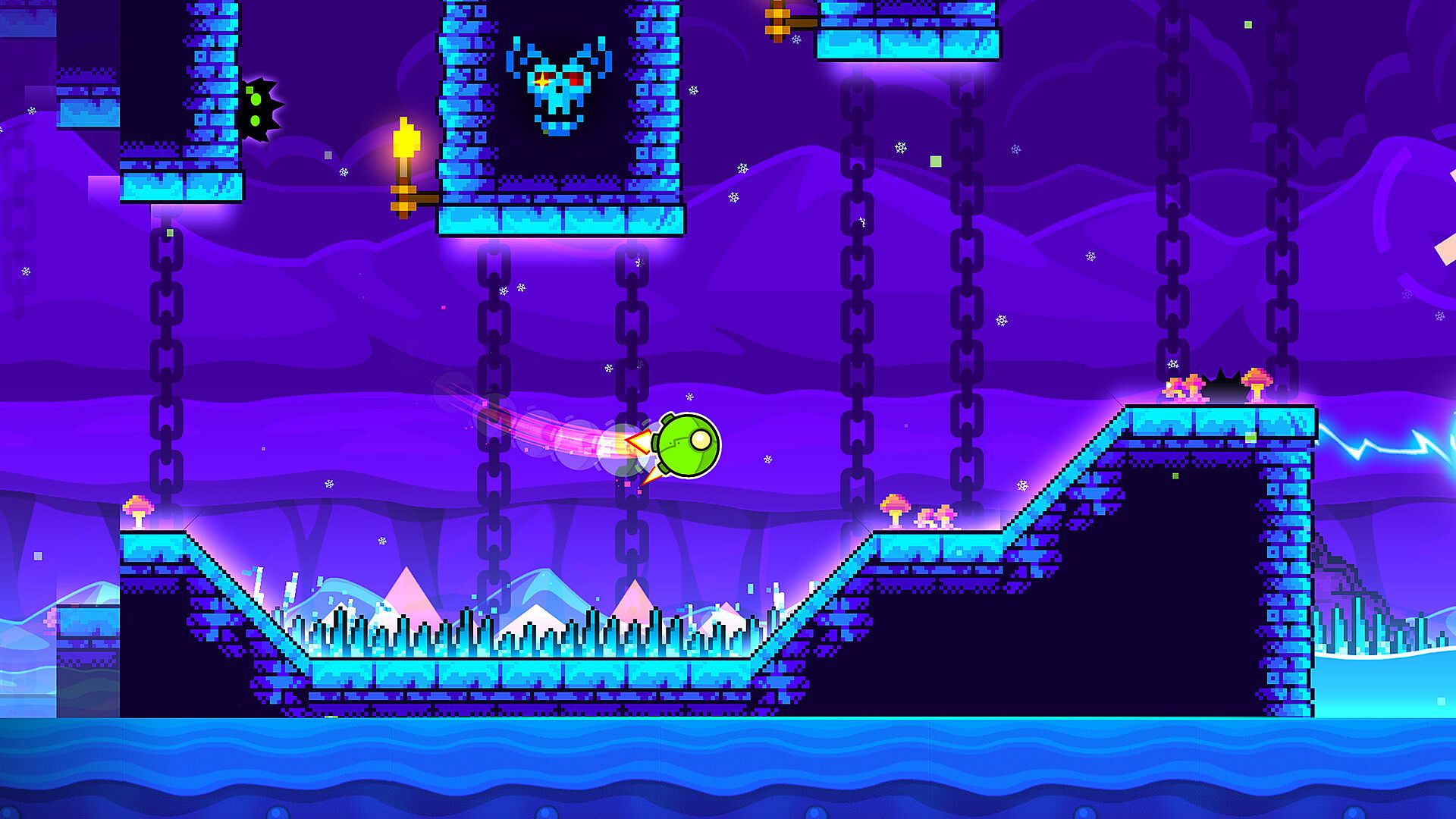
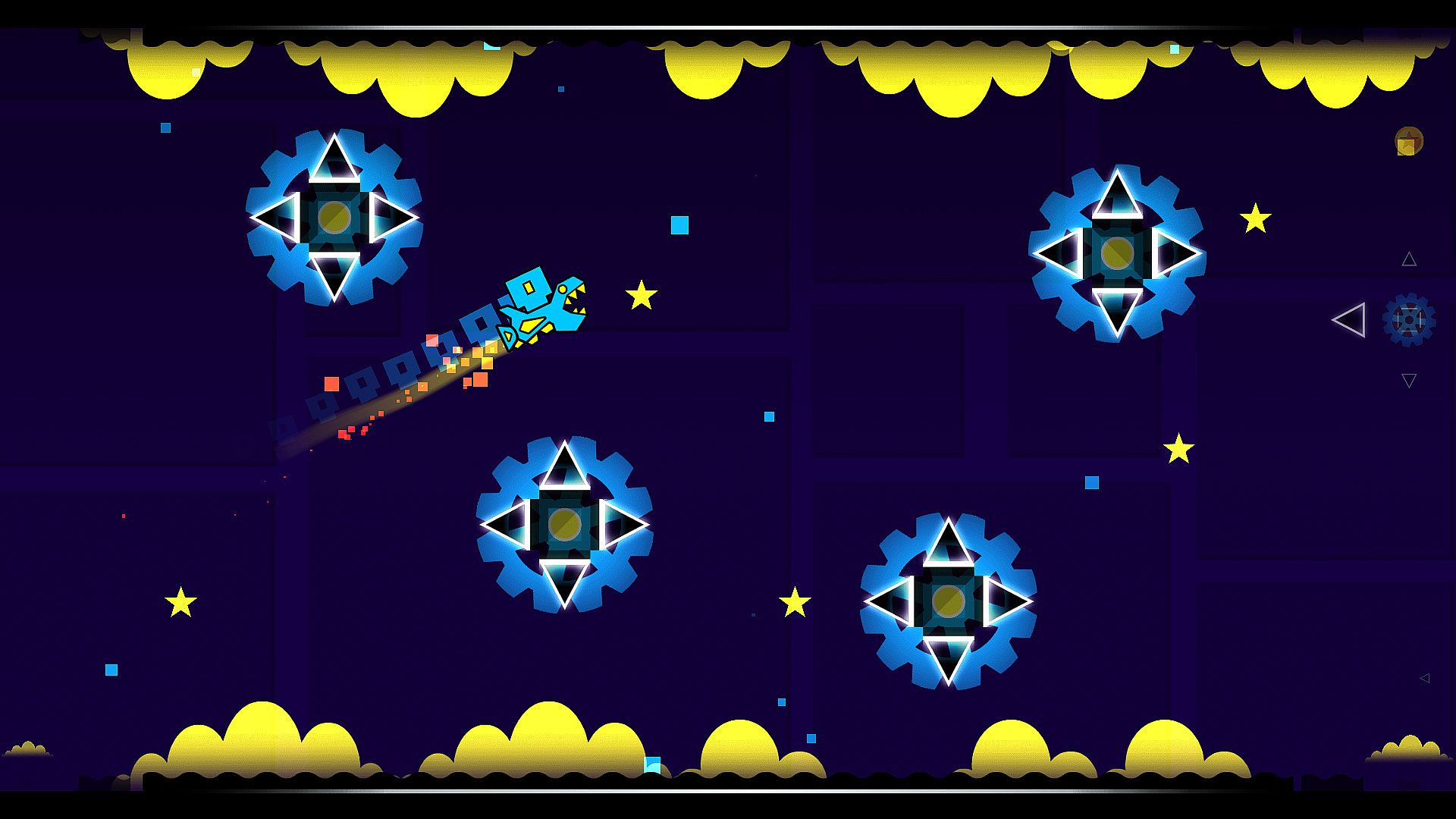
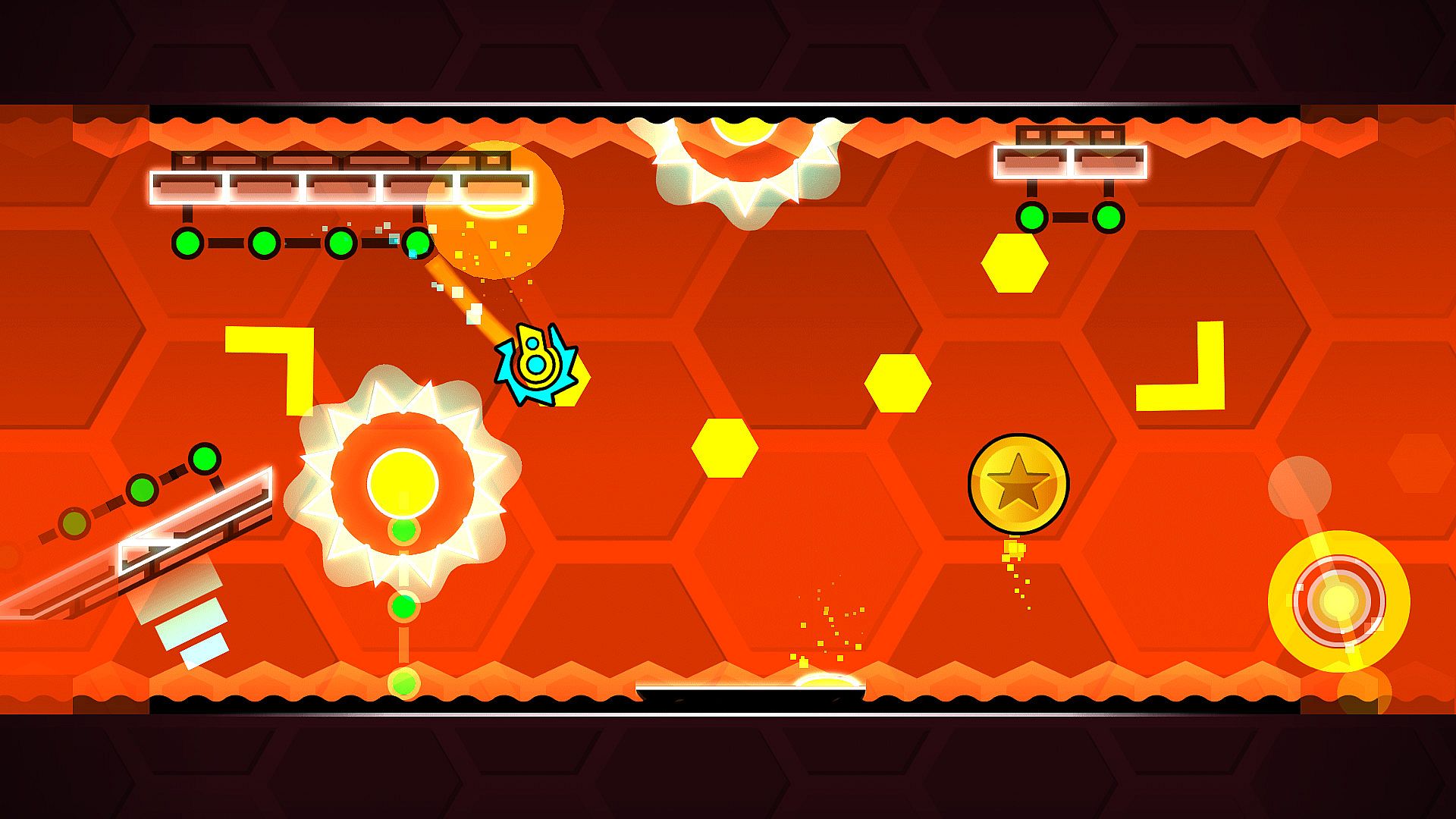
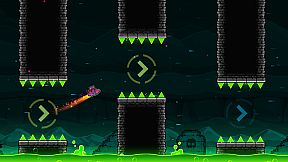
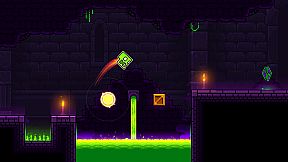
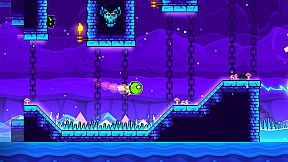
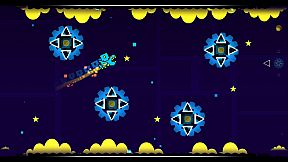
Geometry Dash incorporates various control styles within its levels, each altering how the shape interacts with the environment. The cube mode forms the foundation, involving basic jumping over obstacles. Ship mode shifts to flying, where balancing altitude becomes crucial amid narrow passages. Other modes include ball, which rolls and switches gravity; UFO, emphasizing vertical hops; wave, navigating sharp angles at high speeds; robot, with powerful jumps; spider, flipping between surfaces; and the newer swing mode introduced in recent updates, adding pendulum-like swings.
These modes appear in both official levels and user creations, often combining in sequences to increase complexity. Main levels like Stereo Madness or the update-added Dash showcase these mechanics in progression, while community levels experiment with them for unique challenges.
Updates and Current State
Over the years, Geometry Dash has received several major updates, with Update 2.2 standing out for introducing the Dash level, swing gamemode, camera controls, and post-processing effects. These additions enhance level design possibilities, allowing for more dynamic visuals and gameplay triggers. As of 2026, the game remains active, supported by an engaged community that continues to produce and share content.
No new seasons are structured like in live-service titles, but ongoing updates keep the experience fresh. The game's indie nature means it avoids mandatory online elements, focusing instead on offline progression with optional community sharing.
Is It Worth Playing?
Geometry Dash earns praise for its addictive challenge and creative freedom, with user reviews on sites like Metacritic highlighting its blend of rhythm and platforming as exceptional. It holds a strong following, evident from discussions on platforms like Reddit where players rank modes and share experiences. The game suits those who thrive on precision-based challenges and enjoy building or tackling user-made levels.
If you prefer games that reward practice and offer endless replayability through community content, Geometry Dash delivers value, especially with its one-time purchase model and lack of ongoing costs. For casual players, the steep difficulty might frustrate, but the practice mode eases entry. Overall, its enduring popularity in 2026 makes it a solid pick for platformer enthusiasts seeking something rhythmically intense.