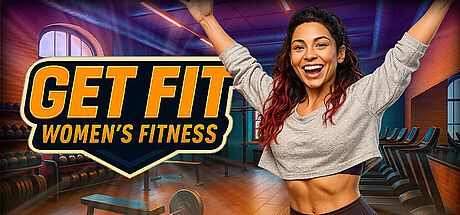



GET FIT - Women's Fitness is a simulation and sports title that turns structured exercise into an interactive PC experience. Players follow virtual trainers through timed routines designed to build consistency and track personal progress over time.
Gameplay
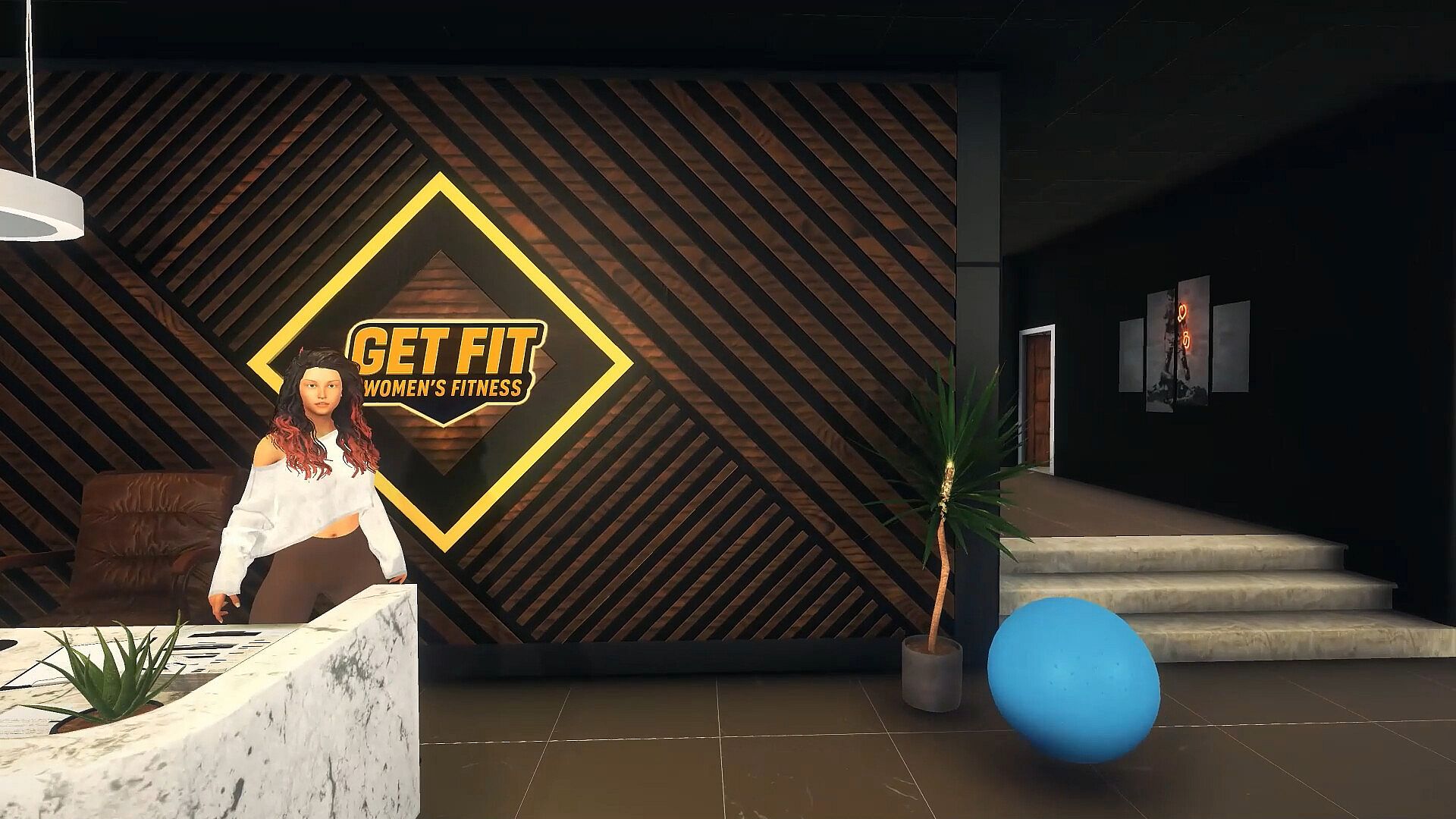
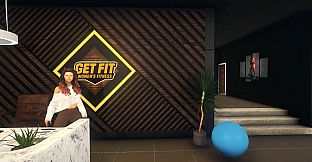
The experience begins in a central gym hub where users review their workout history and overall development. From this starting point, selections include a training plan, a preferred trainer, and a difficulty level suited to current fitness. The camera then shifts into the active session as upbeat music plays and the chosen trainer appears to lead the way.
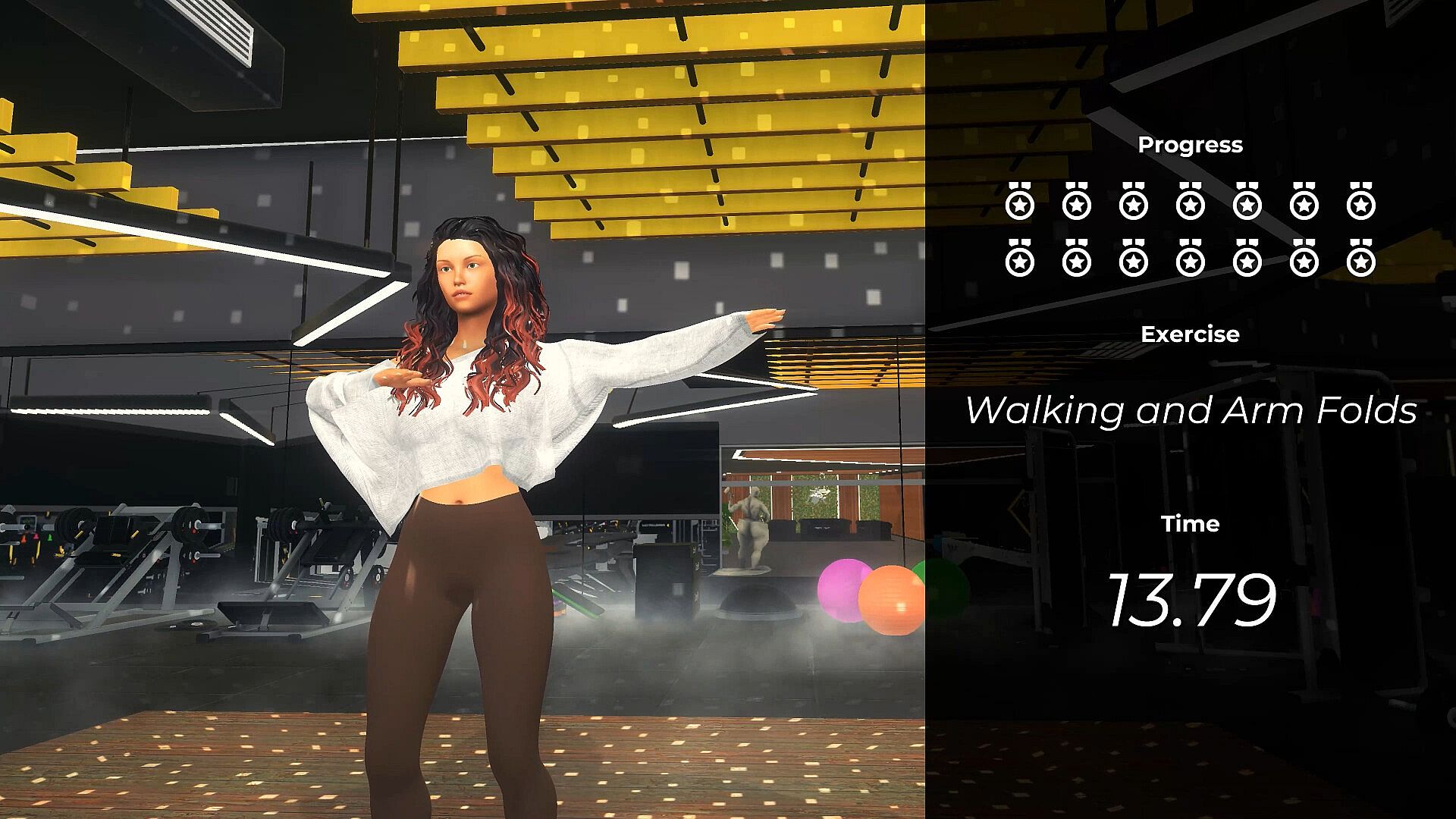
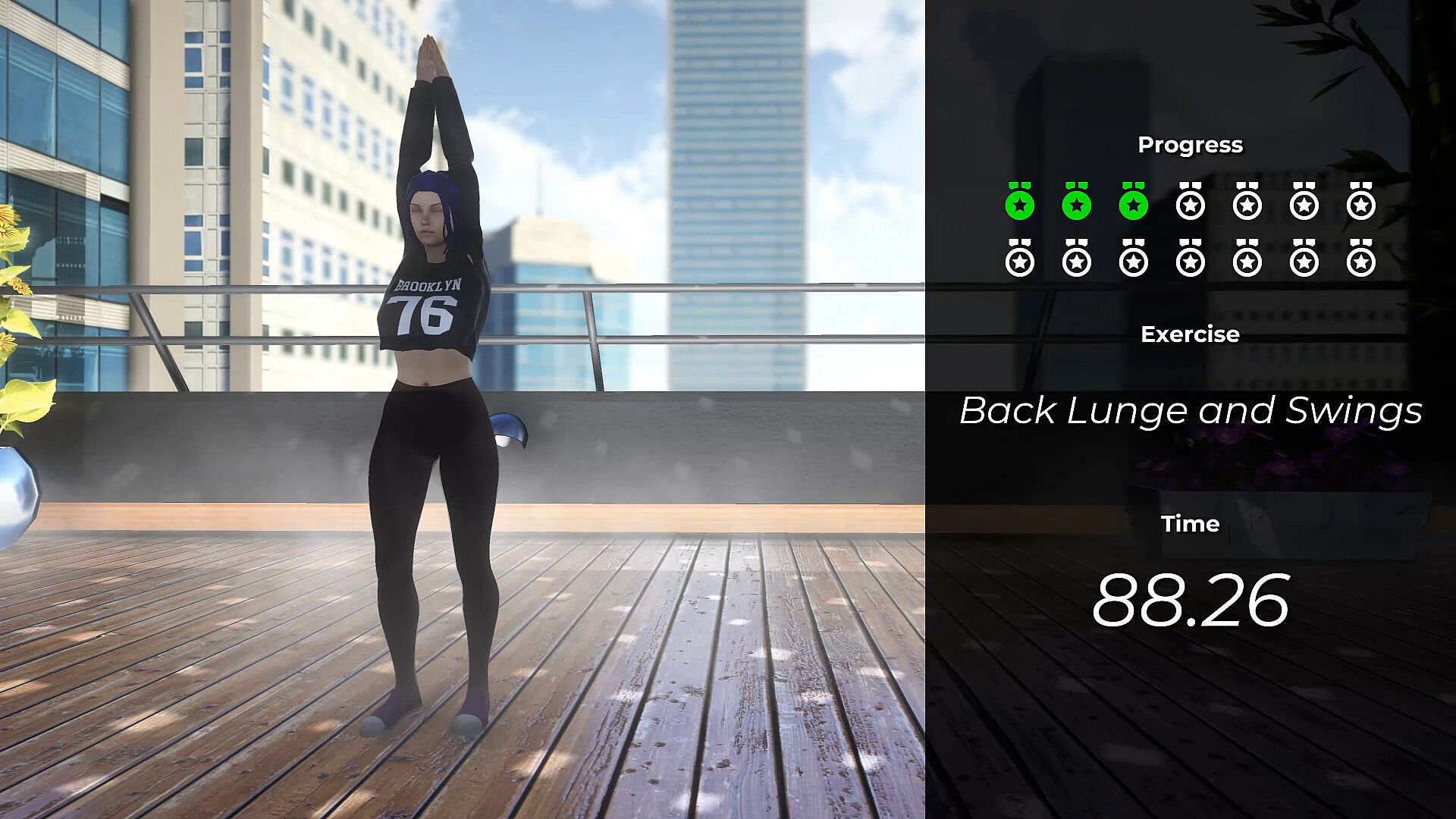
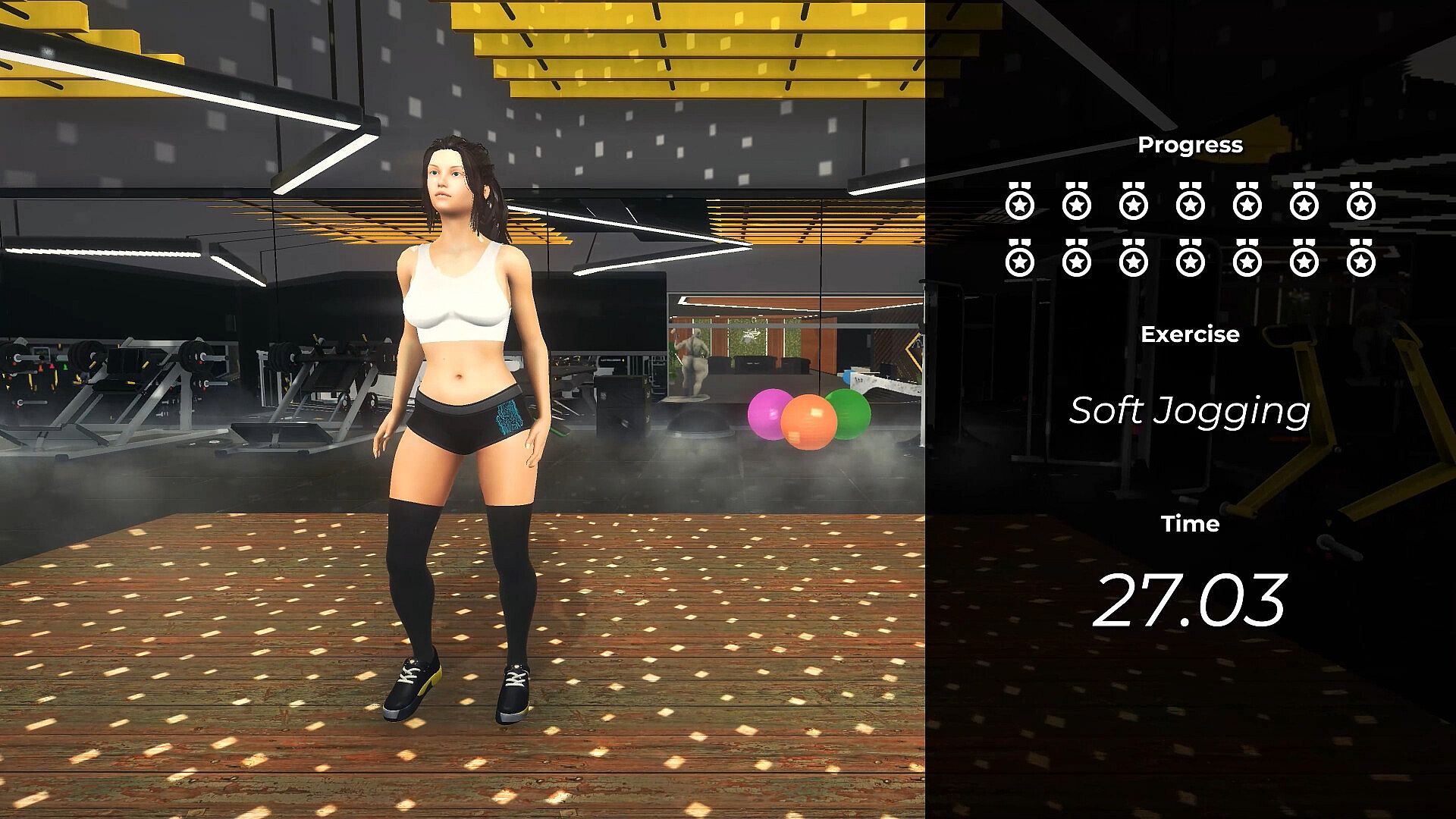
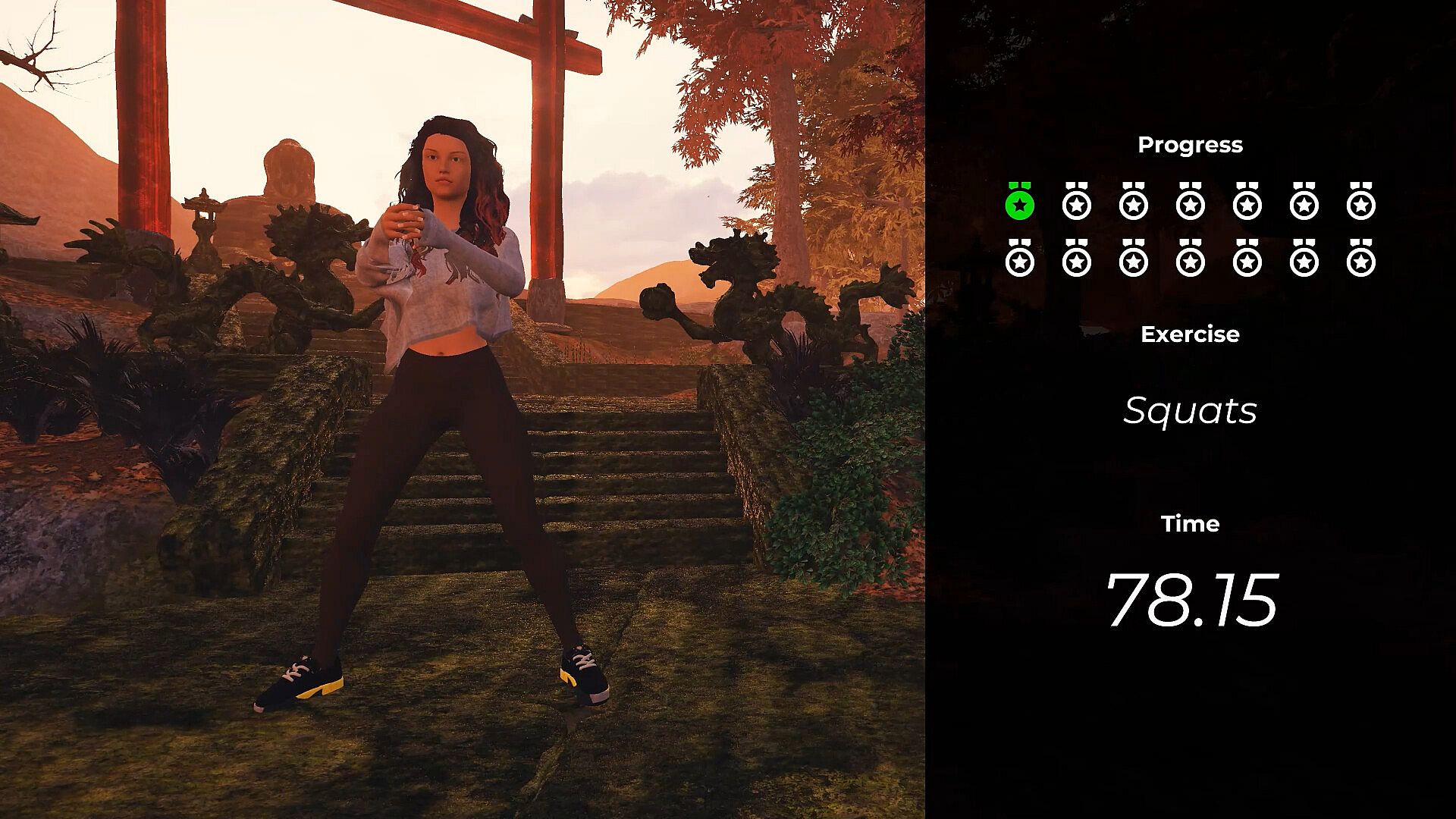
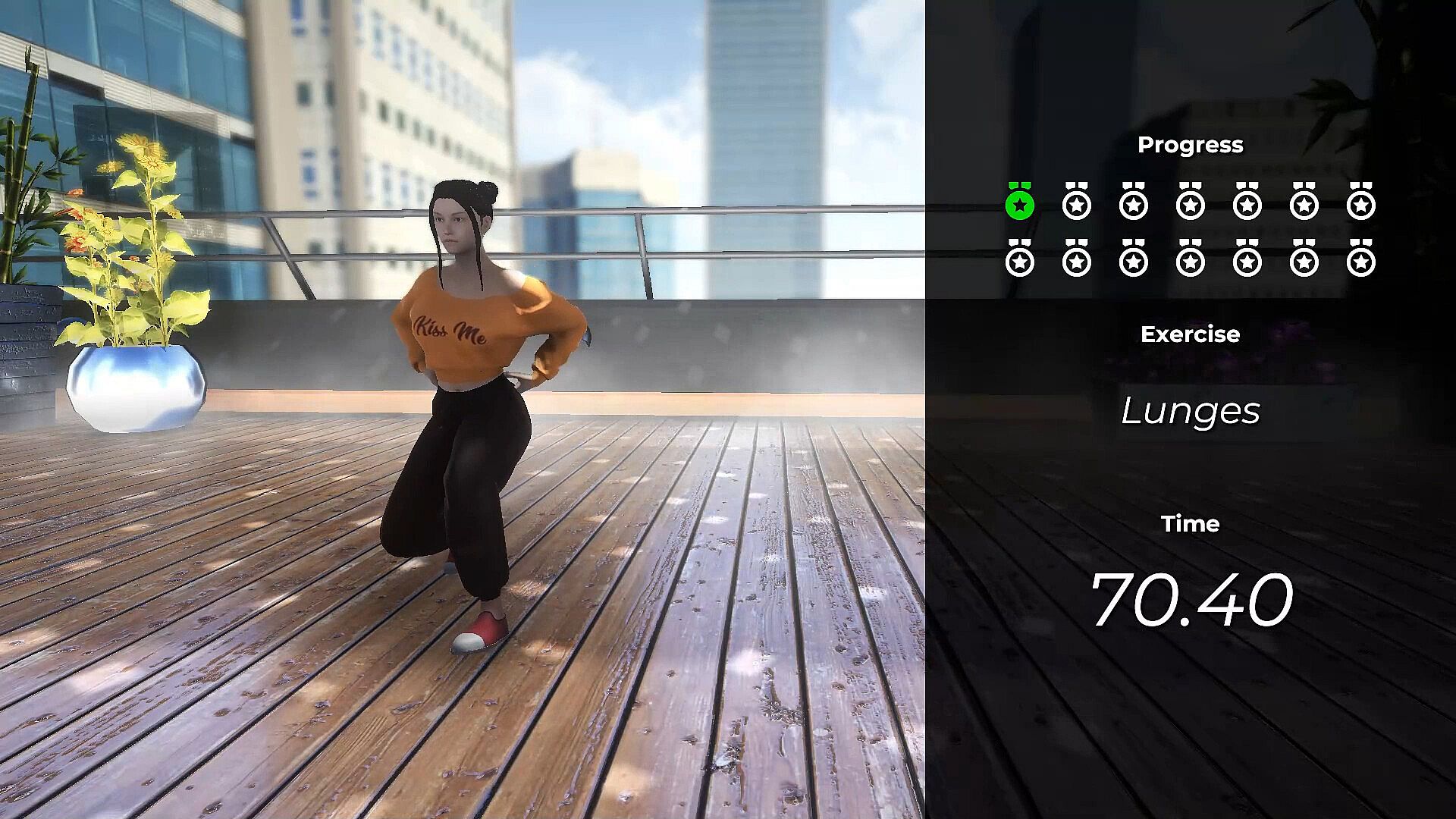
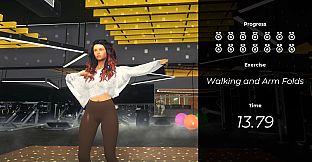
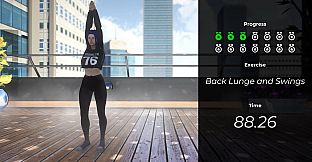
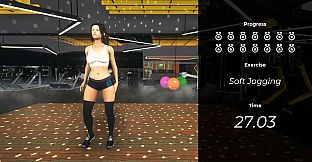
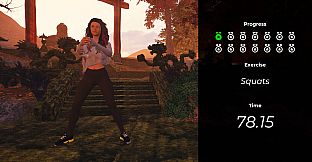
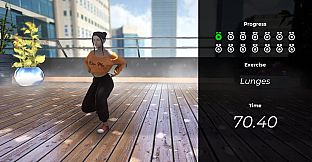
Every workout opens with a two-minute warm-up that introduces the initial movements. A visible timer tracks the session while progress indicators appear on screen. The trainer demonstrates each exercise and performs alongside the player, providing clear visual cues for form and timing. Exercises target various body areas within a single session so the full body receives attention by the end.
The main portion consists of seven distinct movements. Each lasts one minute and thirty seconds, followed by a thirty-second rest. This circuit repeats once, creating a complete session of roughly twenty-eight minutes plus the warm-up. More than one hundred exercises allow fresh combinations across different days. Trainers deliver spoken encouragement that matches their individual style, helping maintain focus during the second, more demanding round.
After the final cool-down, the session ends with a sense of completion. Users return to the hub to log the activity and observe any gains in strength or endurance metrics. The loop encourages repeated visits by offering new exercise mixes and longer-term scheduling tools.
Game Modes
The core activity revolves around customizable workout sessions that follow the fixed interval structure of seven exercises with timed rests. Players adjust intensity through level selection and trainer choice, which influences the energy and guidance provided during each routine.
Progression comes from building personal schedules that span multiple weeks or months. Consistent completion earns rewards and updates visible statistics on strength and endurance. This system supports both short daily sessions and extended programs without requiring separate named modes.
Variation arises naturally from the large exercise library and the option to repeat or modify plans. Body-part focus shifts across workouts so users experience balanced training over time. No additional competitive or story-driven modes exist beyond this guided fitness framework.
Progression and Motivation
Long-term engagement centers on scheduling tools that let users plan ahead and monitor adherence. Rewards appear for maintaining streaks, reinforcing the habit of regular activity. Trainers contribute through distinct voices and motivational phrasing that adapt to the intensity of each round.
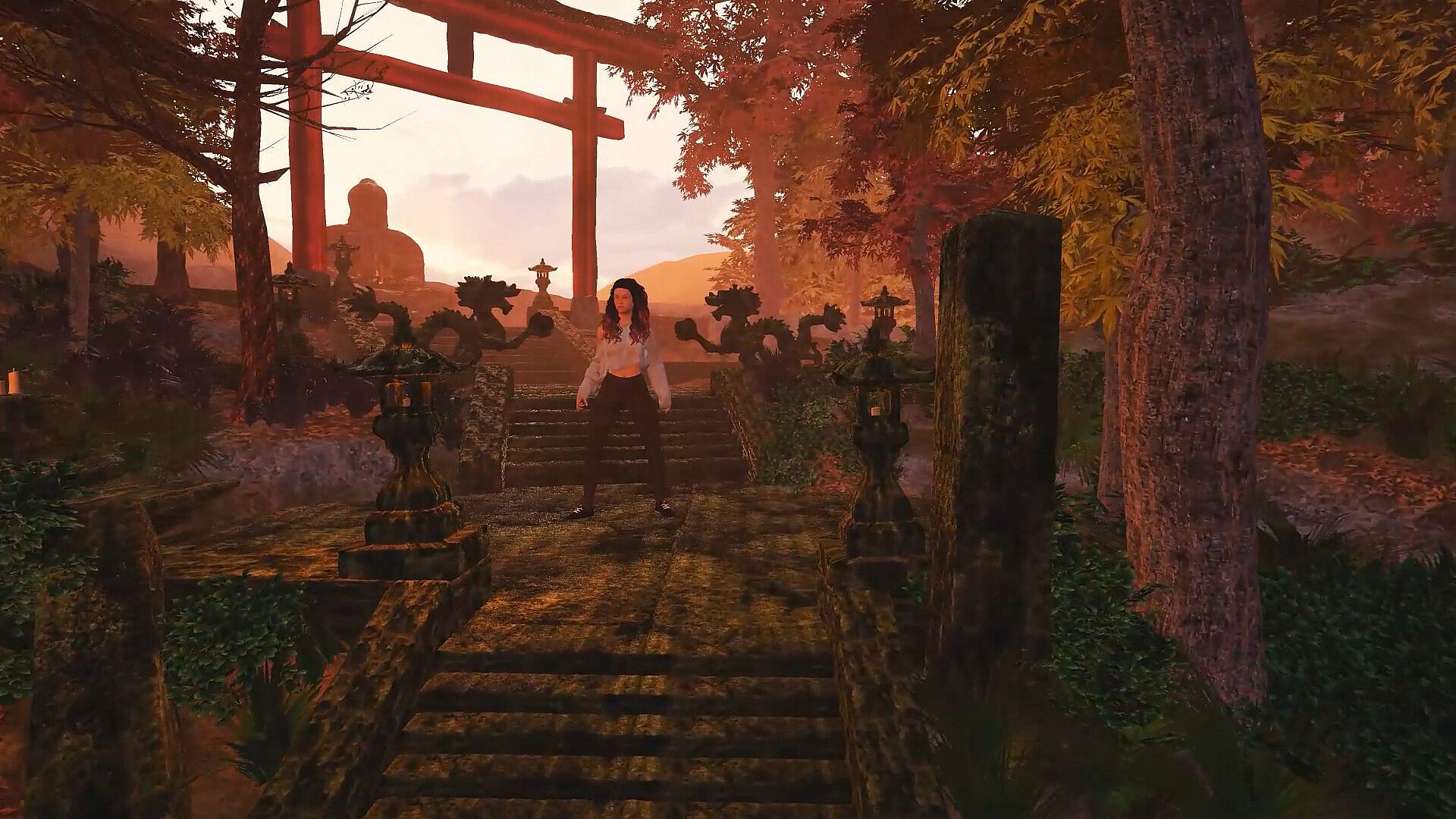
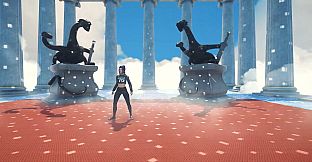
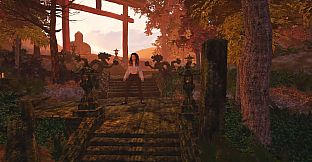
Visual and audio elements support the routine with changing environments and energetic tracks that align with the workout pace. The interface keeps essential information visible without distraction, allowing focus on following the trainer's lead through moves such as jumping jacks, push-ups, and squats.
Over repeated sessions, players notice improved familiarity with the sequences, which can make the second circuit feel more manageable even as demands increase. The design emphasizes steady improvement rather than sudden leaps in difficulty.
Is It Worth Playing?
This title suits individuals seeking a repeatable, trainer-led home fitness routine with built-in timing and variety through exercise selection. The single-player structure emphasizes personal consistency over social features or competitive elements.
User feedback highlights the clear workout format and motivational support from trainers, while noting limitations in visual quality and interface polish. The game delivers its intended fitness loop without additional layers such as narrative campaigns or multiplayer options.
Those who value structured intervals, progress tracking, and trainer guidance may find value in the scheduling and reward systems. It functions best as a digital companion for maintaining activity rather than a traditional entertainment game with branching content.