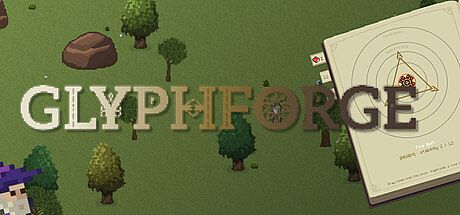


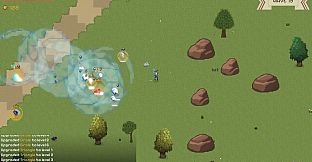
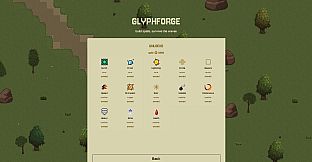
Glyphforge is a magic roguelike that blends action and casual elements through its distinctive spell-crafting system. Players build custom spells on the fly rather than relying on preset abilities, all while navigating an endless grid filled with hostiles. Developed as a free-to-play indie title for PC, the game places emphasis on creative formula construction in a single-player format.
Gameplay
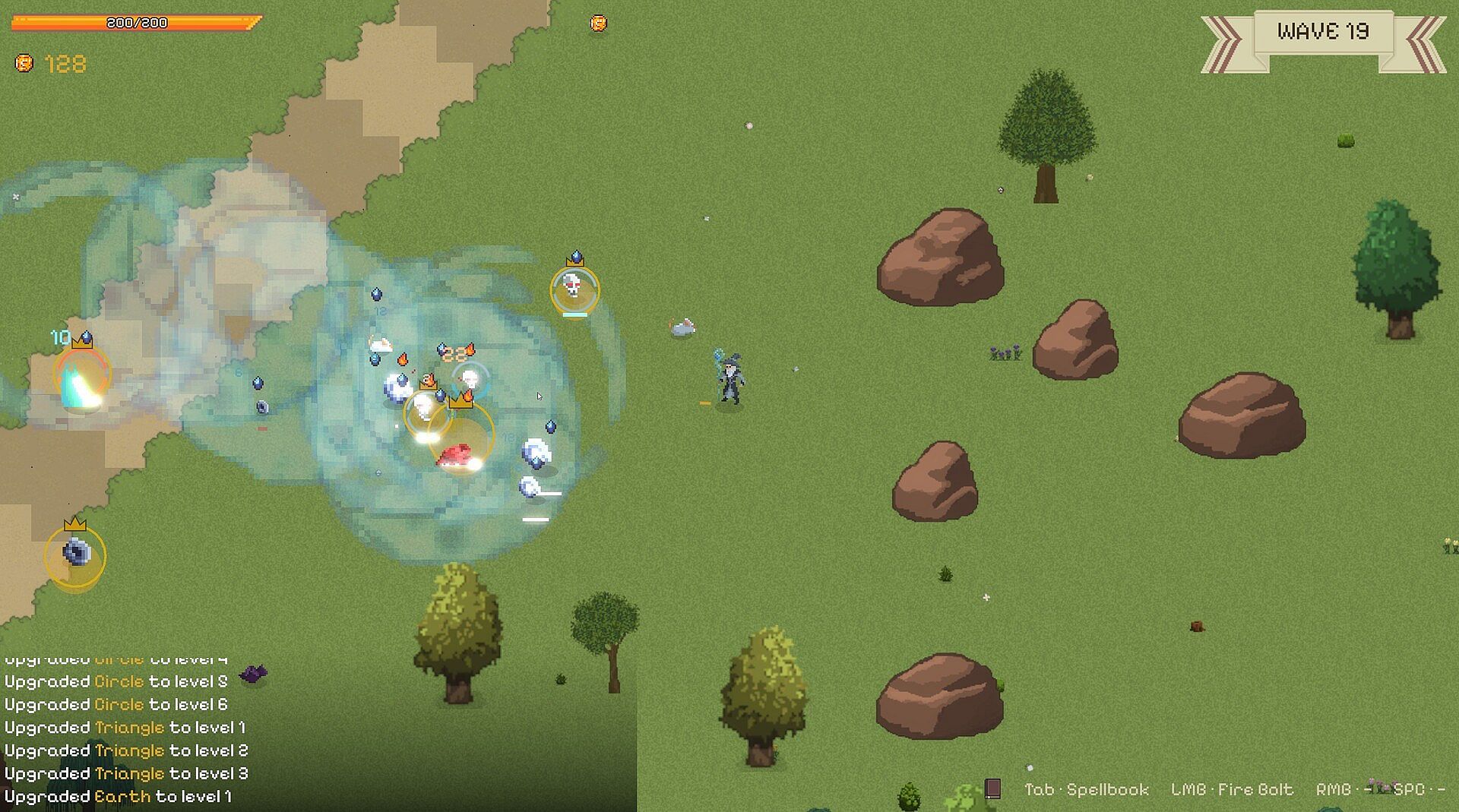
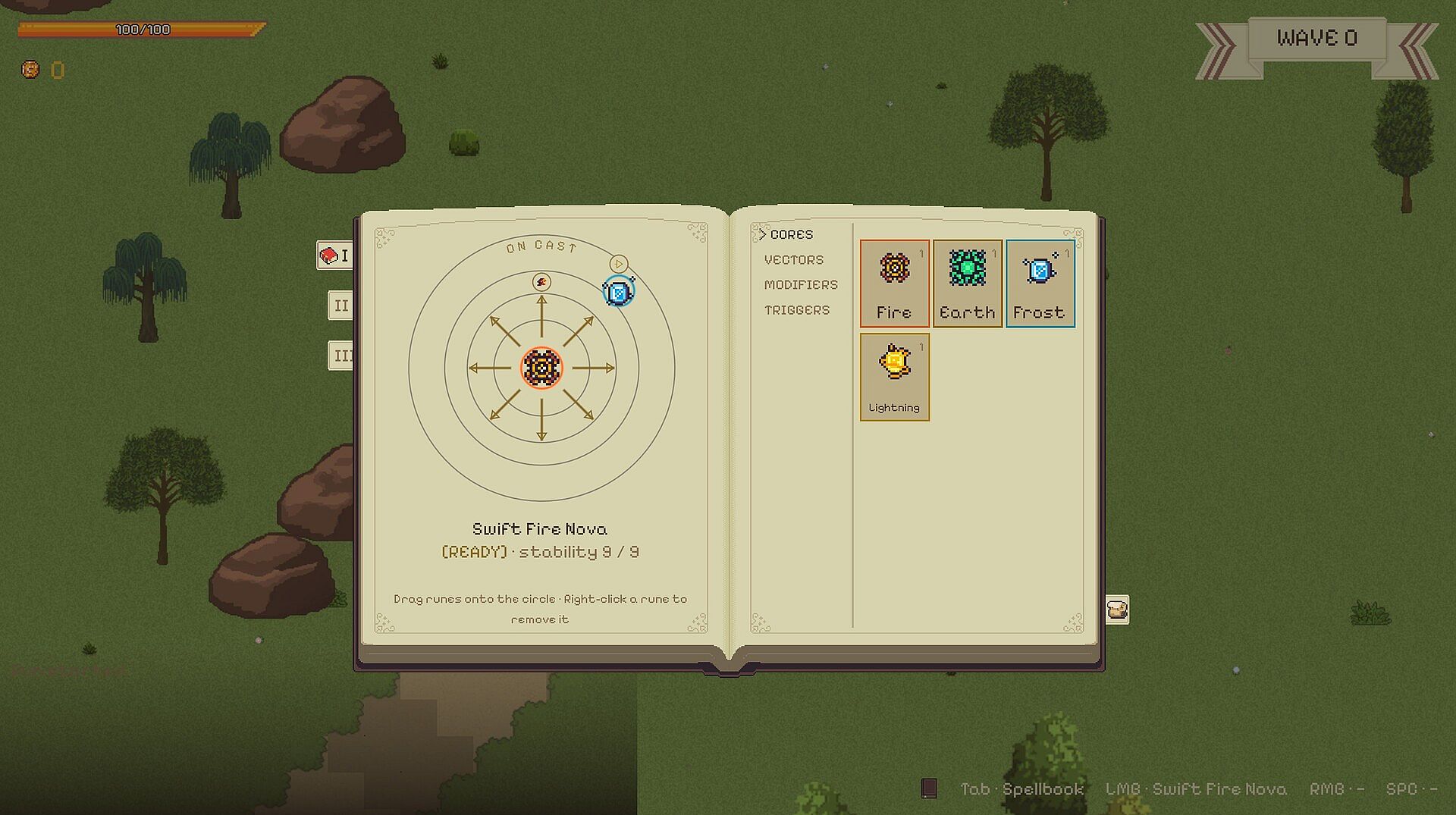
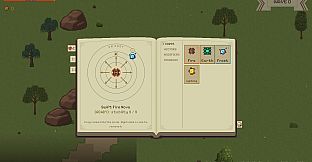
The core loop revolves around opening a spellbook to assemble spells in real time. Runes are dragged, dropped, and linked to form chains that trigger effects, such as a projectile that creates a secondary zone upon impact. This process happens amid movement and evasion, requiring players to manage positioning while experimenting with combinations.
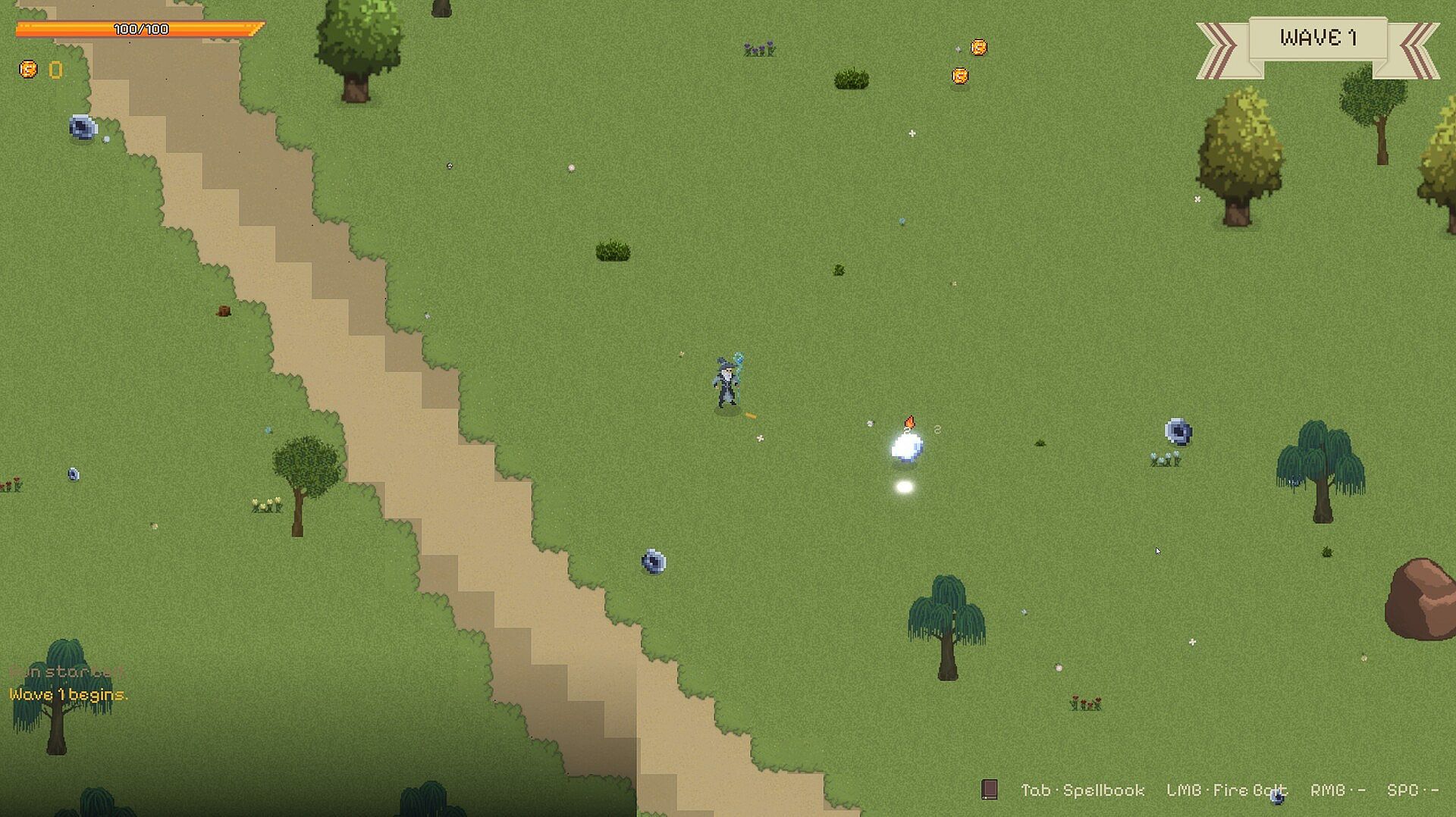
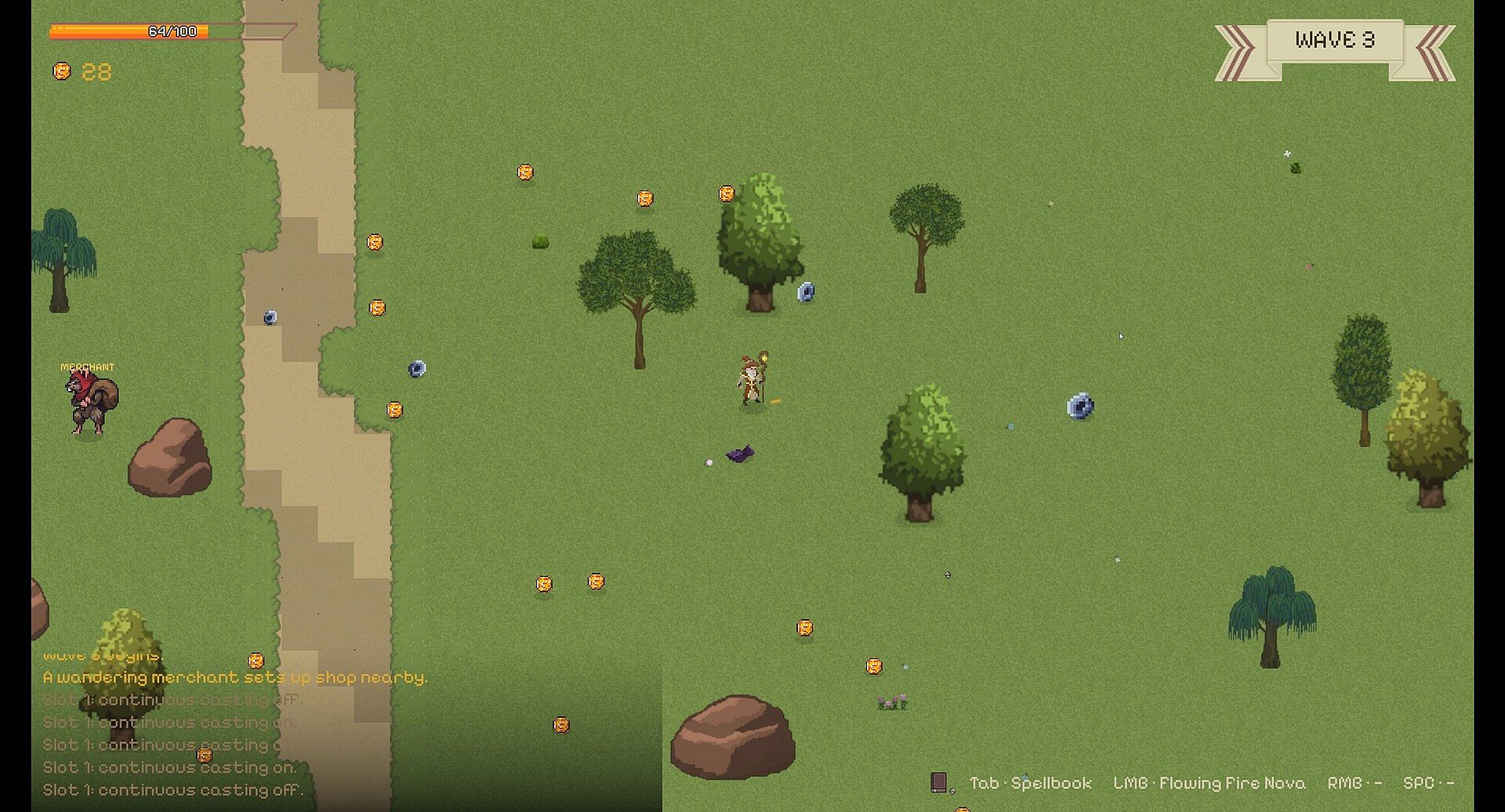
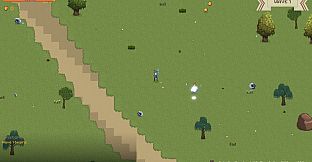
Each spell carries a risk tied to its complexity. Overly intricate formulas can lead to unintended consequences like self-inflicted damage, adding tension to the building process. The endless grid setting encourages constant motion and adaptation as threats appear and patterns shift.
Visual presentation draws from anime influences in its spell effects and overall style. The focus remains on iterative spell design rather than traditional progression systems, with survival serving as a secondary concern to the act of creation itself.
Game Modes
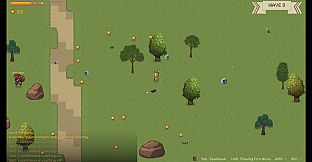
Glyphforge operates as a single-player roguelike experience. The primary activity centers on surviving waves of enemies across the persistent grid while refining spell formulas on the spot. No separate multiplayer or competitive structures appear in the available details.
Progression ties directly to repeated runs where players test new rune linkages and observe outcomes. The structure supports short sessions focused on one or two spell experiments or longer attempts at pushing further into the grid.
Spell Building Process
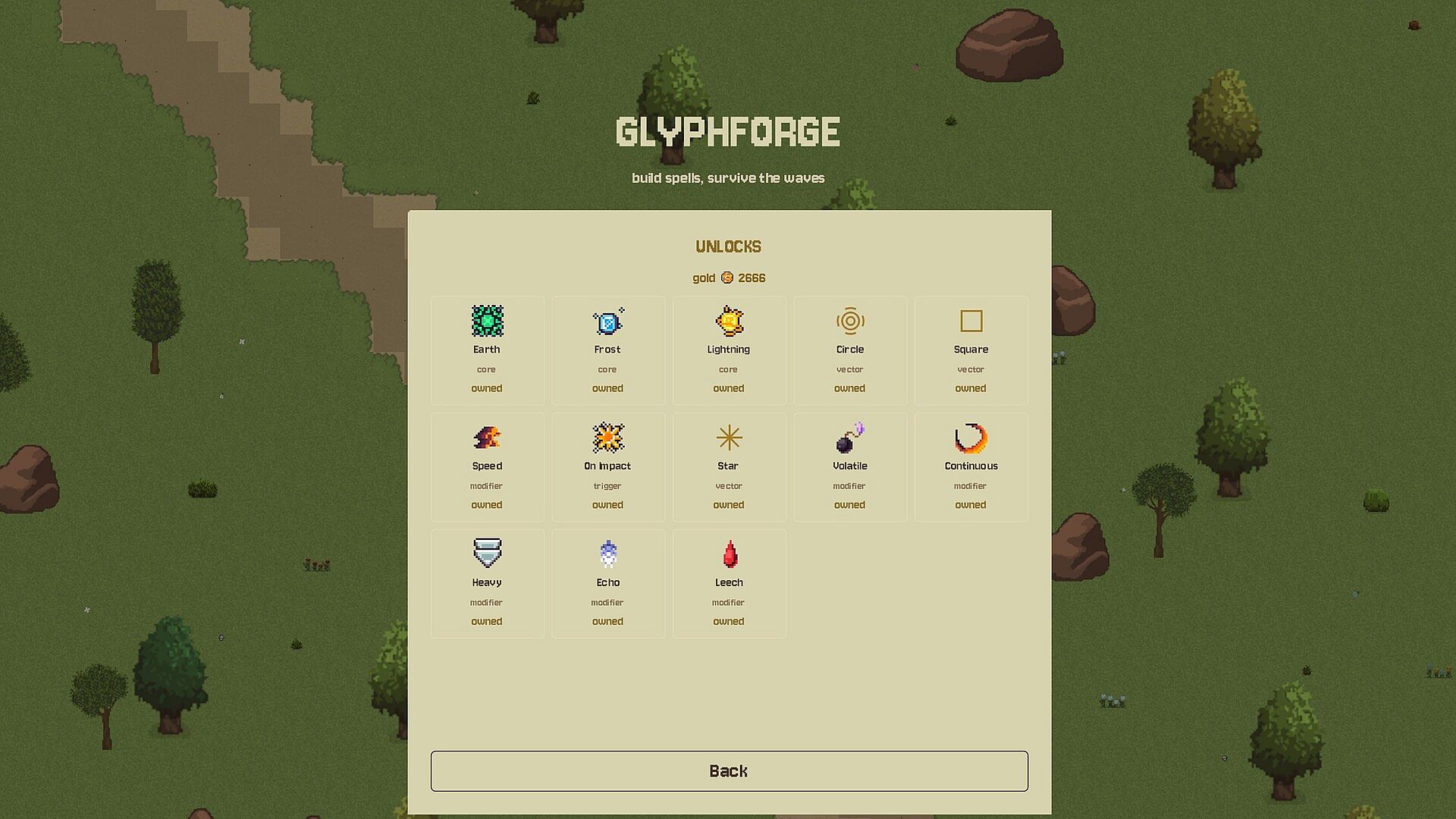
Runes serve as modular components that connect in sequences to produce layered outcomes. A basic projectile might extend into area effects or chained reactions depending on the links formed. The system rewards experimentation, as successful chains emerge from trial and error during active play.
Math considerations enter through the weight of each added element. Players must balance power against stability to avoid overload, which turns spell assembly into a puzzle solved under pressure. This mechanic distinguishes the title from games that simply assign random abilities.
Is It Worth Playing?
The game appeals to players who enjoy hands-on creative systems and roguelike repetition without heavy narrative demands. Its free-to-play model removes entry barriers, allowing direct access to the spell-crafting loop once released.
Current information shows no user reviews or completed runs, as the title remains in a pre-release state with a to-be-announced launch window. Those drawn to indie experiments in magic systems may find value in its focused approach to formula building and grid-based survival.
Support details and post-launch updates are not yet confirmed. The experience suits individuals interested in real-time customization over polished campaigns or extensive mode variety.