











Gold Master: A Game Company Tycoon is a strategy simulation game in which players found and manage a video game development studio across multiple decades. The experience focuses on business decisions in the games industry, with time advancing one week at a time as players handle studio operations, game development, staff management, and long-term company growth. Genres include strategy, indie, casual, and simulation, and the title is available in early access on PC.
Gameplay
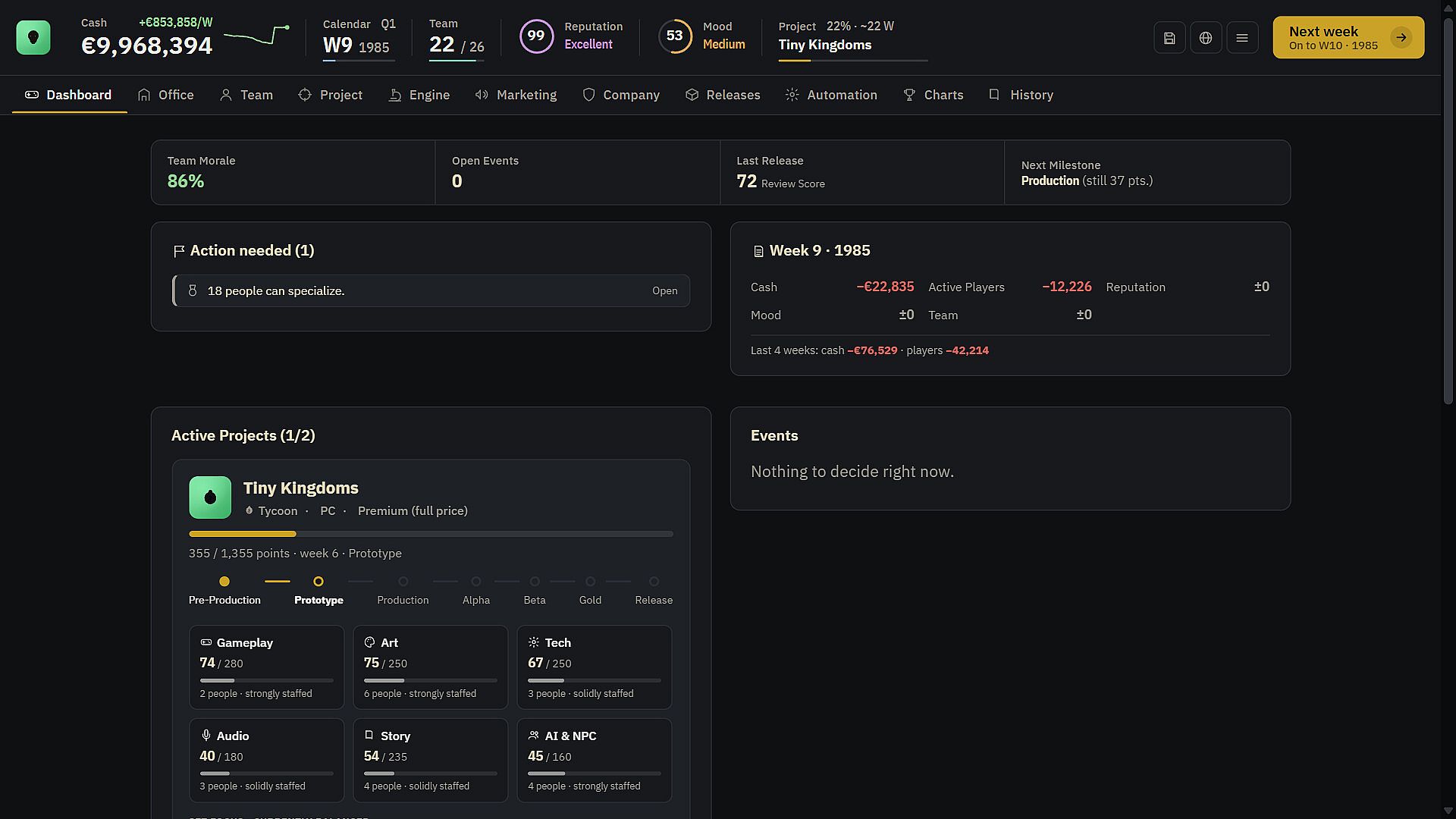
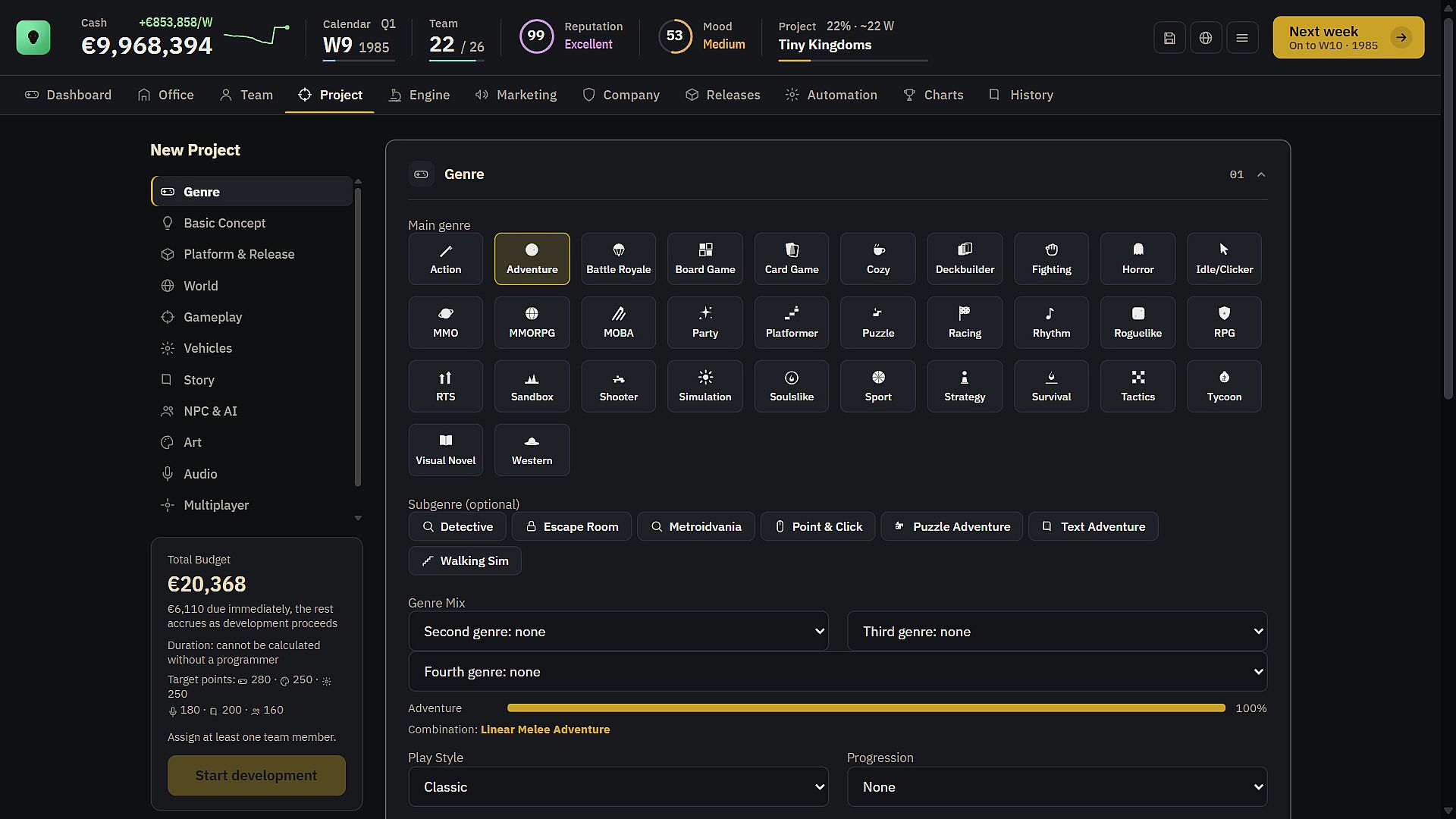
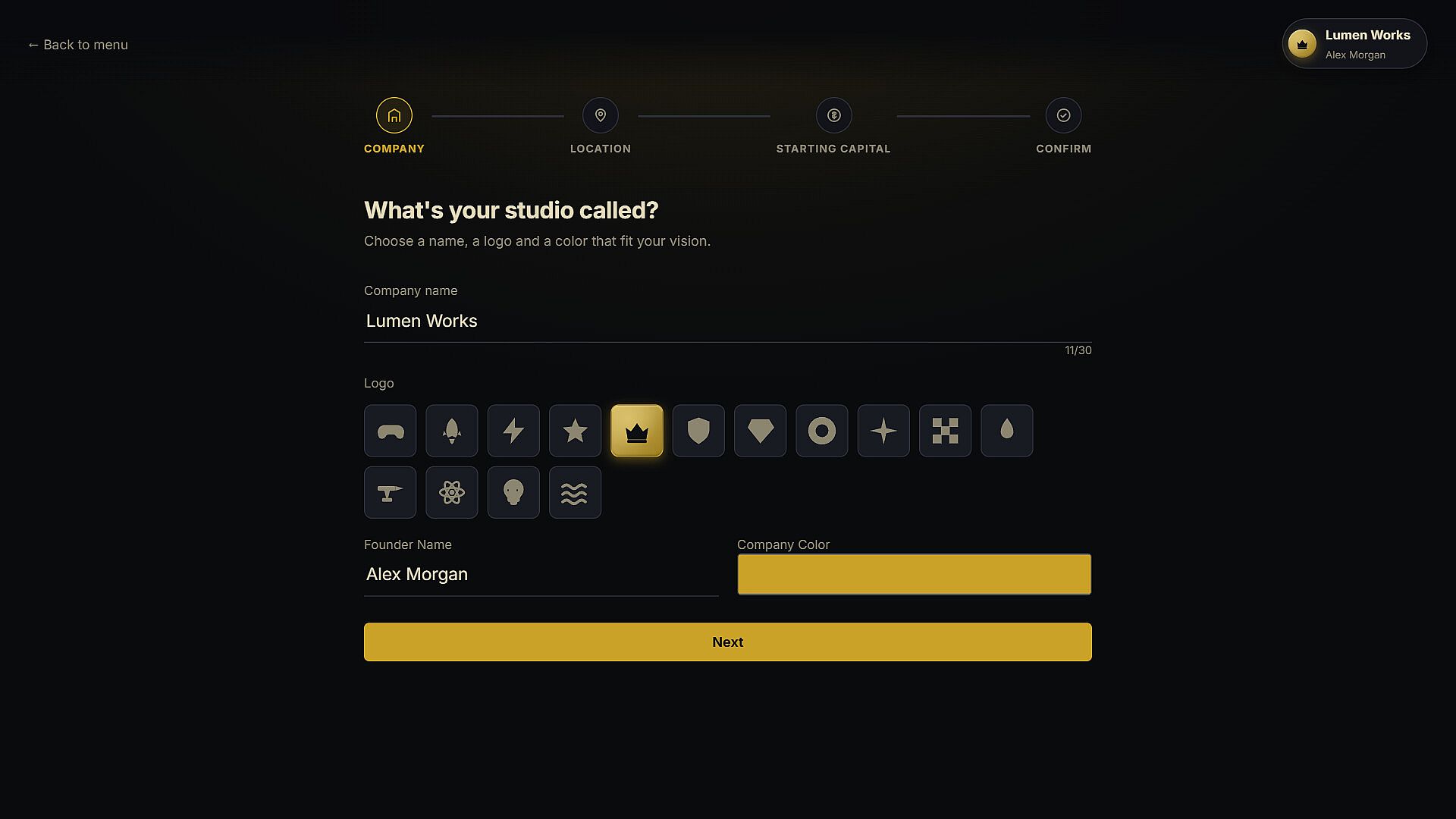
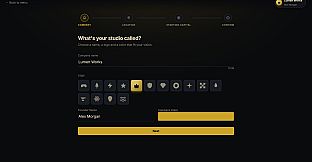
Players begin by establishing their studio with choices for name, logo, colour scheme, and one of four philosophies centred on gameplay, technology, graphics, or business. Six starting locations are available, ranging from Berlin to Seoul, with the option to start in 1980 during the arcade era or later up to 2010, either solo or with an initial small team. Development involves selecting from 32 genres and seven platforms that include PC, consoles, mobile, VR, and cloud services. During production, resources are allocated across gameplay, graphics, technology, audio, story, and AI elements to shape the final product.
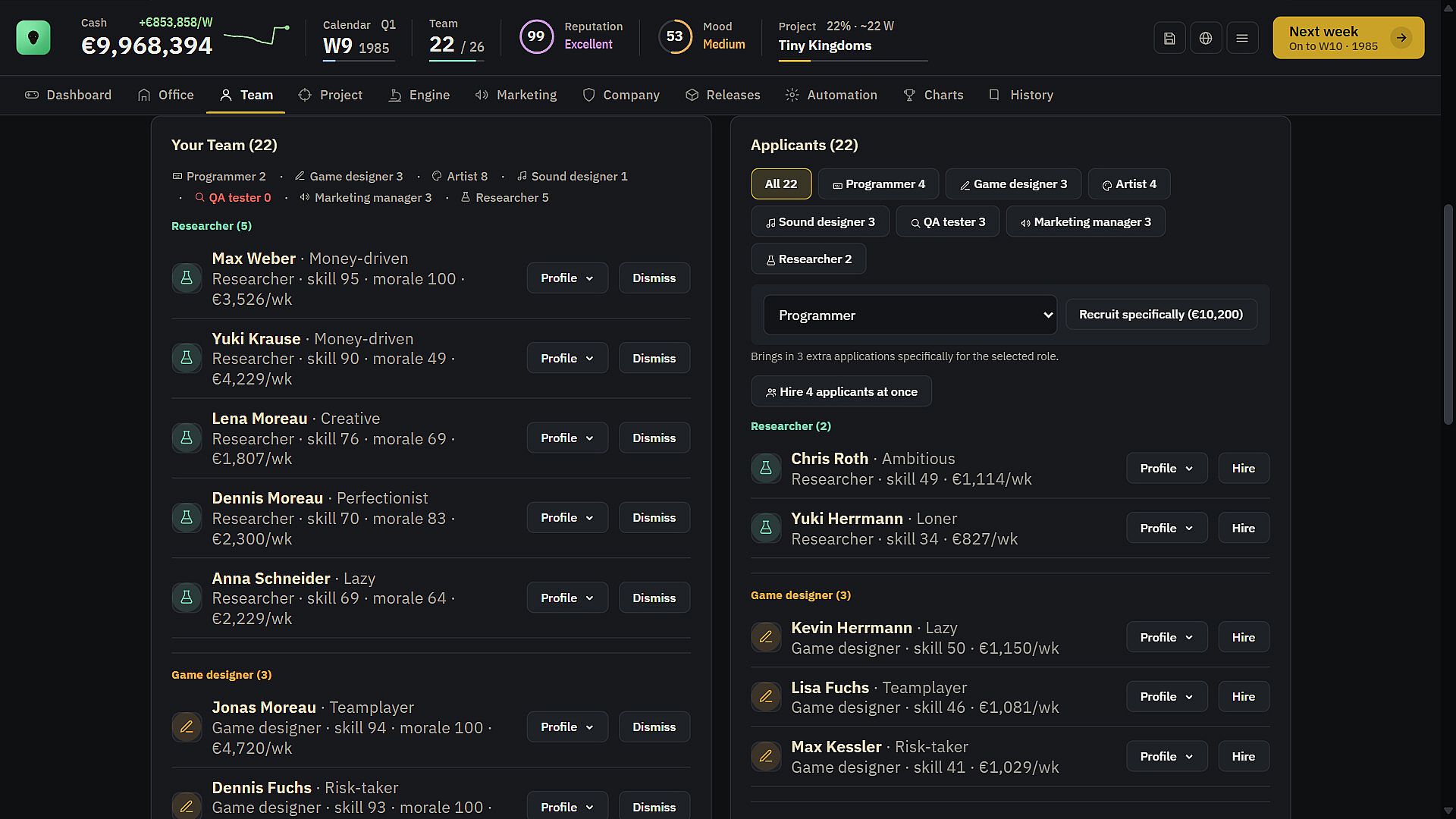
Reaching players requires decisions on release models such as one-time purchases, free-to-play structures, or subscriptions, along with options for editions, pre-orders, early access periods, and regional rollouts. Marketing efforts include planning trailers, campaigns, and appearances at trade fairs to build wishlists ahead of launch. Staff management covers hiring across roles like programmers, game designers, artists, sound designers, QA testers, marketing managers, and researchers. Each employee brings individual skills, personalities, and salary expectations while progressing through training courses and career advancements, with interpersonal dynamics affecting team performance.
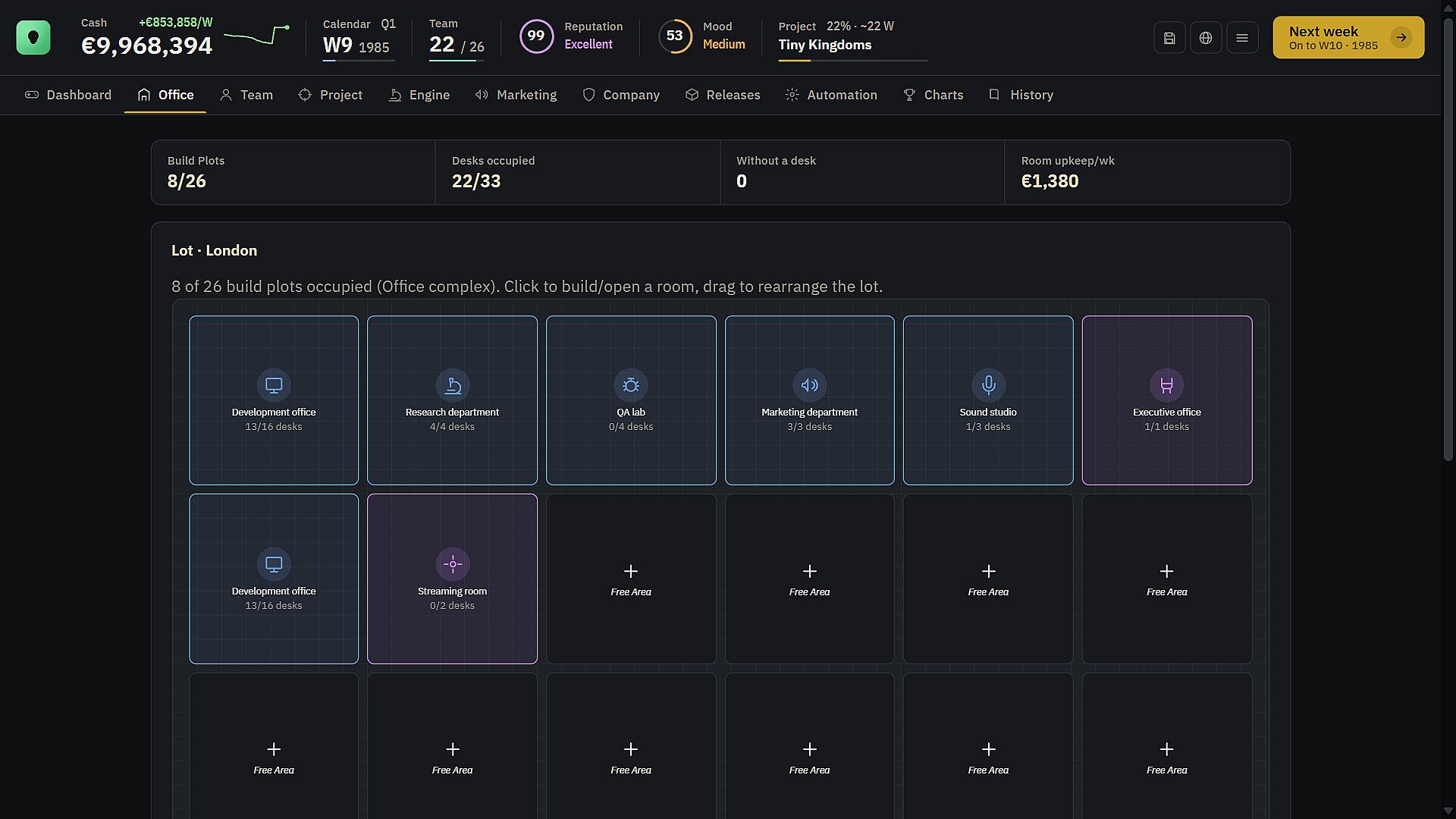
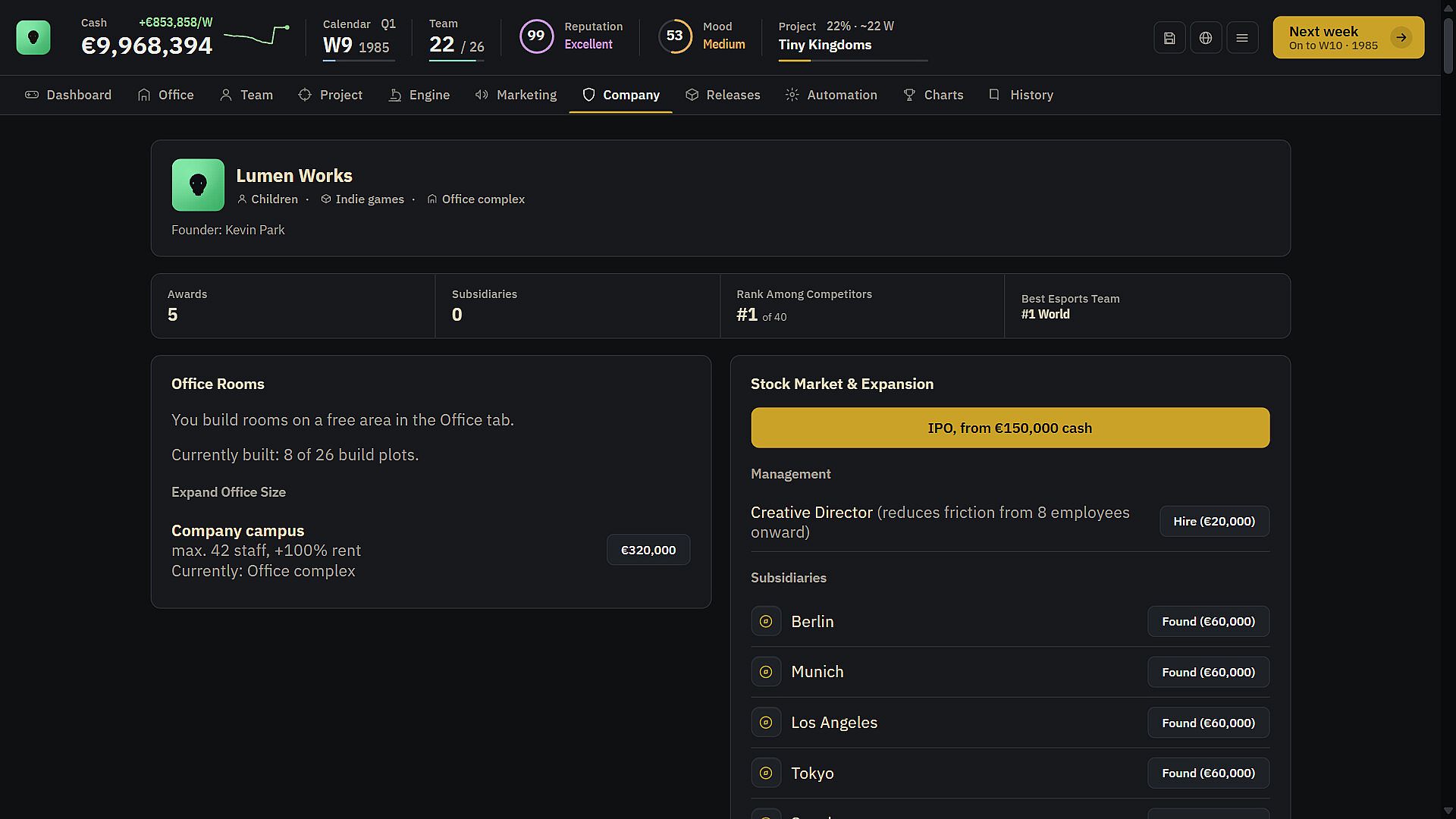
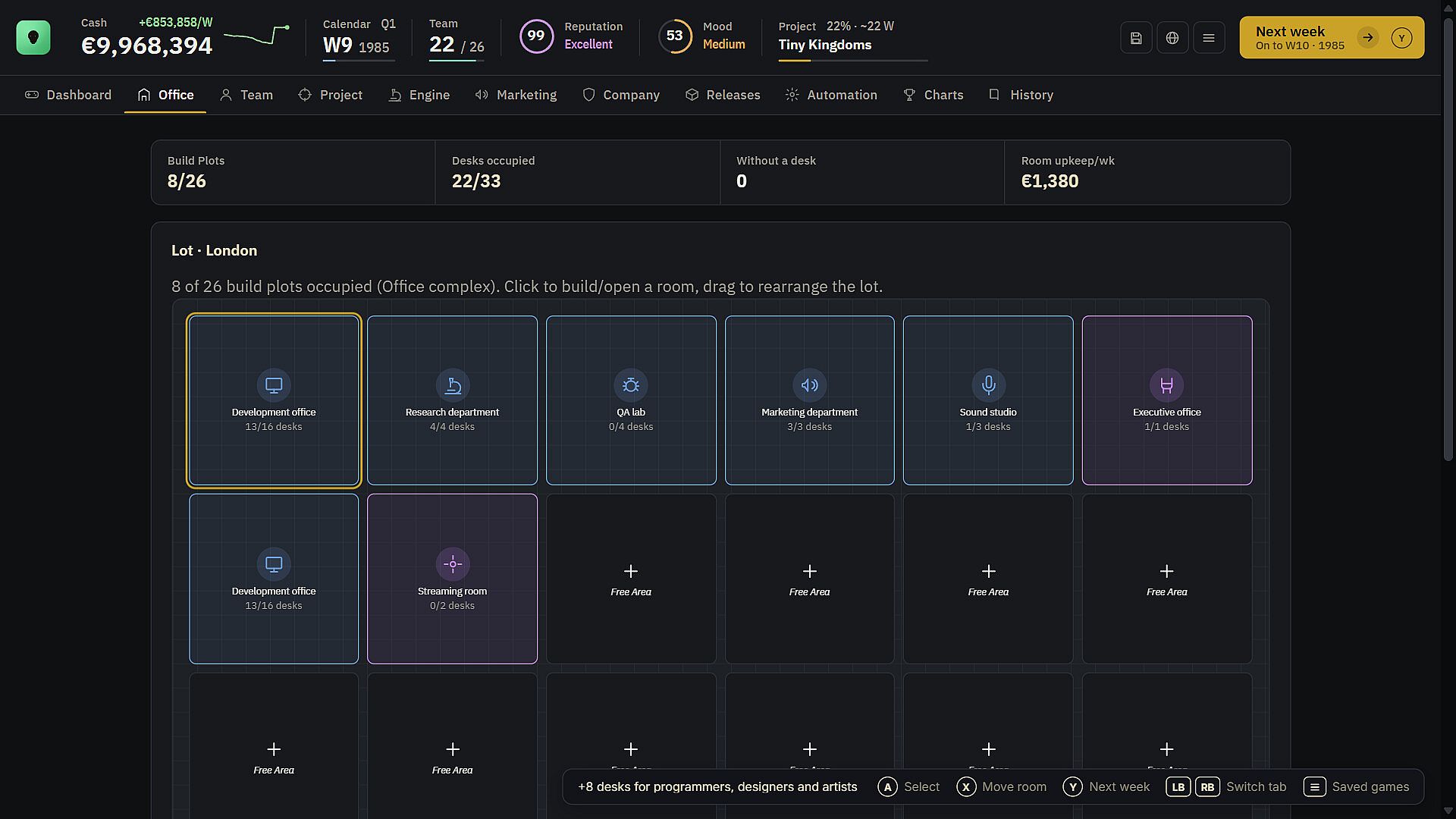
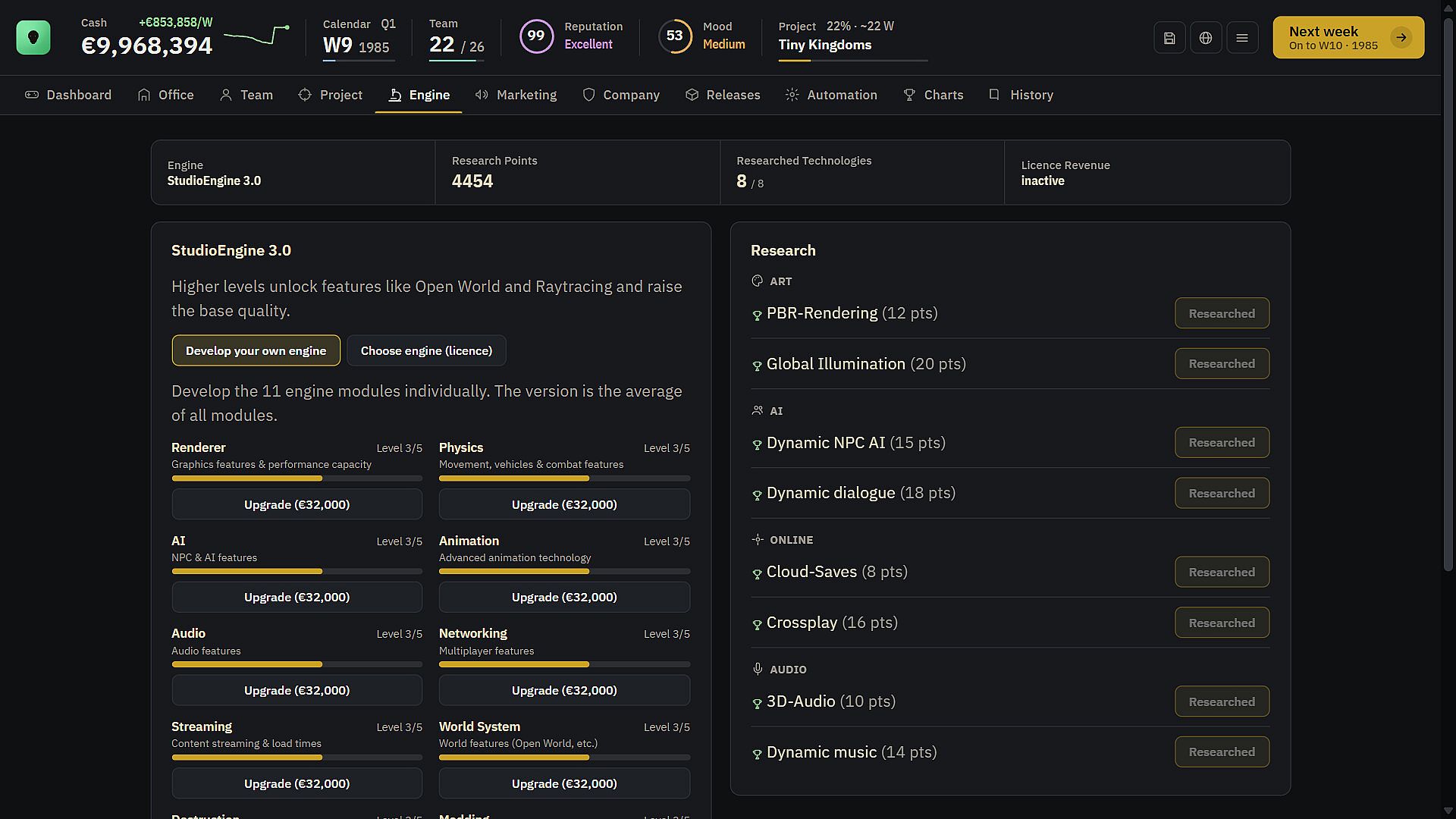
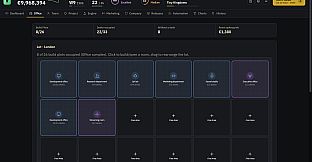
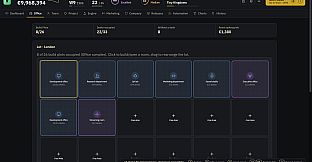
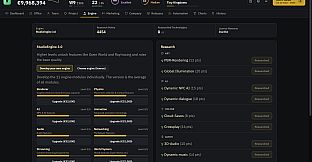
Office expansion draws from 20 room types, with desks assigned to team members. Company operations extend to technology research, custom engine creation with licensing opportunities to other studios, financial tools like loans and investor pitches, publisher negotiations, brand or sports league licenses, public offerings, and subsidiary formation. Rival studios compete for market share, press coverage influences reception, and random events present choices ranging from internal conflicts to legal matters.
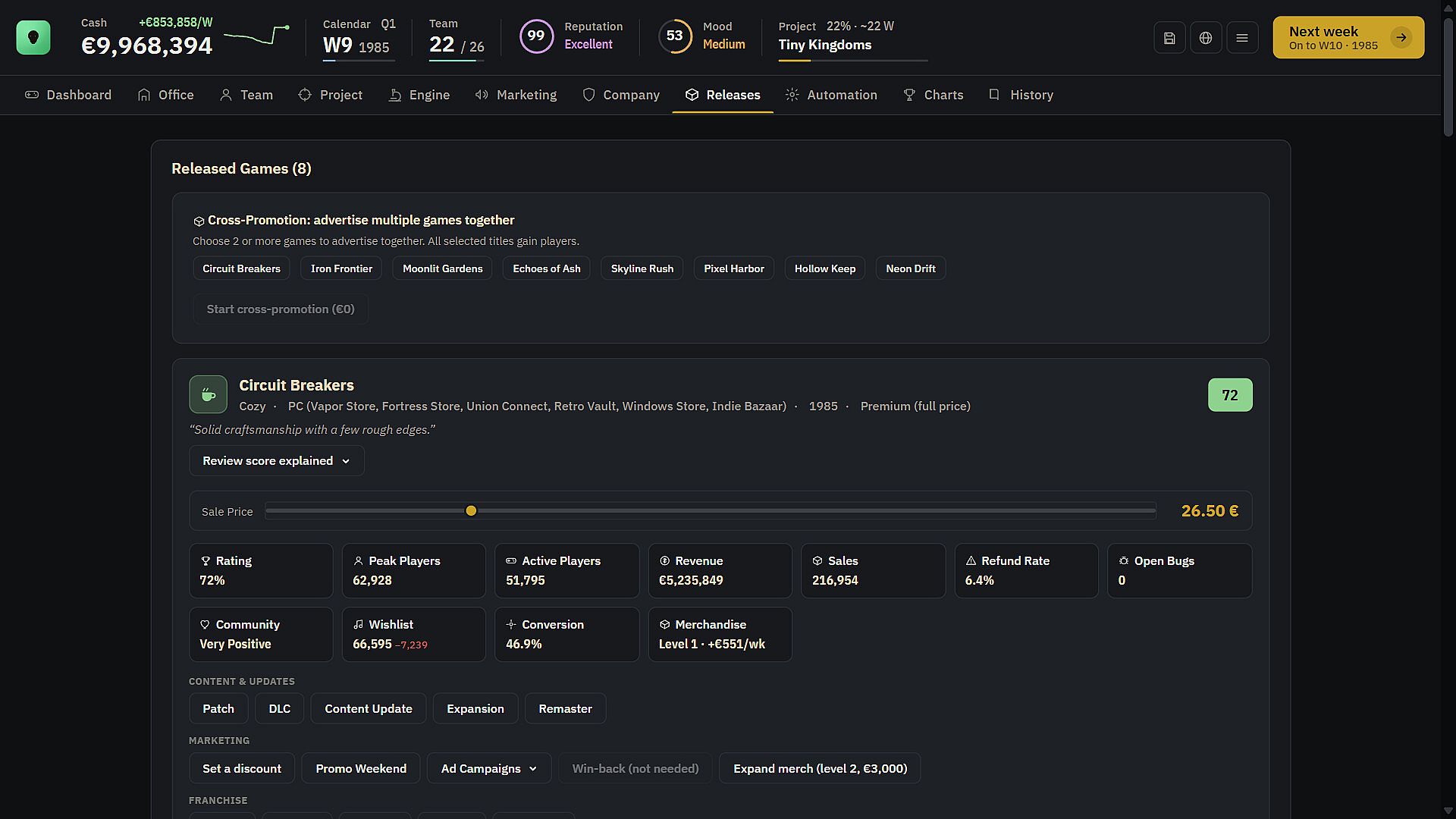
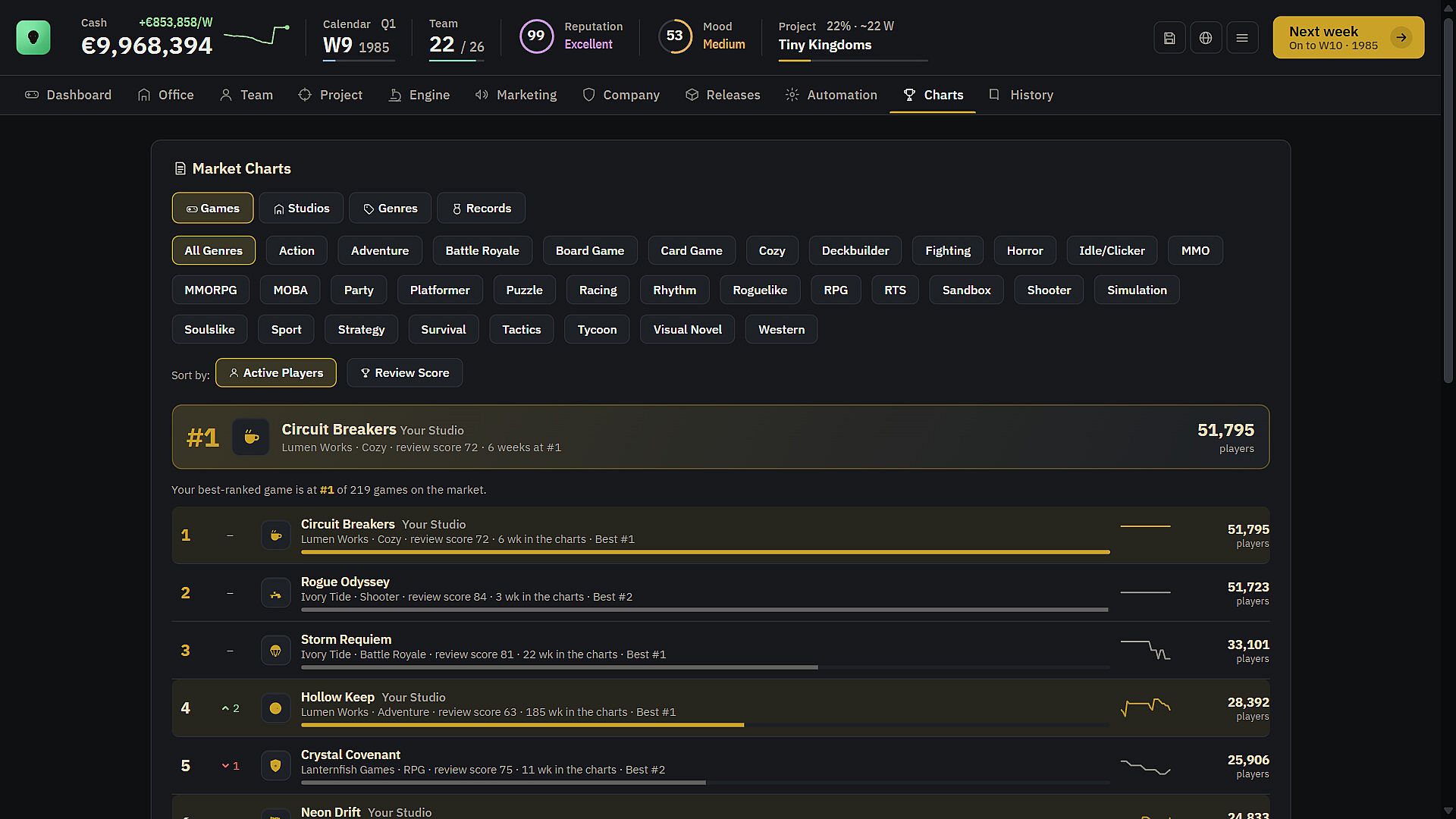
After release, ongoing support keeps titles relevant through patches, downloadable content, updates, season passes, server maintenance for online games, ports, remasters, and the creation of esports leagues featuring tournaments and sponsors. Progress tracking appears via awards, sales charts, and a studio chronicle. Time advances only when the player initiates the next week, supported by 21 automation rules that handle routine tasks. Full controller support includes compatibility with Steam Deck, the game runs in 30 languages, and it features 28 achievements with Steam Cloud saves.
Game Modes
The core experience operates as a continuous single-player business simulation without separate named modes. Players progress through the full lifecycle of studio founding, game creation, team leadership, company expansion, and post-launch maintenance in one unified timeline. The week-by-week structure allows focused attention on any phase, whether early solo development in 1980 or later multinational operations with multiple subsidiaries. Automation options and controller support enable flexible pacing suited to both detailed manual oversight and streamlined play sessions.
Key Features and Mechanics
Core systems revolve around balancing creative, technical, and commercial aspects during game development while navigating staff relations and market competition. Research trees unlock new platforms and tools, engine licensing creates additional revenue streams, and external events introduce variability through rival actions or sudden decisions. Post-launch activities extend the simulation beyond initial releases, encouraging long-term planning for updates and competitive esports elements. The combination of detailed staff simulation, office customisation, and decade-spanning progression creates a layered management loop that rewards consistent attention to both short-term projects and overarching company strategy.
Is It Worth Playing?
Gold Master suits players interested in tycoon-style simulations that emphasise the business side of game development rather than direct creative control or action gameplay. The detailed hiring, development balancing, and post-launch systems provide substantial depth for those who enjoy managing resources, teams, and timelines over extended periods. Early access status means the listed features such as 32 genres, staff progression, automation rules, controller support, and multilingual options are available now, with the week-based pacing and Steam Deck compatibility adding accessibility. Those drawn to industry-focused strategy simulations will find a comprehensive set of mechanics to explore, while players seeking faster-paced or combat-oriented experiences may prefer other titles. The option to start at different historical points and scale from solo work to large operations offers replay flexibility within the single simulation framework.











