




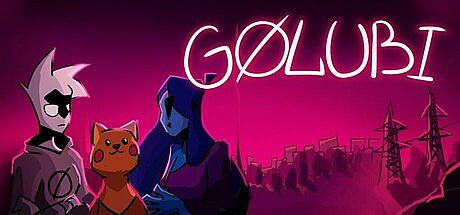



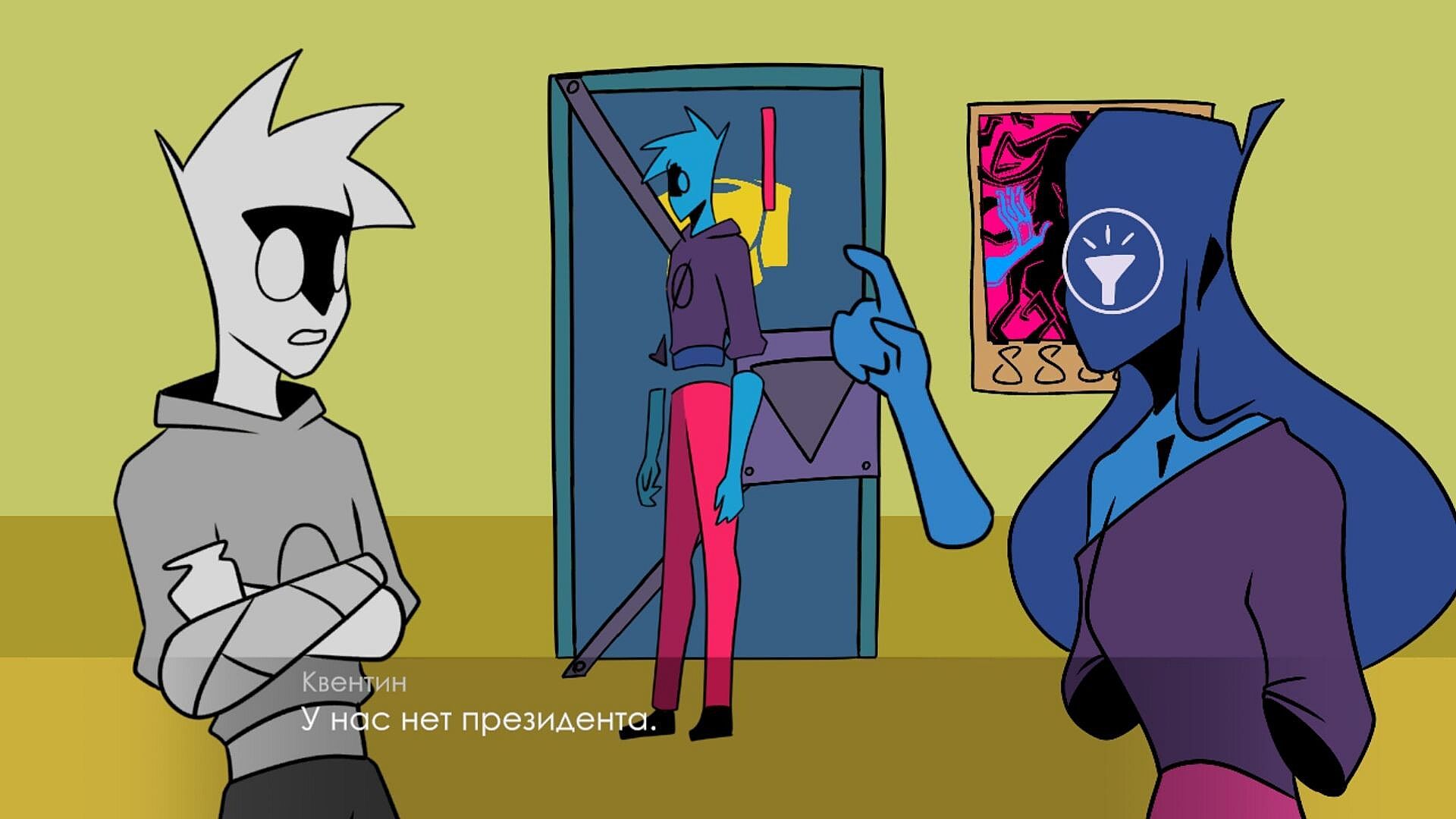


GOLUBI is a 2D side-view indie adventure game centered on deliberate exploration and puzzle solving in a surreal setting. Players move through connected locations, examine objects, converse with characters, and interpret a gradually unfolding narrative without explicit guidance or time pressure. The experience emphasizes observation over speed or combat, inviting players to piece together meaning from environmental details and fragmented dialogues.
Gameplay
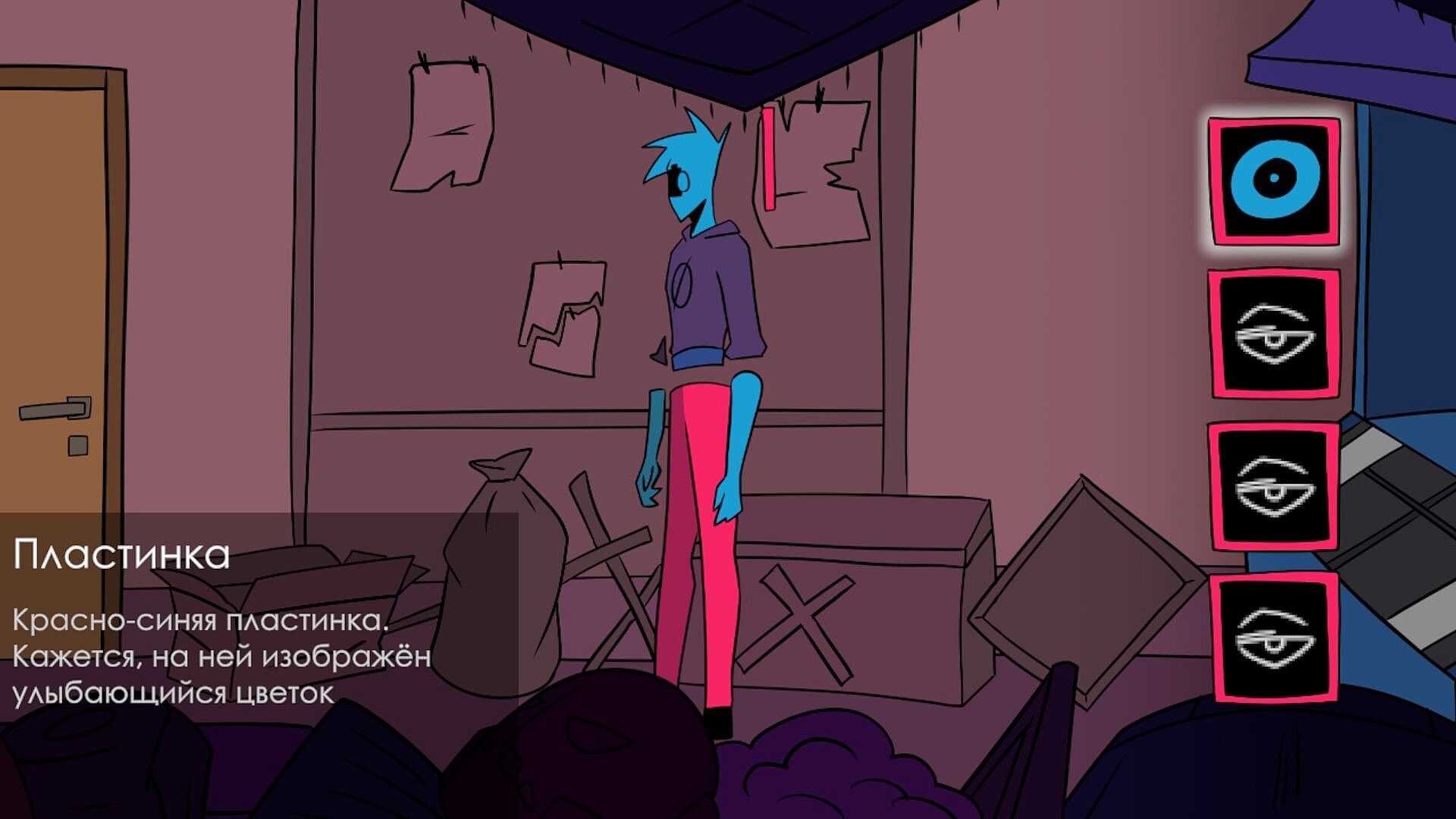
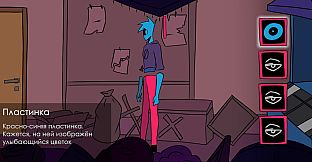
The core loop revolves around navigating a collection of rooms, floors, and streets while stopping to inspect surroundings. Each location blends familiar real-world elements with dreamlike distortions, encouraging players to read item descriptions, listen for ambient sounds, and note subtle inconsistencies. Movement feels unhurried, allowing time to absorb the atmosphere and form personal interpretations of events.
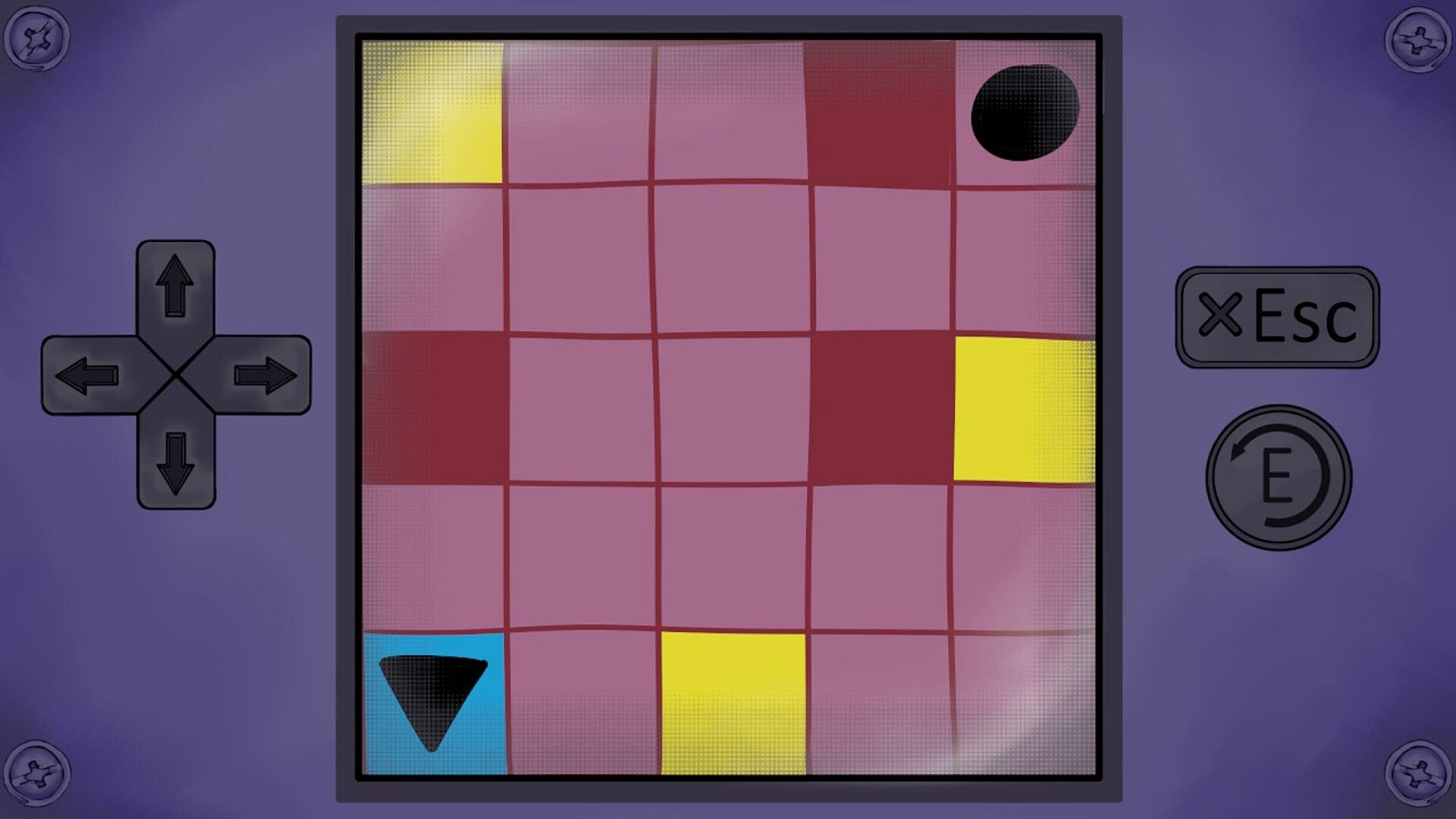
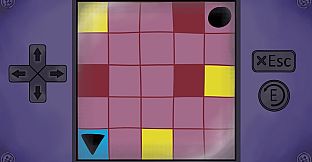
Puzzle panels appear as barriers that must be cleared to progress. These require drawing a continuous line from a marked starting cell to an ending cell without the line intersecting itself. Each segment of the line permanently closes the path behind it, adding a layer of irreversible decision making. Early panels introduce basic connectivity rules, while later ones incorporate additional constraints such as obstacles that block certain routes, mandatory cells that must be included in the line, teleporters that shift the path unexpectedly, and barriers that limit options. The game provides no tutorial text, so solutions emerge through trial and repeated observation of how new elements interact.
Items collected during exploration enter an inventory and serve practical or revelatory purposes. Some objects directly enable forward movement by interacting with the environment, while others supply contextual clues about the world and its inhabitants. A single well-timed item can unlock an entire new area or deepen understanding of ongoing events.
Game Modes
GOLUBI offers a single-player narrative experience with no separate multiplayer or competitive modes. All progression occurs within one continuous campaign divided into episodes. In each episode the player controls one of three central characters yet maintains awareness of the larger interconnected story. There are no branching choices or alternate endings; the sequence remains fixed while comprehension grows through accumulated details across episodes.
Exploration and puzzle elements integrate directly into the story flow rather than functioning as optional side content. Panels and items appear naturally along the main path, and skipping non-essential panels remains possible without breaking the overall sequence. This structure keeps the focus on personal discovery rather than replayability through different modes.
Story and Characters
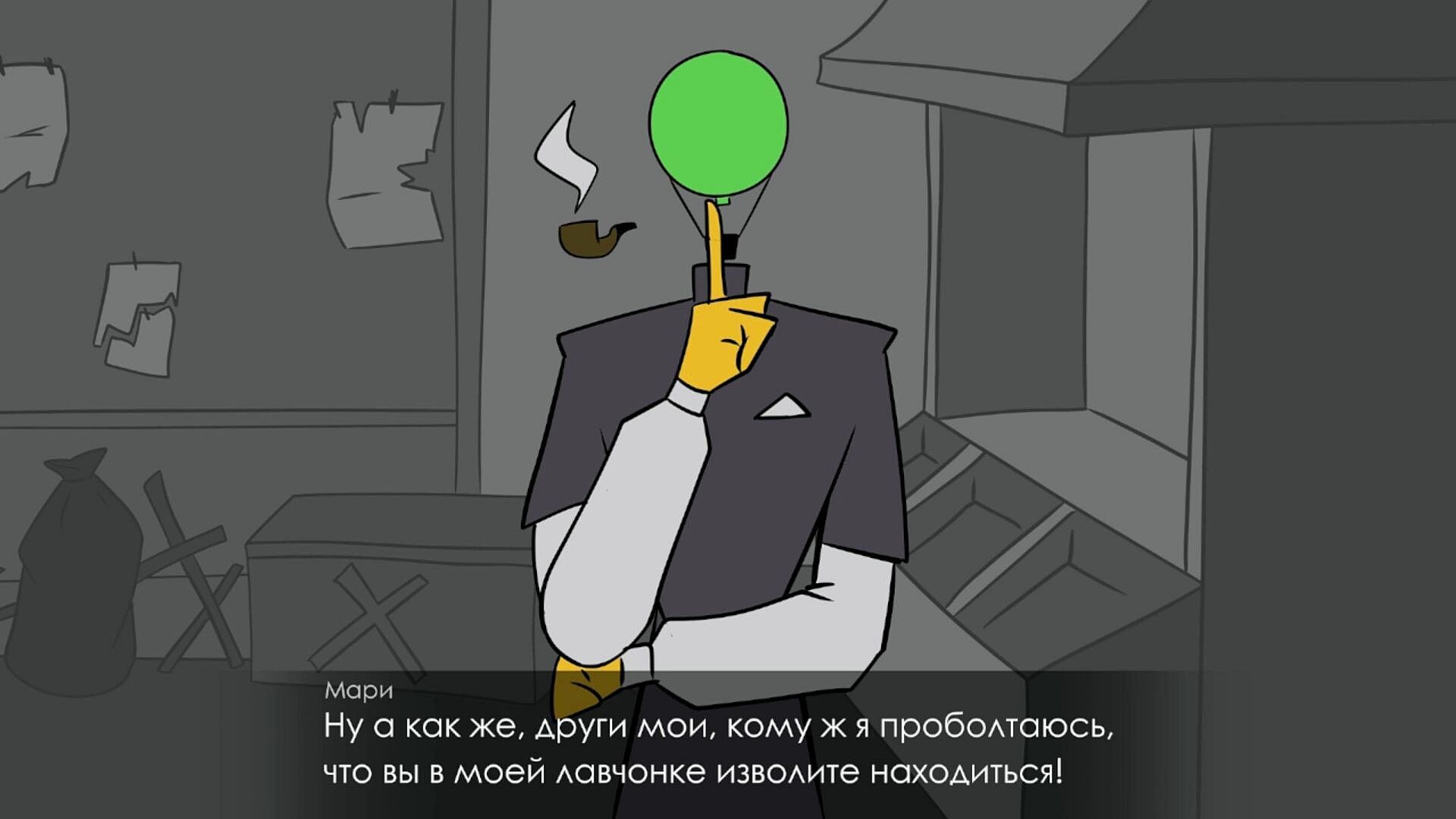
The narrative follows three figures: Quentin, Em, and the Cotopitzes. Players alternate control among them across episodes, witnessing overlapping events from distinct perspectives. Conversations with non-player characters provide dialogue fragments that gradually clarify relationships and motivations. Meaning accumulates through repetition and juxtaposition rather than direct exposition, rewarding attentive listening and cross-referencing of earlier scenes.
Items and environmental observations further illuminate character backstories and the nature of the setting. The story advances linearly, yet each new episode reframes previous information, creating a sense of expanding awareness without requiring the player to make narrative decisions.
Atmosphere and Presentation
Visual design presents a 2D side-view world where ordinary spaces feel subtly off-kilter. Strange conversations and non-obvious connections between characters and objects reinforce the impression that something fundamental is amiss. Quiet music accompanies movement and puzzle solving, establishing a steady rhythm that matches the unhurried pace. Sound design highlights small details such as ambient noises in different locations, further encouraging players to pause and notice their surroundings.
Is It Worth Playing?
GOLUBI suits players who enjoy slow-paced single-player adventures that prioritize observation, environmental storytelling, and self-directed puzzle solving. Those who prefer explicit tutorials, fast action, or multiple endings may find the lack of guidance and linear structure less engaging. The game remains in a pre-release state with a demo available for sampling the core mechanics. No user reviews exist on major platforms yet, and no post-launch updates or additional content have been confirmed. Individuals drawn to atmospheric indie titles that reward patience and personal interpretation will likely find the experience rewarding once it launches.











