






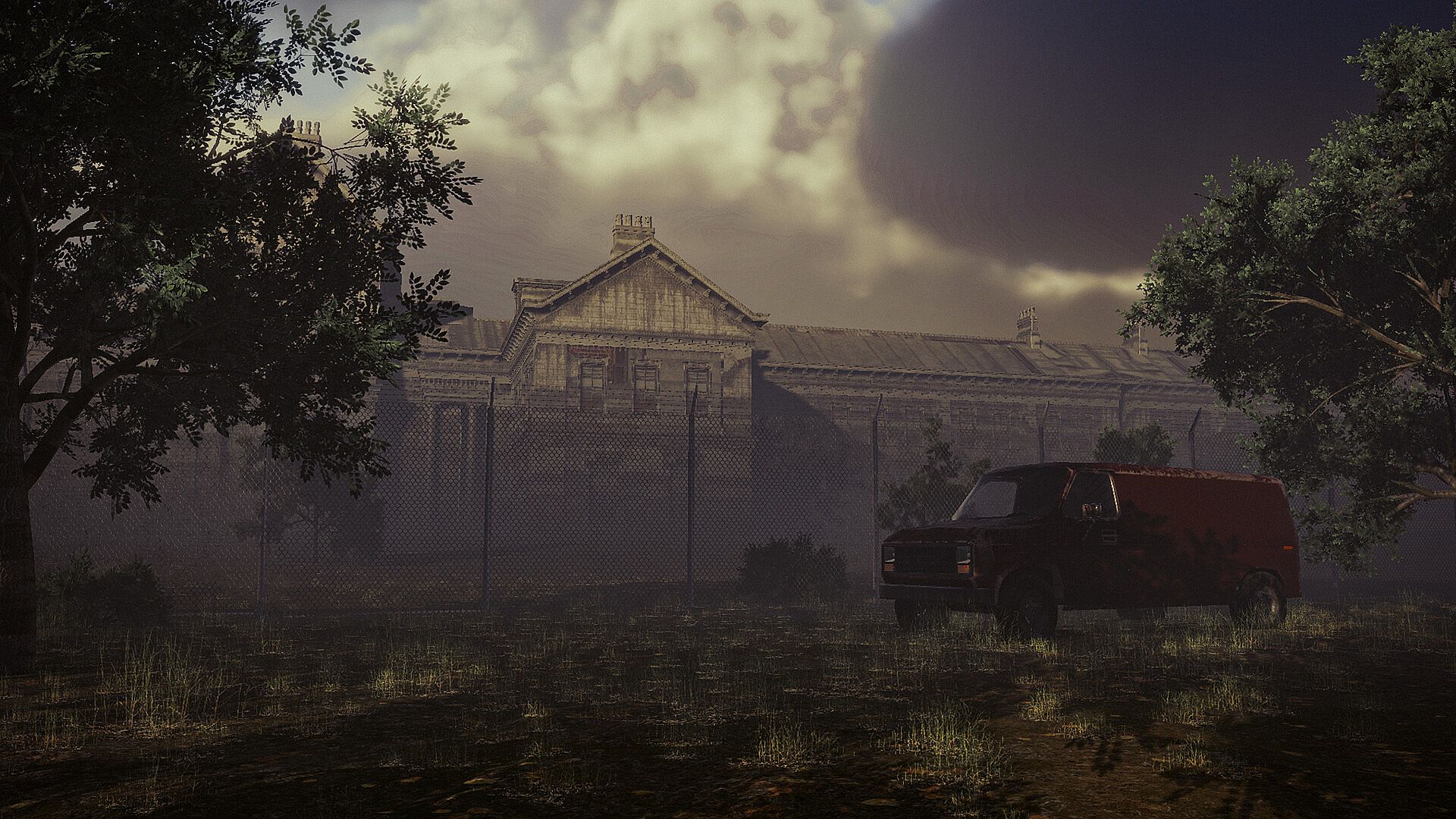
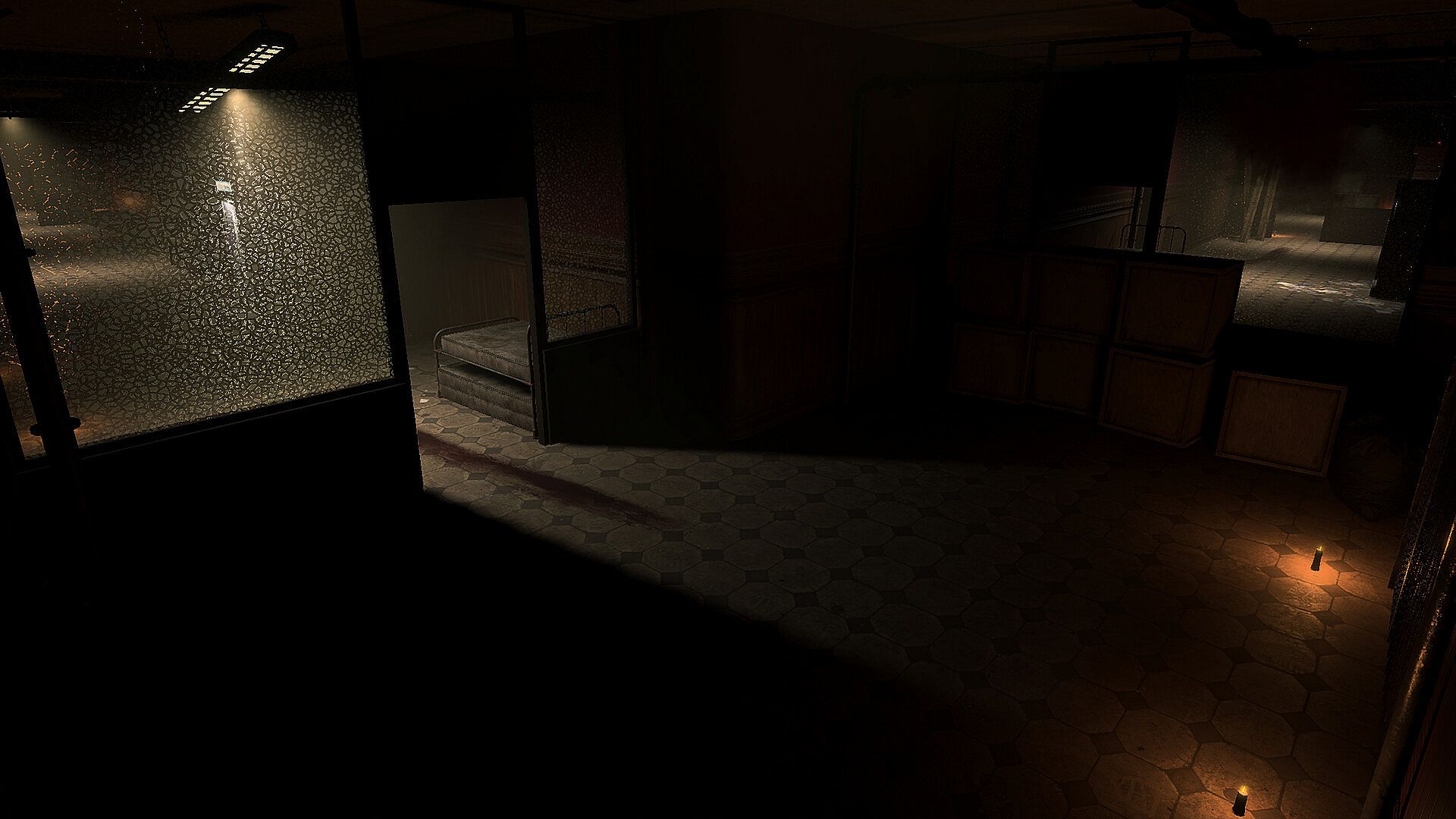
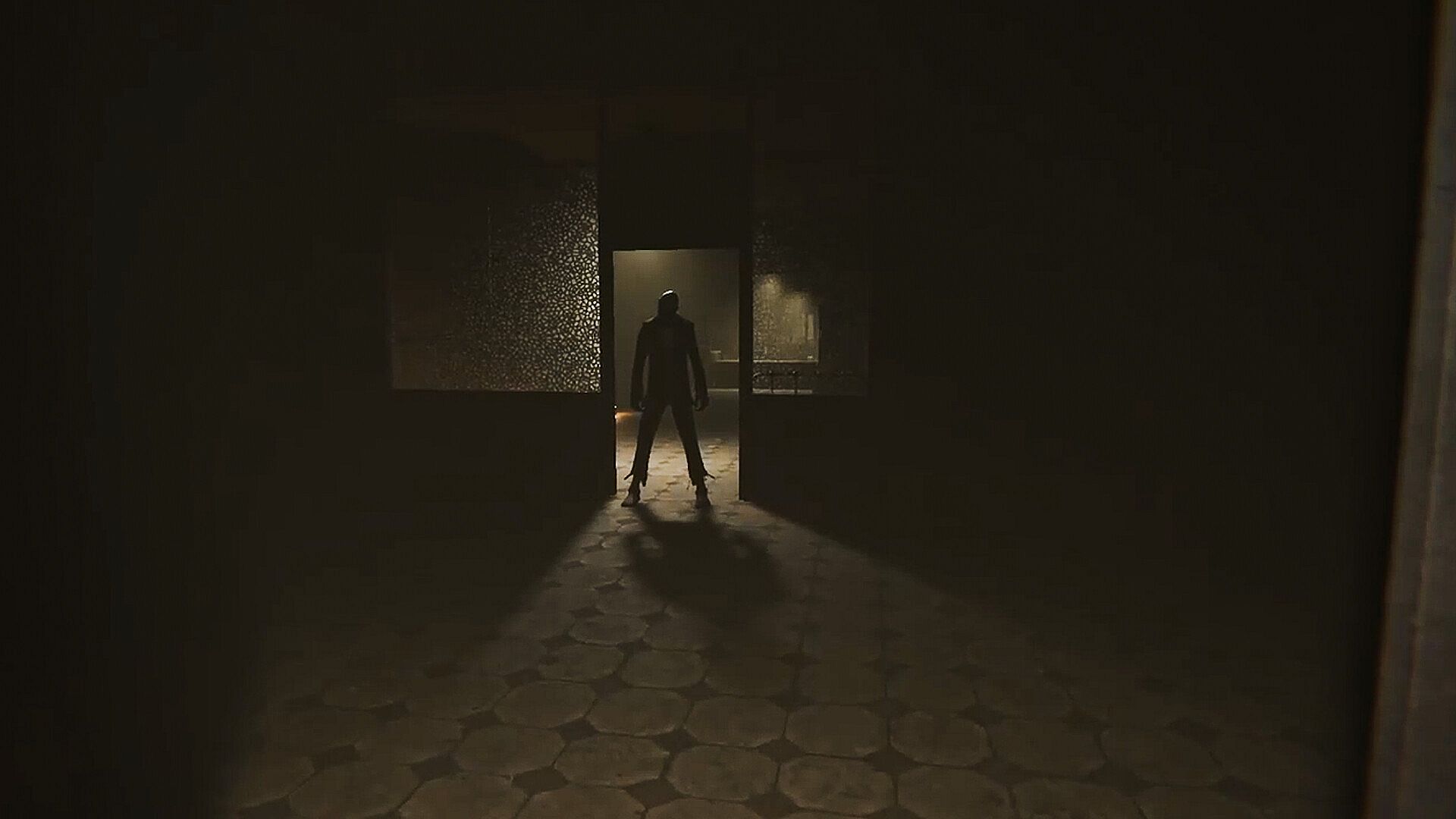
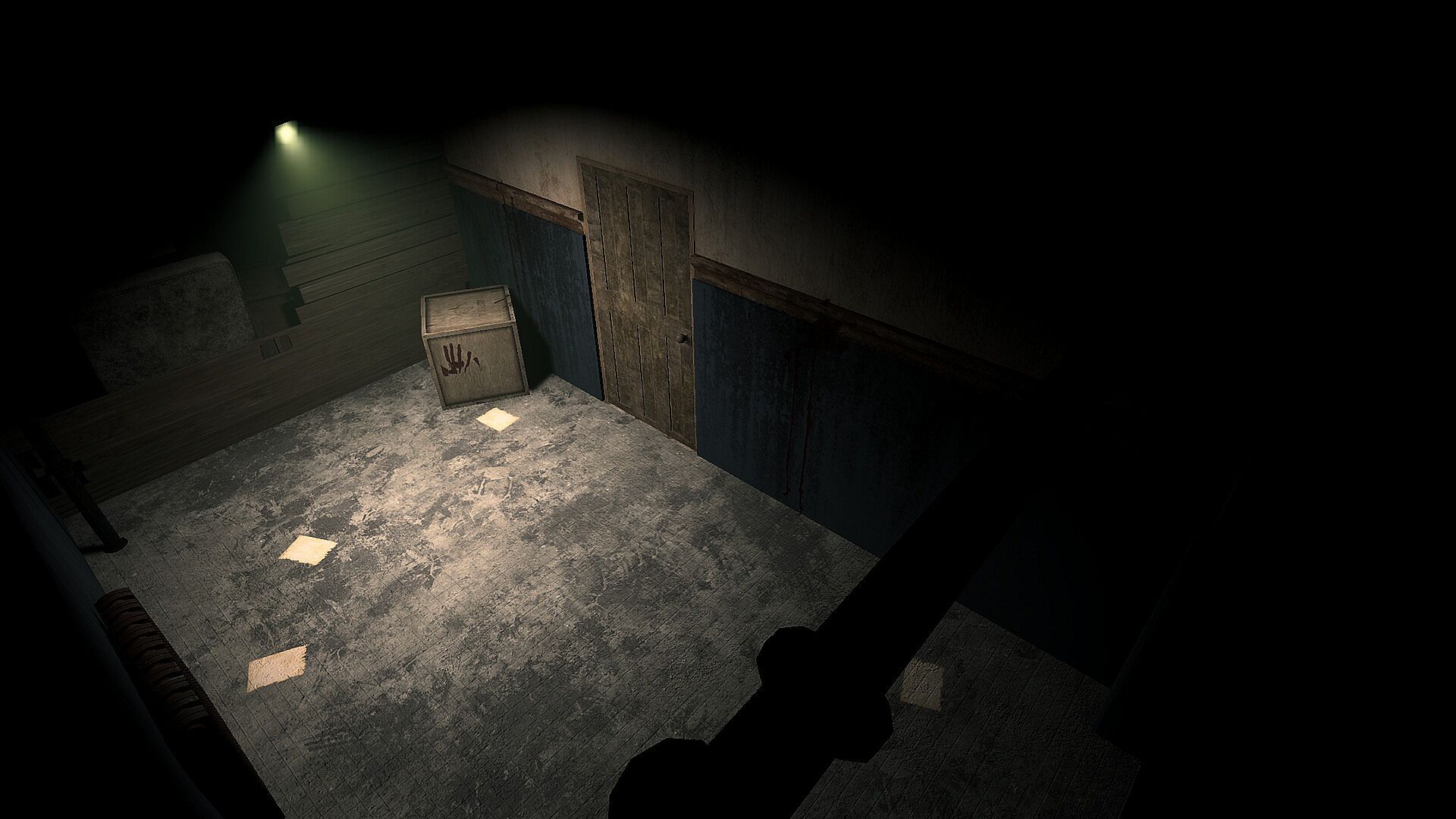
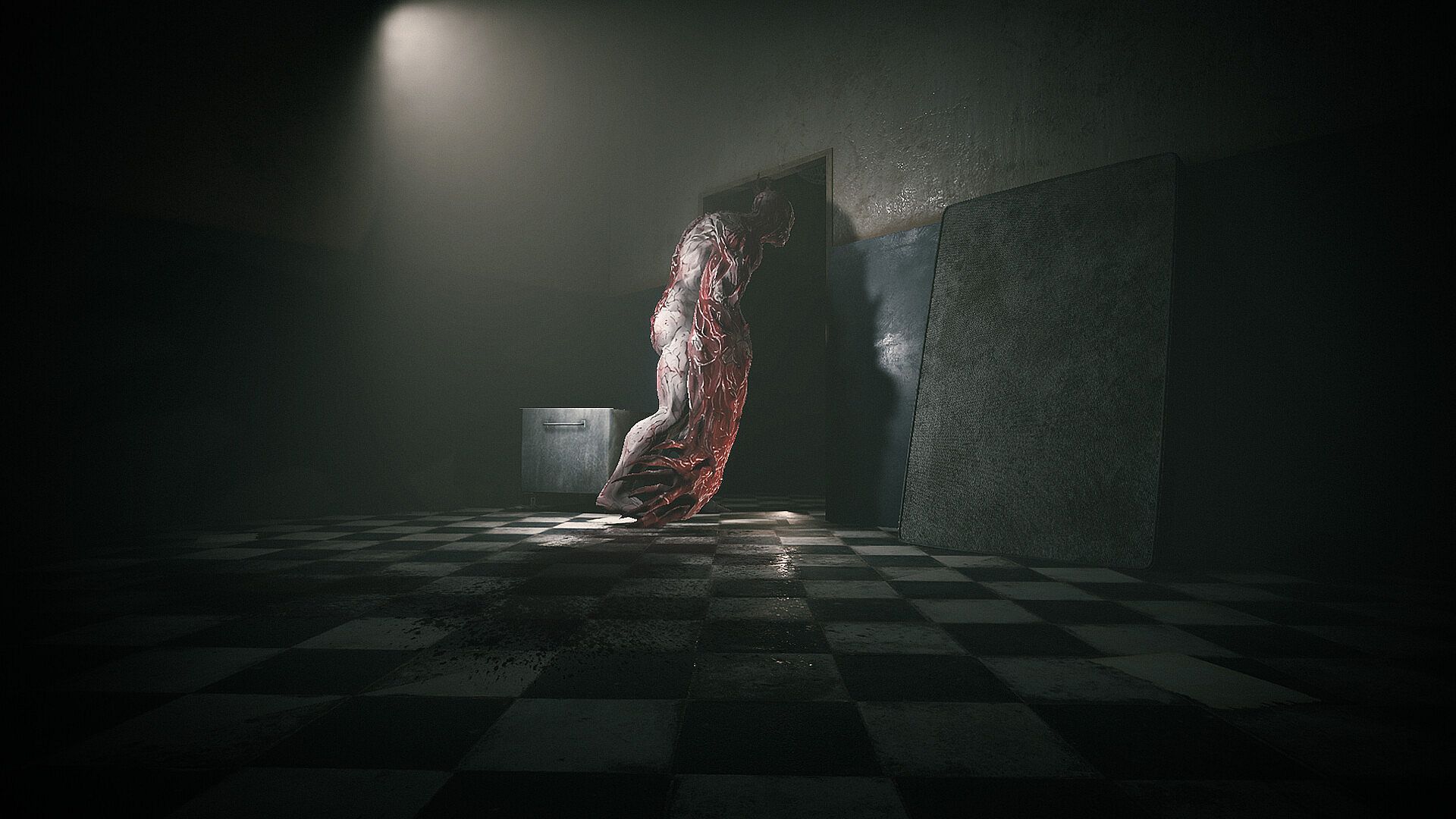
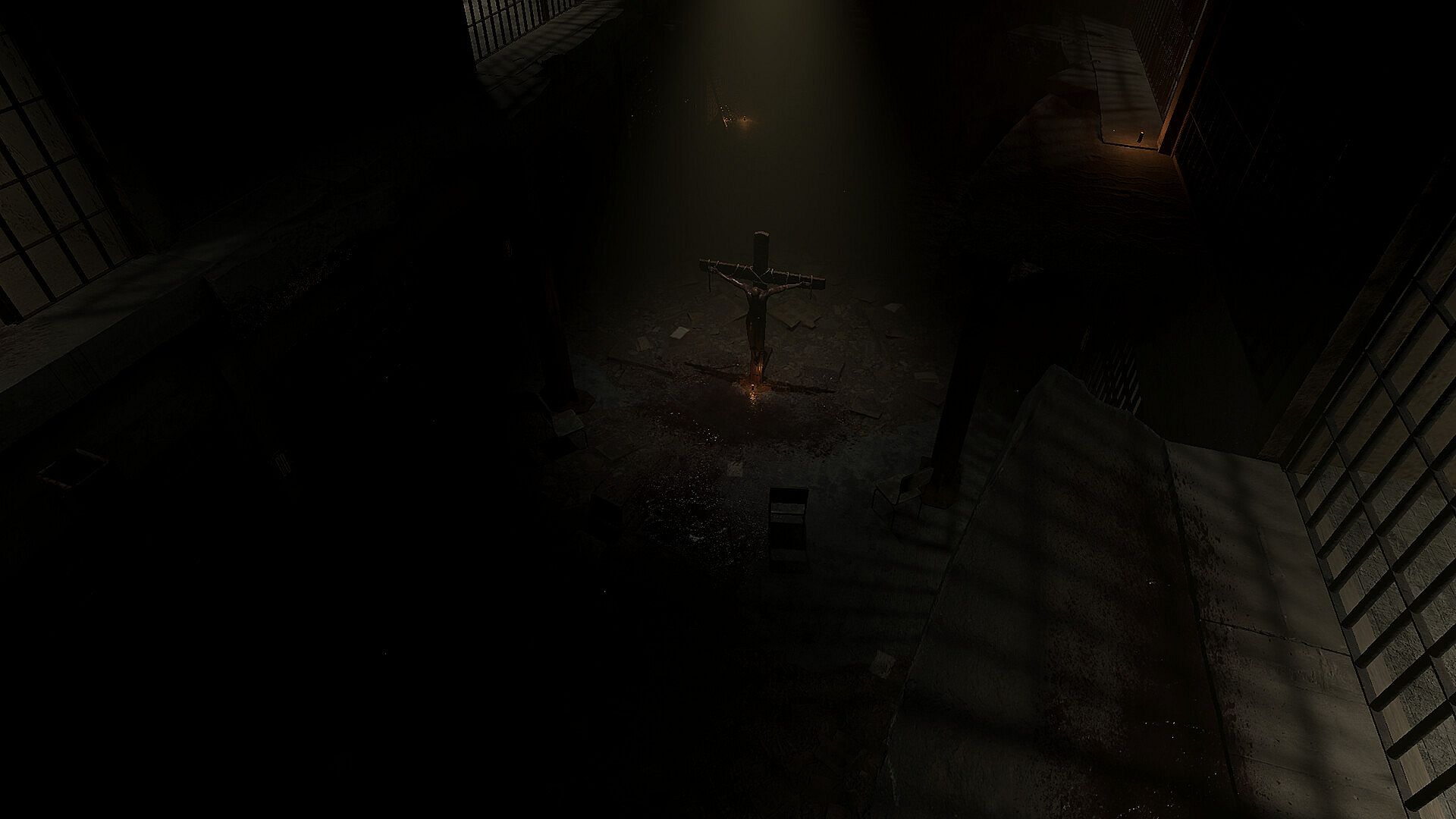
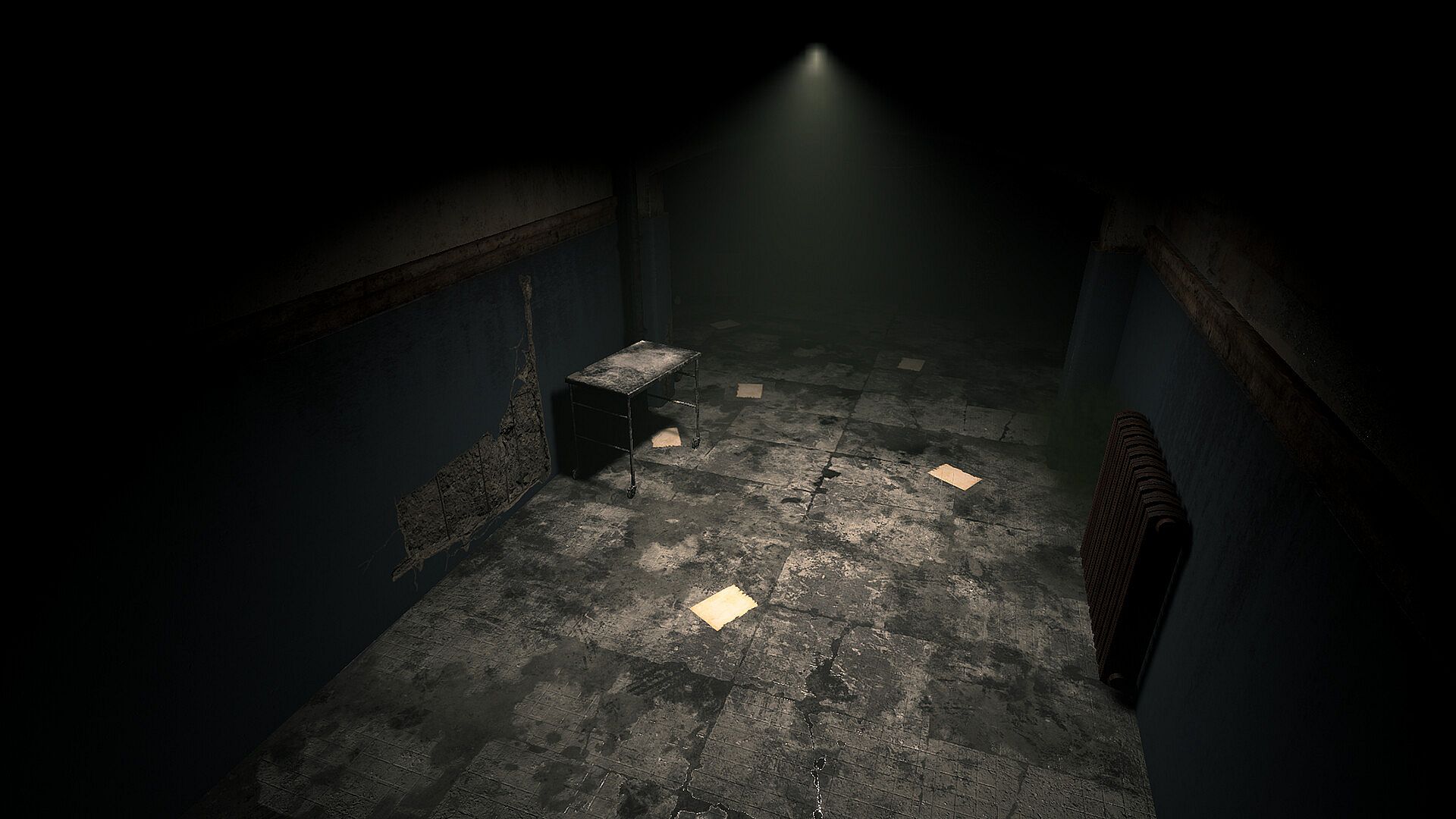
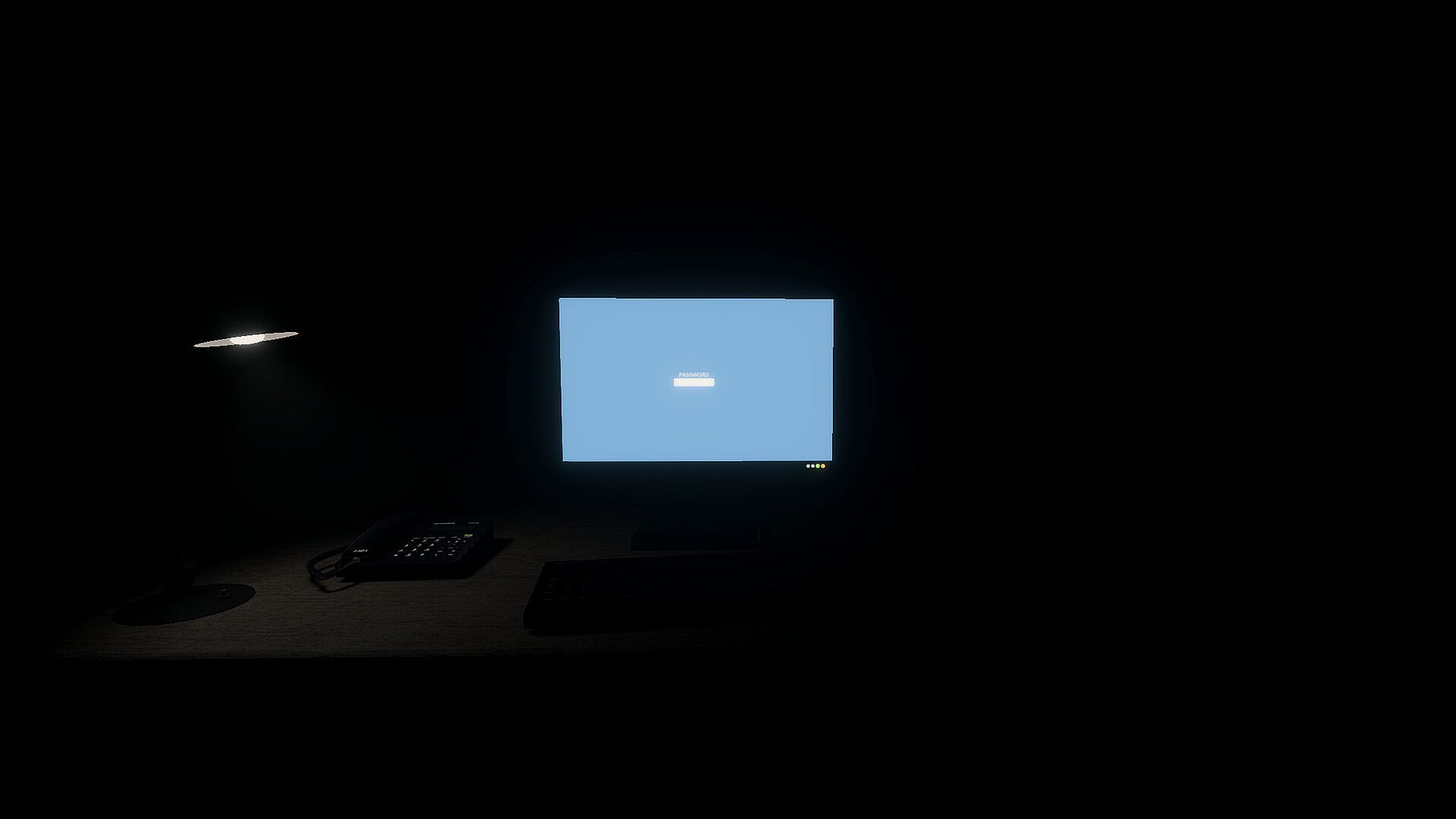
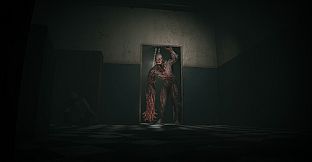
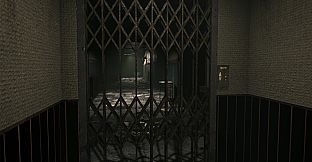
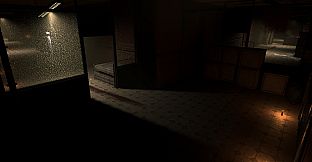
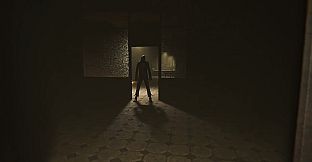
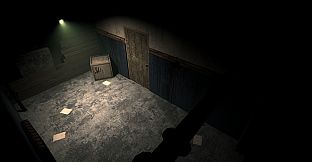
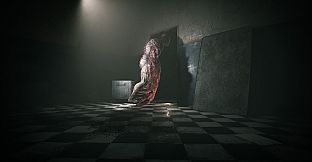
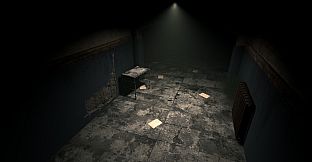
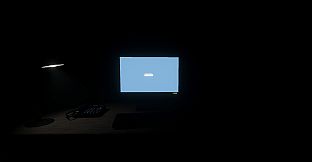
Graphite in the Hospital is a single-player first-person psychological horror adventure game that places players in the role of investigative journalist Henry Carter. The experience unfolds inside the abandoned Hartwell Psychiatric Hospital, where the goal centers on uncovering the reasons behind the facility's sudden silence while evading the threats that now occupy its halls. Built as a compact title with roughly two hours of dense gameplay, it emphasizes tension through stealth mechanics, environmental storytelling, and occasional shifts into surreal sequences rather than combat or open exploration.
Gameplay
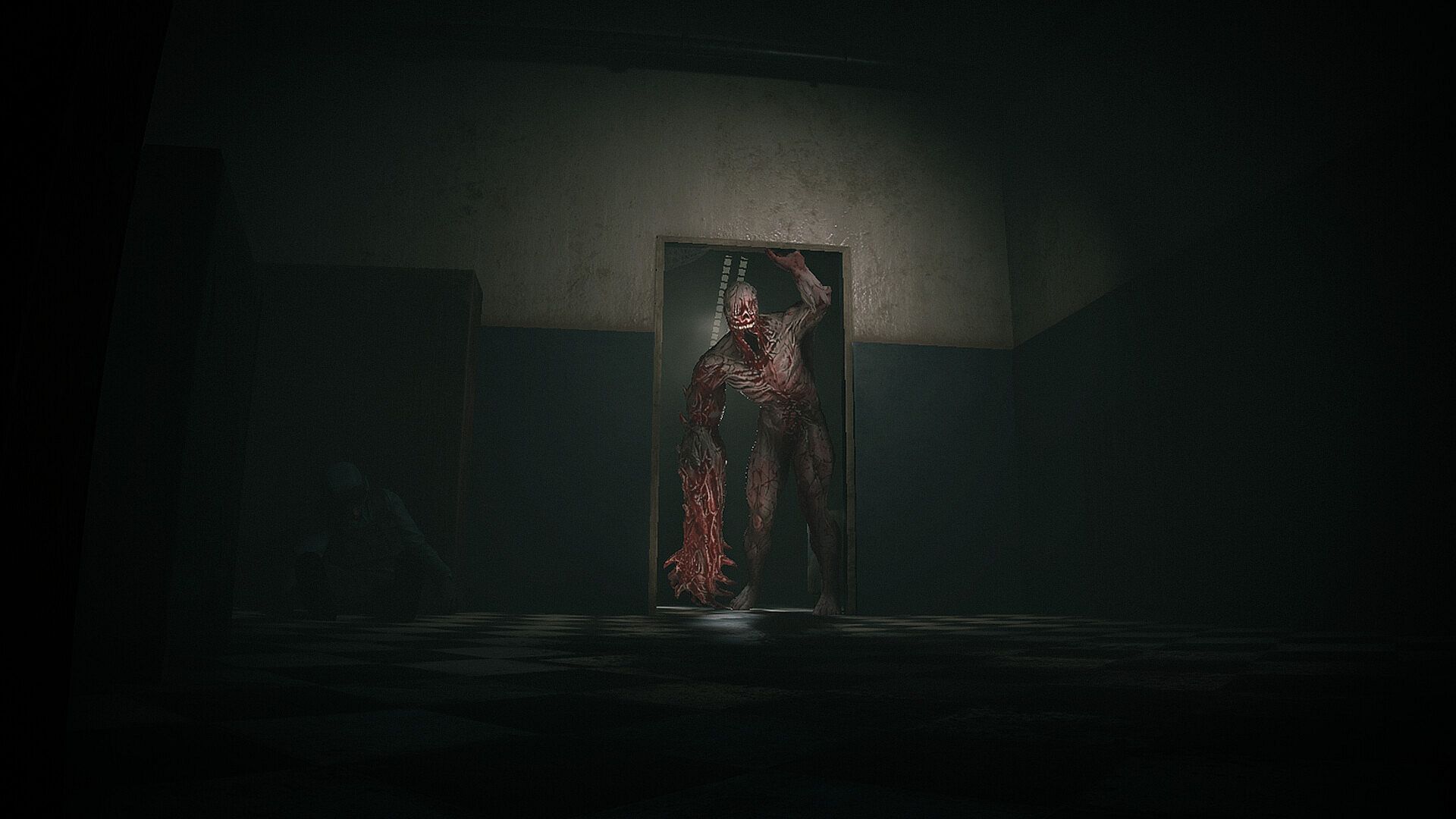
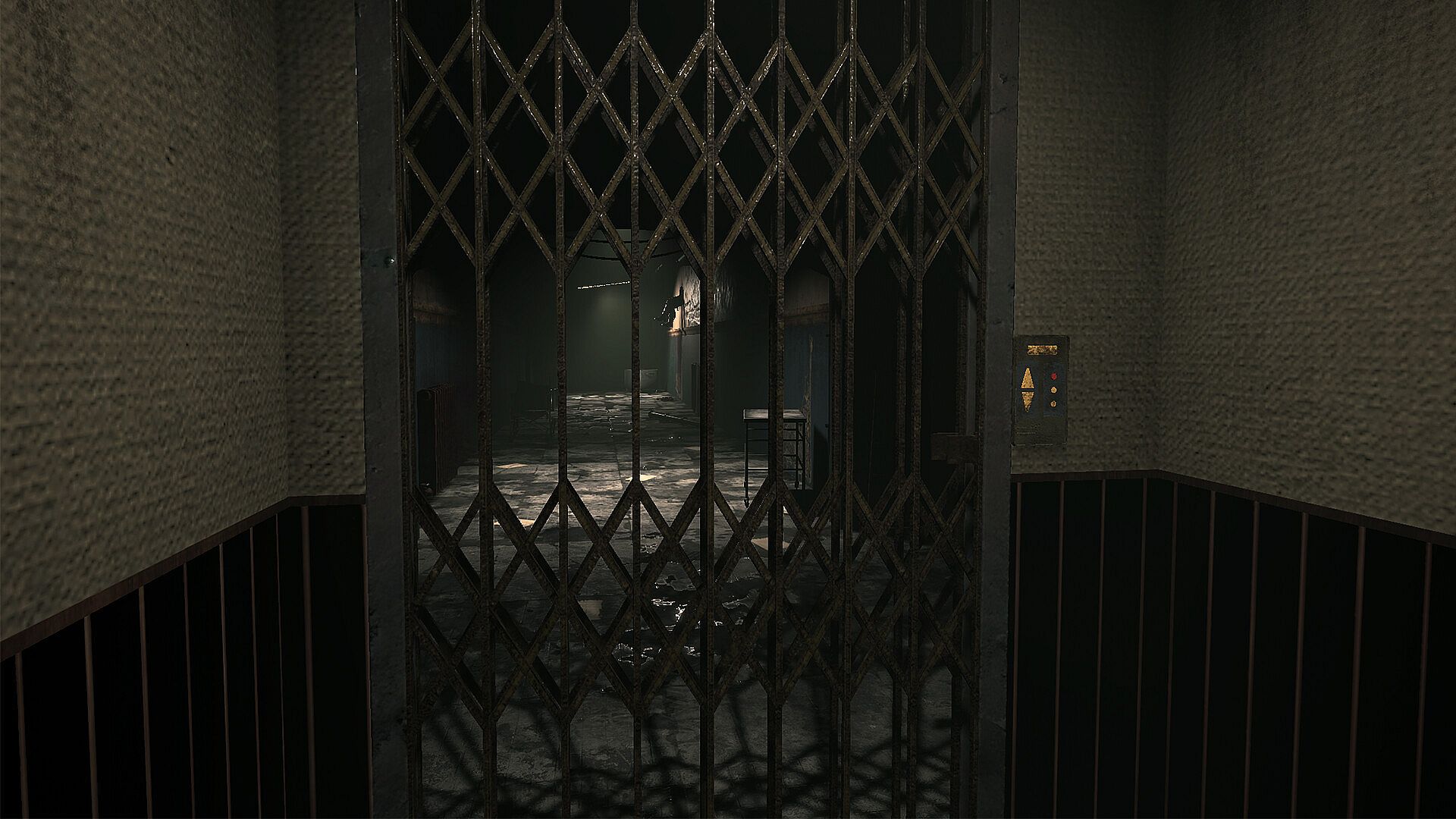
Players navigate the hospital's condemned wards using only a camera and personal instincts, with no weapons available at any point. The core loop involves staying hidden from deranged patients and other hostile entities that patrol the area. When detection occurs, the encounters shift into extended chase sequences driven by responsive enemy AI that continues pursuit until the threat is evaded or the player is caught. Progress often requires solving puzzles to access blocked sections of the building, such as locked doors or collapsed areas that demand careful observation of the surroundings.
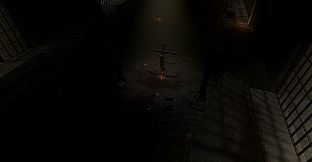
Additional layers come from periodic descents into a disorienting dream world. These segments interrupt the main hospital setting and force players to solve their way out through altered logic and environmental clues. Throughout the linear path, scattered documents, audio recordings, and physical evidence reveal deeper lore about the hospital's past and the events that led to its current state. The presentation relies on first-person cinematics to advance the twist-driven narrative, maintaining a consistent focus on immersion and high-intensity moments without branching choices or side content.
Game Modes
The game operates exclusively in a single-player format with one continuous story experience. There are no separate modes, multiplayer options, or alternative play styles such as survival challenges or free exploration. The entire session follows the predetermined sequence of events, guiding Henry through the facility's various wards and the occasional dream sequences while building toward the central revelations. This structure keeps the focus narrow on tension and narrative delivery rather than replayability or varied objectives.
Narrative and Atmosphere
The story follows Henry Carter as he enters the silent hospital seeking answers for a potential article, only to encounter far more than anticipated. Events unfold through environmental details and first-person sequences that highlight the isolation and growing personal stakes. The setting draws from the hospital's history of psychiatric care, experimentation, and eventual abandonment, with visual and audio elements reinforcing the psychological strain on the protagonist. Mature themes include depictions of violence, disturbing imagery, and human suffering, all presented without sexual content or explicit nudity.
Technical aspects support the intended intensity through detailed environments and responsive lighting that heighten the sense of dread in dark corridors. The roughly two-hour length concentrates these elements into a tightly paced session that avoids filler while delivering consistent pressure from the AI-driven threats and puzzle requirements.
Is It Worth Playing?
Graphite in the Hospital targets players who prefer short, focused horror experiences centered on stealth survival and narrative tension over longer campaigns or combat-heavy action. Its linear structure and emphasis on evasion, puzzle-solving, and atmospheric storytelling suit those interested in psychological horror that builds through isolation and pursuit rather than direct confrontation. As an upcoming single-player title with no confirmed release date or player reviews available yet, it remains best suited for fans of compact indie adventures who value high-tension chases and lore discovery in a contained setting. Those seeking multiplayer elements or extended play sessions may find the scope too narrow, while enthusiasts of first-person stealth horror could appreciate the deliberate pacing and AI behaviors once it becomes available.











