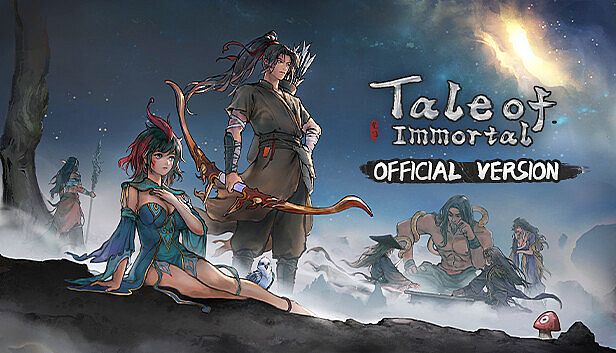






























Tale of Immortal stands out as an open-world sandbox RPG that draws heavily from Chinese mythology, focusing on cultivation and immortal ascension. In this single-player adventure, you begin as a novice cultivator in the Qi Refining stage, setting out from Yukong Village to build inner strength and defy challenges. The game emphasizes personal growth through careful choices, allowing you to shape your destiny amid a world filled with beasts, mystic realms, and intricate NPC interactions.
Gameplay
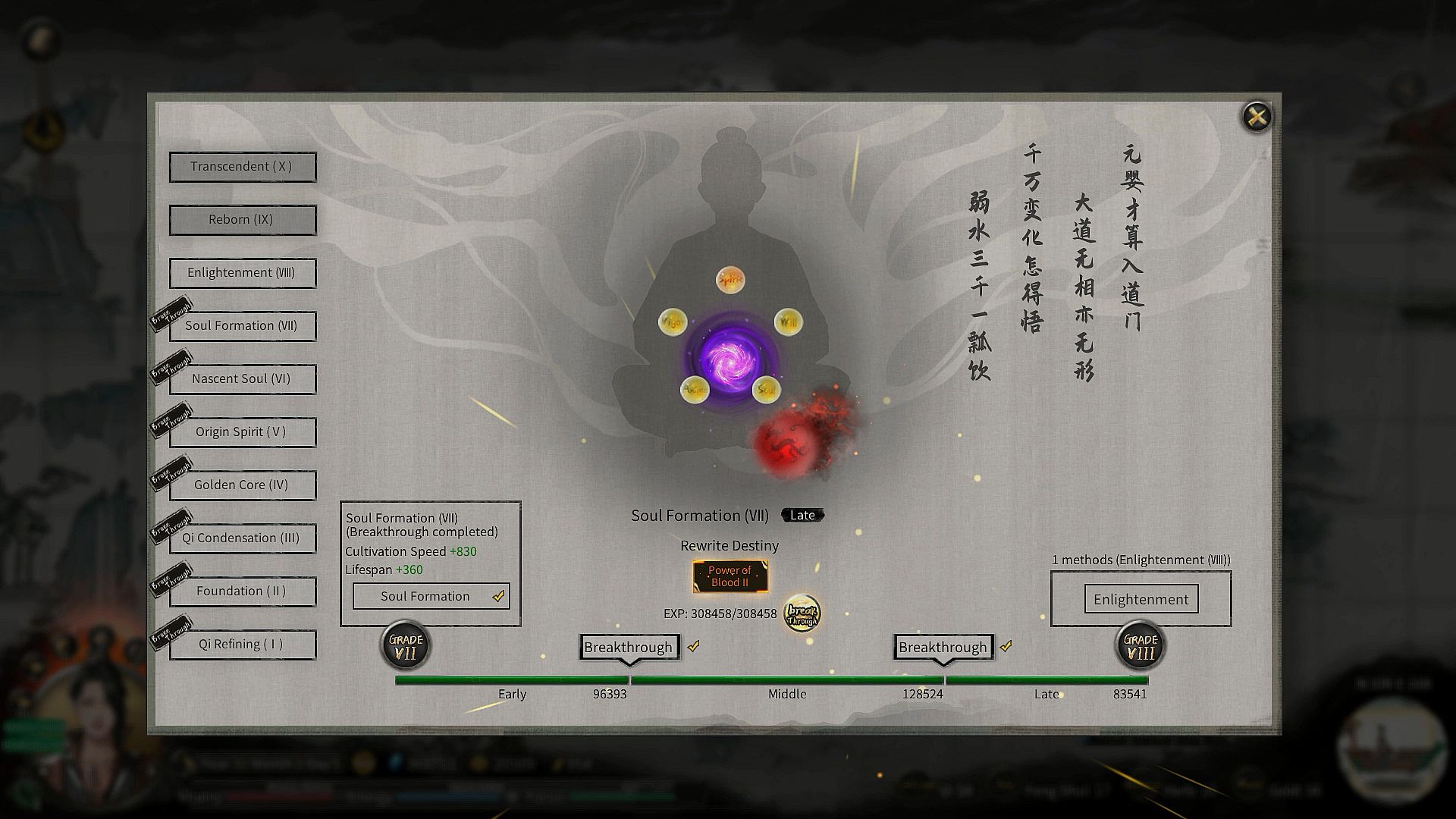
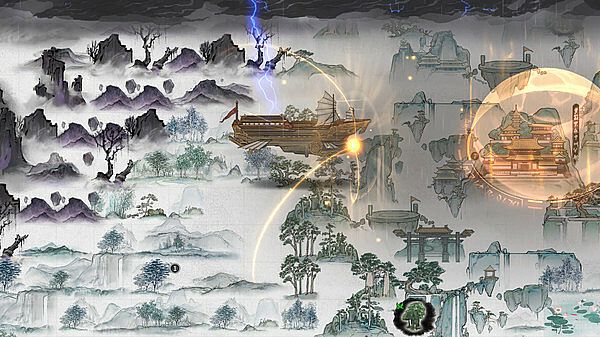
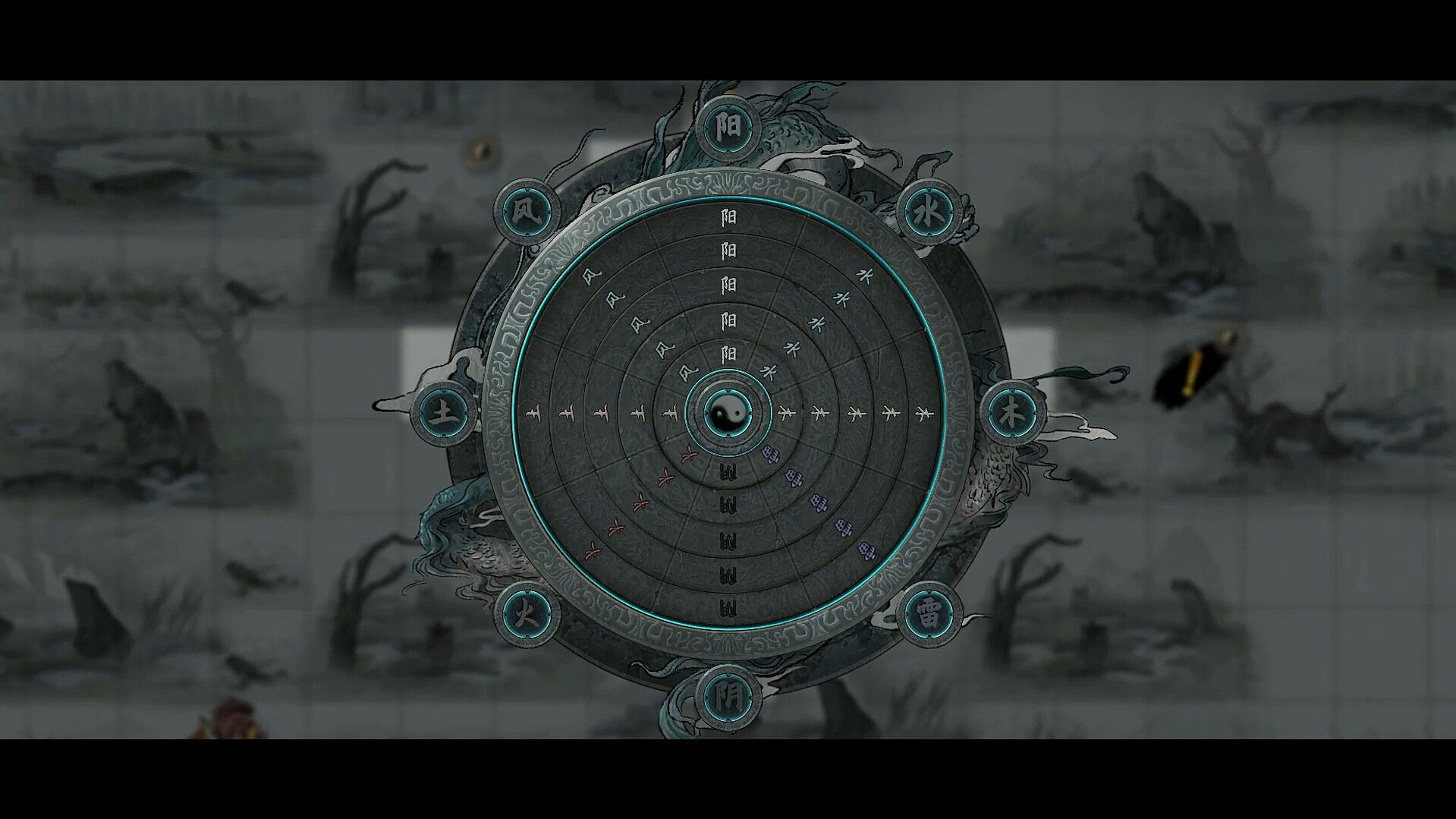
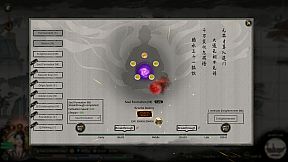
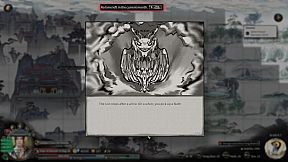
Core mechanics revolve around cultivation, where you advance through stages by mastering mind skills, martial abilities, and spiritual techniques. You can specialize in one of the twelve Spiritual Roots or aim to master them all, selecting from various manuals to define your martial arts school. Exploration plays a key role, as you cross continents, uncover treasures in places like the Manual Pavilion, and battle hundreds of monsters, ghosts, demons, and fellow cultivators.
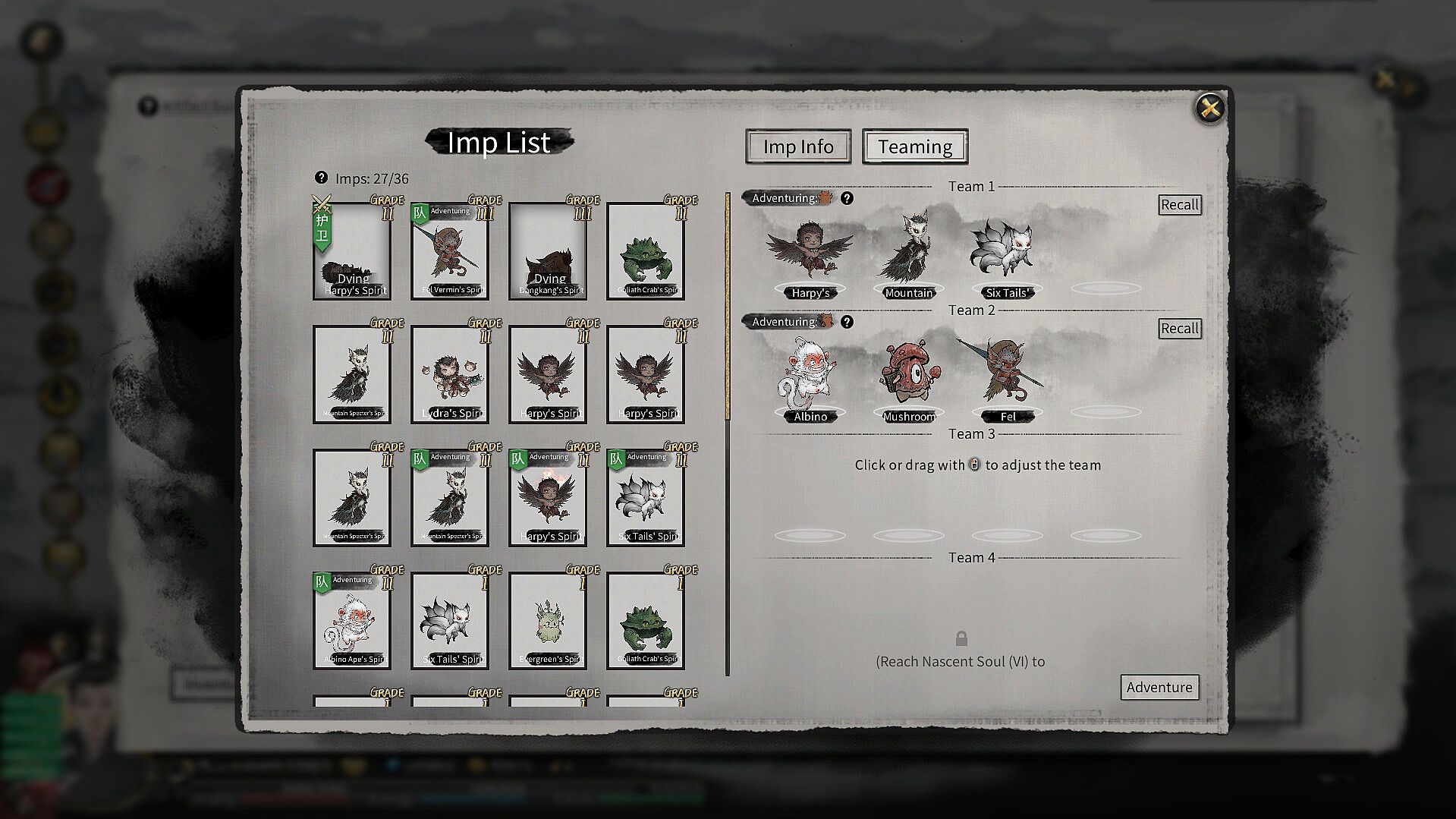
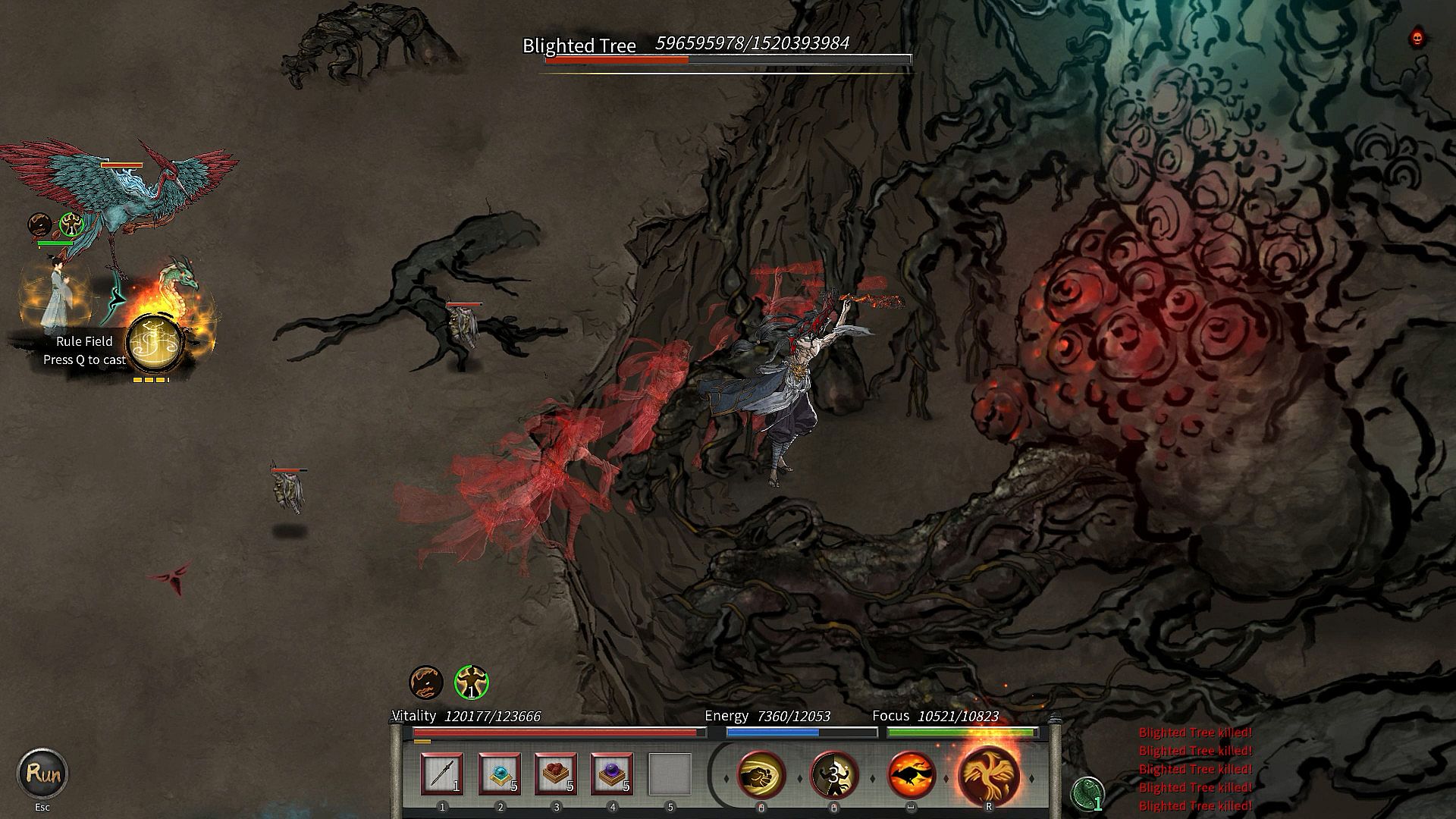
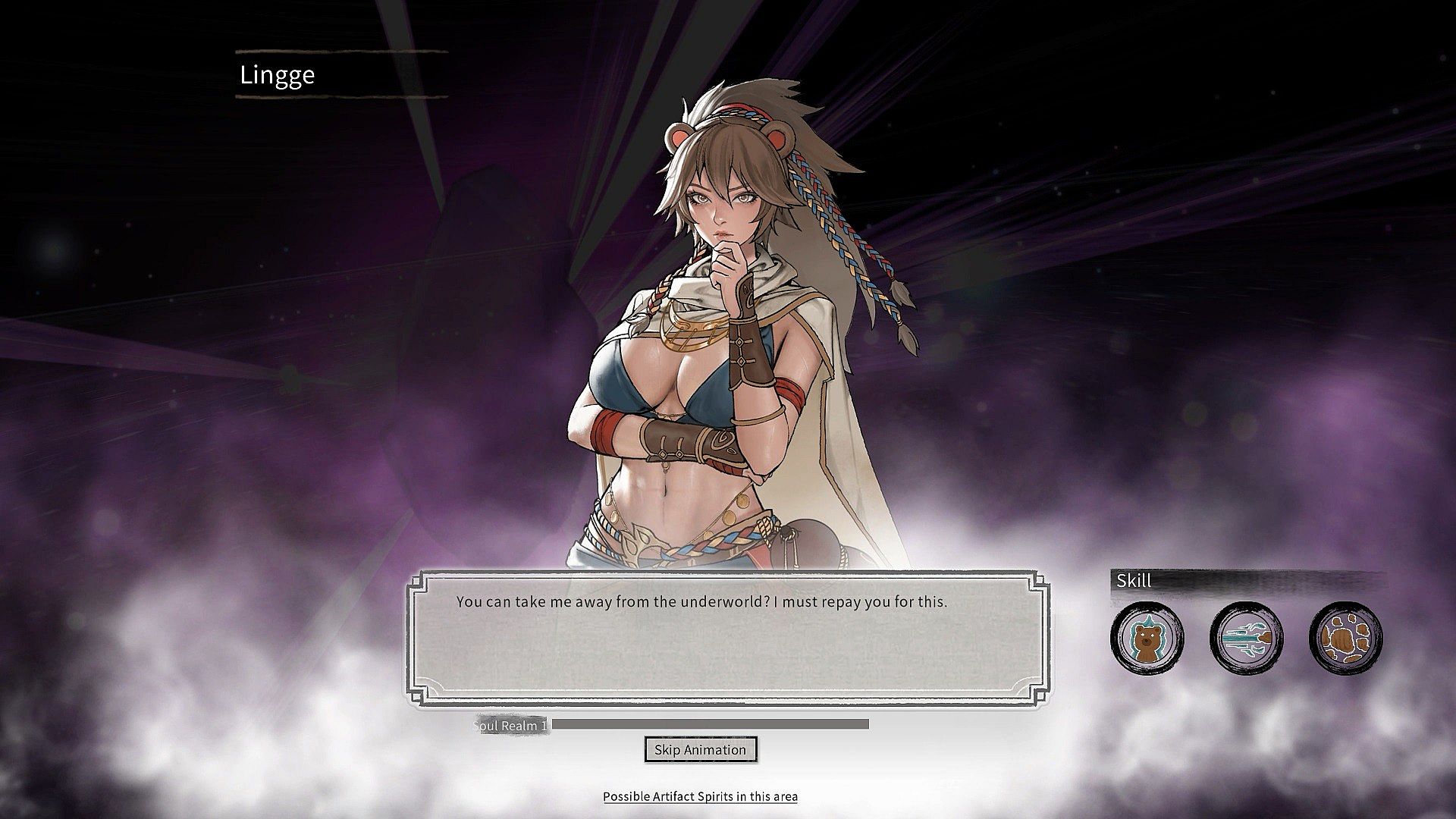
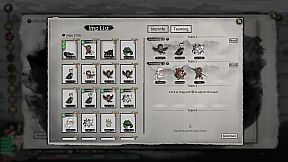
Combat involves honing motion and special skills, alongside ultimate abilities for critical moments. At the start, choose one of three weapons: the Bagua Jade for reviving yourself and an ally, the Eye of Providence to steal beast skills and gain world insights, or the Mythical Gourd to capture a boss as a sidekick for combat or treasure hunting. Refine artifacts to summon spirits that aid in fights and trigger unique adventures.
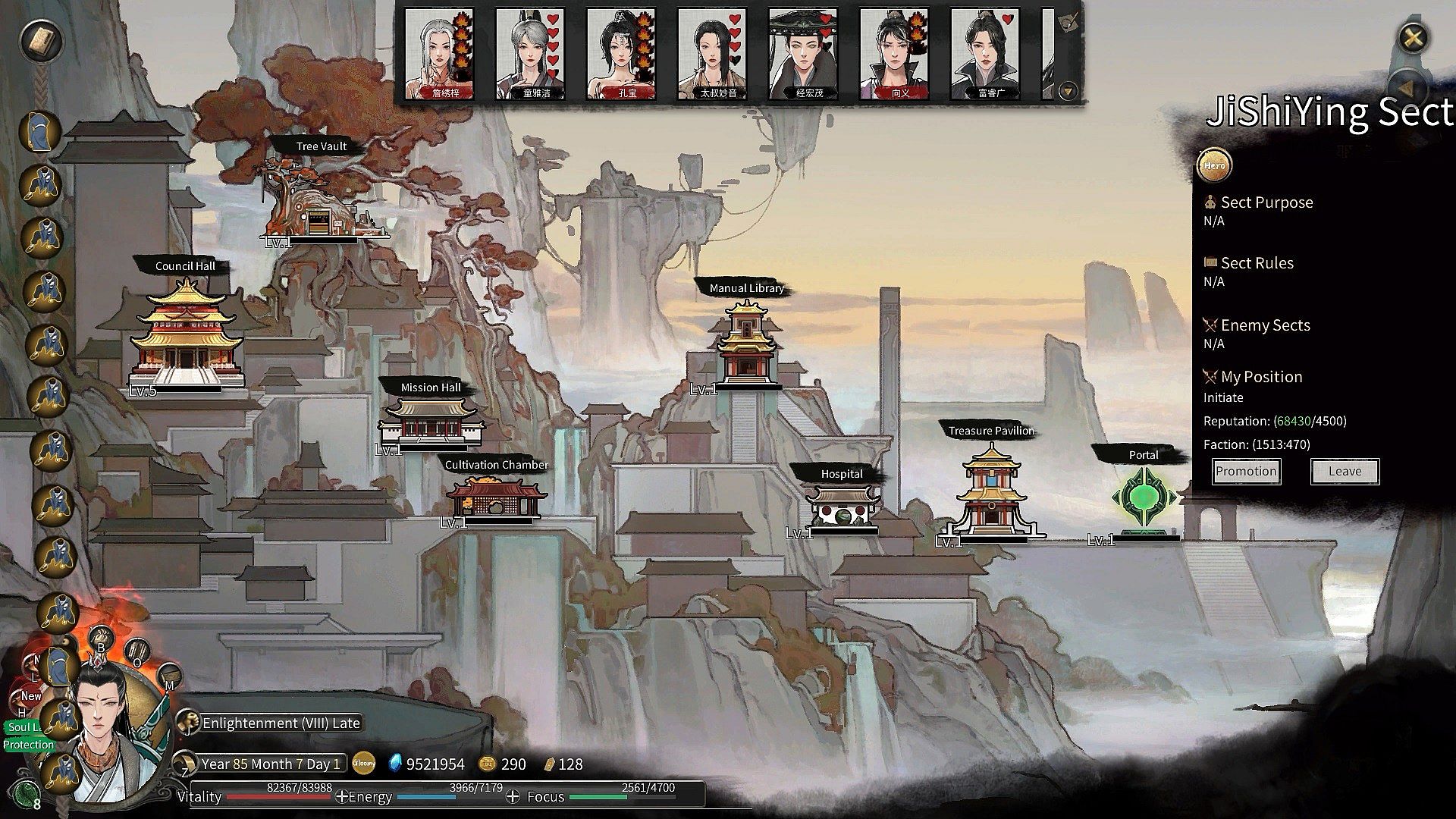
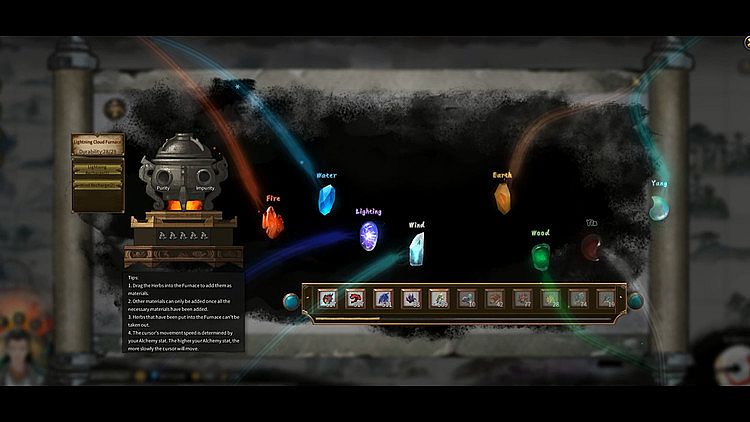
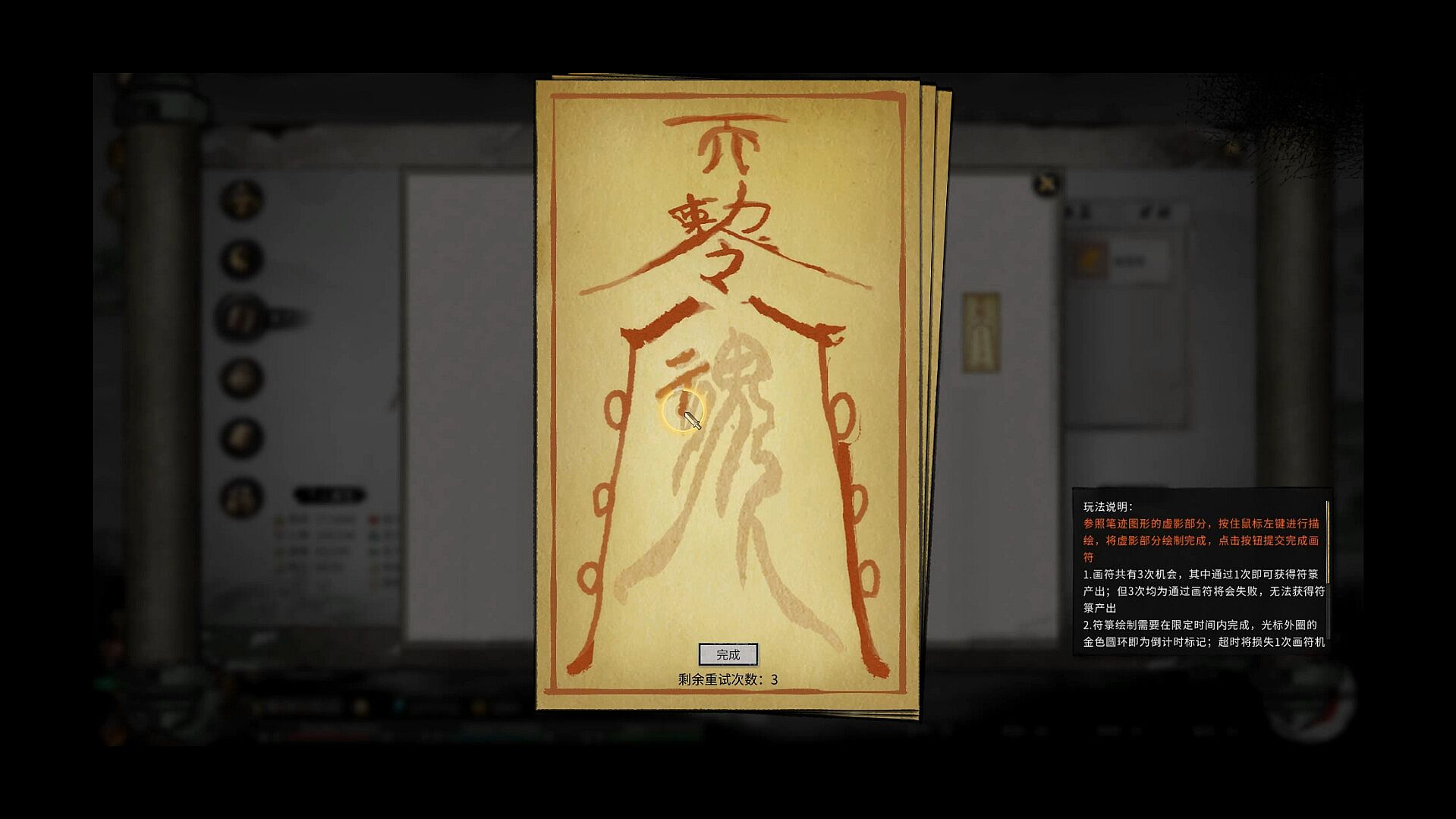
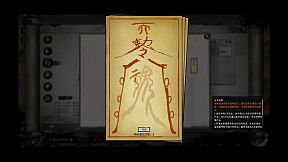
Beyond personal progression, sect management adds depth. Rise from disciple by completing missions and competing in tournaments, to elder where you teach and assign tasks, and ultimately to sect leader handling strategy, defenses, and conquests for resources like Spirit Mines. Practice alchemy, talismans, geomancy, and feng shui to craft items that confuse or defeat enemies.
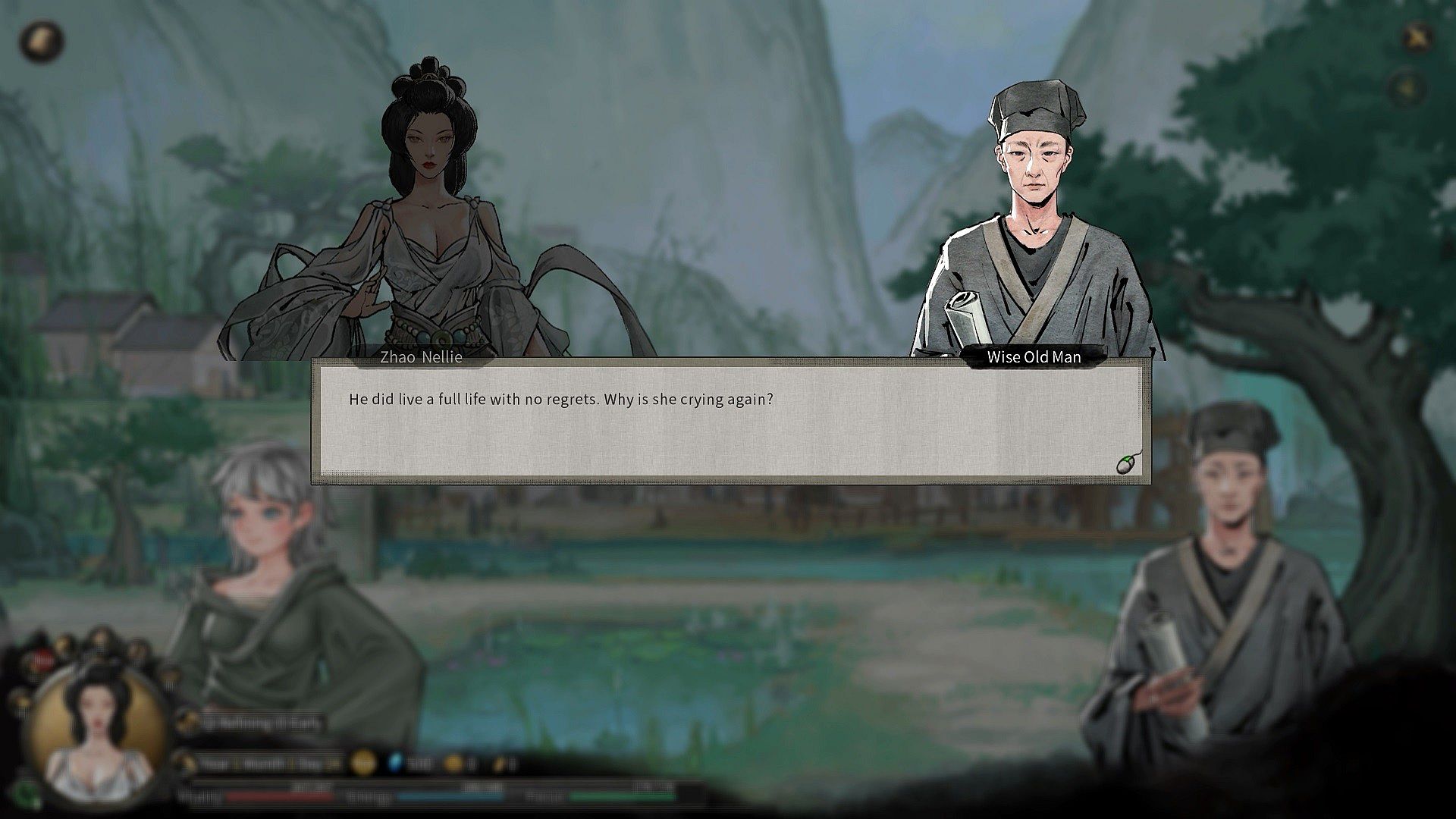
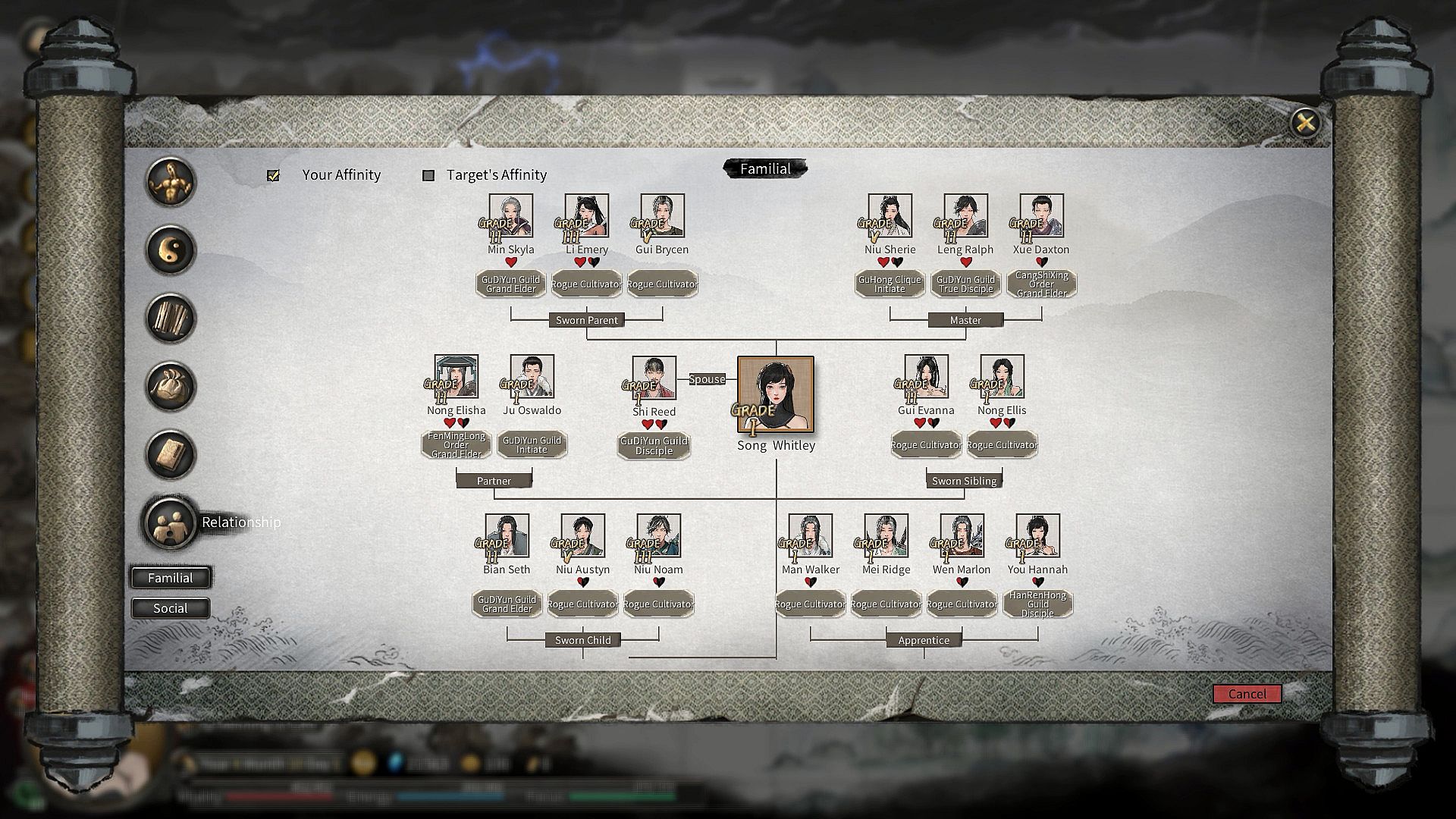
NPC interactions bring the world to life, with characters following independent paths involving friends and family. You can teach them, accept disciples, or interfere in their lives, leading to random events and side tasks that influence your story.
Game Modes
The game unfolds in a seamless single-player sandbox without strict divisions, but distinct playstyles emerge through its systems. Personal cultivation mode lets you focus on individual growth, exploring mystic realms, overcoming barriers like those in the Nether Mountains, and participating in challenges such as the Immortal Tournament or Master Rankings to test your strength.
Sect progression offers a management-oriented approach, where you join a large sect to climb ranks or revive a fallen one. This includes competing for glory in sect tournaments, fighting for resources, and even conquering rival sects to claim exclusive manuals and rewrite destinies.
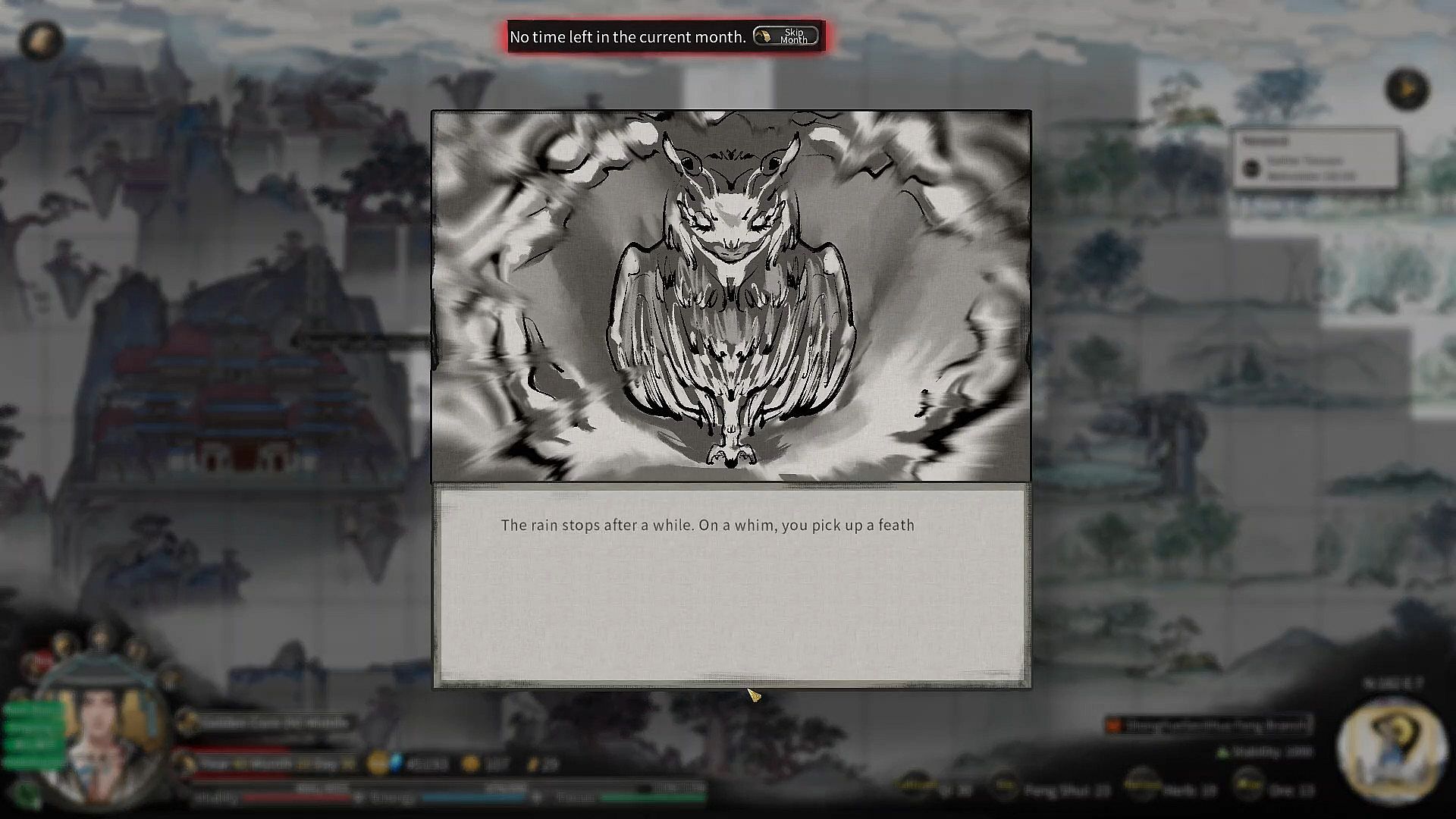
Exploration and narrative modes blend through random events and choices, allowing paths like collaborating with allies, seeking solo revenge, or becoming an antagonist. These elements create varied experiences, from building a powerful sect to quietly advancing in secrecy.
Is It Worth Playing?
With mostly positive reception from English-speaking players, holding a 79% positive rating from over 3,600 reviews, Tale of Immortal appeals to those who enjoy deep RPG systems and sandbox freedom. The game's full release came in 2023, supported by DLCs that expand content, though no major updates have been noted recently.
It suits fans of mythology-inspired adventures and strategic progression, especially if you like managing factions or crafting in an open world. However, its mixed overall reviews, at around 76% positive recently, suggest it may not click for everyone due to its complexity and cultural themes. If cultivation mechanics and choice-driven stories intrigue you, it's a solid pick for solo play on PC.
Current State and Updates
As of early 2026, the game remains active with 169 achievements and ongoing community interest. Mobile ports have earned ratings around 4.4 to 4.5 out of 5, indicating broad appeal. The core experience focuses on long-term progression, with no seasonal events detailed, but the sandbox nature keeps replayability high through different cultivation paths and sect strategies.