


















Guild Life with the Girls is an indie RPG simulation game set on PC that blends guild management with character-driven relationship building and adult-themed interactions. Players take on the role of a summoned man who arrives in a fantasy kingdom expecting a heroine but instead receives a weak healing ability and an assignment to lead a frontier guild from scratch.
Gameplay
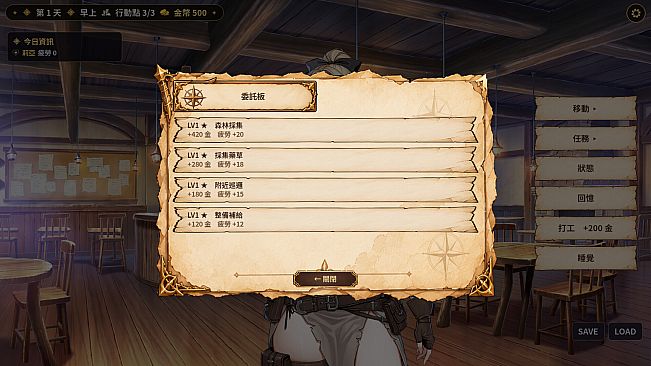
The core loop centers on daily management of a fledgling adventurer guild. Players allocate limited action points each day to send guild members on requests, handle upkeep costs, and gradually expand facilities from an empty hall with a blank request board. Progress comes through completing these requests, which bring in resources and reputation while unlocking new opportunities for the guild.
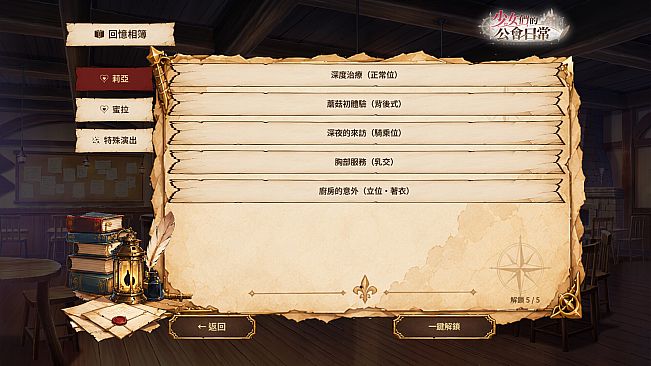
Relationship building forms a major pillar. Interactions with guild members include conversations, teasing, and gift-giving that advance through five distinct affection stages. Each stage opens fresh dialogue topics and deeper personal exchanges. When a character's lust reaches a peak, she enters heat, requiring a specific Deep Treatment mechanic to resolve the situation and restore balance. Outfits purchased from the shop become available only after sufficient closeness, each triggering its own dedicated event sequence.
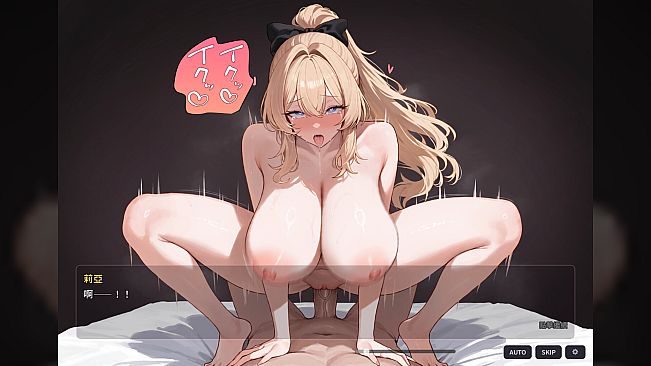
Animated scenes feature frame-by-frame animation, camera work, voiced moans, and sound effects. A gallery system allows replay of any unlocked content. Multiple endings reward different approaches to management and relationships. The protagonist's healing power plays a supporting role in guild operations rather than frontline combat.
Game Modes
The experience operates as a single-player simulation with no separate competitive or cooperative modes. All activity flows through the central guild management system, where daily decisions on requests, member assignments, and facility upgrades drive progression. Relationship mechanics integrate directly into this loop, with affection stages and heat events unfolding based on player choices during interactions and outings.
Demo access limits play to two initial characters at affection stage three and includes seven scenes, with saves kept entirely separate from the full release. This structure keeps focus on steady guild growth and personal connections rather than branching game types or multiplayer elements.
Characters and Story
The narrative begins with the kingdom's costly summoning ritual that brings the player instead of the anticipated heroine. Men rarely awaken abilities in this world, leaving the protagonist with only basic healing magic before the Queen assigns him to the frontier as guild chief. From there, the story expands through member recruitment and daily operations.
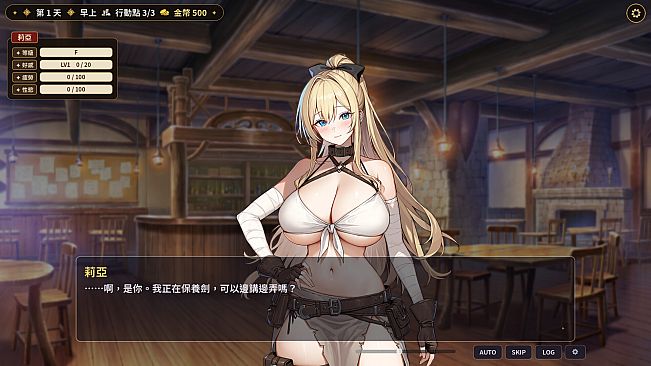
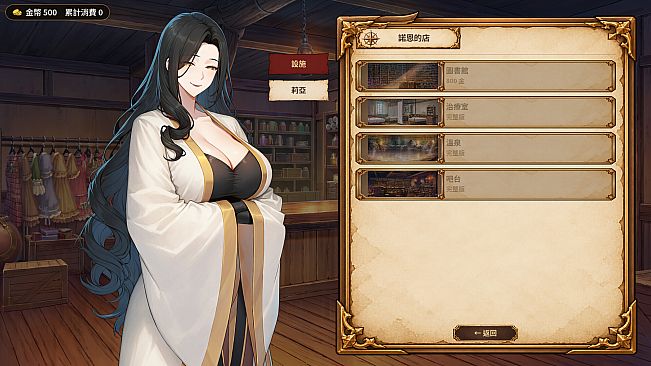
Lia serves as an early recruit, an airheaded and busty swordswoman who speaks her mind without embarrassment on any subject. Mira joins as a shy mage who blushes intensely yet pursues details for what she frames as important research. Norn runs the local frontier shop and was involved in the original summoning; she approaches matters with a lazy, ledger-focused mindset centered on profit. Additional women join the guild over time, each bringing unique personalities and interaction paths.
Is It Worth Playing?
This title suits players who enjoy simulation gameplay that combines resource management and facility expansion with layered relationship progression and adult content. The daily action point system and request mechanics create a steady rhythm of planning and outcomes, while the five-stage affection system and heat events add personal stakes to member interactions. Outfits and animated scenes provide visual variety once relationships advance.
The demo offers a contained introduction to the main systems and two characters, allowing potential players to test the management loop and interaction style before committing to the full version. Those drawn to indie RPG simulations with guild leadership, character affection mechanics, and explicit elements will find the verified features align closely with that preference. Multiple endings encourage replay through different management and relationship choices.











