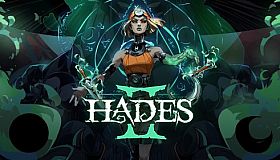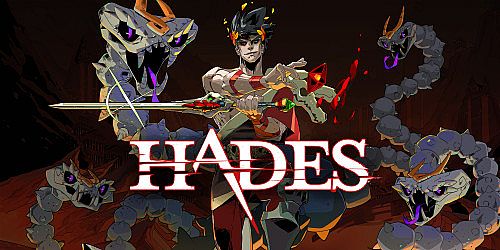


Hades is an action RPG roguelike developed by Supergiant Games and available on Nintendo Switch. Players take control of Zagreus, the son of the god Hades, in repeated attempts to break out of the Underworld and reach the surface world. The experience blends fast-paced combat with narrative progression that unfolds across multiple runs, supported by Greek mythology themes and character interactions at the central hub.
Gameplay
Combat forms the core loop. Zagreus wields one of several weapons at a time, combining basic attacks, a powerful special move, a dash for mobility and evasion, and a cast ability that deploys magic projectiles or effects. Encounters take place in rooms filled with enemies drawn from the Underworld's inhabitants. Successful runs reward players with resources that fund permanent improvements back at the House of Hades, such as upgraded attributes or newly unlocked weapons and abilities.
Each attempt follows a structured path through four distinct regions. Tartarus serves as the starting area with its prison-like chambers. Asphodel features lava-filled environments and altered enemy behaviors. Elysium offers more challenging foes in a brighter setting. The Temple of Styx leads to the final confrontation. Between regions, players face region-specific bosses that test mastery of the current loadout.
Boons granted by Olympian gods provide temporary power-ups that synergize with the chosen weapon and play style. These range from damage boosts to new effects on attacks or defensive options. Resource management between runs encourages experimentation, as some currencies persist while others reset with each defeat.
Game Modes
The game operates entirely in a single-player format centered on escape attempts from the Underworld. There are no separate multiplayer or competitive modes. Progress occurs through successive runs that build on prior successes via the permanent upgrade system at the House of Hades. Story elements advance gradually as players accumulate clears and interact with recurring characters during returns to the hub.
Difficulty scales naturally with player choices and accumulated upgrades. New weapons and aspects become available over time, altering combat feel without changing the fundamental structure of room-based progression and boss fights.
Narrative and Progression
Story delivery integrates directly into gameplay. Conversations with figures such as the Olympians, Underworld residents, and family members occur at the House of Hades or during runs. These exchanges reveal motivations and relationships while providing context for Zagreus's repeated efforts. The narrative does not reset with each death, allowing steady advancement toward key revelations.
Unlockable keepsakes and additional dialogue options deepen engagement with the cast. Resource sinks at the hub encourage continued play even after initial story beats conclude, focusing on mastery and completionist goals.
Is It Worth Playing?
Hades delivers a self-contained roguelike experience that rewards persistence and adaptation. Its combat system rewards precise timing and build experimentation, while the integrated story provides motivation beyond high scores or clears. The Nintendo Switch version supports play in docked, tabletop, and handheld modes, making it accessible across different settings.
Players who enjoy action-focused roguelikes with strong character writing and Greek mythology themes will find substantial depth. The game reached full release years ago and requires no ongoing purchases or seasonal content to experience its complete scope. Those seeking a polished single-player title with high replay value through procedural rooms and upgrade paths will appreciate the consistent quality across attempts.