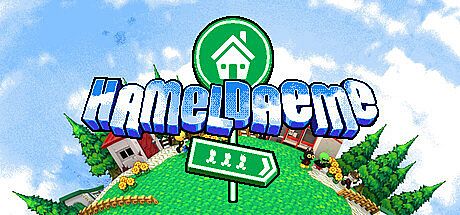


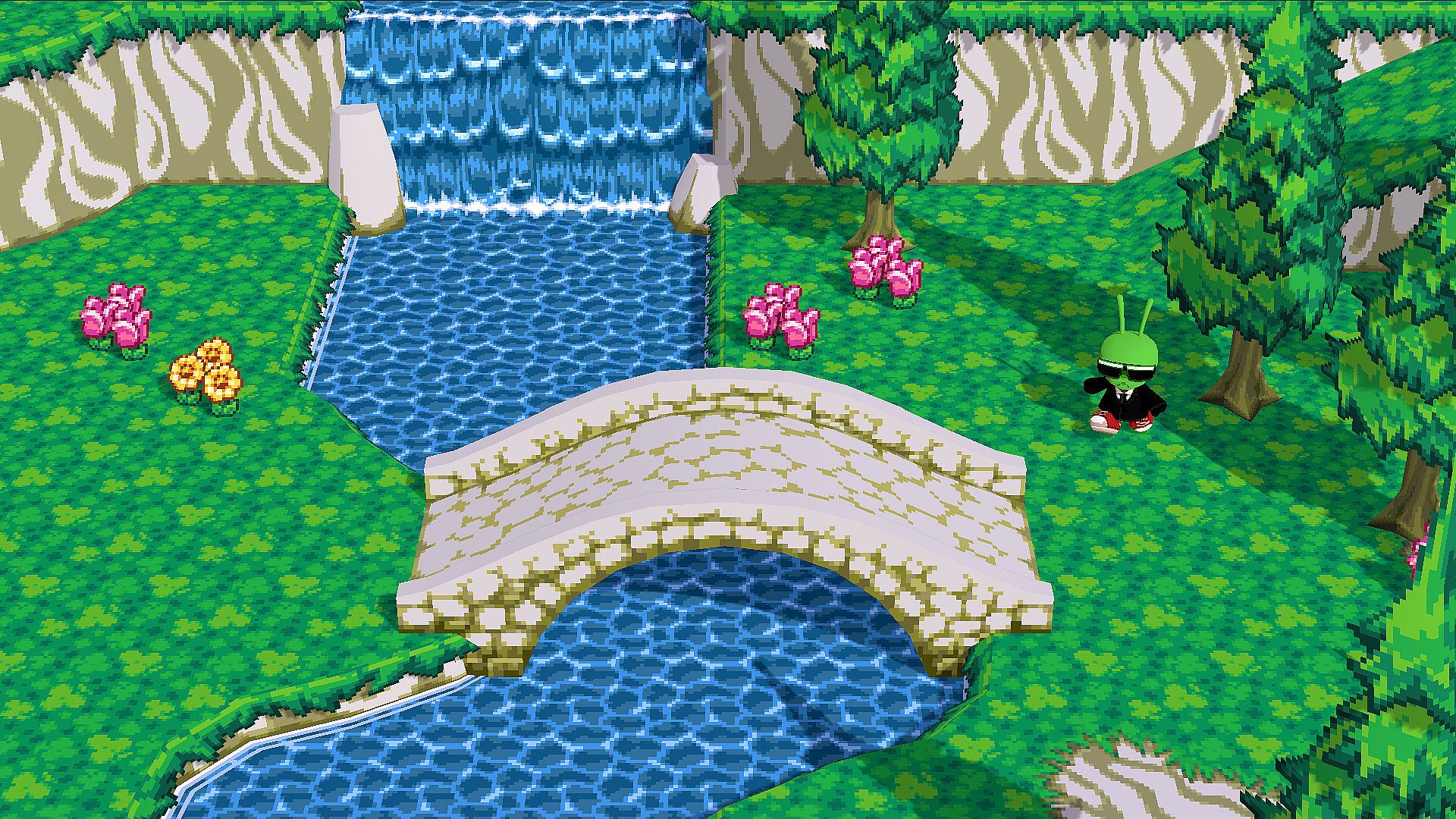
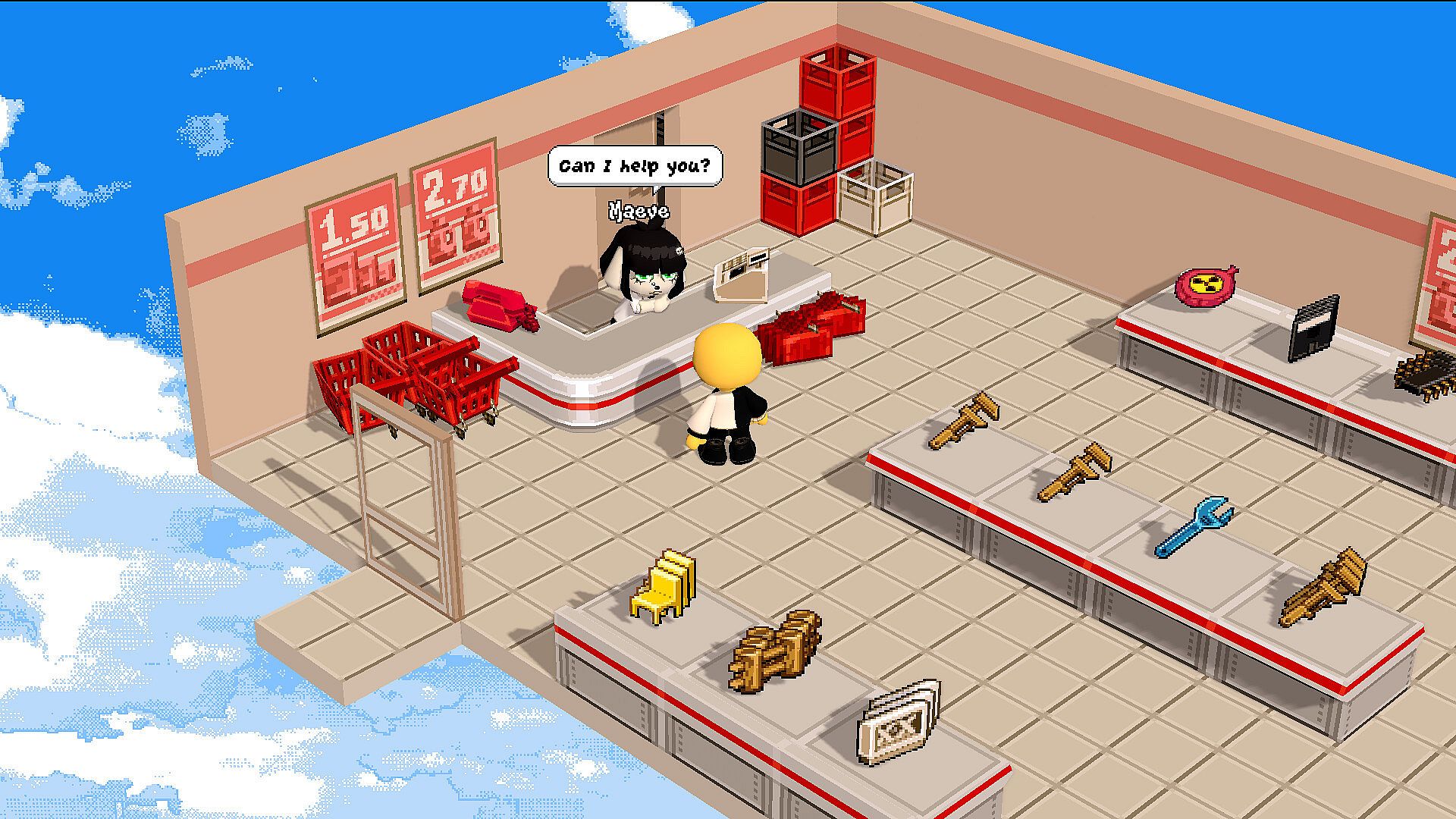
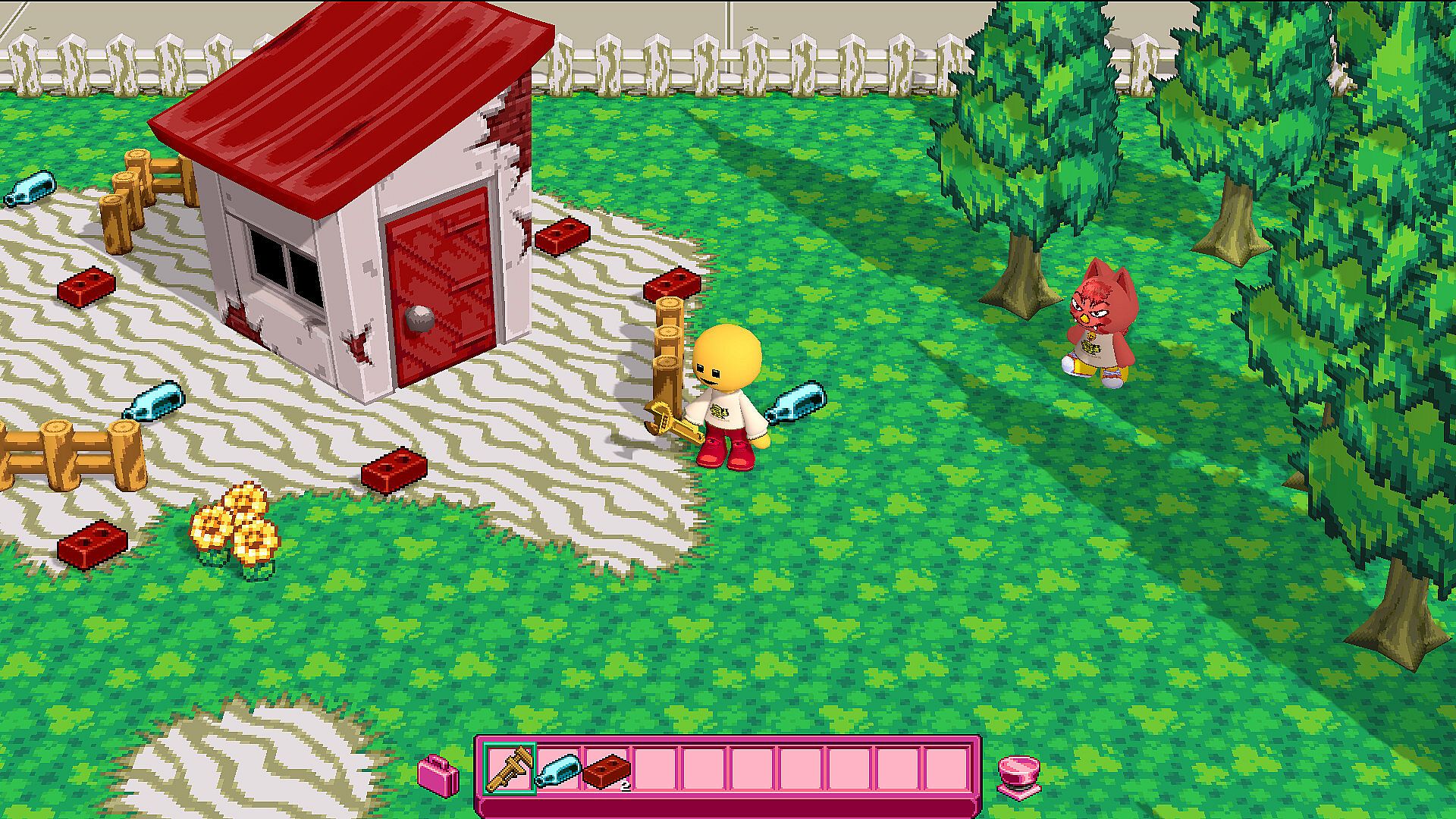
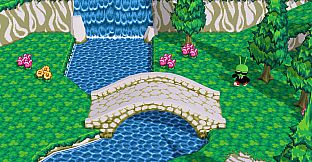
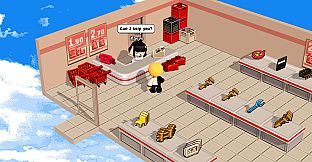
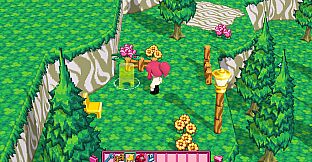
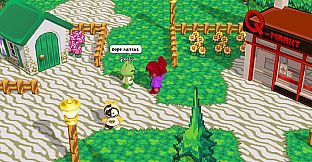
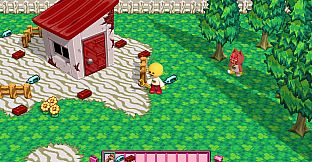
Hameldaeme is an indie casual simulation game set in a small canal-side village in the countryside. Players step into the role of a newcomer building connections and shaping daily life through open-ended activities. The experience draws from life simulation titles of the mid-2000s, retaining their measured pace and occasional friction while expanding into flexible sandbox systems.
Gameplay
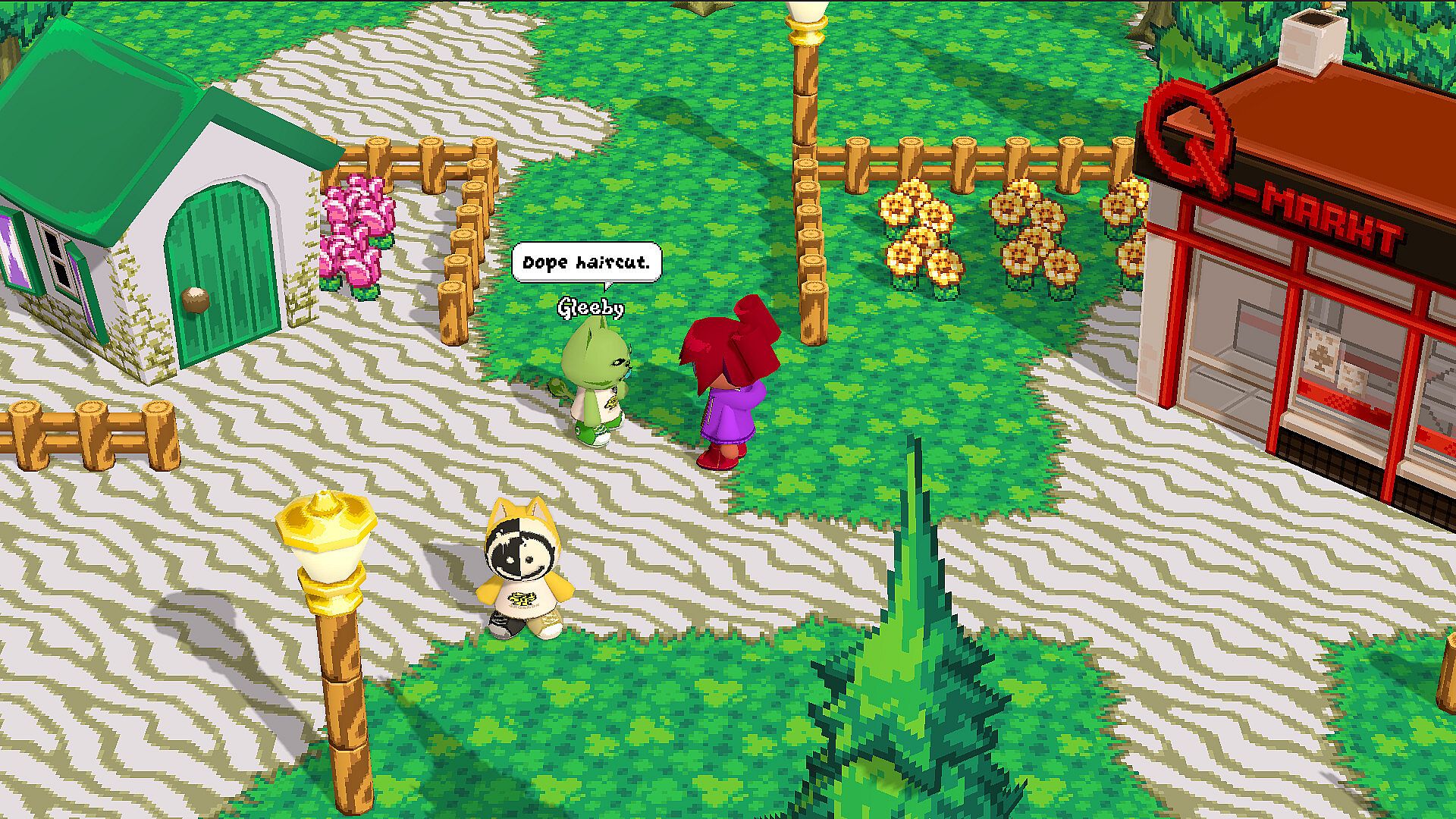
Core play revolves around exploring the village layout, interacting with residents, and experimenting with collected items. Townsfolk each carry distinct personalities and respond to player actions over time. Initial interactions often meet resistance, requiring consistent effort through conversations, shared activities, or small gestures to build rapport. Residents notice changes in the environment and react to choices such as trading items, offering gifts, commenting on appearance, or attempting light mischief.
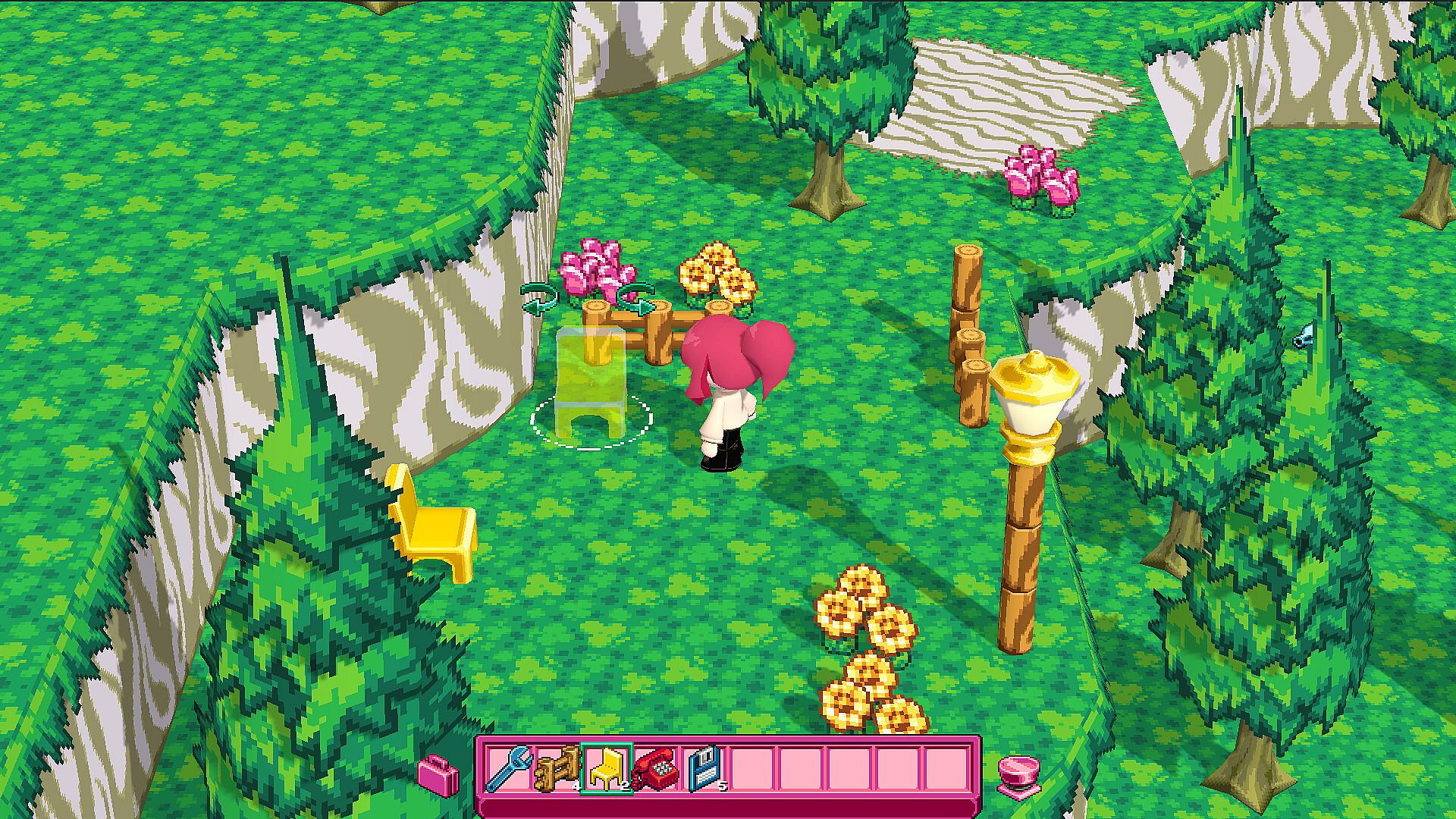
Decoration forms another major pillar. Indoor and outdoor spaces support dedicated furniture collections, with many pieces designed for stacking or adjacency-based combinations. Players can construct taller barriers from stacked fencing sections or create functional elements like streetlight posts. Certain pairings merge into entirely new objects, such as adjacent chairs forming a bench. This system encourages trial and error when arranging homes, gardens, or public areas.
Trinkets serve as the central collectible resource found scattered across the village, available in shops, or obtained through exchanges. Every trinket works across all related systems without restriction. Common uses include serving as fishing bait, tracking daily market fluctuations for speculation, contributing to a museum collection, bartering for rarer pieces, or melting down to form custom tools. Additional applications extend to generating hairstyle variations inspired by specific trinket designs. The breadth of these mechanics supports repeated play sessions focused on discovery and personalization.
Game Modes
Hameldaeme operates as a single-player sandbox experience without separate named modes. All activities occur within the shared village setting, where progression emerges from personal choices rather than structured campaigns or competitive ladders. Players freely alternate between social encounters, resource gathering, decoration projects, and trinket experimentation in any order. The absence of rigid mission structures or multiplayer components keeps focus on individual pacing and creative problem-solving within the life-simulation framework.
Key Mechanics and Features
Trust systems govern relationships, with townsfolk adjusting their responses based on observed behavior and accumulated interactions. Furniture experimentation rewards creative placement, as stackable and combinable pieces open multiple layout possibilities for both functional and aesthetic results. Trinket versatility stands out because any item can fulfill multiple roles, reducing the need for specialized collections and increasing replay value through different daily priorities. Weather discussions and outfit feedback add light role-playing layers that reinforce the reactive world.
The game emphasizes breadth over linear goals. Players decide whether to prioritize social bonds, financial speculation through trinket values, museum donations, or elaborate building projects. Difficulty elements carried over from older life-sims appear in the form of slower relationship gains and the need for consistent effort rather than instant rewards.
Is It Worth Playing?
Hameldaeme suits players who enjoy unhurried life simulations with strong sandbox freedom and item-driven creativity. Those drawn to mid-2000s style management of daily routines, gradual social progress, and open experimentation will find a focused match in the village setting. The reactive townsfolk and versatile trinket systems provide ongoing reasons to return, while decoration options support personal expression without overwhelming complexity. Individuals seeking tightly scripted stories or competitive elements may find the open structure less compelling. Availability on PC makes it accessible for those comfortable with simulation titles that reward patience and curiosity over rapid action.