







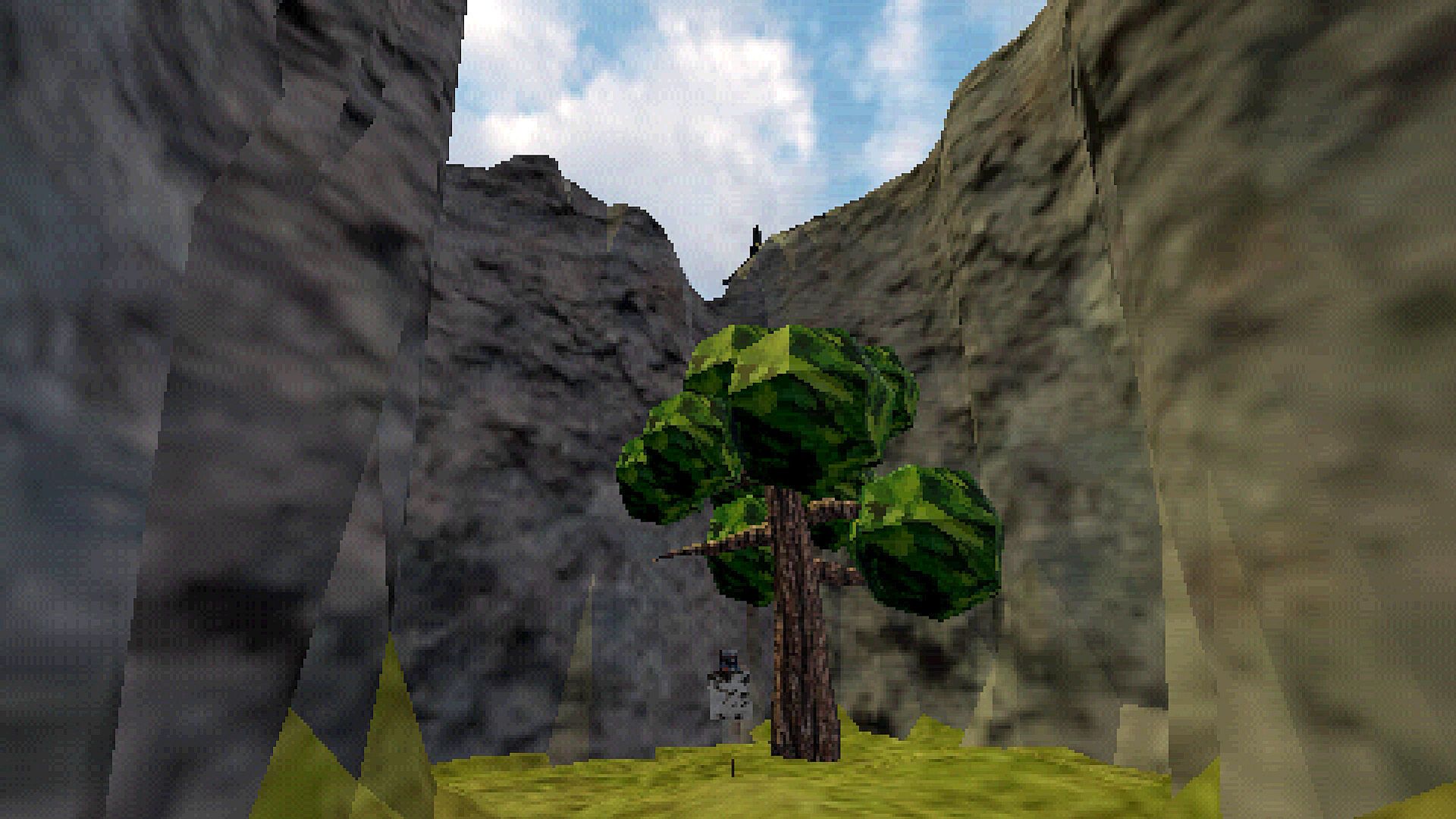


Happily Never After is an action, indie, RPG, and adventure title for PC that mixes low-poly retro visuals with psychological horror. The experience places players in the perspective of a Lebanese man navigating a surreal, distorted version of his homeland, where passive observation risks pulling him into direct confrontation with unraveling reality.
Gameplay
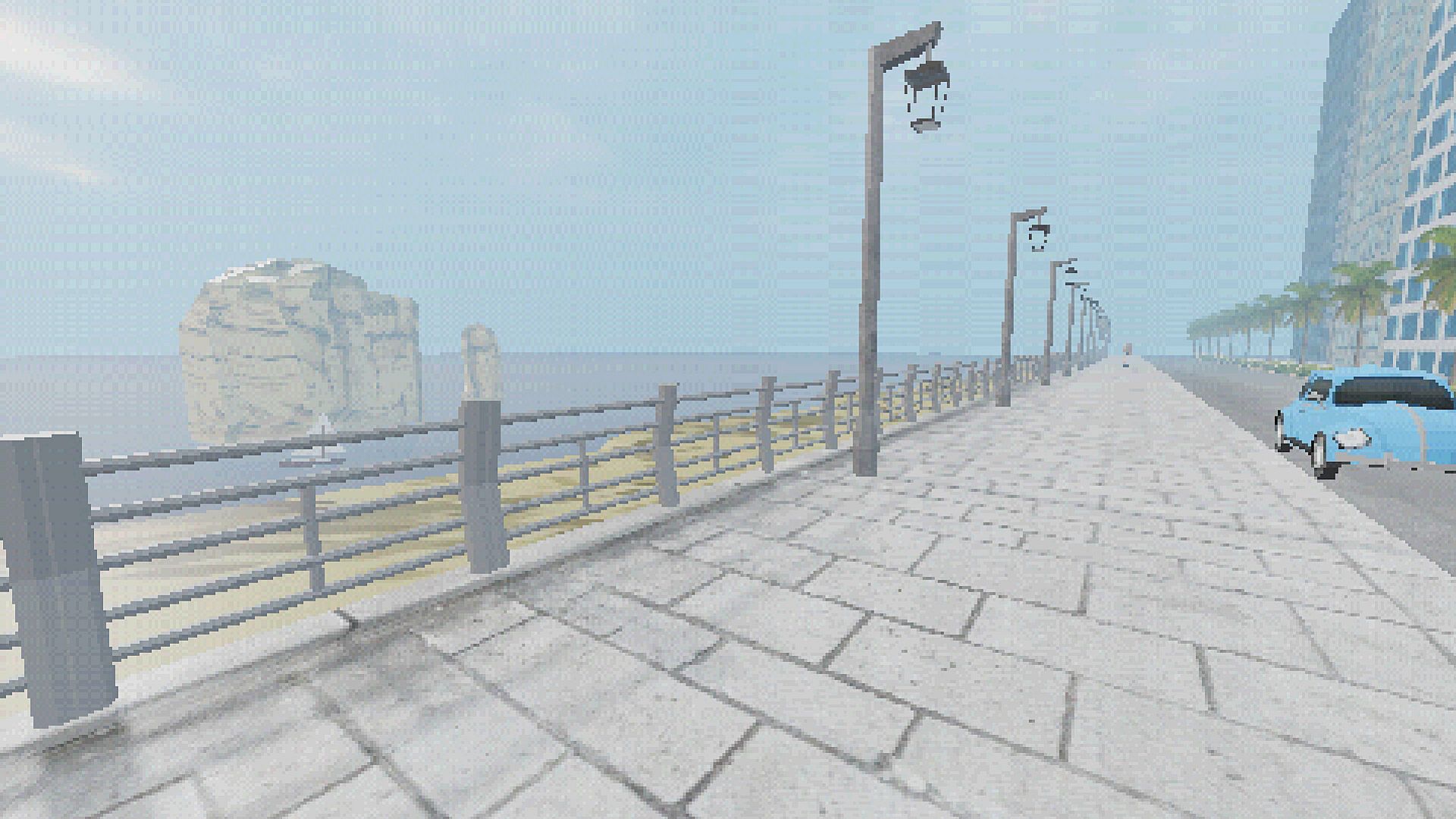
The core loop revolves around spectator dynamics and the tension between staying on the sidelines or stepping into active participation. Mechanics encourage observation of surroundings before choices force engagement, shifting the quiet corner view into front-row psychological horror. Exploration involves driving through low-poly environments modeled on Lebanese neighborhoods, where eerie streets and liminal spaces create a sense of unease.
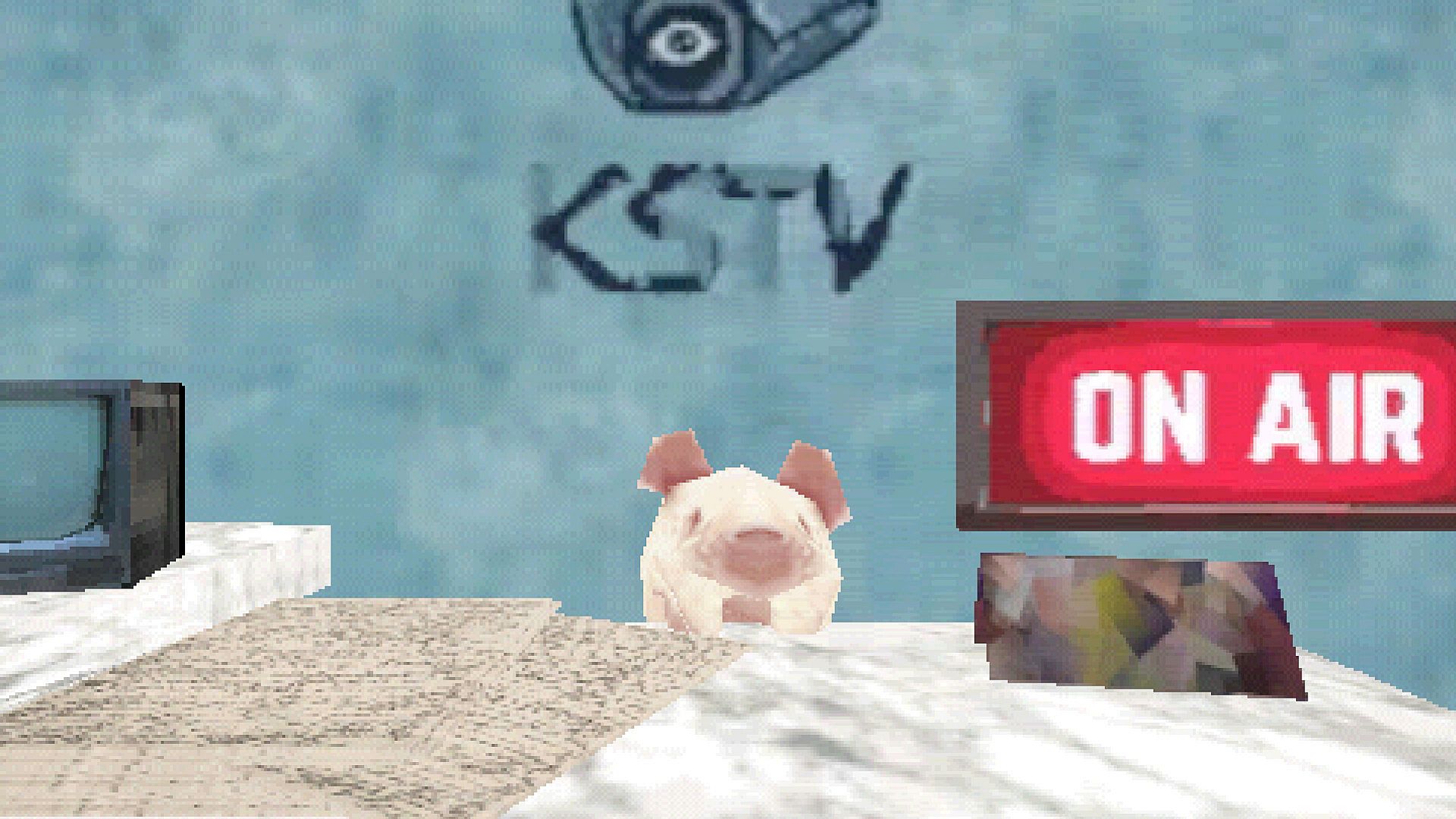
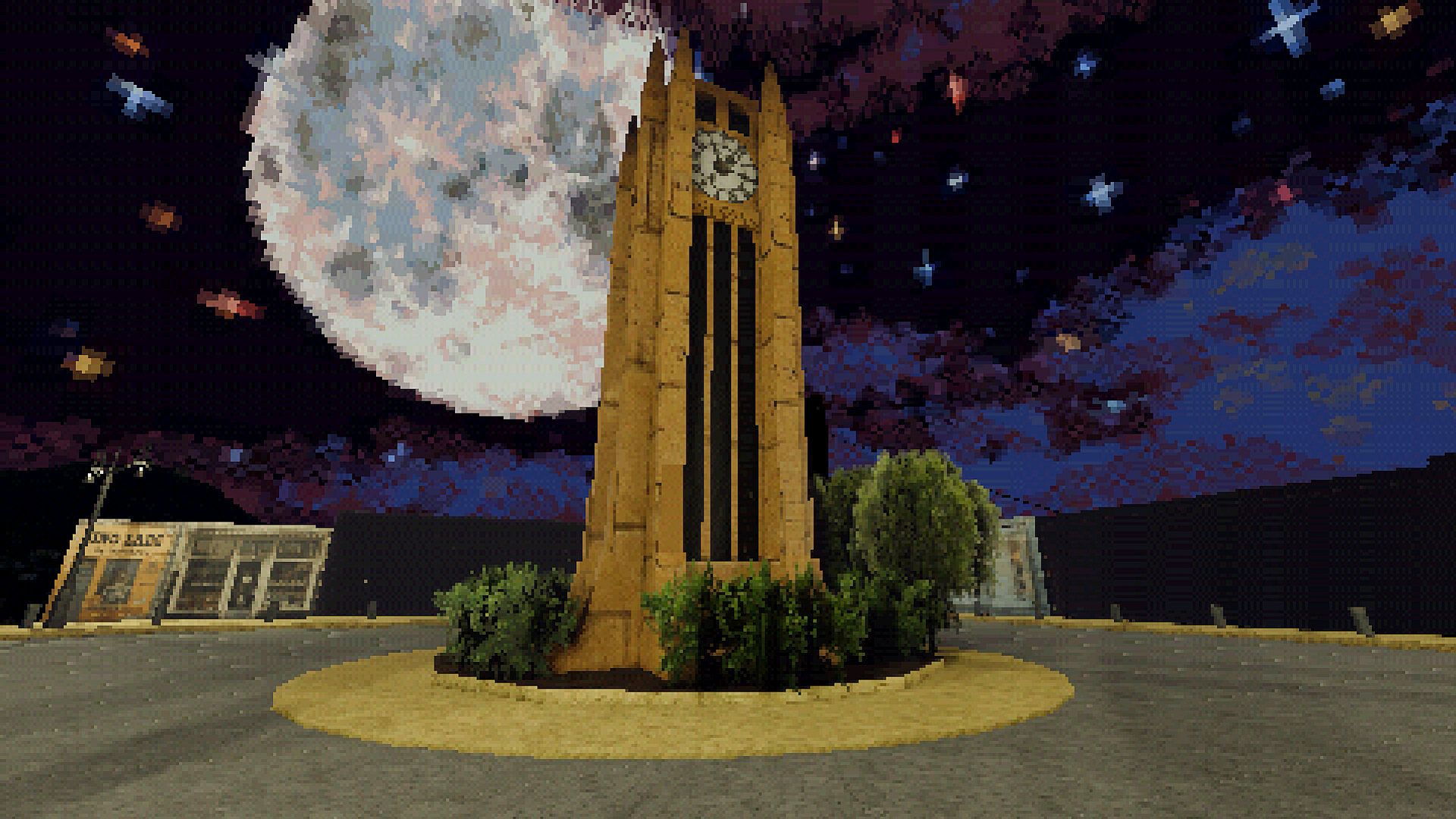
Players handle atmospheric puzzles that test resourcefulness amid corrupted versions of familiar routines. Retro technology and cultural details twist into hazards, requiring careful navigation of surreal challenges. The low-poly aesthetic renders iconic sights and vintage vehicles in a stylized, pixelated style that heightens the uncanny atmosphere without relying on high-fidelity graphics.
Game Modes
The game centers on a single-player narrative structure built around choice and observation. Passive input systems allow players to watch events unfold initially, while active action prompts require decisions that alter the path through psychological tension. No separate competitive or cooperative modes receive explicit definition in available details, keeping the focus on personal engagement with the story and environment.
Setting and Themes
Set in a surreal Lebanon, the world contrasts nostalgic cultural elements with growing tension. Daily absurdities and local quirks become sources of horror as reality distorts. The narrative explores the role of an active bystander, where remaining detached proves increasingly difficult as events escalate around the protagonist.
Driving sections and exploration sequences highlight the contrast between ordinary streets and nightmarish alterations. Puzzles integrate these themes by demanding interaction with warped versions of everyday objects and situations, reinforcing the psychological pressure without external guidance or additional systems.
Is It Worth Playing?
With a release date still to be announced and no user reviews available, the game remains in a pre-launch state. Those drawn to low-poly retro aesthetics combined with psychological horror and narrative-driven choices in a culturally specific setting may find the described mechanics appealing once it launches. The emphasis on spectator dynamics and forced participation suits players who enjoy atmospheric puzzle-solving and exploration over fast-paced action or multiplayer competition. Availability on PC through standard digital platforms will determine access at launch.











