

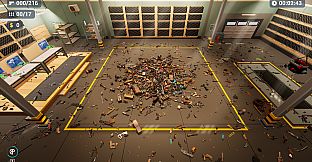
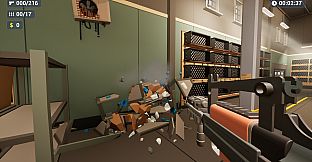
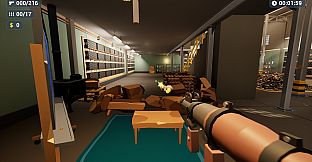
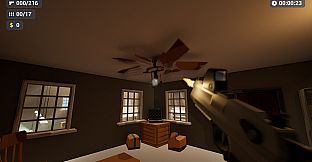
Have you seen my knife? is a casual indie simulation game for PC that centers on assembling firearms from scattered components in a physics-driven workshop environment. Players sort through a massive pile of parts to reconstruct weapons piece by piece, then test their functionality in an open sandbox setting. The experience emphasizes deliberate, hands-on work without pressure from timers or failure states, making it suitable for those who enjoy methodical puzzle solving mixed with light creative freedom.
Gameplay
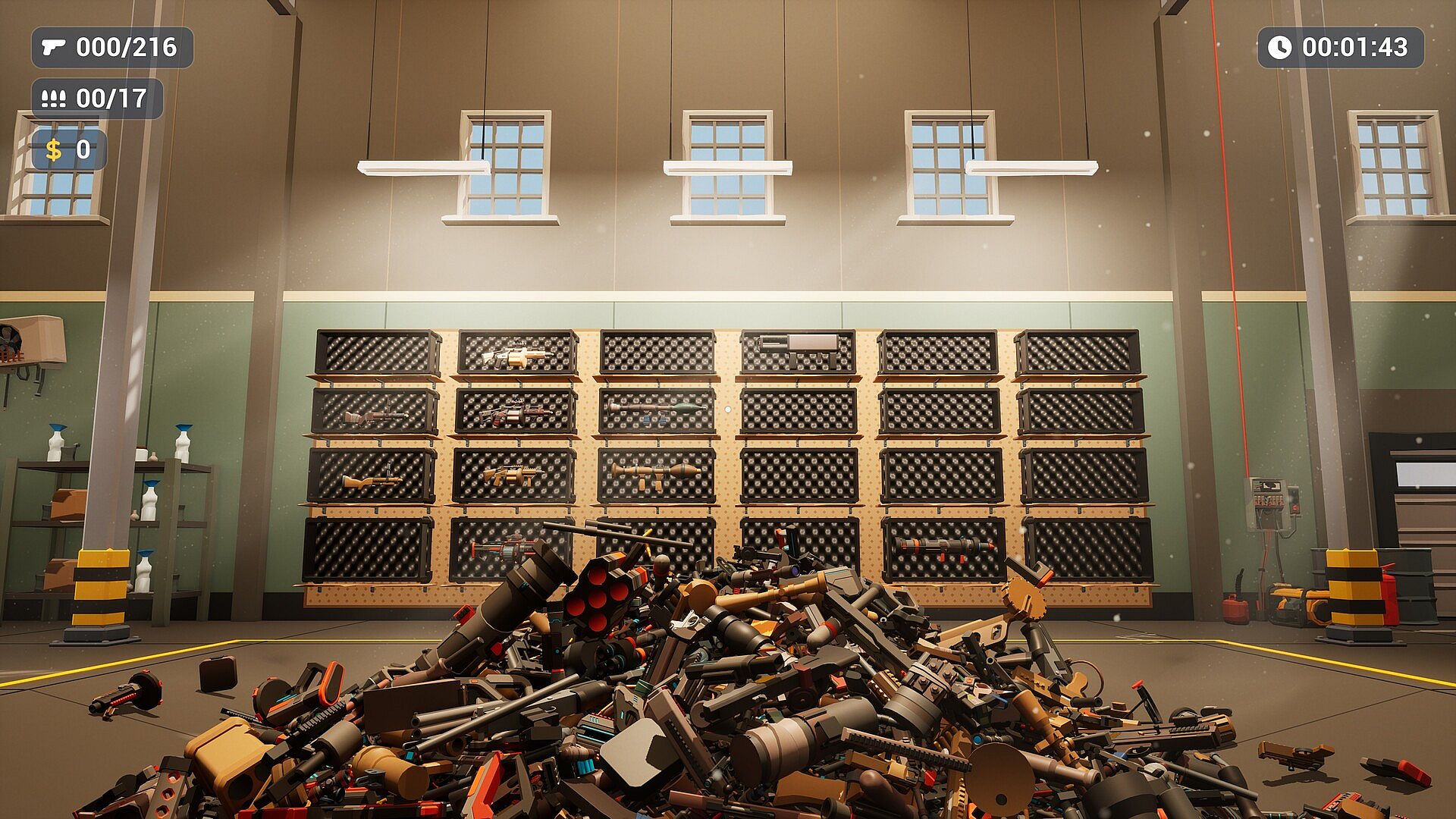
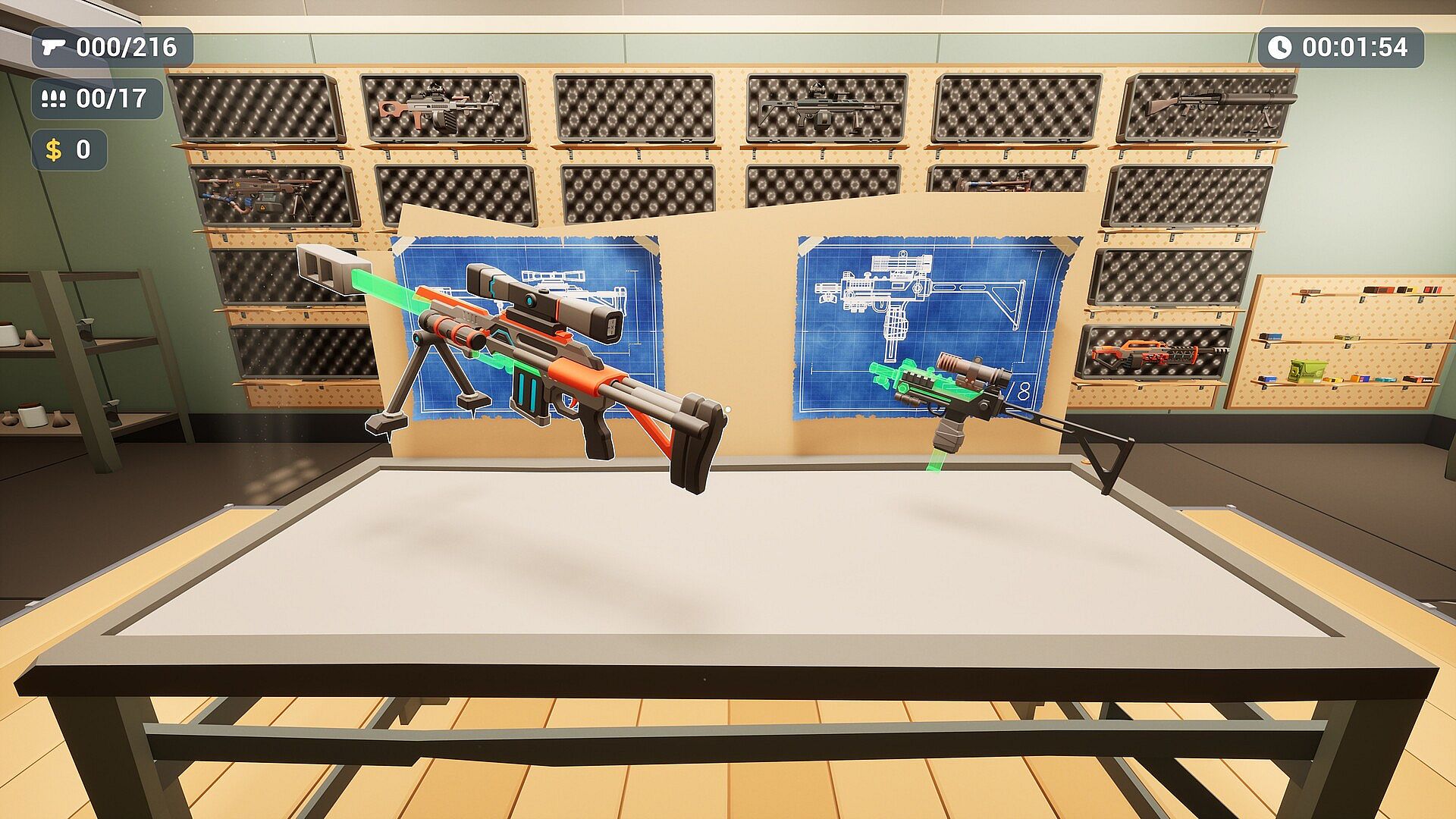
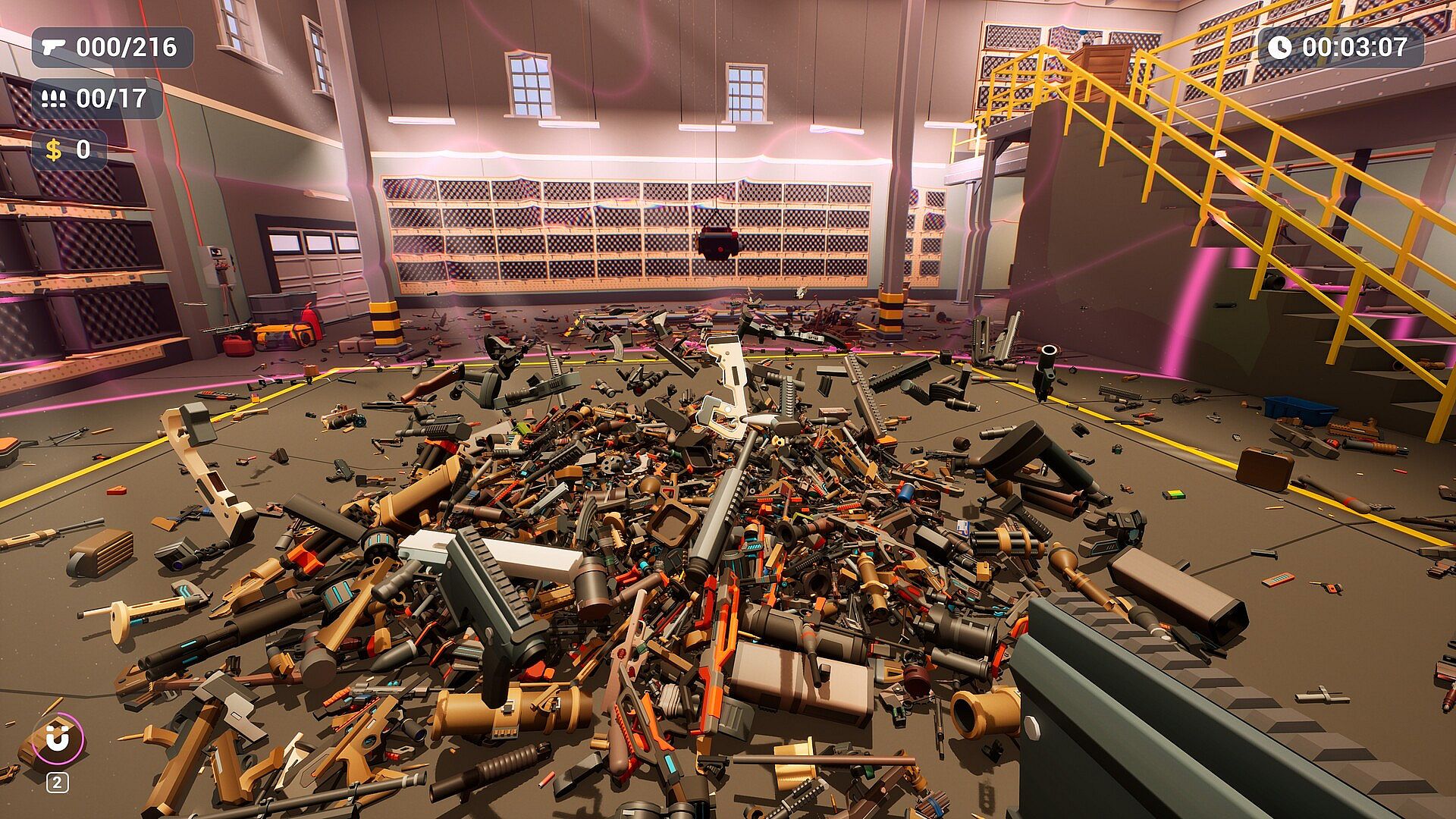
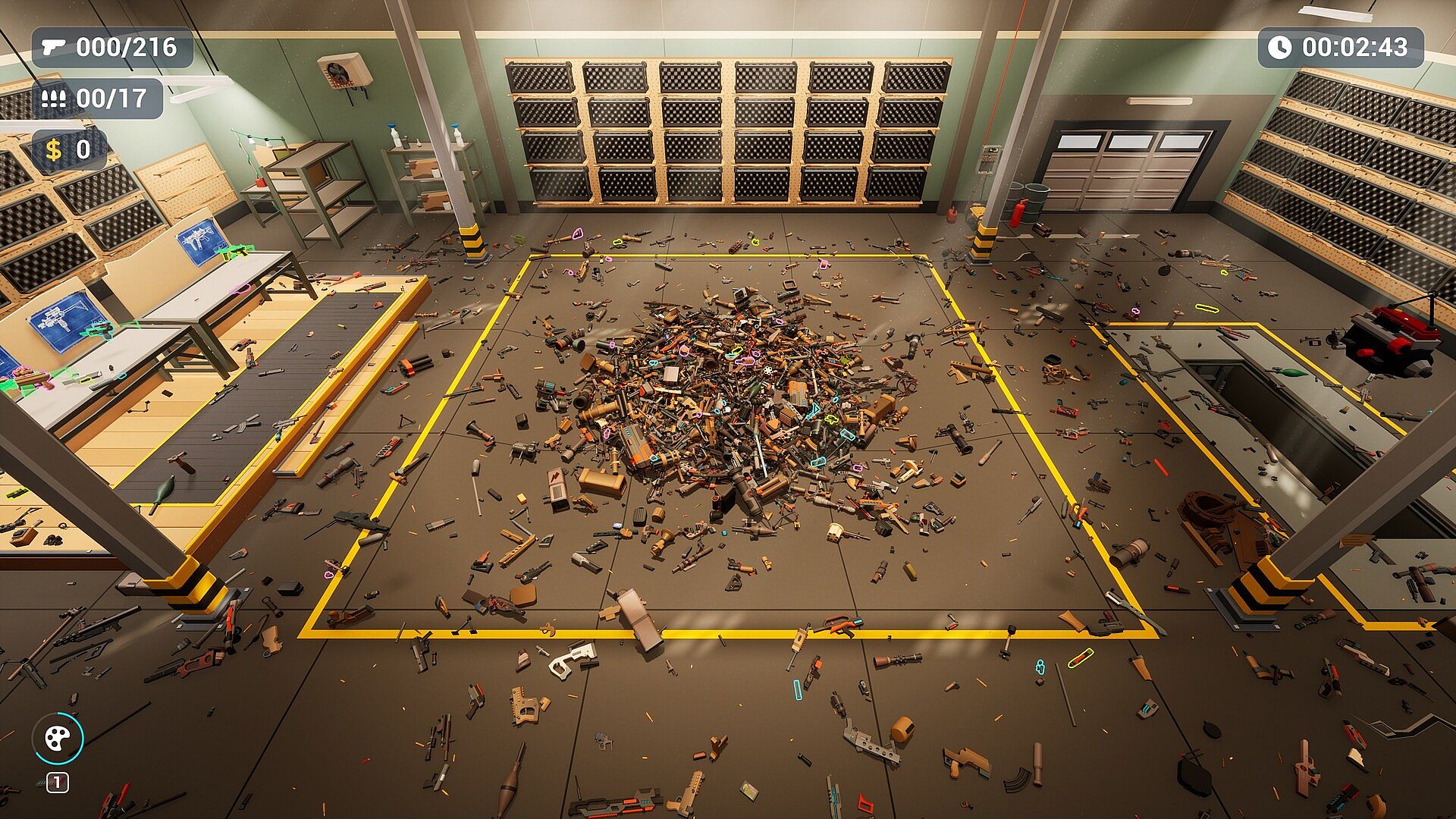
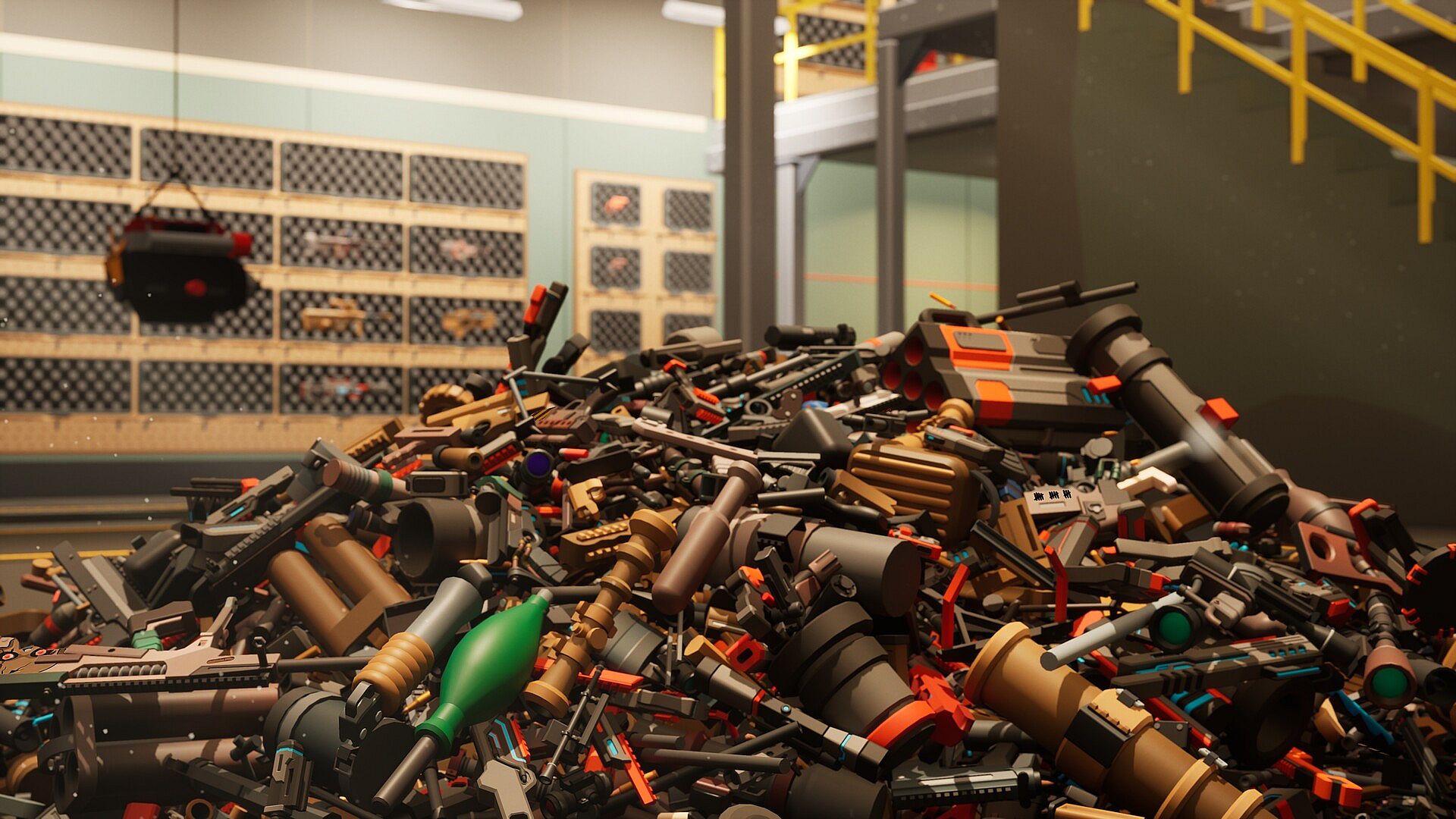
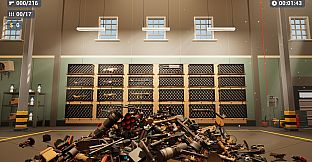
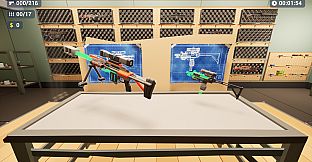
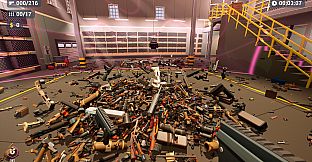
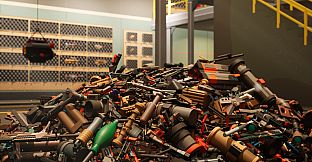
The core loop revolves around locating individual components from a central heap containing more than 1,800 pieces drawn from 216 distinct guns and 17 ammo boxes. Each part carries real physics properties, so pieces tumble, stack, and interact realistically when disturbed. Players identify a base part first, transport it to the assembly bench, and follow the emerging blueprint that highlights exact placement locations and missing elements. Every component slots into only one correct position, turning the process into a precise matching exercise amid visual clutter.
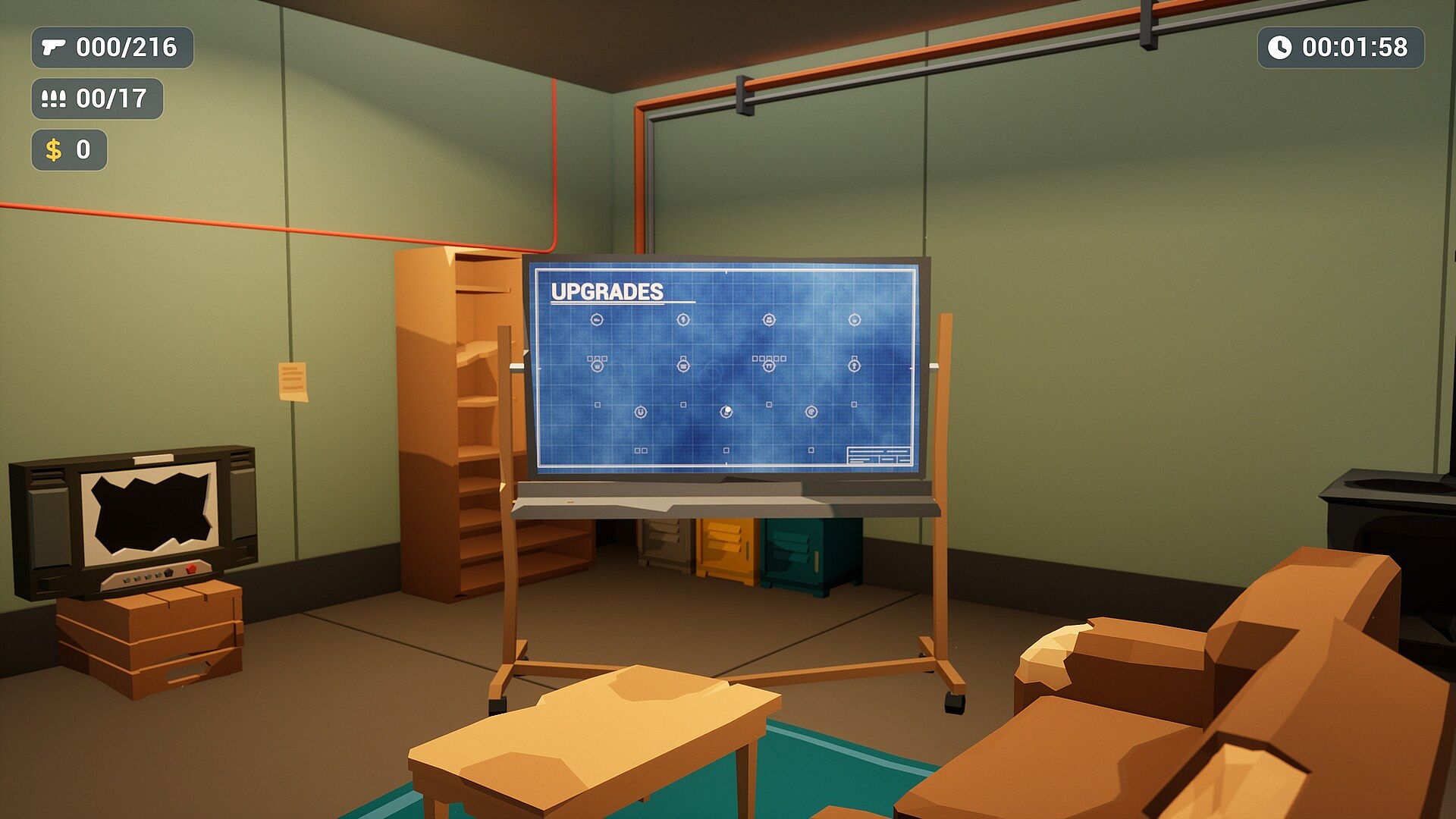
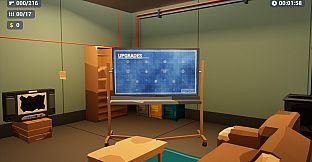
Tools purchased with earnings from completed assemblies streamline the workflow. Bins allow scooping multiple parts at once for efficient transport. The shovel stirs the pile to uncover buried items. A magnet draws in all remaining pieces for the current gun. Color tracking applies unique hues to parts belonging to the same weapon on the bench. Additional upgrades include a second bench for simultaneous builds and increased carrying capacity. These systems reduce repetition while preserving the tactile satisfaction of manual sorting and placement.
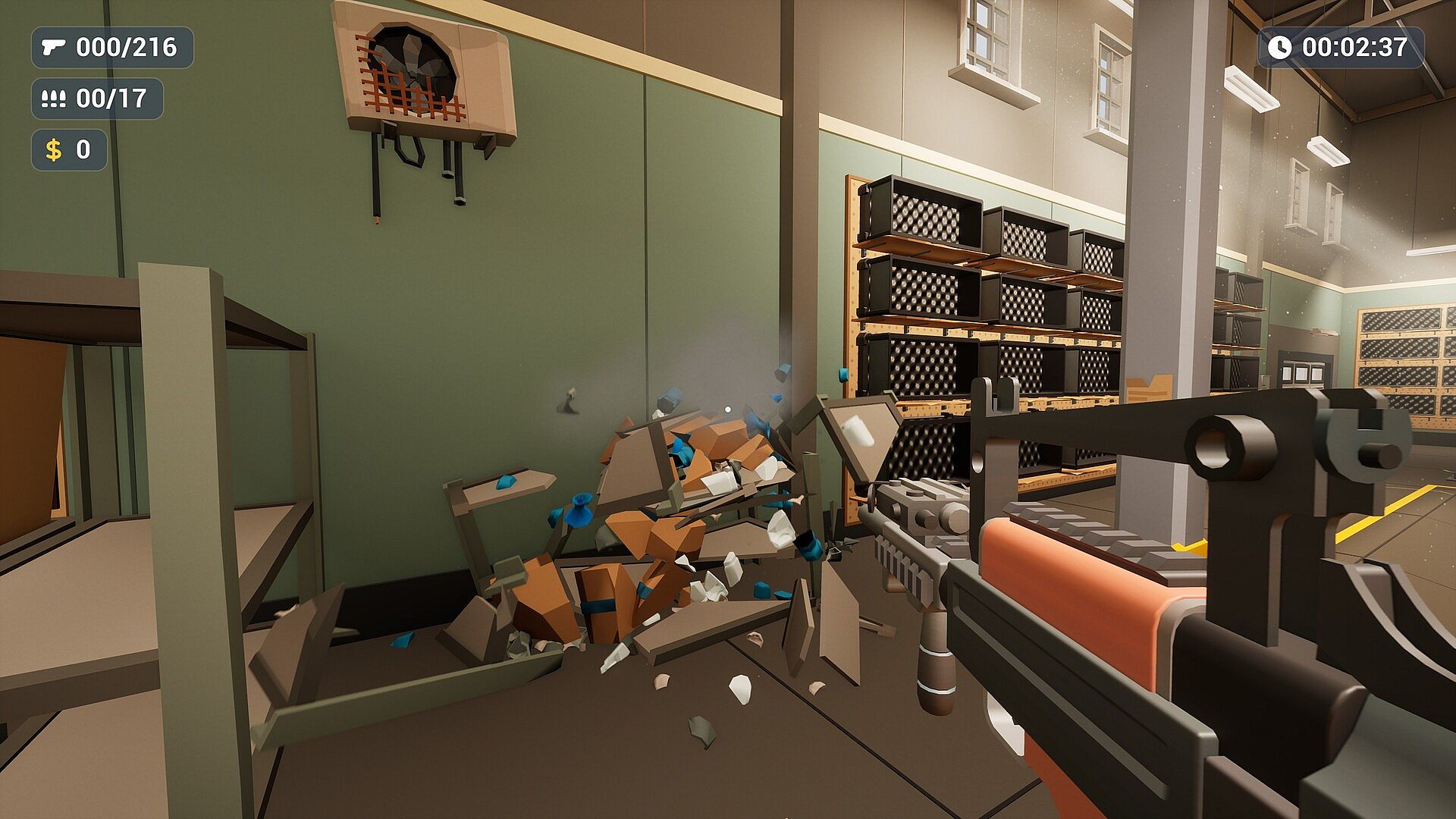
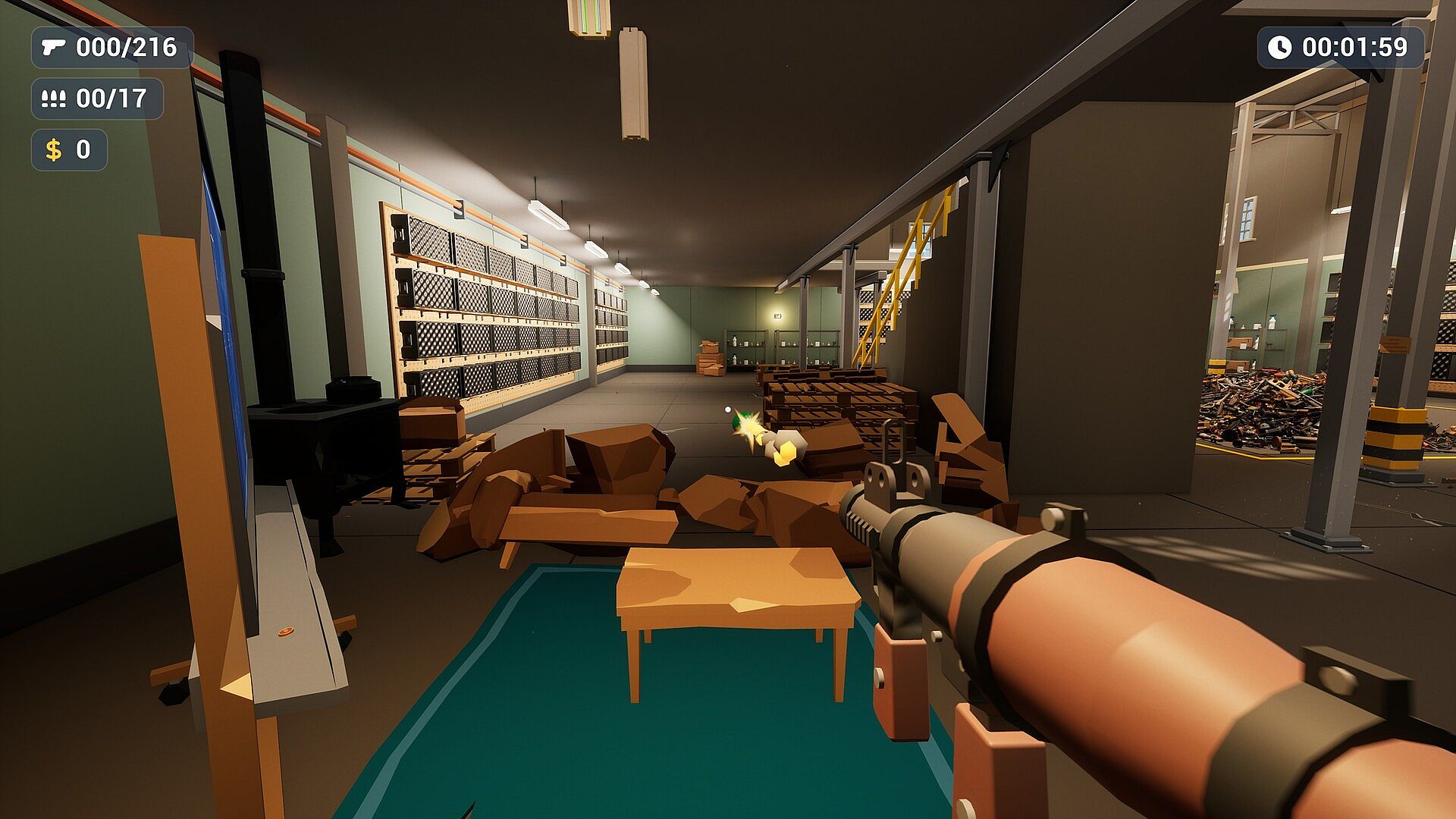
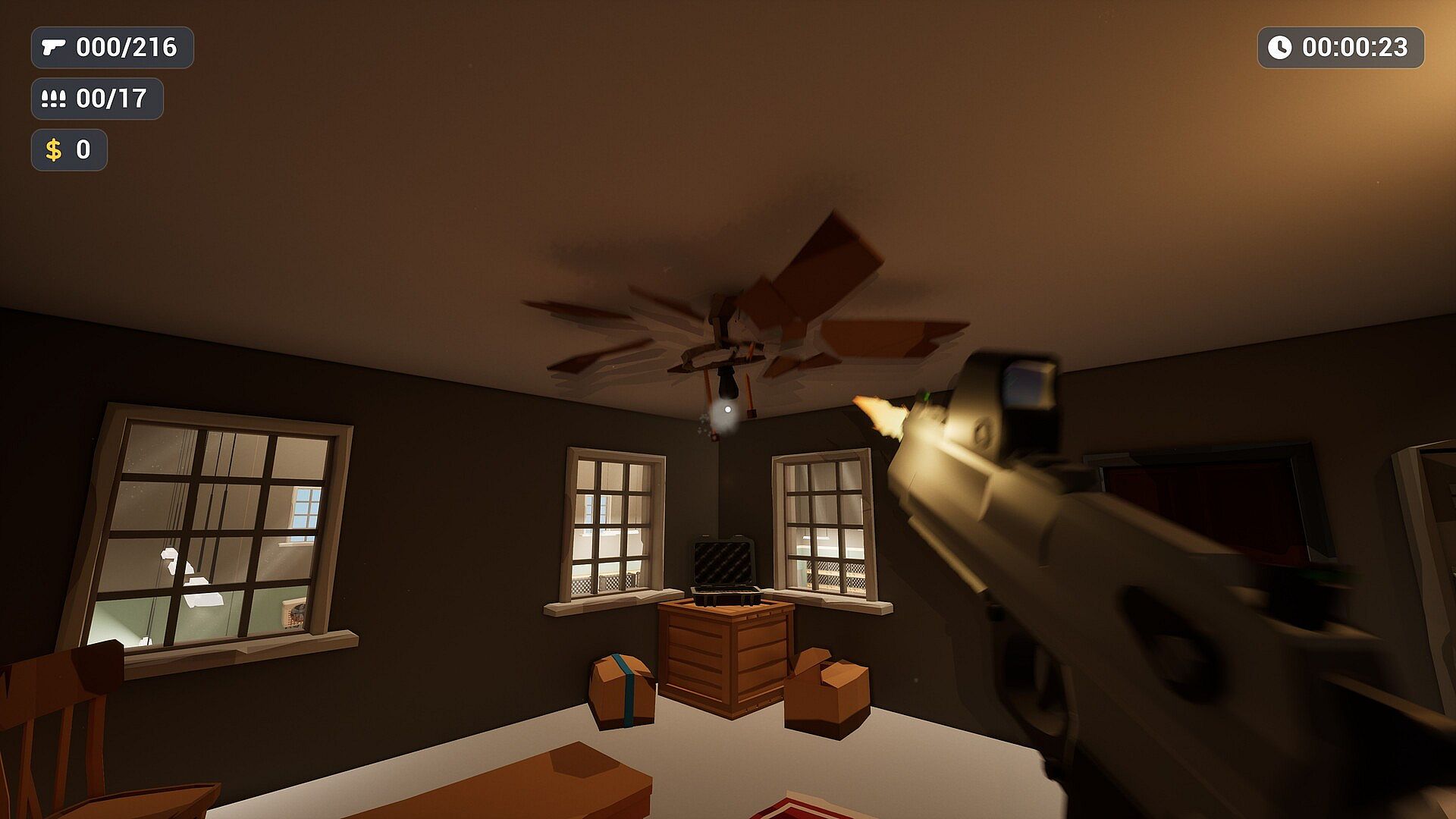
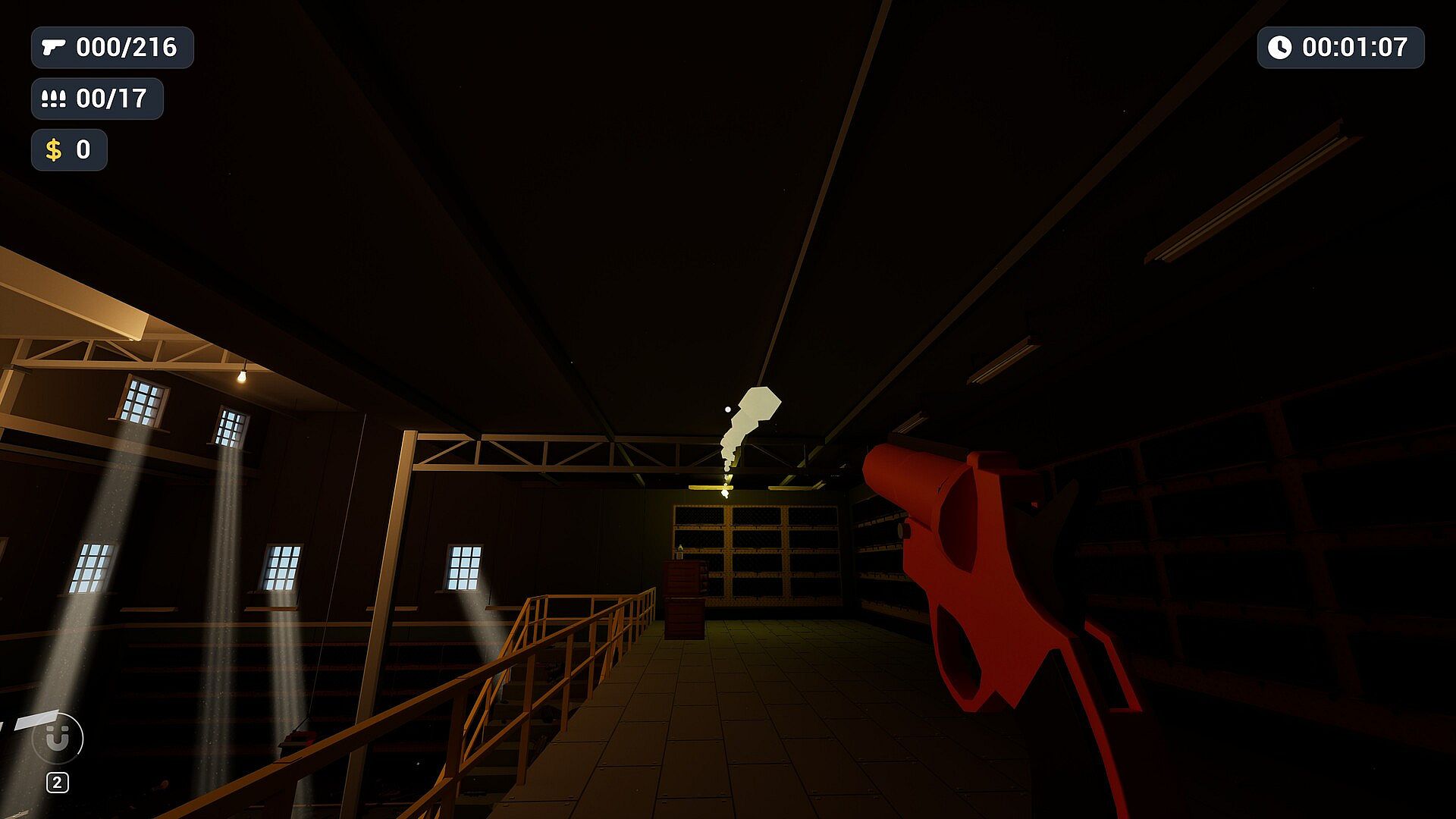
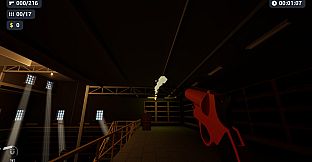
Once assembled, guns move directly into testing. Players can fire at any object in the workshop, from targets to environmental elements, using functional mechanics such as grenade launchers, rockets, flares, and tasers. The sandbox nature encourages experimentation, including walking across the part pile, tossing components, or organizing into bins before returning to construction. Hidden details in the workshop reward careful exploration.
Game Modes
The game operates as a single continuous sandbox experience rather than featuring separate named modes. Assembly and testing blend seamlessly within the same workshop space. Players progress by filling wall-mounted cases for each completed gun and loading ammo boxes one bullet at a time across four distinct gun styles. The absence of structured levels or competitive elements keeps focus on personal pacing and incremental organization from initial chaos to a fully stocked armory.
Progression ties directly to part placement and optional testing sessions. Achievements track milestones such as completing specific guns or utilizing tools creatively. The design supports repeated visits at any speed, with no locked content behind performance requirements.
Key Features and Mechanics
Realistic physics apply to every part in the central pile, creating dynamic interactions during sorting. Color coding and blueprint guidance assist with identification when parts appear similar. The shop board offers permanent upgrades that scale with earnings, expanding options for handling larger volumes of components. Ammo box filling adds a secondary micro-task that complements main assembly work. The overall structure supports 4 to 5 hours of play to reach full completion, including all 30 achievements.
- More than 1,800 individual parts with authentic physics behavior.
- 216 unique guns across four styles for assembly and live-fire testing.
- 17 ammo boxes filled bullet by bullet.
- Tool progression including bins, shovel, magnet, and color tracking.
- Unlimited sandbox freedom with no timers or loss conditions.
Is It Worth Playing?
This title appeals to players seeking a relaxed yet engaging simulation that rewards attention to detail and steady progress. The forgiving structure allows experimentation and backtracking without penalty, while the physics interactions and variety of guns maintain interest across multiple sessions. Those who appreciate casual puzzle games or virtual tinkering will find the workshop loop satisfying, particularly if they enjoy completing collections at their own rhythm. The short overall length makes it accessible as a focused experience rather than a long-term commitment. Availability on PC supports straightforward access for interested simulation fans.