






High Roller Penny is a pachinko-inspired roguelike indie simulation game set on PC. Players take on the role of a debtor forced into high-stakes gambling matches where success means survival and failure leads to execution. The core experience revolves around building and refining a pegboard setup to generate massive scores while navigating a narrative of debt, betrayal, and underground casino intrigue.
Gameplay
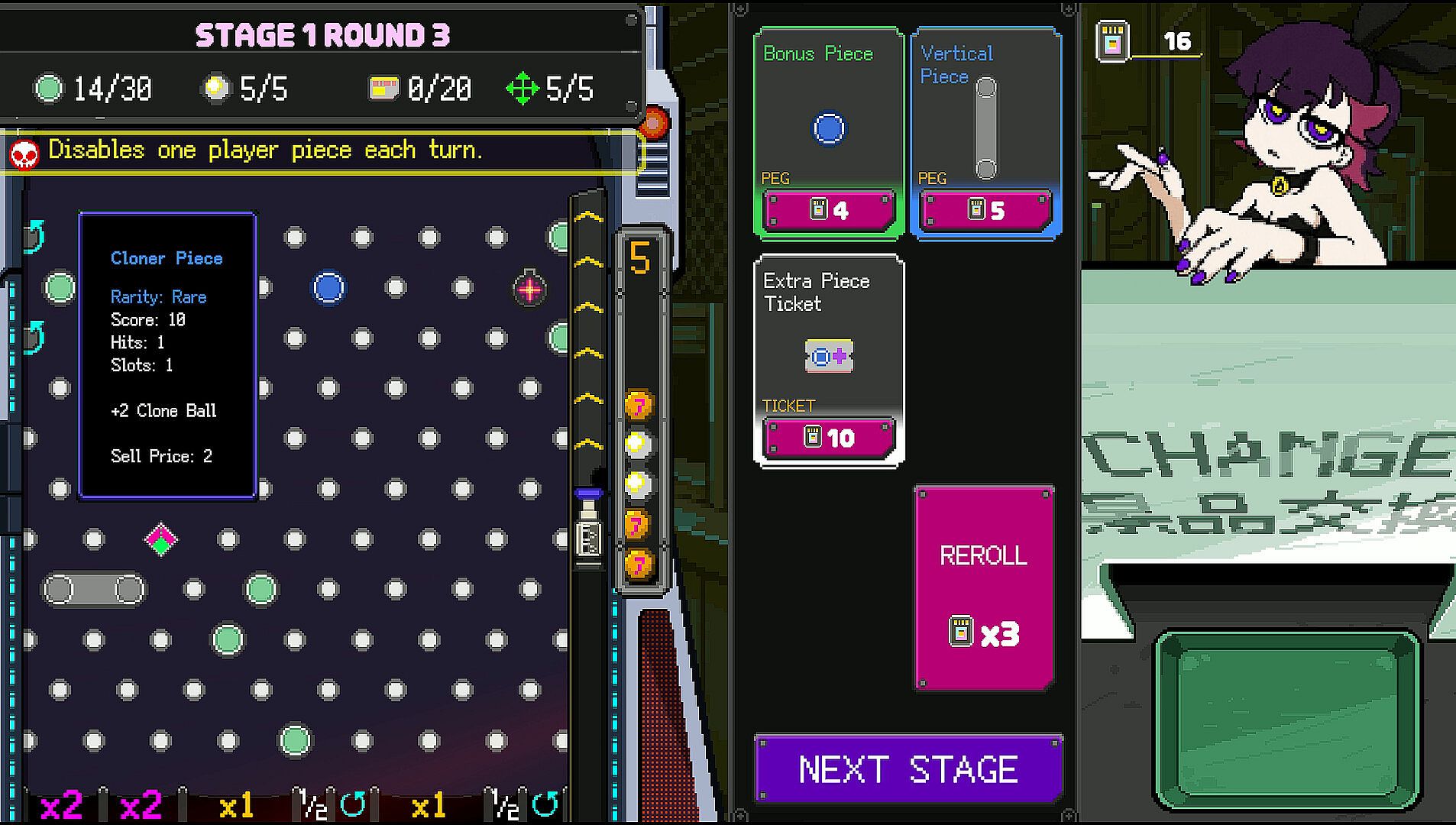
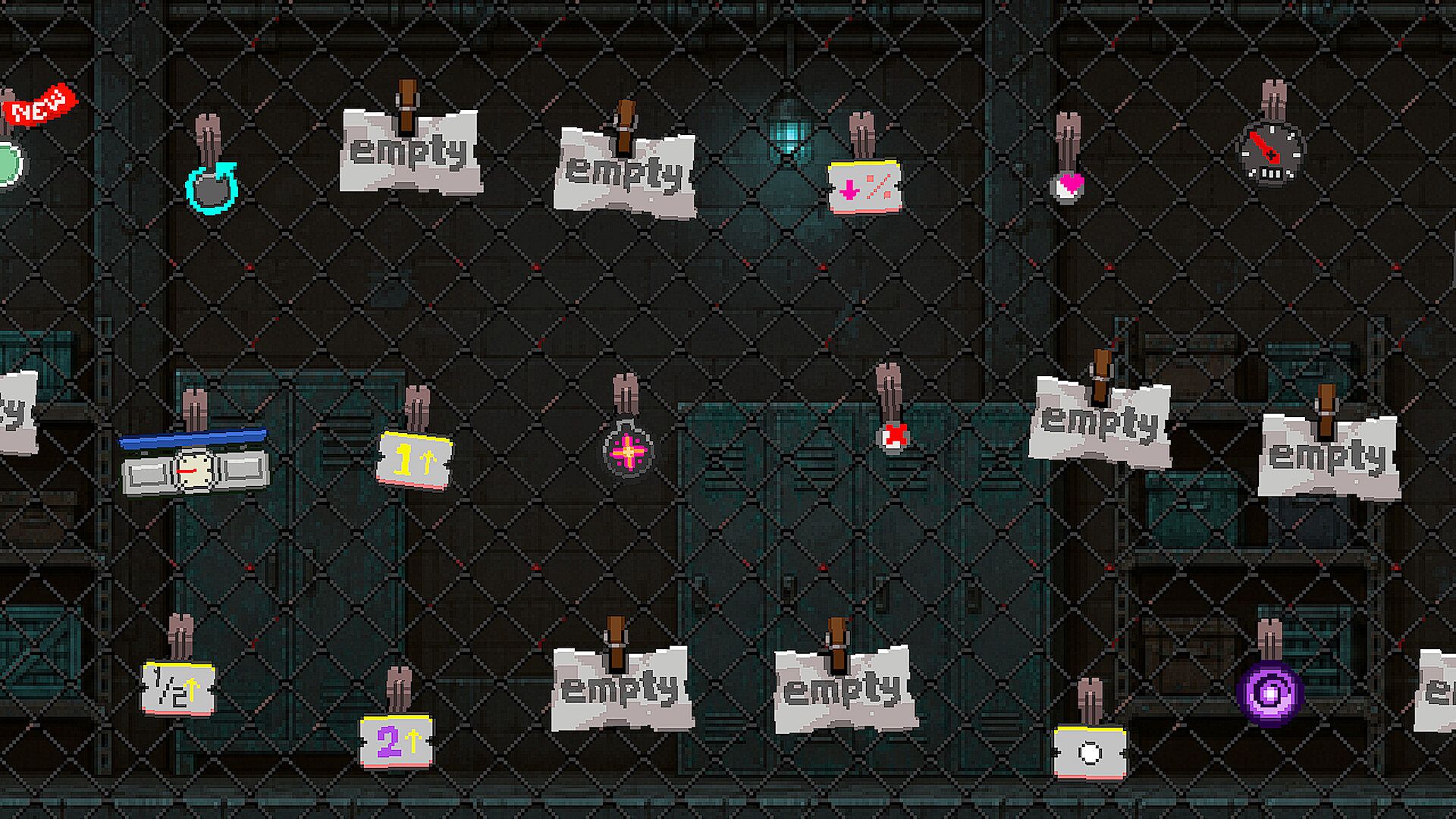
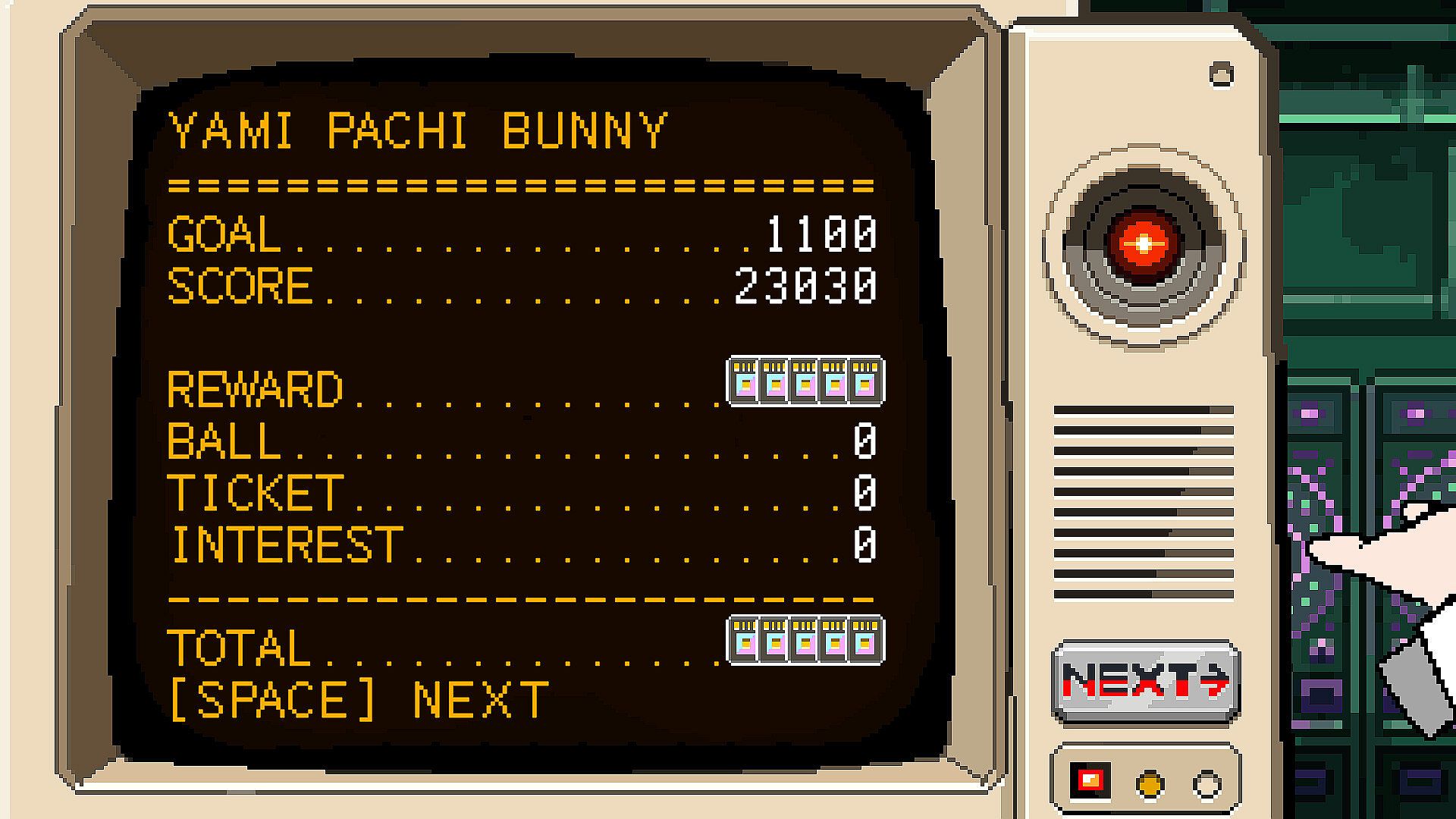
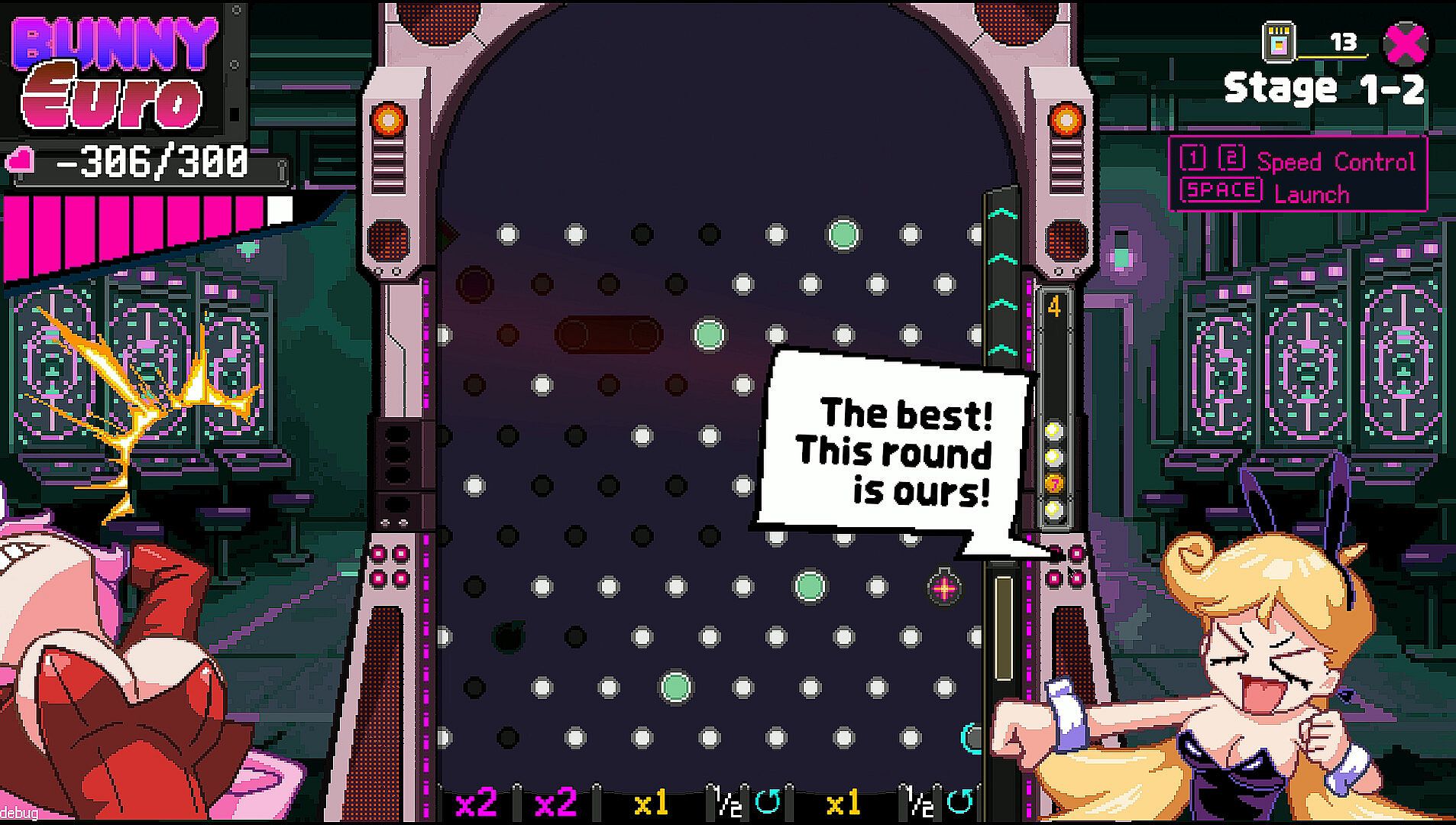
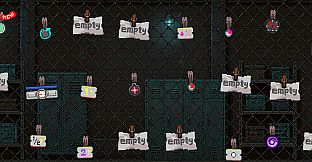
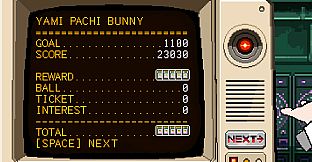
The central loop involves dropping a ball onto a pegboard where each collision with a peg adds to the running score. Players must meet or exceed a quota to advance, with failure resulting in immediate consequences within the story. Powerful pegs and specialized balls become available through ticket earnings, allowing for deeper builds that emphasize cascading combos and score multipliers. Ball physics create unpredictable paths that reward careful planning and repeated attempts to optimize layouts.
Resource management adds tension because everything carries a cost. Tickets fund purchases, yet players can sell pegs, balls, or even accumulated tickets when needed, provided they plan to recover those assets later. This system encourages experimentation with different combinations while highlighting the risk of overextending resources. The seedy casino environment features debt-ridden opponents who introduce their own betting mechanics and tricks during encounters, turning each round into a layered challenge of both physics and strategy.
Game Modes
High Roller Penny operates as a single-player experience centered on the High Roller Rule, a tournament-style structure where the player competes against multiple bunny girl handlers. Progress requires defeating these opponents in sequence to climb the ranks, with each match presenting unique challenges tied to the opponent's special abilities. The roguelike elements ensure that each run through the pegboard system varies based on acquired pegs, balls, and passive effects, promoting replayability through new synergies and board configurations.
The overarching campaign follows a linear narrative path dictated by the Yami-Pachi organization, but the roguelike nature allows for branching outcomes depending on how players manage their builds and resources across rounds. No separate multiplayer or alternative modes appear in the available details, keeping the focus on the core single-player loop of score chasing and survival.
Story and Setting
The game unfolds in the undercity controlled by Yami-Pachi, a shadowy group that organizes life-or-death gambling events using debtors as unwilling participants. Players begin as an abducted individual under the control of Penny, a distinctive bunny girl handler obsessed with the High Roller competition. This setup frames the gameplay as a desperate bid for freedom, where victory clears all debts and defeat carries permanent stakes.
Opponents in the casino represent varied personalities and tactics, each adding flavor to the encounters without altering the fundamental pegboard mechanics. The atmosphere blends seedy gambling halls with the hypnotic appeal of bouncing balls and accumulating points, reinforced by the presence of bouncy bunny girl characters throughout the narrative.
Is It Worth Playing?
High Roller Penny targets players who enjoy roguelike progression combined with precise physics-based scoring systems. The single-player structure and emphasis on build experimentation suit those drawn to indie simulation titles that reward persistence and creative resource use. Because the game remains in a coming-soon state with no user reviews yet available, potential buyers should monitor updates from the developer Kniv Studio for confirmation of release timing and any refinements to the core systems.
Fans of pachinko-style mechanics and high-risk narrative framing will find the described loop engaging, particularly if they appreciate the tension of managing limited resources across repeated attempts. The absence of established player feedback means the recommendation rests on how well the pegboard gameplay and story premise align with individual preferences for roguelike challenges in a simulation wrapper.