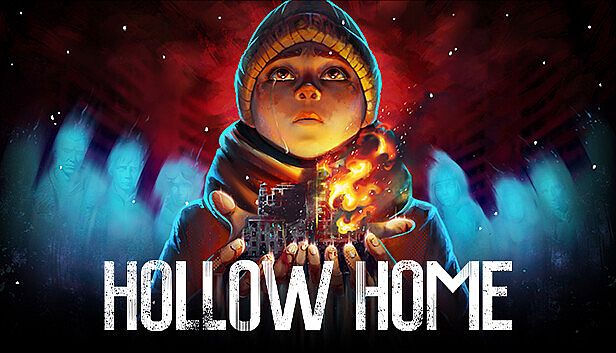



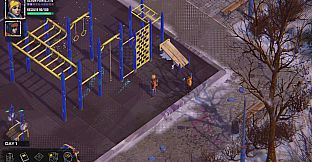
Hollow Home stands out as an isometric narrative RPG that places you in the shoes of a young teenager navigating the harsh realities of war. Set against the backdrop of the Russian invasion of Ukraine, this single-player adventure emphasizes storytelling through choices, survival elements, and interpersonal connections rather than action or combat. You control Maksym, a 14-year-old whose ordinary life shatters overnight, forcing him to adapt in a city under siege.
Gameplay
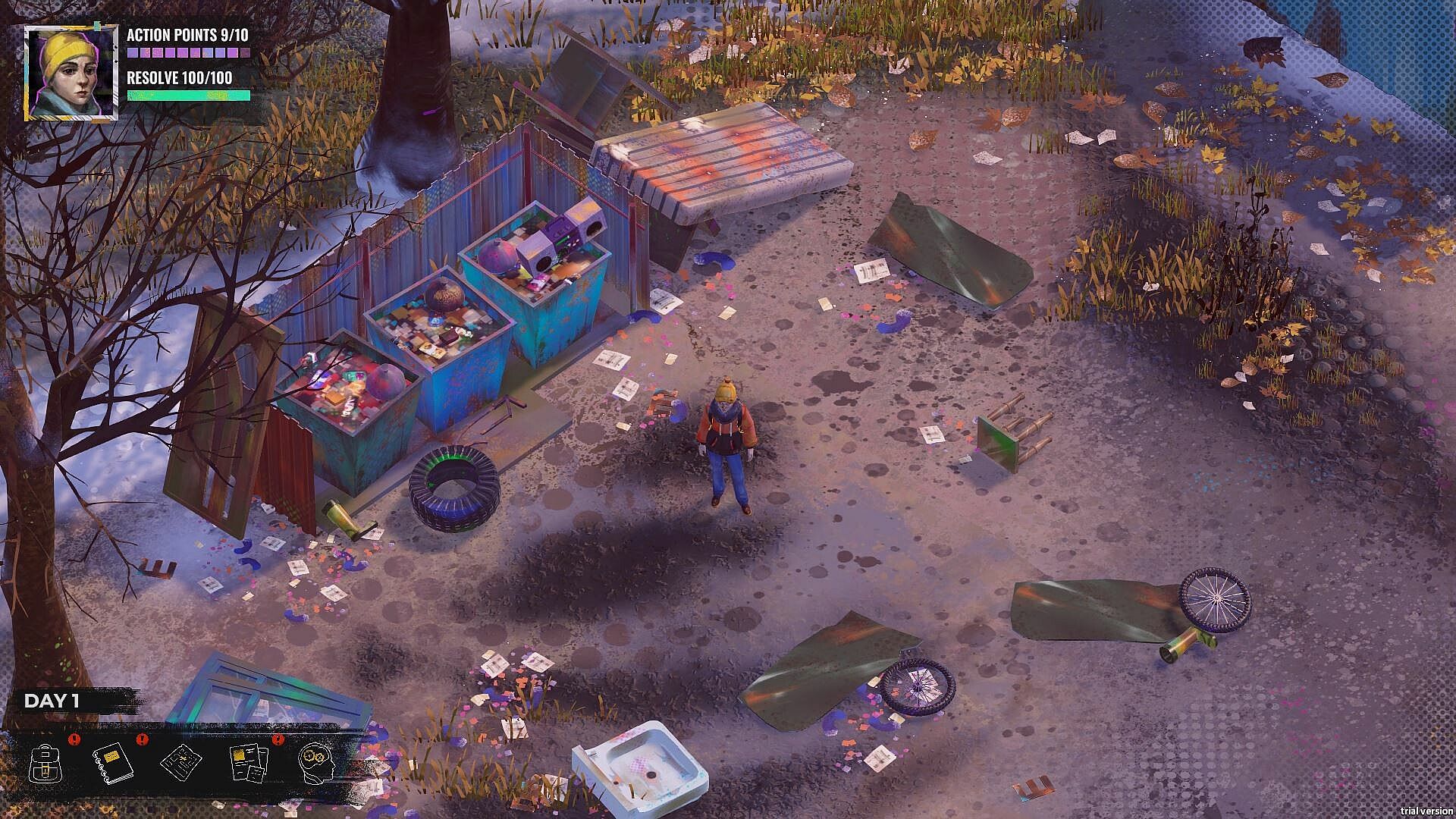
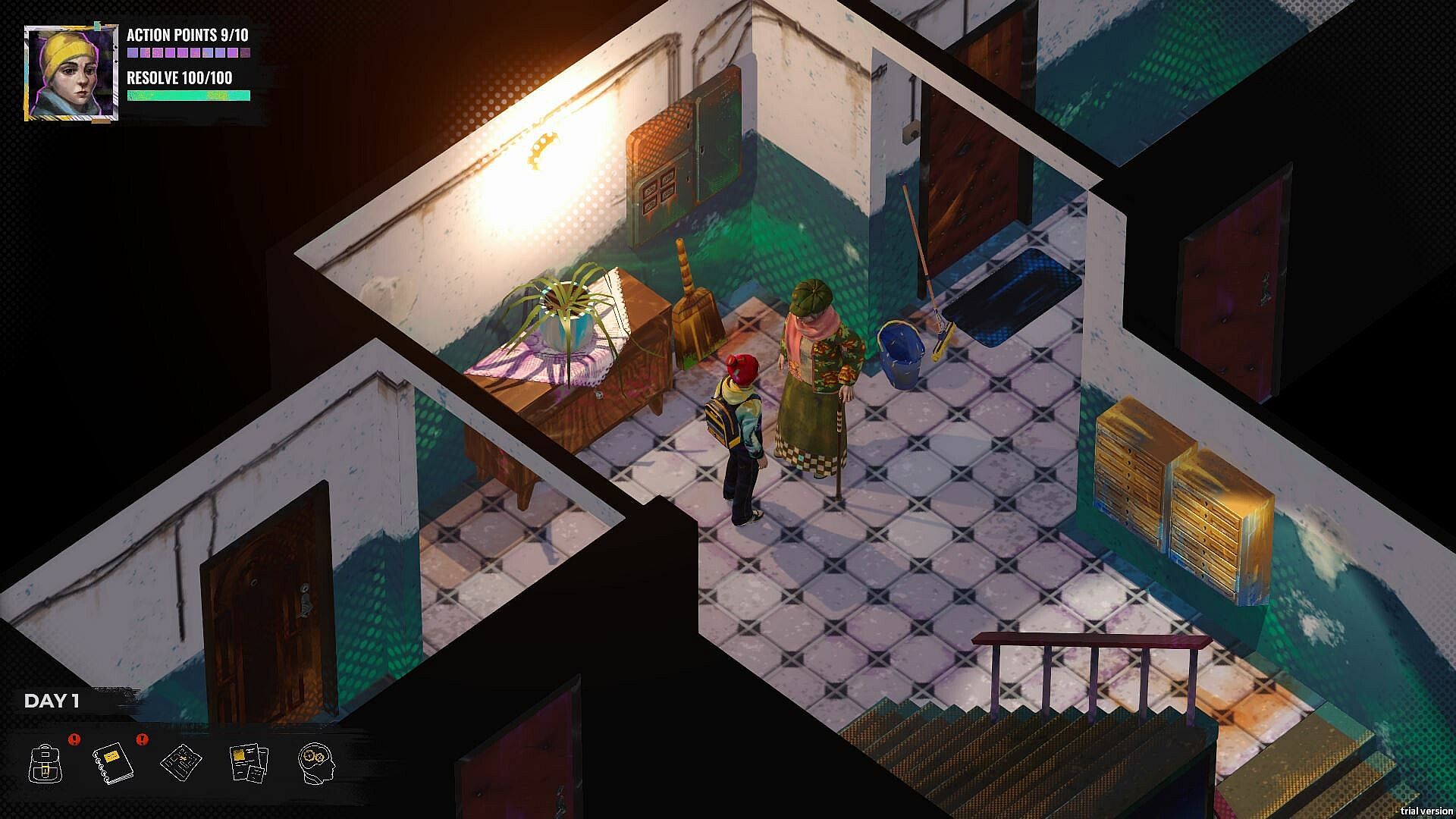
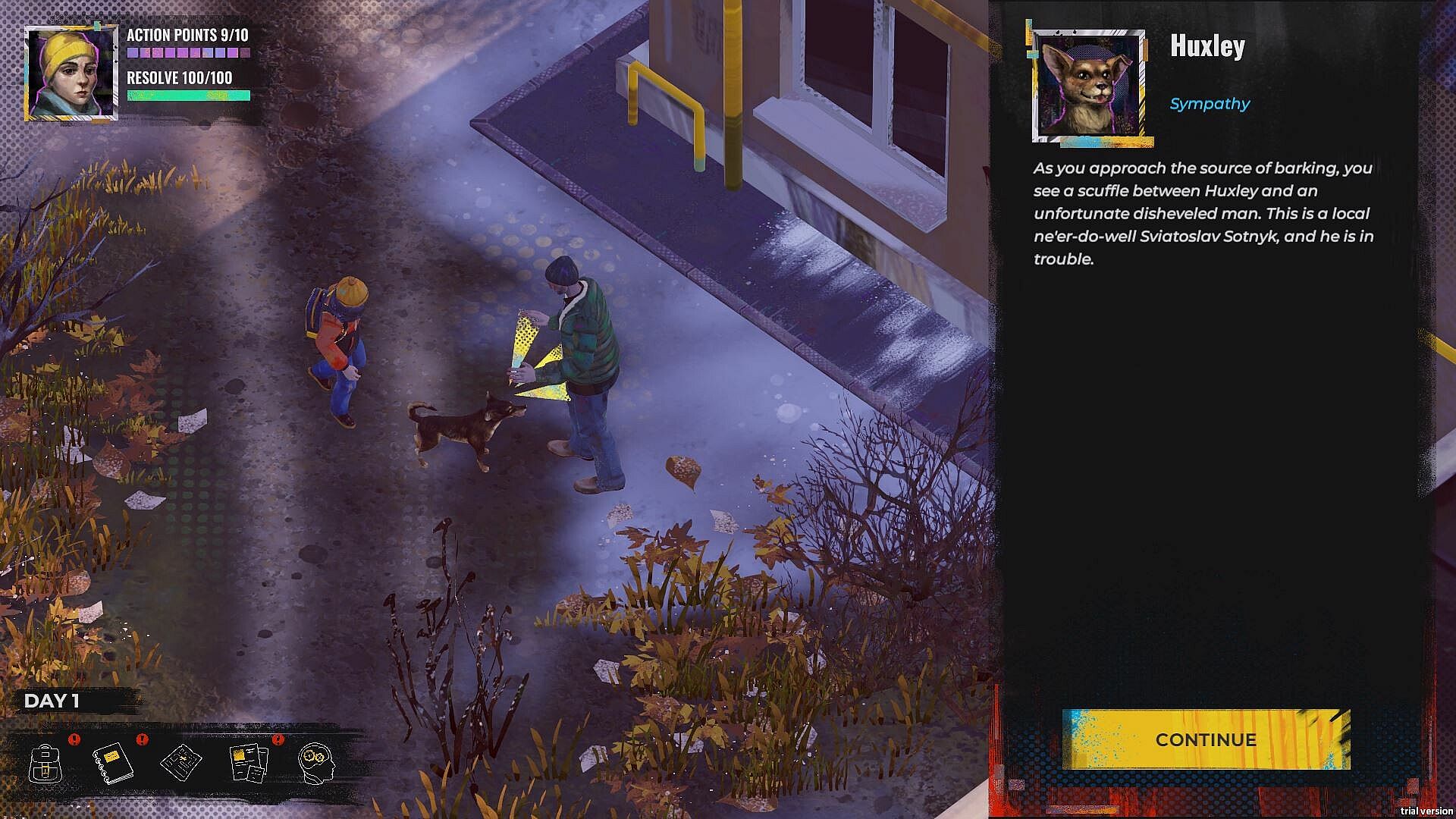
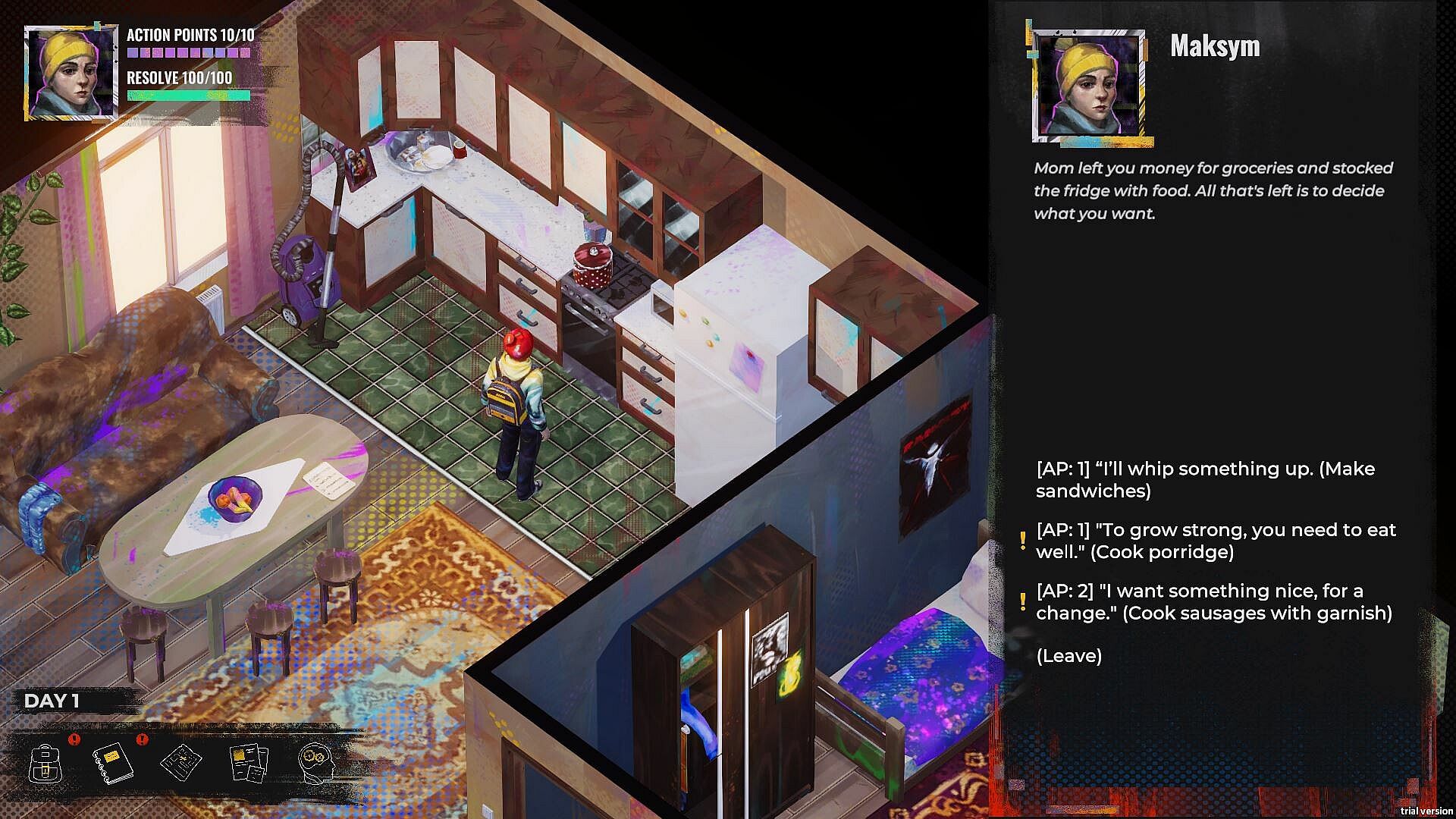
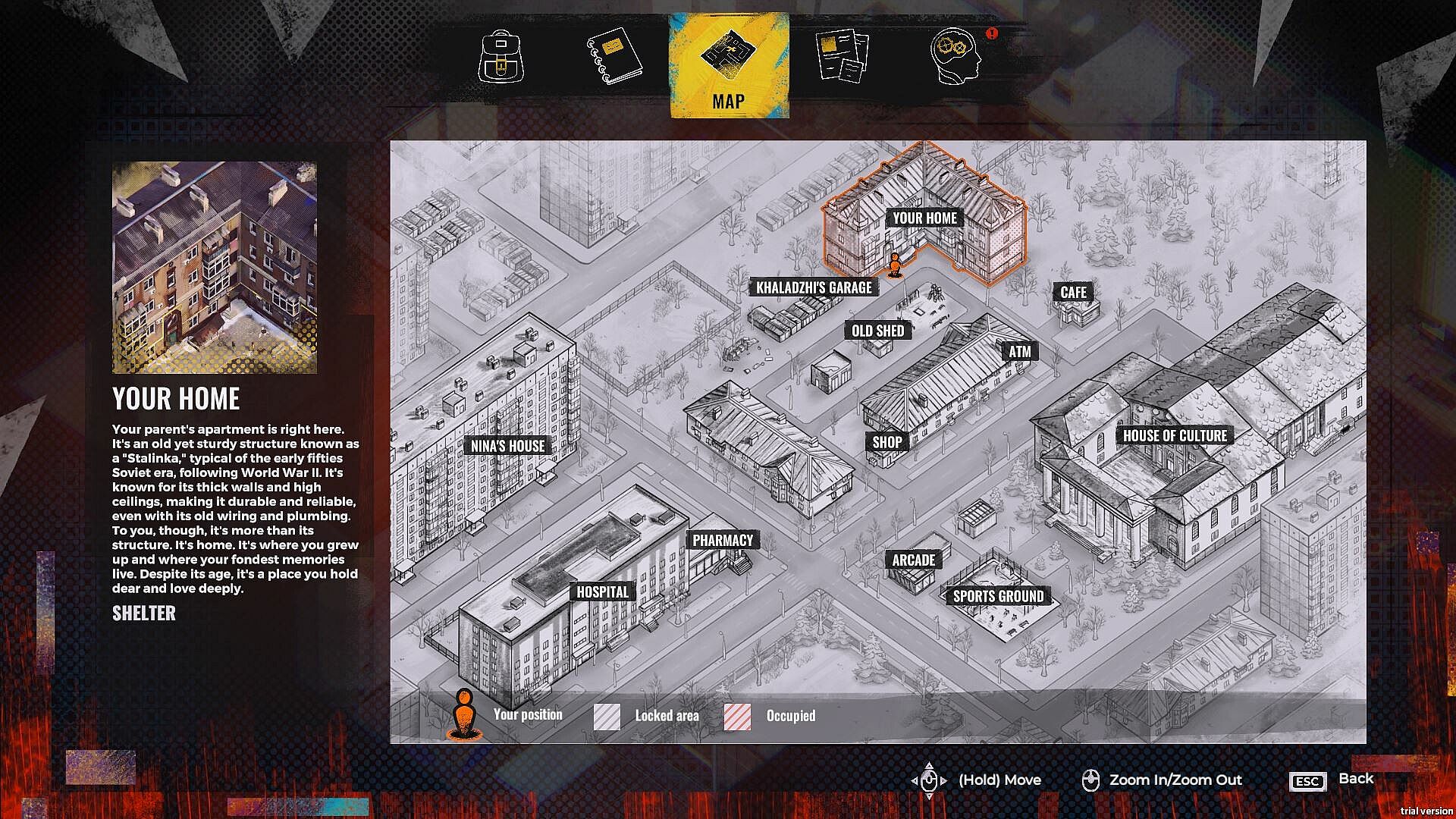
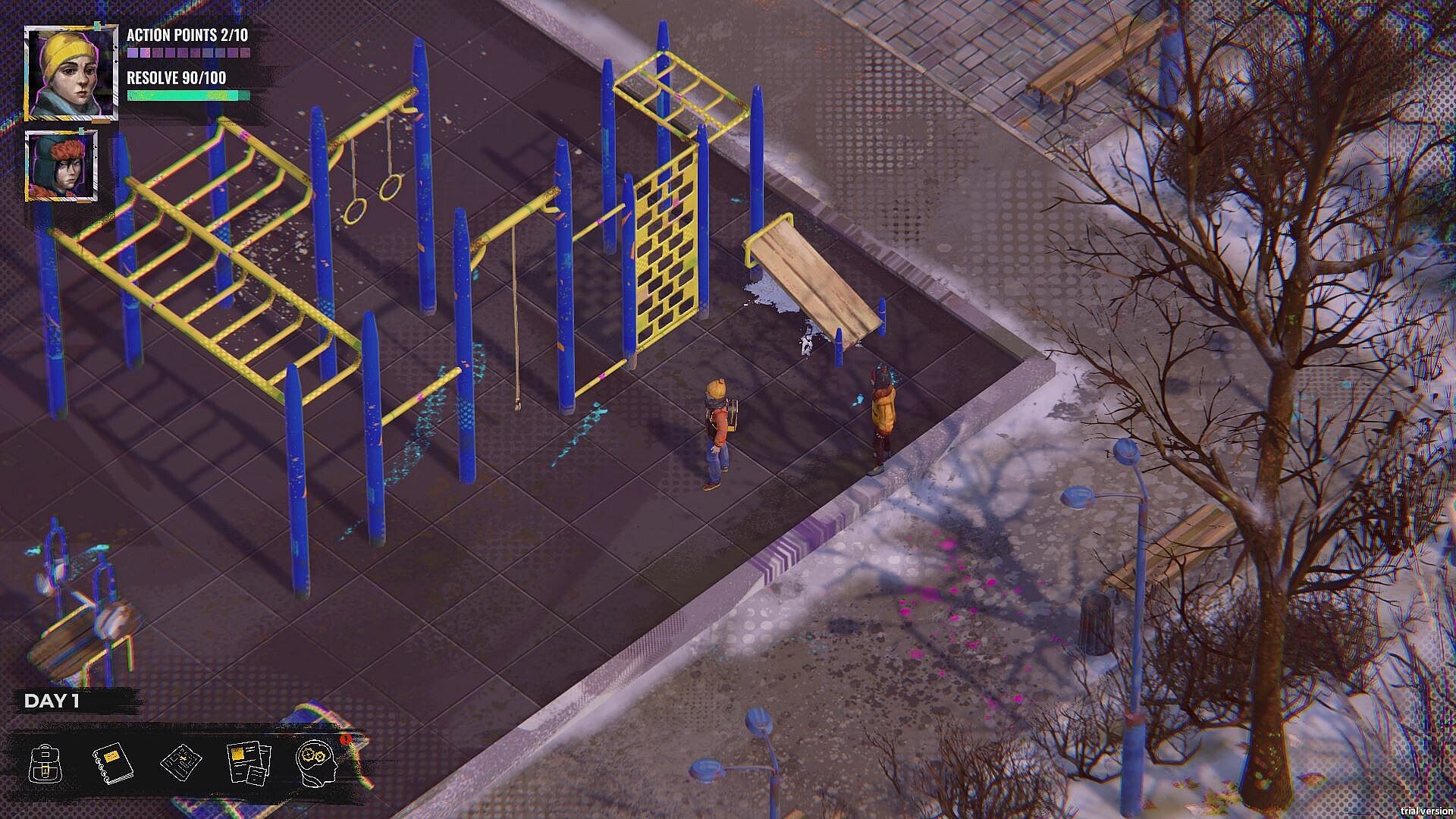
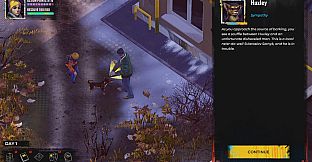
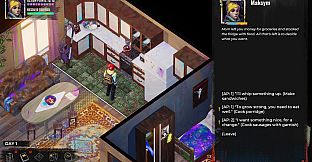
In Hollow Home, the core experience revolves around exploration, dialogue, and decision-making in a changing urban environment. As Maksym, you move through the city's districts, interacting with various characters to uncover quests and build relationships. The game avoids any combat mechanics, instead highlighting the consequences of war through narrative branches and environmental shifts. Each day limits your action points, meaning you must prioritize tasks like scavenging for resources or aiding survivors, often leading to difficult trade-offs.
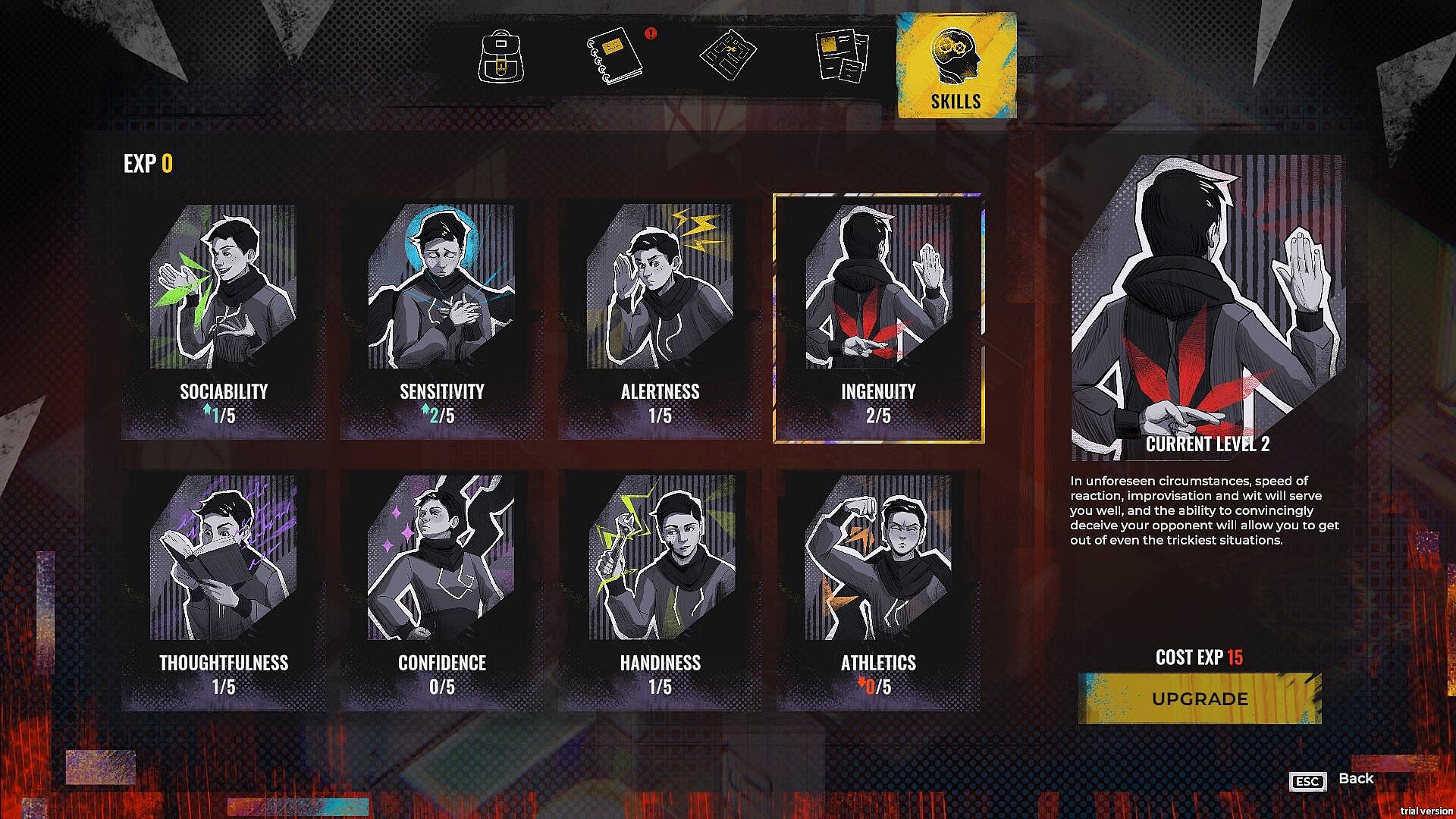
Skills play a central role, with opportunities to develop abilities in cooking, crafting, medical aid, and general survival by completing quests and learning from others. These skills influence how you handle situations, such as preparing meals to sustain yourself or treating injuries to help fellow residents. The non-linear structure allows for different builds and paths, encouraging replayability as your choices alter the story's direction and the city's state.
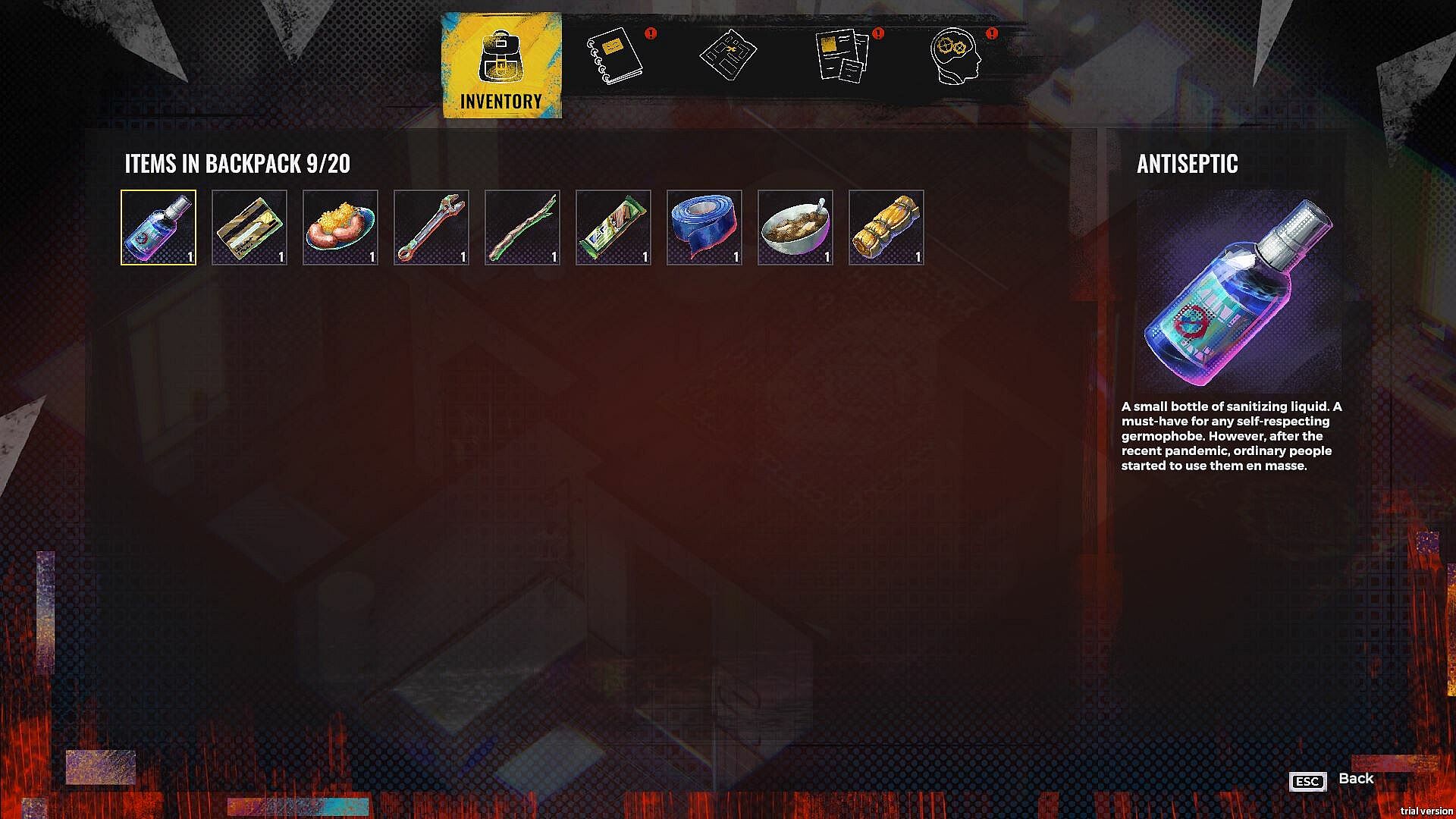
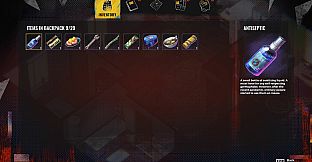
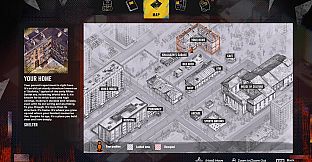
Scavenging and customization add layers to the survival aspect, letting you gather items and adapt your approach to the evolving chaos. The world reacts dynamically, with neighborhoods transforming due to shelling or occupation, blocking off areas and changing how you navigate and interact with the environment.
Game Modes
Hollow Home operates in a single-player mode focused on its narrative campaign. There are no multiplayer options or separate competitive modes; instead, the game delivers a solo experience centered on the protagonist's journey. Features like achievements and leaderboards provide ways to track progress and compare playthroughs, while cloud saves ensure continuity across sessions.
This mode emphasizes immersion in the story, with branching questlines that adapt based on your decisions. The lack of distinct modes keeps the focus on the evolving narrative, where each playthrough can unfold differently due to the game's reactive world and choice-driven mechanics.
Story and Setting
The narrative draws from real historical events of the Ukraine invasion, though it uses fictional characters to explore themes of loss, resilience, and human endurance. Starting on the eve of the conflict, the story follows Maksym's transition from carefree youth to survivor in a besieged city. Quests often involve helping others amid dwindling resources and mounting despair, reflecting the broader impact of war on civilians.
As days progress, the setting shifts to mirror the invasion's toll, with once-vibrant areas turning into ruins or inaccessible zones. This progression underscores the game's inspiration from titles like Disco Elysium and Planescape: Torment, prioritizing deep conversations and moral dilemmas over physical confrontations.
Is It Worth Playing?
For those drawn to narrative-driven RPGs that tackle serious themes through thoughtful mechanics, Hollow Home offers a compelling option. Its emphasis on choices, survival skills, and a reactive world suits players who enjoy introspective stories without violence. The game's structure, with limited daily actions and branching paths, creates tension and replay value, making it ideal for fans of emotional, decision-heavy adventures.
However, if you prefer fast-paced action or multiplayer elements, this might not align with your tastes. With a demo available to try the core systems, it's a low-risk way to see if the survival and narrative focus resonates. Overall, it appeals to audiences seeking a reflective take on real-world events wrapped in RPG elements.