




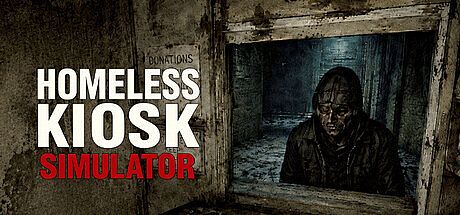


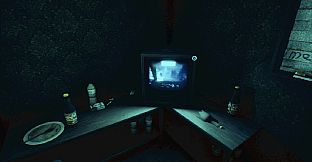
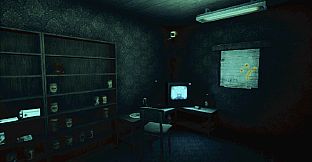
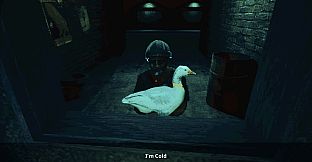

Homeless Kiosk Simulator is an indie simulation game that blends psychological horror with decision-driven gameplay on PC. Players take on the role of a night shift worker in a small aid booth, handling requests for basic necessities while navigating increasingly unsettling situations. The experience centers on preparing donation boxes under pressure, with choices that shape how each shift unfolds and what consequences follow.
Gameplay
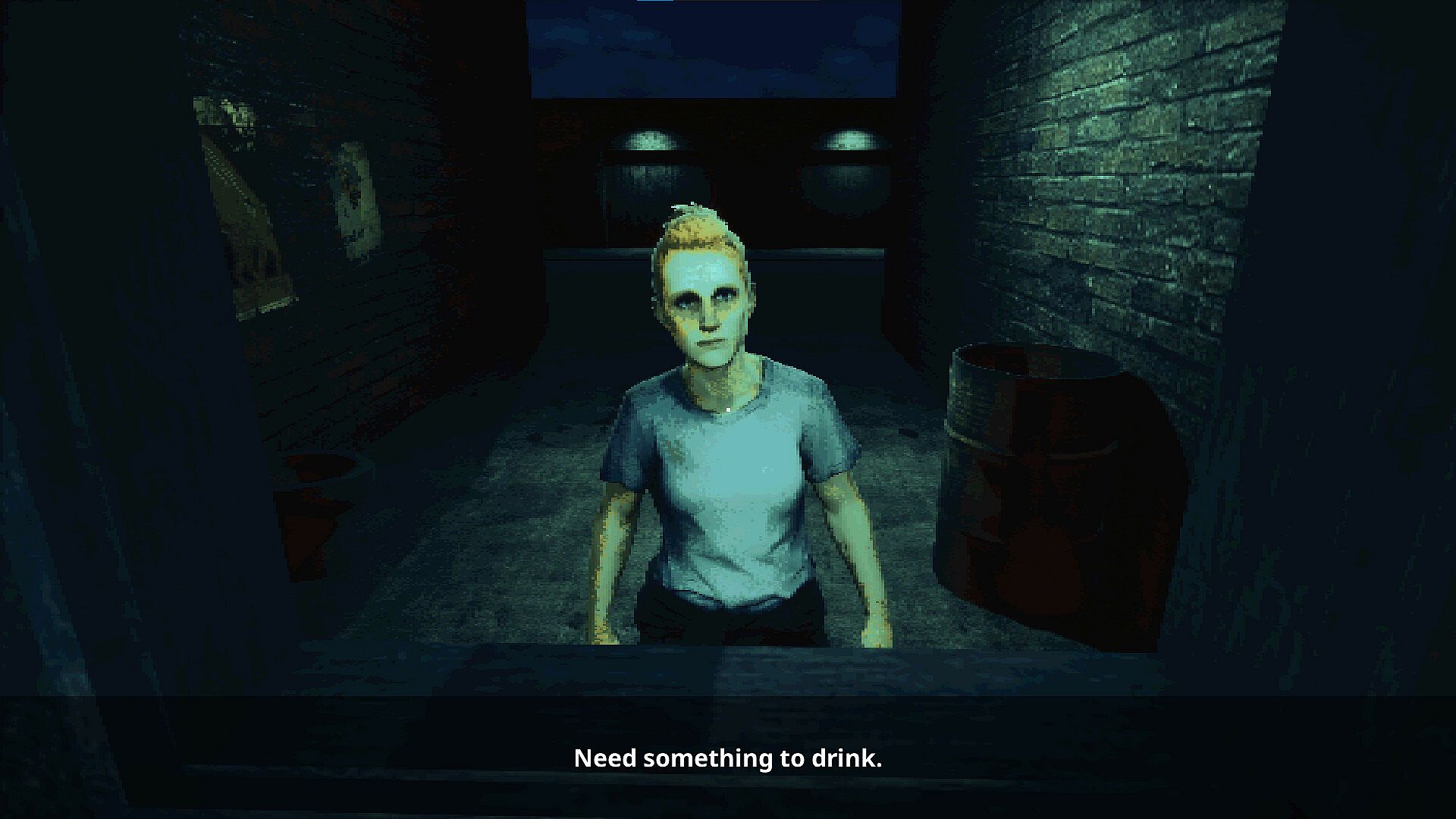
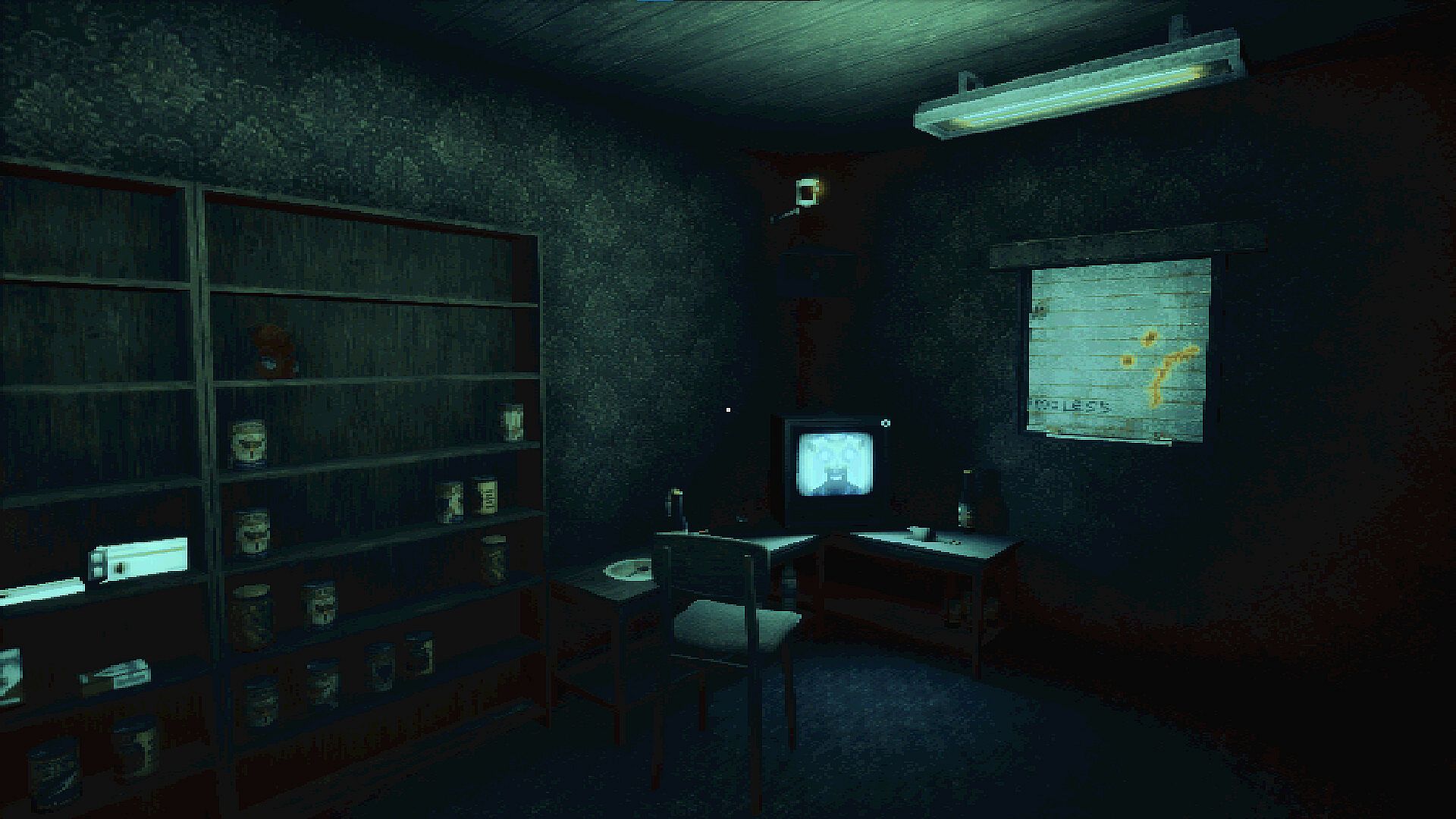
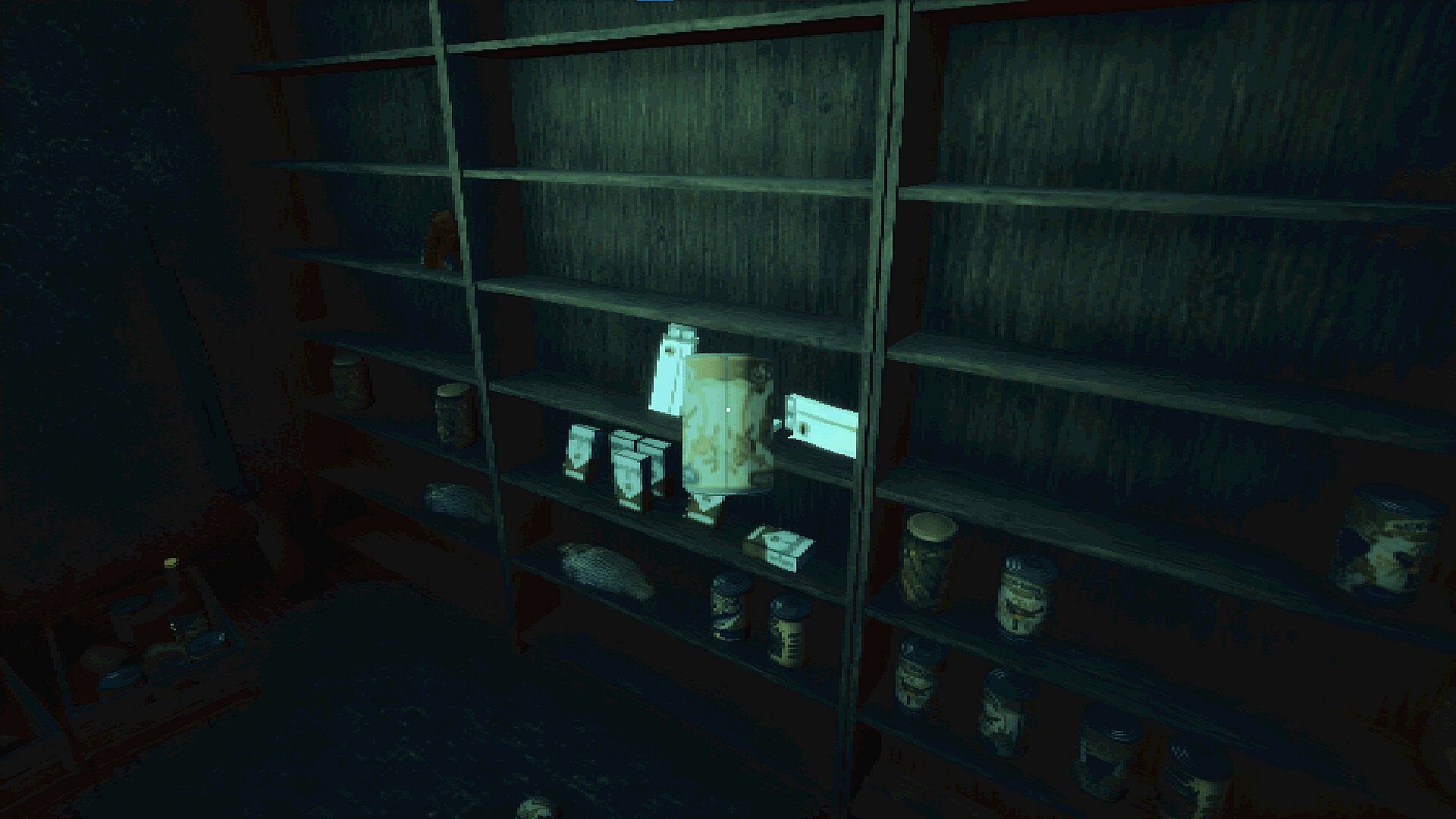
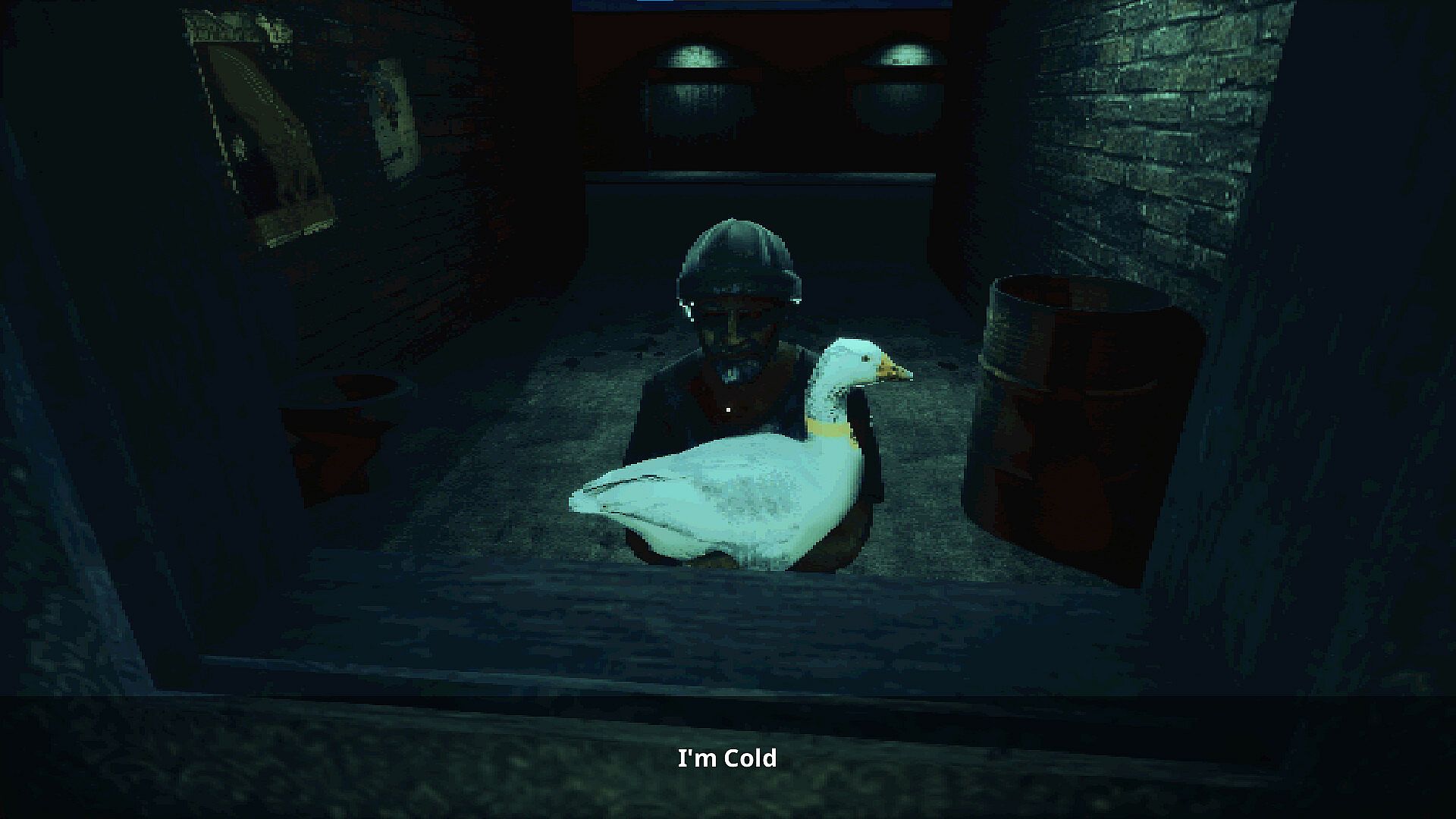
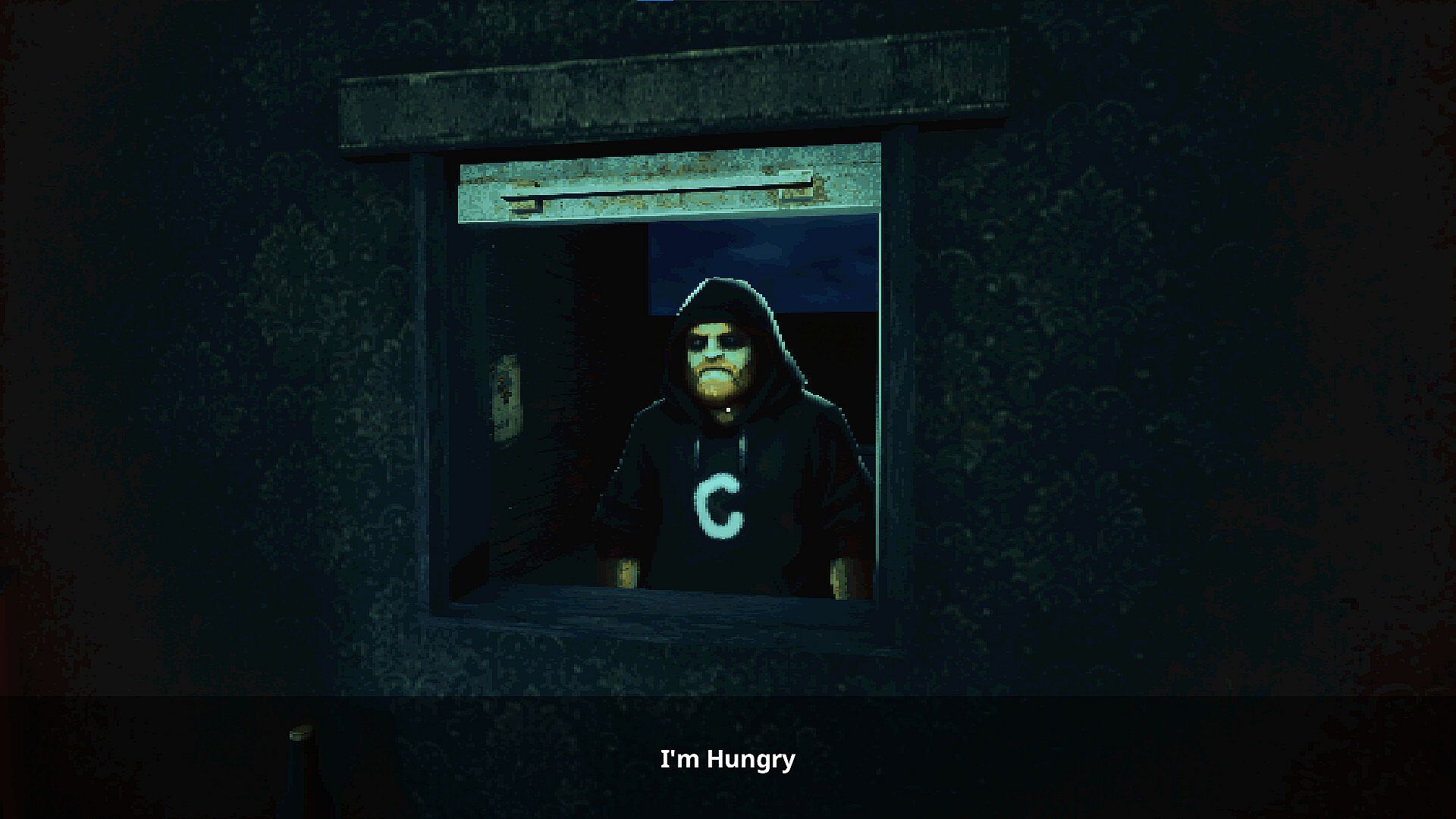
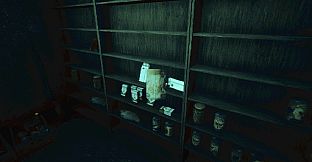
The core loop involves receiving visitors at the booth window, listening to their requests for food, water, medicine, or more unusual items, then searching the attached storage room and garage for supplies. Players prepare boxes by selecting and combining items before handing them over. Observation plays a key role, as some visitors appear desperate, others angry, and a few seem to conceal motives that affect later events. The manager issues instructions to continue helping regardless of circumstances, which adds tension as requests grow stranger and the environment shifts.
Each shift builds pressure through limited resources and the need to decide what to provide, refuse, or overlook. Searching spaces reveals tools and items that influence outcomes, while the first-person perspective keeps focus on the confined booth and surrounding areas. Consequences emerge from these decisions, altering visitor behavior and the overall tone of subsequent nights without relying on combat or complex controls.
Game Modes
The game presents a single continuous experience structured around successive night shifts. Players progress through a series of encounters that escalate in intensity, with the same core mechanics of listening, searching, preparing, and deciding applied across all segments. Multiple endings arise from cumulative choices, encouraging replay to explore different paths and observe how obedience or hesitation changes the narrative direction.
No separate competitive or cooperative modes exist. The focus remains on solitary decision-making within the fixed setting of the booth, storage, and garage, where each night serves as a self-contained chapter that connects to the next through prior actions.
Key Mechanics and Setting
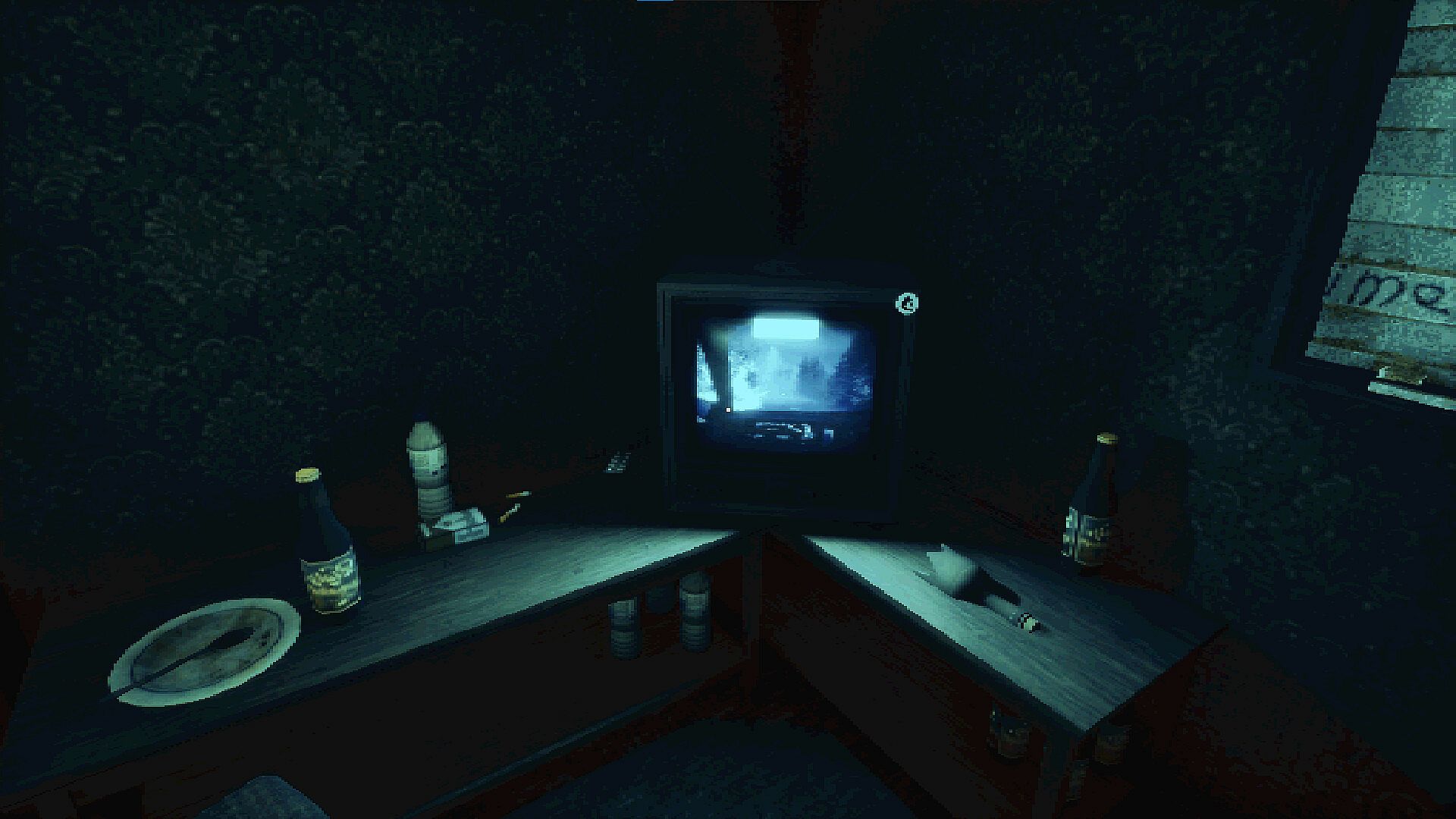
Preparation of donation boxes forms the central activity, requiring players to match supplies to requests while managing limited stock from the storage areas. The small booth restricts movement, heightening the sense of confinement as visitors arrive one after another. Suspicious behavior from some characters introduces uncertainty, and the psychological elements revolve around guilt from choices and the obligation to follow orders even when situations feel off.
The setting stays grounded in everyday charity work that gradually incorporates odd requests and abnormal reactions. This setup emphasizes uncertainty over action, with the garage and storage room serving as exploration zones that feed directly into the booth interactions. Outcomes depend entirely on what players include or exclude from each box, creating a feedback loop where earlier decisions influence later visitor demands and the overall atmosphere.
Is It Worth Playing?
Homeless Kiosk Simulator suits players who enjoy short, choice-heavy psychological horror experiences in simulation formats. The gameplay rewards careful listening and deliberate decisions rather than speed or reflexes, making it accessible for those interested in narrative consequences within a confined environment. Its length keeps the focus tight on escalating tension and multiple endings without unnecessary padding.
Those seeking extended campaigns or varied multiplayer options may find the single-player night shift structure too narrow. The game stands as a self-contained indie title that explores themes of obedience and unease through its core systems, offering replay value primarily through different decision paths rather than additional content layers. Availability on PC positions it for straightforward access for fans of the genre.











