


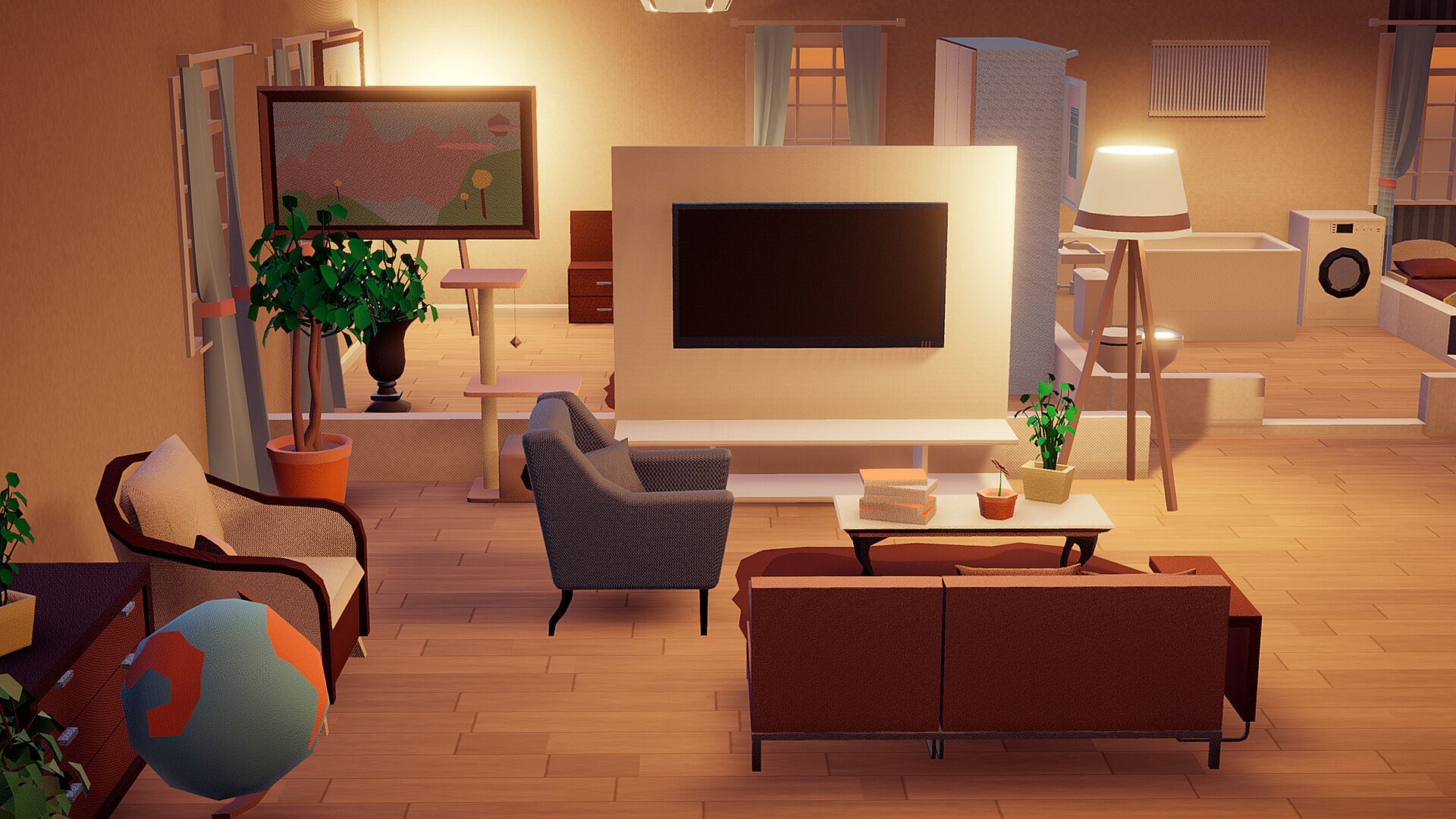
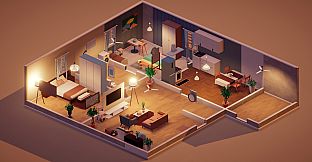
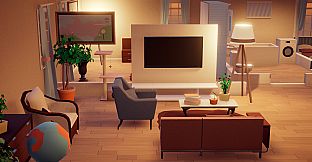
Homemaking: Build & Decorate is a casual simulation game focused on constructing and furnishing houses from the ground up. Players begin with an empty lot on a one-metre grid and shape the space through precise architectural choices before adding finishes and objects.
Gameplay
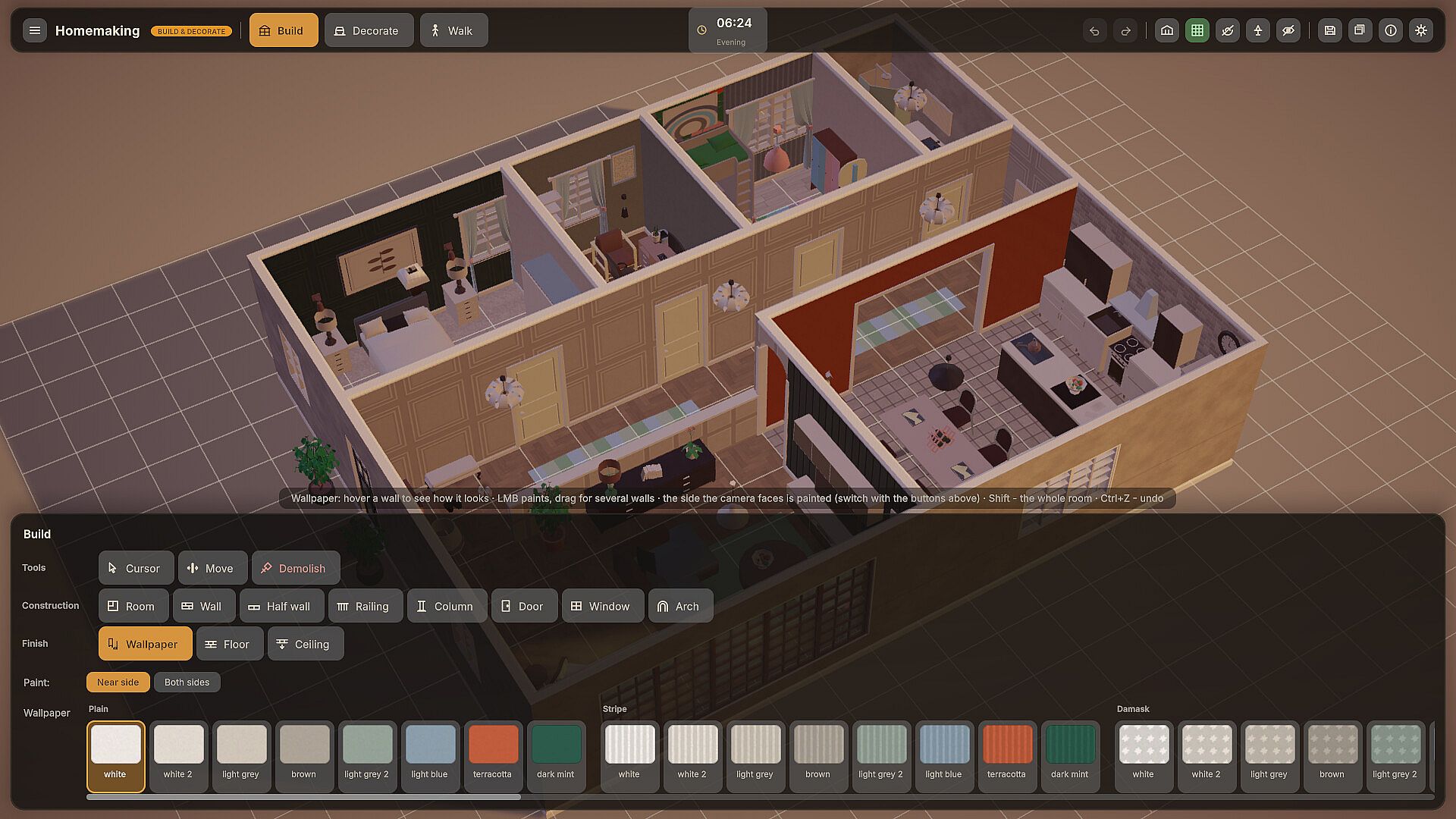
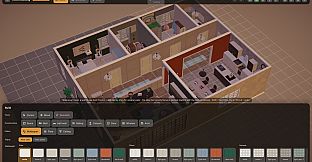
The core loop centres on freeform construction and interior design. Walls appear at full length when dragged across the grid, and clicking them creates detailed doorways complete with frames, linings and thresholds. Additional elements such as windows, arches, half-walls, railings, columns and panoramic openings allow rooms to take shape gradually. Flooring and wallpaper apply cell by cell or wall by wall, drawing from coordinated palettes that prevent clashes. Floorboards follow real patterns like plank widths or herringbone layouts rather than repeating textures.
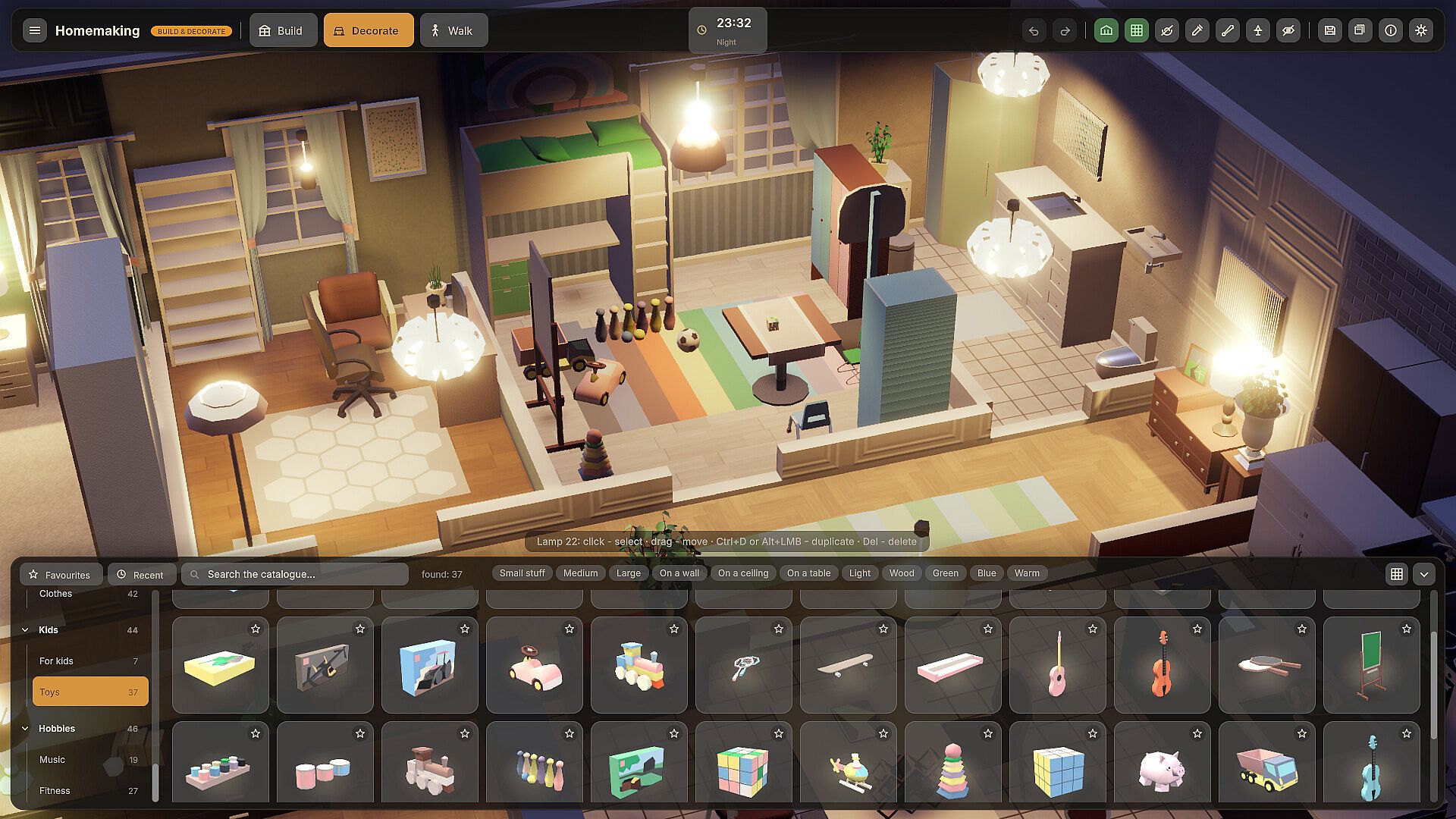
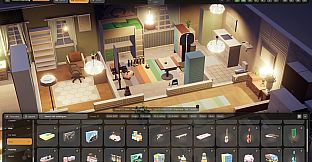
Furnishing draws from more than one thousand objects across thirty-three categories. Items can be searched, grouped, starred for quick access, rotated in fifteen-degree increments or by single degrees, scaled, mirrored, duplicated and stacked on surfaces. Clipping can be toggled off to permit intentional overlaps. Any object accepts custom colours, either chosen freely or sampled from existing room elements. The system imposes no restrictions on placement, allowing sofas in kitchens or any other unconventional arrangement.
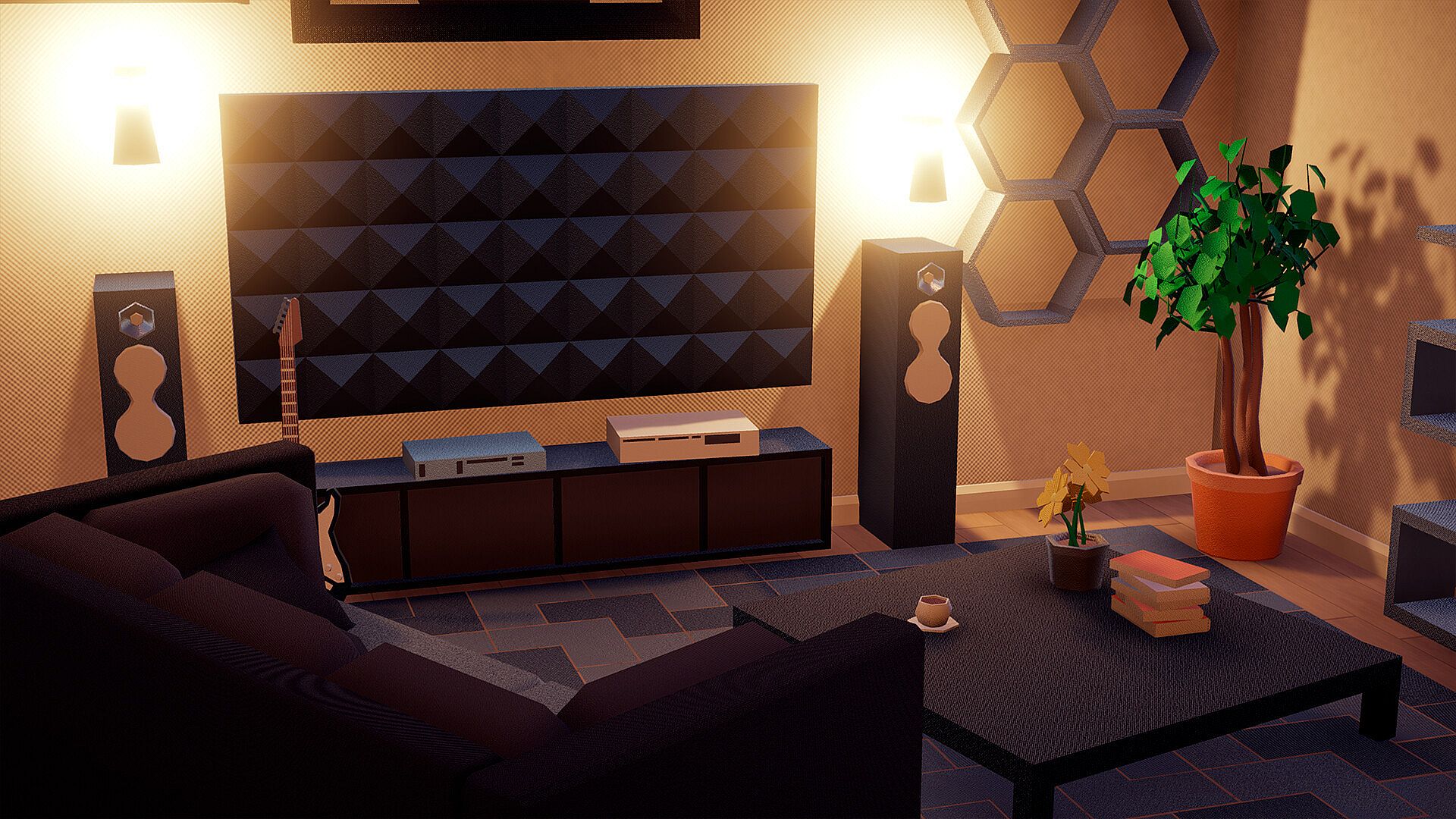
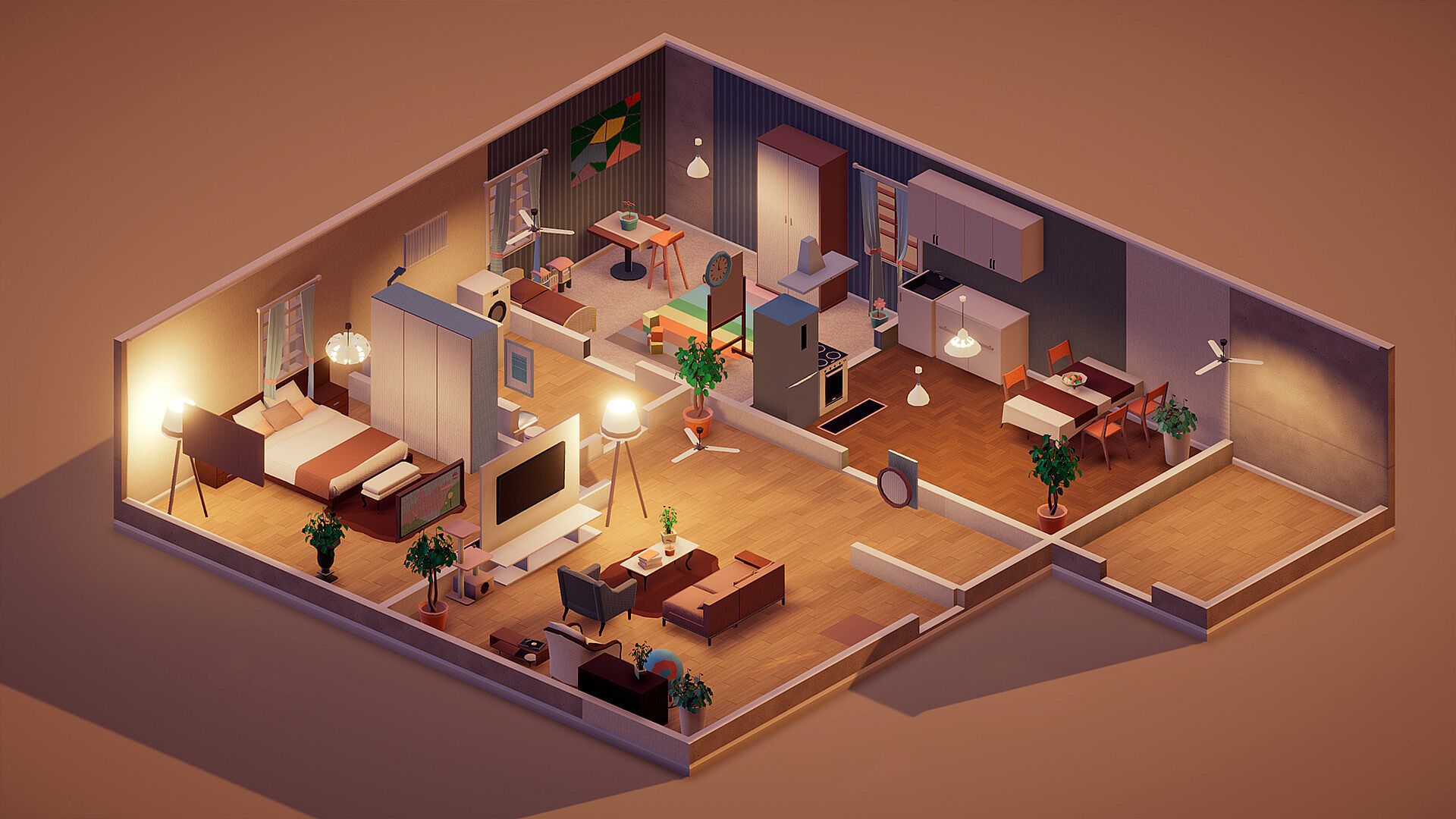
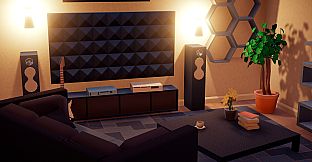
Lighting responds to a time-of-day slider that moves sunlight across floors in real time or at adjustable speeds. Lamps activate at dusk and produce accurate shadows, with pendants illuminating specific areas below rather than the ceiling. Three quick presets cover day, evening and night conditions. Players can enter the finished space at eye level to open doors, view ceilings and experience rooms from a standing perspective, or toggle walls away for an overview similar to a doll's house view.
Game Modes
The experience remains entirely single-player with no separate competitive or story-driven modes. All activity occurs within one continuous creative session where every edit records into a house-specific timeline. This timeline supports playback with a free camera and scrub bar, showing the progression from bare lot to completed interior. Photo mode provides an additional camera tool for framing shots with background blur options.
Building Process and Details
Construction emphasises realistic detailing at every stage. Skirting boards automatically mitre their own corners. Windows receive rails and paired curtains, while doorways gain architraves. Objects interact with horizontal surfaces in flexible ways, and the absence of any budget or timer keeps the focus on deliberate choices. The day-night cycle adds atmosphere without requiring active management, as lamps respond automatically to the clock.
Is It Worth Playing?
Players who enjoy unhurried creative building and precise interior arrangement will find a dedicated toolset here. The single-player format suits those seeking a quiet, self-directed project that can be revisited through the built-in timeline feature. With no multiplayer elements or external progression systems confirmed, the game appeals most to individuals who value detailed control over house layout, finishes and object placement. Its upcoming release in Q4 2026 means availability depends on final launch timing, but the described mechanics align with relaxed simulation preferences.