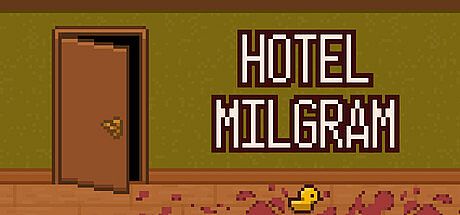


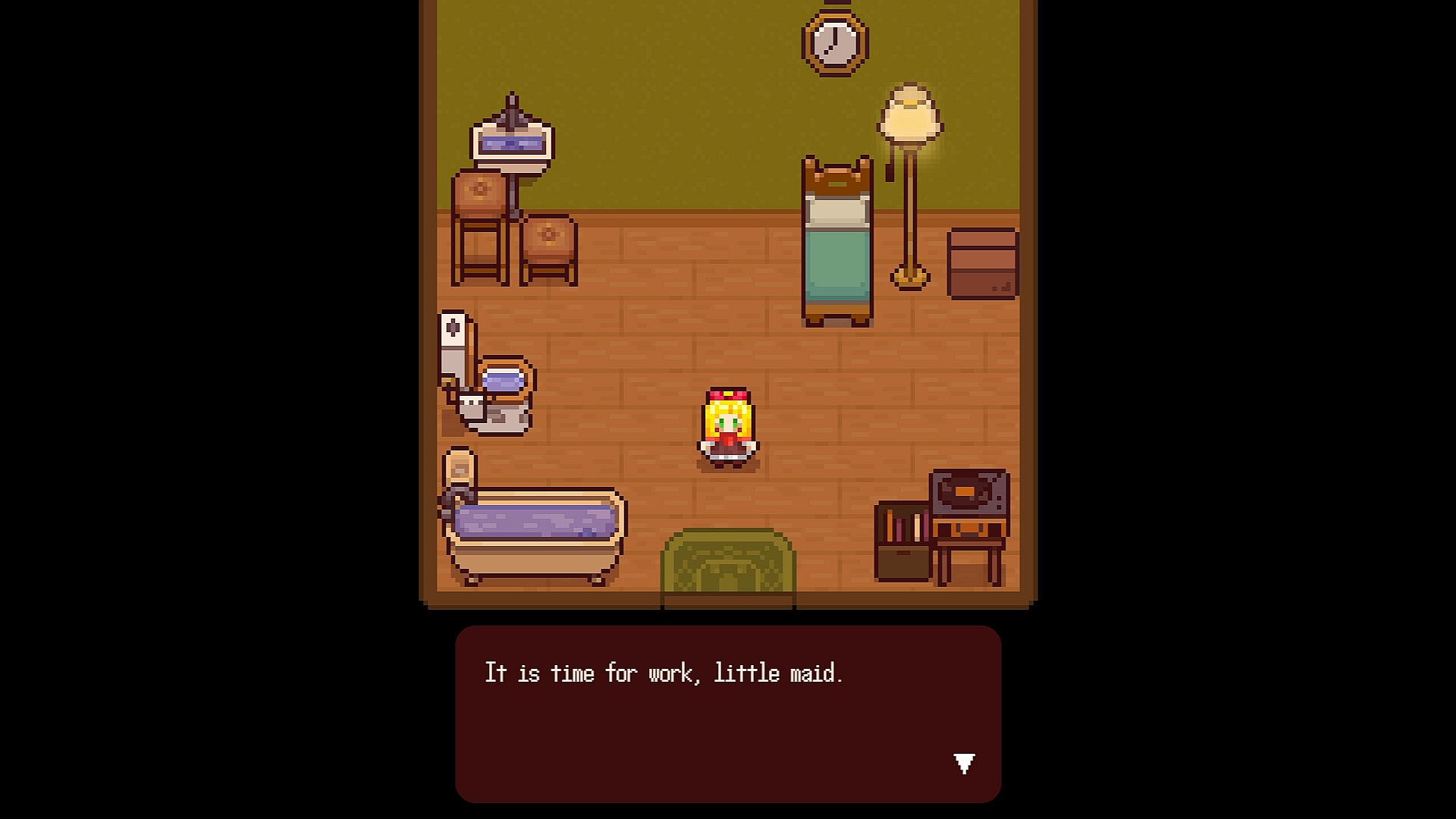
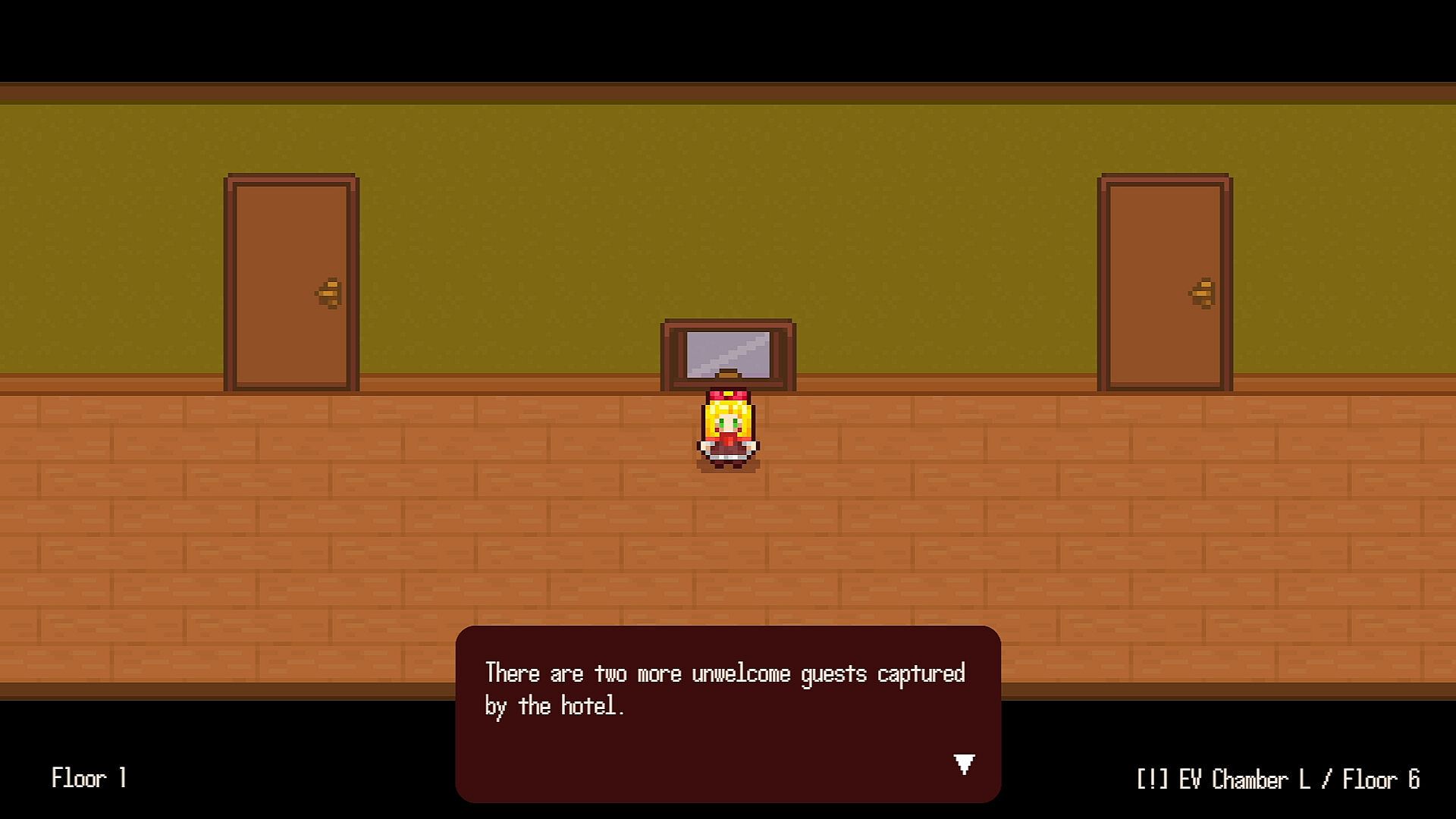
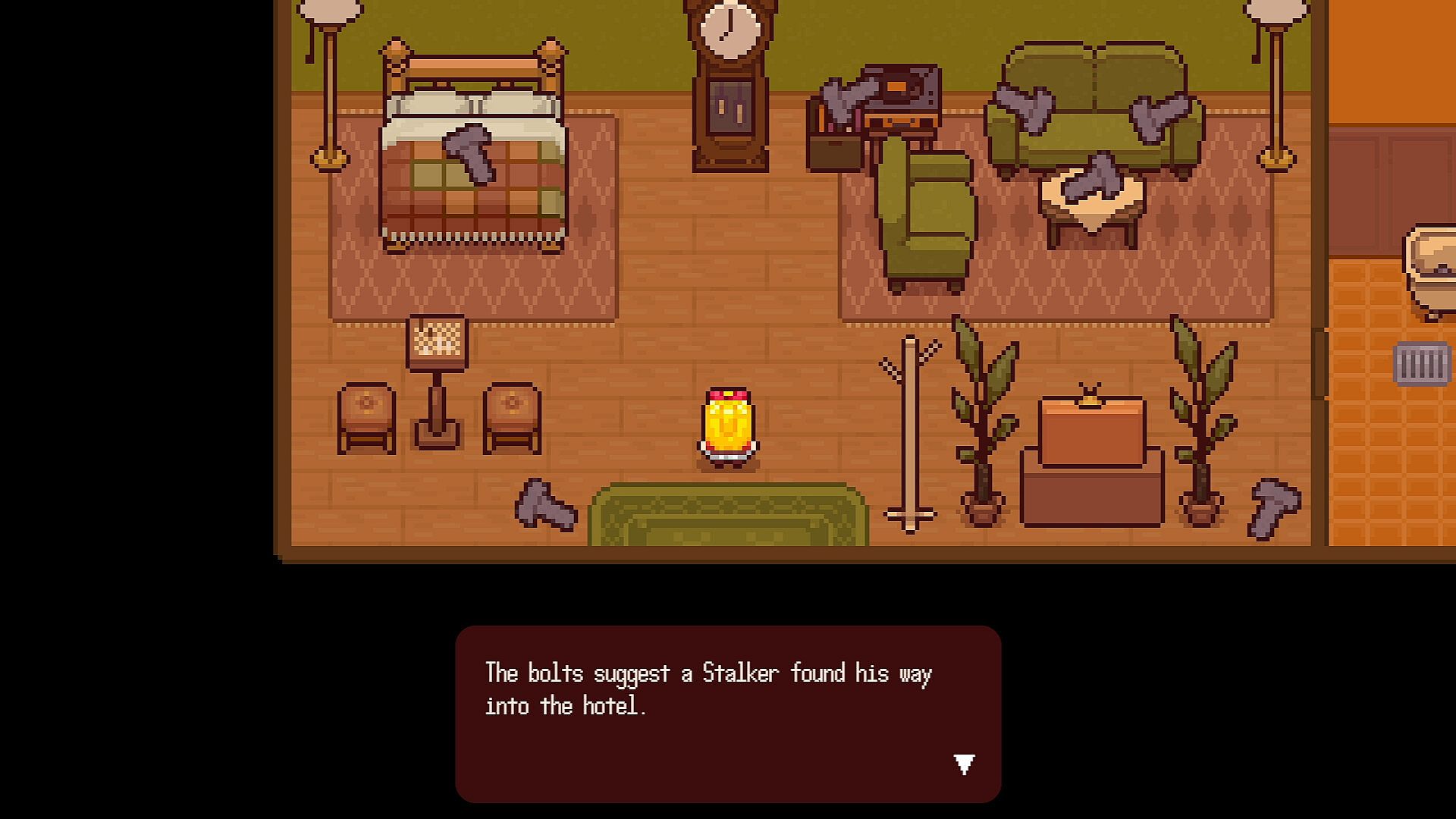
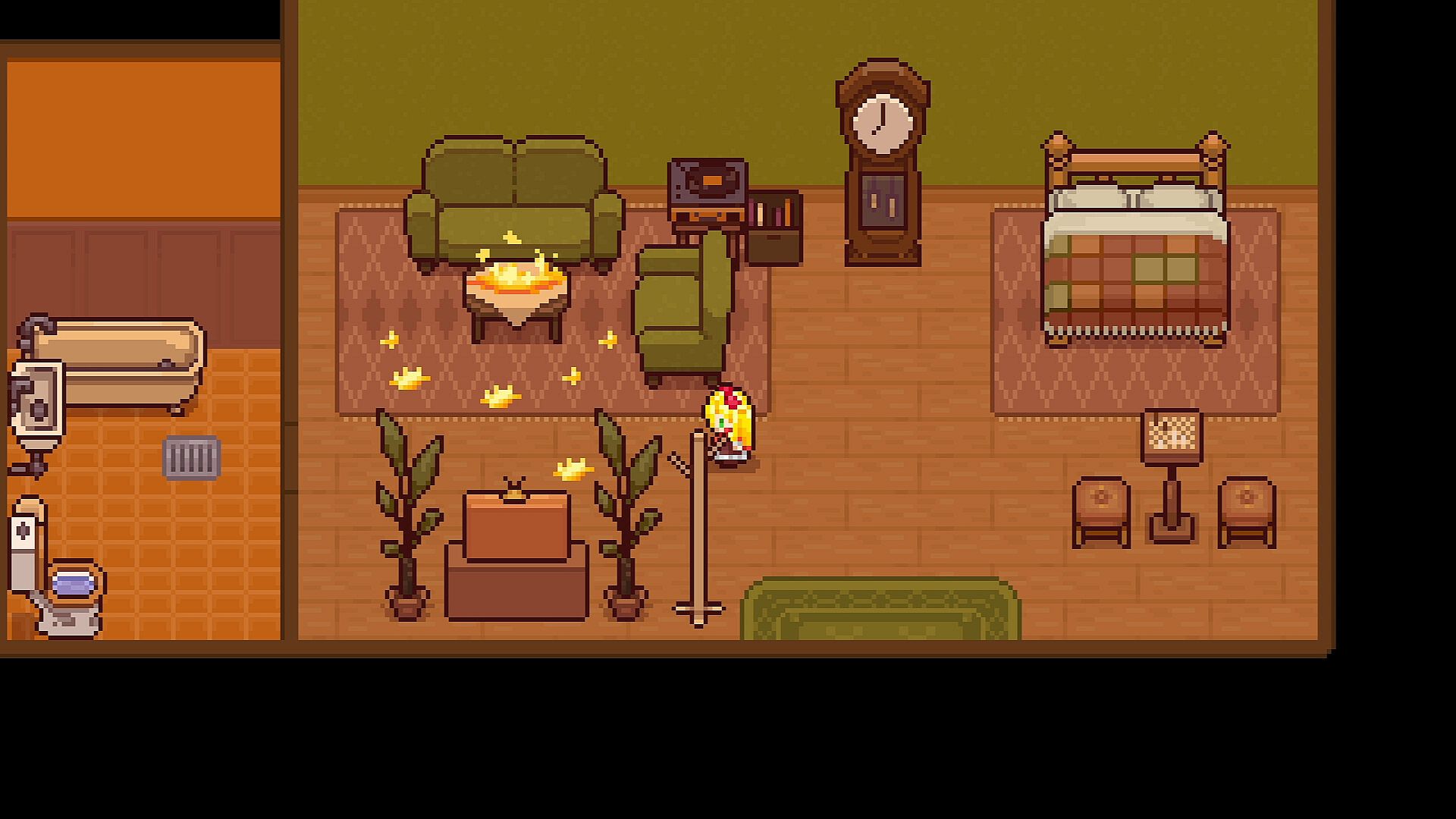
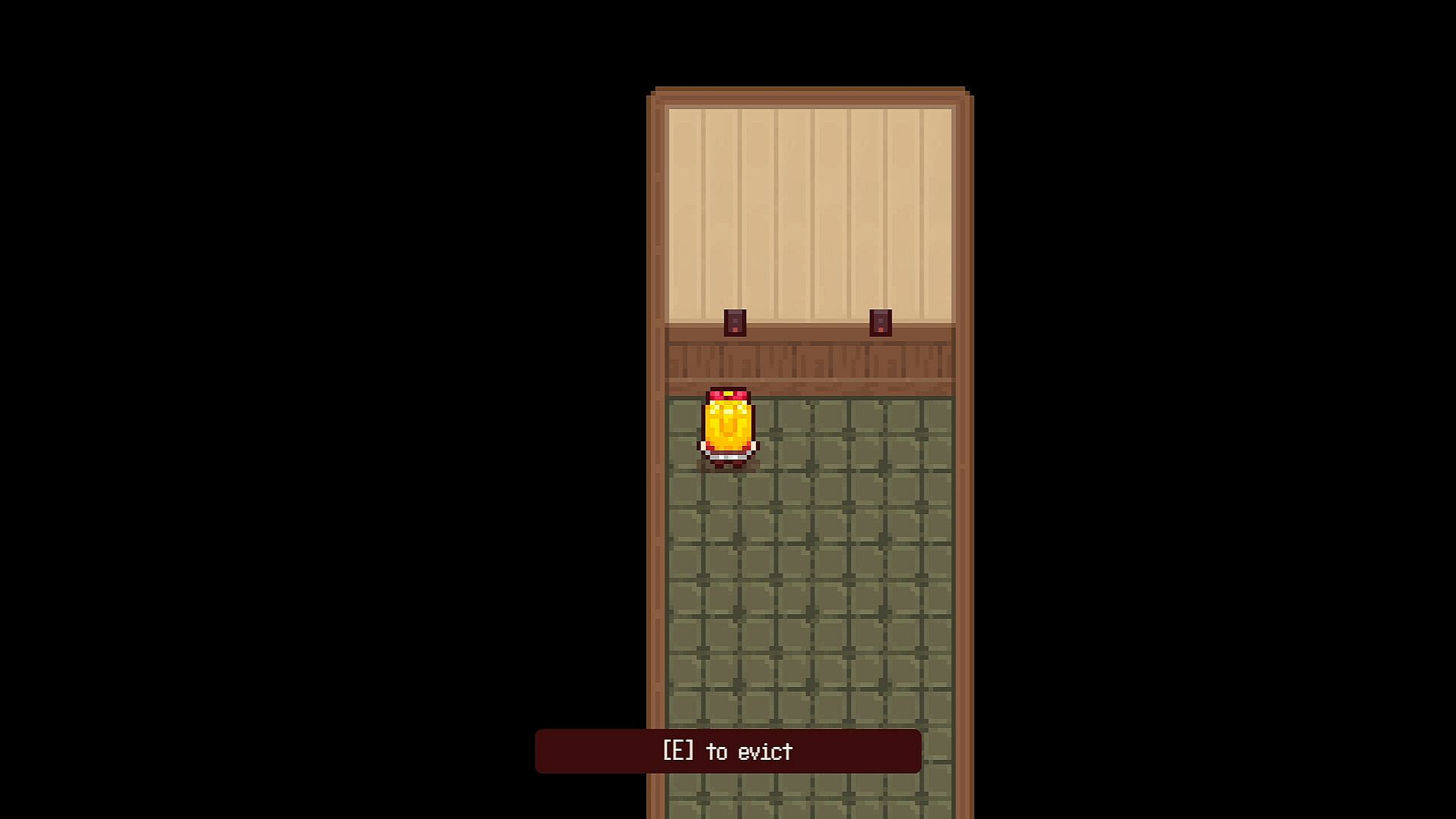
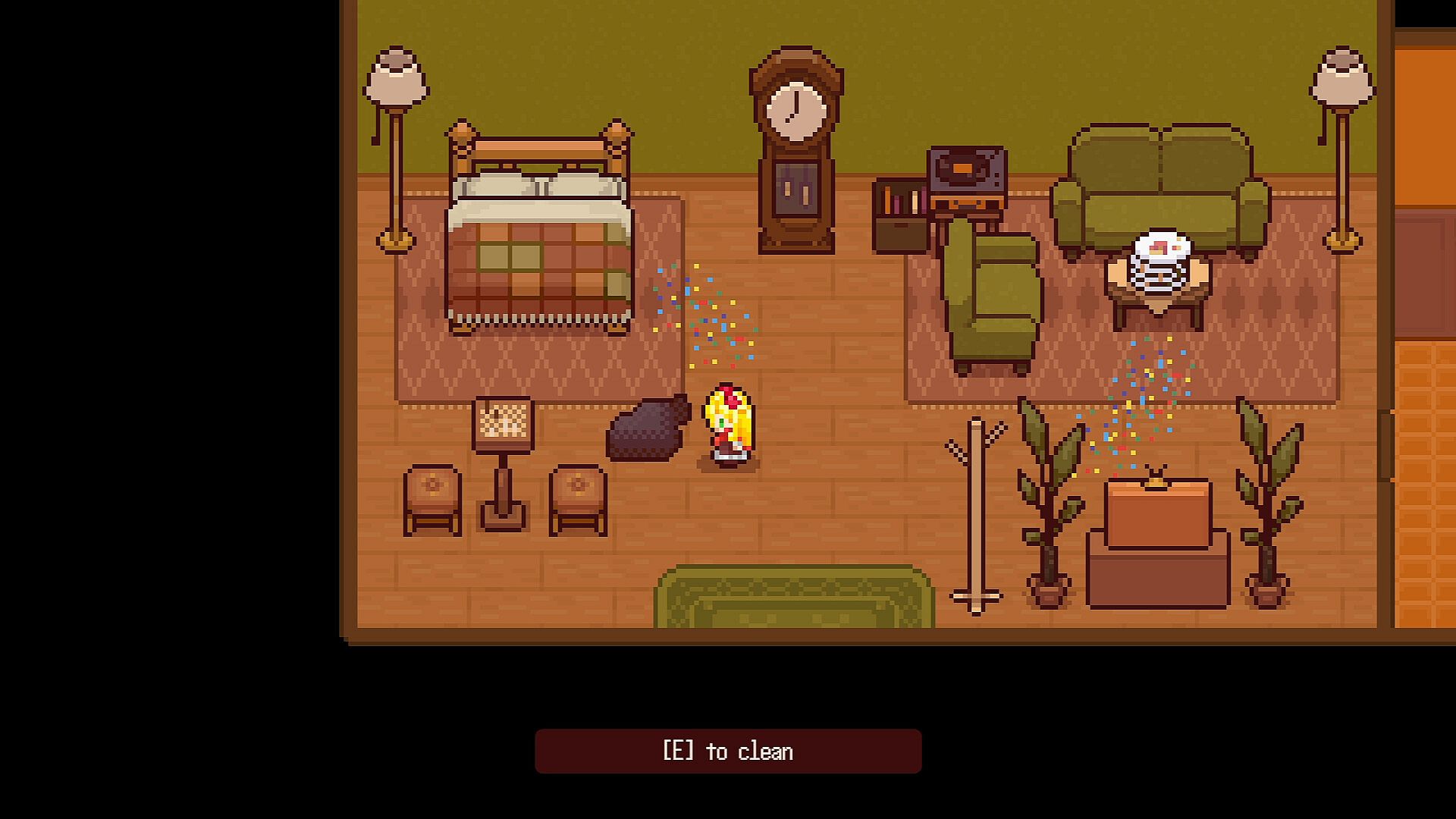
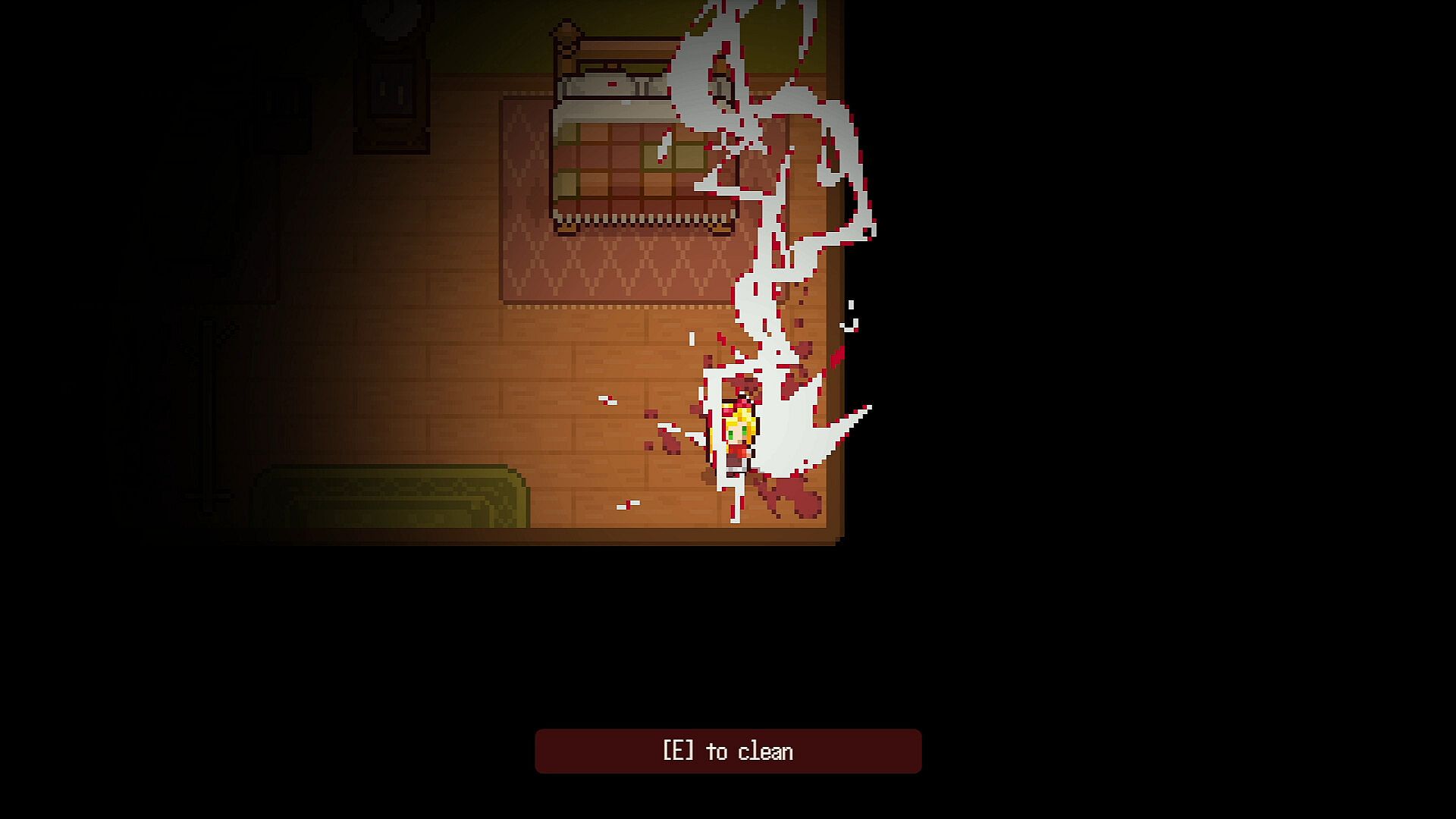
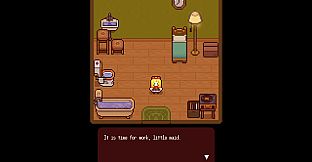
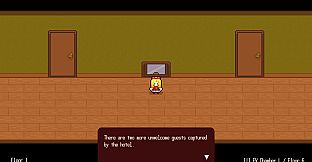
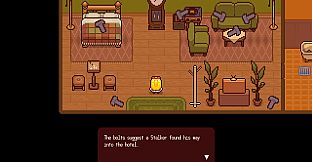
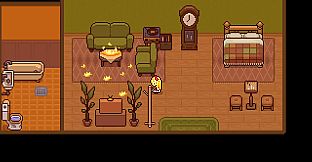
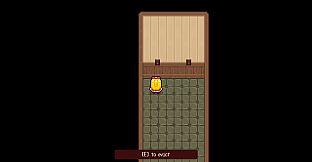
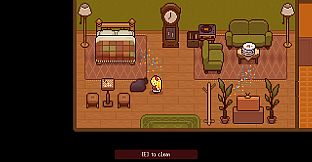
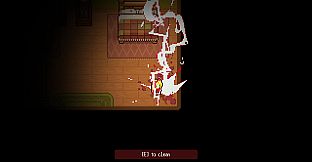
Hotel Milgram is a single-player indie adventure game with strong narrative horror elements. Players step into the role of Reid, the Red Maid employed at the enigmatic hotel, where daily duties center on cleaning and maintenance amid growing uncertainty about the building itself. The experience unfolds through careful exploration of numerous rooms, interaction with environmental details, and adherence to instructions delivered by the voice of Milgram. A previous guest has left behind a zone-esque artifact that disrupts normal operations, while a spatial anomaly has checked in, creating navigation challenges that turn routine tasks into tense sequences of problem-solving and discovery.
Gameplay
The core loop revolves around methodical cleaning across many rooms while managing the effects of the artifact and spatial anomaly. Reid must follow directions from the voice of Milgram precisely, as deviation carries implied risk in this unsettling setting. Navigation becomes unreliable due to the anomaly, requiring players to adapt routes and interpret subtle environmental cues to complete objectives. The 1910s music provides a constant atmospheric layer that contrasts with the modern horror elements, heightening the sense of displacement. Full voice acting delivers all dialogue and narration, allowing the story to emerge through spoken interactions rather than text alone. Exploration rewards attention to detail, as objects and anomalies in each room contribute to the unfolding narrative without relying on combat or resource management systems.
Game Modes
Hotel Milgram operates as a linear single-player experience with no separate multiplayer or competitive modes. The structure centers on progressing through a sequence of cleaning shifts, each influenced by the accumulating effects of the artifact and anomaly. Players complete tasks in a guided yet unpredictable environment, where choices in how to interpret and execute Milgram's instructions shape the immediate outcome of each day. The focus remains on narrative progression and atmospheric tension rather than branching gameplay variants or replayable challenges beyond the main story path.
Narrative and Atmosphere
Questions about Hotel Milgram drive the story: its true nature, the entities operating it, and whether it functions as a living entity that consumes guests. Reid's straightforward role as cleaner becomes complicated by the artifact and anomaly, turning each shift into a test of obedience and observation. The voice of Milgram serves as the sole reliable guide, emphasizing that following instructions prevents negative consequences. This setup creates a unique narrative horror experience where dread builds through implication and environmental storytelling rather than overt scares. The curated 1910s music reinforces the hotel's timeless, isolated quality, blending historical tones with the spatial distortions players encounter.
Is It Worth Playing?
Hotel Milgram suits players who enjoy deliberate, story-driven adventure games with horror undertones and strong voice performances. The emphasis on cleaning tasks transformed by anomalies offers a fresh twist on maintenance simulators, while the full voice acting and atmospheric soundtrack support immersion in the central mystery. Those seeking fast-paced action or extensive customization will find the focused scope limiting, yet the game delivers a cohesive narrative experience for fans of psychological tension and guided exploration. With its indie roots and emphasis on a single, carefully crafted story, it appeals most to audiences interested in short-to-medium sessions centered on atmosphere and character voice rather than open-ended systems or ongoing content updates.