



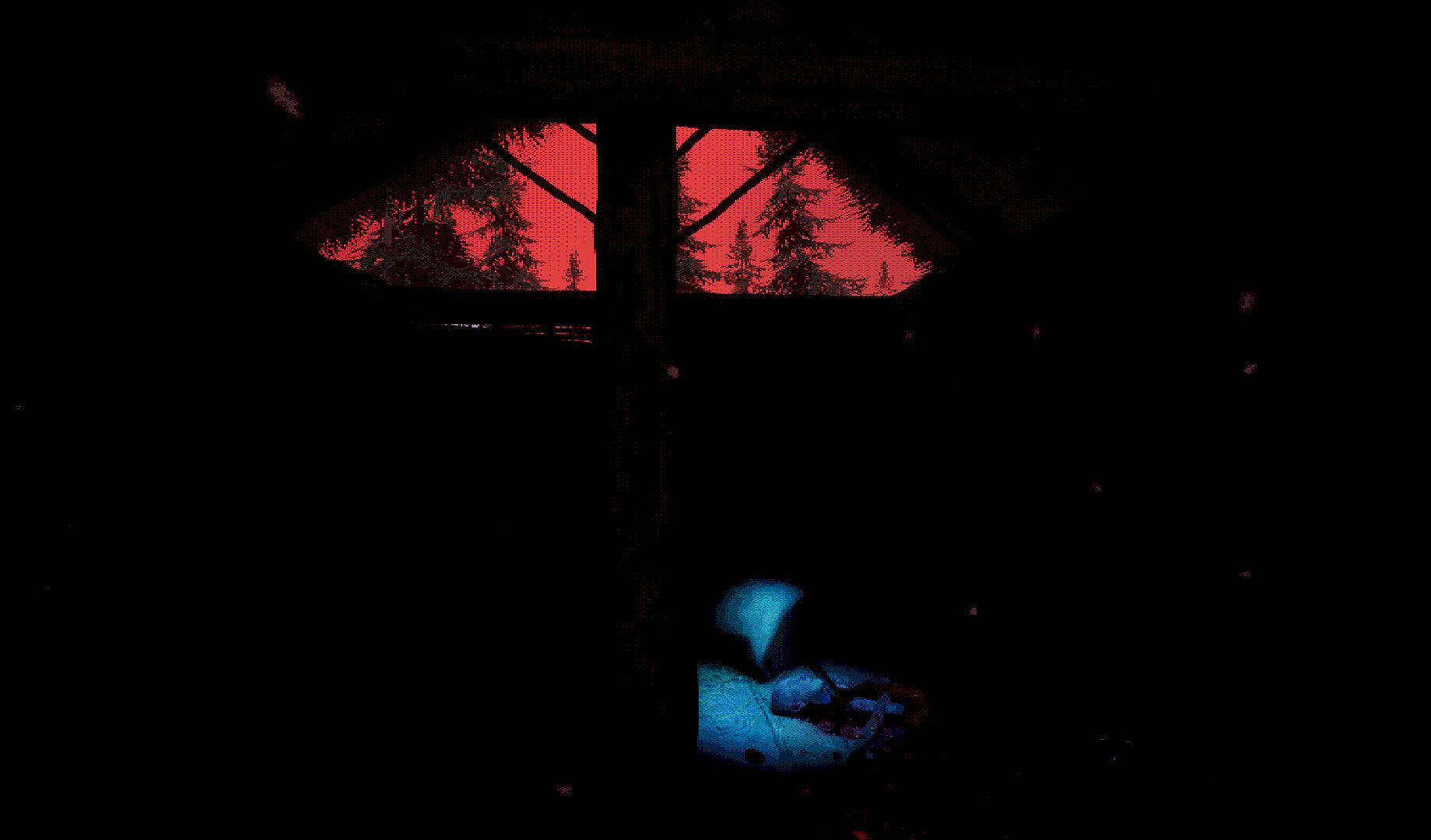
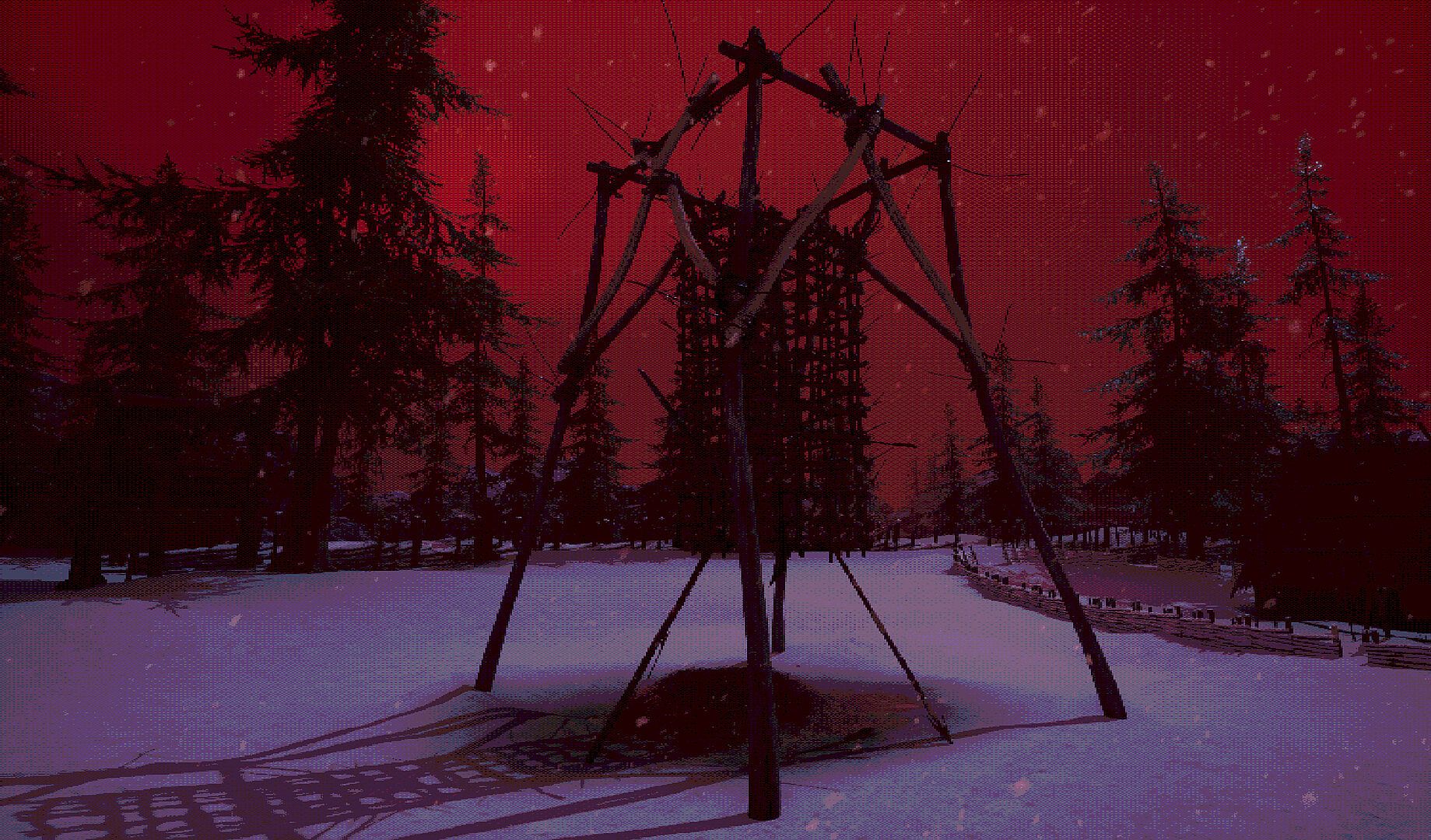

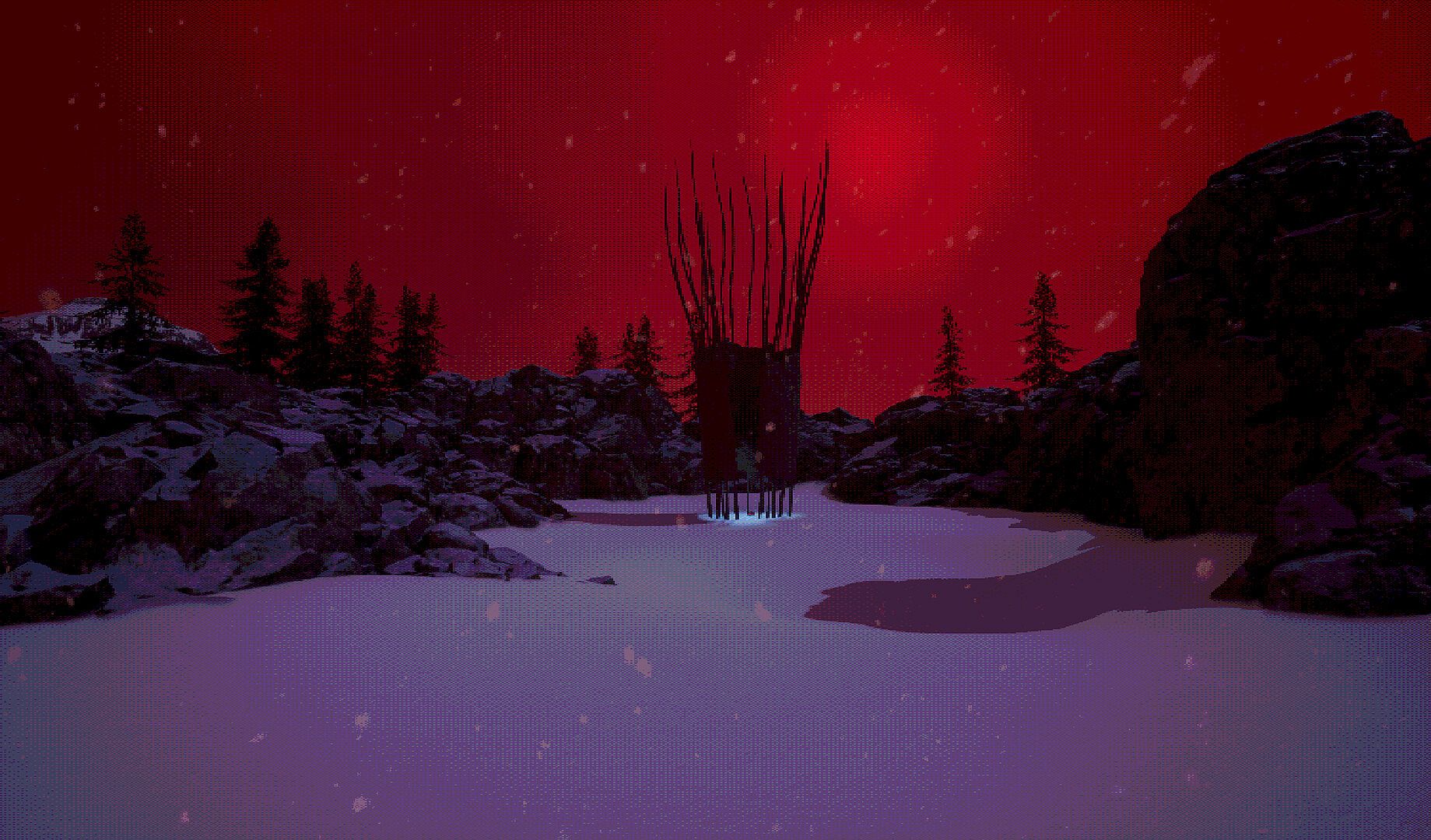
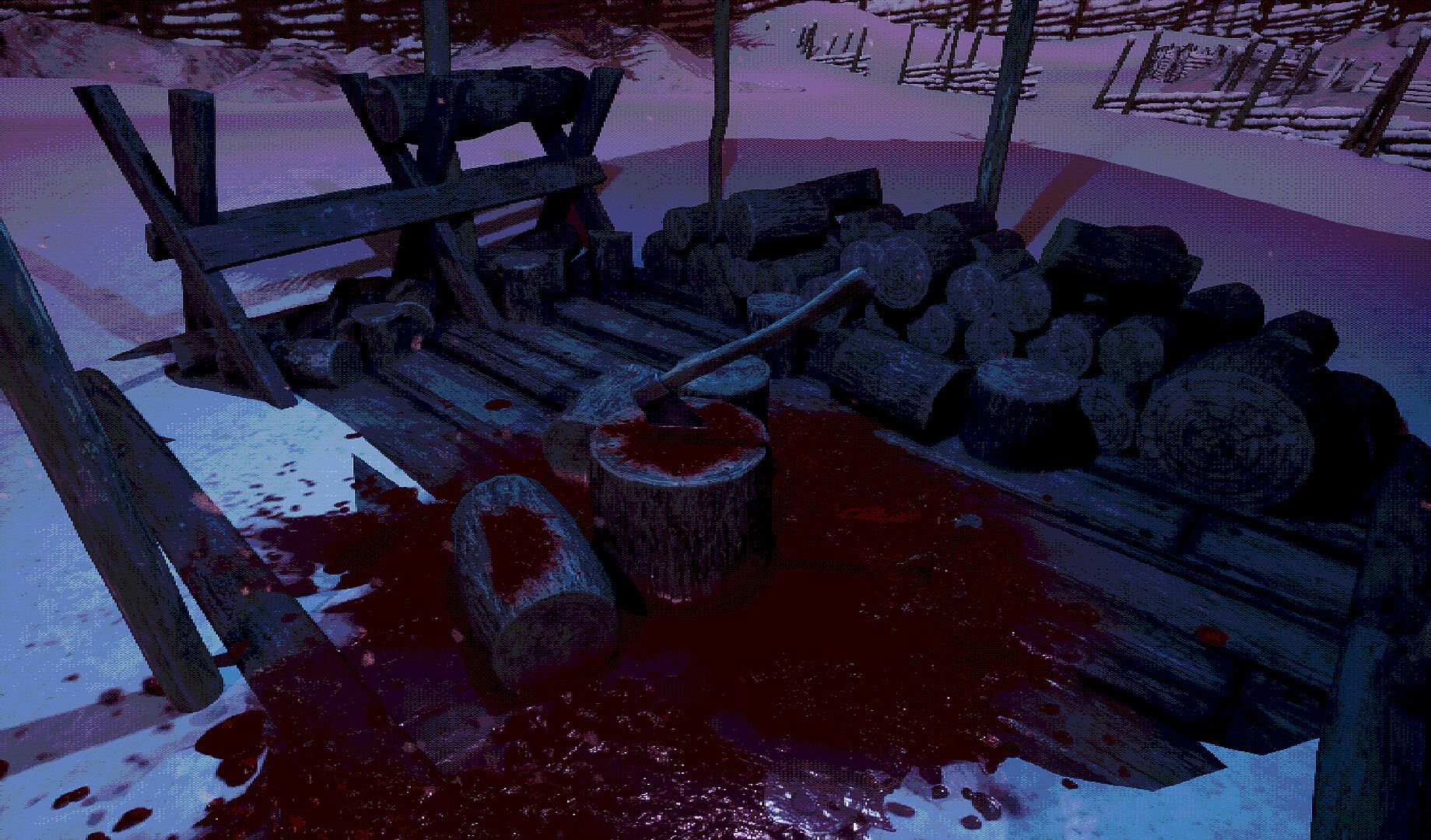





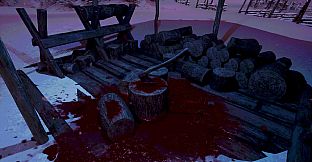
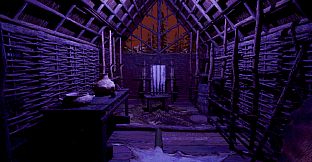

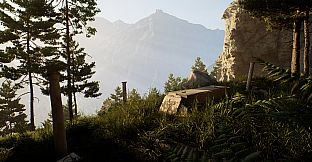
Hyperarousal is a first-person psychological horror adventure game developed by Aion Interactive. Set in the Camonica Valley of northern Italy, it follows Garlo as he returns to his family home seeking quiet away from modern life. What starts as a retreat quickly shifts into a narrative experience where dreams pull him into the memories of his ancestors, blending present-day exploration with visions from historical periods.
Gameplay
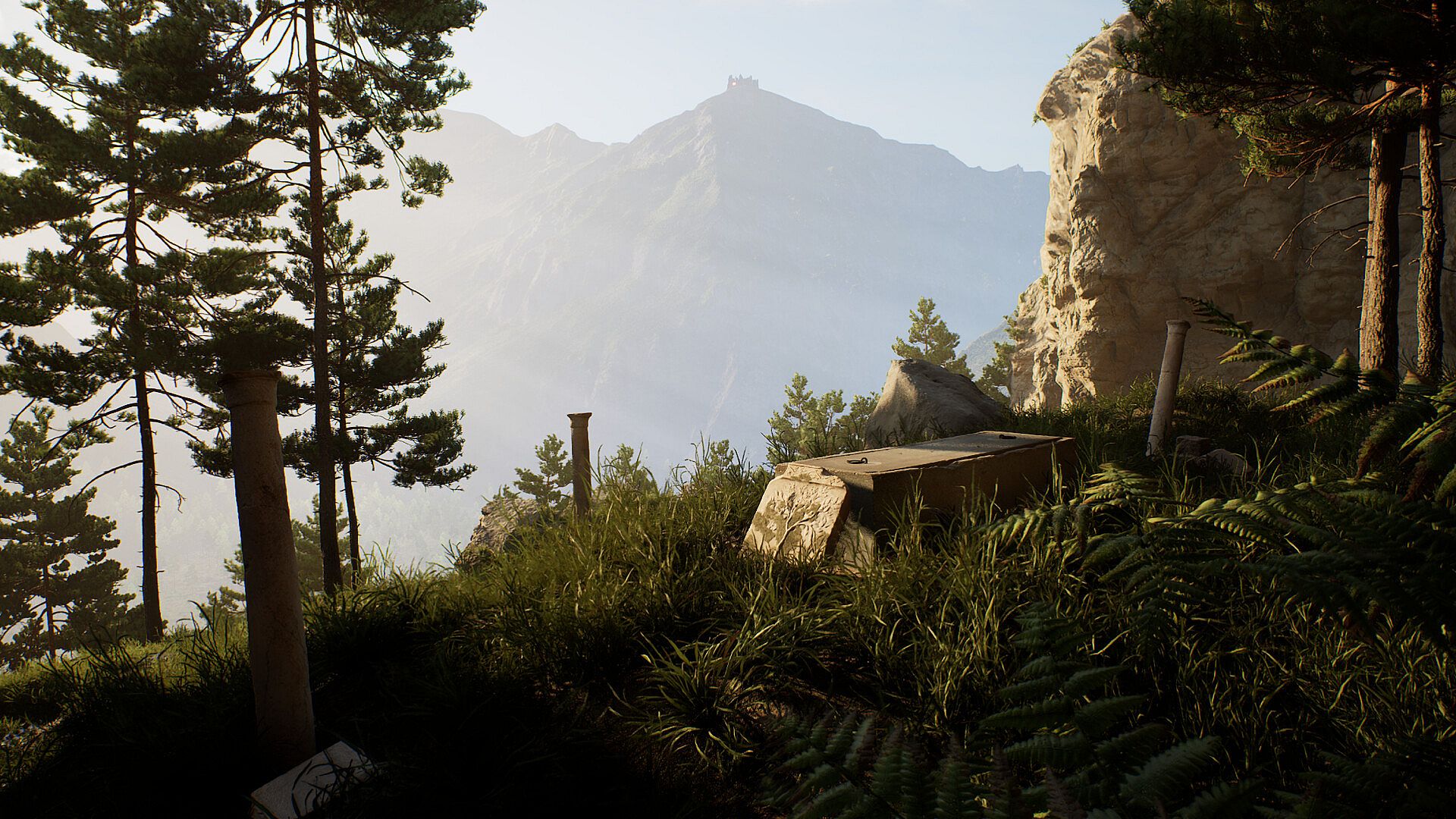
The core loop centers on exploration of realistic landscapes that gradually incorporate historical and psychological elements. Players move through the valley in the present, investigating locations and examining objects. The Deck tool allows close inspection of items to reveal connections between the current time and past eras. Environmental puzzles require attention to sound, symbols, and spatial details rather than combat or resource management.
Hypervision serves as a key mechanic for uncovering hidden clues, audio cues, and alternative routes. Each activation carries a cost that affects Garlo's state, making repeated use blur distinctions between memory, reality, and hallucination. Behavior during exploration and reactions to pressure contribute to a psychological profile that alters sensory details, environmental elements, and available paths without presenting explicit dialogue choices.
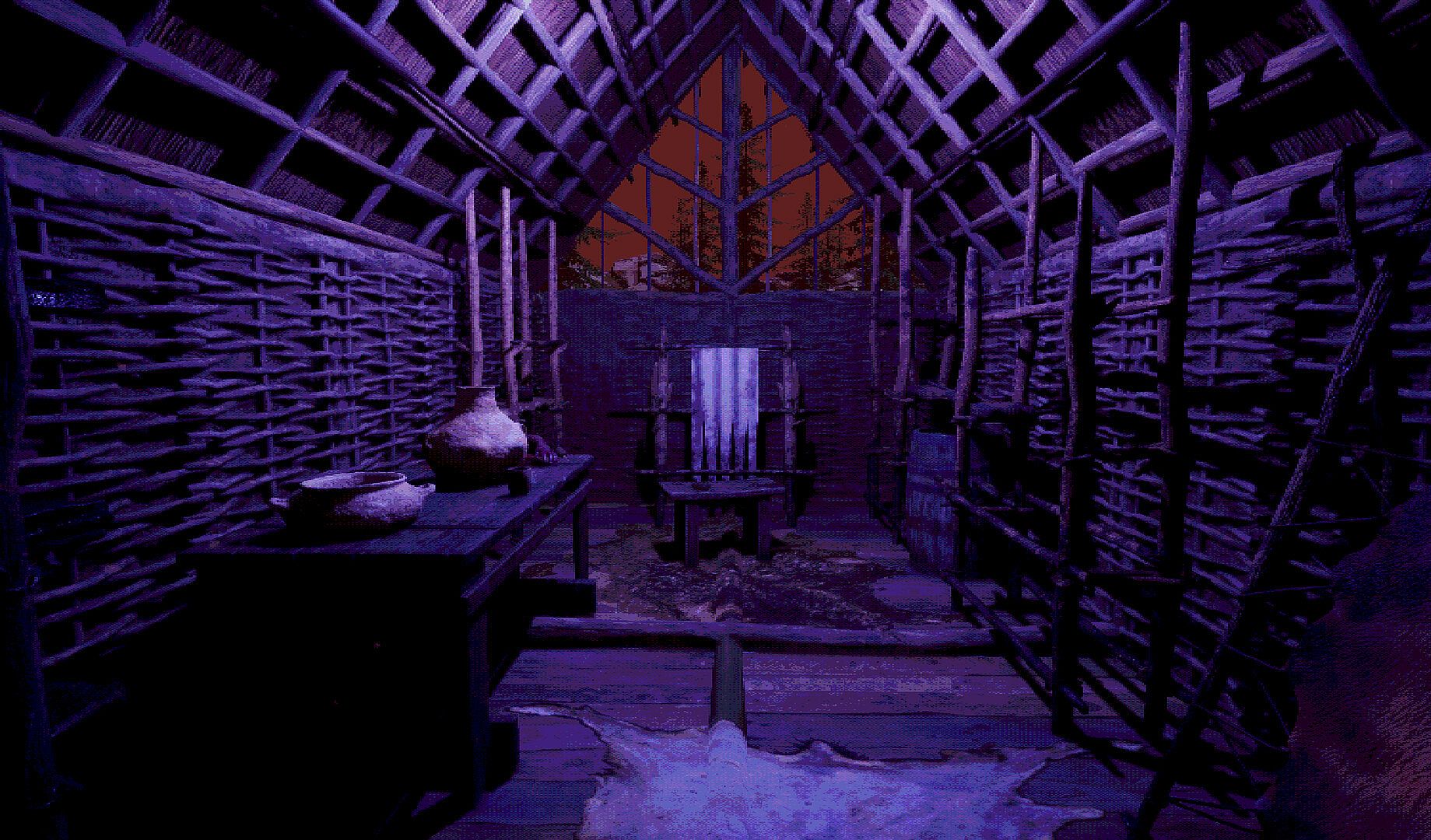
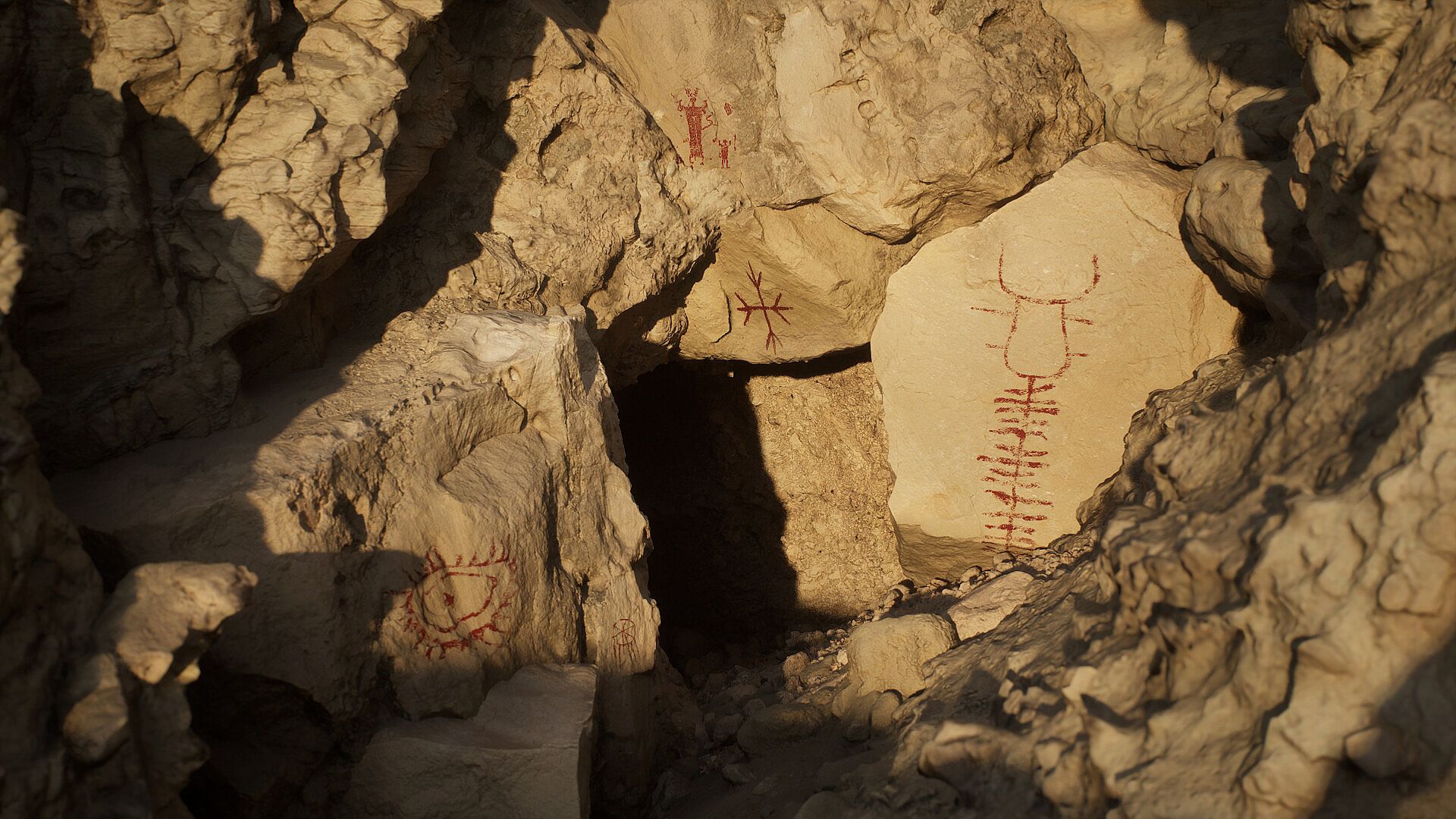
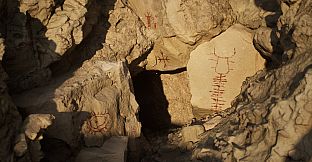
Dream sequences shift the setting to different historical eras, from ancient Camuni times through the arrival of the Celts and into the twentieth century. These sections introduce varied artistic directions and puzzle approaches while maintaining the focus on perception and memory. The game draws from documented research on the valley's rock art and history to ground its archaeological and folkloric themes alongside cosmic horror influences.
Game Modes
Hyperarousal operates as a single-player narrative experience with no separate multiplayer or competitive modes. Progression follows a linear story structure that alternates between present-day exploration and dream sequences set in past eras. The psychological profile system ensures that individual play patterns influence how the environment and story unfold, creating variations in perception and path availability across different sessions without branching into distinct game modes.
The demo provides a self-contained introduction that moves between contemporary valley locations and one dream sequence tied to the Celtic period. It demonstrates core mechanics such as environmental clue following, sound-based navigation, and perception shifts without requiring a full playthrough.
Story and Setting
The narrative explores themes of memory, identity, and intergenerational traces through Garlo's personal history intertwined with the land's past. As the boundary between waking life and dreams weakens, players encounter fragments of ancestral lives that connect to broader historical shifts in the region. Realistic environments transition into distorted visions that incorporate elements of archaeology and folklore.
Research into the Camonica Valley's rock art and cultural layers informs the historical accuracy of dream settings, from pre-Roman Camuni settlements to later periods. These elements serve the central story of how one generation's experiences shape the next, presented through environmental storytelling and object examination rather than direct exposition.
Is It Worth Playing?
Hyperarousal targets players interested in psychological horror that emphasizes exploration, environmental puzzles, and perception-based mechanics over action or jump scares. The single-player structure and focus on narrative depth suit those who enjoy atmospheric adventures with research-backed historical and folk elements. A demo is available to sample the present-day valley sections and one dream sequence, allowing assessment of the core systems before the planned 2027 release on PC.
With development still ongoing and no completed player reviews available, the experience stands on its described mechanics and thematic integration. Those drawn to first-person adventures that adapt based on individual behavior and connect personal stories to cultural history may find the approach distinctive. The absence of combat or resource systems keeps emphasis on observation and decision-making through movement and tool use.