




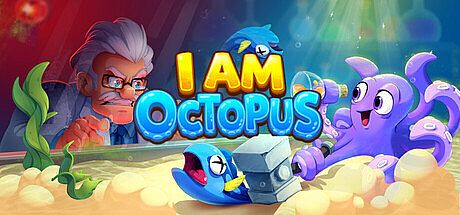


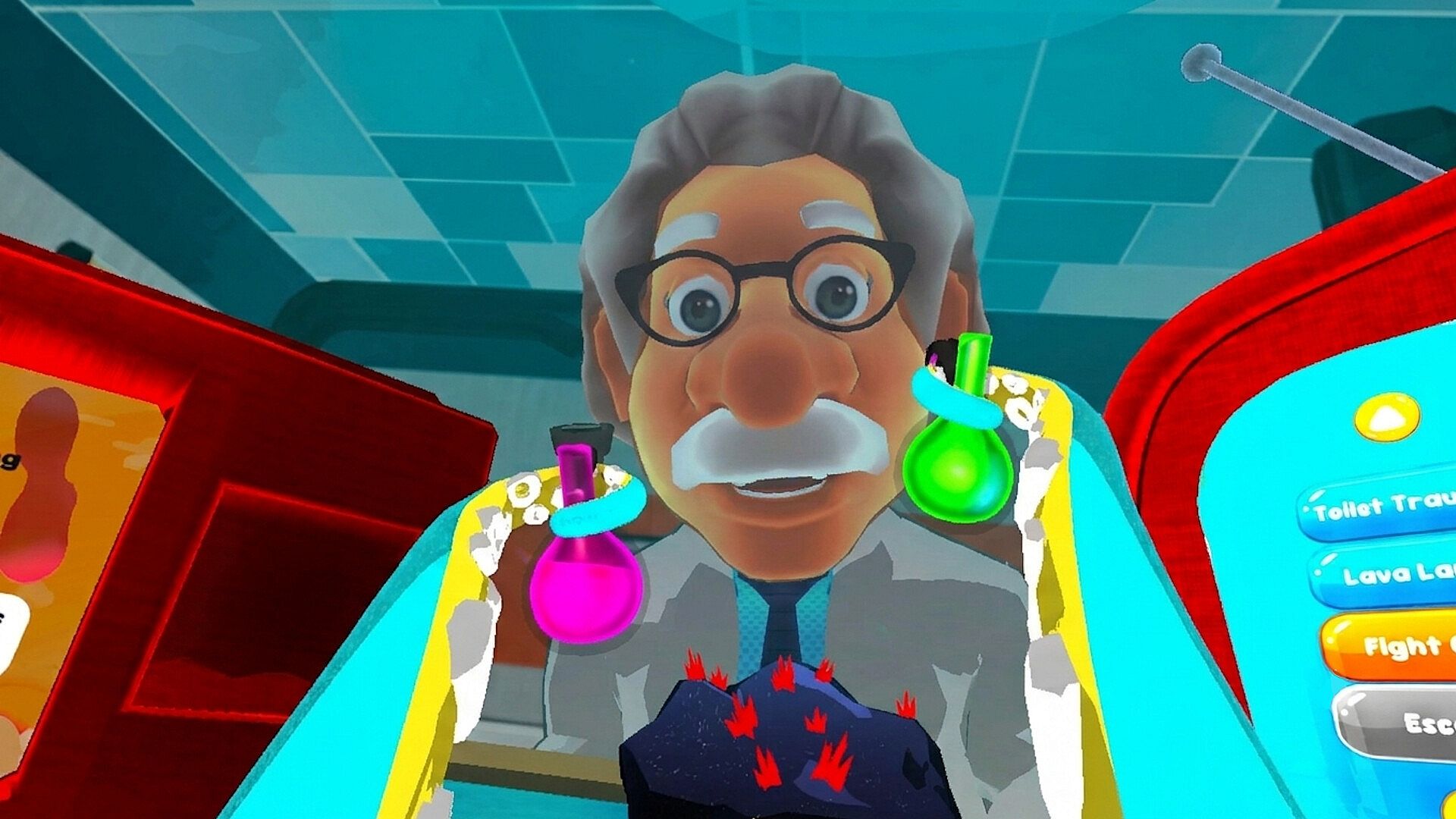
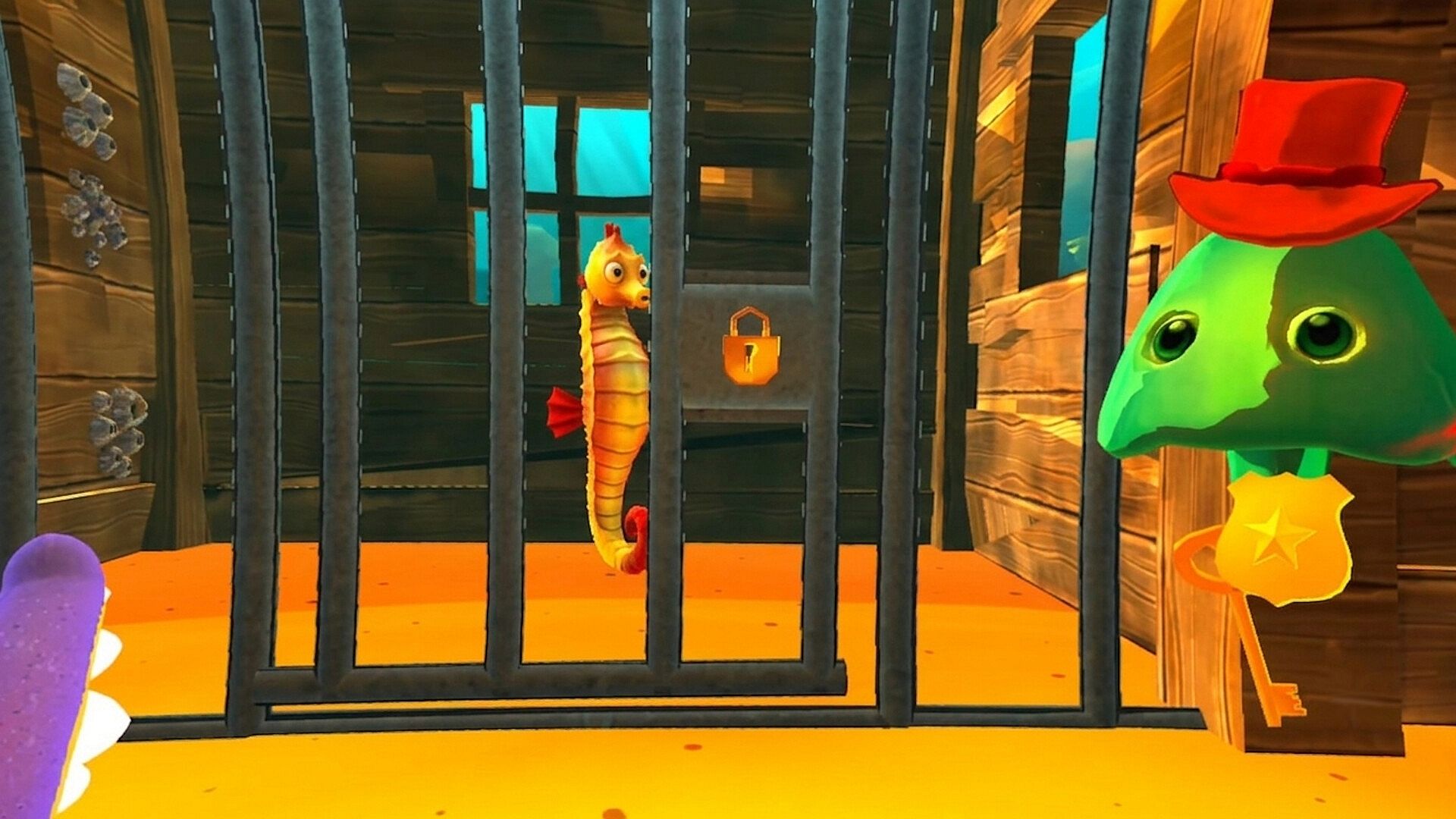
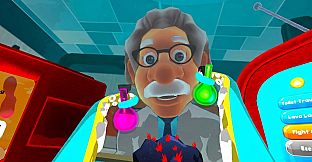
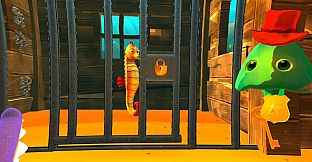
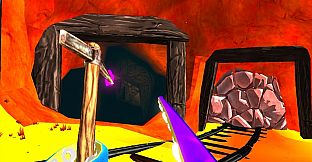
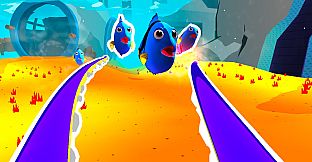
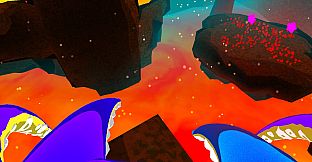
I Am Octopus is a simulation and adventure game that places players in the role of an octopus navigating a laboratory filled with experiments. The core premise follows a captive creature attempting to escape the schemes of Dr. Docto through physical movement and problem solving in a VR environment on PC.
Gameplay
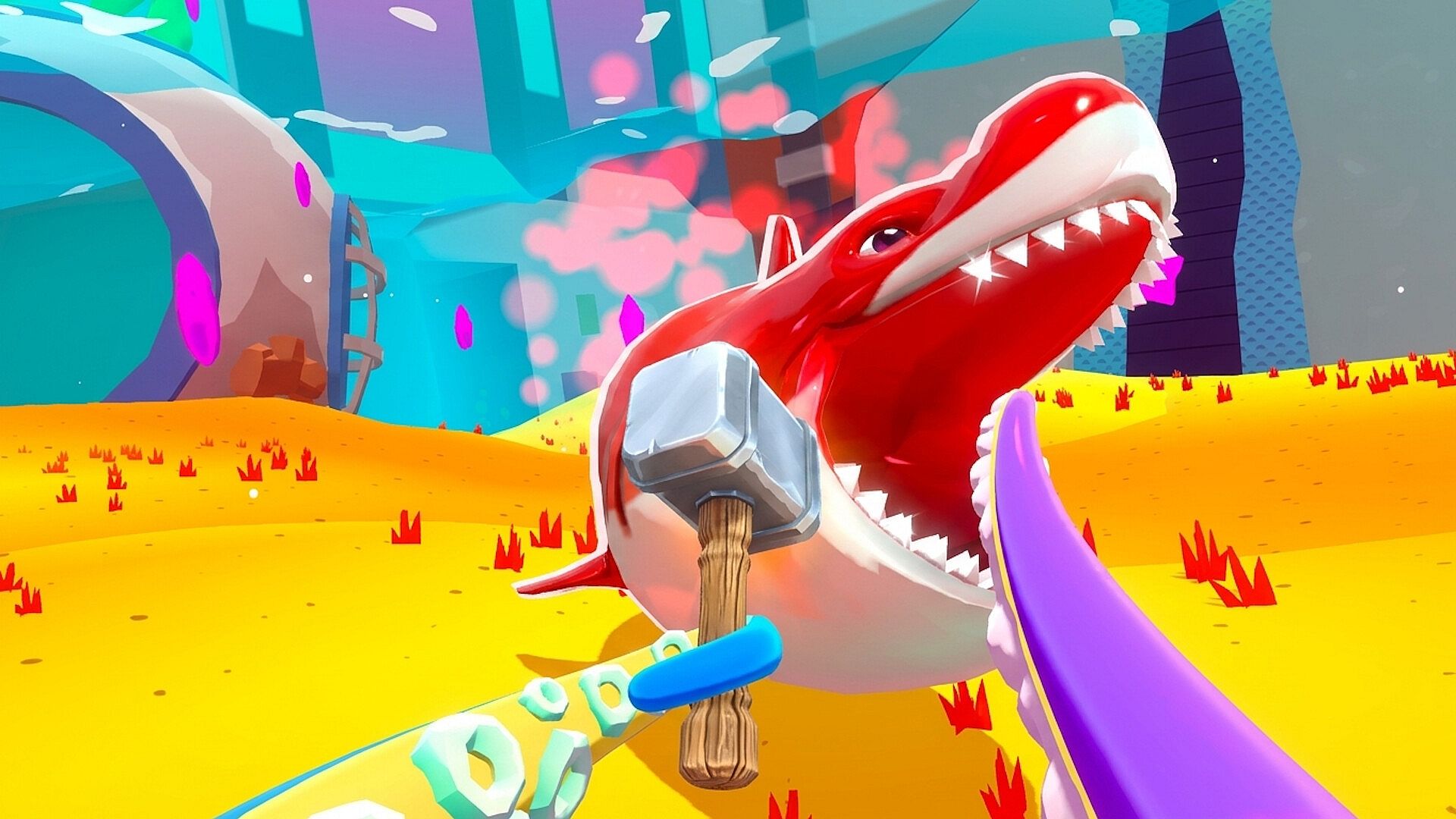
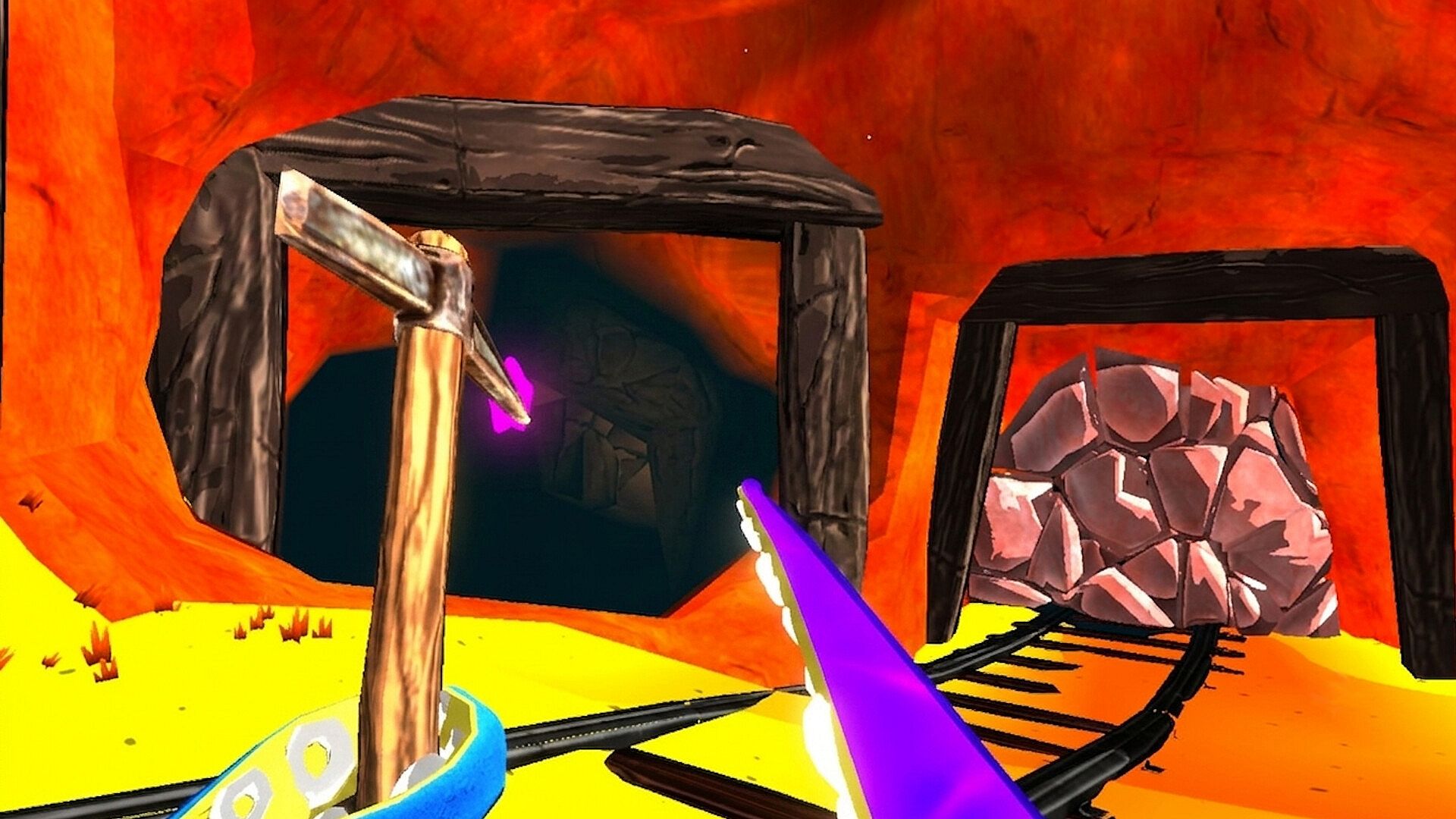
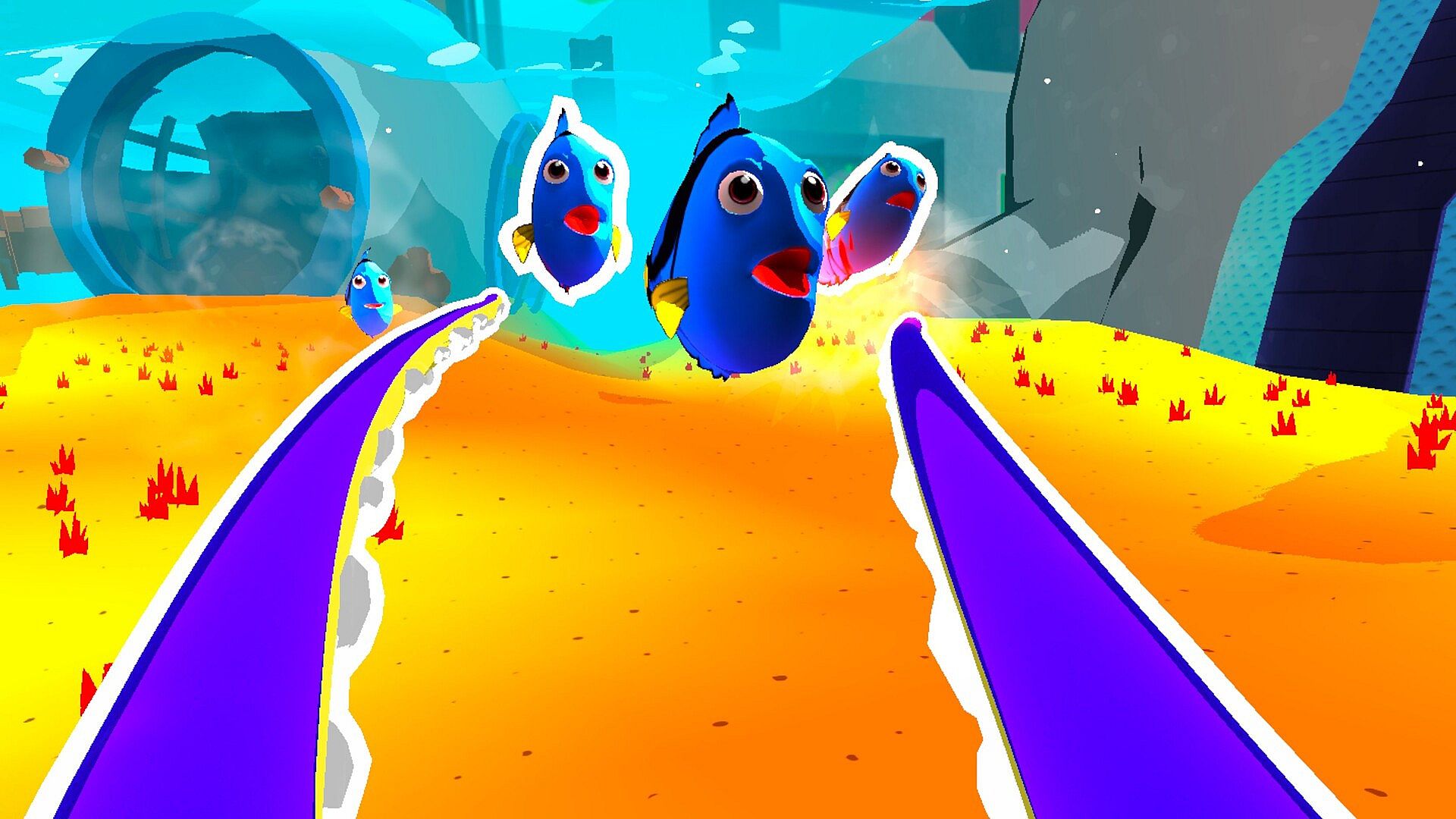
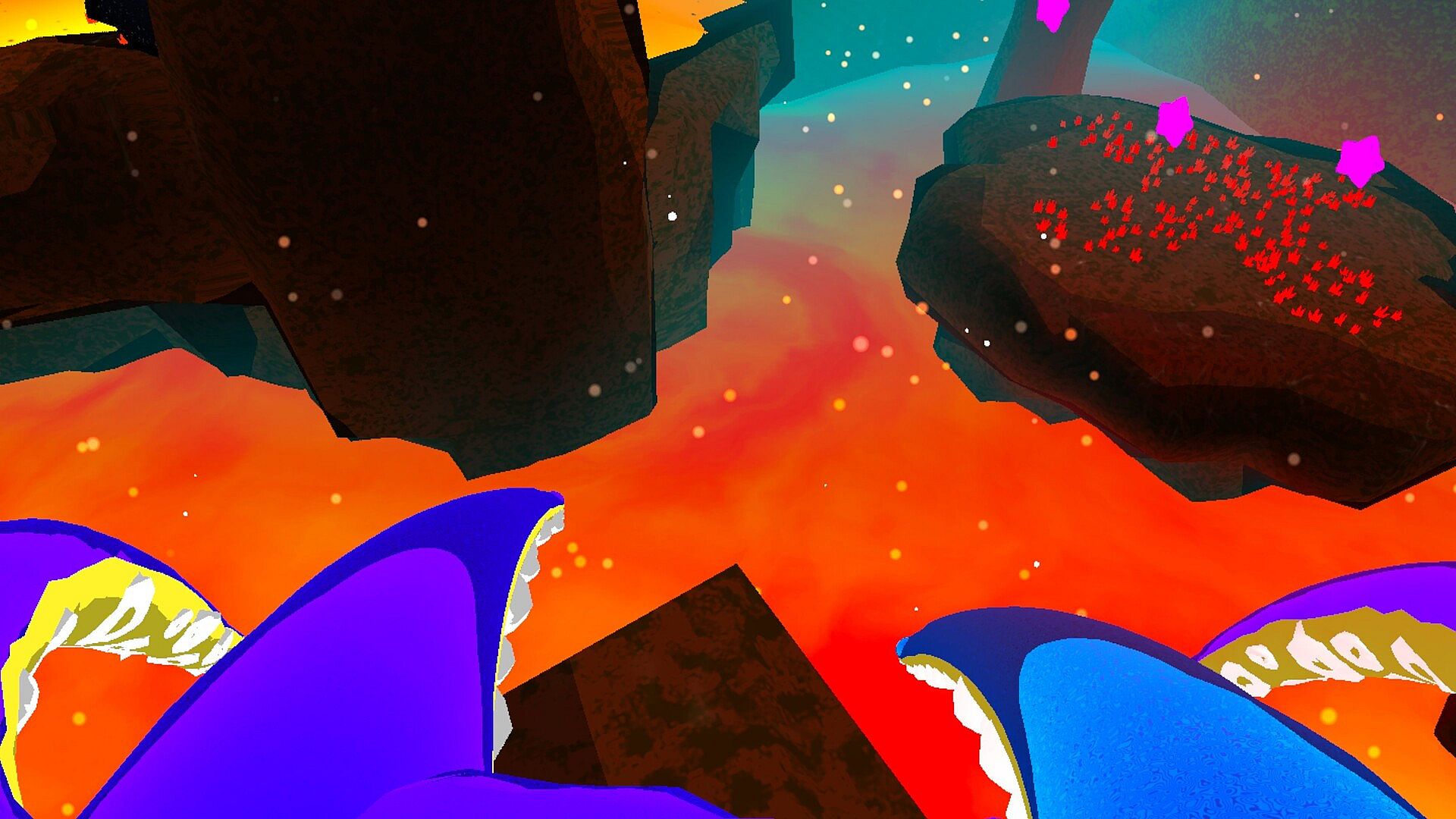
The central mechanic revolves around fluid hand-based locomotion that lets players stretch tentacles to fling, pull, climb, and stick to surfaces. This system creates a sense of direct control over the octopus body as it moves through tanks and across lab floors. Players use these abilities to interact with the environment, solving obstacles by experimenting with reach, adhesion, and momentum.
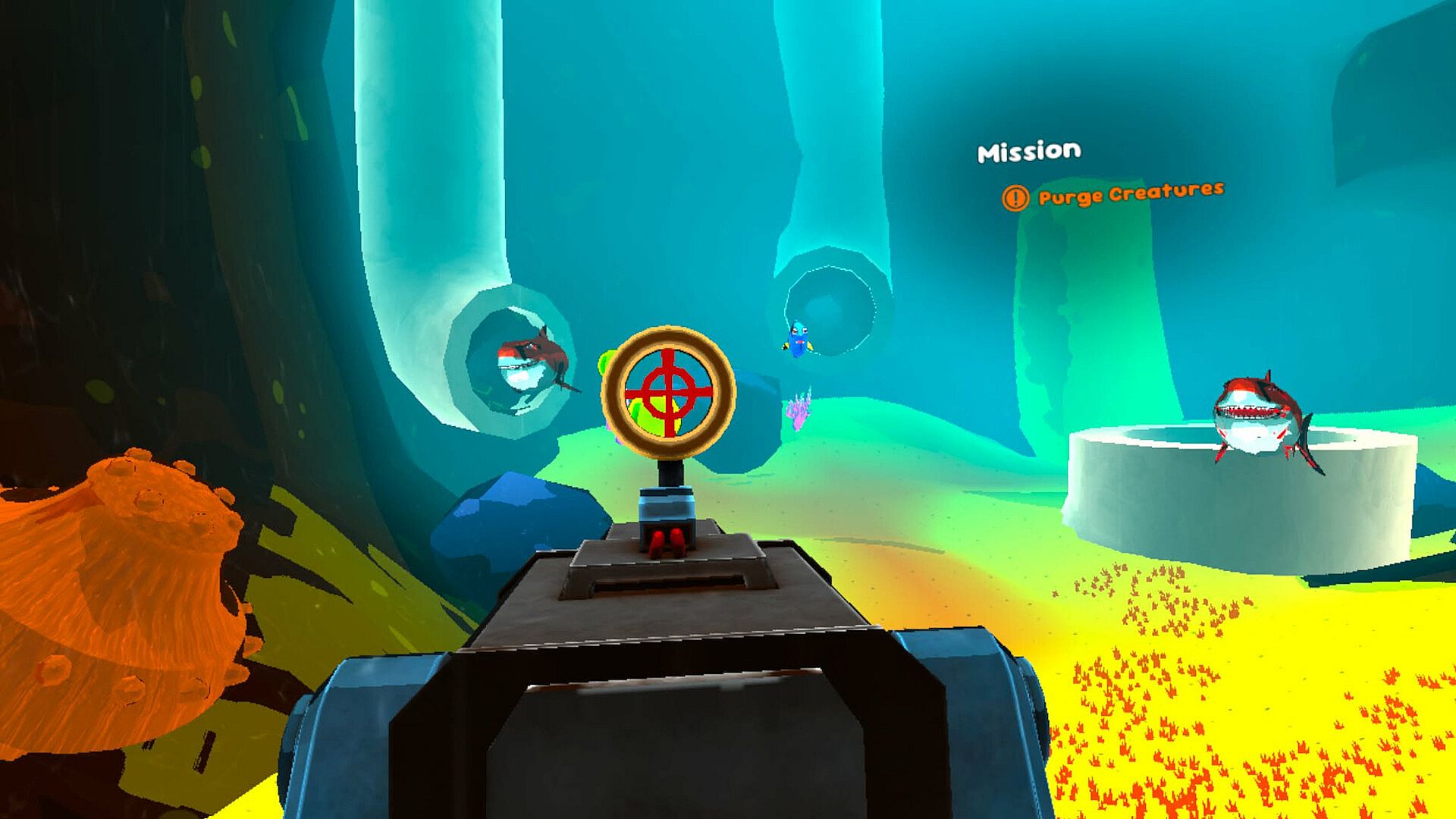
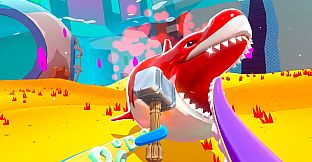
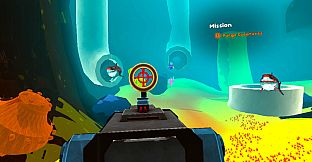
Additional systems include battling threats, consuming items for growth, and employing camouflage to avoid detection. Puzzles encourage trial and error, with solutions emerging from creative application of tentacle physics rather than linear paths. The experience emphasizes exploration within contained laboratory spaces where each challenge builds on previous successes to increase the octopus's capabilities.
Game Modes
The game operates entirely as a single-player experience. Challenges unfold through a series of experiments designed by Dr. Docto, each presenting new tanks, hazards, and objectives. Progression ties directly to completing these trials, which unlock further strength and options for movement or interaction.
There are no separate competitive or cooperative modes. All activity centers on the solitary escape narrative, with replay value coming from refining techniques across the same set of experiments to achieve better outcomes or discover alternate approaches.
Setting and Progression
The laboratory setting serves as the primary stage, featuring interconnected tanks and open floor areas that test different octopus traits. Dr. Docto provides ongoing narration and new tasks that advance the story of captivity and resistance. As players succeed, the octopus gains power, allowing access to previously unreachable areas or stronger responses to threats like other aquatic creatures.
Mechanics such as eating and combat integrate into the progression loop, turning survival elements into tools for empowerment. The focus remains on incremental growth through repeated engagement with the lab's puzzles and hazards rather than open-world freedom.
Is It Worth Playing?
Early access feedback on the Meta Quest version highlights strong player engagement with the movement system and puzzle design, earning ratings around 4.6 from dozens of reviews. The game appeals most to those who enjoy VR titles centered on physical interaction and inventive problem solving in a contained, story-driven package.
With its planned Steam release in October 2026, the PC version offers the same core loop for players seeking a distinctive single-player simulation. Those drawn to hand-tracked or controller-based creature control and laboratory escape challenges will find consistent value in the verified mechanics, while others may prefer titles with broader multiplayer options or larger scopes. The current state of active updates and positive reception supports trying it for its unique locomotion and experimentation focus.











