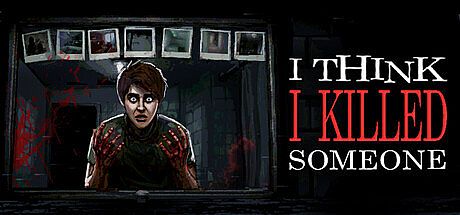


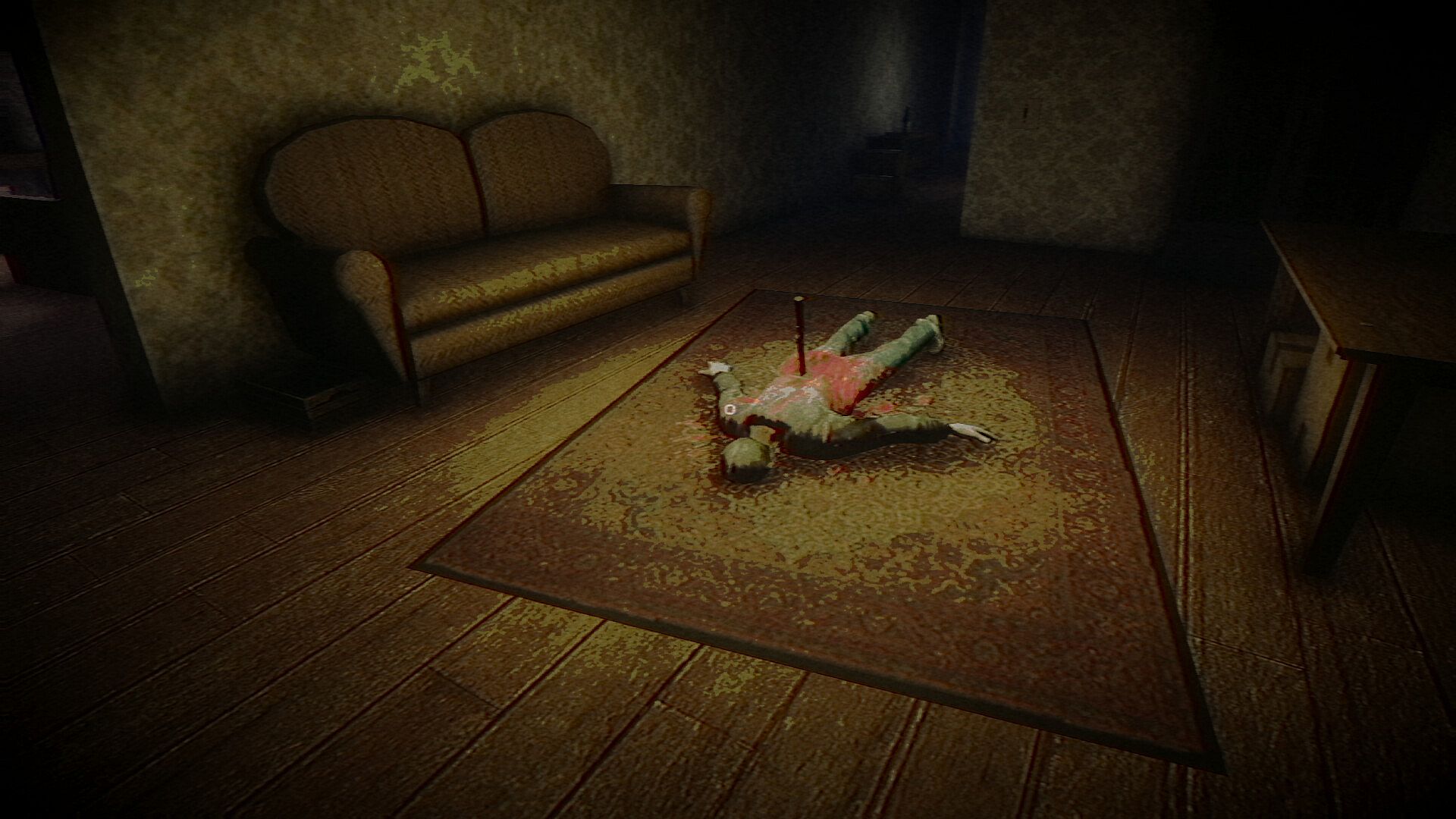
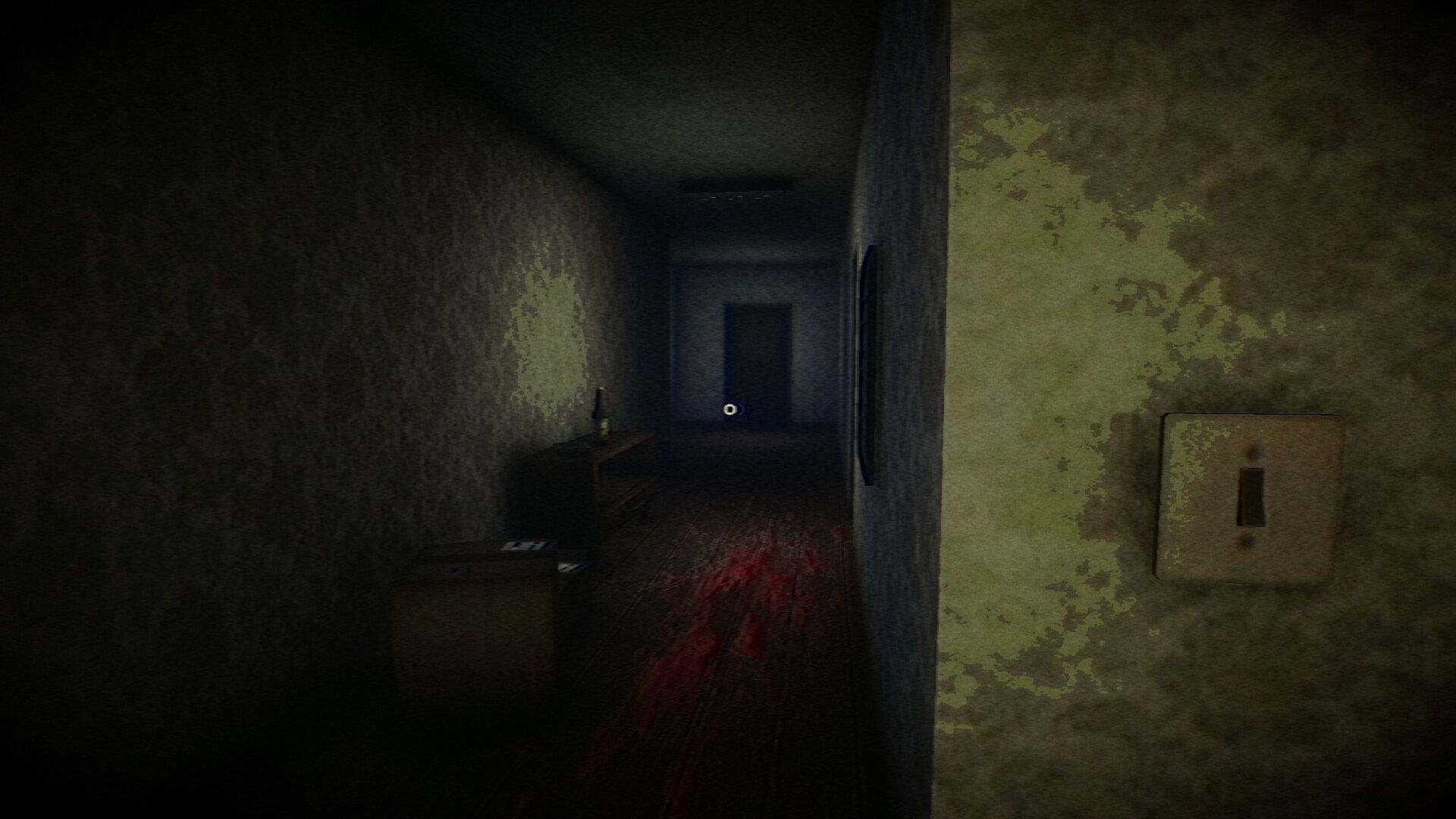
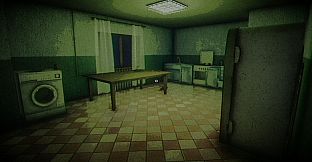

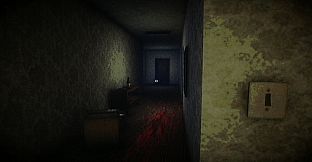
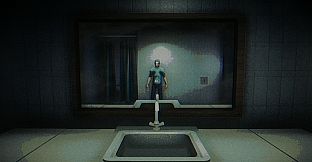
I Think I Killed Someone is a single-player adventure game set entirely within one apartment. The player awakens to discover a dead body in the hallway and must confront the possibility that dementia has erased the events leading to this moment. The central question remains unresolved until the full sequence of events is reconstructed through careful investigation.
Gameplay
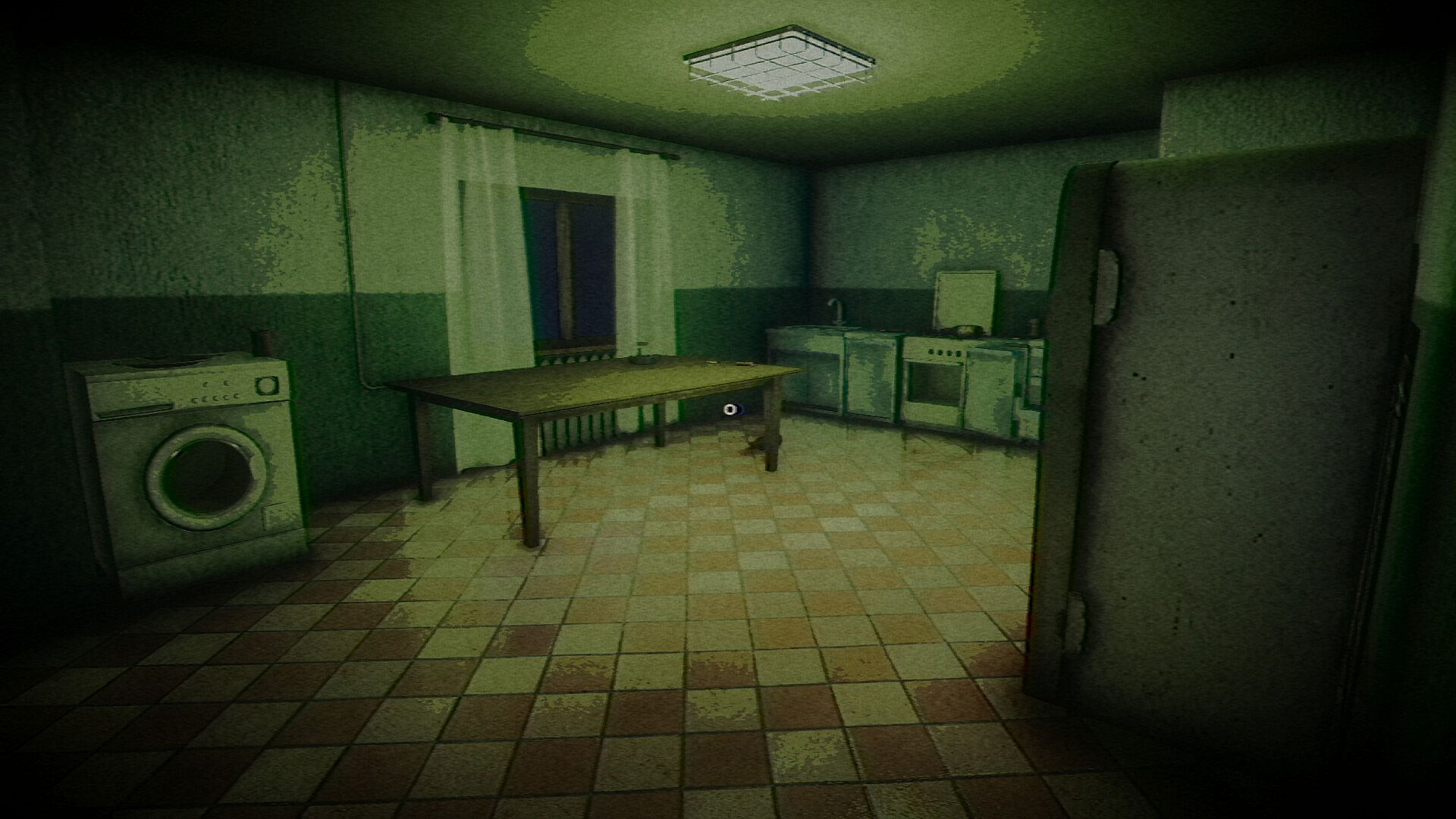
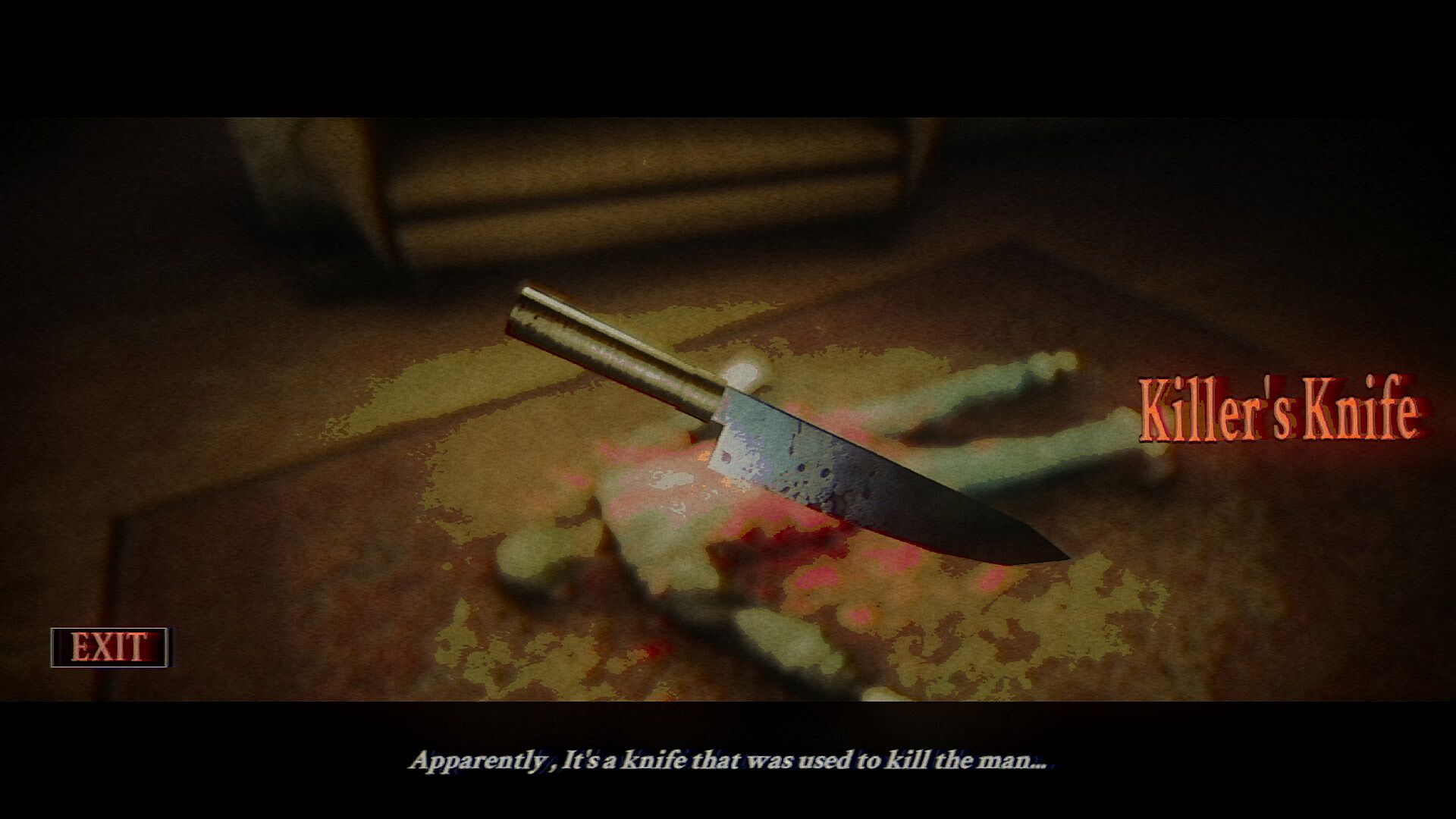
The experience centers on exploration and deduction inside a confined living space. Players examine objects, read notes, and interact with the environment to gather information about their own identity and recent actions. Dementia is represented through fragmented recall, forcing the player to treat every clue as potentially incomplete or misleading.
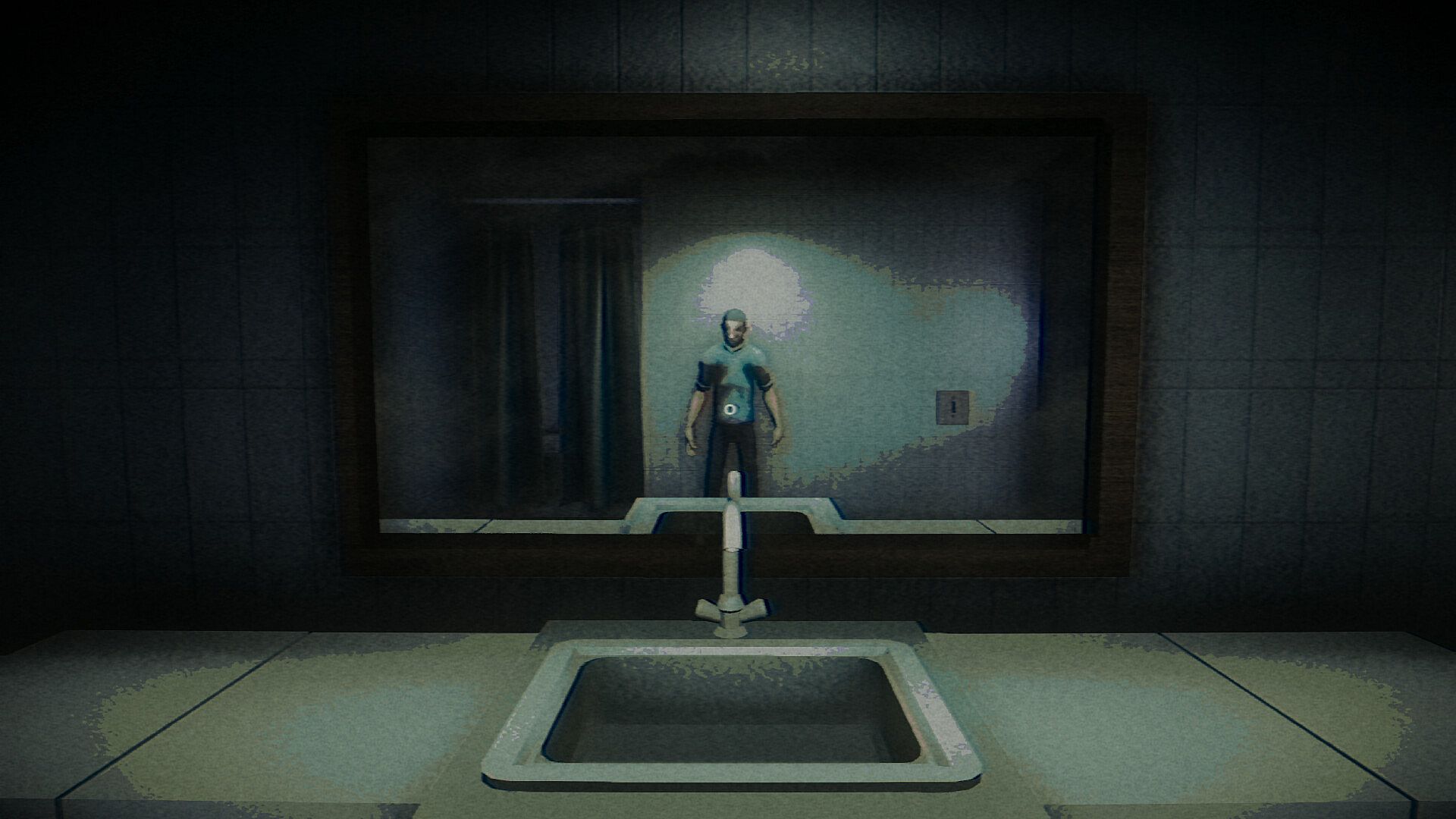
Seven Polaroid photographs found in the bathroom serve as the primary narrative device. Each image triggers a short sequence from a previous day. These fragments must be examined for consistent details such as time of day, visible objects, and character positions. The player then arranges the photos into chronological order. Correct sequencing reveals new connections between events and gradually clarifies whether the player character is responsible for the death.
Progress depends on cross-referencing visual evidence across the photos and the apartment itself. Small inconsistencies in lighting, clothing, or background items become important. The loop repeats as new fragments appear or existing ones gain additional context after reordering.
Game Modes
The game operates as a linear single-player narrative adventure with no separate multiplayer or competitive options. All activity occurs in the same apartment setting, and the only progression system is the arrangement of the seven photographs. There are no branching difficulty levels, time trials, or alternate scenarios beyond the core memory-reconstruction task.
Once the photos are placed in the correct order, the story concludes with a final revelation. Players may revisit the apartment and re-examine clues at any time before reaching that point, but the structure remains focused on one continuous investigation rather than repeatable modes.
Story and Setting
The entire narrative unfolds through environmental storytelling and the Polaroid sequences. The apartment contains personal items, documents, and subtle visual cues that tie directly to the photographed moments. Dementia prevents straightforward exposition, so the player must actively piece together relationships, routines, and motives from limited evidence.
The setting stays restricted to the apartment interior, emphasizing claustrophobia and the unreliability of memory. Every new fragment adds layers to the central mystery without introducing external locations or additional characters beyond those visible in the photos.
Is It Worth Playing?
This title suits players who prefer deliberate puzzle-solving and narrative reconstruction over action or exploration in large worlds. The mechanics of examining and ordering the seven photographs create a focused loop that rewards attention to detail and logical deduction.
Those who enjoy short, self-contained mystery experiences will find the confined setting and memory-based progression engaging. The game offers no ongoing updates or additional content beyond the initial investigation, so it functions best as a one-time playthrough for fans of atmospheric adventure games centered on personal deduction.