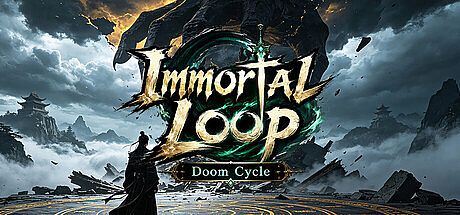


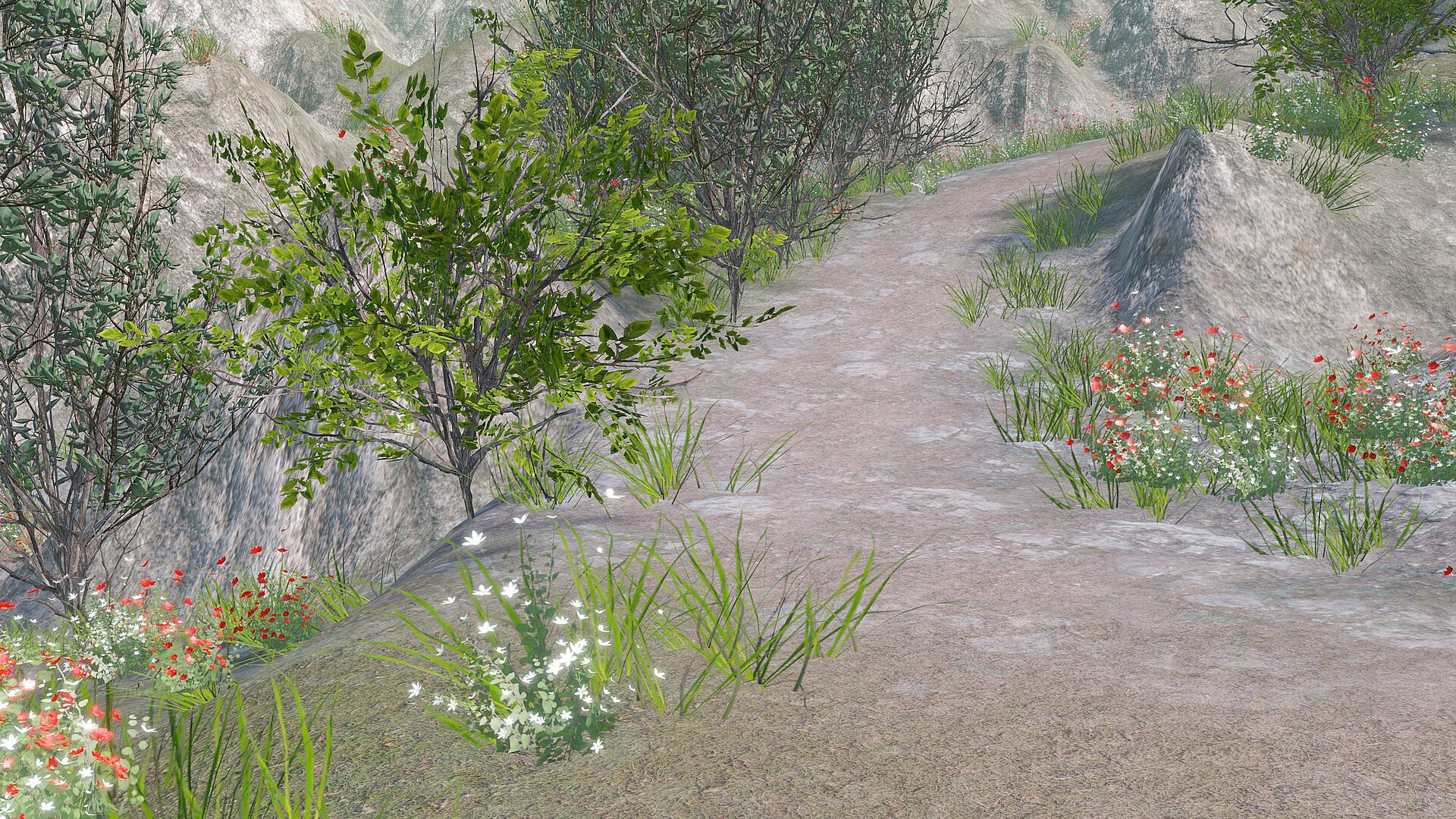
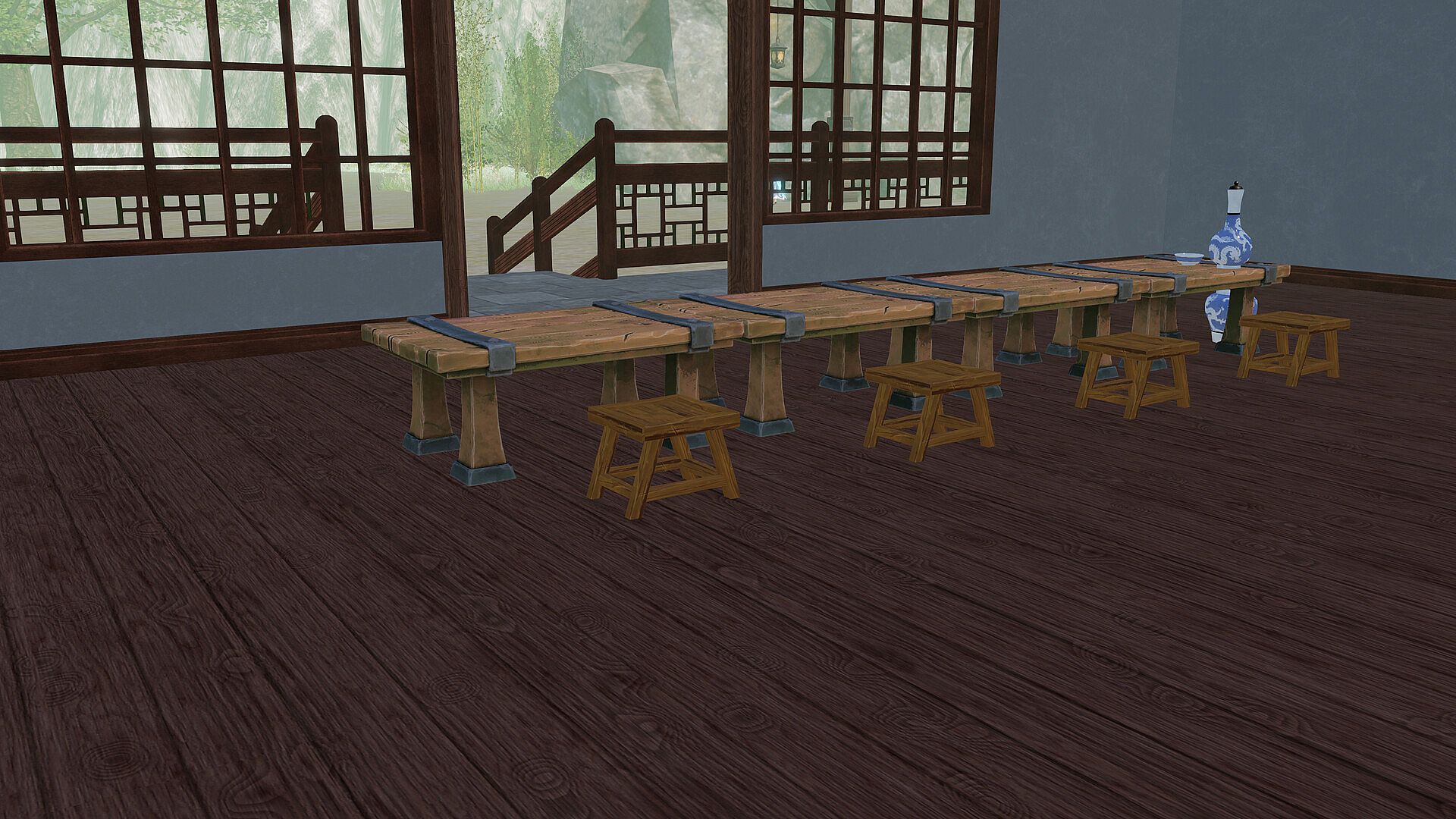
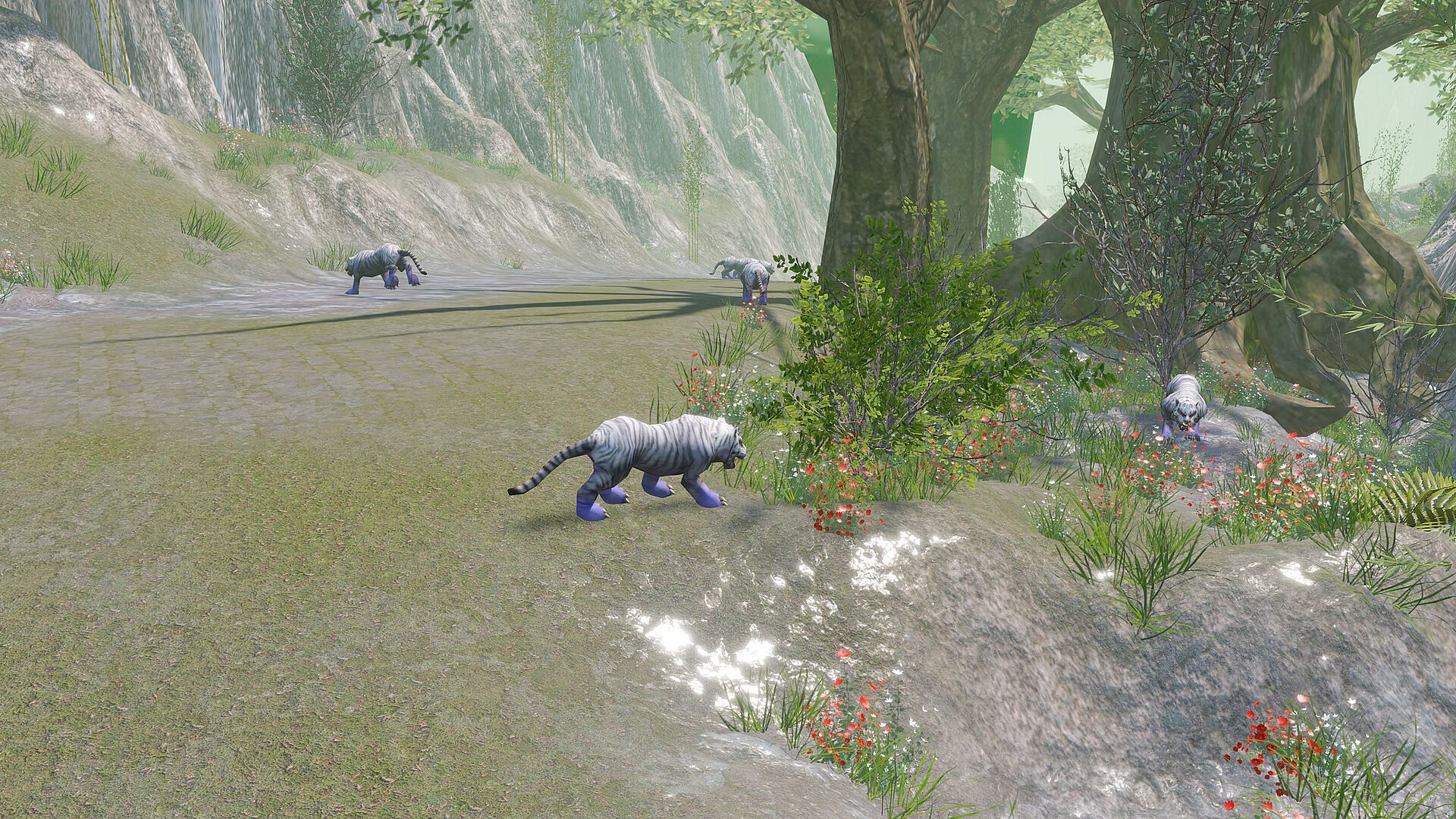
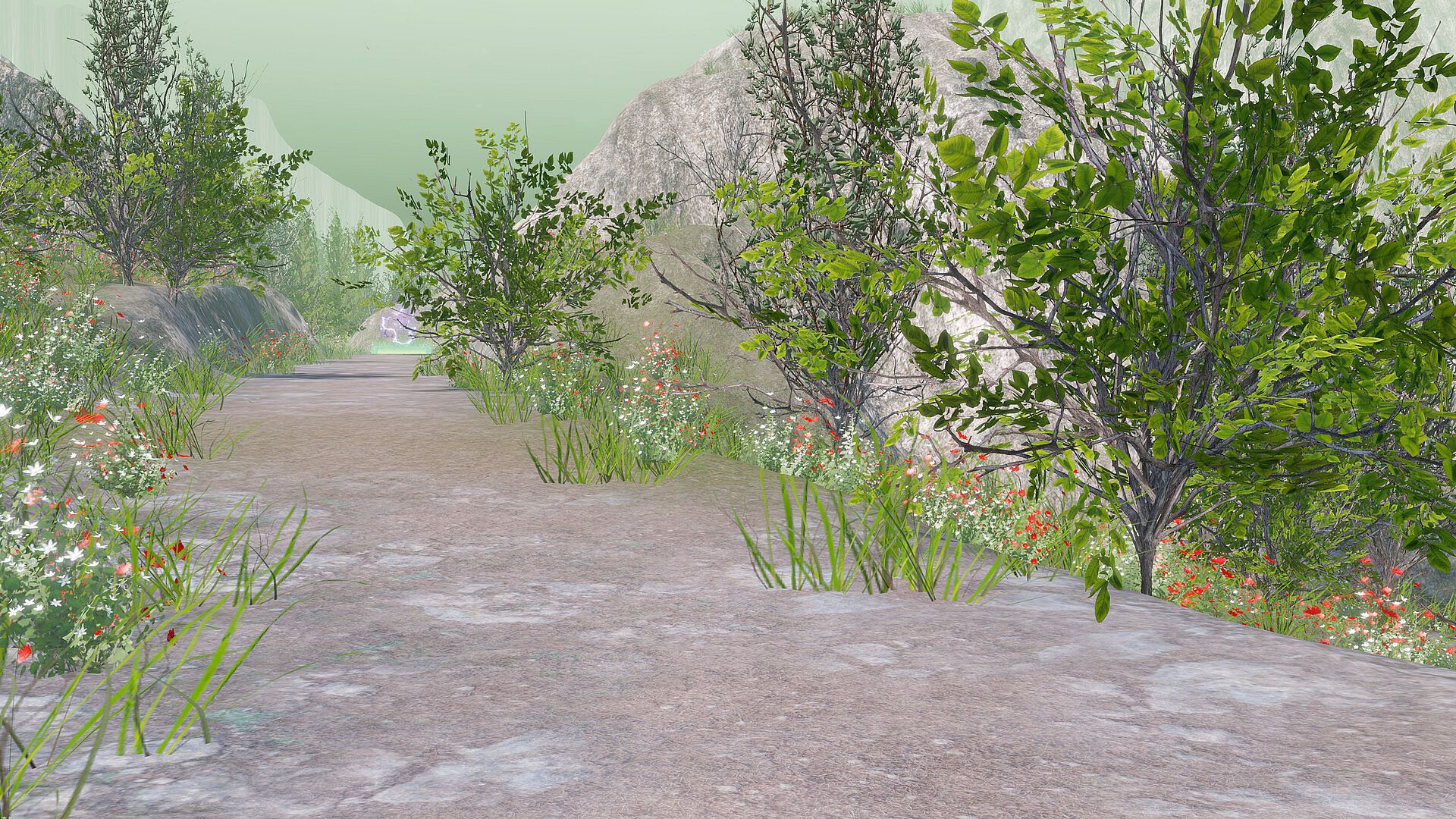
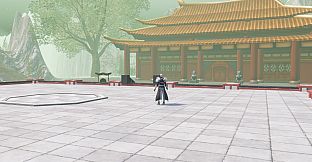
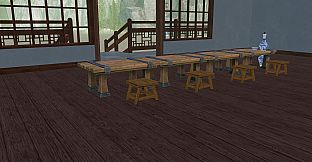
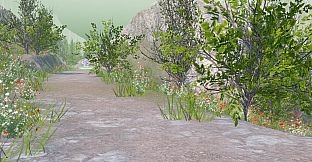
Immortal Loop: Doom Cycle is a single-player action RPG set in a cultivation world where players face an inescapable apocalyptic event every year. The core premise revolves around repeated time loops that send the character back to the starting point as a disciple of the Immortal Spirit Sect, preserving resources and improving cultivation aptitude with each cycle while temporary power resets.
Gameplay
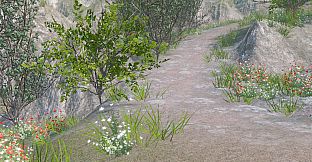
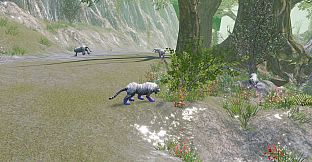
The gameplay centers on real-time combat cultivation drawn from wuxia traditions. Players engage in martial-style battles against monsters and powerful foes, using established action frameworks to execute strikes, abilities, and maneuvers in intense encounters. Exploration involves traveling to nearby cities or attempting crossings through monster-infested mountains, with each attempt limited by the one-year deadline before total destruction occurs.
Progression relies on the time-loop cycle. Death or world-ending catastrophe returns the player to the initial arrival moment. Inventory resources carry over, and cultivation aptitude steadily improves across loops, turning repeated failures into opportunities for greater strength and knowledge. Talking to sect senior brothers and other NPCs reveals secrets, while searching yields rare treasures that aid survival efforts. Different choices in conversations and actions trigger distinct events, encouraging trial-and-error to piece together clues about the calamity.
Combat integrates with cultivation, allowing players to build power through repeated cycles rather than permanent upgrades alone. The system rewards persistence as accumulated insights from prior loops inform better decisions in subsequent runs, gradually revealing the truth behind the world-ending disaster.
Game Modes
The game operates as a single-player experience focused on the time-loop cycle as its central structure. This mechanic creates varied playthroughs through multi-path exploration, where choices in NPC interactions and routes lead to unique events and outcomes. No separate competitive or cooperative modes exist; instead, the loop itself serves as the primary framework for replayability and discovery.
Players navigate the same one-year period repeatedly, testing different strategies such as fleeing to distant lands or staying within sect grounds to gather information. Each cycle preserves key resources while resetting combat power, emphasizing adaptation and long-term planning over immediate success. The absence of additional modes keeps the focus on this iterative survival process in the cultivation realm.
Story and World
The narrative begins with an unexpected transport into a cultivation realm as a regular disciple. Pursuit of immortality collides with an apocalyptic catastrophe that wipes out all life after one year. Death resets the timeline but carries forward knowledge and items, allowing gradual uncovering of the calamity's origins through fragmented clues collected across endless cycles.
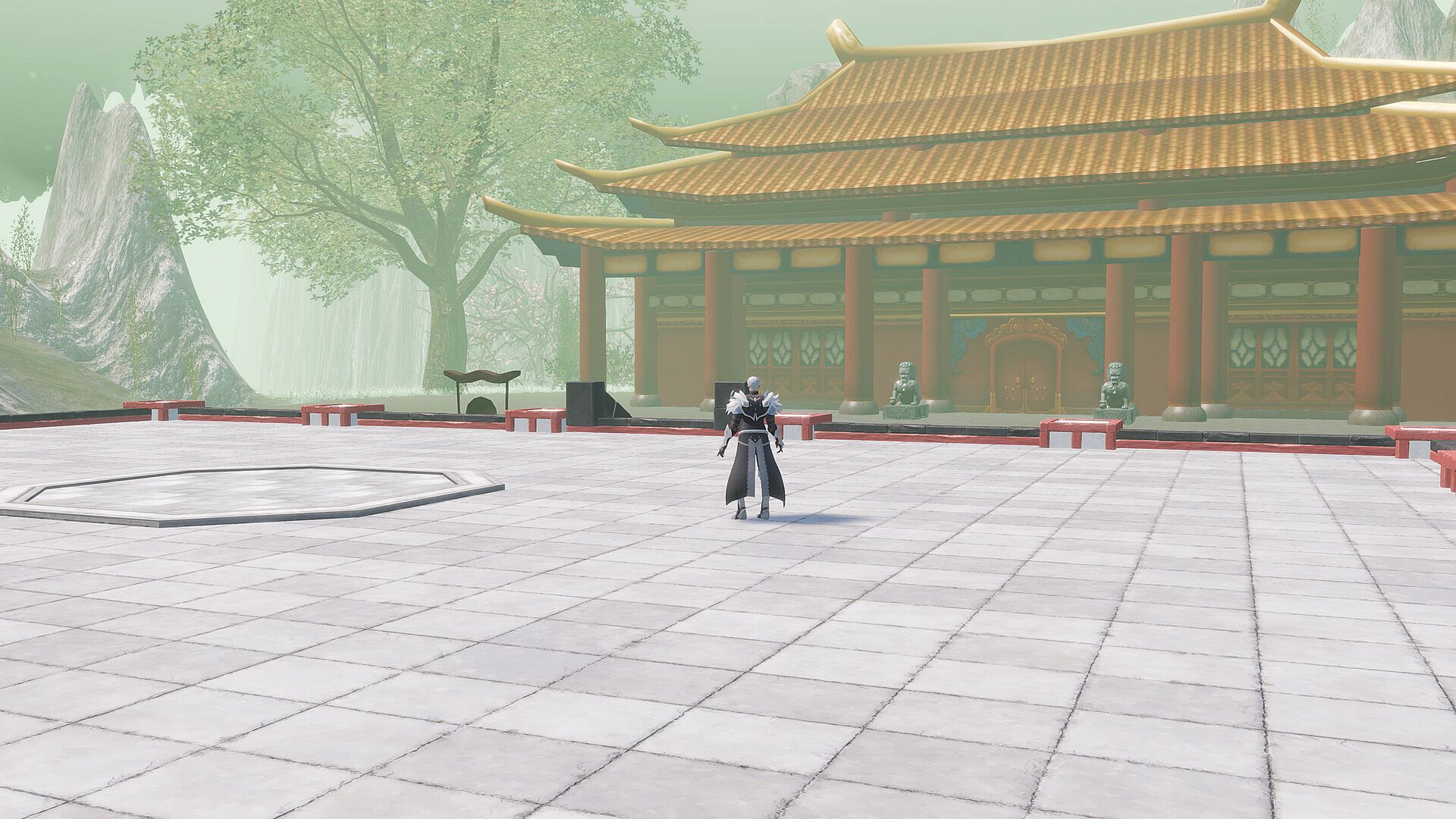
The world includes sect life, nearby cities, and treacherous mountain ranges filled with monsters. No location offers permanent safety, forcing reliance on accumulated power and secrets to find any path forward. The story unfolds through NPC dialogues and environmental discoveries rather than linear exposition, rewarding thorough exploration in each loop.
Is It Worth Playing?
Immortal Loop: Doom Cycle appeals to players who enjoy single-player action RPGs with time-loop mechanics and cultivation systems. The preserved resources and improving aptitude across cycles provide a sense of steady advancement despite setbacks, while real-time combat and choice-driven events add variety to each attempt.
Those drawn to trial-and-error exploration and uncovering hidden truths through persistence will find the core loop engaging. The game remains in development with a planned 2027 release, so availability depends on that timeline. Fans of indie action-adventure titles featuring repeated runs and incremental power growth may find it a strong fit once released, particularly if they appreciate wuxia-inspired martial combat integrated with narrative discovery.
- Single-player focus with no multiplayer elements
- Time-loop progression that carries resources forward
- Real-time battles in a cultivation setting