

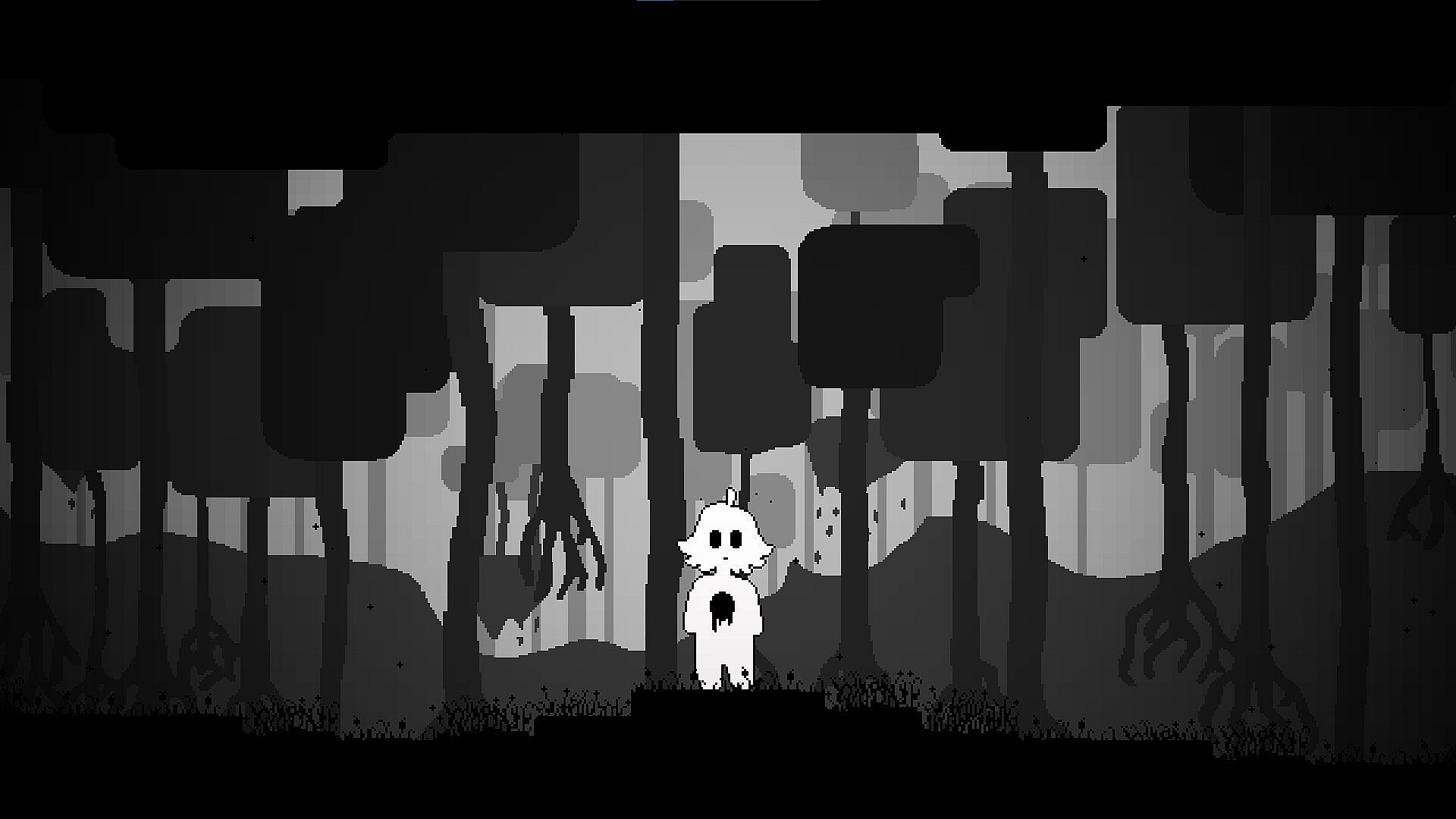
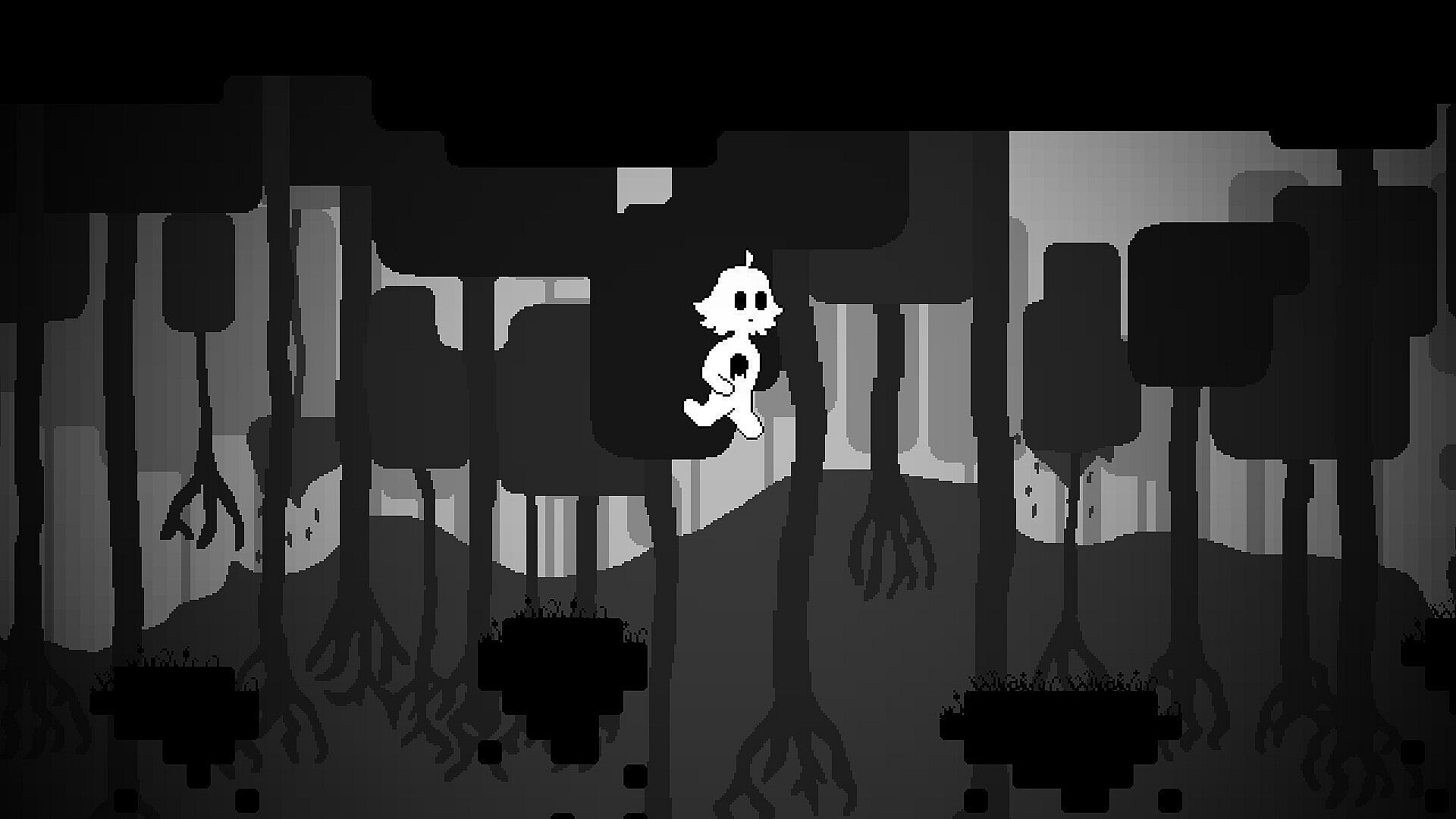
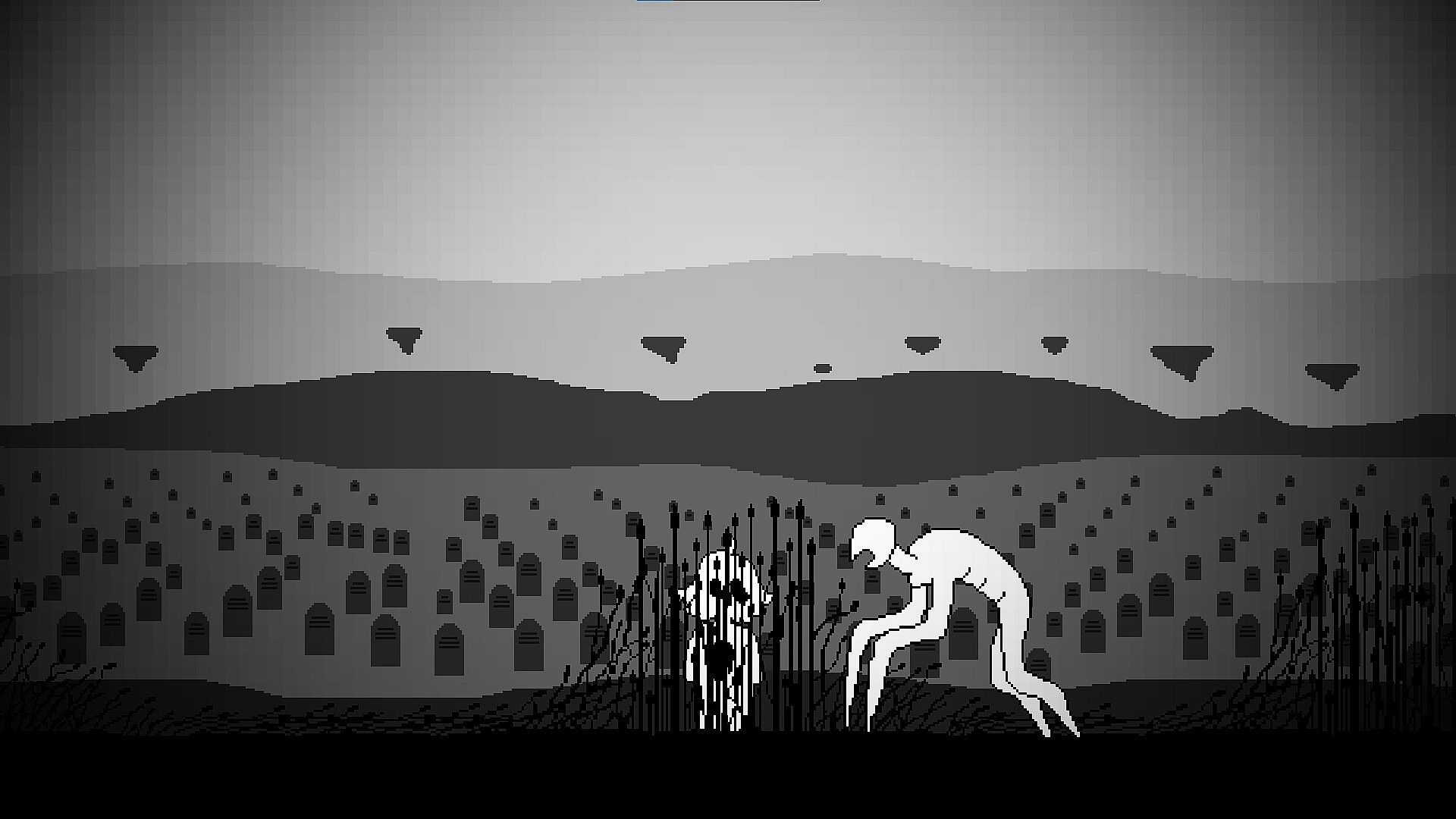
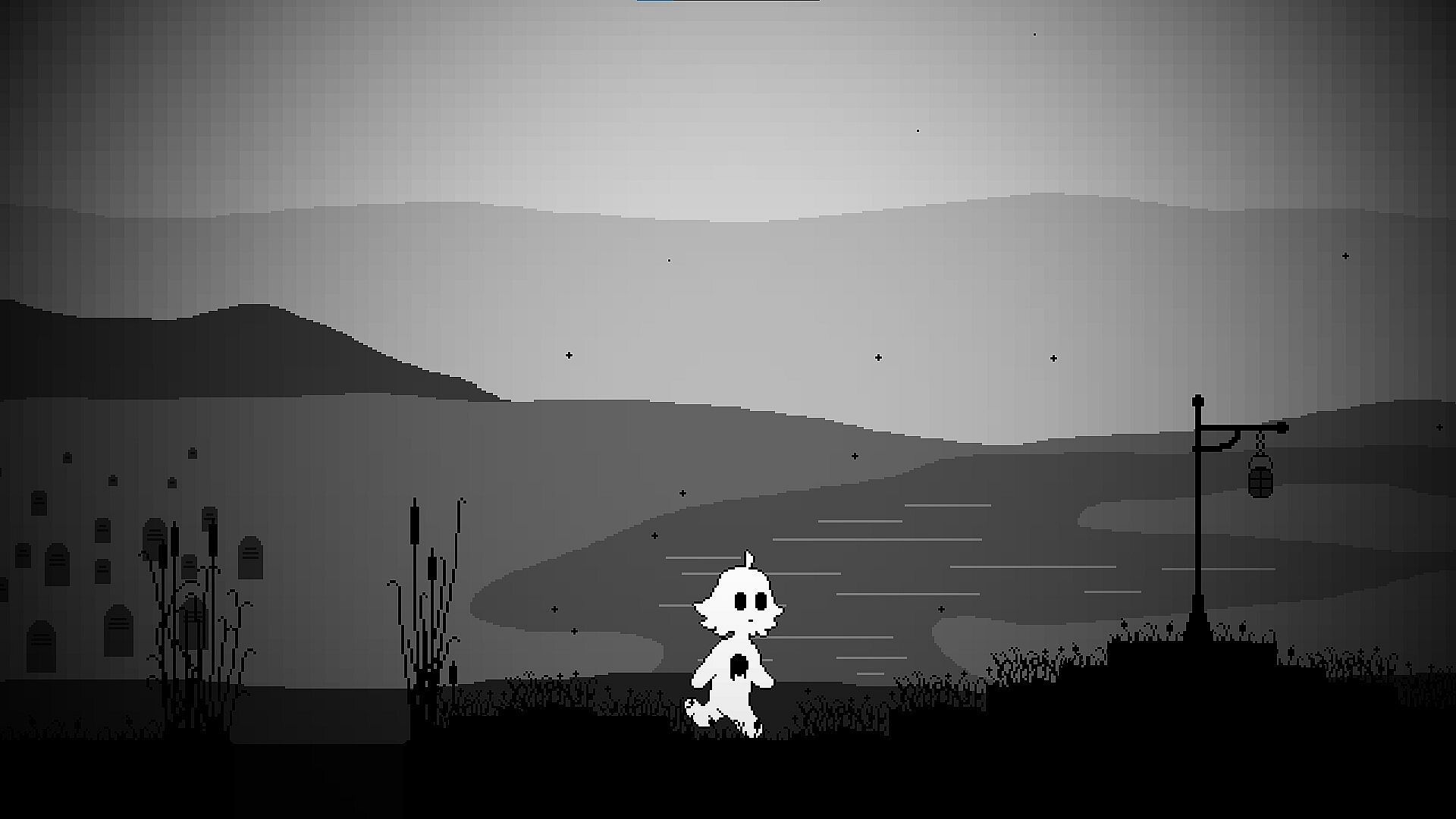
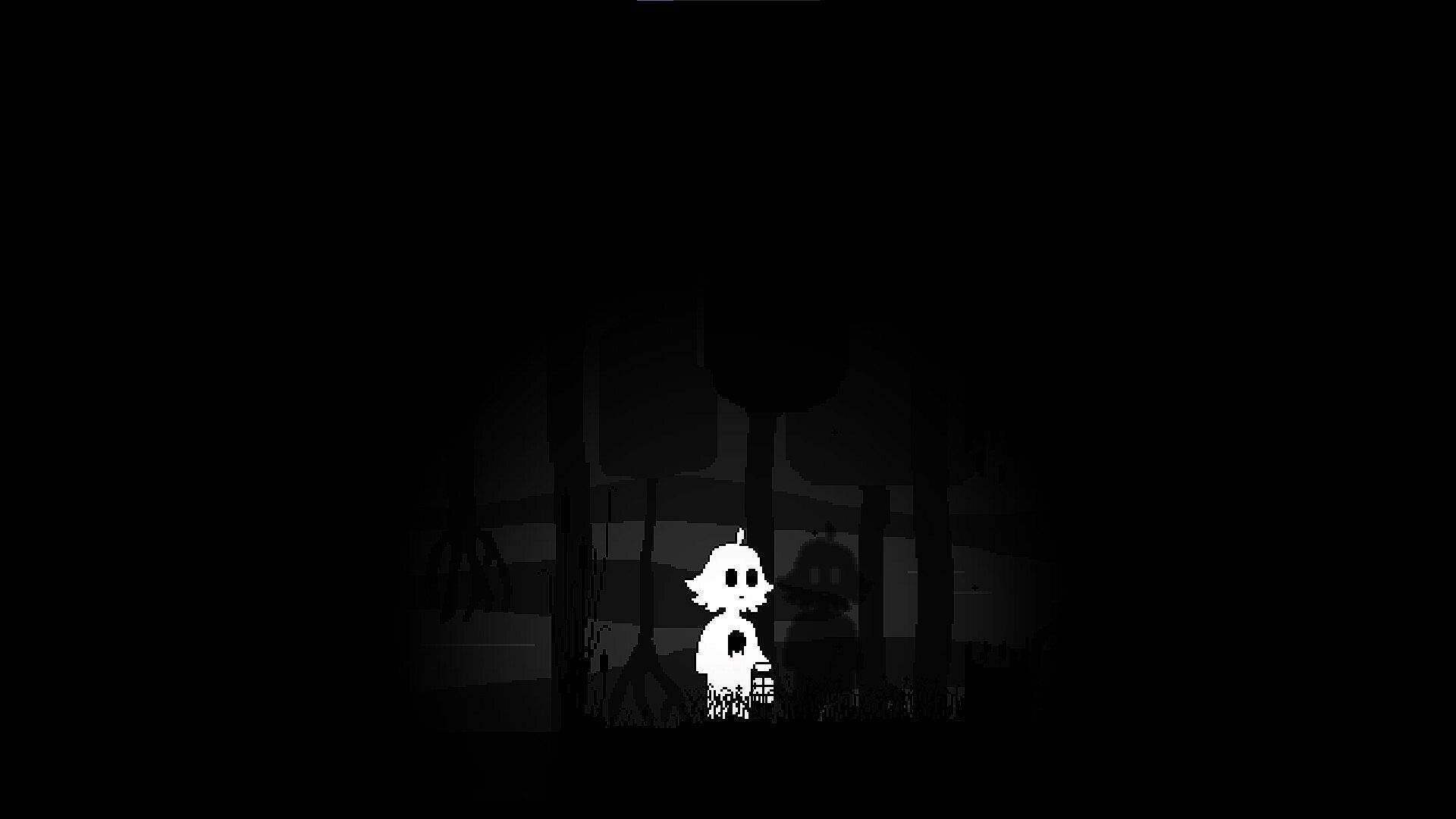
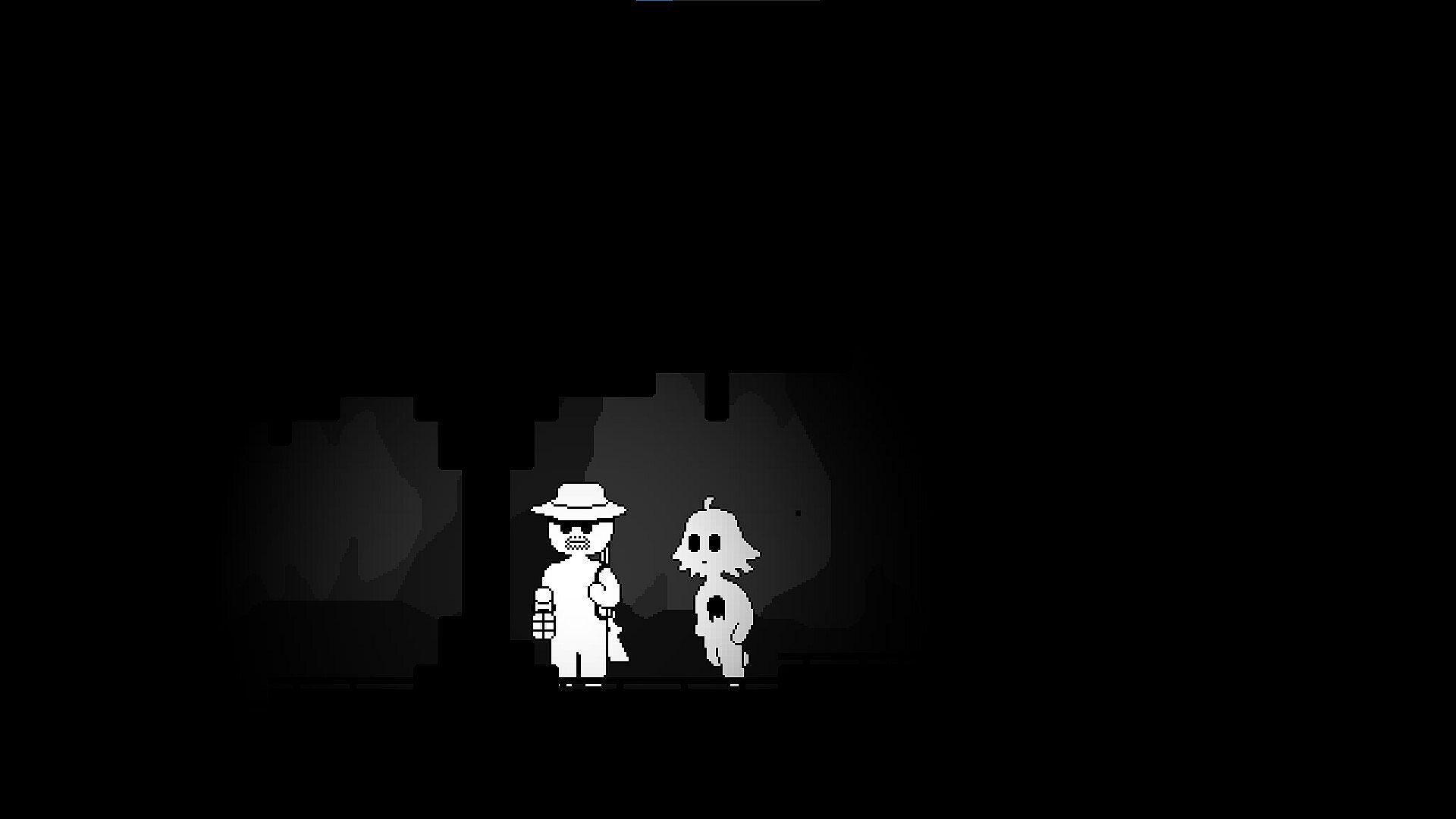
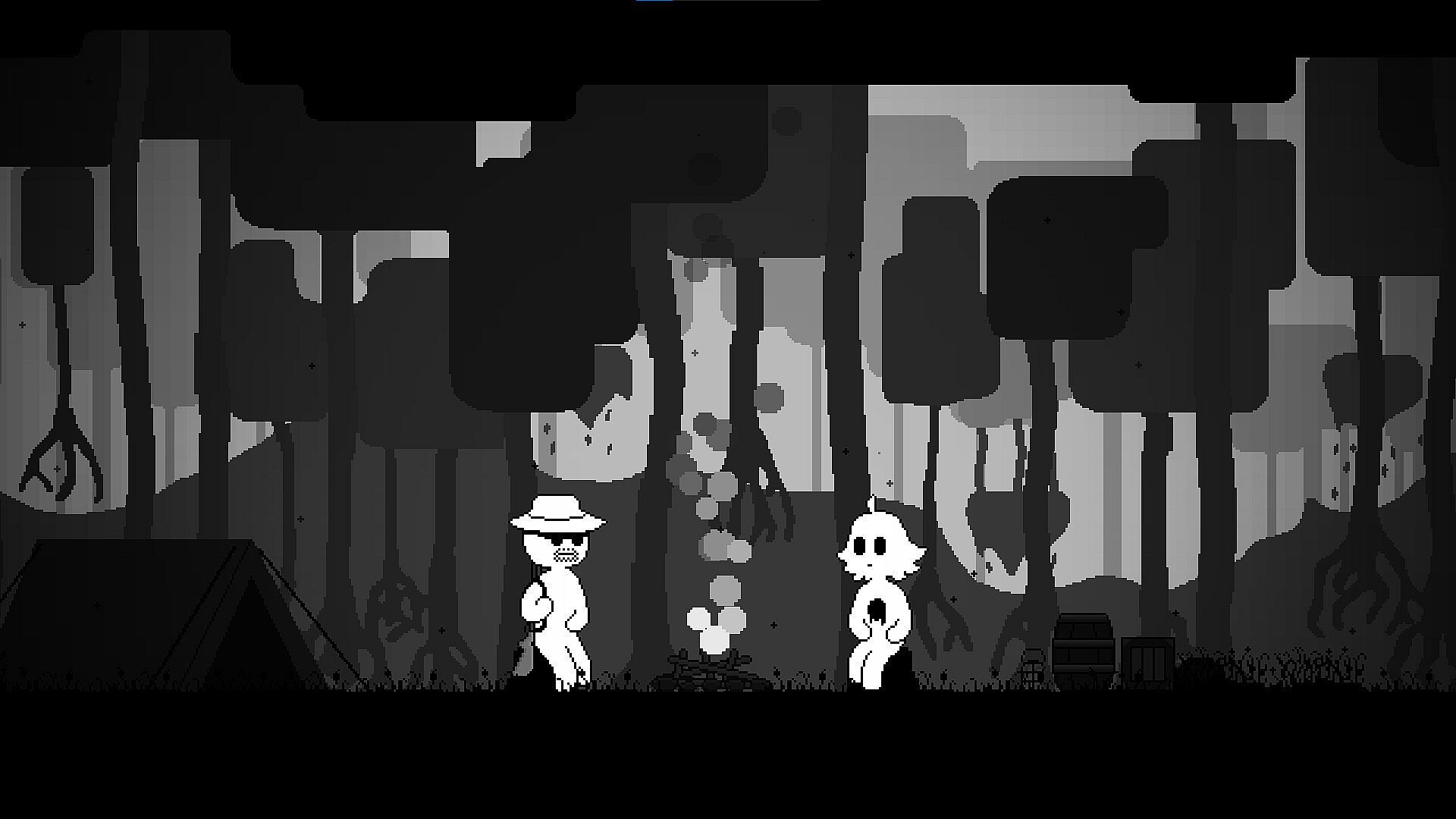
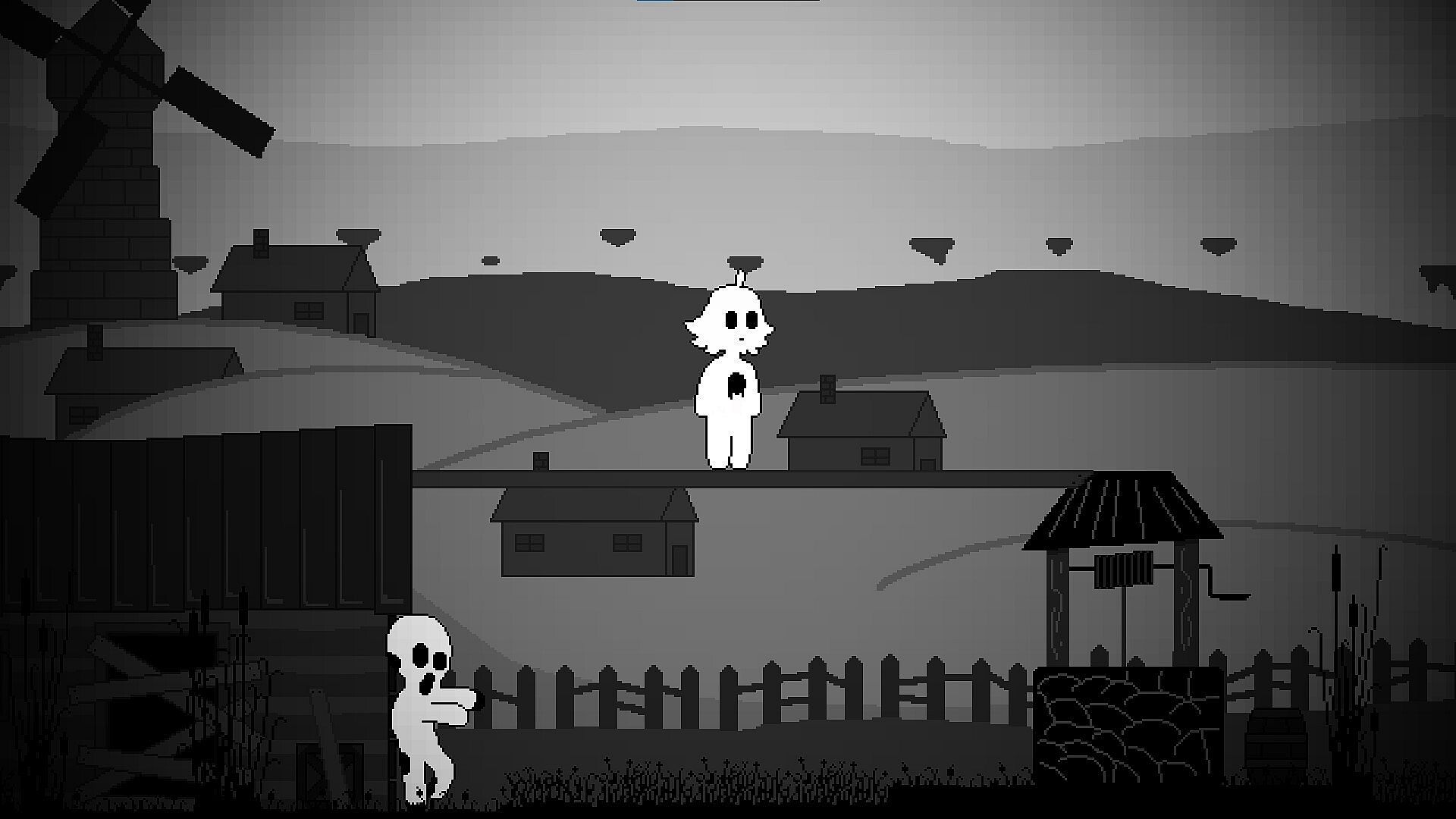
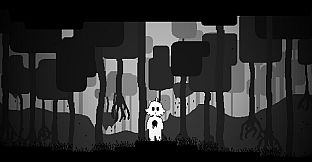
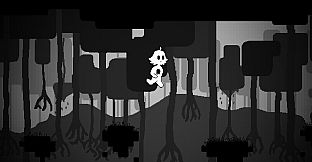
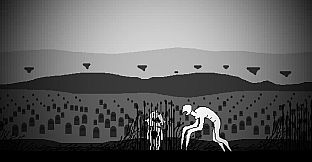
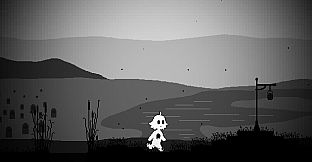
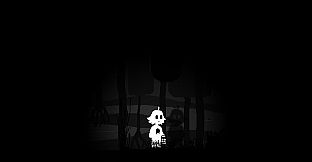
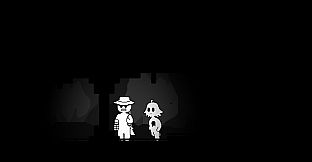
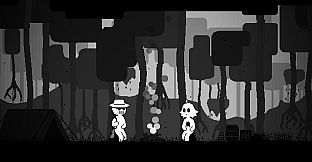
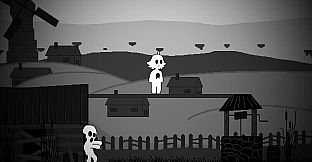
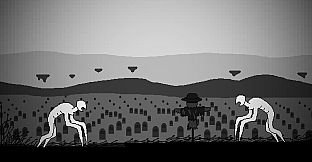
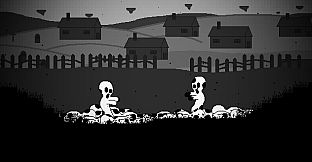
Impersonal is an indie adventure game set in a surreal horror environment known as the Stratum. Players awaken without identity or memory in a boundary realm between physical and spiritual worlds, tasked with uncovering their origins while seeking an exit. The experience unfolds through exploration of varied zones including dead fields, forests, abandoned villages, and viscous swamps, each governed by distinct rules and hidden elements. Built for PC with full gamepad support, the title emphasizes atmospheric tension over jump scares, relying on isolation and subtle environmental cues to build dread.
Gameplay
The core loop centers on forward progression through unmapped areas where every step carries risk. Movement feels deliberate as players navigate open spaces and enclosed structures, listening for threats that respond to sound. Puzzles draw from classic horror conventions and incorporate echoes of past events to gradually piece together the world's history and the protagonist's prior life. These challenges integrate with exploration, revealing fragments of narrative without direct exposition.
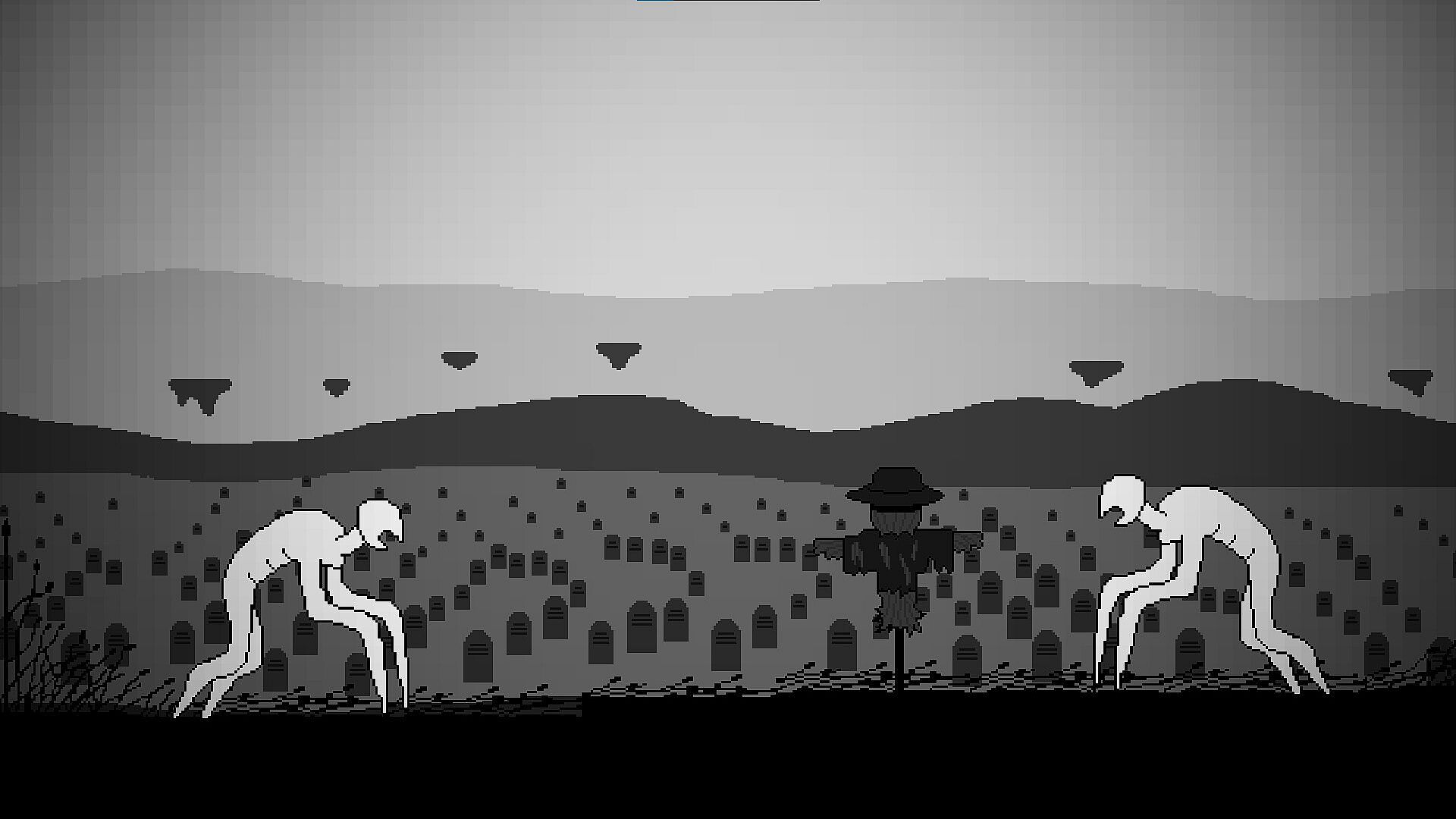
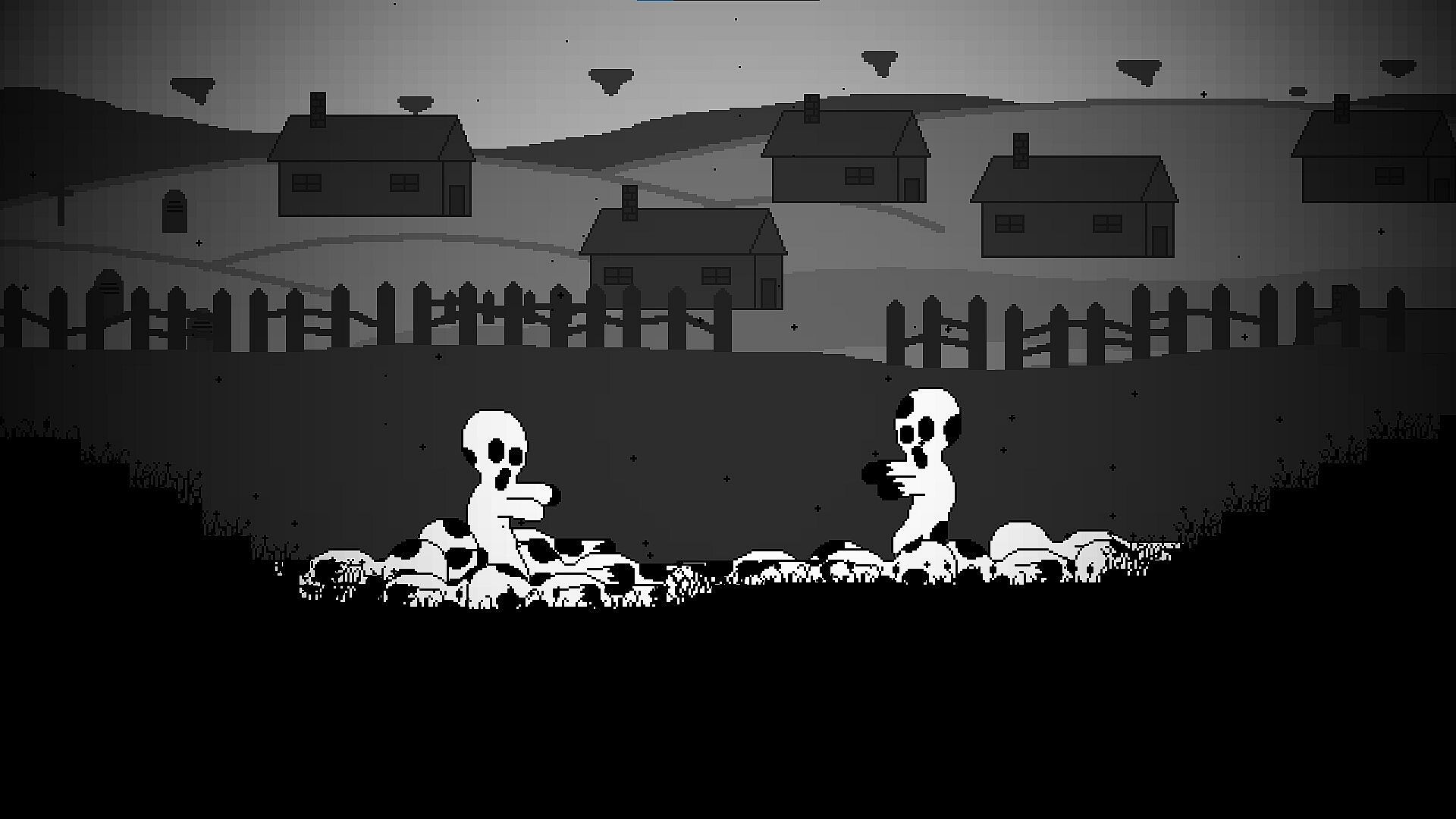
Enemies operate according to specific logic rather than simple aggression. Sweepers patrol fields and rely on acute hearing despite blindness, forcing careful movement to avoid detection. Wanders occupy village streets in a diminished state, while the swamp owner remains a constant presence that shapes the environment without active pursuit. Decisions encountered along the way influence outcomes in ways that may not become apparent immediately, adding layers to repeated traversals of the same zones.
Atmosphere arises from oppressive silence and the sense of being an intruder. Ambient sound design and visual details in each region reinforce the feeling that the Stratum seeks to expel outsiders. No map exists, so orientation depends on environmental landmarks and player memory of prior paths.
Game Modes
Impersonal operates as a single-player experience focused on narrative-driven exploration and survival within the Stratum. There are no separate competitive or cooperative modes, with all content centered on one continuous journey through the boundary world. Progression follows a linear yet branching structure shaped by player choices and puzzle solutions, allowing different paths and endings based on decisions made during play.
The design prioritizes solitary immersion, with mechanics that reward observation and caution over direct confrontation. Sound-based enemy behaviors and environmental hazards create tension across all zones without requiring external players or matchmaking systems.
Atmosphere and World Design
Each region within the Stratum maintains its own internal logic and concealed details. Fields stretch under open skies where distant sounds carry far, while swamps remain dim even in daylight and house their own dominant entity. Abandoned villages preserve traces of former inhabitants that end abruptly, inviting investigation through puzzles tied to those remnants. Forests and other transitional areas connect these zones with their own hazards and mysteries.
The absence of traditional guidance tools heightens the isolation. Players must interpret subtle cues in the environment to advance, fostering a sense of unease that builds steadily rather than through sudden events. This approach aligns with the game's emphasis on psychological horror and surreal elements drawn from the boundary between existence and oblivion.
Is It Worth Playing?
Impersonal suits players who appreciate deliberate, atmospheric single-player adventures with puzzle elements and sound-driven enemy encounters. The focus on isolation, logical enemy behaviors, and choice consequences provides a consistent experience for those drawn to psychological horror and world exploration without reliance on multiplayer features or frequent updates.
Full gamepad support ensures comfortable play on various controllers alongside keyboard input. The title remains in a state where its core systems match the described mechanics of enemy reactions, puzzle integration, and environmental storytelling. Those seeking intense action or expansive multiplayer options may find the solitary pace less engaging, while fans of indie horror titles centered on mystery and tension will find alignment with its verified elements.