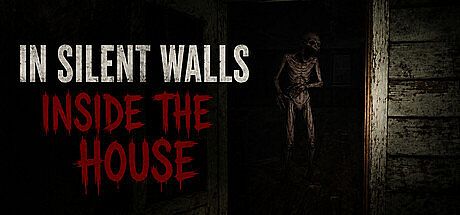


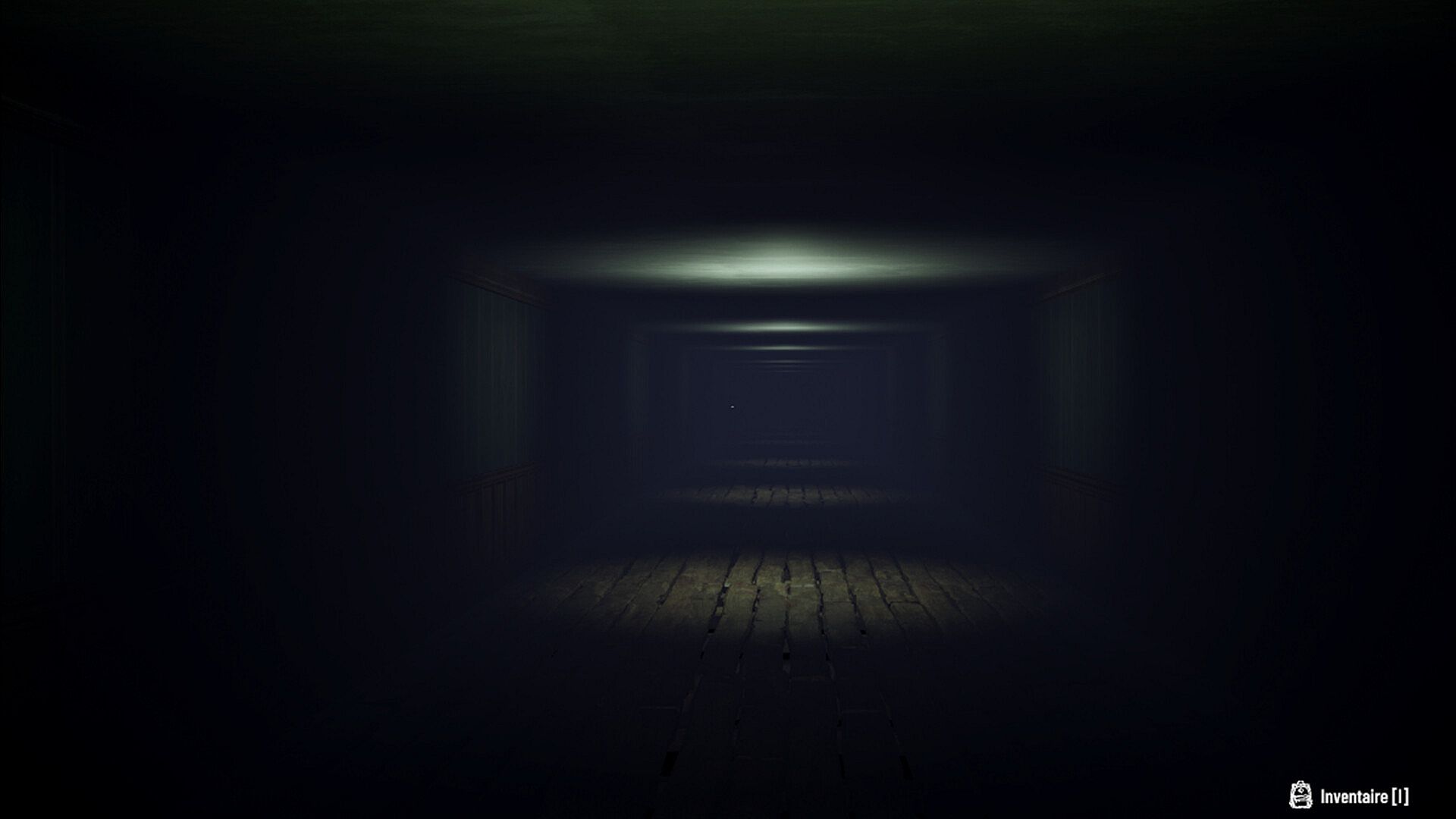
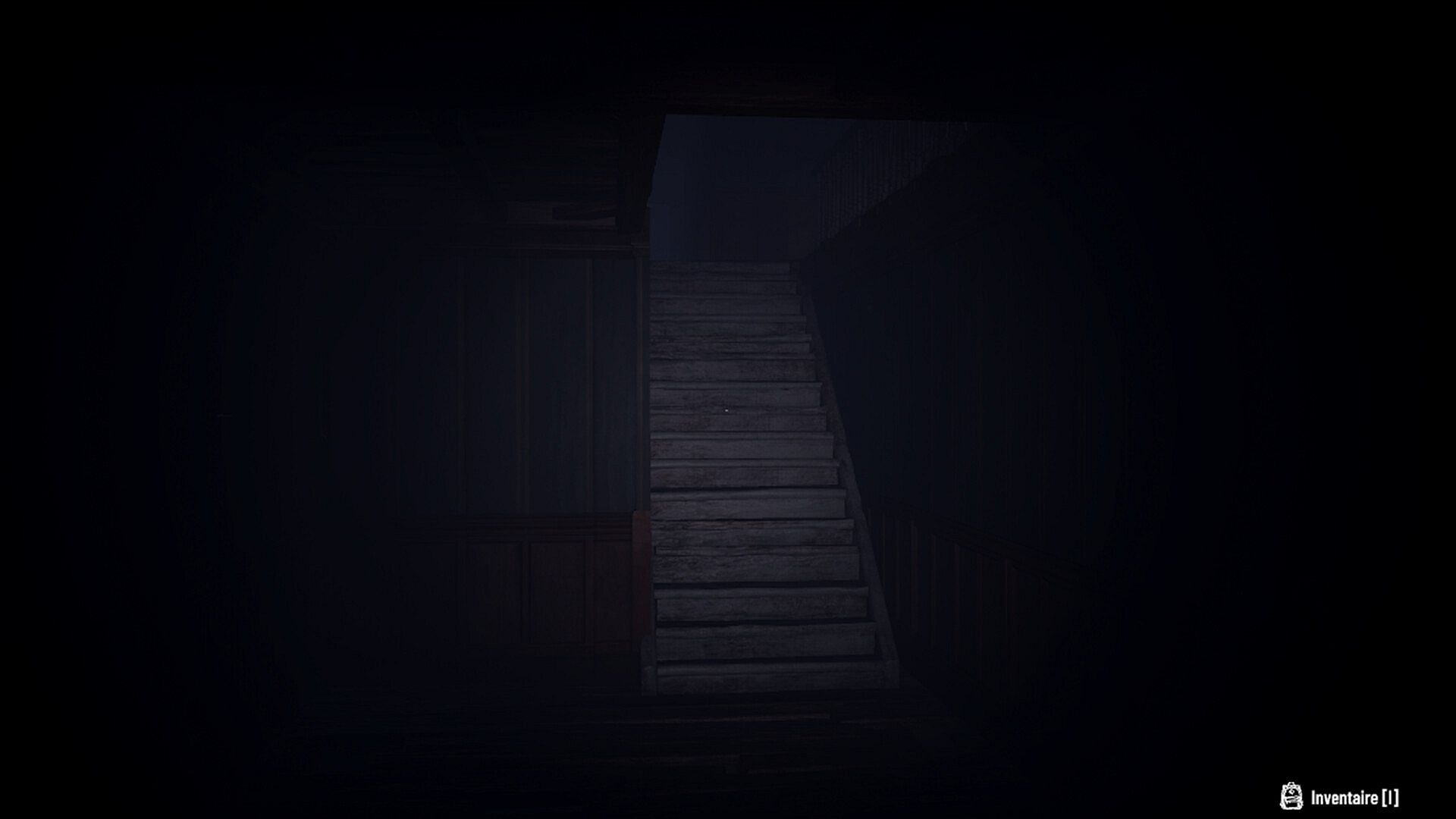
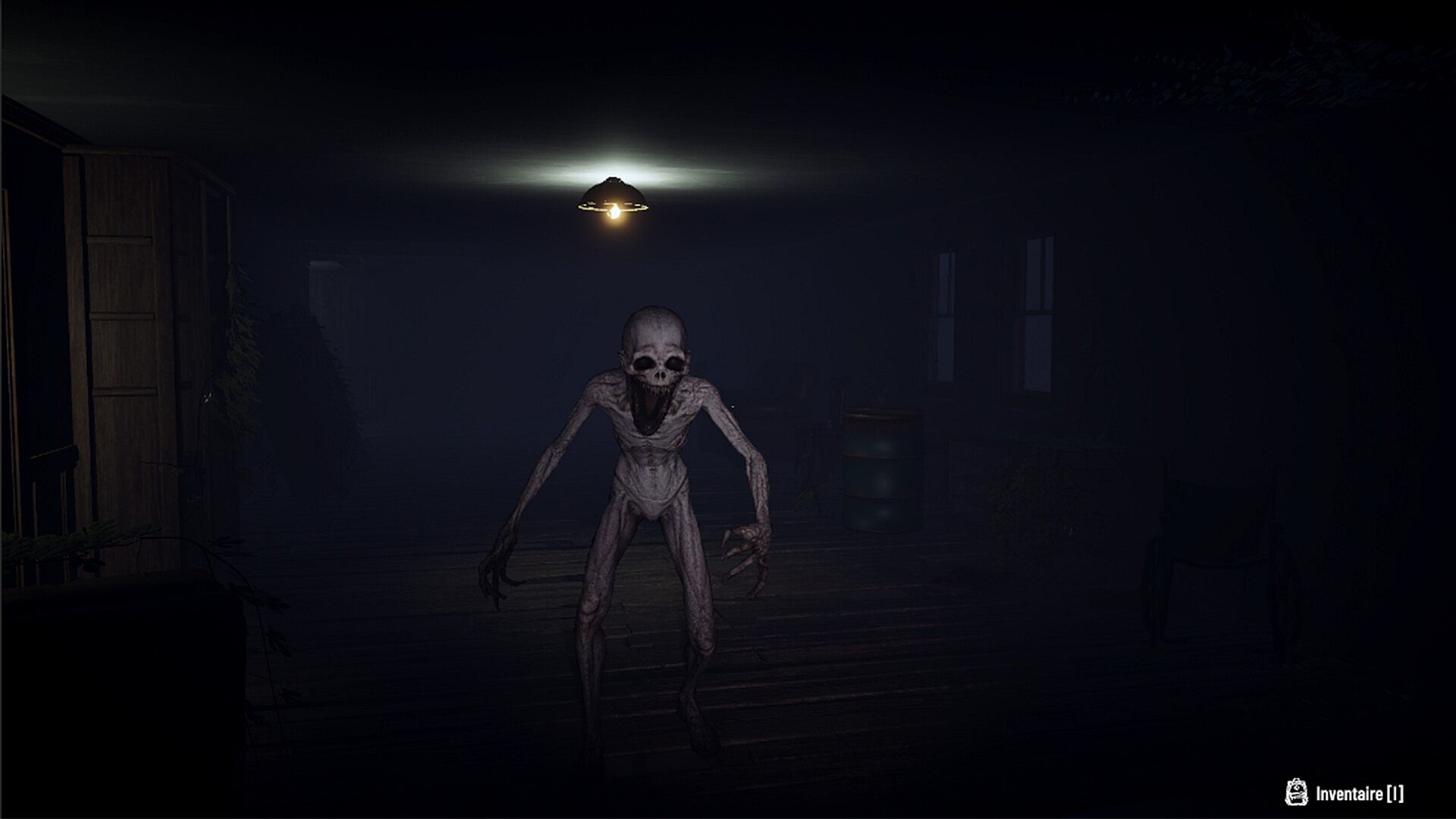
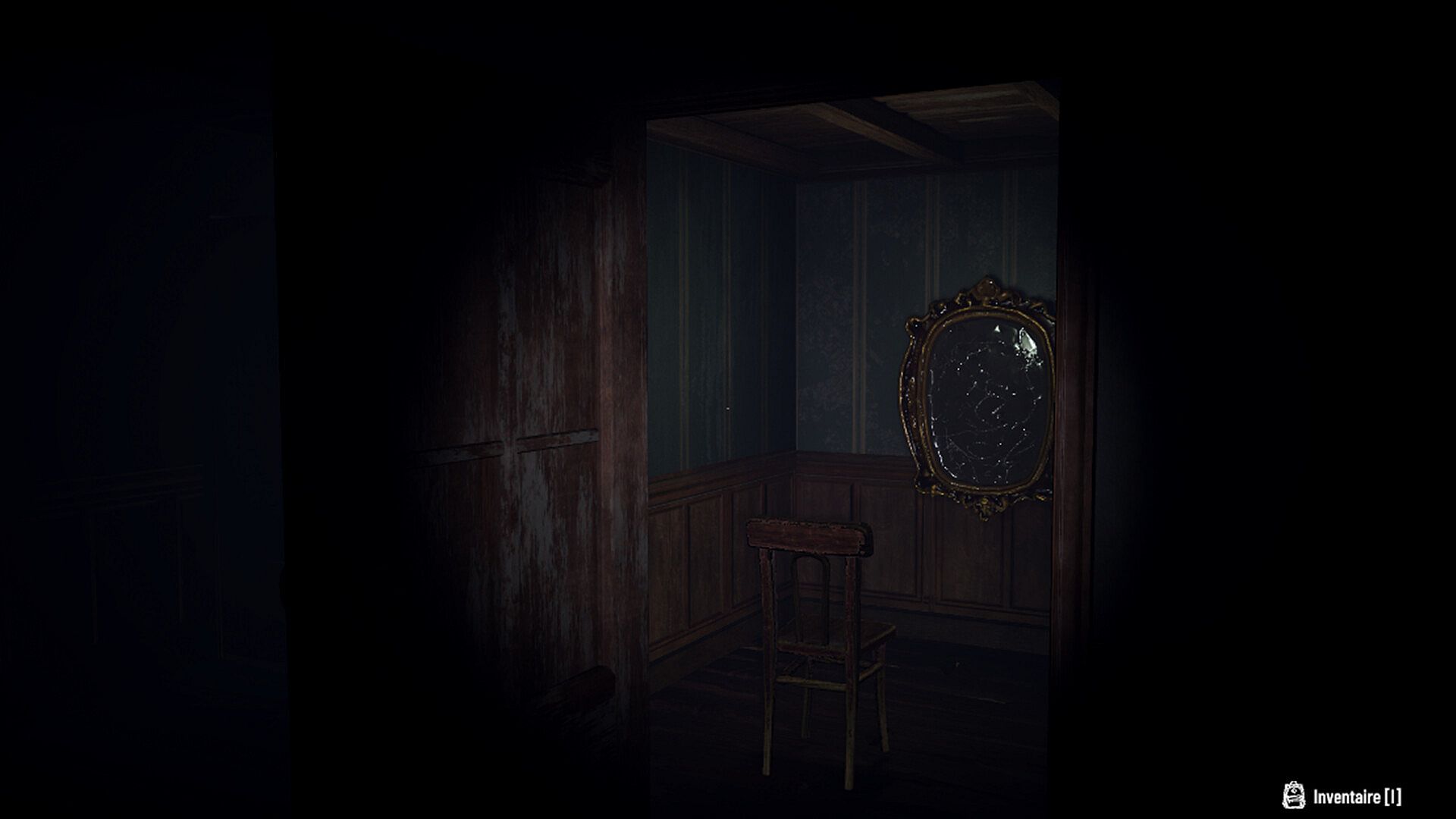
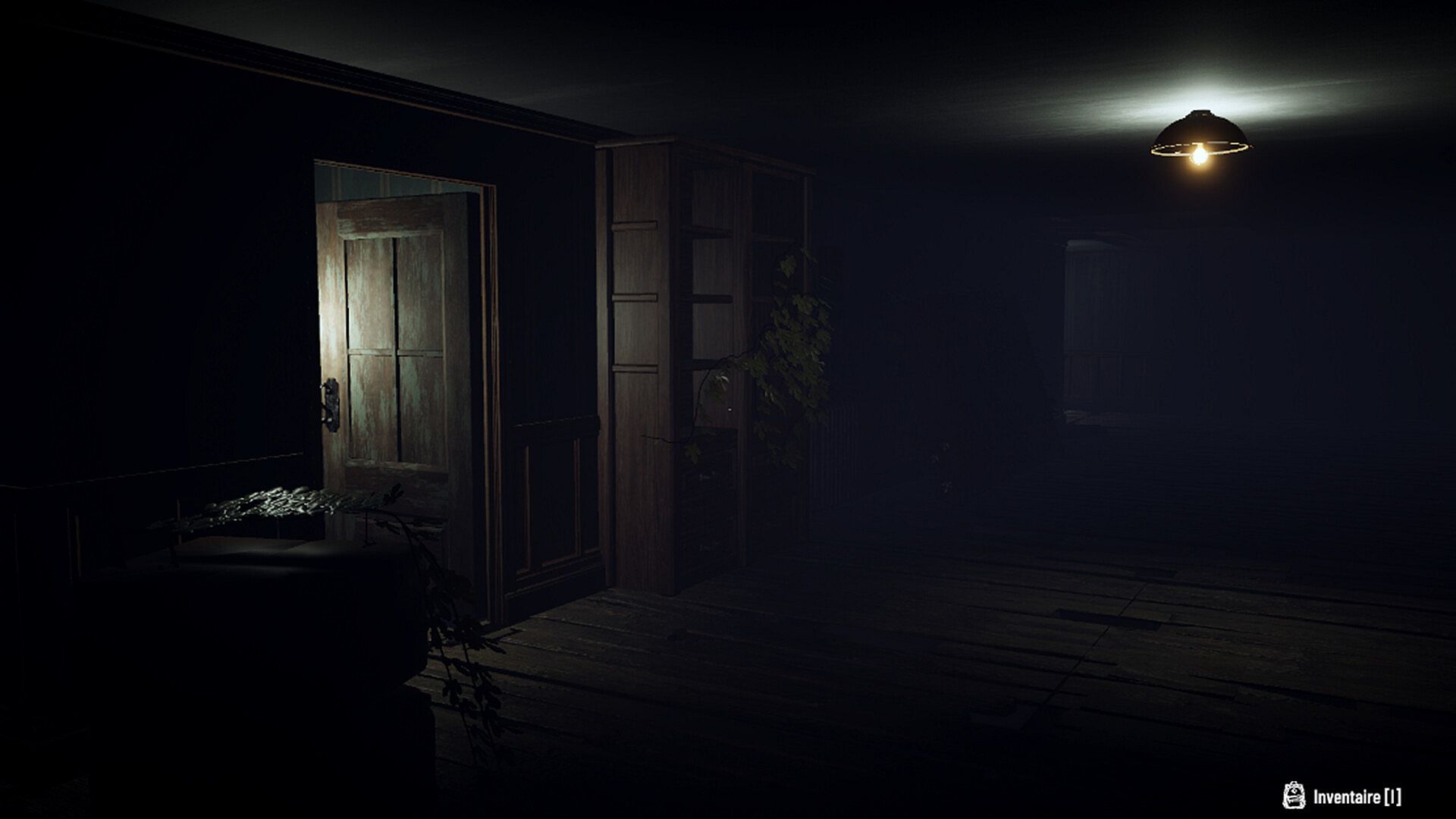
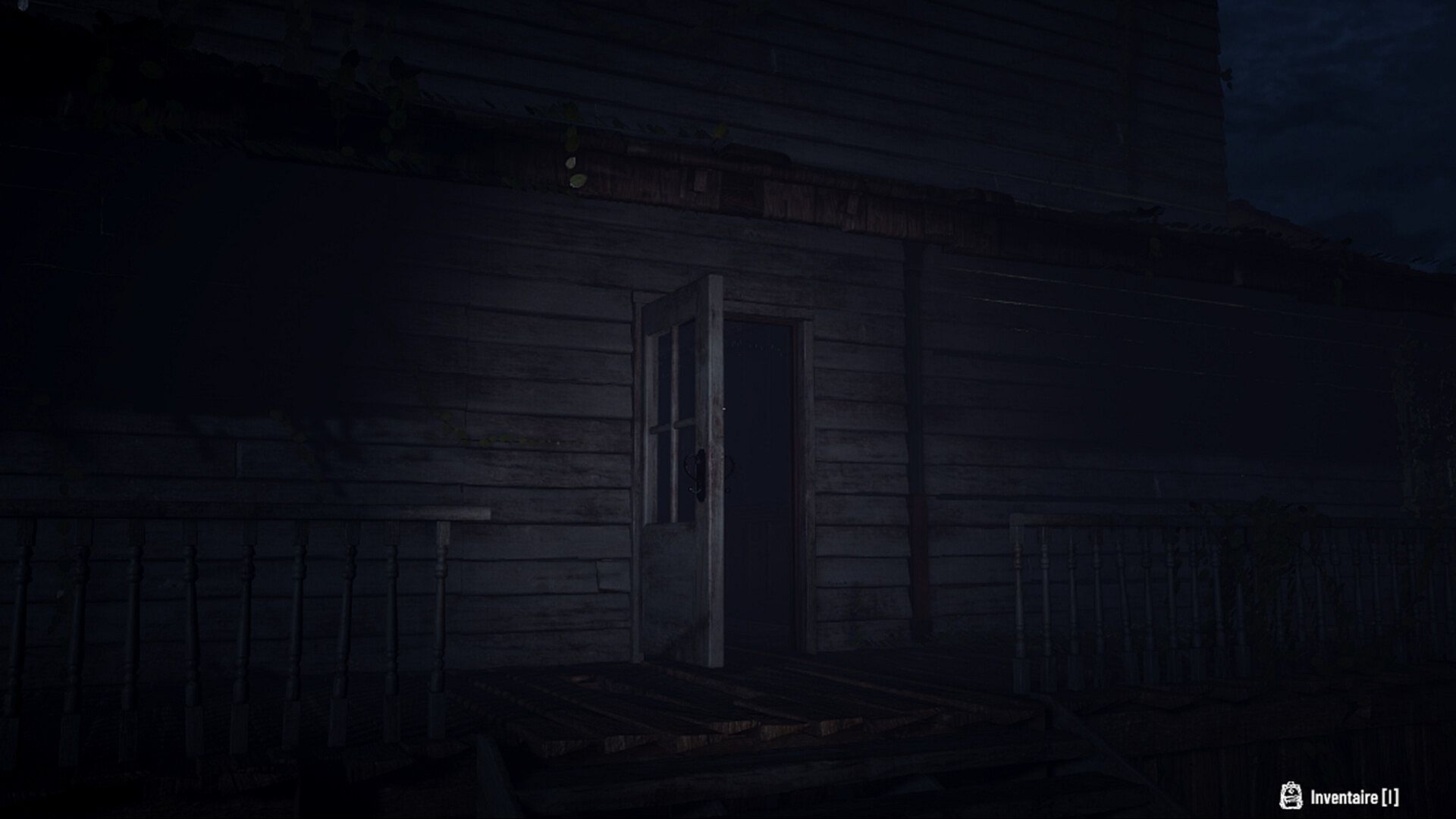
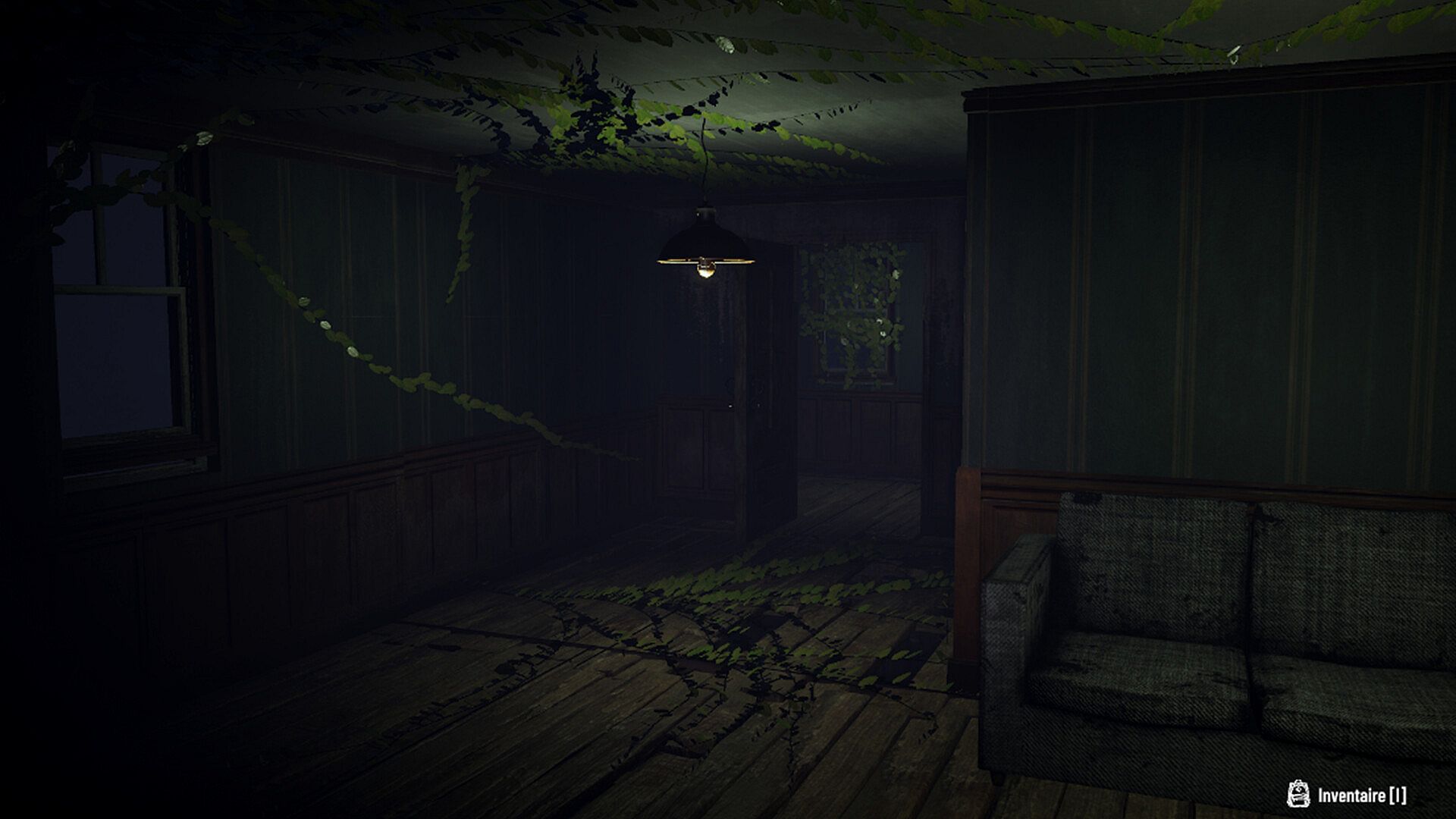
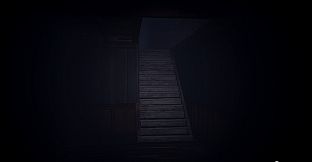
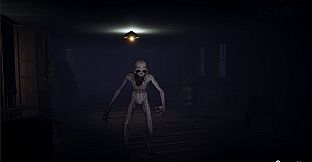
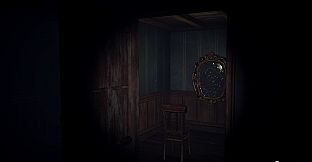
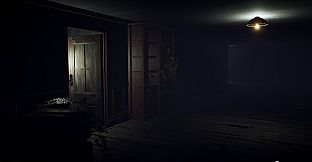
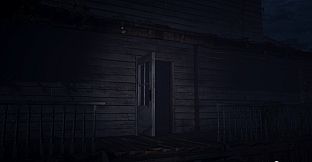
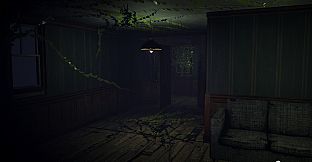
In Silent Walls: Inside The House is a first-person psychological horror adventure game developed for PC. Players take on the role of an amnesiac protagonist who wakes up inside an old, isolated house with no recollection of arrival or purpose. The experience centers on exploration of the house's rooms, basement, attic, and nearby structures while piecing together a narrative tied to the Red Hollow Sanatorium through found documents, drawings, and handwritten notes.
Gameplay
The core loop involves searching the environment for items that unlock new areas and paths. Environmental puzzles require observation and interaction with the surroundings rather than combat tools. Players encounter disturbing apparitions and hallucinations that blur the boundary between what is real and imagined. Without weapons, survival depends on hiding, running, and avoiding detection by a creature that tracks movements closely. Sound design and visual cues heighten tension during these sequences, forcing careful navigation through dimly lit spaces. Clues gradually reveal connections to past events at the sanatorium, building a story through fragmented memories that resurface over time.
Game Modes
The game operates as a single-player narrative experience with no separate multiplayer or competitive modes. Progression follows a linear yet exploratory structure where players revisit areas with new items or insights. The focus remains on atmospheric tension and story discovery rather than replayable challenges or alternate scenarios. All gameplay elements tie directly into uncovering the central mystery without branching paths or optional side activities beyond environmental interaction.
Story and Atmosphere
Buried memories connected to the Red Hollow Sanatorium form the backbone of the narrative. Handwritten notes and drawings serve as primary storytelling devices, revealing details about the location and its history. The isolated house functions as more than a backdrop, acting as a repository of muffled sounds, stubborn doors, and persistent recollections. Apparitions and chase sequences intensify as the distinction between reality and hallucination weakens, creating moments where perception itself becomes unreliable. This approach emphasizes psychological elements over action, with the environment itself contributing to the sense of unease.
Exploration and Puzzles
Exploration covers multiple levels of the house and surrounding buildings, encouraging thorough searches for progression items. Puzzles rely on environmental manipulation and logical item use to open new routes. Documents and clues integrate into the world naturally, rewarding attentive players with deeper context about the sanatorium and its inhabitants. The absence of combat shifts emphasis toward stealth and evasion mechanics during encounters with the lurking creature, which adapts to player actions. These systems combine to create a deliberate pace suited to those who enjoy methodical investigation in horror settings.
Is It Worth Playing?
This title suits players who prefer psychological horror centered on exploration, environmental storytelling, and tension without combat. The single-player structure delivers a focused narrative experience that builds through clues and encounters rather than direct confrontation. Those drawn to atmospheric single-player adventures with puzzle elements and evasion mechanics will find the core loop engaging. Availability on PC makes it accessible for fans of the genre seeking a contained story tied to the developer's other works in the same universe. The emphasis on hiding and observation over action positions it as a deliberate choice for audiences comfortable with slower, more introspective horror pacing.