

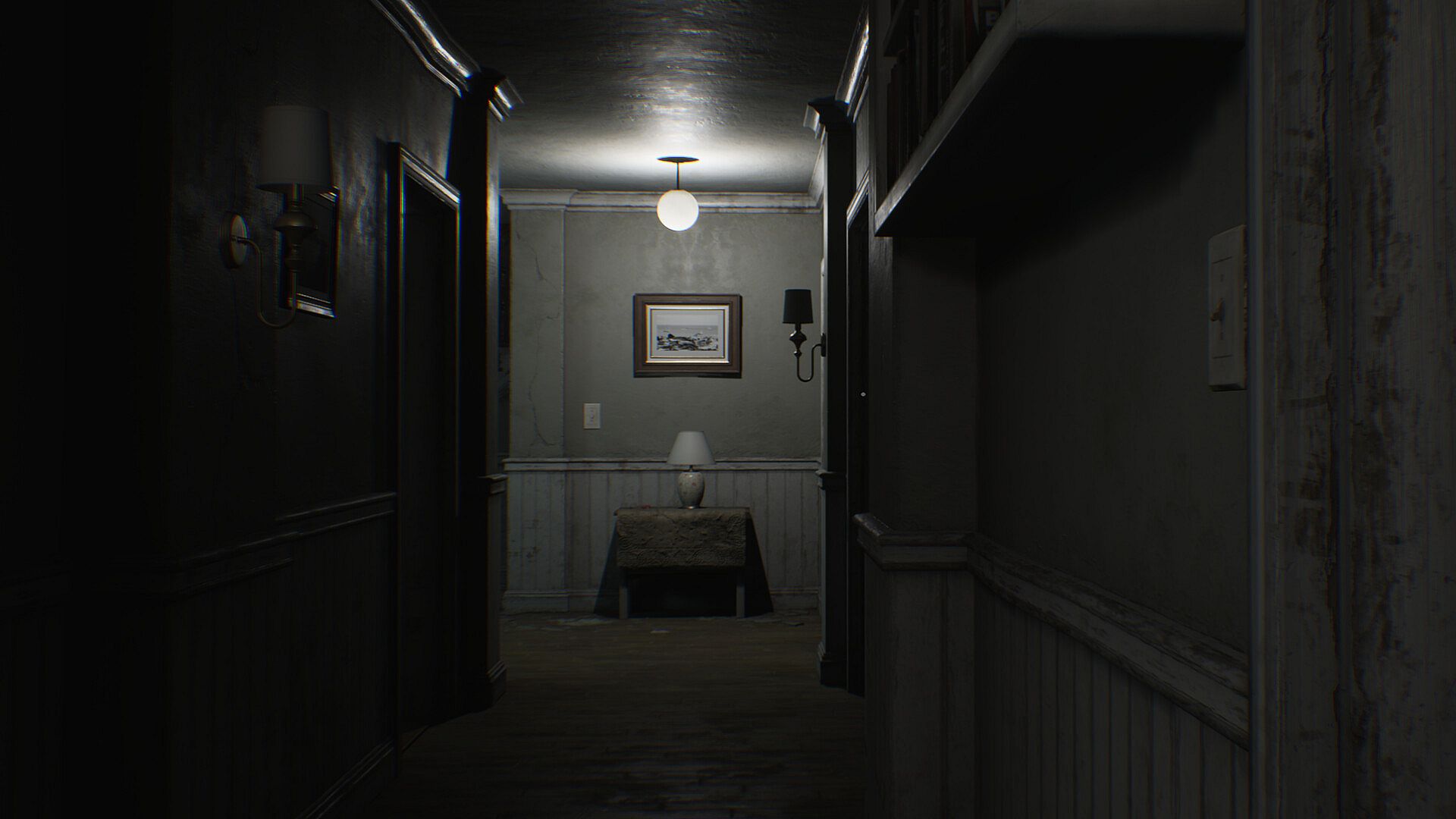
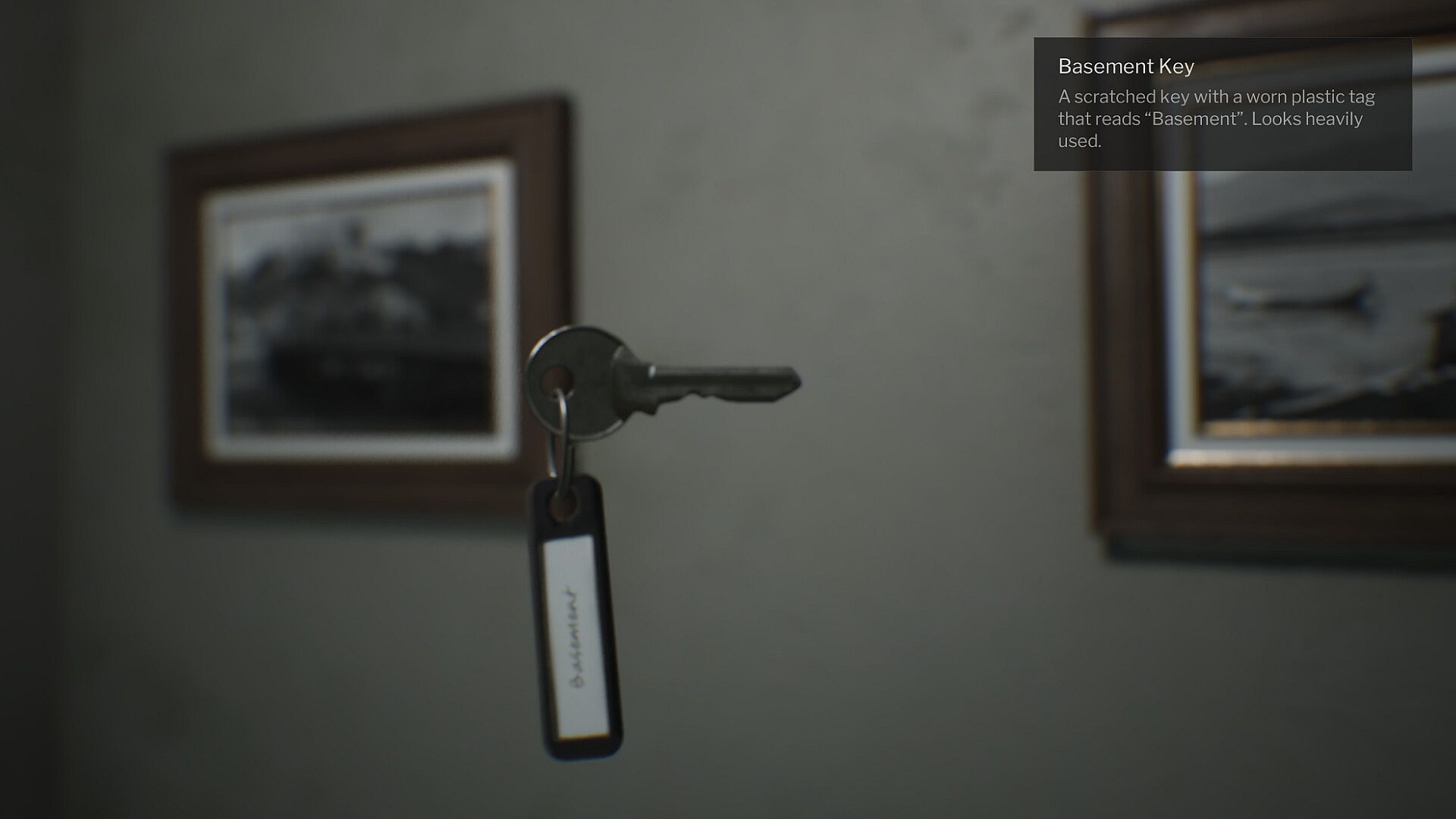
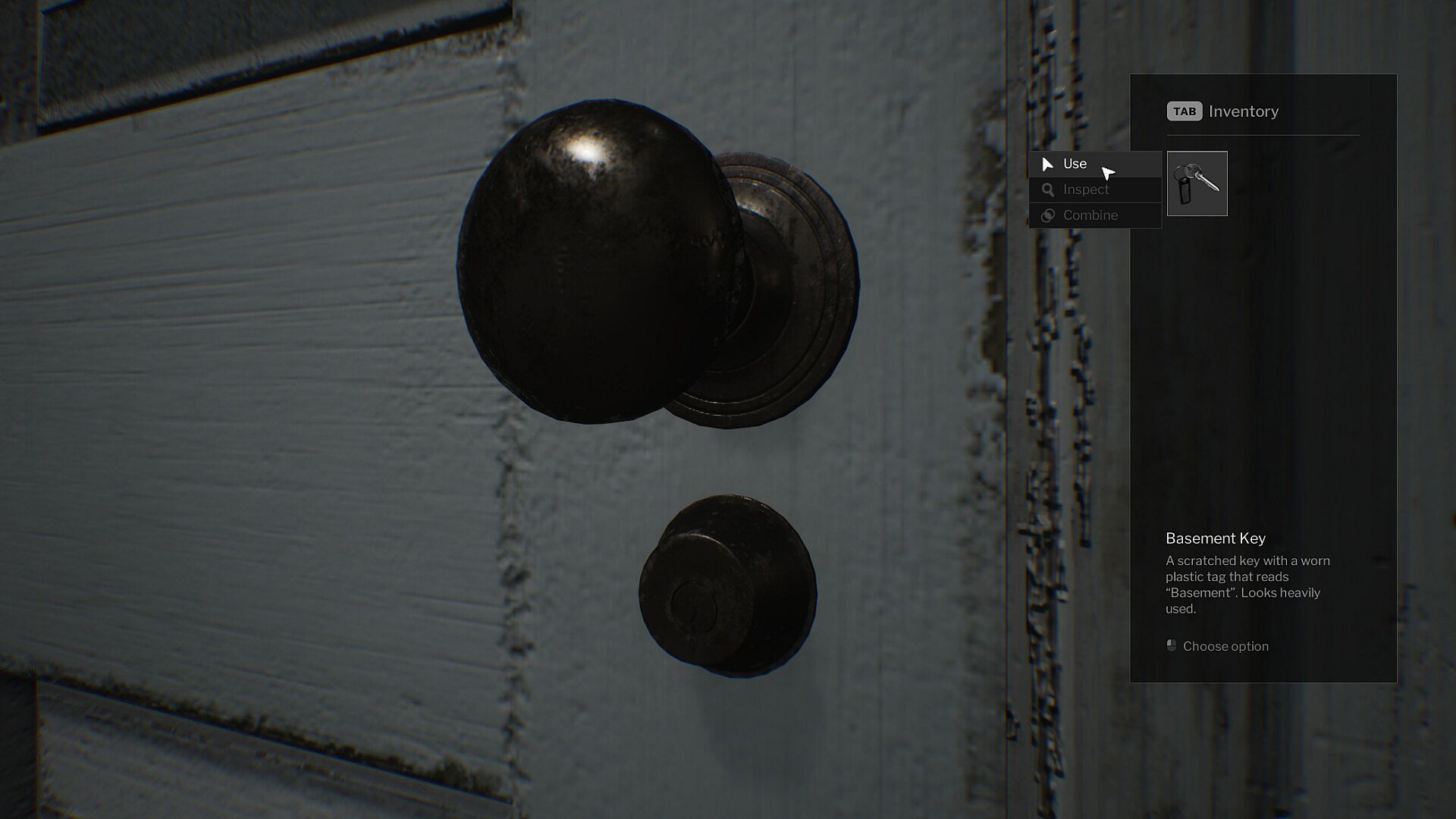
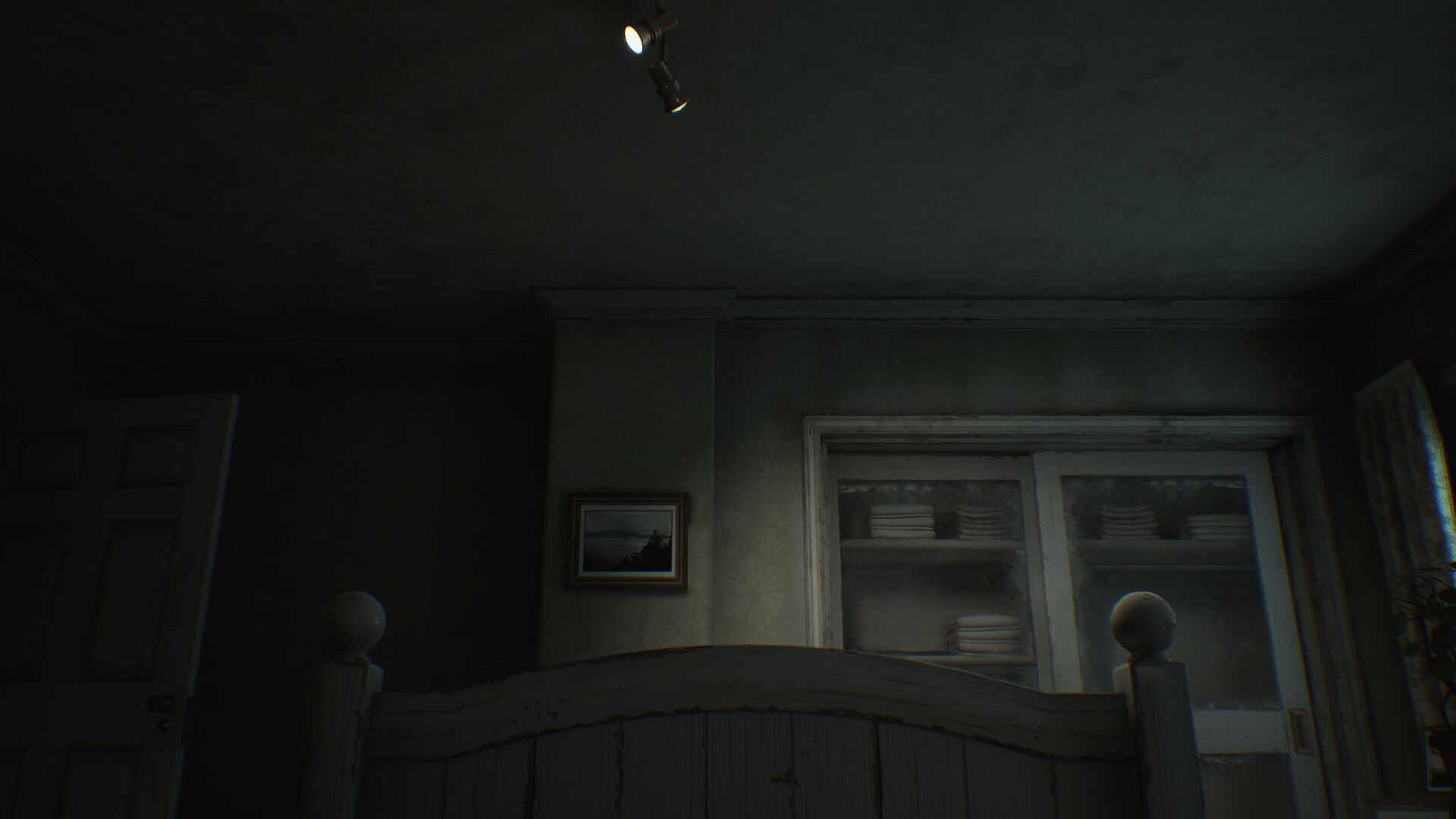
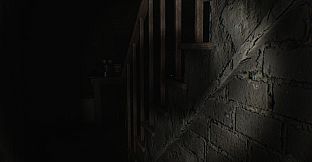
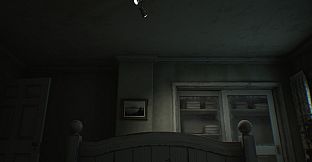
Inhabitant: A Family Curse is a first-person psychological horror adventure game built around exploration and environmental storytelling in a single-family home filled with decades of hidden history. Players step into the role of an heir returning to an inherited mansion to confront questions about a troubled family past that grows darker with every discovery. The experience emphasizes quiet tension, careful observation, and gradual revelation over direct confrontation or action sequences.
Gameplay
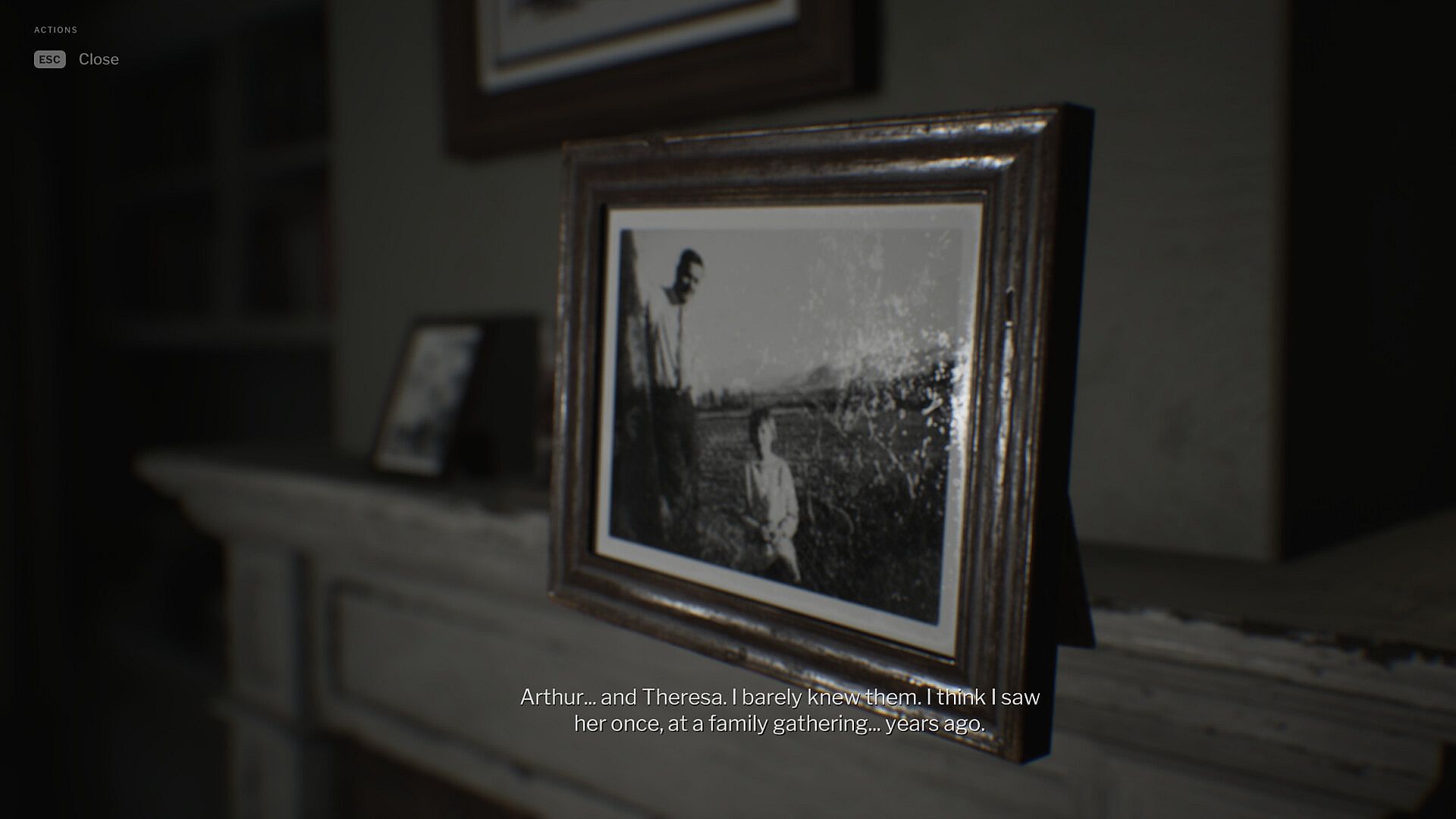
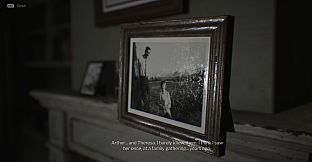
The core loop centers on methodical exploration of the property. Players move through rooms in two connected houses and their surrounding gardens, examining personal items, notes, photographs, and environmental details that gradually piece together the events that unfolded there. Interaction focuses on inspecting objects that appear in ordinary spaces, revealing clues that connect across different areas of the home.
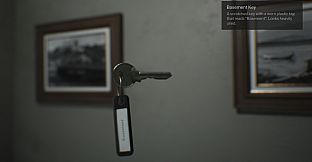
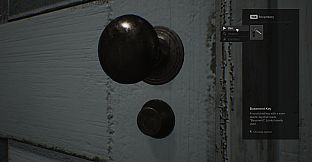
Puzzle-solving forms a major part of progression. These challenges require players to locate key items such as keys or derive codes from clues visible in the surroundings, then apply them to locked doors or mechanisms to open new sections. The design keeps multiple puzzles active at once but limits active objectives so that newly found items usually align with one or two current needs. Interactable elements are marked clearly to reduce unnecessary searching.
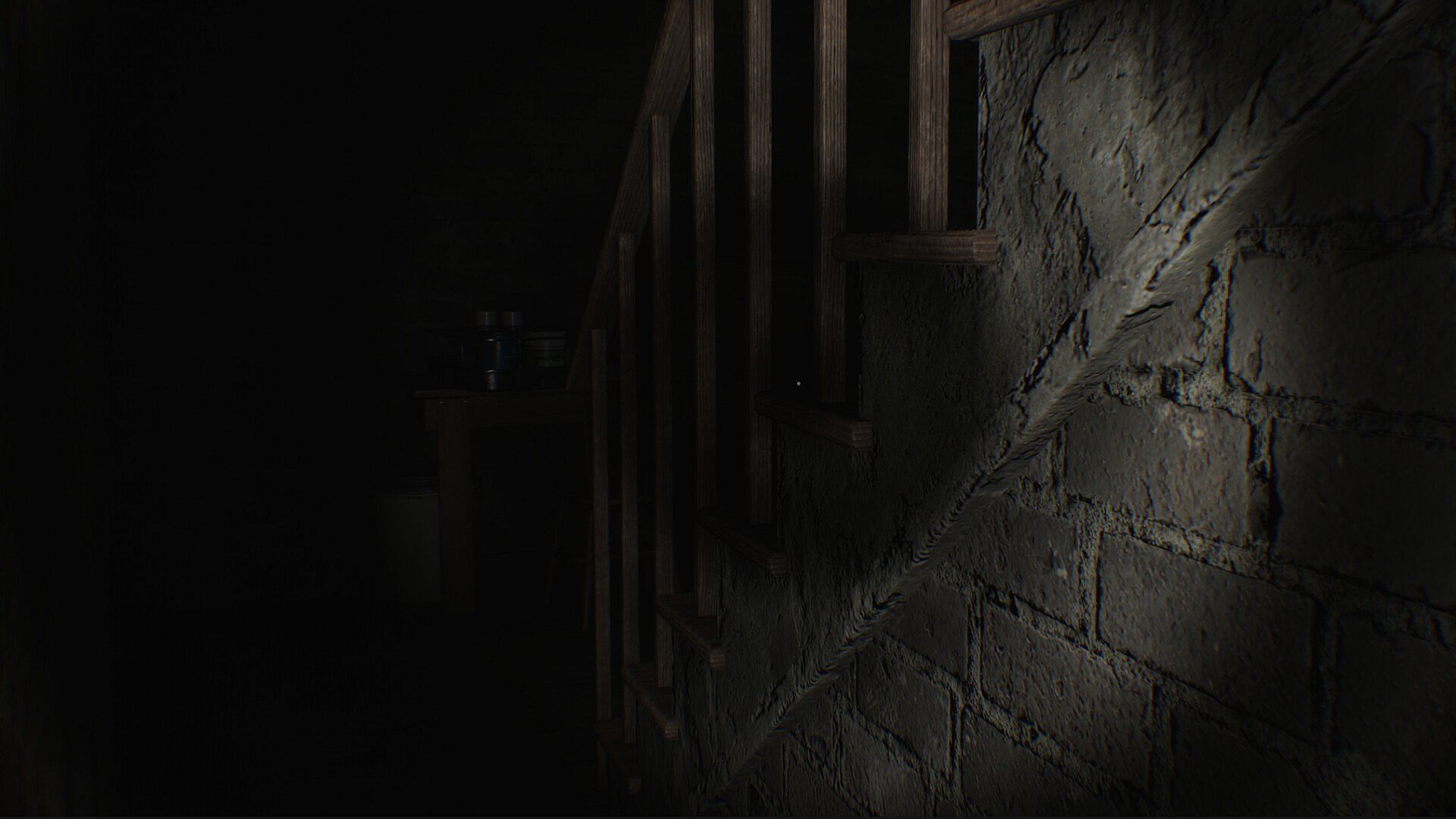
A hostile presence adds occasional pressure, requiring players to evade rather than fight while continuing their investigation. The atmosphere builds through isolation, subtle audio cues, and the weight of the unfolding family narrative rather than frequent scares or combat. Resource management stays minimal, with the emphasis placed on observation and connecting information across the environment.
Game Modes
Inhabitant: A Family Curse is a single-player experience with no multiplayer components or separate game modes. Progression follows a linear narrative path driven by exploration and puzzle completion, allowing players to uncover the story at their own pace within the fixed setting of the family property. There are no alternative difficulty settings, challenge modes, or branching campaigns confirmed in the available information.
Story and Atmosphere
The narrative unfolds entirely through environmental details and discovered documents rather than direct exposition or character dialogue. Players learn about the Crouse family and the events that led to the current state of the house by examining belongings and connecting clues scattered throughout the rooms and grounds. This approach creates a sense of personal discovery that ties directly into the psychological horror elements.
Tension arises from the oppressive intimacy of the setting and the slow realization of what the family history conceals. The game avoids constant threats in favor of building dread through isolation and the weight of buried secrets, making each new room or clue feel like a step deeper into something that should have remained hidden.
Is It Worth Playing?
Player reception has been strongly positive, with the game holding a Very Positive rating based on hundreds of reviews. Those who enjoy atmospheric psychological horror, environmental puzzles, and narrative-driven exploration tend to find the experience satisfying. The focused scope, centered on a single detailed location and a contained story, suits players looking for a shorter, self-contained adventure rather than open-ended or replay-heavy titles.
The game delivers on its promise of tension through atmosphere and discovery without relying on heavy action or resource scarcity mechanics beyond basic evasion. For fans of indie horror that prioritizes mood and investigation over jump scares or combat, it offers a cohesive package that has maintained steady appreciation since its release. Availability remains straightforward on PC, with no additional modes or ongoing seasonal content to track.