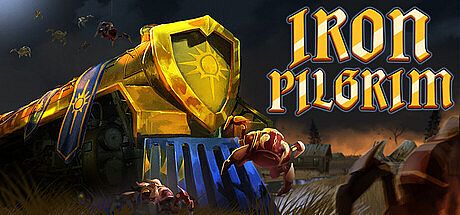


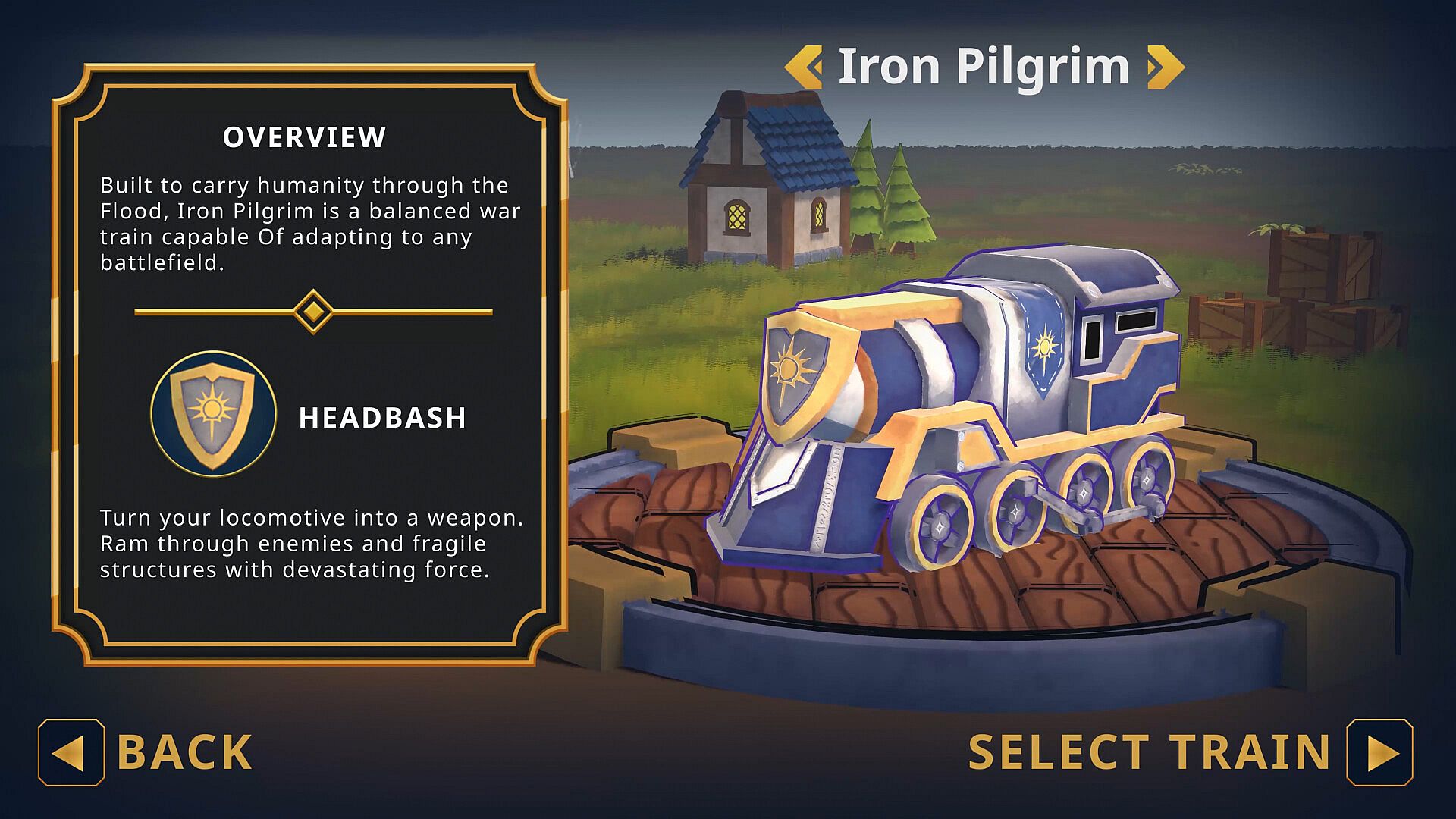
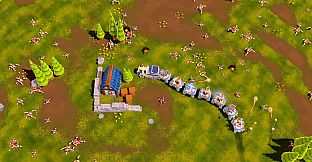
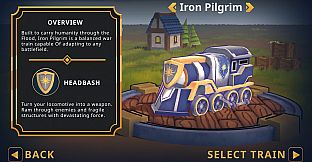
Iron Pilgrim is a single-player action indie casual game built around controlling a customizable war train in a horde survival rogue-lite setting. Players guide a locomotive that operates off the rails through destructible environments filled with demonic enemies known as the Flood. The core loop centers on charging forward at high speed, collecting wagons, and managing positioning to survive waves of foes while progressing through structured sectors.
Gameplay
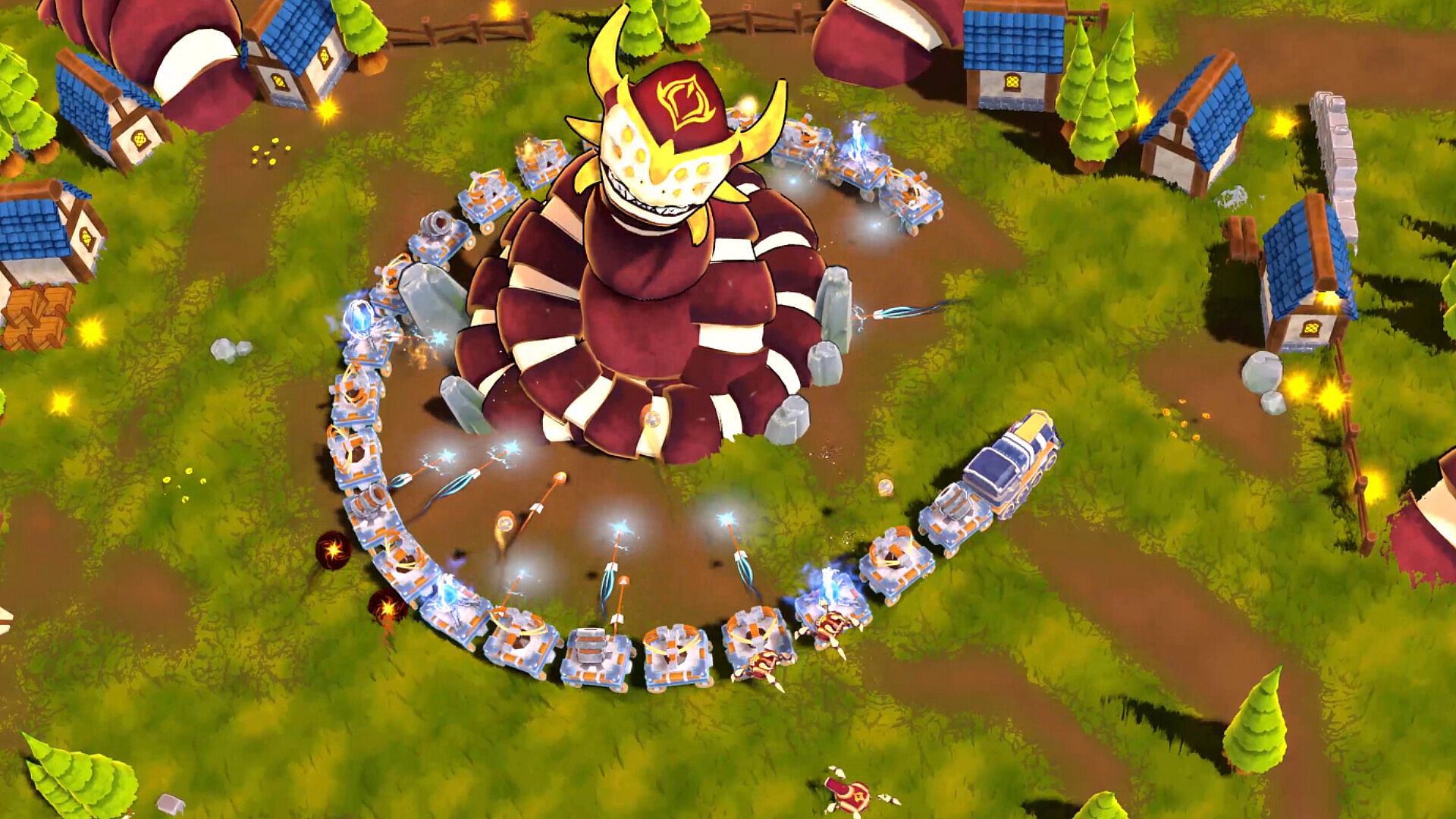
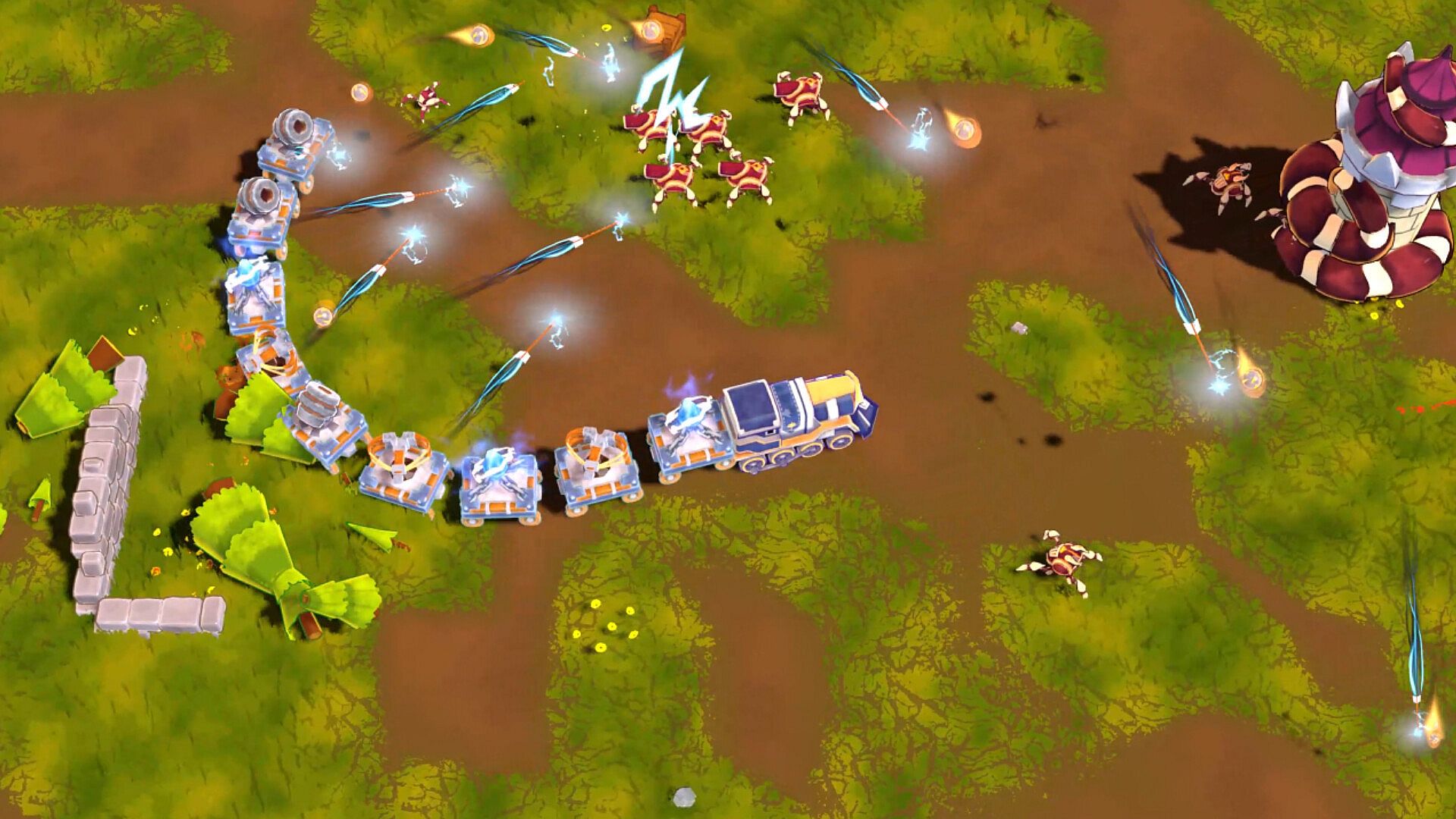
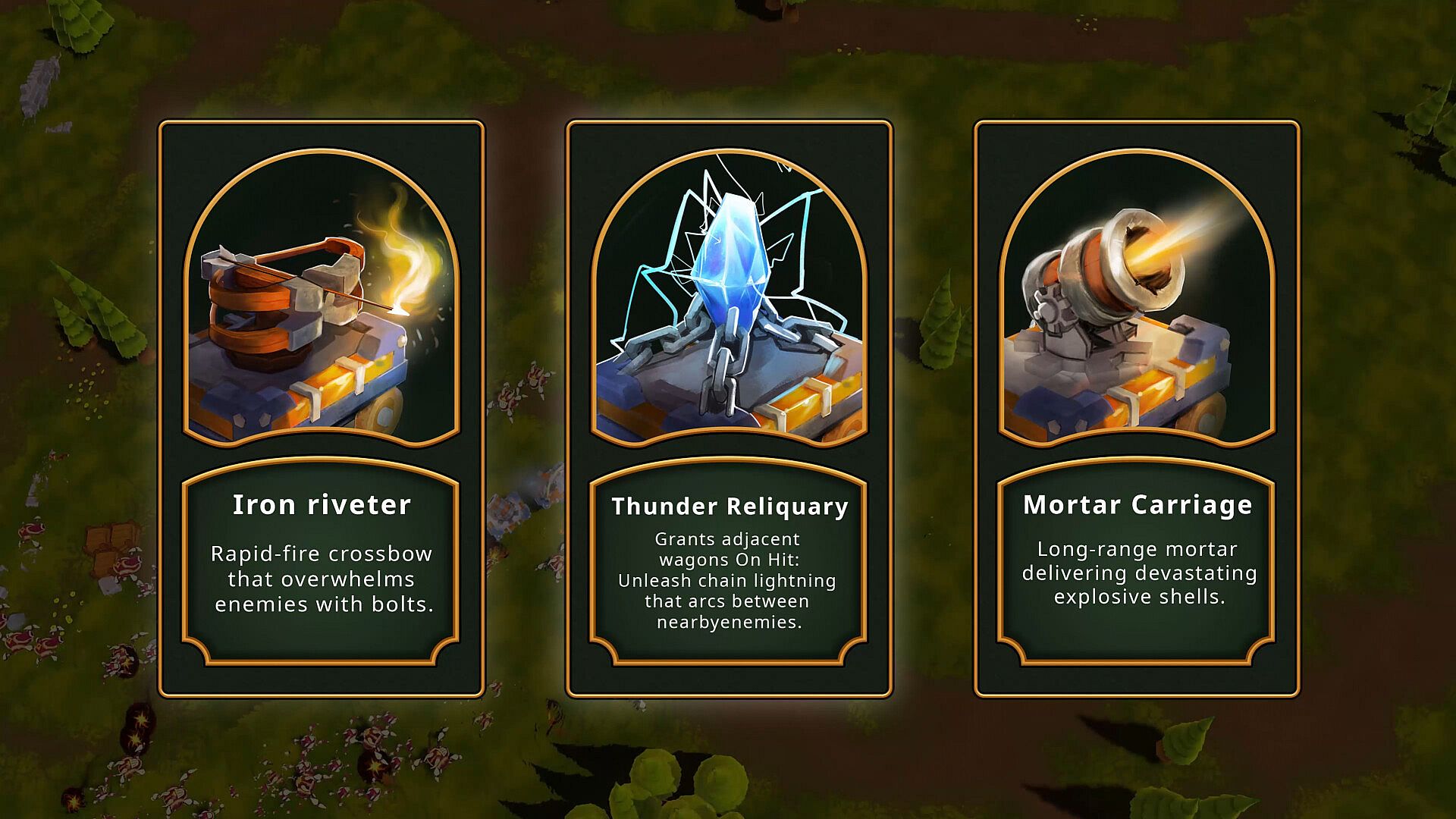
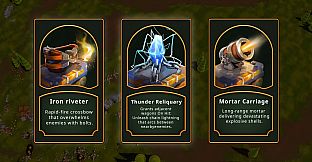
The gameplay revolves around building and upgrading a train by adding wagons that provide different capabilities. Cannons deliver direct firepower, while Tesla coils and support wagons create synergies where certain units empower adjacent ones instead of attacking directly. Placement becomes critical because each added wagon increases overall power but also enlarges the hitbox, making tight turns and precise navigation essential to avoid damage in dense enemy encounters.
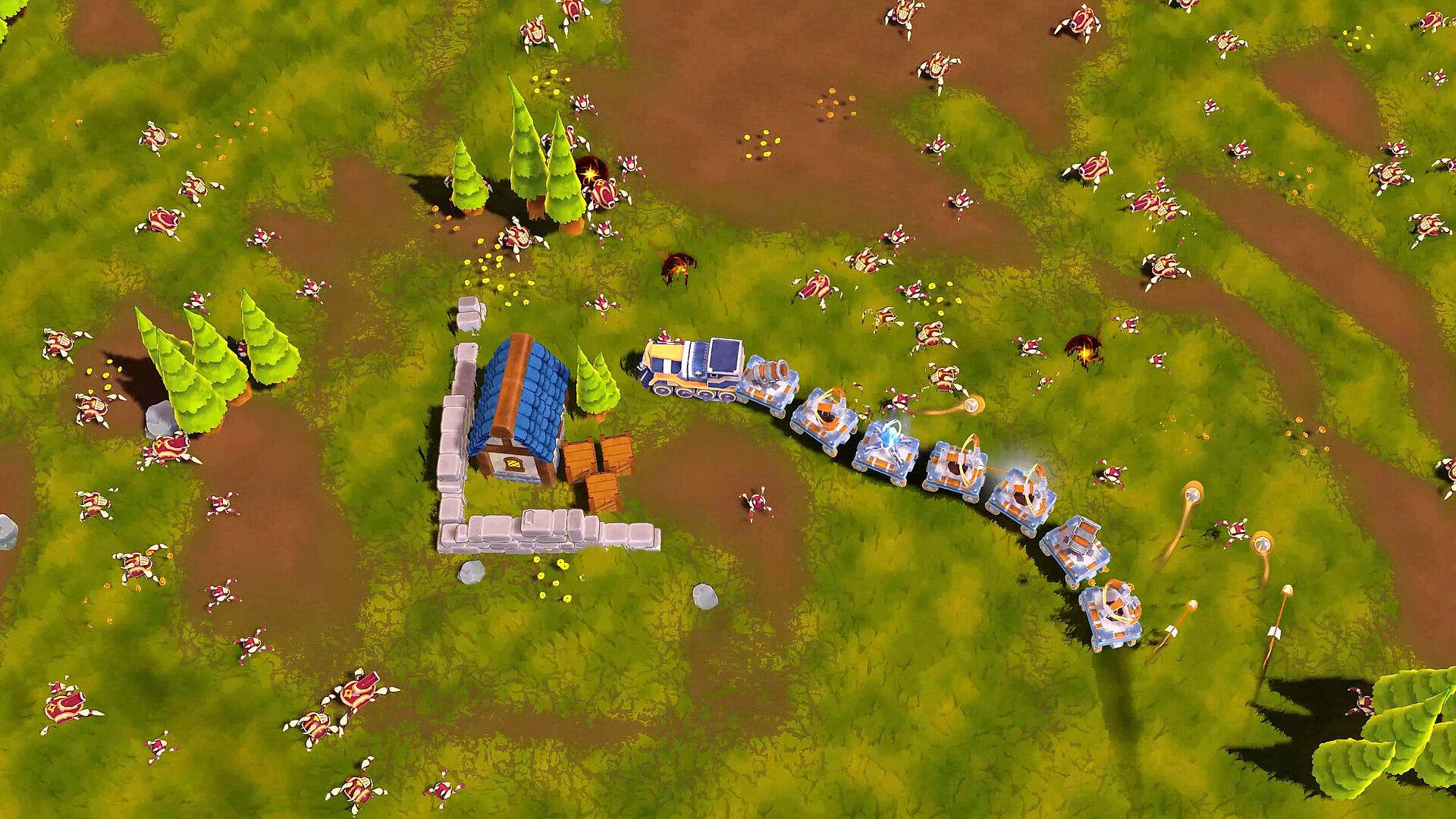
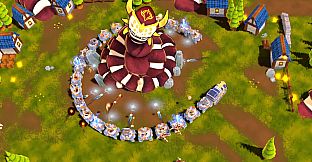
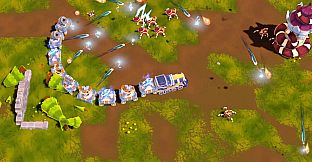
Speed serves as a primary offensive tool, allowing the train to smash through forests, villages, and hordes with momentum that often outperforms stationary weapons. Worlds feature full destructibility, enabling players to carve paths and rescue survivors scattered across the landscape. Ten sectors lead to encounters with colossal bosses, and the rogue-lite structure encourages repeated runs to refine wagon combinations and strategies for better survival against the unending Flood.
Game Modes
Iron Pilgrim operates as a single-player experience without additional multiplayer options. The main activity involves progressing through the ten sectors in a continuous survival format where the Flood spawns relentlessly. Runs focus on accumulating wagons, optimizing their layout for synergies, and balancing aggression with evasion to reach and defeat bosses. This setup rewards experimentation with different train configurations across multiple attempts.
Core Mechanics and Progression
Wagon management forms the central system, with each new piece altering both offensive output and defensive profile. Tesla wagons specifically boost neighboring units rather than firing independently, creating chain reactions that players must arrange carefully. The emphasis on hitbox size versus power encourages thoughtful assembly rather than simply maximizing length. Destructible terrain adds another layer, letting players alter the battlefield while maintaining forward momentum through villages and wooded areas.
Boss encounters at the end of sectors test the effectiveness of built trains against larger threats. The rogue-lite elements mean each run starts fresh but carries forward lessons about effective placements and speed usage. No other factions or alternate progression paths appear in the confirmed design.
Is It Worth Playing?
Iron Pilgrim remains in development with a release date to be announced and no user reviews available yet. Its single-player horde survival structure and wagon-building mechanics will likely appeal to players who enjoy action games focused on positioning, synergies, and high-speed traversal rather than traditional shooting or resource management. Those interested in rogue-lite runs that emphasize customization and spatial decisions may find the concept engaging once it launches. Availability is currently limited to wishlist tracking on major platforms, with the full experience expected to deliver the described train combat loop without additional modes or expansions confirmed at this stage.