







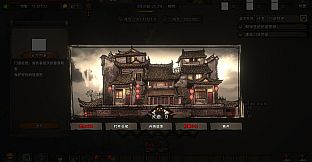
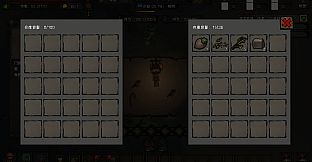
江湖大镖客 is a single-player strategy, indie, RPG and simulation game set in a martial arts world. Players manage survival needs while establishing and defending a sect stronghold, learning combat skills and expanding influence through exploration and rival confrontations. The title enters Early Access with a playable core framework focused on resource management, construction and encounters.
Gameplay
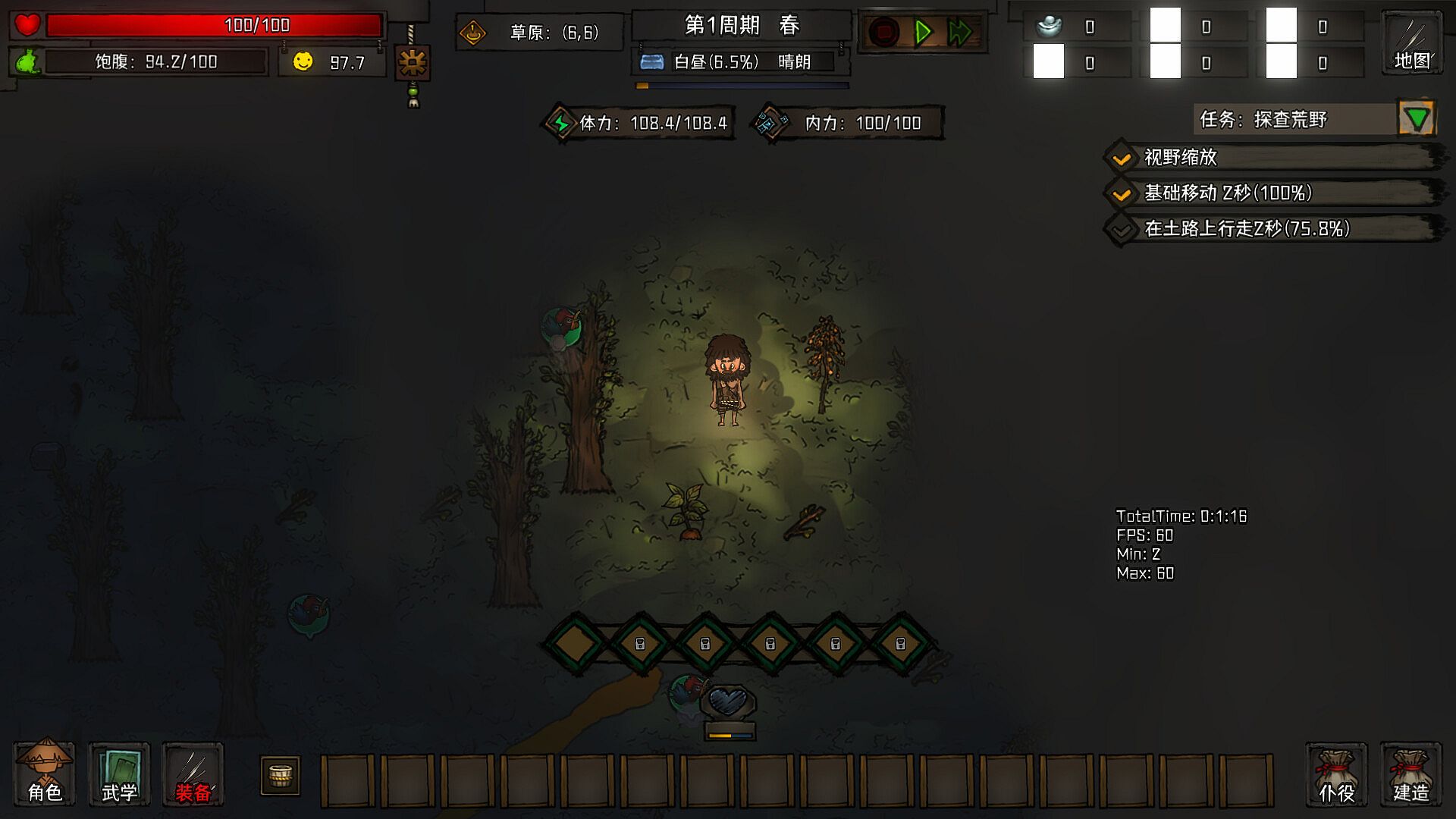
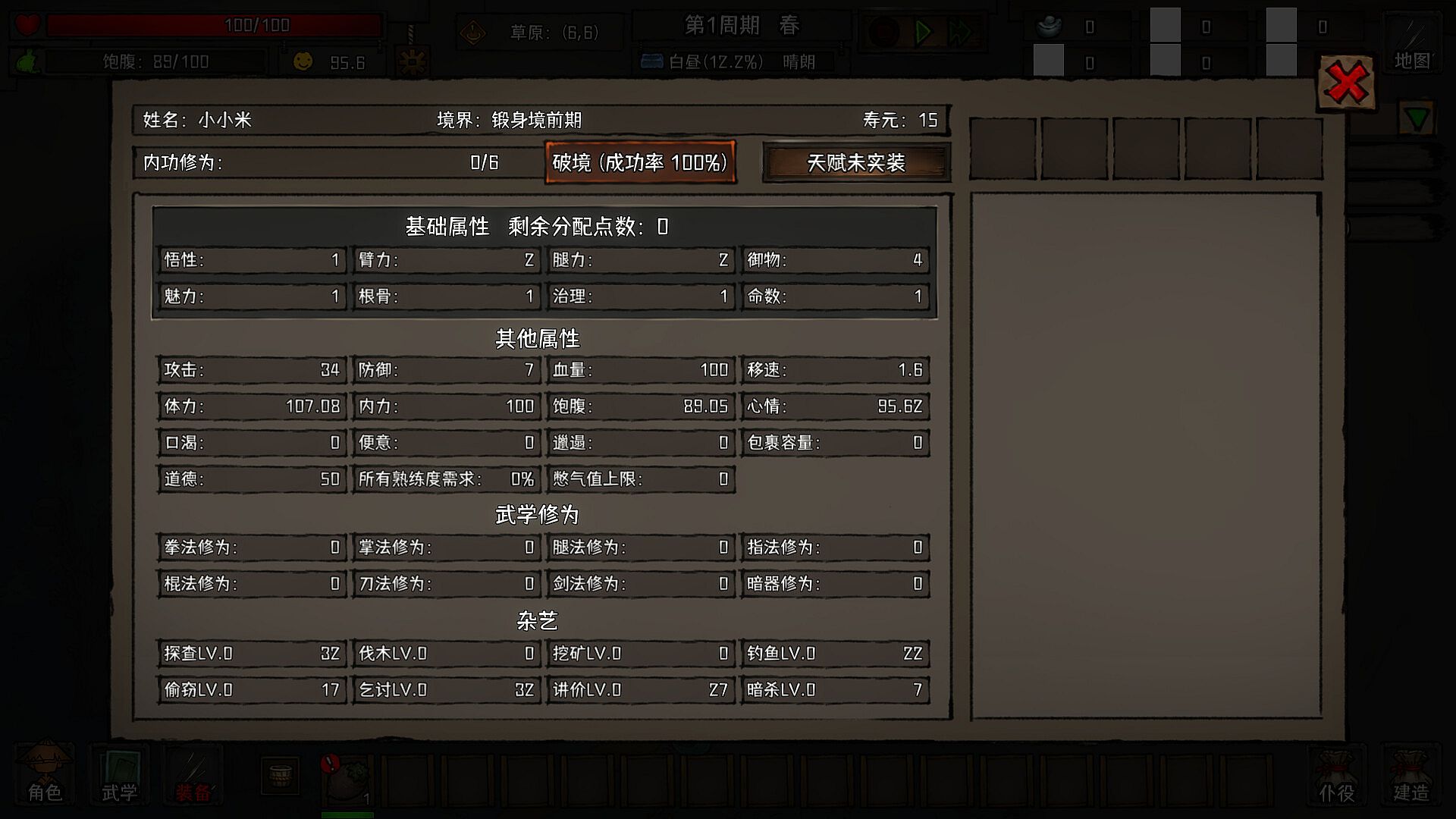
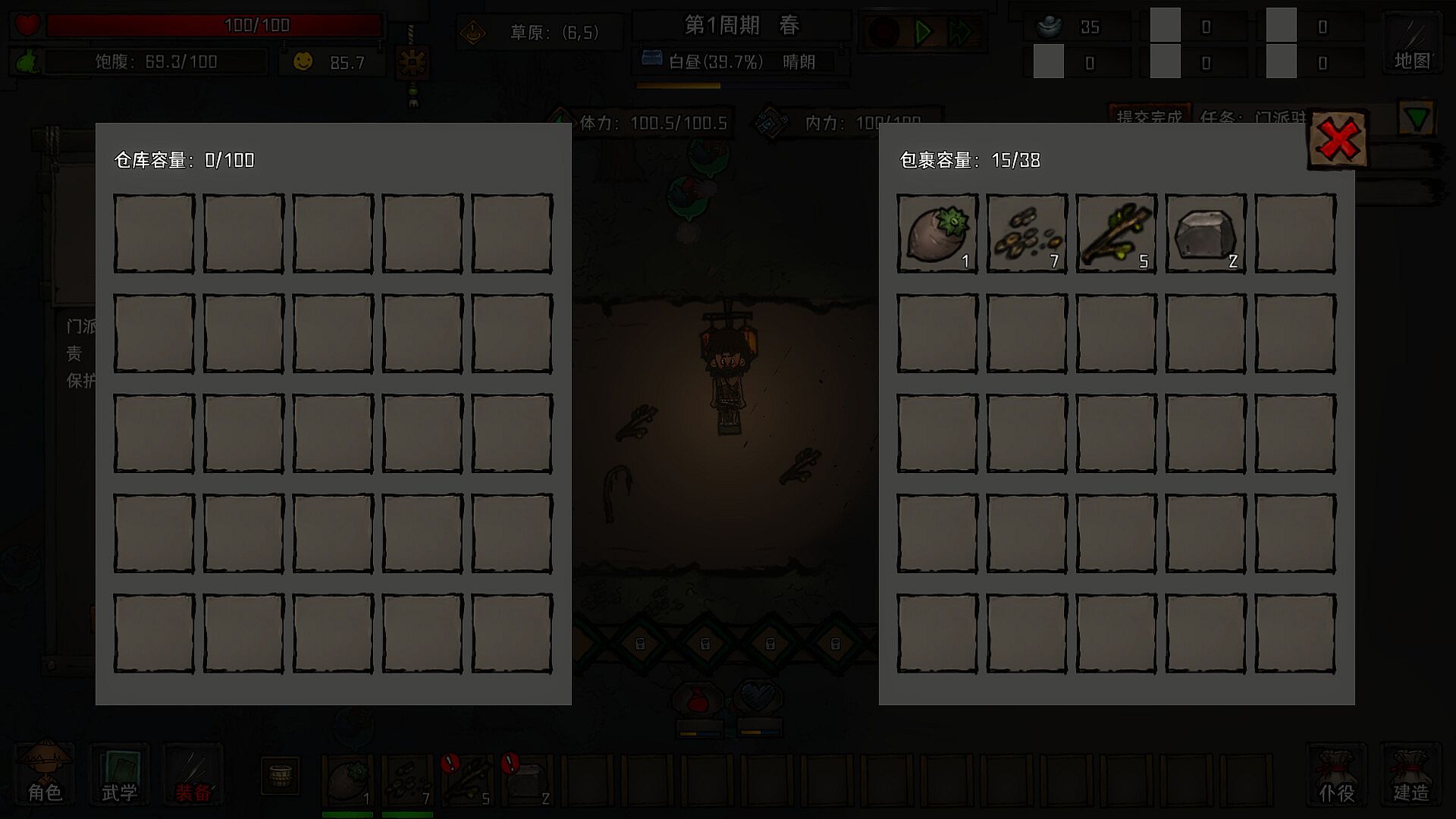
Survival forms the base layer of the experience. Players track and balance hunger, thirst, excretion, hygiene and mental state, with neglect leading to chained negative effects that impact overall performance. Exploration involves searching the wilderness for martial arts manuals that unlock abilities divided into internal arts based on Five Elements metaphysics and external arts covering fist, palm, leg techniques plus weapon styles such as swords, sabers, spears and staffs.
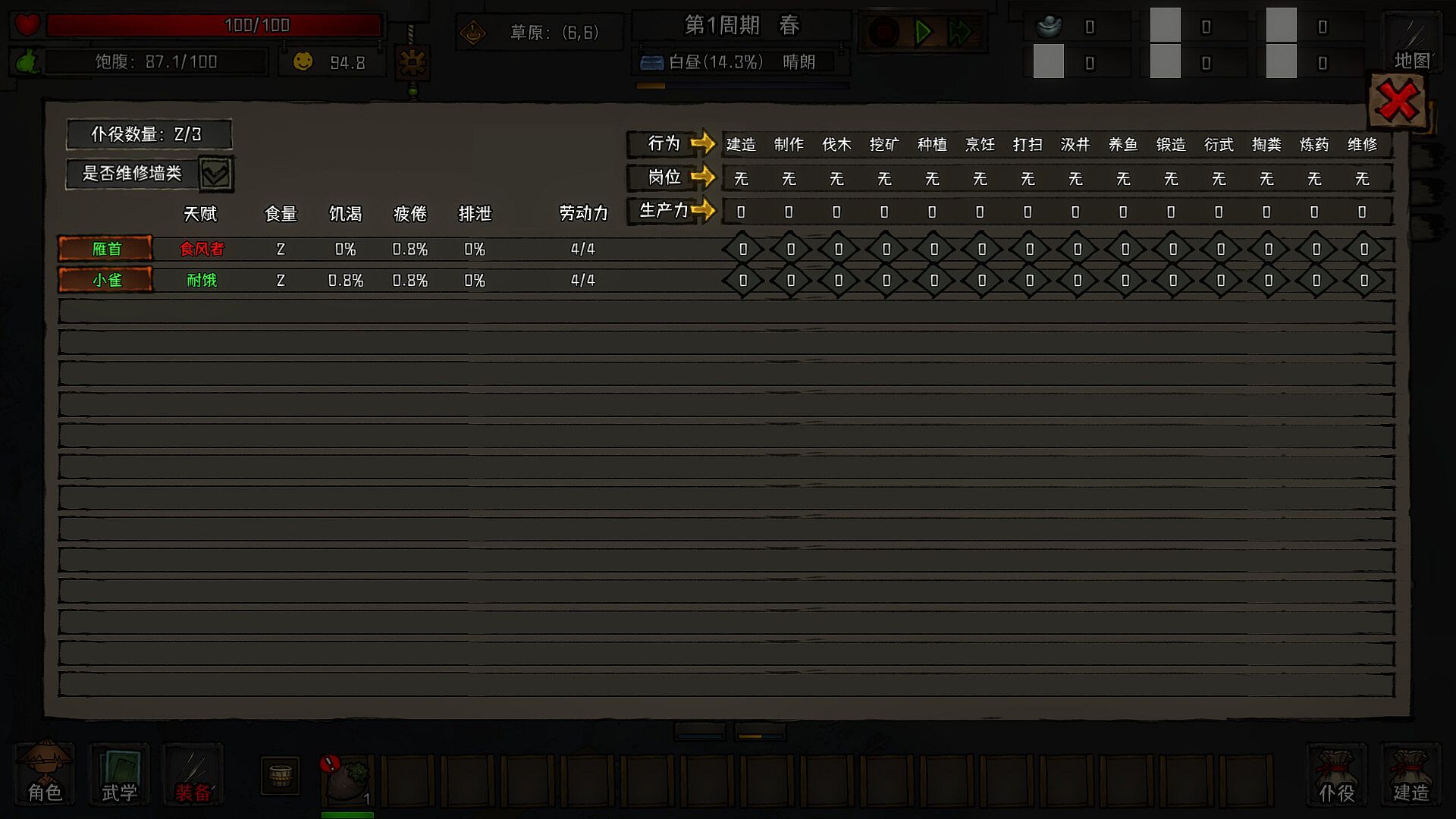
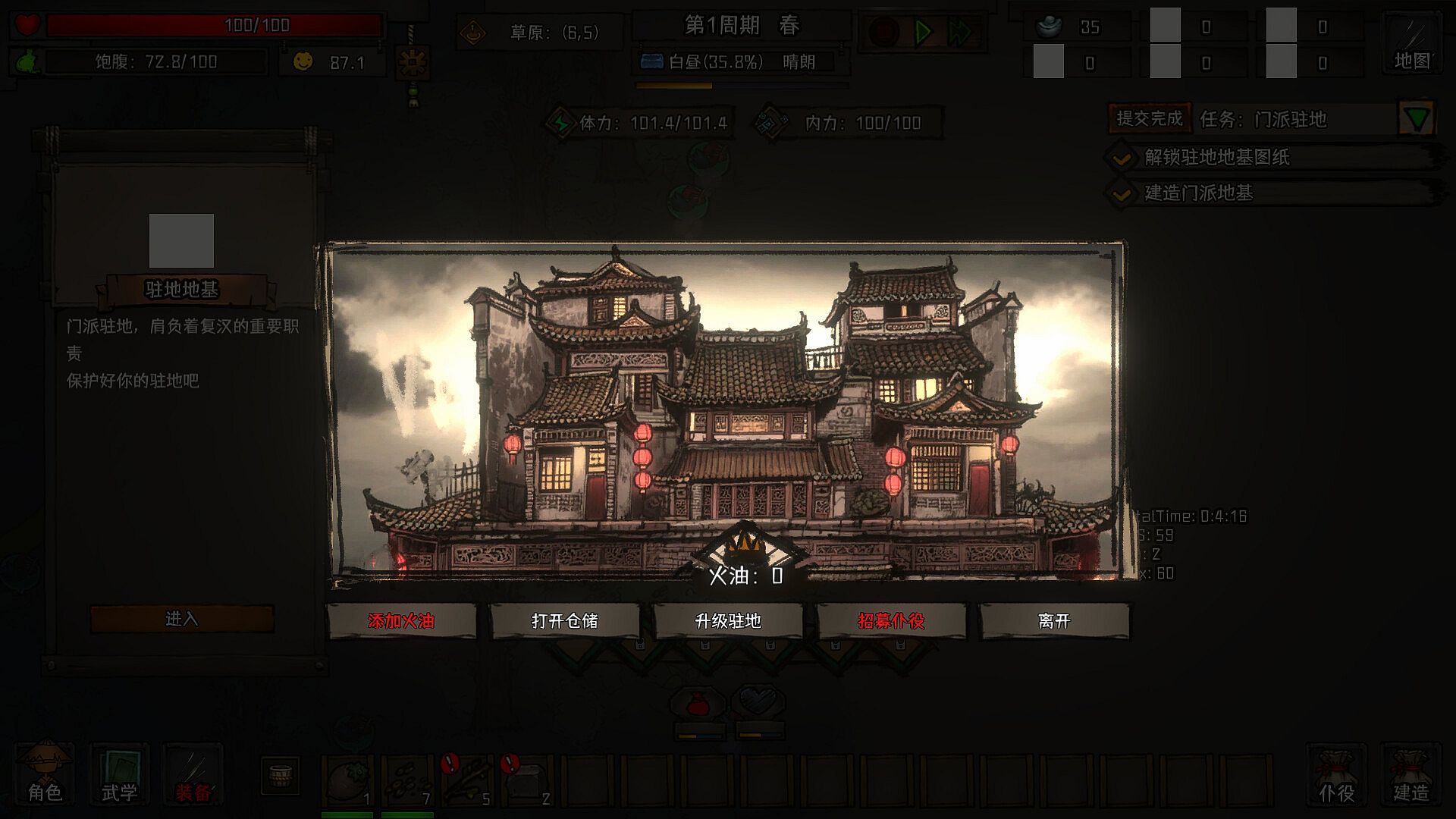
Stronghold construction begins with selecting a suitable plot to establish a sect. Facilities include kitchens, water wells, latrines, wooden stockades and defensive towers that provide the foundation for sustained operations. Nighttime brings assaults from ferocious beasts and bandit groups, requiring pre-planned defenses and direct combat to protect the base. Servants handle production tasks while disciples join in fights. Campaigns target rival factions to seize territory and grow influence.
The developer describes the Early Access version as containing stable core systems for survival, construction and combat encounters, with basic NPC and enemy AI already implemented. Planned expansions during this phase include additional towns, quests, random events and refinements to trading mechanics and balance.
Game Modes
The game operates as a single-player experience centered on integrated loops of survival management, open-world exploration, stronghold building and faction-based rivalry. Core activities include gathering resources, constructing facilities, trading management and engaging in combat encounters against environmental threats and opposing groups. No separate named modes exist beyond this unified framework, which blends simulation elements with RPG progression through skill acquisition and sect development.
Players progress by recruiting labor and fighters, launching offensives to claim new areas and adapting defenses to recurring nighttime raids. The structure emphasizes long-term sect growth amid the chaotic martial arts setting rather than discrete competitive or cooperative formats.
Development and Current State
江湖大镖客 is developed solo and scheduled to launch in Early Access with an estimated duration of eight to twelve months. The initial build features complete core gameplay in gathering, construction, exploration and trading, though content variety remains limited and certain values require tuning. Future updates will add main and side quests, new resources, factions and optimizations based on community input. The full release aims to expand storylines, martial arts systems and overall polish while maintaining permanent ownership for Early Access purchasers.
System requirements list Windows 10 or 11 as the platform, with modest hardware thresholds for both minimum and recommended setups. The game supports Simplified Chinese interface and subtitles, with English language support not available.
Is It Worth Playing?
This title suits players interested in survival simulation combined with martial arts RPG elements and base-building mechanics. The single-player focus allows deep engagement with resource management, sect defense and skill progression without multiplayer distractions. As an Early Access title, it offers a functional core loop but currently lacks extensive content variety, making it most appropriate for those comfortable with ongoing development and potential balance adjustments.
With no user reviews available yet, reception will depend on how well the planned expansions address feedback regarding resource tuning, combat feel and event diversity. Fans of detailed survival systems and faction rivalry in a Chinese martial arts context may find value in following its progress through the Early Access period.











