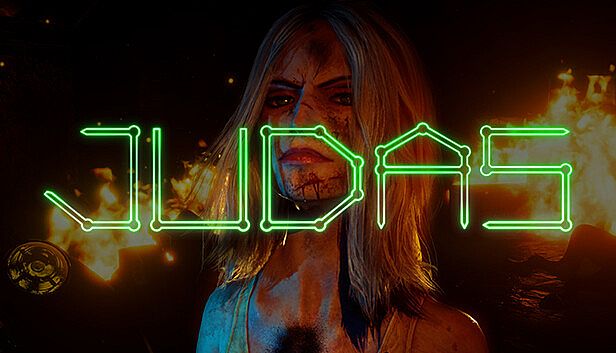


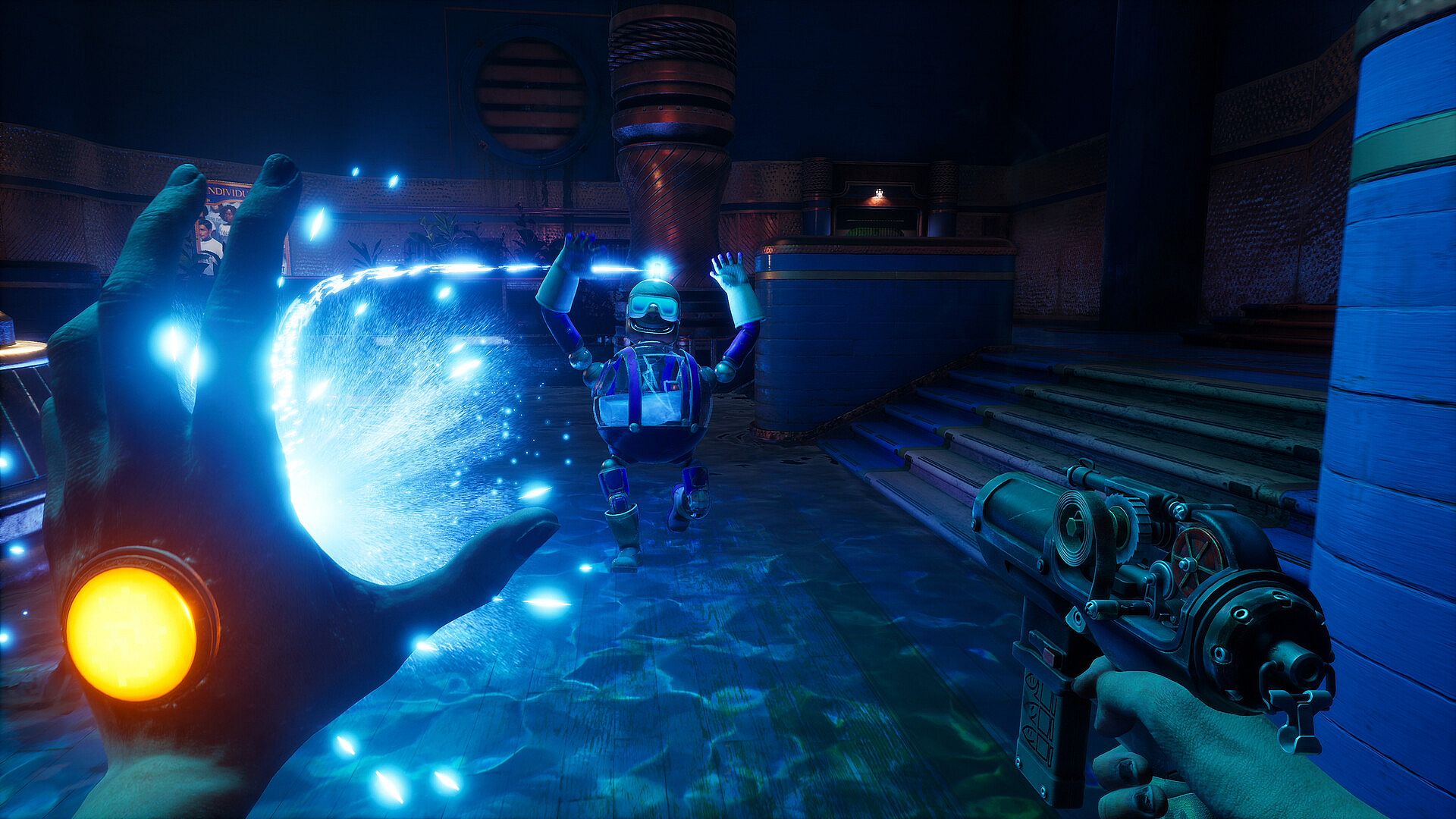
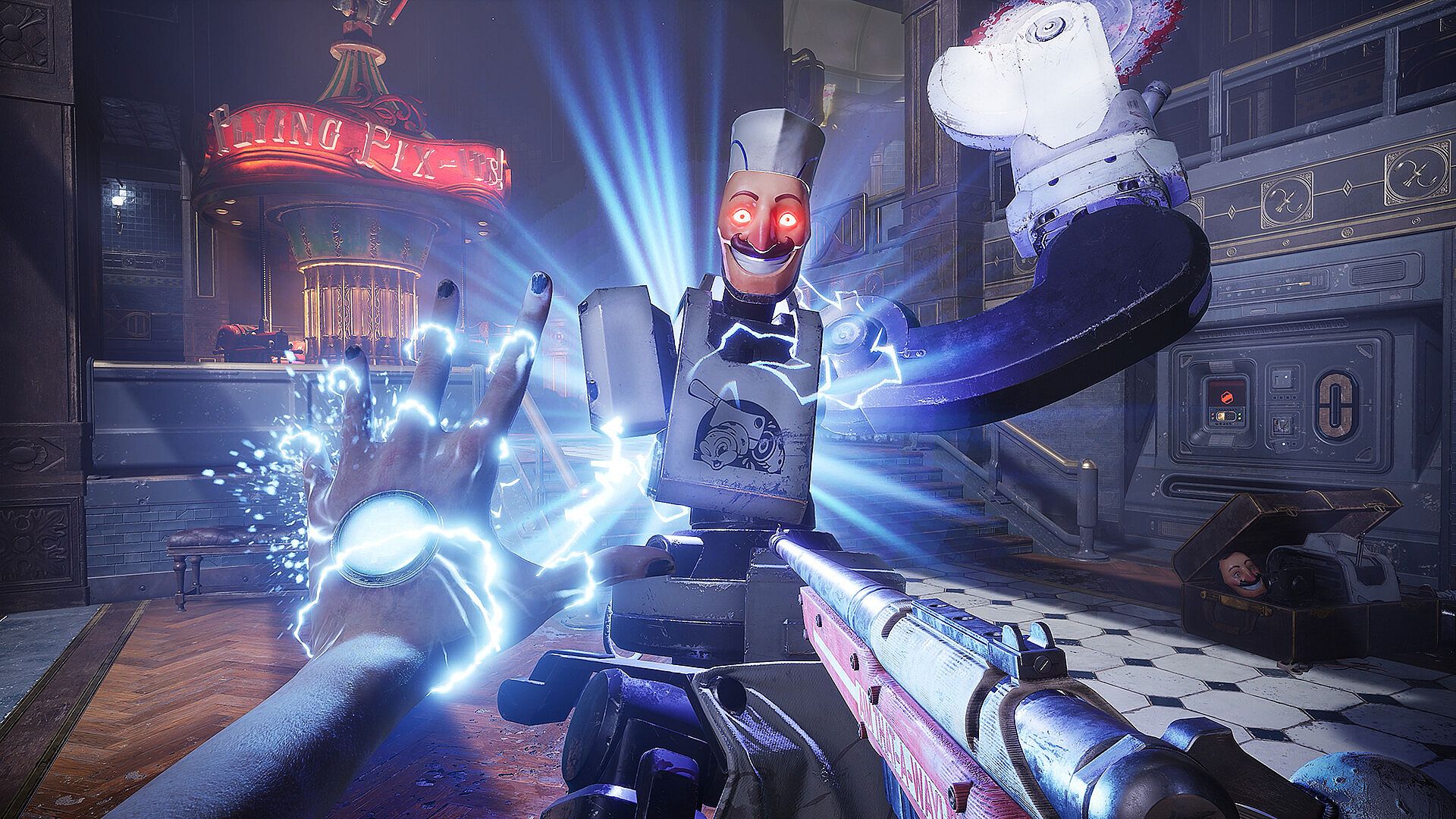
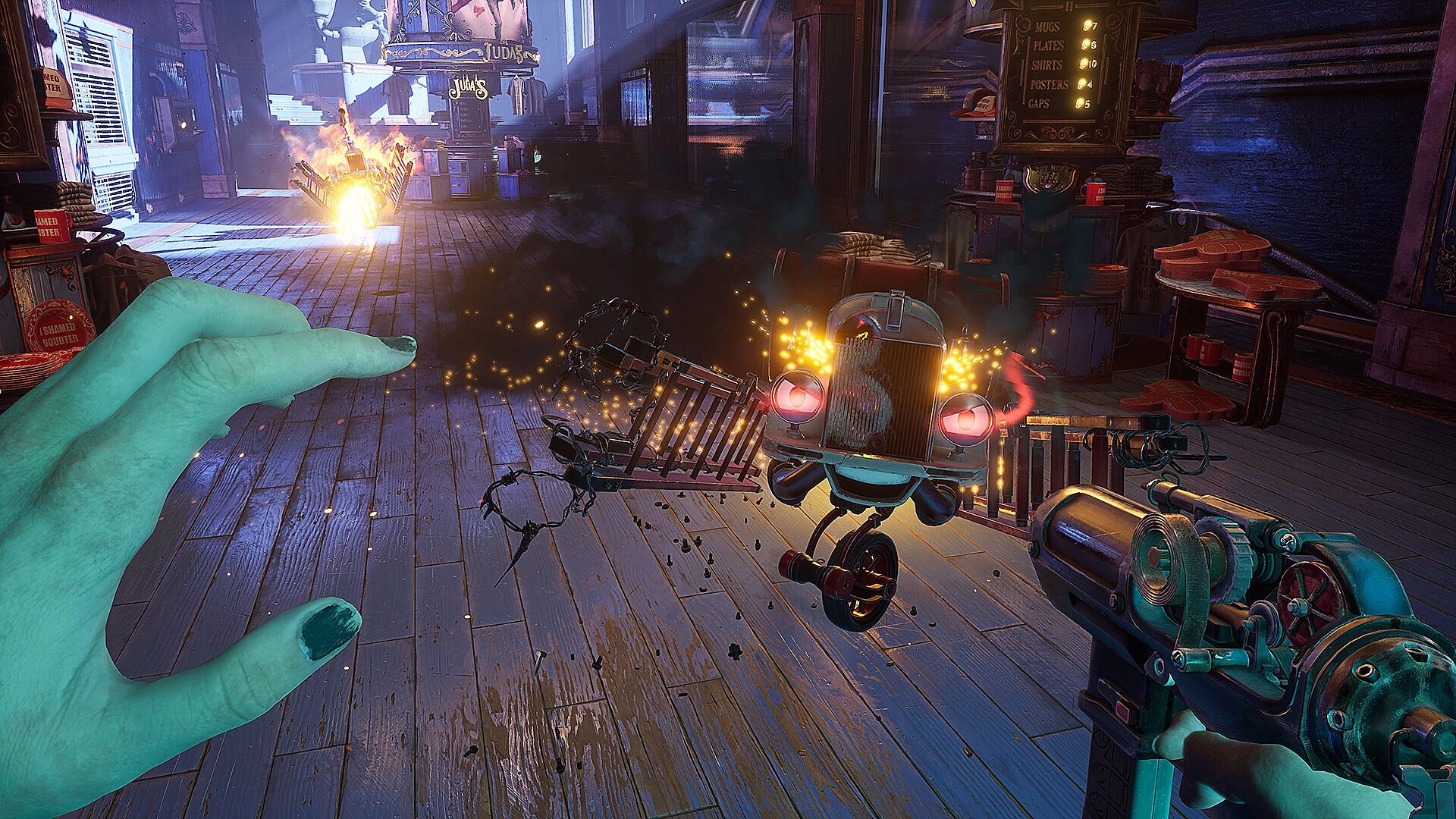



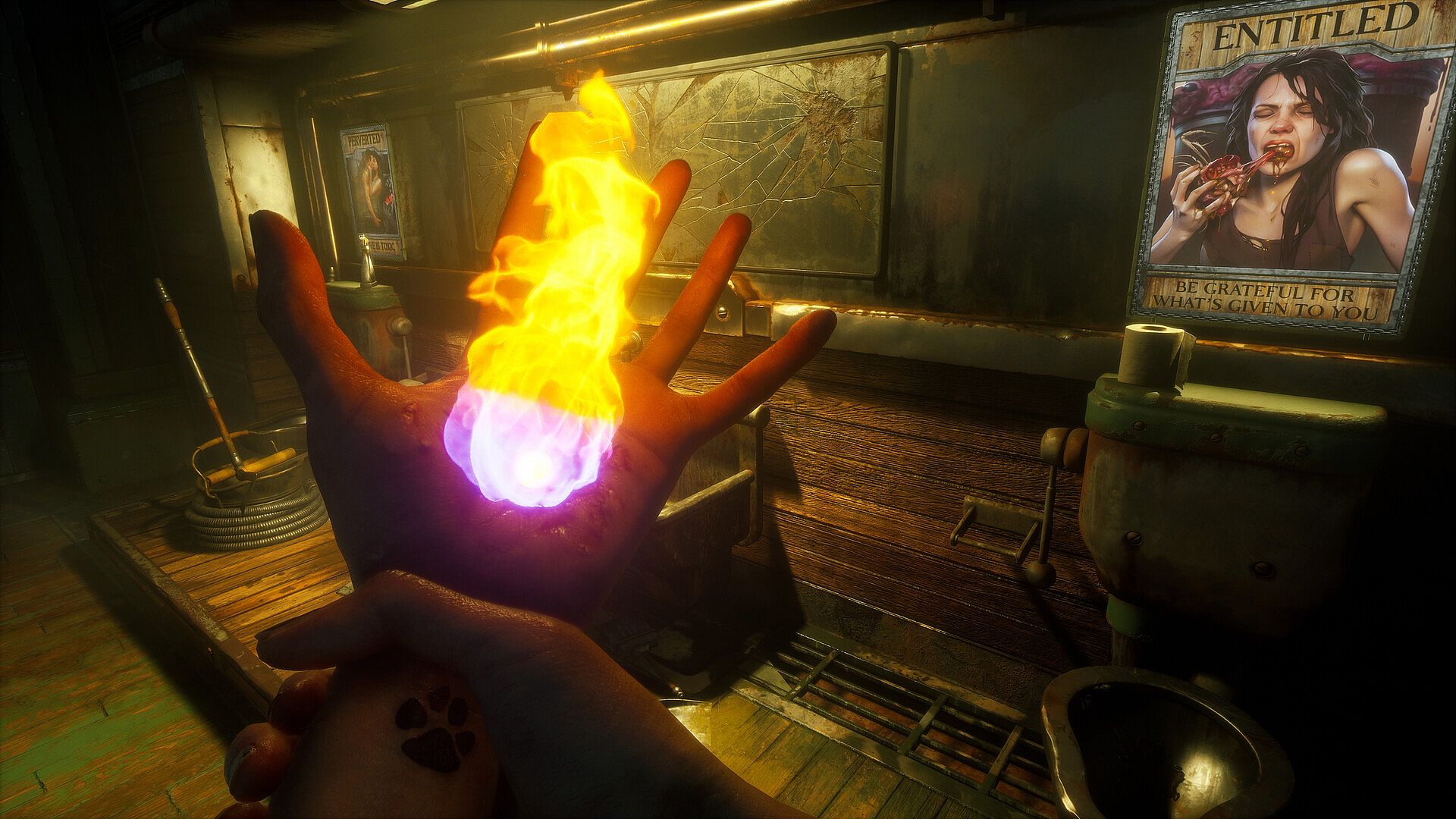





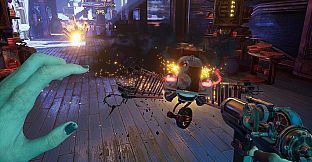







Judas stands out as a narrative-driven first-person shooter that blends action and adventure elements in a sci-fi setting. Developed by Ghost Story Games under the direction of Ken Levine, known for his work on System Shock 2 and the BioShock series, this title places you in the role of the enigmatic Judas aboard the crumbling starship Mayflower. Here, survival hinges on forging or shattering alliances with former adversaries amid a desperate bid to escape disaster.
Gameplay
The core experience revolves around making choices that shape the story and relationships in profound ways. Through the Narrative Legos system, the game assembles story elements, levels, and assets that adapt to your decisions, creating varied outcomes and high replayability. This setup draws from influences like the Nemesis system in other titles, but focuses on narrative reactivity.
Combat unfolds in first-person shooter style, set against the backdrop of a generation ship controlled by computers that groom and monitor its inhabitants. You navigate tense dynamics with key figures such as Tom, who aims to preserve humanity as is, Nefertiti, who wants to convert people into robots, and Hope, who seeks self-erasure. The Villainy mechanic tracks how your actions influence these relationships, where gaining favor with one might turn another into a foe, ensuring no playthrough pleases everyone.
Choices operate on macro and micro levels, from major plot decisions to subtle sequences of actions, with characters responding in detailed, realistic manners. This creates a challenging environment, reportedly tougher than Levine's previous works, emphasizing strategic alliance-building over straightforward progression.
Game Modes
Judas is designed strictly as a single-player experience, with no multiplayer components or live service features. The focus remains on a traditional narrative journey, where all elements serve the story without additional modes or online interactions.
Story and Setting
The game unfolds on the Mayflower, a disintegrating vessel where societal control rests with advanced computers. As Judas, you grapple with a troubled past and the need to repair or abandon the chaos you've helped create. The sci-fi premise explores themes of trust, transformation, and survival, with alliances forming the crux of progression.
Key mechanics encourage experimentation with relationships, leading to branching narratives that reflect real interpersonal complexities. Development has emphasized this reactivity, building on years of research to make every decision feel impactful.
Is It Worth Playing?
For those drawn to narrative FPS games with intricate choice systems, Judas holds strong appeal based on previews and developer insights. Its reactive storytelling and relationship mechanics promise a fresh take on the genre, especially for fans of Levine's past titles. However, as an upcoming release still in development as of early 2026, with ongoing updates from the team, it's geared toward players patient enough to wait for its launch on PC, PlayStation 5, and Xbox Series X/S.
Previews highlight excitement around the Villainy system and Narrative Legos, suggesting it could deliver memorable experiences. If you prioritize single-player adventures that challenge decision-making in a sci-fi context, this one merits attention upon release, though its challenging nature might not suit everyone seeking lighter action.