

Just in Case is a co-op horror game developed for PC that blends action and indie sensibilities into a tense multiplayer experience. Players work in small teams to complete risky jobs in dangerous locations, focusing on evidence recovery rather than traditional combat or exploration. The core premise involves owing money to a demanding boss who assigns shifts at various sites where something has gone wrong, requiring teams to gather incriminating materials before authorities arrive.
Gameplay
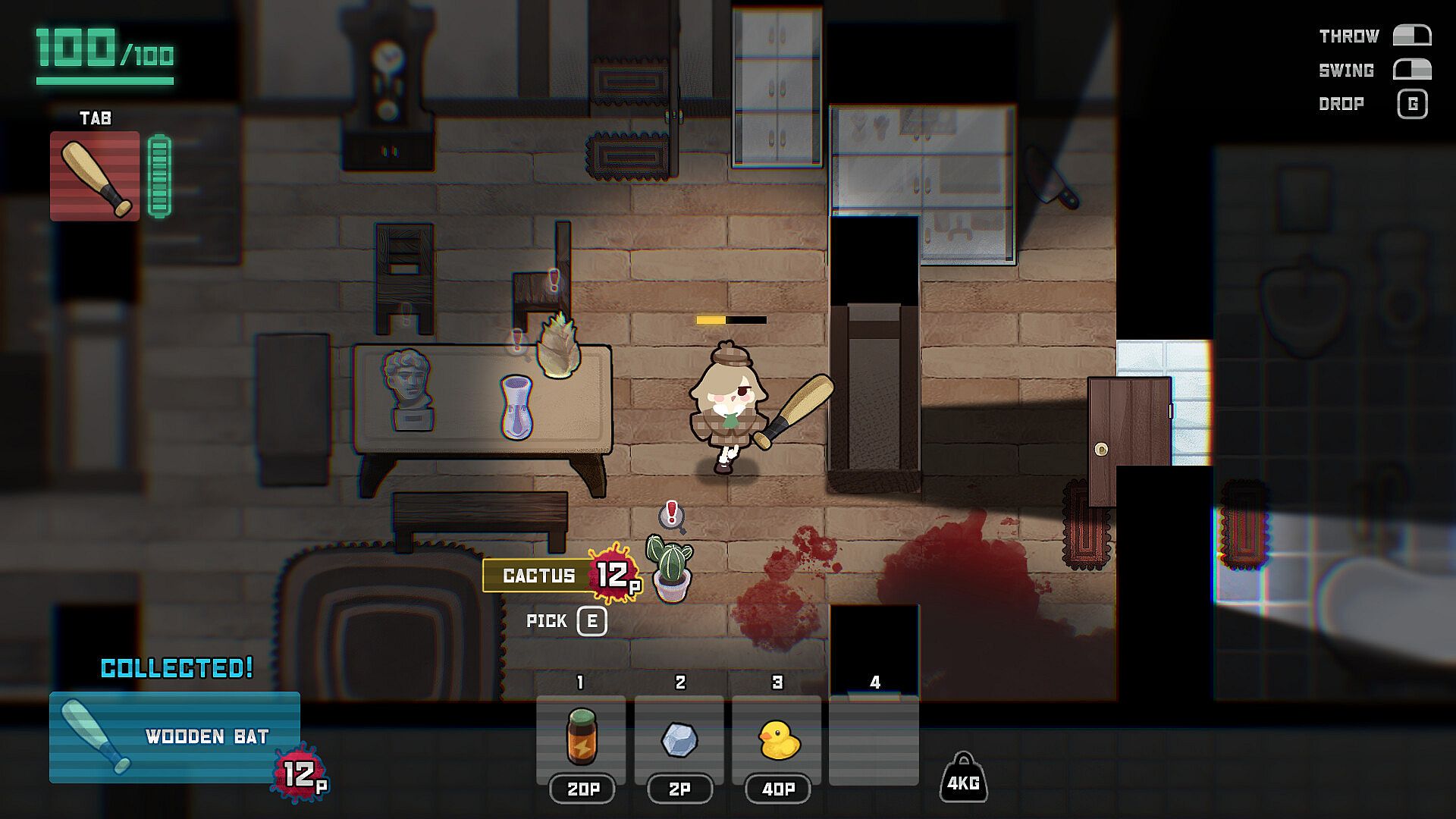
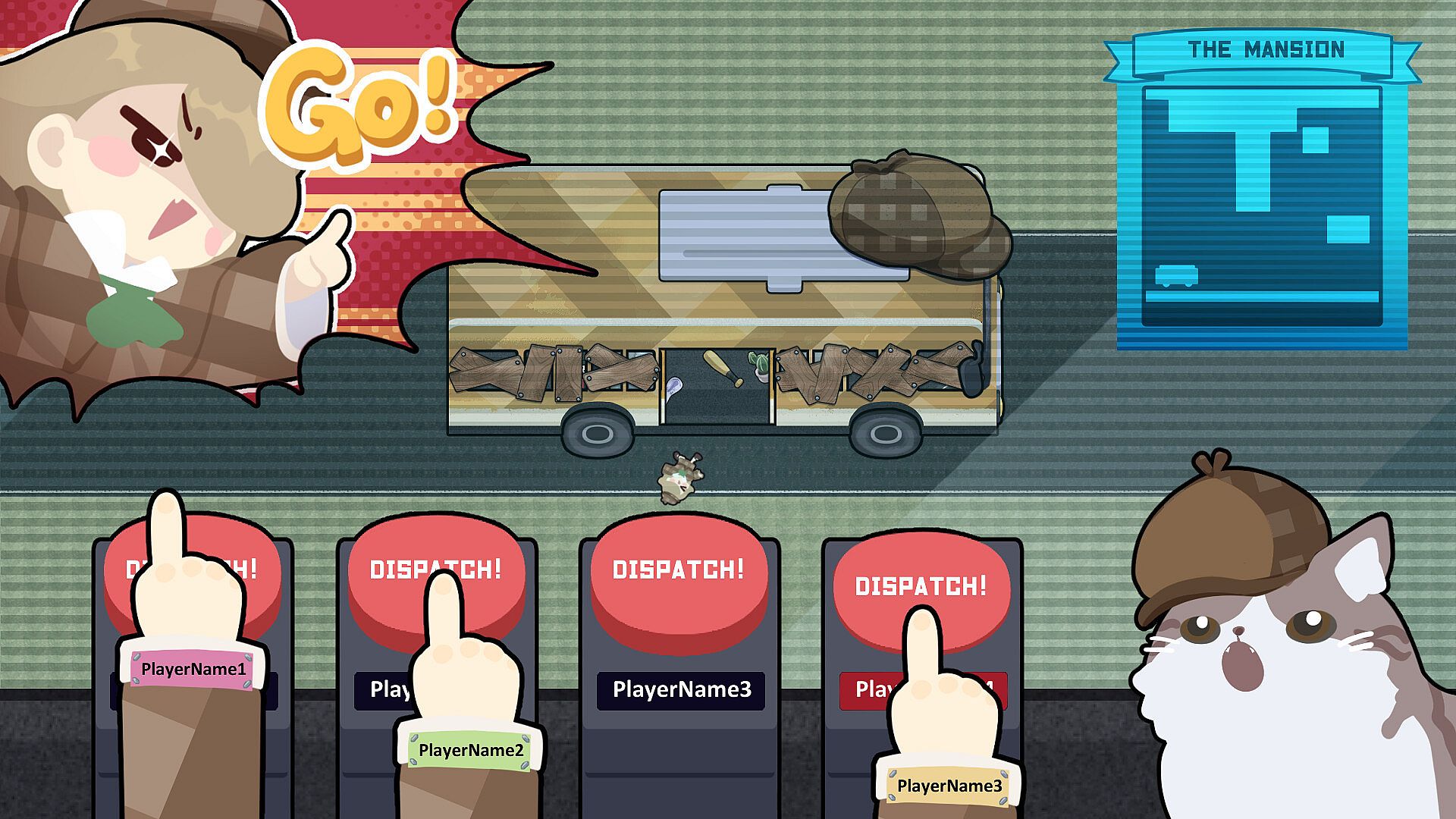
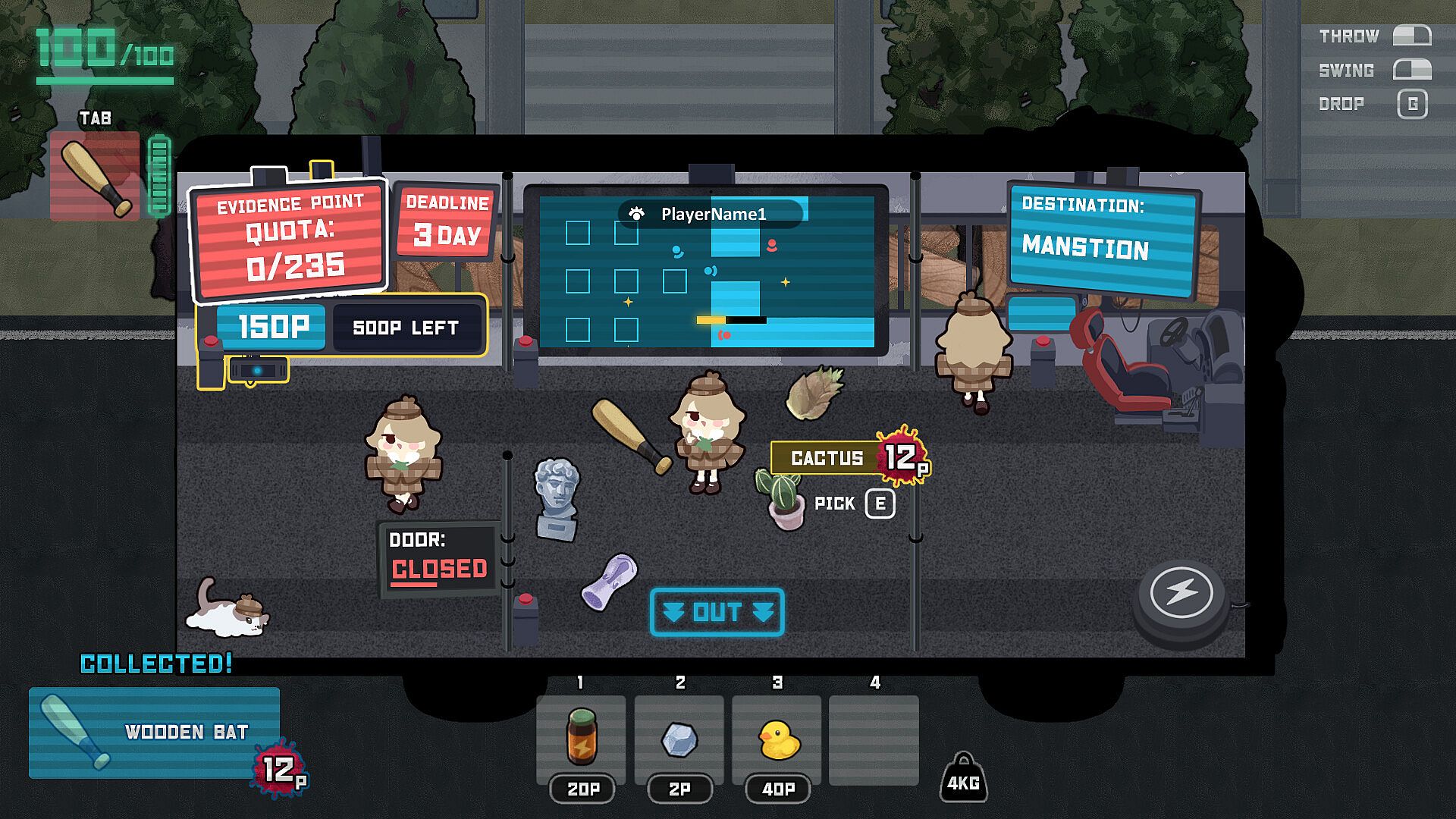
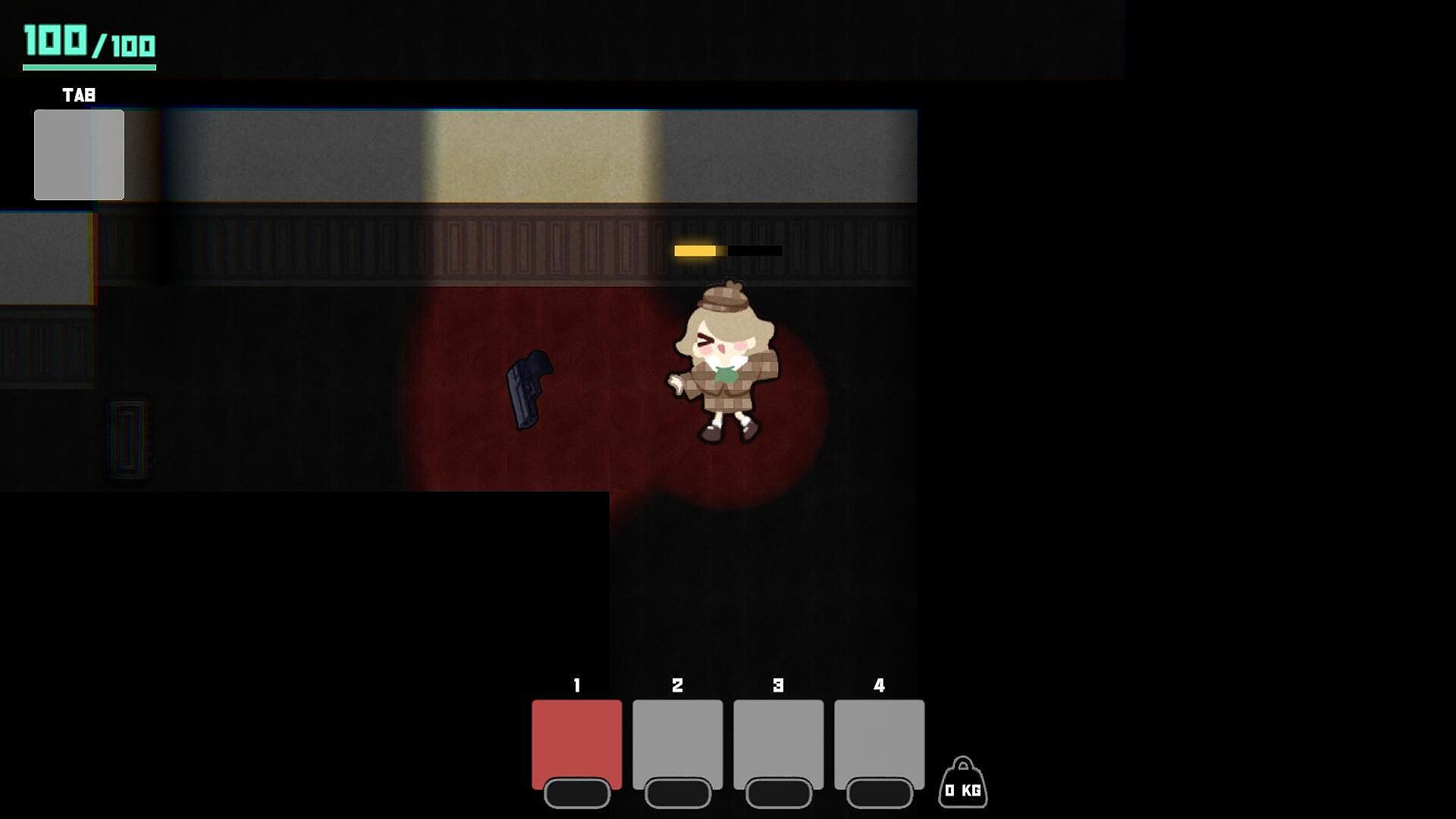
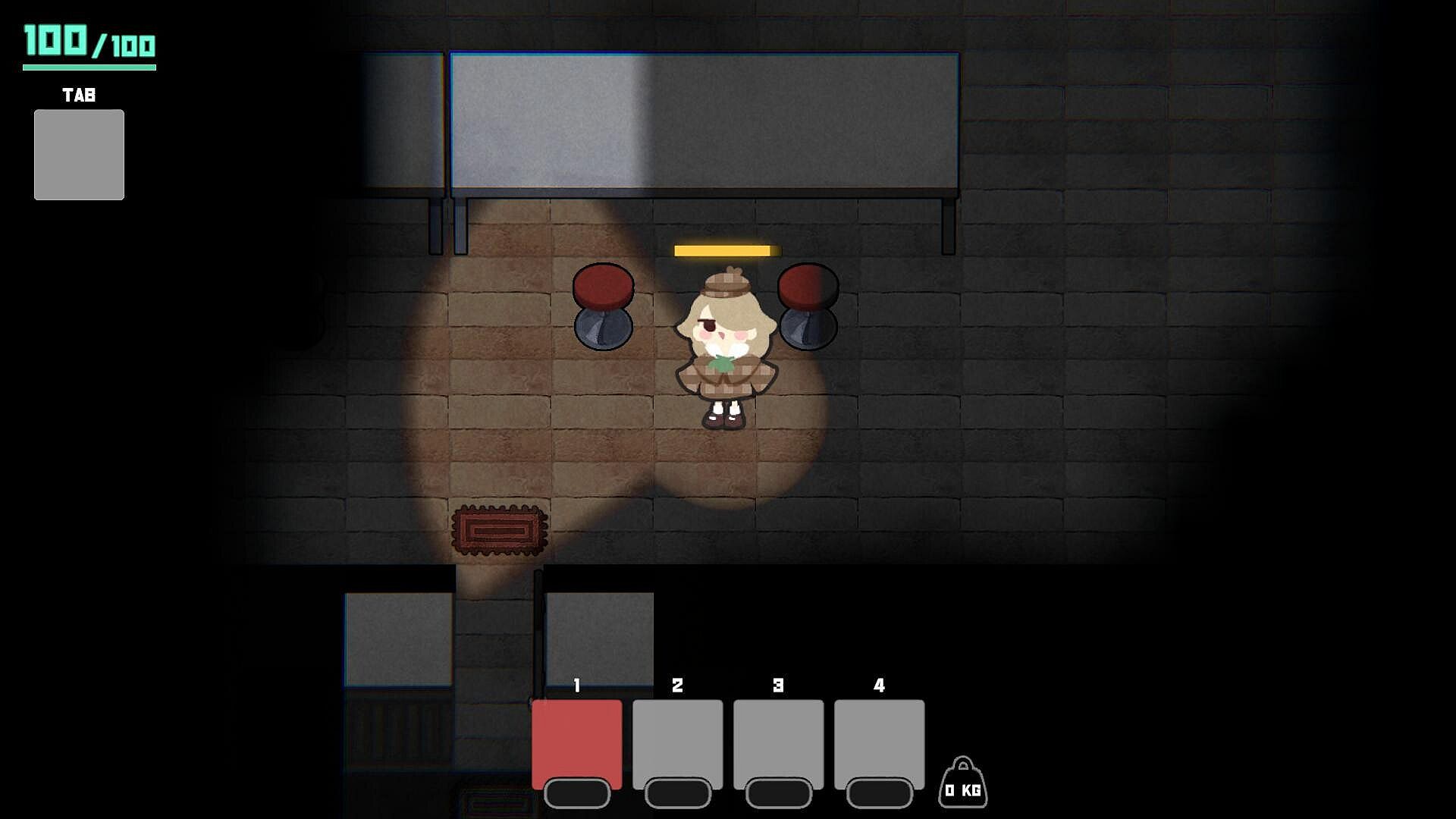
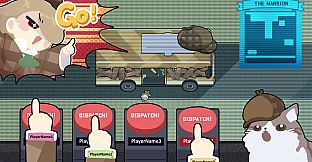
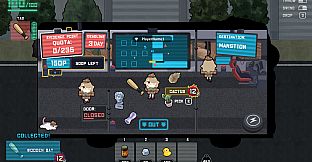
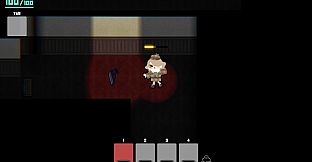
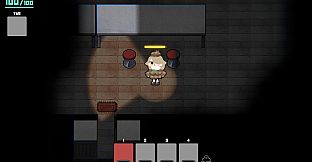
The gameplay centers on a cycle of job selection, entry into procedurally generated sites, evidence collection, and extraction. Teams start at a bus where they choose assignments, then enter buildings or areas filled with hazards. Vision remains restricted to a narrow cone illuminated by a flashlight, leaving surrounding spaces in darkness until scanned. The map updates only with explored sections, forcing careful movement and awareness of what lies behind or around corners.
Evidence varies in value based on its condition and context. Bloodstained or otherwise compromised items fetch higher payouts, encouraging players to push into riskier areas. Extraction requires returning to the bus with collected items before an unspecified threat escalates. Failure to meet the quota ends the run for the entire group. Procedural generation ensures each location differs, eliminating any advantage from prior knowledge of layouts.
Communication plays a key role through in-game systems that connect team members. Splitting up speeds progress but increases isolation risks, while staying grouped slows the team yet improves survival odds. The emphasis stays on coordination under pressure rather than direct confrontation.
Game Modes
The game operates primarily through its co-op framework for two to four players. Sessions revolve around repeated job runs where the group selects tasks, navigates sites, and attempts to fulfill quotas. No separate competitive or single-player variants exist beyond the core shared experience. LAN co-op support allows local play alongside online options via peer-to-peer connections.
Each run follows the same structure of preparation at the bus, on-site collection, and return with the haul. The procedural nature of locations keeps the process fresh across multiple attempts. Teams must balance speed against safety, as one member's silence on comms signals potential trouble for the rest.
Core Mechanics and Systems
Limited visibility defines much of the tension. Players see only what their flashlight points toward, with unexplored areas remaining blacked out. This mechanic applies consistently across all locations and encourages deliberate scanning rather than rushed movement.
The quota system ties directly into progression. Collected evidence sells for funds that go toward the next job's requirements. Missing the target quota terminates the run and the associated characters. Procedural building of sites prevents repetition, as no two layouts match exactly.
Evidence recovery forms the central objective. Items range from standard files to more disturbing finds, with payout scaling according to how difficult each piece would be to explain. The loop repeats across shifts, building a sense of routine interrupted by escalating risks.
Is It Worth Playing?
Just in Case remains unreleased with a planned date listed as to be announced on its Steam page. No user reviews or player ratings are available yet, and the title has not entered early access or received updates. The description highlights a focused co-op horror loop built around procedural locations, restricted vision, and quota-driven runs.
This setup suits players who enjoy cooperative tension in small groups and appreciate mechanics that punish poor coordination. Those seeking traditional horror with jump scares or large-scale multiplayer may find the narrow scope less appealing. Availability will depend on the eventual release, at which point interested parties can evaluate the full implementation.
The game targets fans of indie co-op experiences that prioritize atmosphere and teamwork over expansive content. Its systems emphasize repeated short sessions rather than lengthy campaigns, which may appeal to groups looking for quick, repeatable horror outings once it launches.