





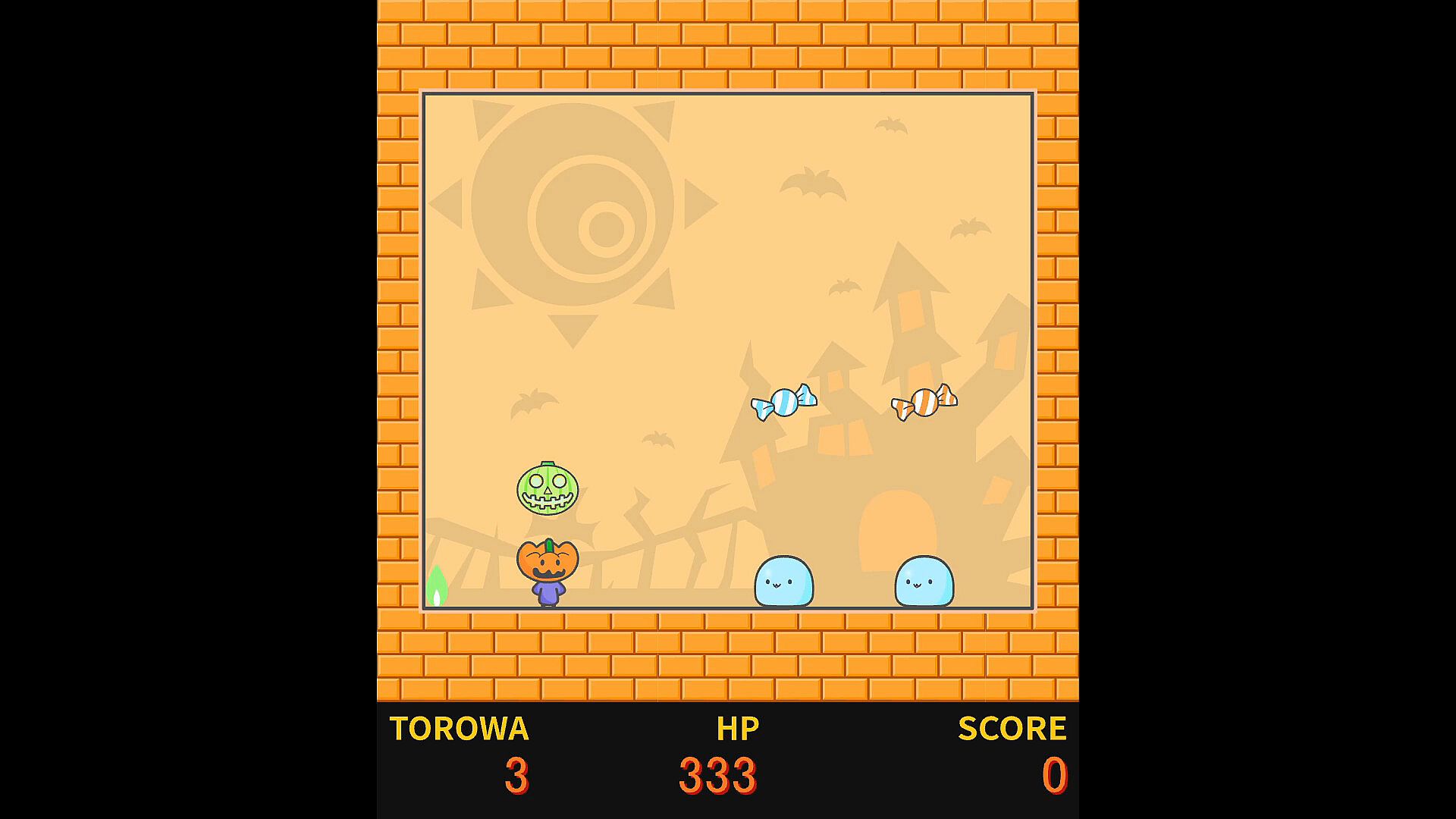
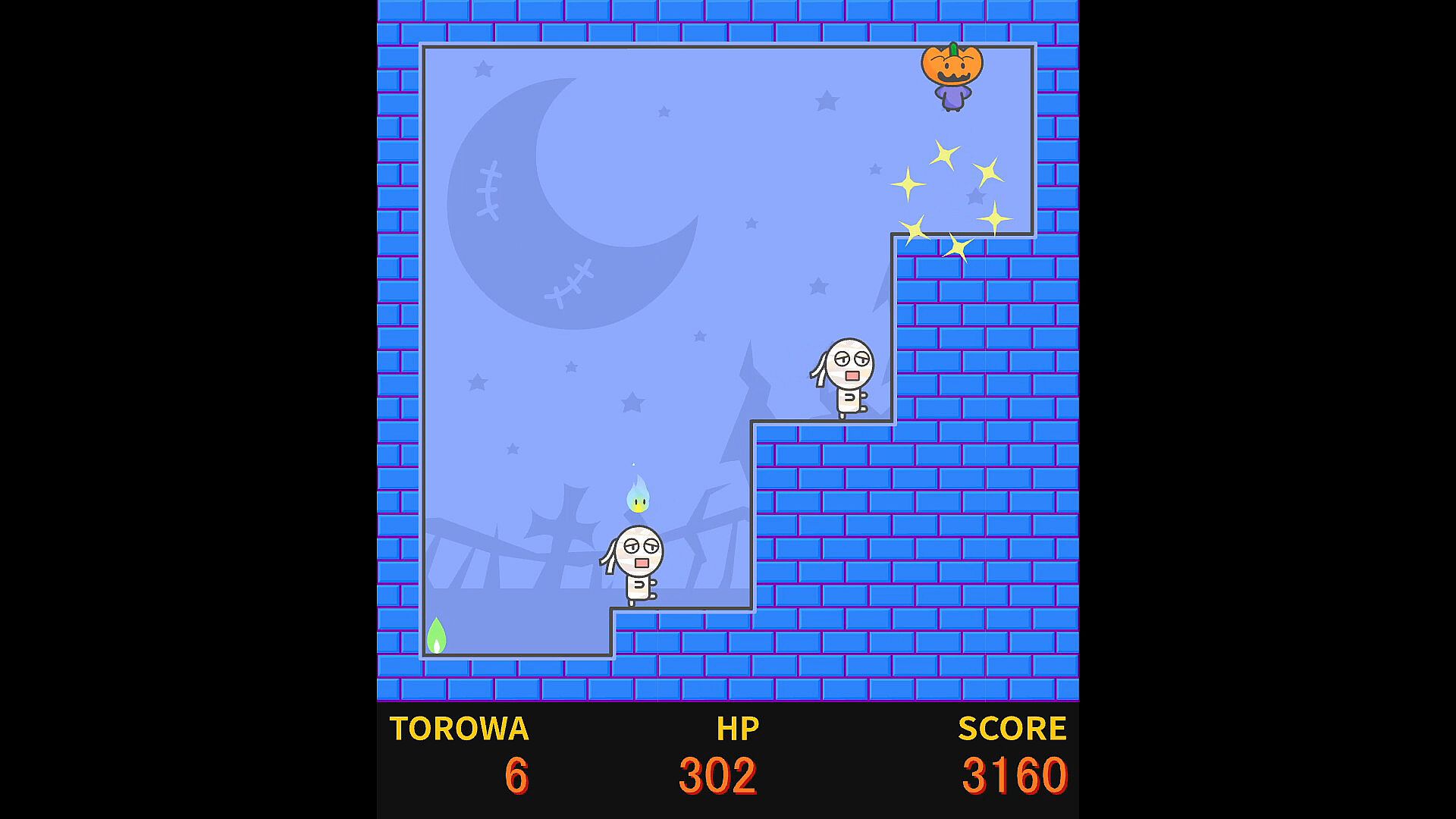
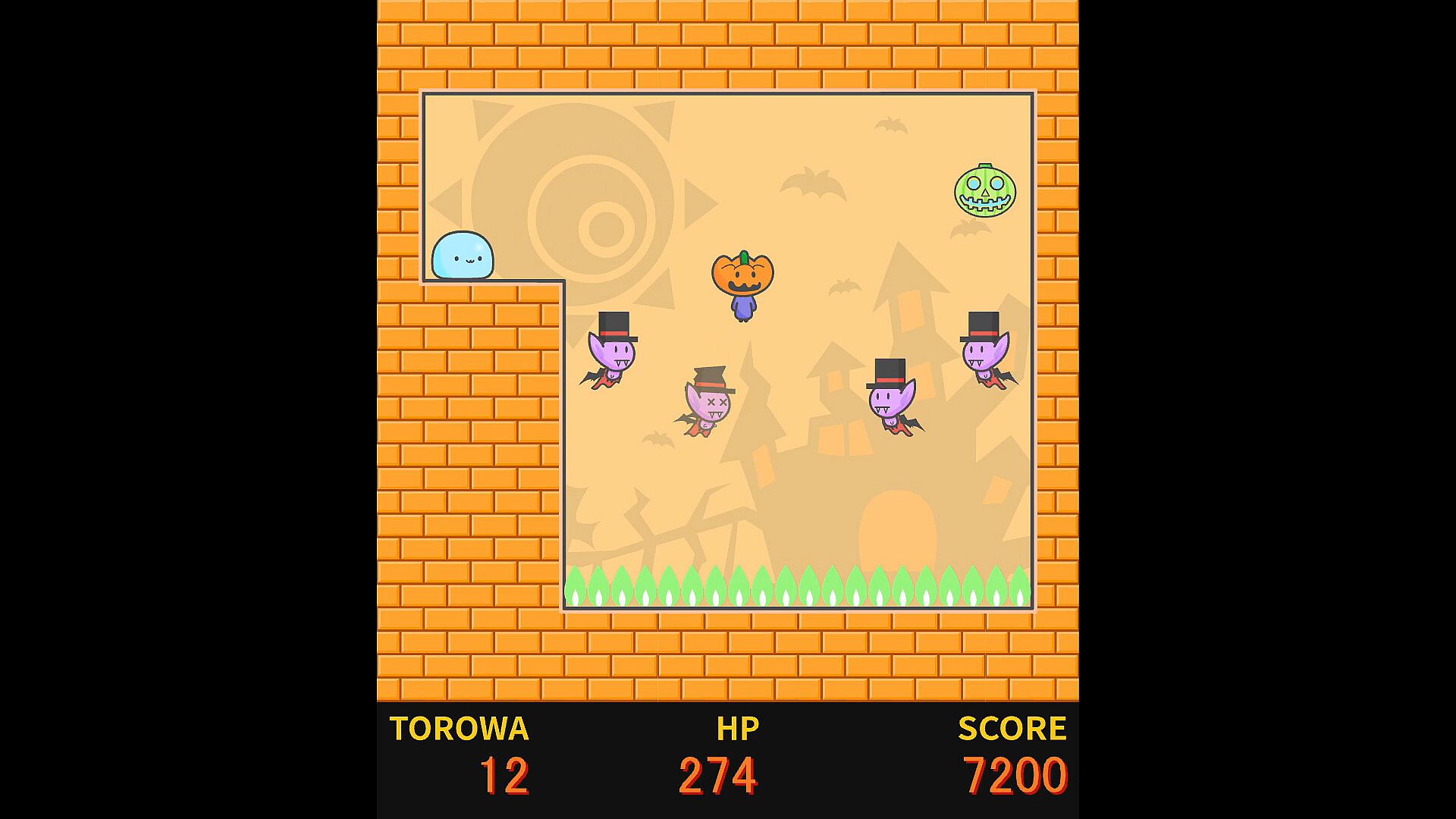
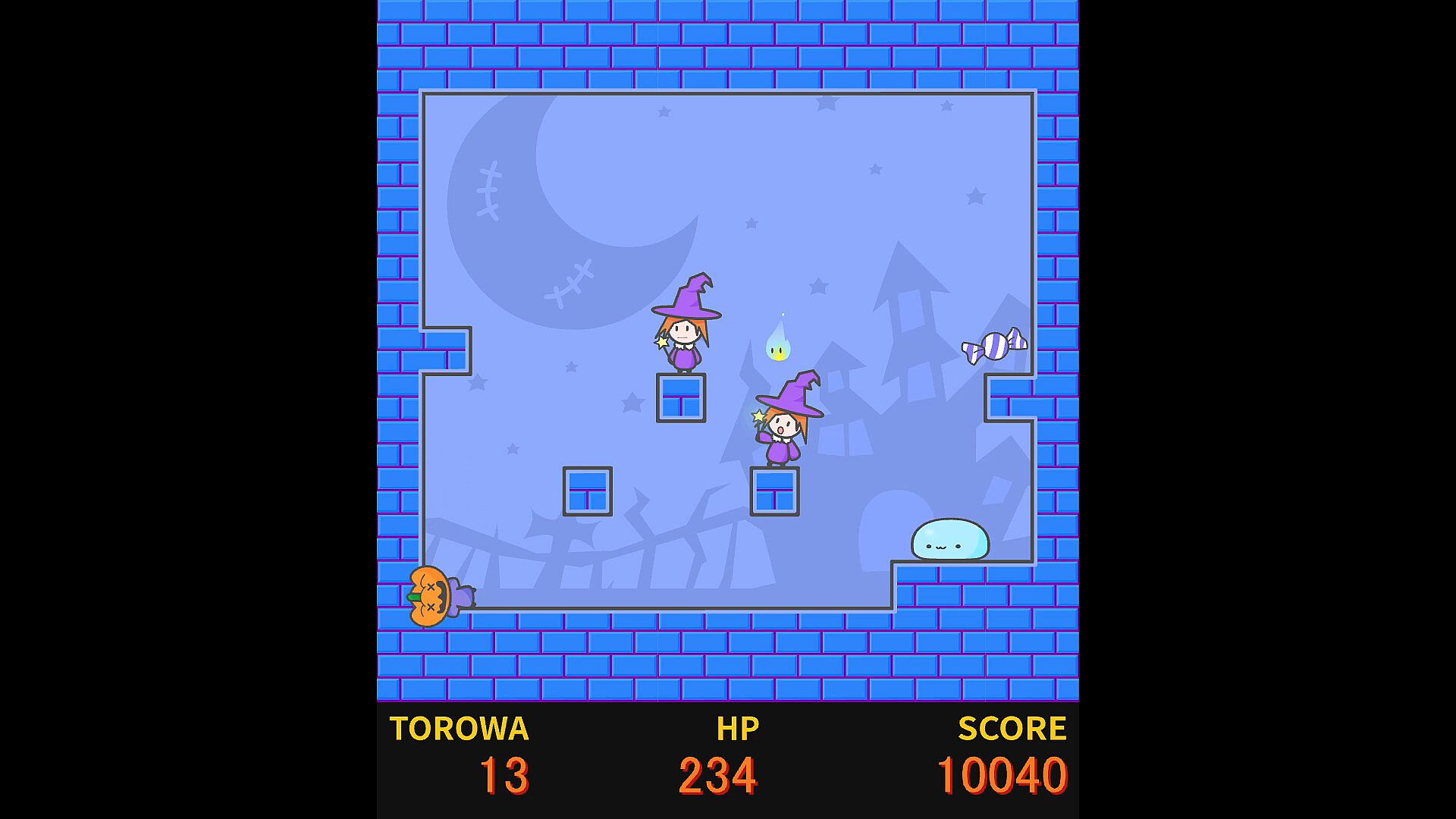
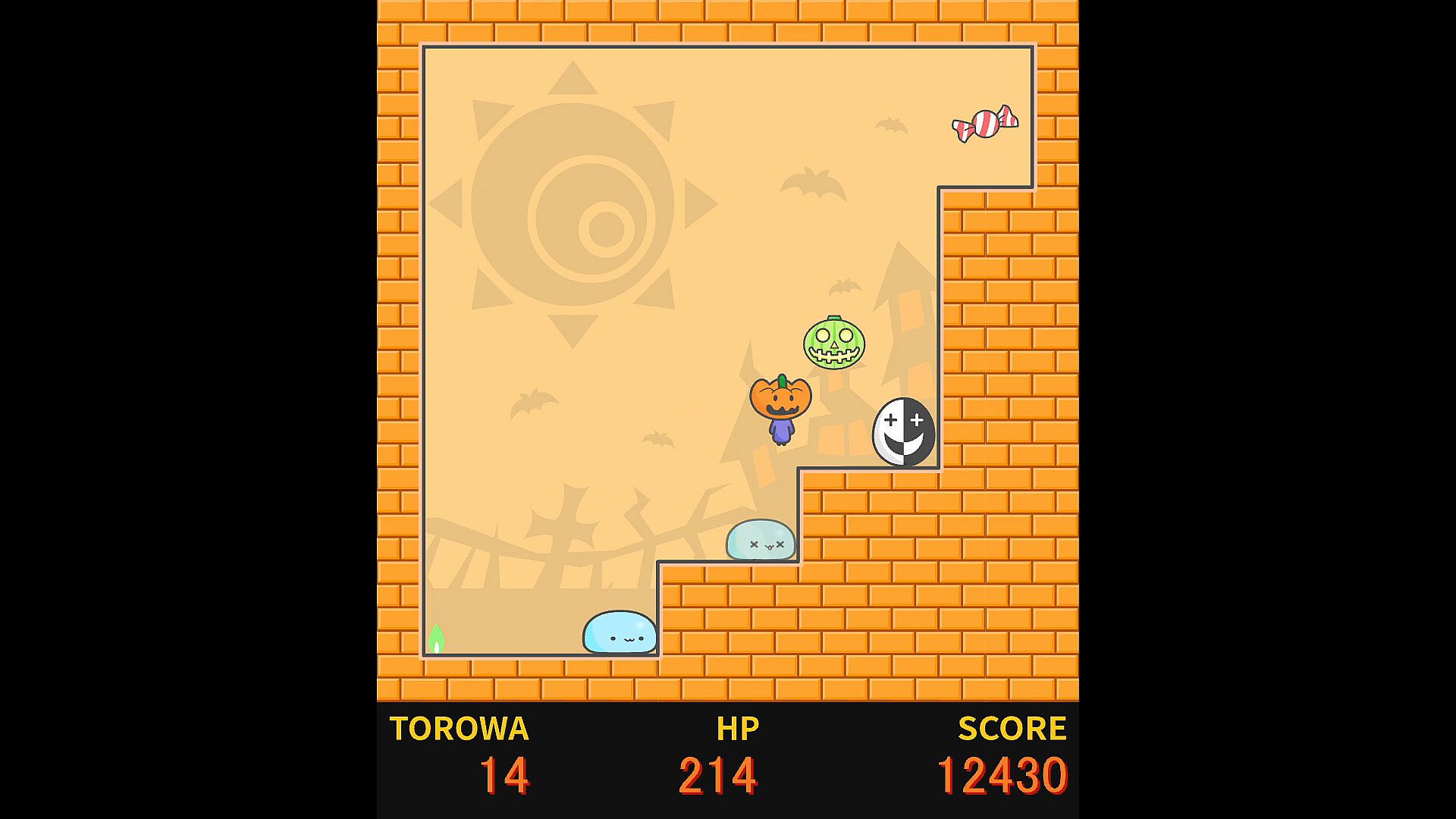
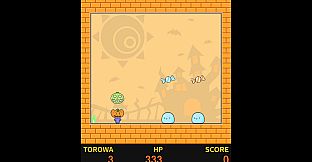
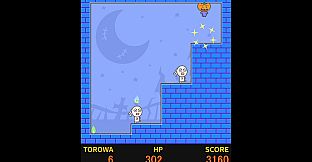
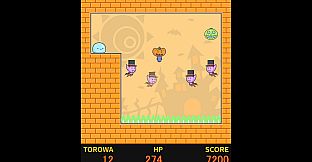
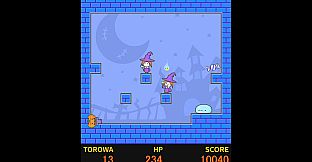
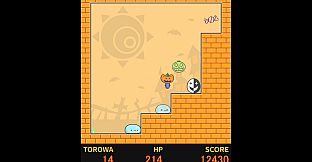
KabochaNoTorowa is a casual action platformer built around simple movement and precise timing. Players guide the pumpkin character Torowa through a series of fixed stages, focusing on navigation, enemy encounters, and item collection rather than complex upgrades or branching paths.
Gameplay
The core loop centers on left and right movement combined with jumping. Keyboard controls use the arrow keys for horizontal motion and the Z key for jumps, while a controller offers equivalent mapping. Each stage requires careful positioning to avoid hazards while progressing forward.
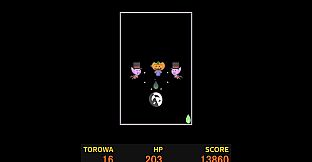
Monsters appear in several varieties, such as slimes, mummies, wizards, Draculas, and werewolves. Defeating them demands two successive jumps from above, which rewards observation of patrol patterns and timing. Missing the second jump leaves the enemy active and risks contact damage.
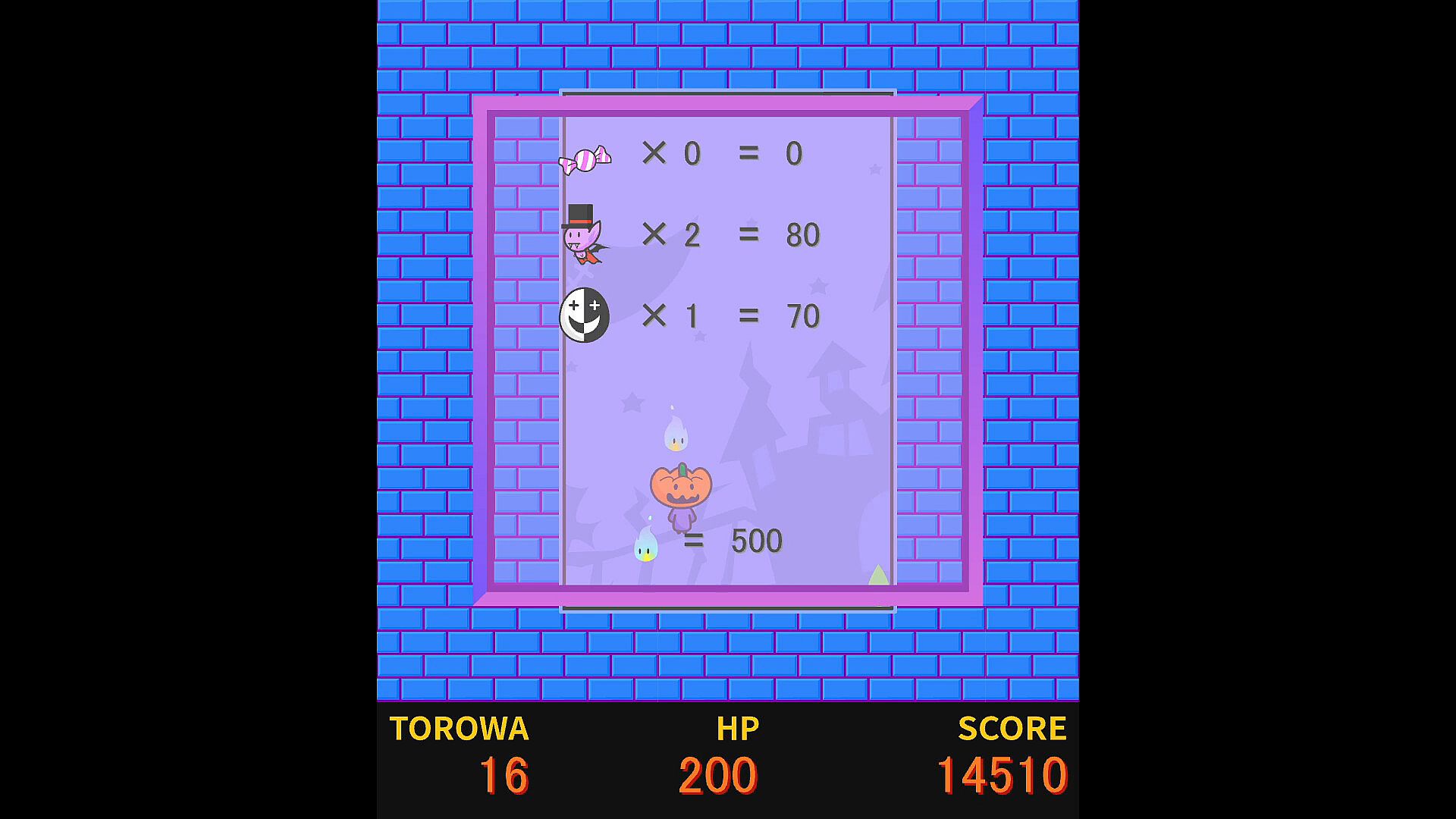
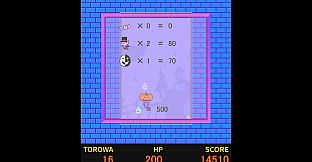
Torowa tracks two separate resources: a life count labeled TOROWA and a health bar shown as HP. Either reaching zero ends the attempt. Stages also feature scattered candies that contribute to the final score, encouraging thorough exploration without altering the primary objective of stage completion.
Game Modes
Every stage begins in Day Mode, presenting standard enemy behavior and layout. A green pumpkin object sits somewhere in the environment. Touching it activates Night Mode for that stage only.
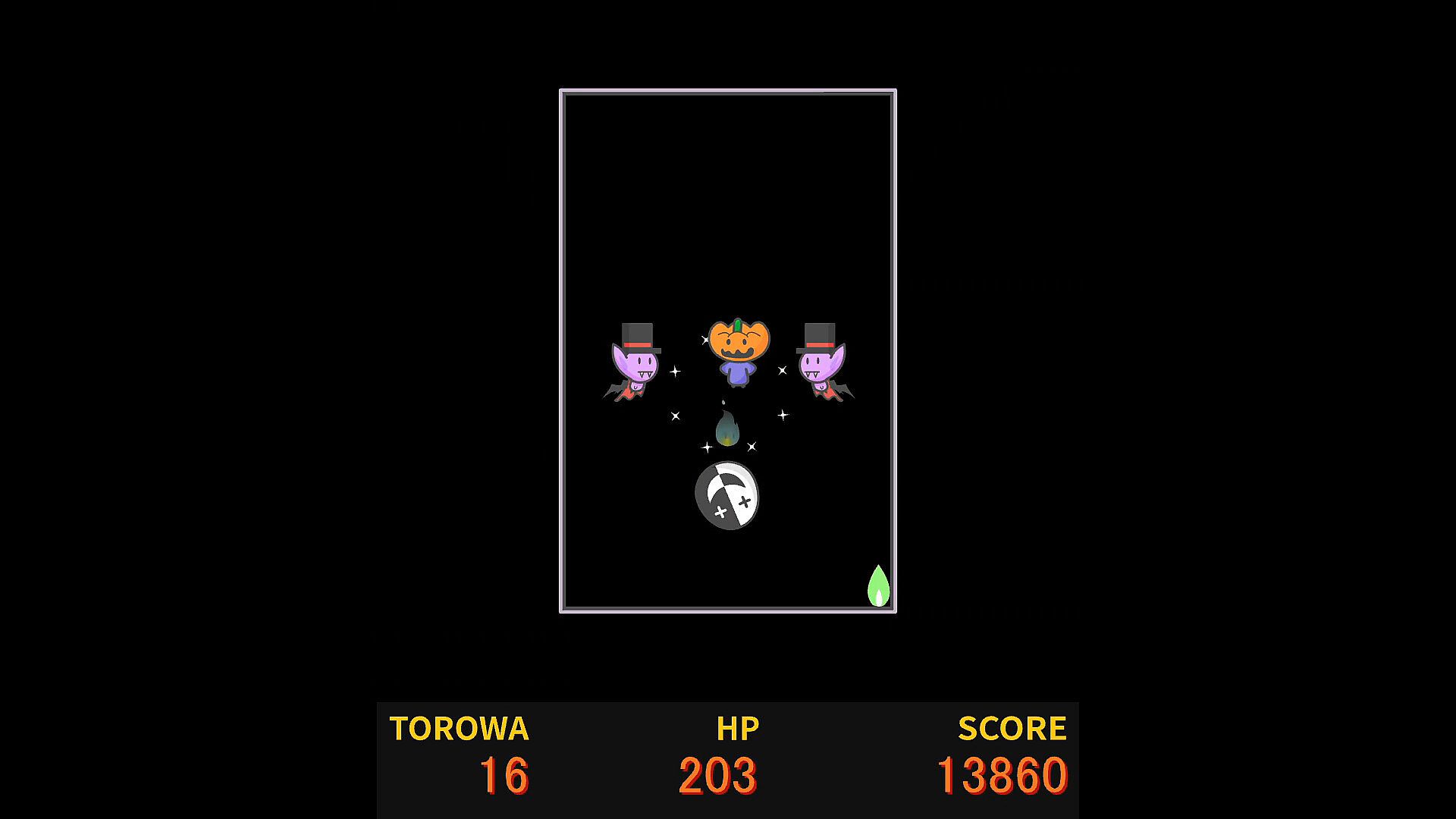
Night Mode overlays blue fireballs above each monster to mark a required defeat sequence. Clearing enemies in the exact order shown, while also gathering every candy present, grants a 500-point bonus. The mode does not change enemy movement or add new threats; it simply layers an ordering constraint on top of the existing platforming demands.
Stages and Progression
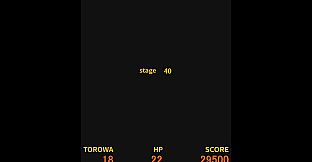
The full set comprises 40 distinct stages. Each one functions as a self-contained challenge with its own monster placements, candy locations, and green pumpkin position. There are no persistent upgrades, skill trees, or character customization elements. Progress depends entirely on mastering the consistent control scheme and adapting to the specific arrangement of threats in each layout.
Because the game originated as an Adobe Flash title and now runs through the Ruffle emulator, some visual or timing quirks may appear depending on the Windows system configuration. The included manual file outlines basic controls and troubleshooting steps for launch problems.
Is It Worth Playing?
The experience suits players who enjoy short, repeatable platforming sessions with straightforward rules and a scoring layer. The dual-mode structure in each stage adds a secondary objective without complicating the fundamental jump-and-stomp loop. With no multiplayer component and a fixed stage count, the game targets solo sessions focused on high scores or full clears.
At present the title remains listed as coming soon on its primary distribution platform, and no user reviews or aggregate ratings are available. Those drawn to retro-style 2D action with Halloween-themed enemies and minimal input complexity may find the 40-stage campaign a compact fit for casual play. Individuals seeking deeper systems, ongoing updates, or competitive leaderboards will likely look elsewhere once more information emerges after release.












