




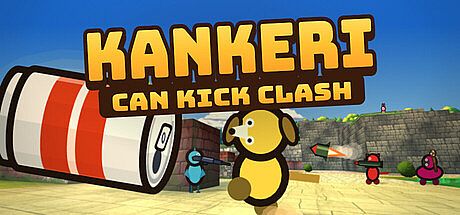


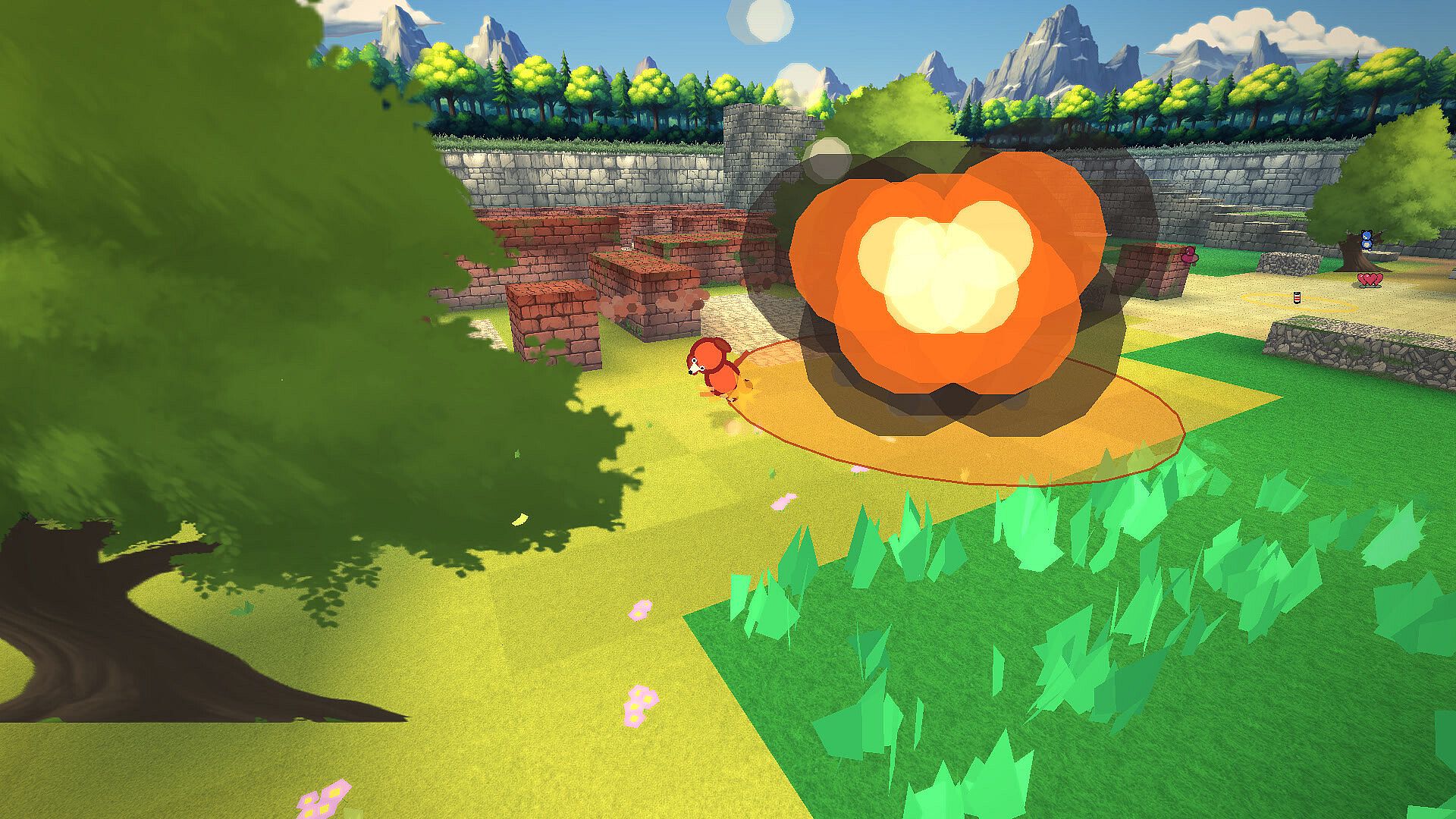
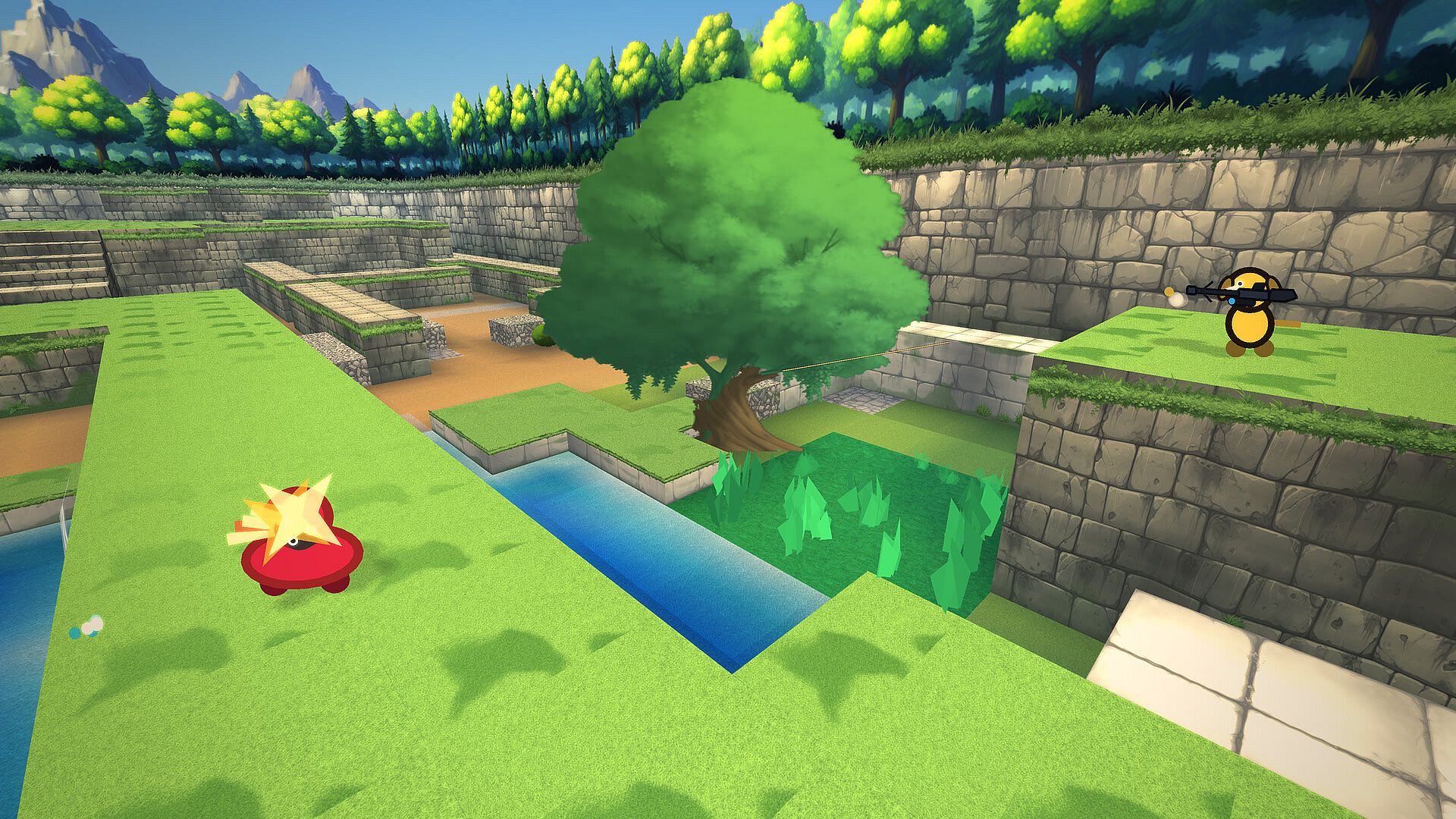
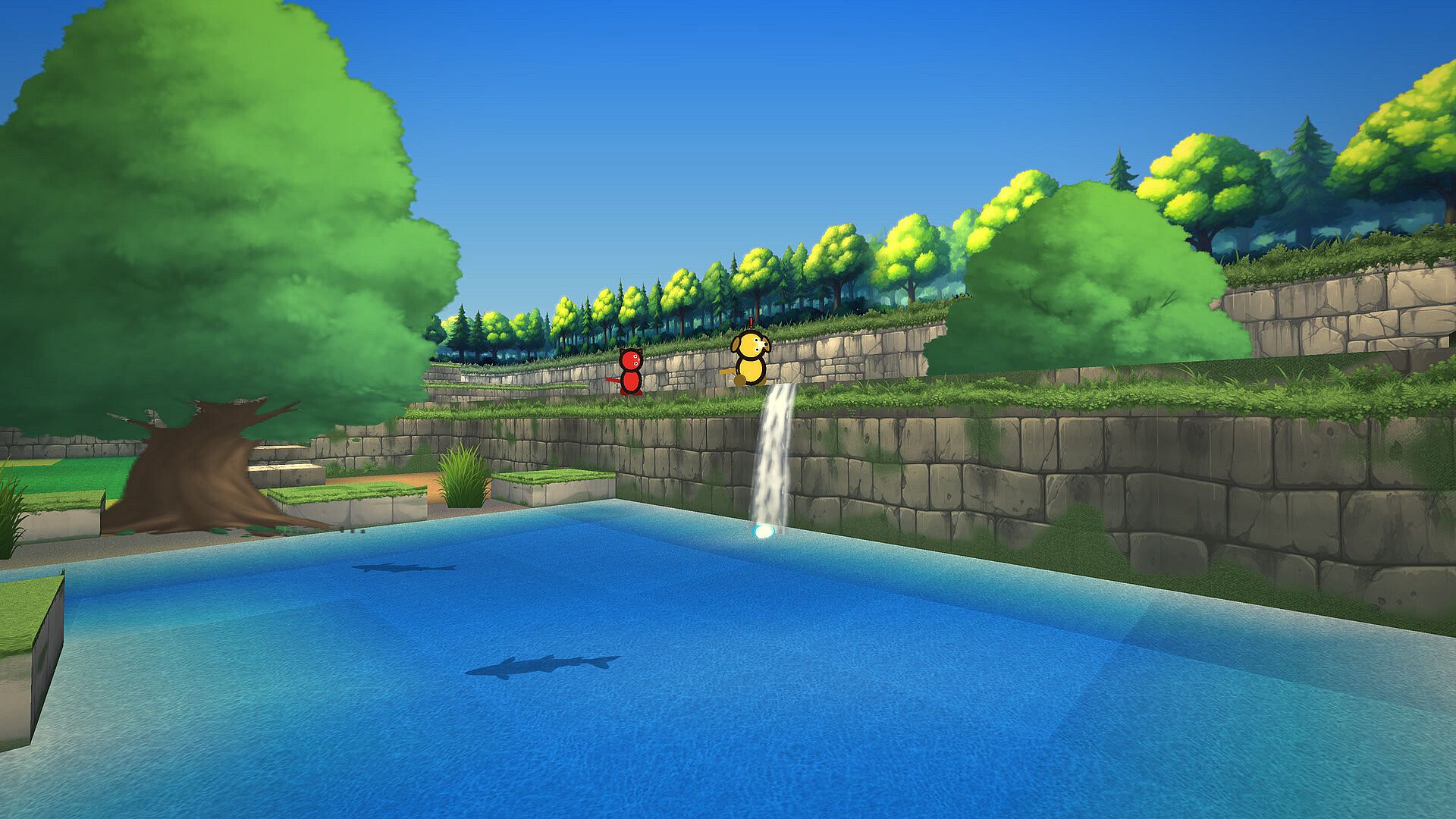
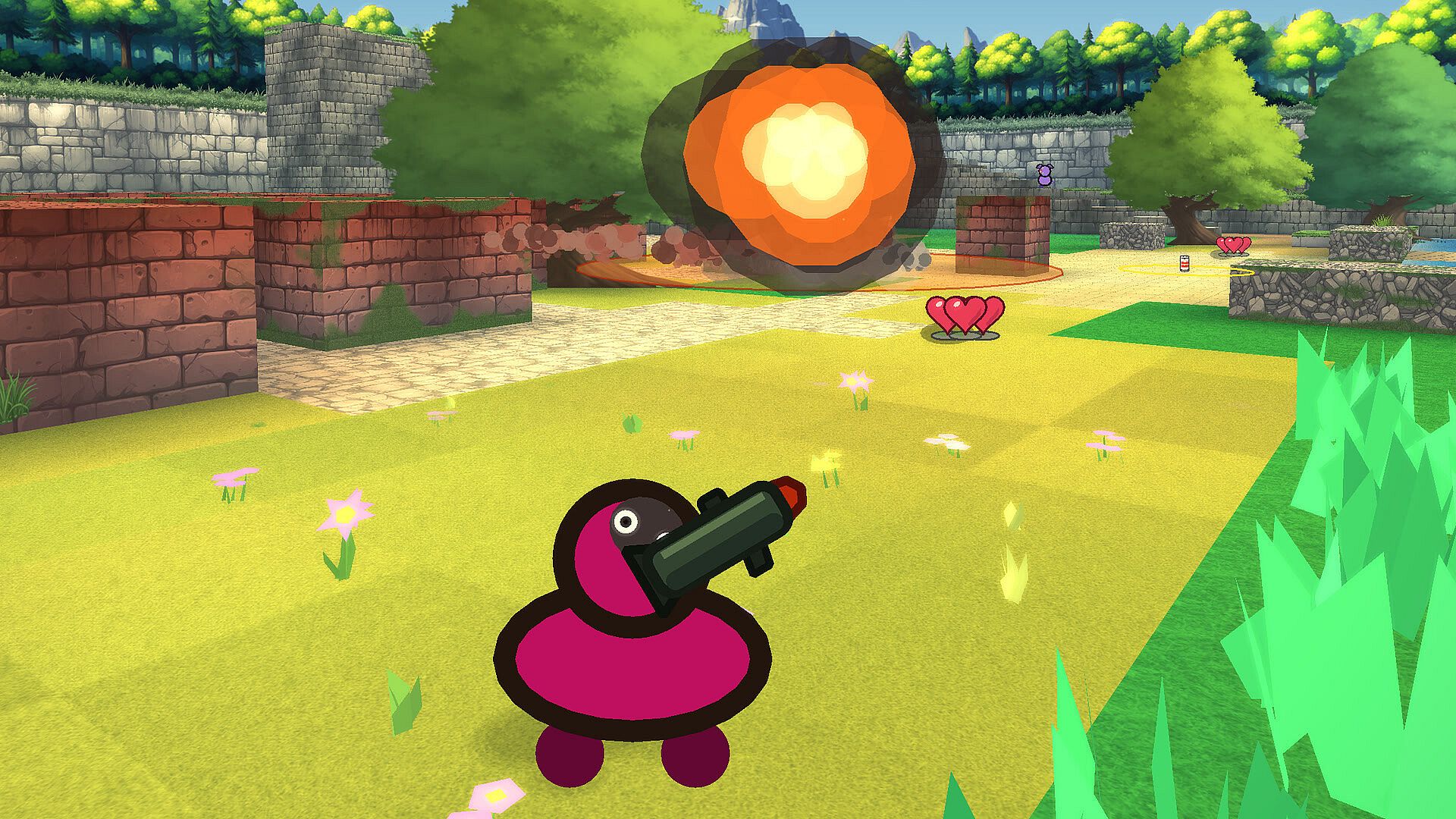
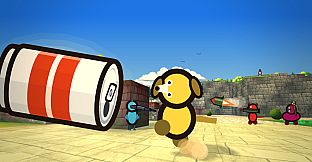
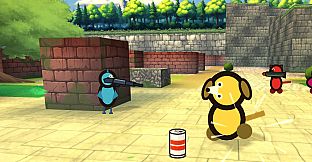
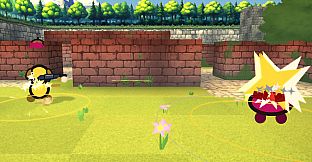
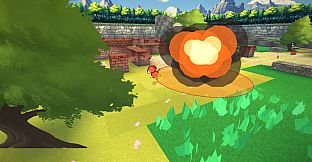
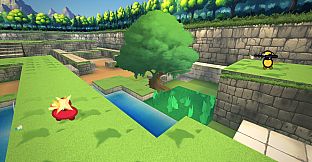
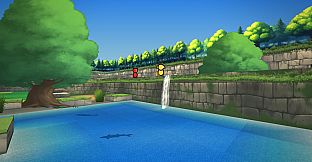
KANKERI: Can Kick Clash is an action indie casual game for PC that reimagines the traditional Japanese playground game of kick-the-can as an online competitive experience. Players engage in fast-paced asymmetric matches where strategy, movement, and combat intersect around a single central object.
Gameplay
The core loop revolves around locating and interacting with the can while managing roles in an eight-player session. Two players take on the Oni role as seekers tasked with spotting and capturing the six hiders. The remaining players focus on evasion and timely intervention with the can itself.
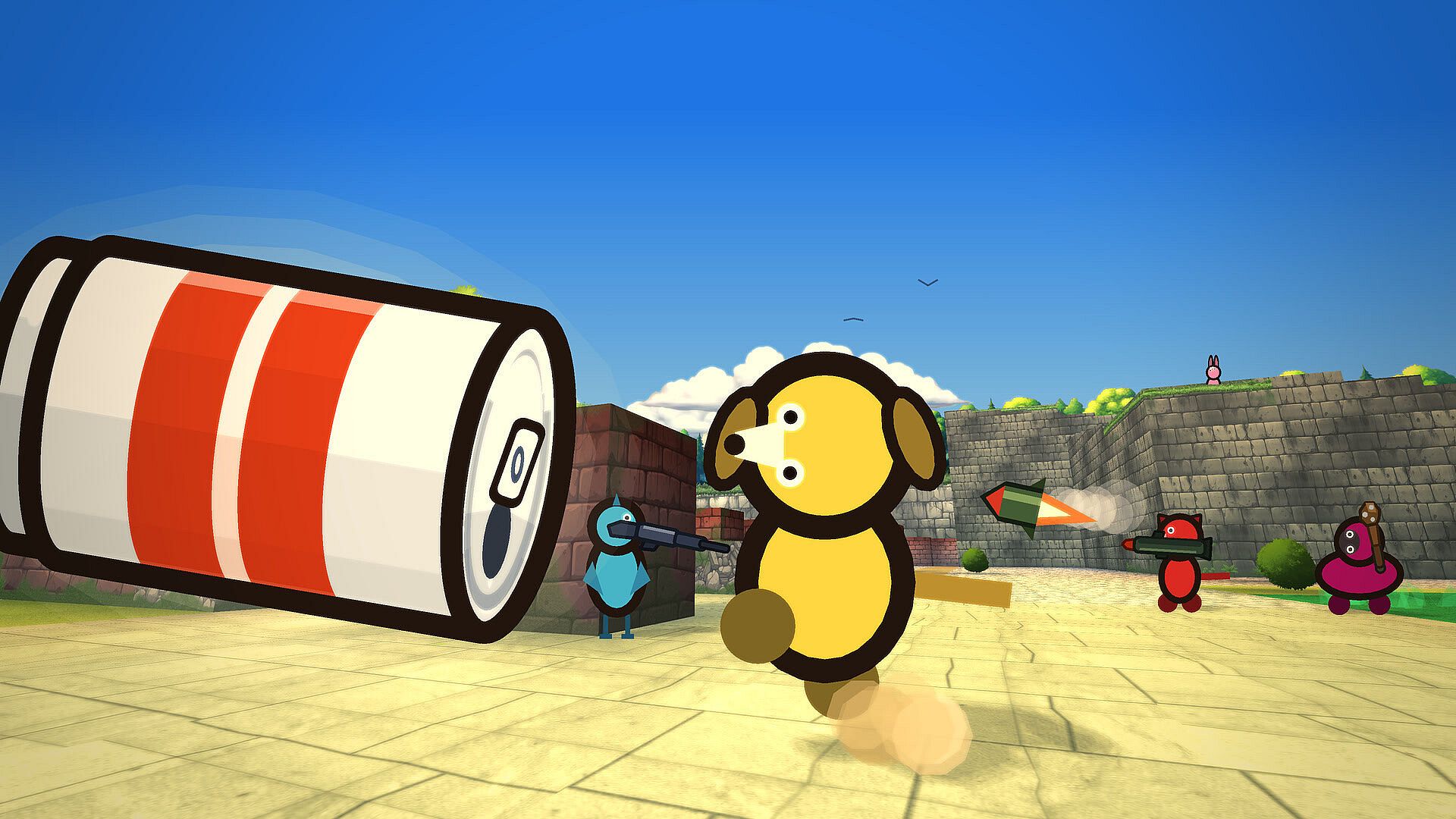
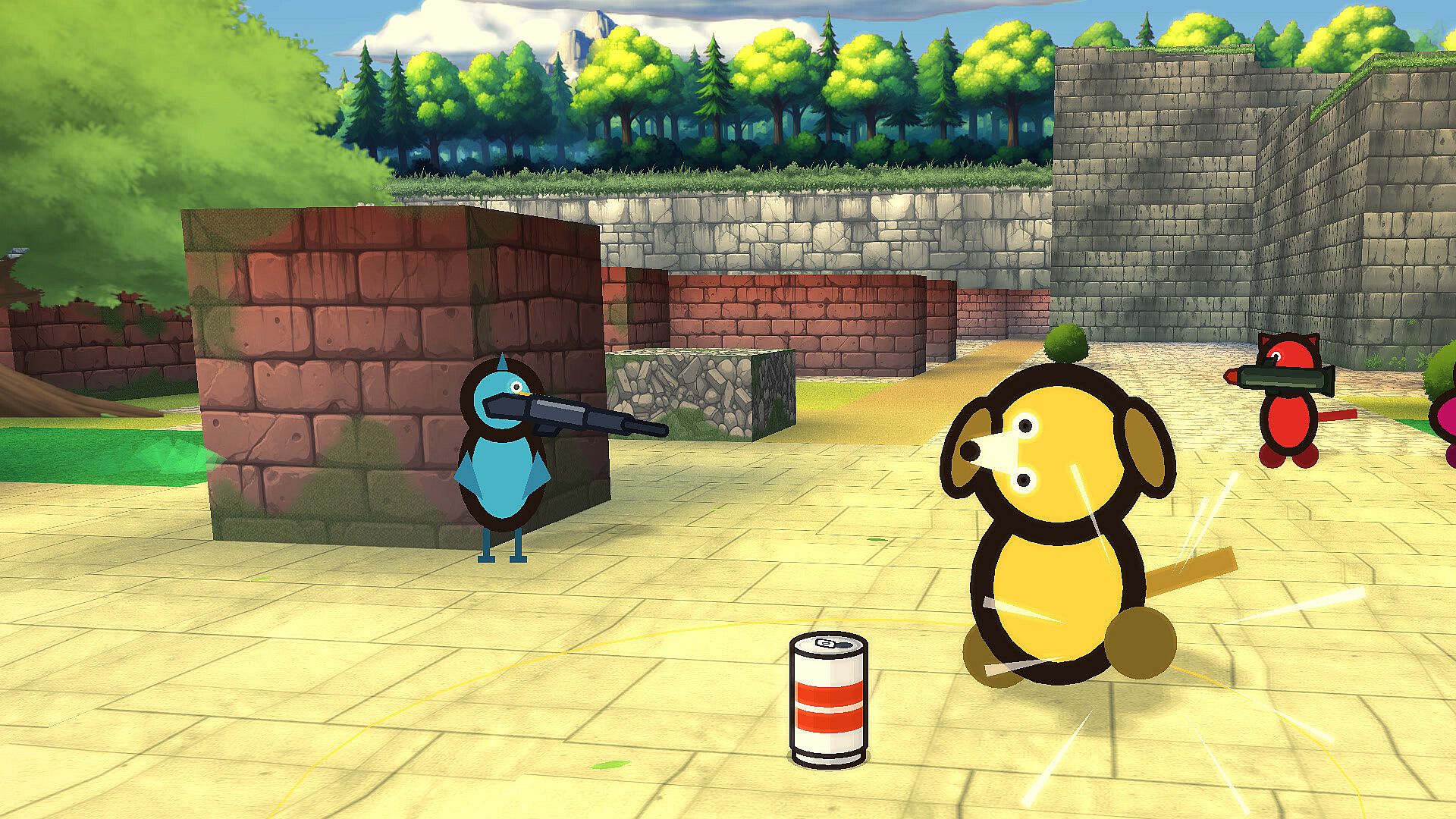
Kicking the can serves as the primary action that resets the round or frees captured teammates. When a hider is spotted, they must reach the can before the Oni to kick it away and release any teammates who have been caught. This creates repeated cycles of pursuit, positioning, and decisive moments around the can's location.
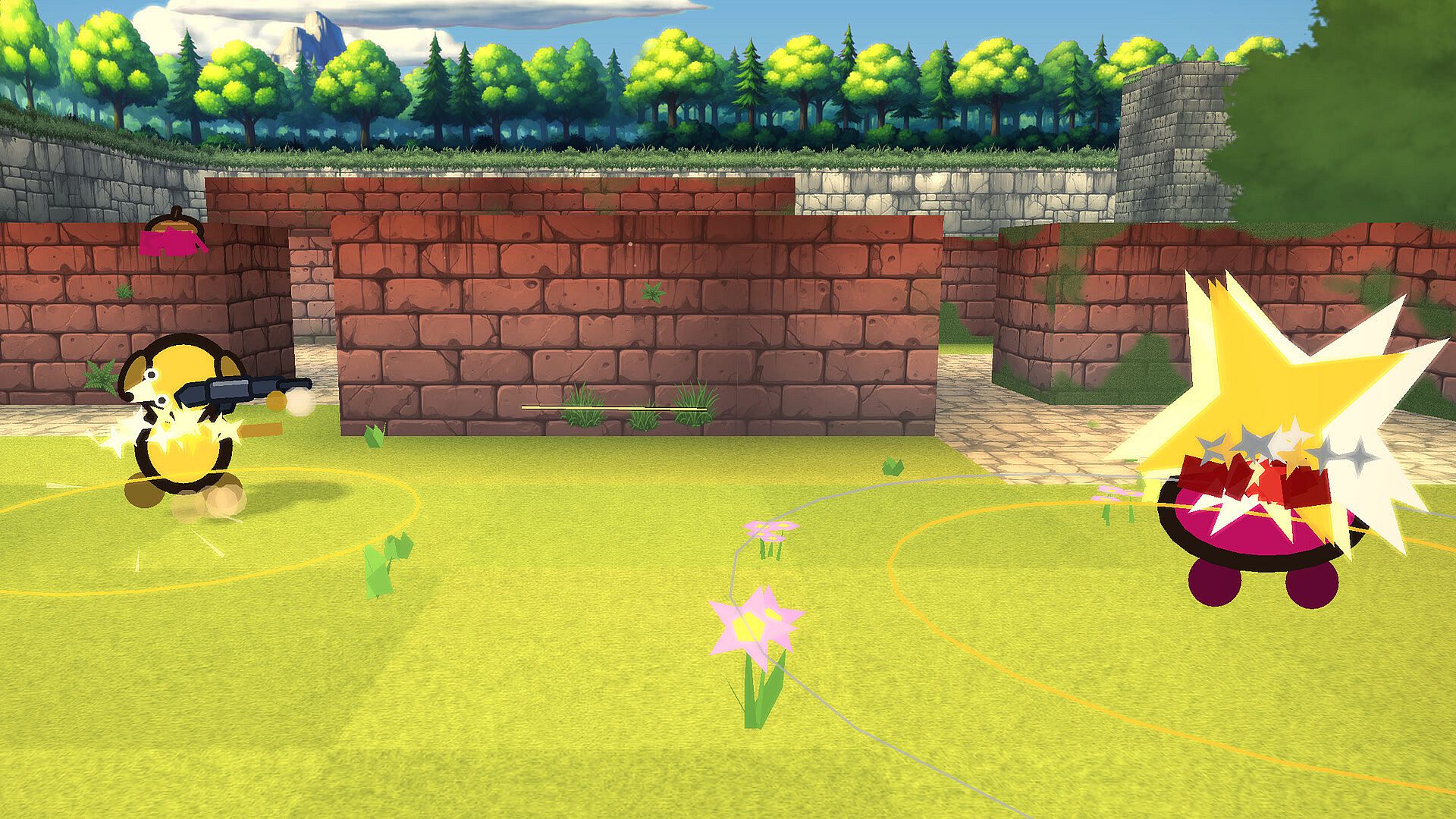
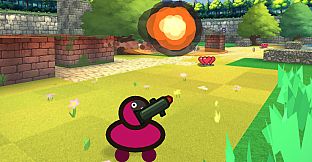
Combat elements expand the experience beyond pure evasion. Players can equip weapons and gadgets to engage rivals directly, defend the can, or clear paths during critical kicks. These tools add layers of confrontation in what begins as a simple hide-and-seek structure, turning each round into a blend of stealth, timing, and direct competition.
Matches last five minutes, keeping the pace brisk and encouraging repeated plays. The asymmetric setup means every session features distinct objectives depending on which side a player joins, with hiders emphasizing coordination and Oni players focusing on search patterns and quick responses.
Game Modes
The primary experience centers on online asymmetric multiplayer matches that pit two Oni against six hiders. These sessions follow the kick-the-can foundation while incorporating fighting mechanics to determine control of the can and overall victory.
Single-player options appear available alongside the online focus, though the emphasis remains on the eight-player format that defines the game's identity. No additional named modes have been detailed beyond this core asymmetric structure, which supports the casual yet competitive tone through short, repeatable rounds.
Progression elements like leveling up for weapons and gadgets integrate directly into the matches, allowing players to adapt their approach over time within the same match format. This keeps the gameplay centered on the can while giving participants tools to influence outcomes through combat.
Core Mechanics and Features
Weapon use stands out as a key differentiator from the original playground game. Instead of relying solely on running and hiding, participants fight to secure kicks or protect the can from opponents. This shifts the dynamic toward active engagement rather than passive avoidance.
The five-minute round length supports quick sessions suitable for casual play while maintaining tension through the asymmetric player counts. Captured hiders wait near the can until freed by a successful kick, creating clear incentives for teamwork among the larger hider group.
System requirements indicate accessibility on standard PC hardware, with a focus on online connectivity for the multiplayer component. The game draws from Japanese cultural roots in its premise but translates them into a modern digital format with added combat layers.
Is It Worth Playing?
KANKERI: Can Kick Clash targets players who enjoy asymmetric multiplayer action in a casual indie package. The mix of traditional hide-and-seek rules with weapon-based combat offers a distinct twist that rewards both quick reflexes and strategic positioning around the can.
Those drawn to short, repeatable online sessions with clear role differences will find the five-minute rounds and eight-player setup appealing. The emphasis on fighting for control adds depth without complicating the straightforward objective of kicking the can at key moments.
As an upcoming title with no user reviews available yet, its value depends on interest in this specific blend of casual action and asymmetric competition. Players seeking fresh takes on classic playground mechanics in a digital multiplayer environment stand to gain the most from its release.











