






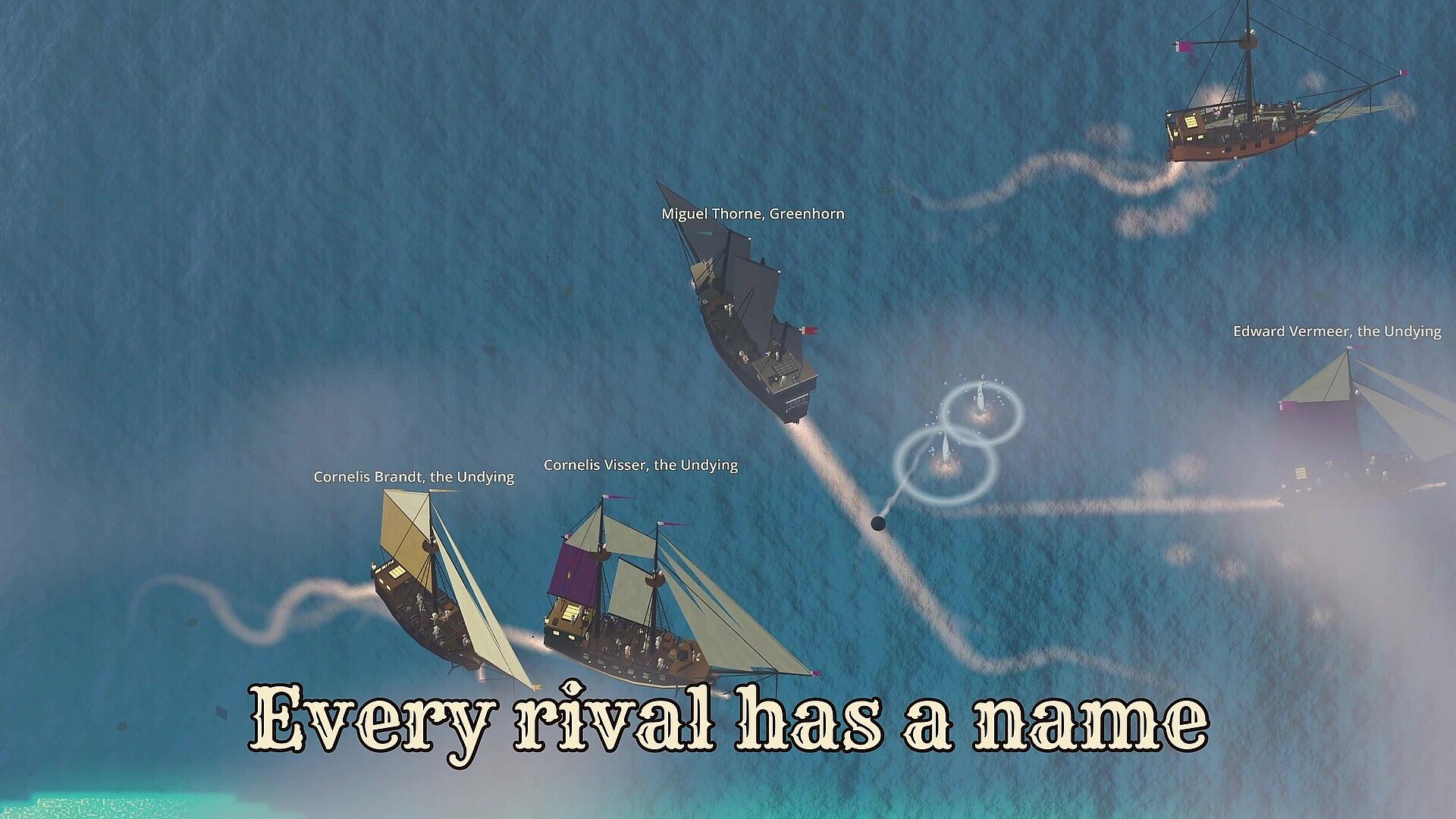
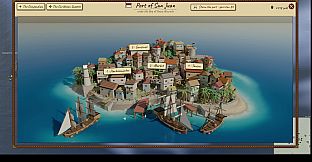
Kaperfahrt is a strategy, indie, RPG, simulation, and adventure game set in an open Caribbean pirate sandbox on PC. Players take on the role of a captain navigating a living world where every action influences trade, politics, and rival crews across the seas.
Gameplay
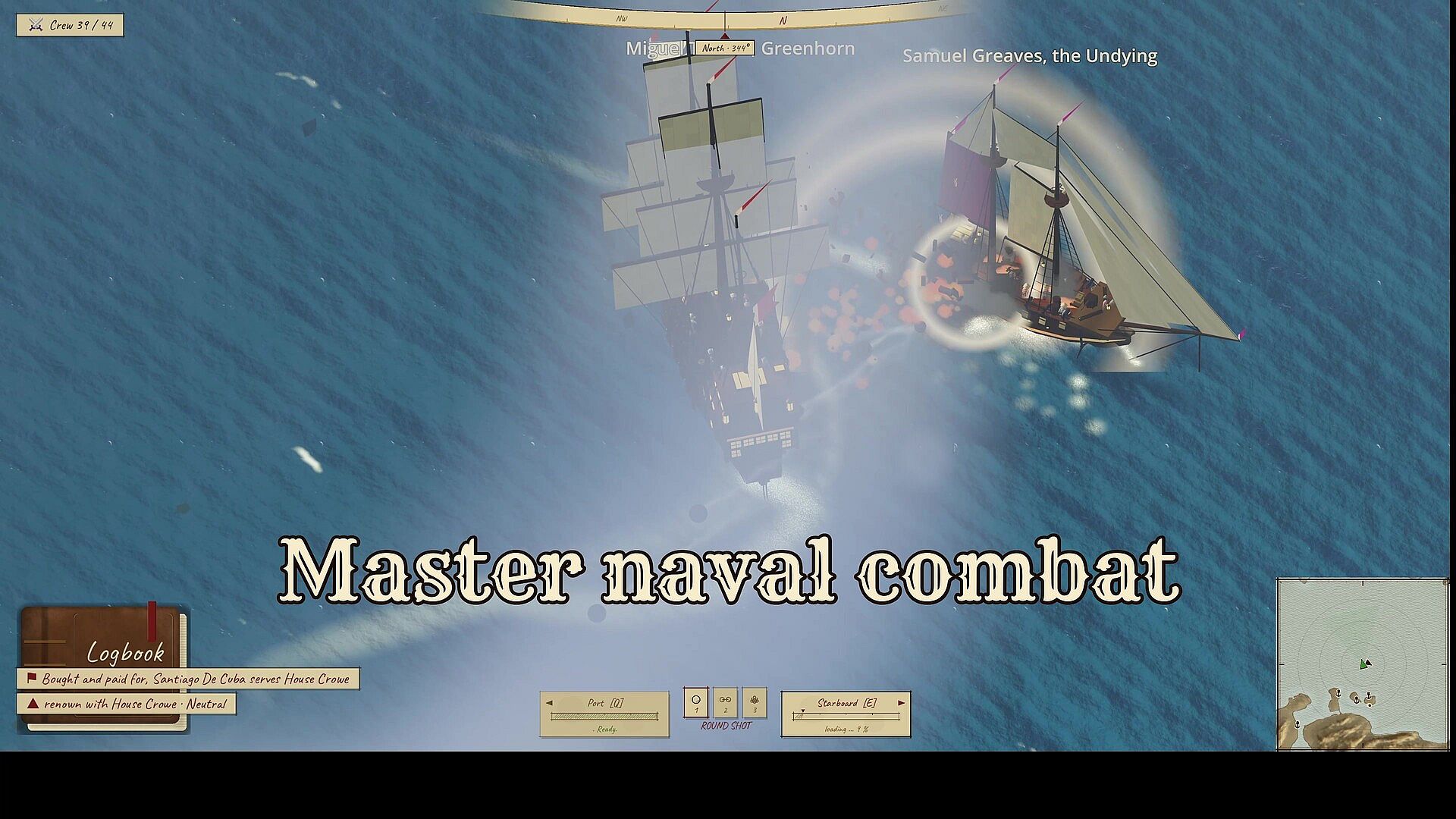
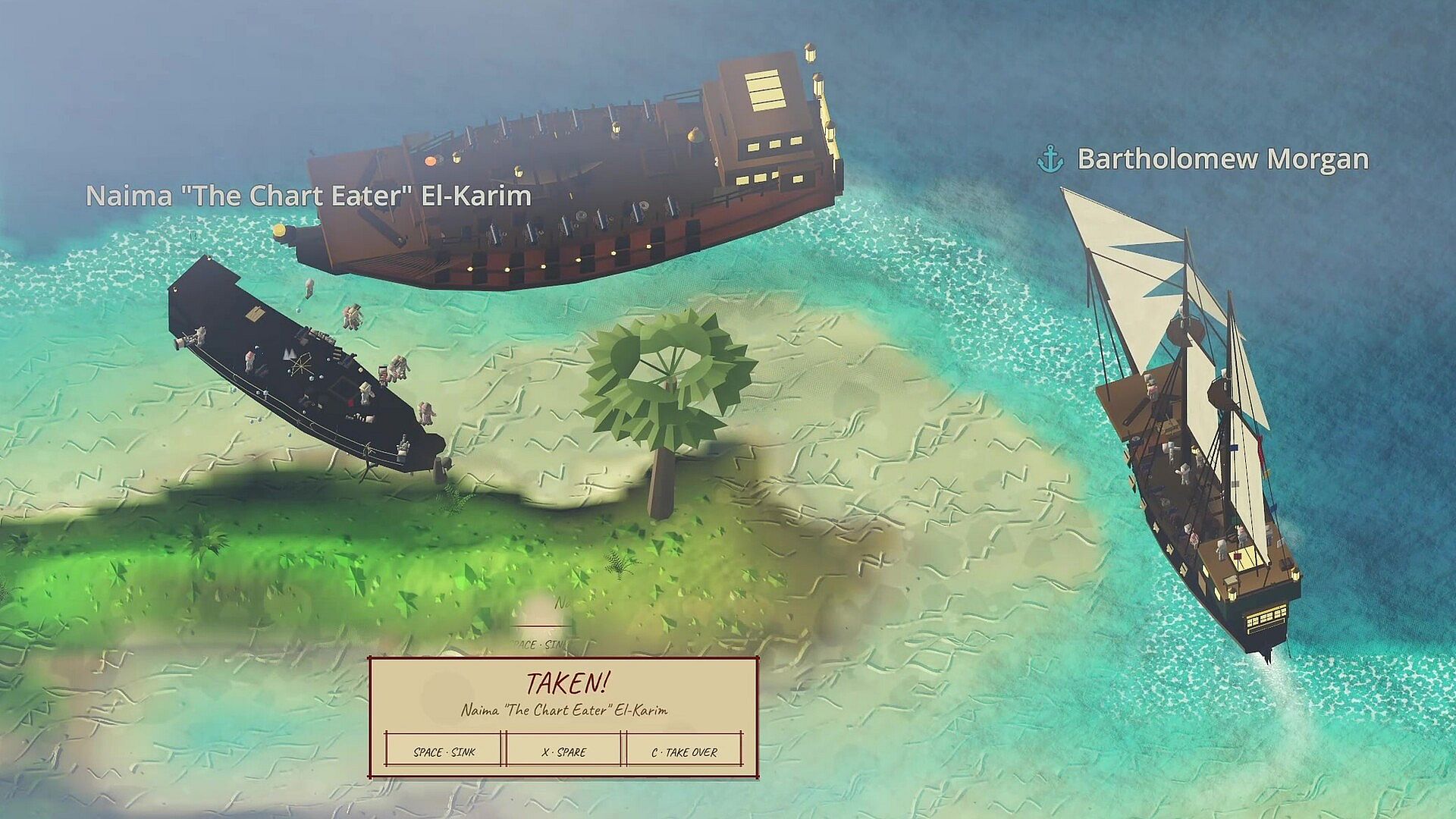
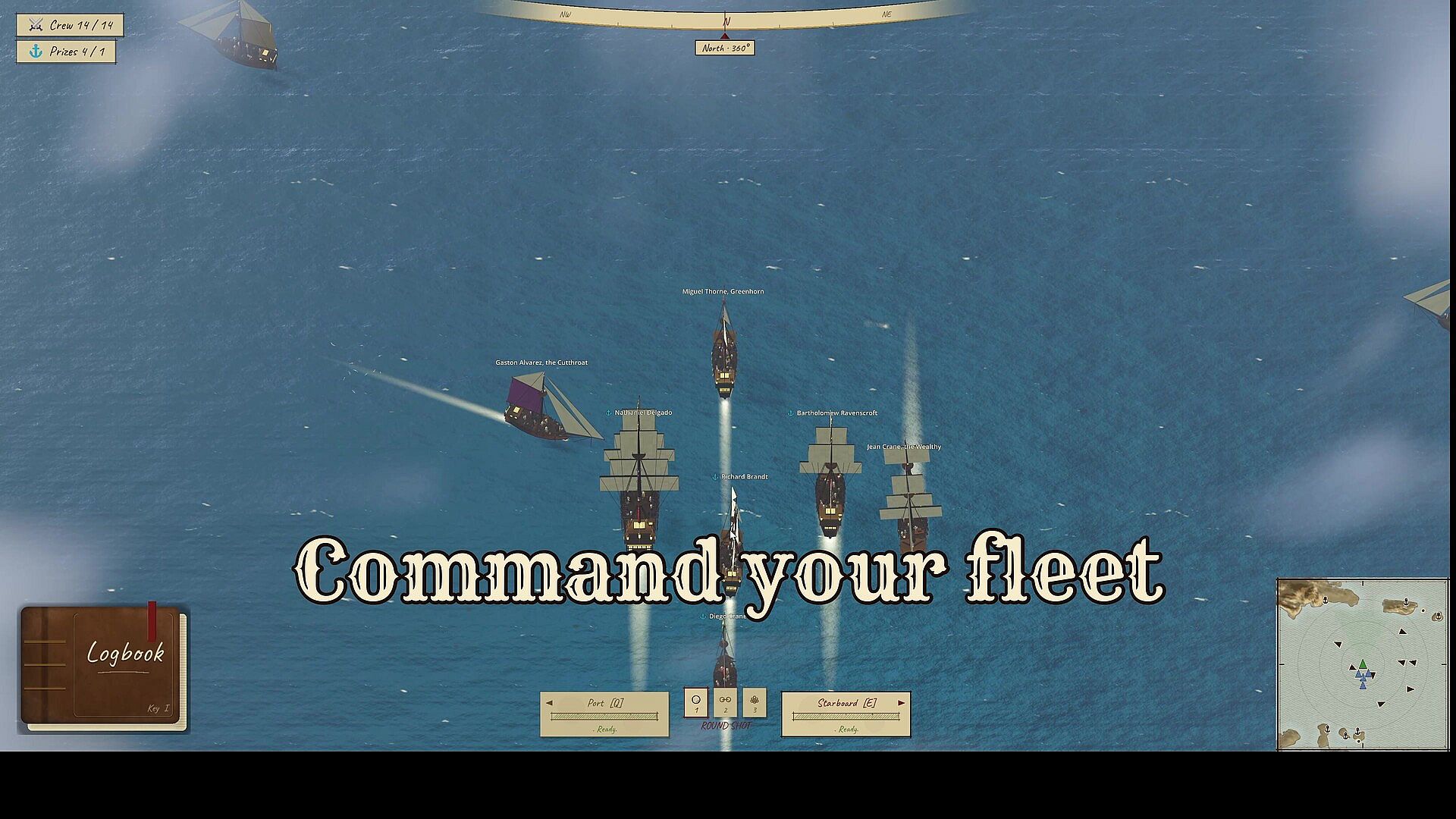
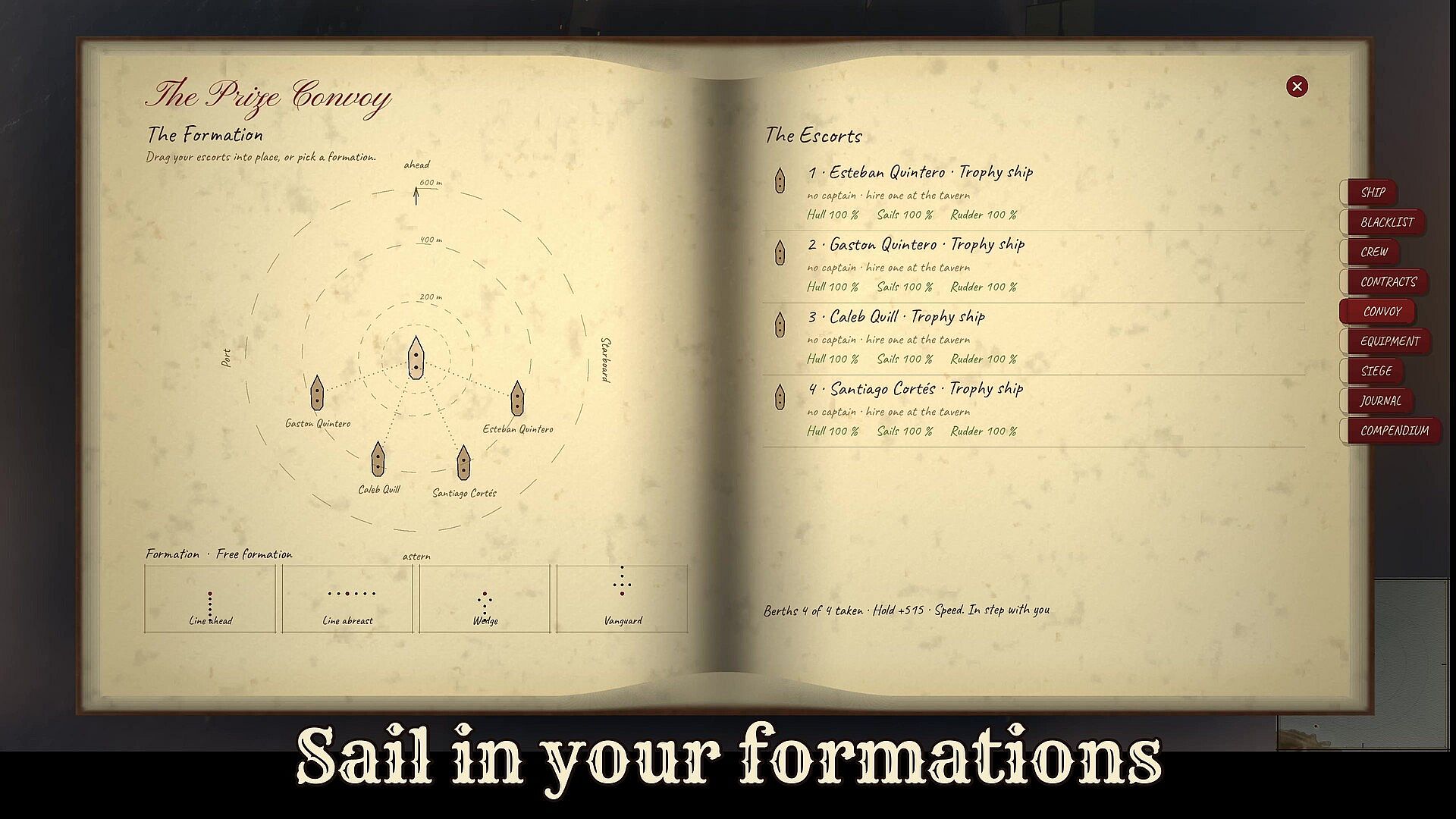
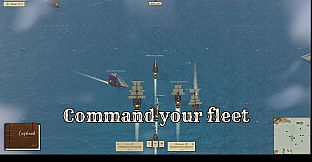
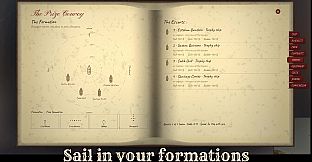
The core loop centers on naval travel, ship capture, and fleet management in a reactive environment. Captured vessels join the player's forces and sail in formation during encounters, with up to four supporting the flagship in coordinated maneuvers. Tactical real-time combat emphasizes positioning, wind reading, and broadside timing to sink or board opponents rather than relying on automated systems.
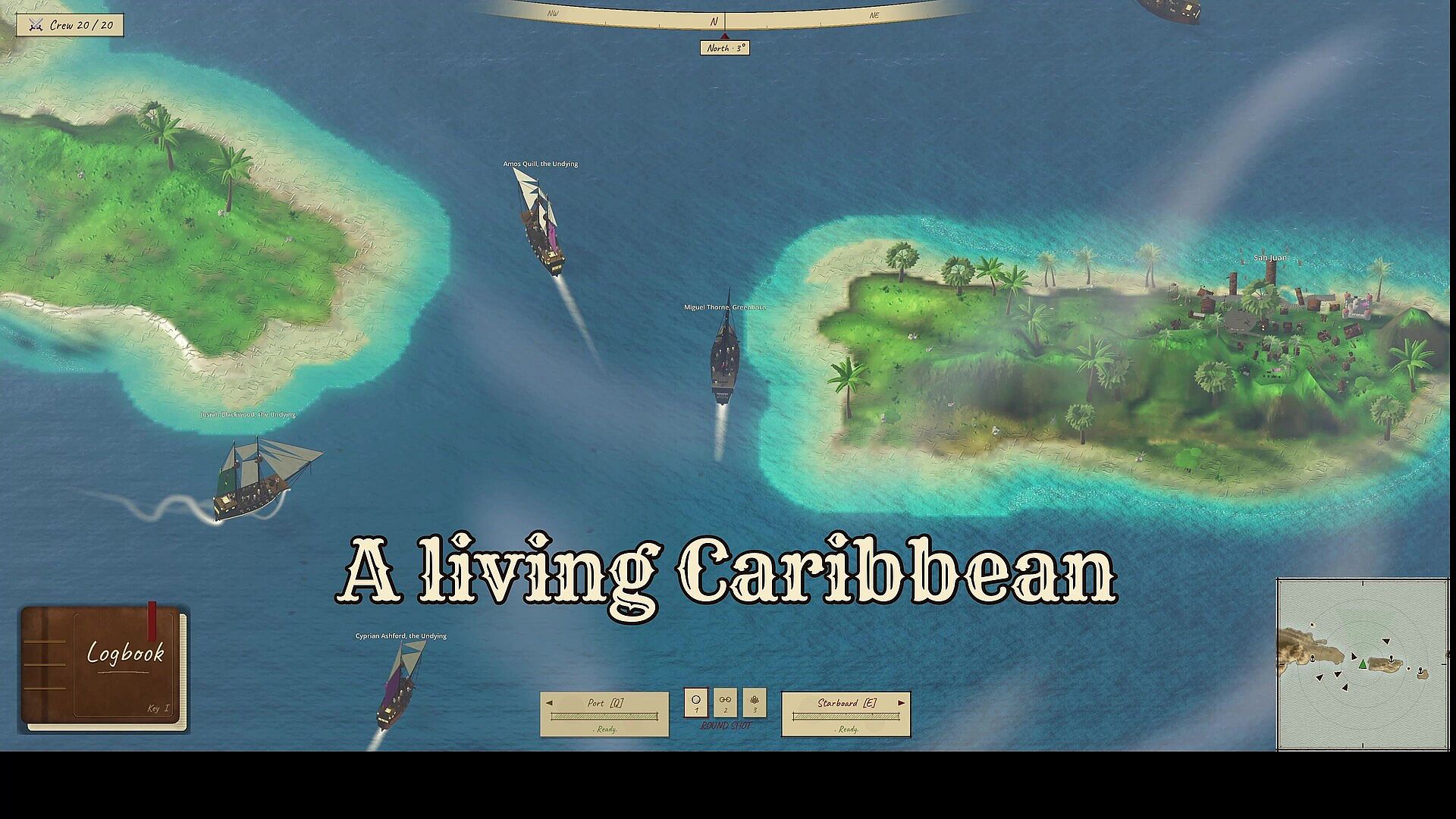
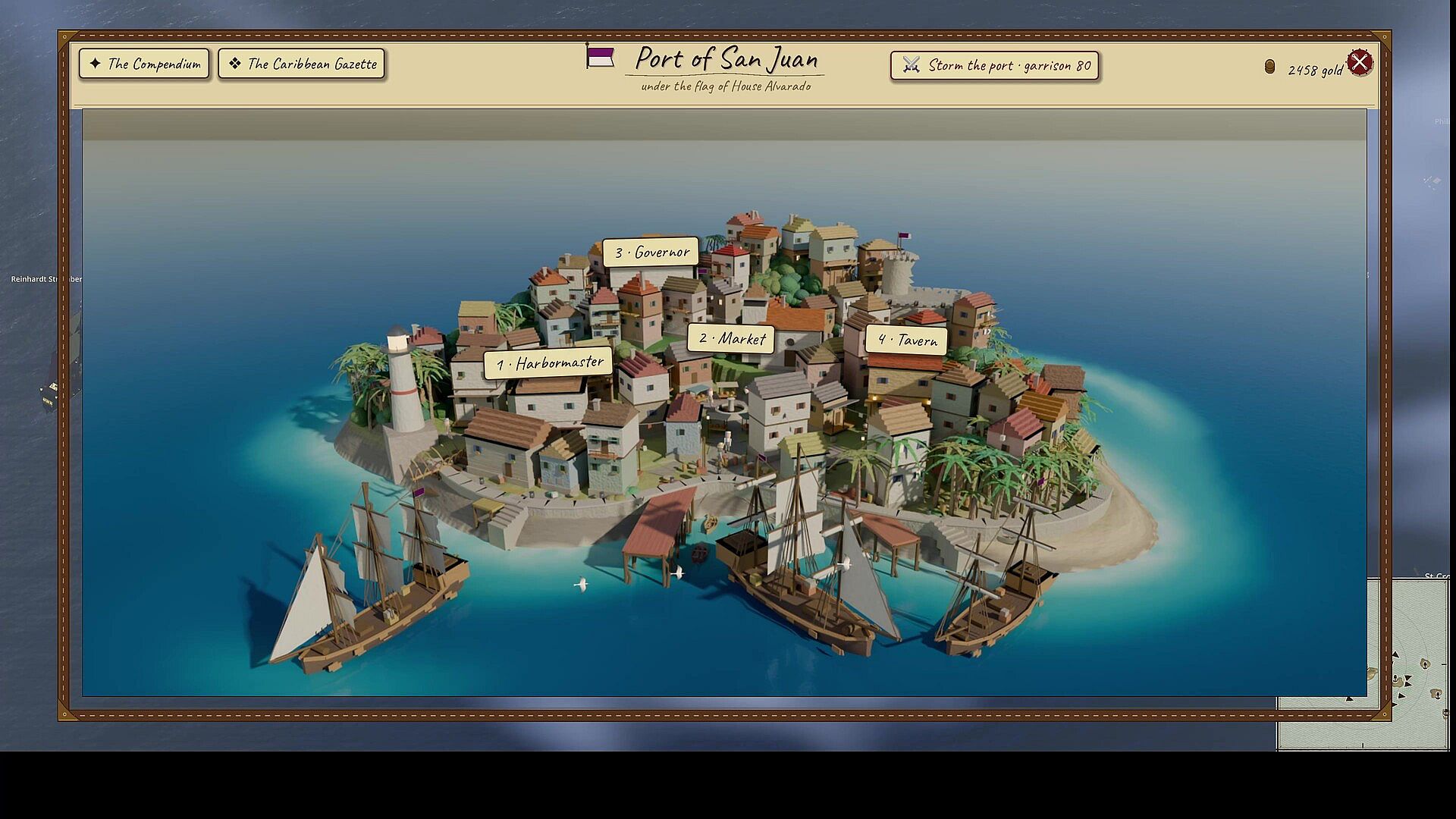
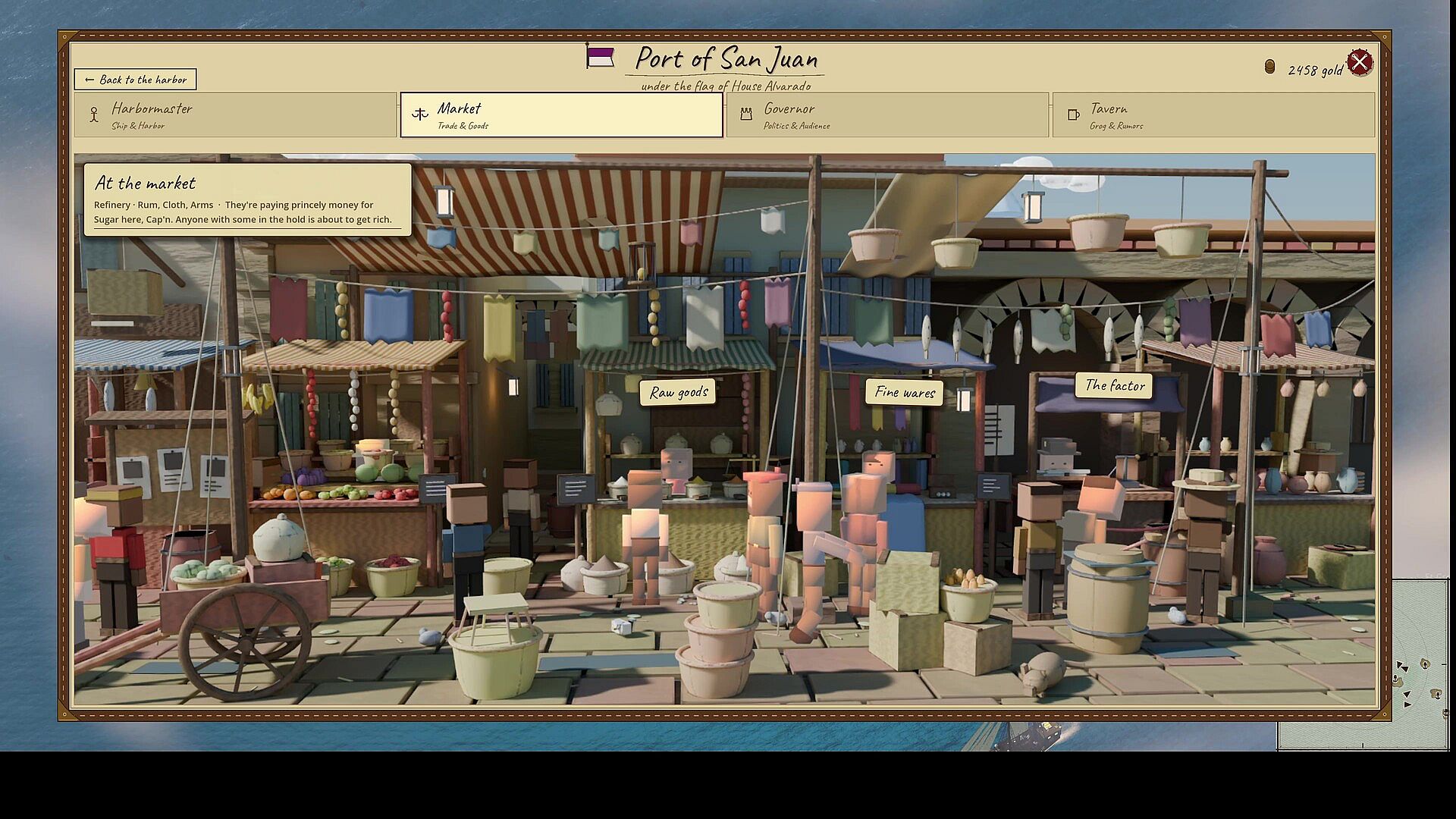
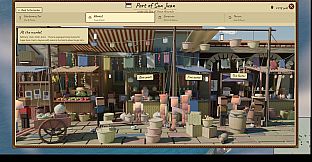
Economy mechanics respond directly to player interference and world events. Blockading ports depletes local stores, raises prices on scarce goods, and creates opportunities for high-value cargo sales elsewhere. Independent captains pursue their own trades and schemes regardless of player presence, creating a populated sea where alliances and conflicts unfold organically.
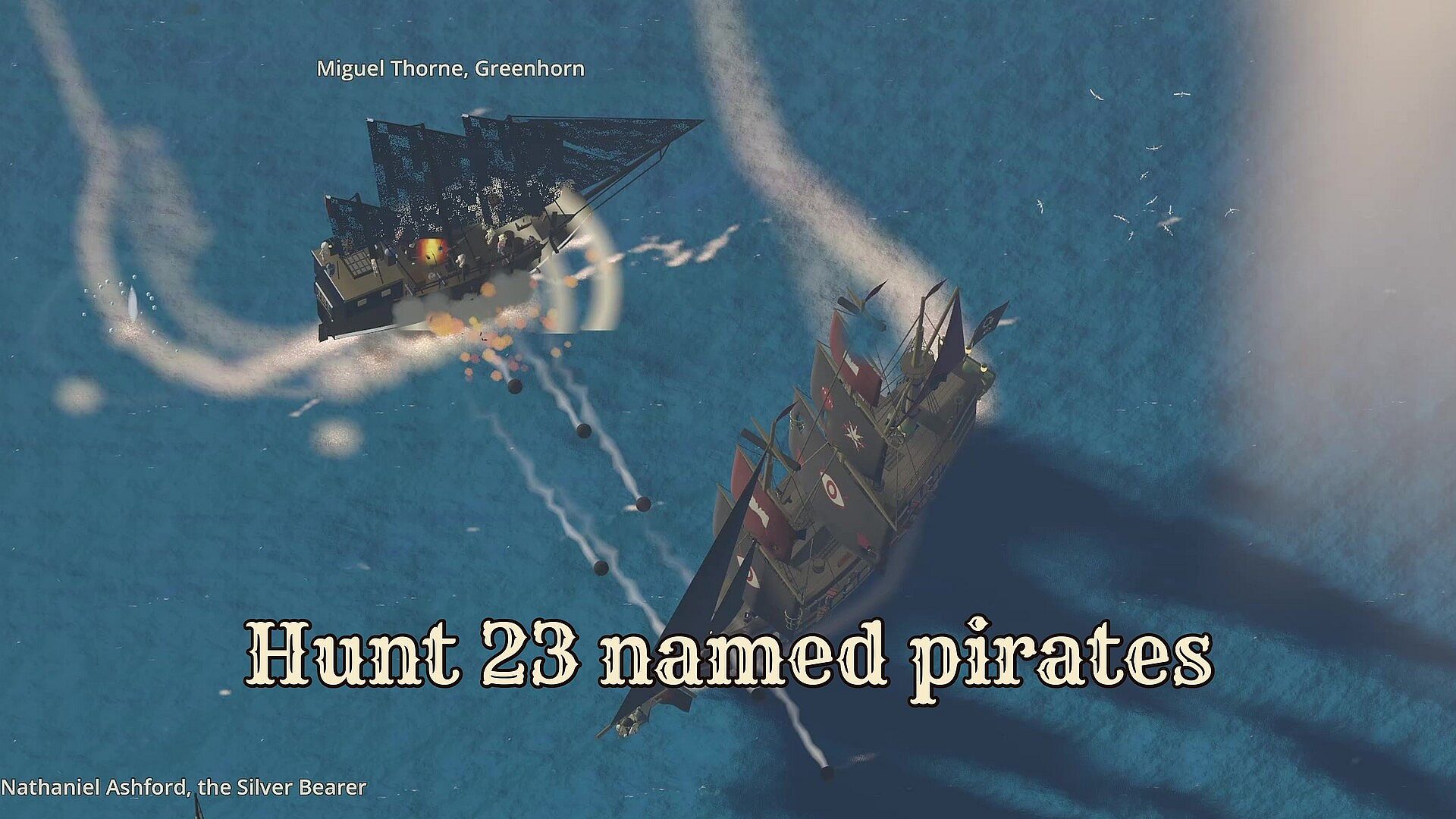
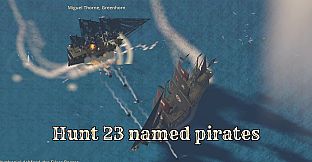
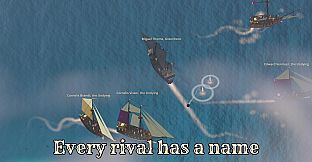
Political layers involve five houses competing for control. Aligning with one or playing factions against each other shifts regional power balances through quests and actions. The Blacklist features 23 distinct pirate captains, each with unique agendas, personalities, and combat approaches that require tailored strategies to defeat.
Handcrafted quests integrate across systems, linking economy disruptions, naval fights, political maneuvering, and captain hunts into interconnected narratives. Dynamic weather further alters sailing speeds and battle conditions, from calm seas to storms that demand adjusted tactics.
Game Modes
Kaperfahrt operates as a single continuous open-world experience without separate named modes or multiplayer components. All progression occurs within the persistent Caribbean setting, where fleet building, quest completion, and world influence develop through ongoing play rather than structured sessions or competitive brackets.
World and Systems
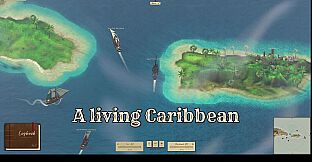
Over 200 captains populate the region with individual goals that drive independent activity. This creates emergent situations where trade routes shift, ports change hands, and rivalries evolve even when the player focuses elsewhere. Ship upgrades, officers, and items expand options for customization and combat effectiveness.
Quests number around 80 and tie directly into core mechanics, ensuring decisions in one area produce consequences in others. The absence of scripted background activity means the world maintains momentum through its own systems at all times.
Is It Worth Playing?
The game targets players who enjoy detailed simulation elements combined with strategic decision-making in a pirate setting. Its reactive economy, fleet mechanics, and faction politics reward experimentation and long-term planning over quick sessions. With a planned December 2026 release and ongoing playtest opportunities, early interest centers on how the interconnected systems deliver on the sandbox promise for those seeking depth in naval strategy and world simulation rather than linear campaigns or fast-paced action.











