







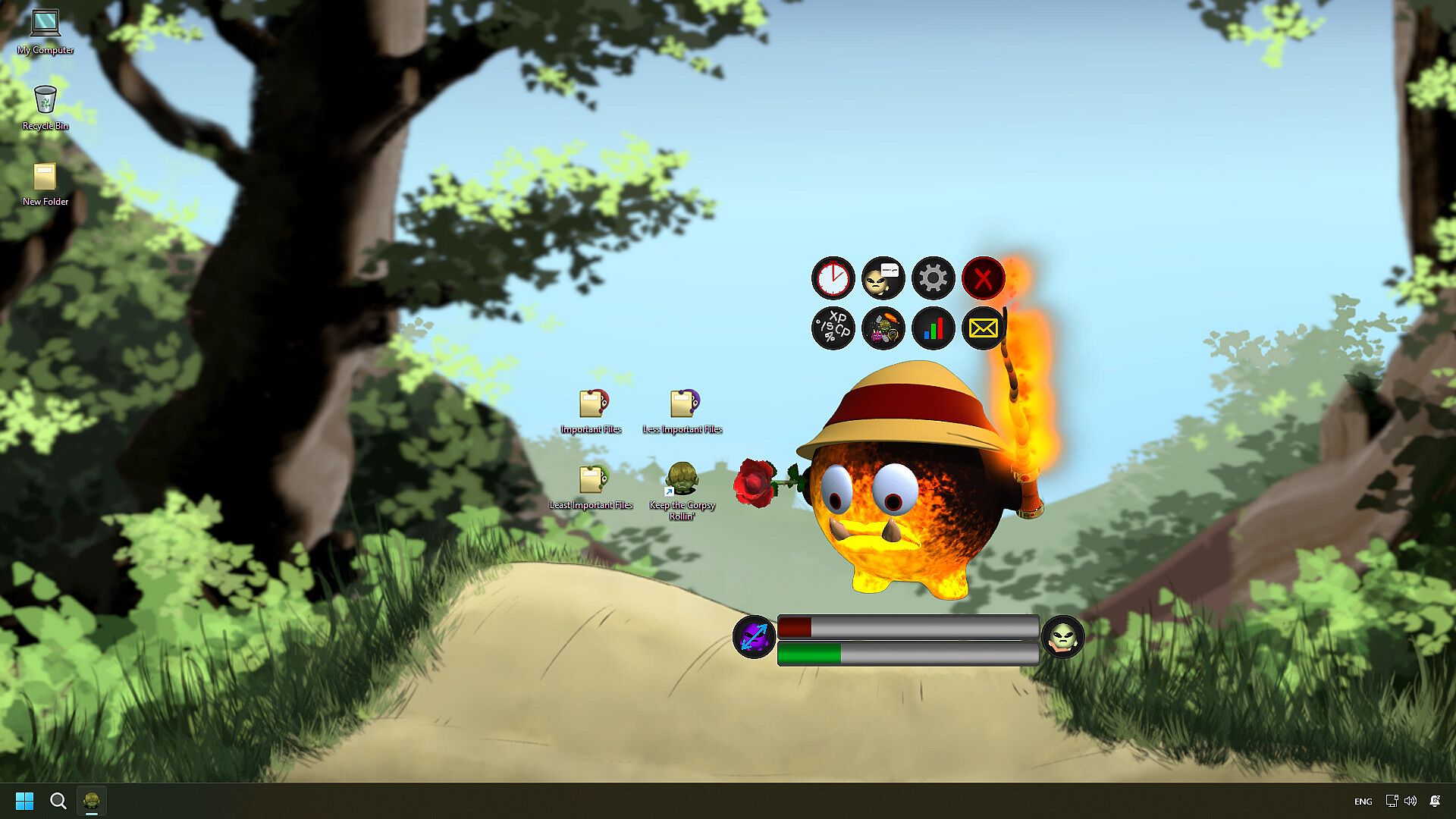
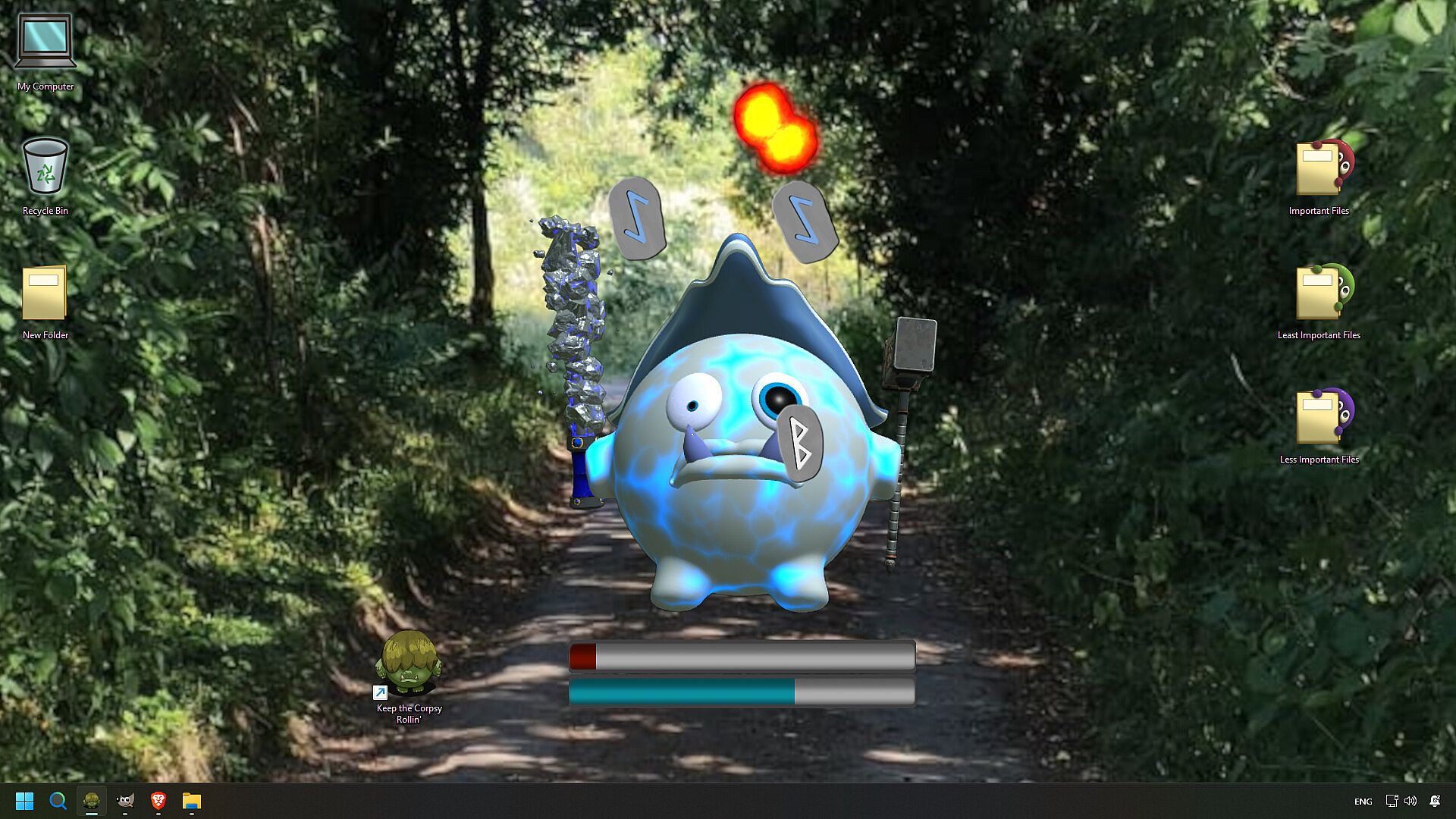
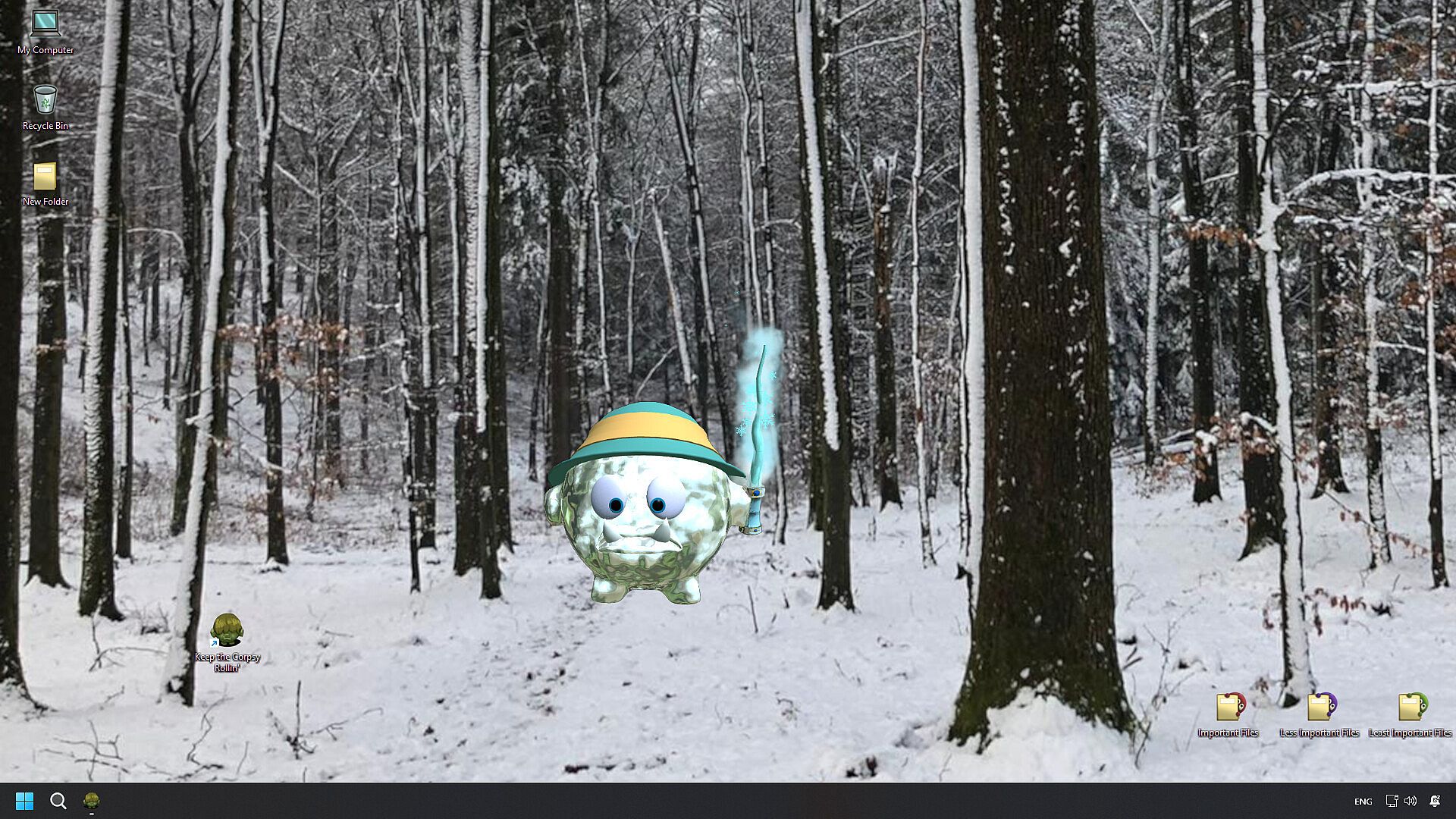

Keep the Corpsy Rollin' is an indie casual simulation game for PC that places a small creature directly on the user's desktop. The title functions as an interactive companion that responds in real time to keyboard presses, mouse clicks, and cursor movements, turning everyday computer use into ongoing activity for the creature.
Gameplay
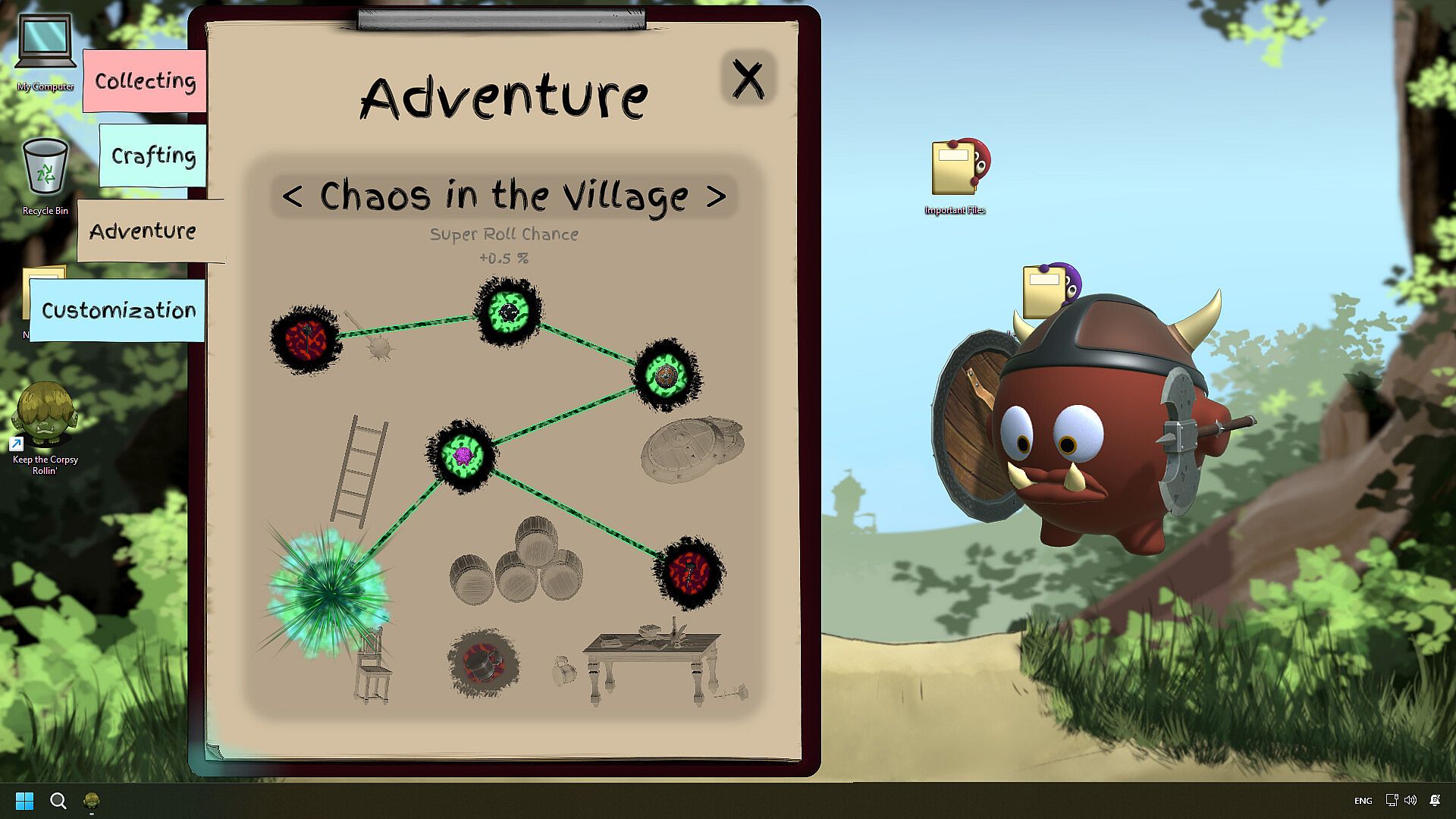
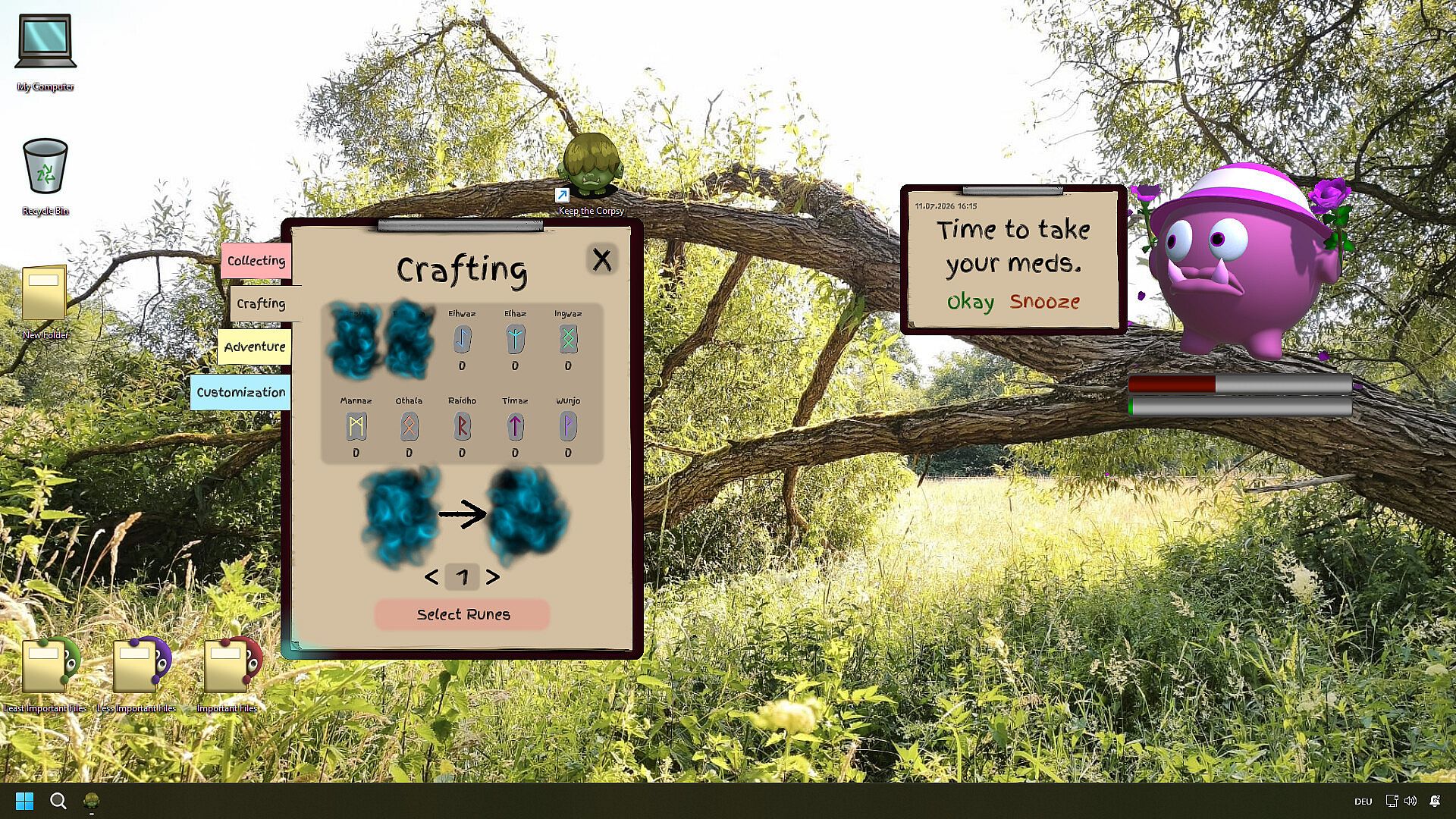
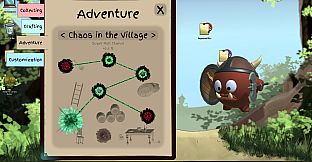
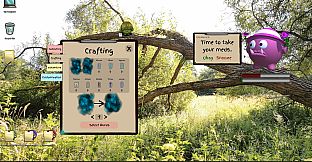
The core loop centers on keeping the Corpsy in motion through normal PC interactions. Every keystroke and mouse action contributes to its progress along a path displayed on screen. Players select cards that determine how the creature advances, allowing choices about speed, direction, or special effects during each session. Runes appear as the Corpsy travels, and these can be split or combined to form new ones needed for further advancement. Mysteries encountered during these sessions require specific rune combinations to resolve, which in turn unlock cosmetic items for the creature.
Productivity tools integrate directly into the experience. The Corpsy can issue reminders for scheduled events, run a timer for tasks such as cooking or breaks, and track statistics including total keystrokes and mouse distance traveled. Buffs activate when the user maintains consistent activity or inserts regular pauses, providing small in-game advantages. A background mode hides the creature when focus is required, activated through a hotkey or menu option, while auto-start ensures the companion launches with the computer.
Game Modes
The game operates entirely in single-player format with no multiplayer components. Primary interaction occurs in the active desktop overlay, where the Corpsy remains visible and responsive during work or browsing. Background mode serves as a secondary state that removes the visual element without pausing underlying systems such as timers or reminders. Statistics tracking runs continuously across sessions, creating a persistent record of input habits that influences buff availability and rune collection rates.
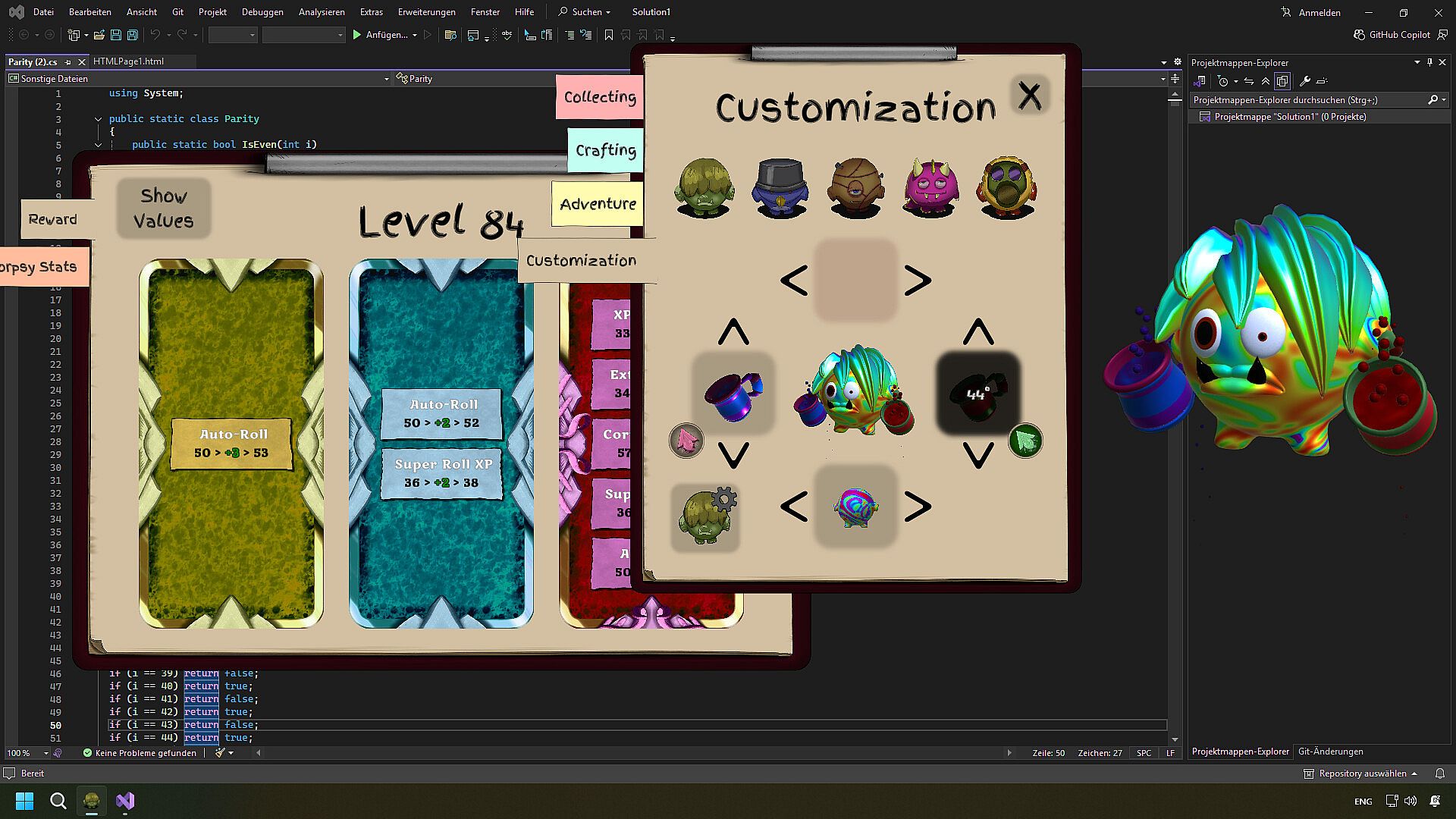
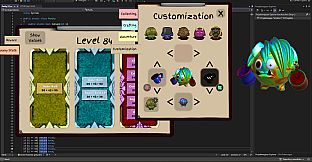
Customization occurs through item combinations earned from resolved mysteries. Players mix and match collected elements to alter the Corpsy's appearance and abilities, with no preset limits on combinations beyond what runes and items have been obtained. The system encourages repeated sessions to gather more resources for new variations.
Customization and Progression
Progression ties directly to input volume and rune management. Cards chosen during movement phases shape long-term development by affecting how quickly new runes appear or how efficiently they combine. Items discovered after decoding mysteries add permanent visual and functional changes, allowing the creature to reflect individual preferences over time. The statistics panel provides feedback on usage patterns, helping players understand how their habits influence the companion's growth.
Is It Worth Playing?
Keep the Corpsy Rollin' targets users who spend extended periods at a computer and want light entertainment layered onto routine tasks. Its systems reward steady input without demanding dedicated play sessions, making it suitable for those seeking a passive companion rather than a traditional game with set levels or objectives. The productivity integrations such as reminders and timers add practical value alongside the simulation elements.
Because the title remains unreleased with a date listed as to be announced, prospective players can follow its development through the official listing. The described mechanics emphasize steady collection and light customization over competitive or narrative depth, so interest depends on whether a desktop-reactive creature with rune crafting and productivity aids aligns with personal habits. Those who enjoy idle or ambient simulation experiences may find the ongoing input tracking and item discovery appealing once it launches.











