







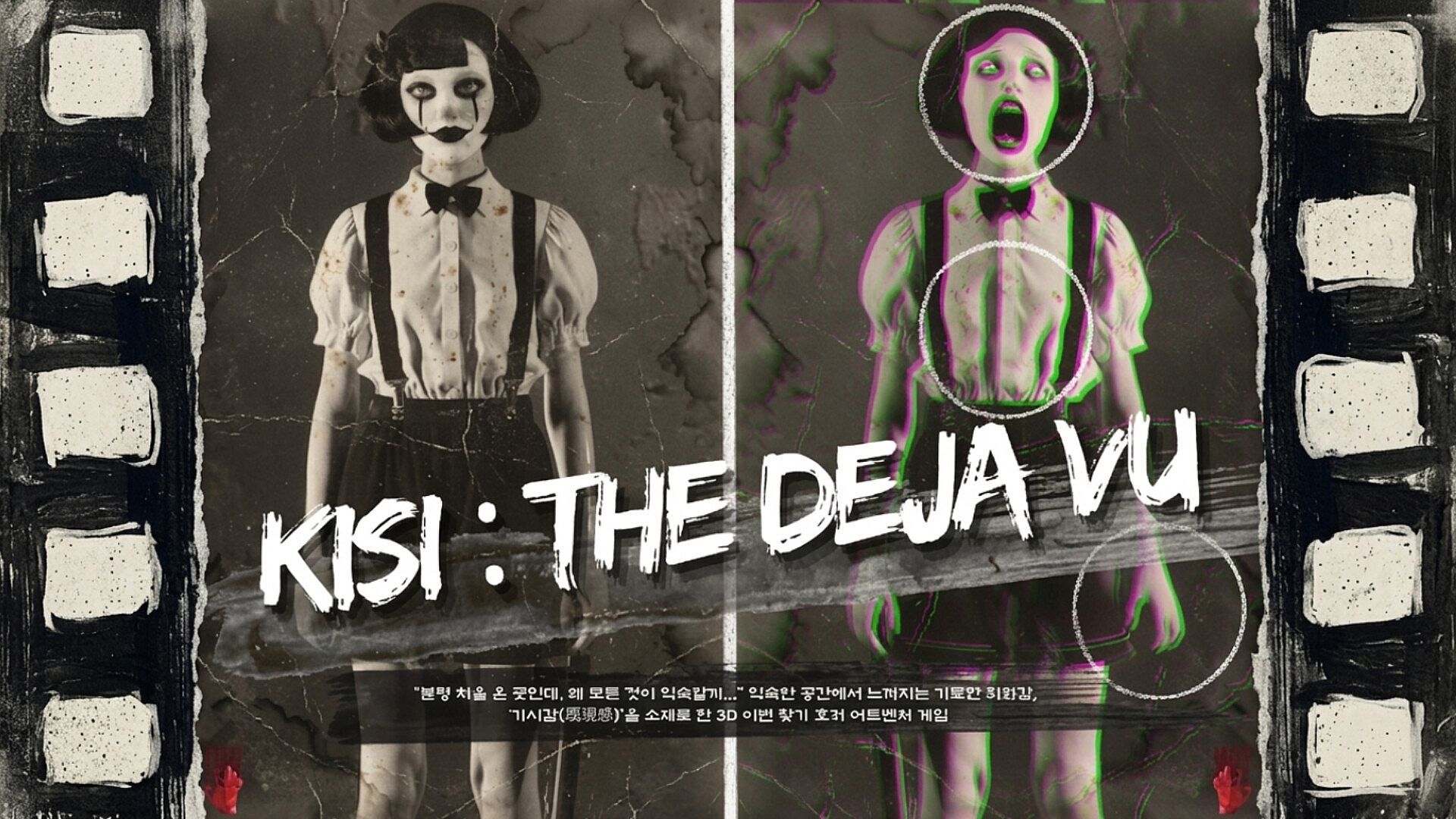
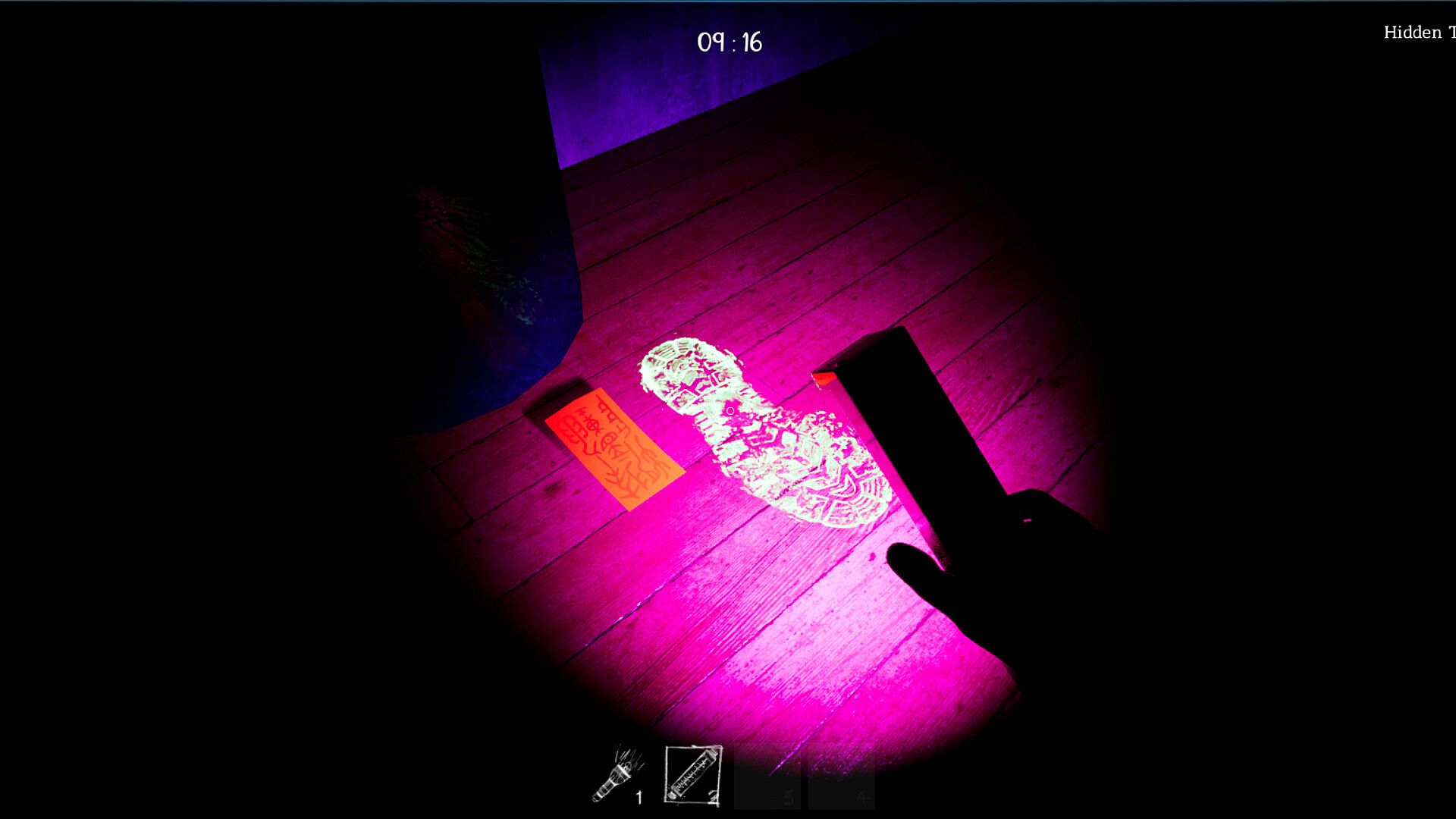
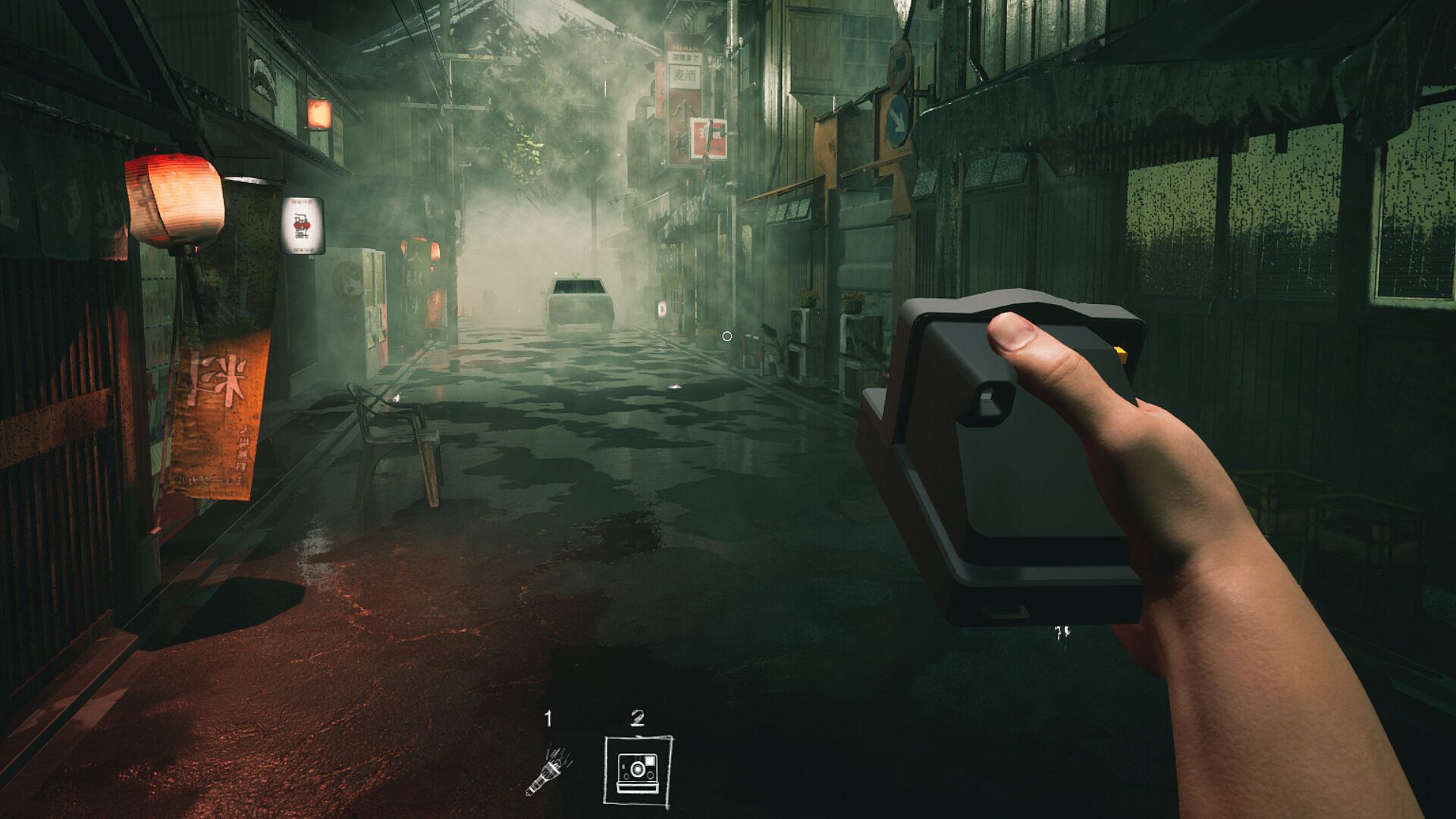
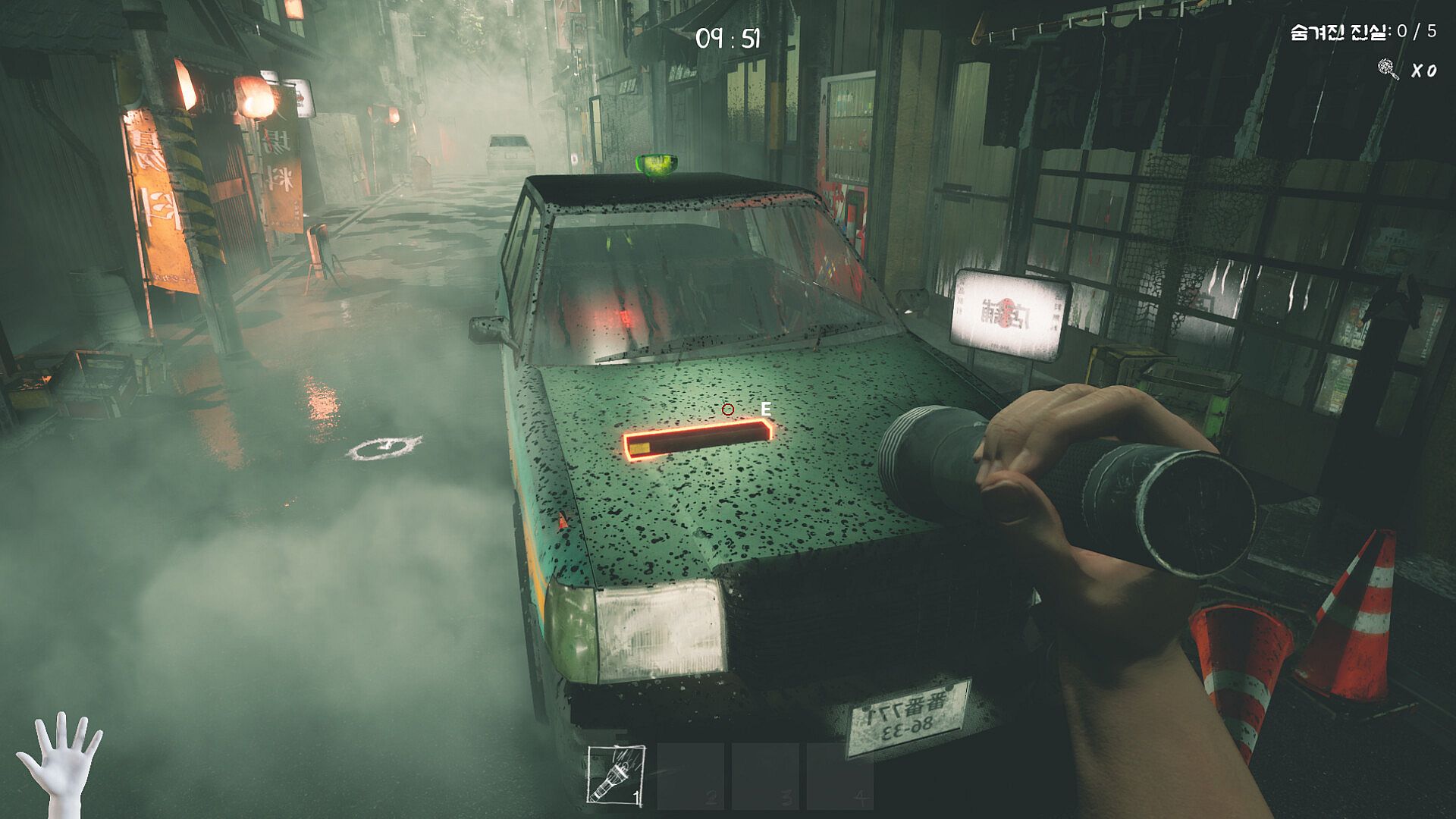
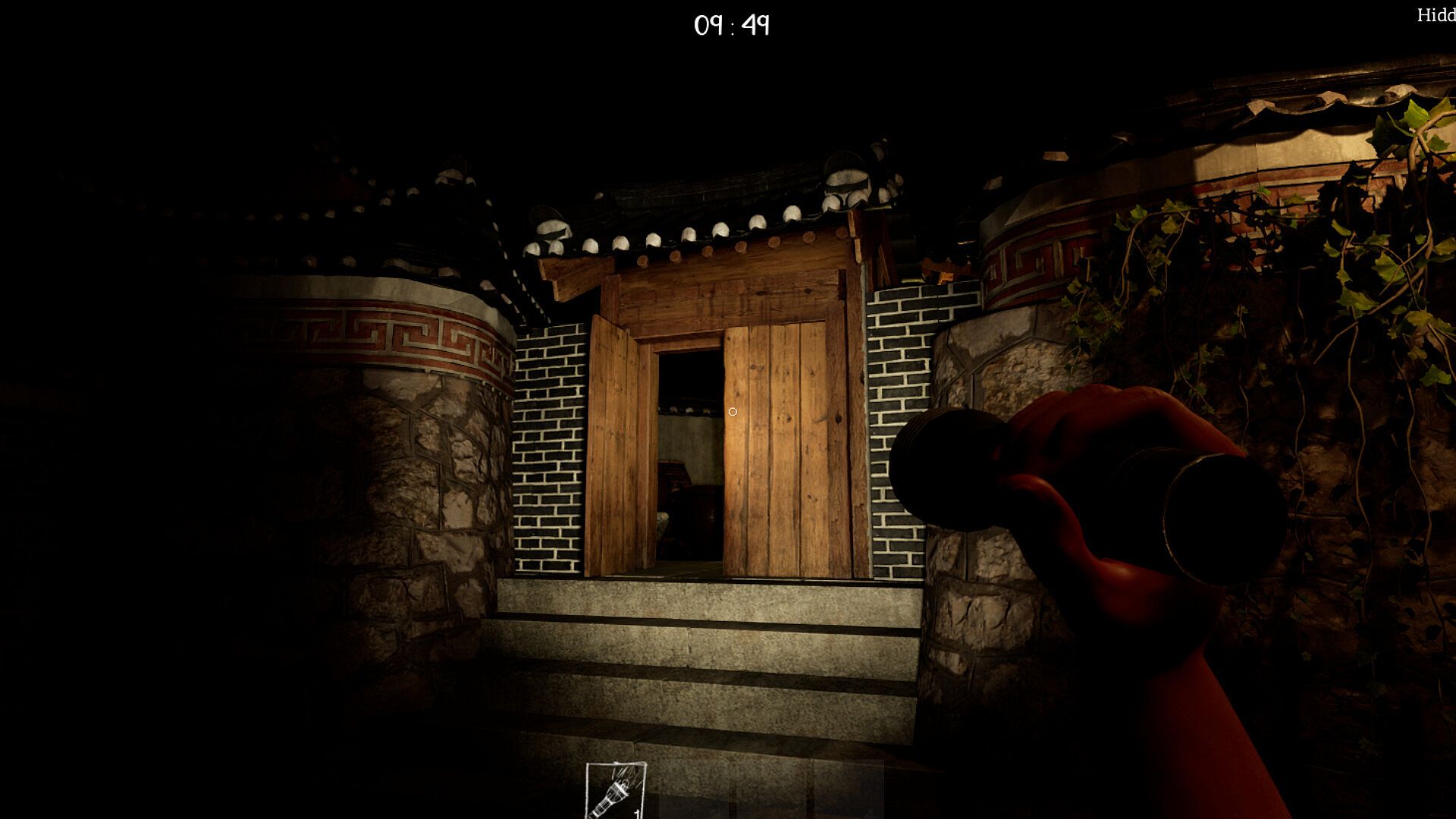
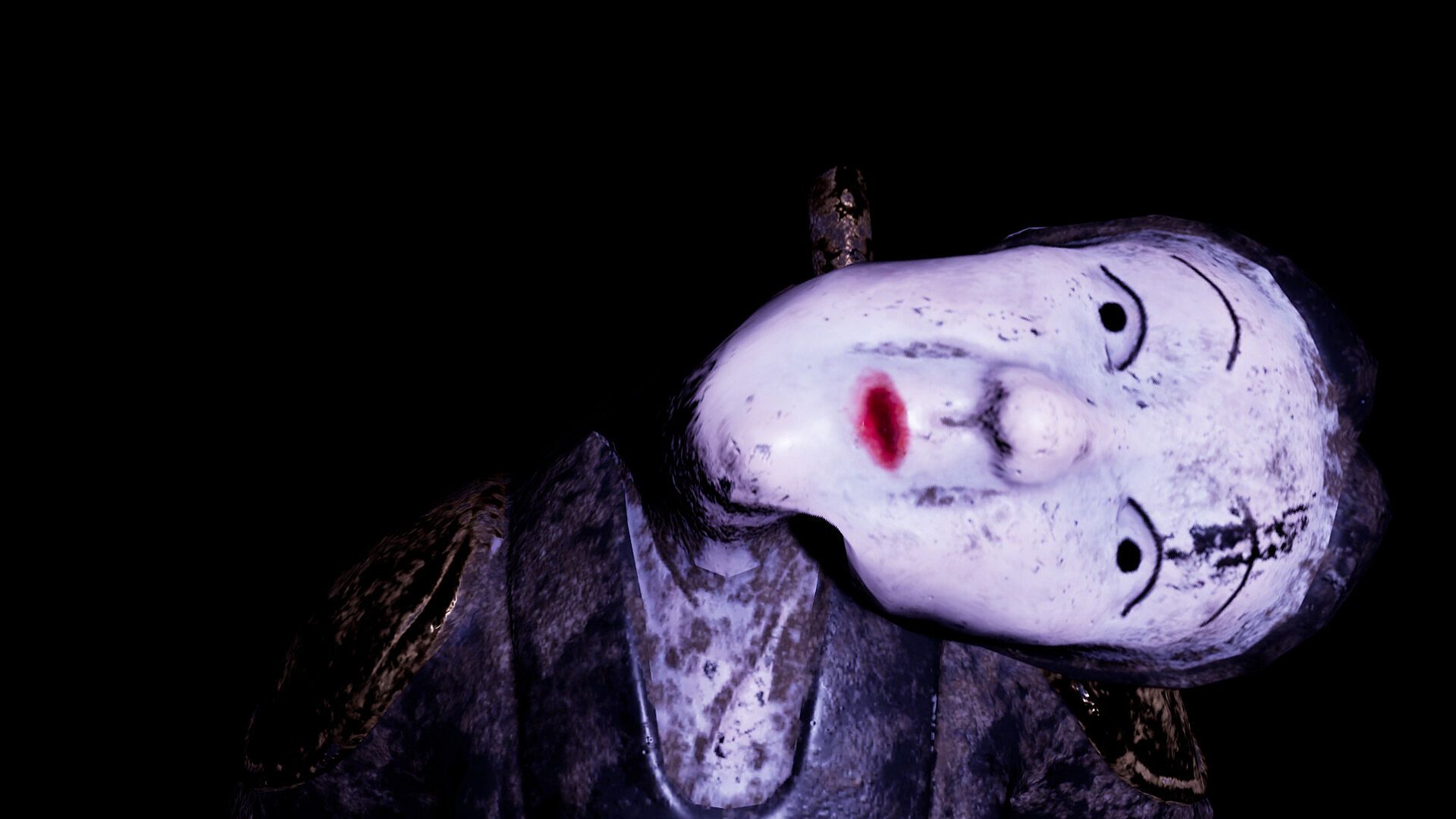
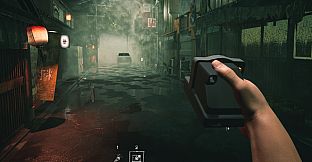
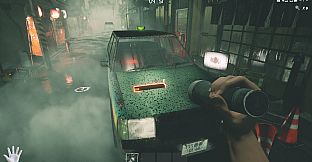
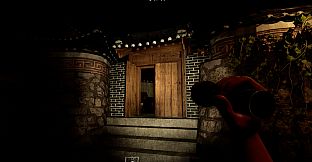

KISI: The Deja Vu is a 3D spot-the-difference horror adventure game that places players in the role of Dr. Hoffman, a neuroscientist navigating perfectly symmetrical, mirror-image spaces. The core premise revolves around the unsettling sensation of deja vu, where familiar surroundings hide subtle alterations that challenge memory and perception. Available on PC in Early Access, the title blends strategy, indie, and adventure elements into a focused single-player experience centered on observation and deduction rather than combat or exploration in the traditional sense.
Gameplay
The gameplay centers on moving between two identical rooms and identifying what has changed between them. This mechanic evolves the classic spot-the-difference concept into full three-dimensional space, requiring careful examination of objects, lighting, and environmental details from multiple angles. Players must cross between the mirrored areas repeatedly, noting discrepancies that range from minor shifts in position to more significant alterations that affect the path forward. The design emphasizes psychological tension, as repeated exposure to the same layout begins to erode confidence in what was previously observed. Atmospheric elements reinforce this doubt, with lighting and sound design that heighten the sense of something being off without relying on overt scares.
Progression depends on methodical observation rather than speed or reflexes. Each change discovered provides a clue or opens a new route, building toward locating an exit. The symmetry of the environment forces constant comparison, turning simple visual inspection into a sustained mental exercise. Because the game operates in three dimensions, players can approach objects from different heights and distances, revealing alterations that might remain hidden from a single viewpoint.
Game Modes
The experience consists of a single continuous mode built around the mirrored-room puzzle structure. There are no separate difficulty settings, time trials, or alternate scenarios listed at this stage. The focus remains entirely on the core loop of traversing the paired spaces, cataloging differences, and advancing through the environment. This unified approach keeps the tension consistent from start to finish, with no interruptions from unrelated mechanics or side activities.
Story
The narrative follows Dr. Hoffman after becoming trapped in an environment that feels familiar despite no prior visit. The mirrored rooms serve as both prison and puzzle, with the protagonist's own memory acting as an unreliable guide. Dialogue and environmental storytelling reinforce the central question of why everything seems known when logic says otherwise. Psychological pressure mounts as discrepancies accumulate, turning the search for an exit into a confrontation with personal recollection. The story unfolds gradually through these observations rather than through cutscenes or extensive text logs.
Is It Worth Playing?
KISI: The Deja Vu suits players who enjoy deliberate puzzle-solving and atmospheric horror built on observation. The Early Access status means the title is still evolving, with the current build delivering the core mirrored-room concept in a compact, focused package. Those drawn to strategy and adventure titles that prioritize mental engagement over action will find the mechanics rewarding. The absence of confirmed player review aggregates or update schedules at launch leaves reception to individual experience, but the described systems align with a niche that values precision and unease over broad accessibility. If the idea of doubting one's own memory in a symmetrical space appeals, the game offers a direct implementation of that concept without extraneous layers.











