




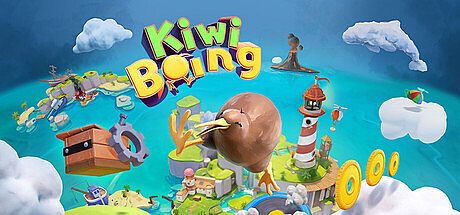



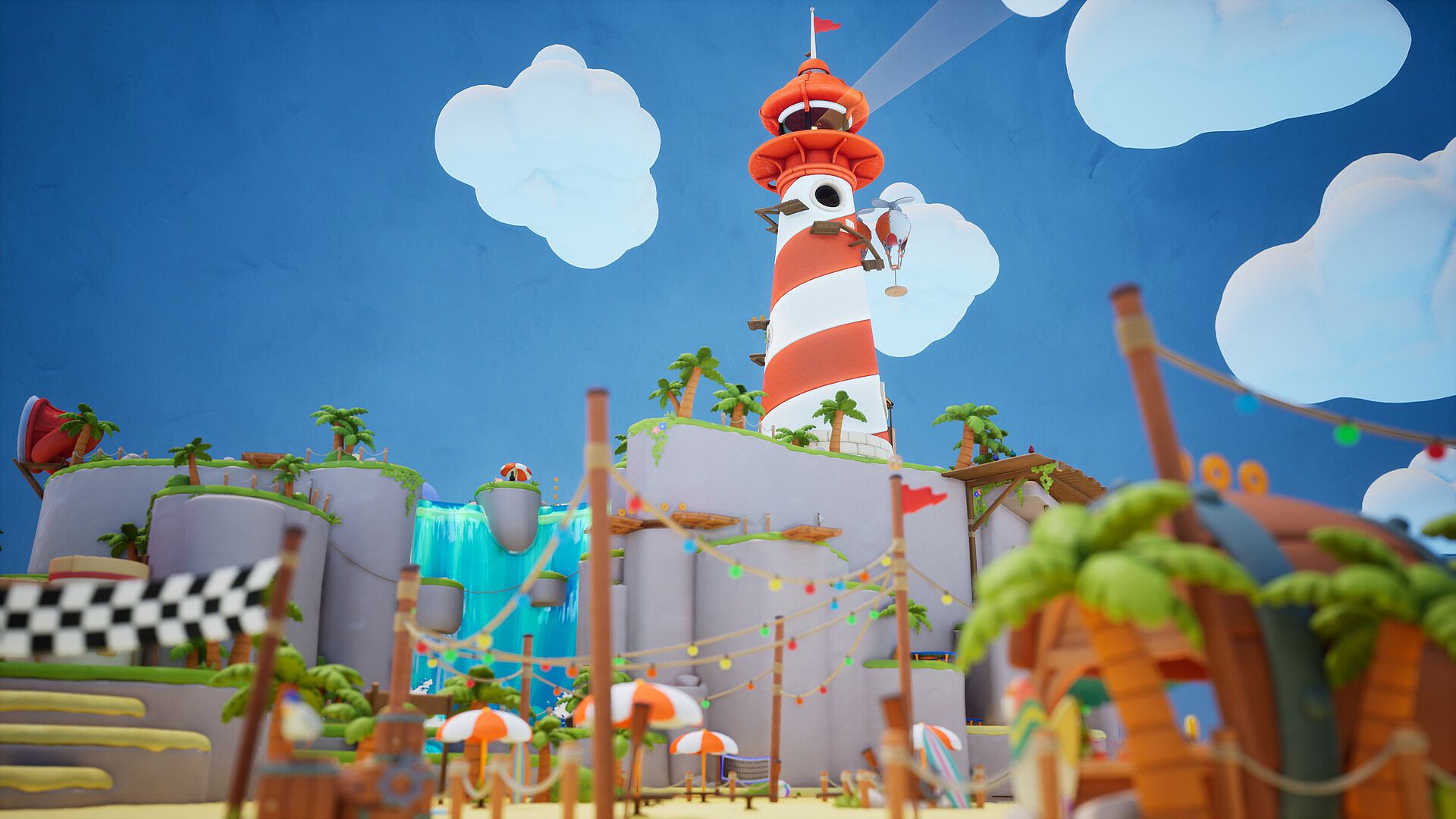
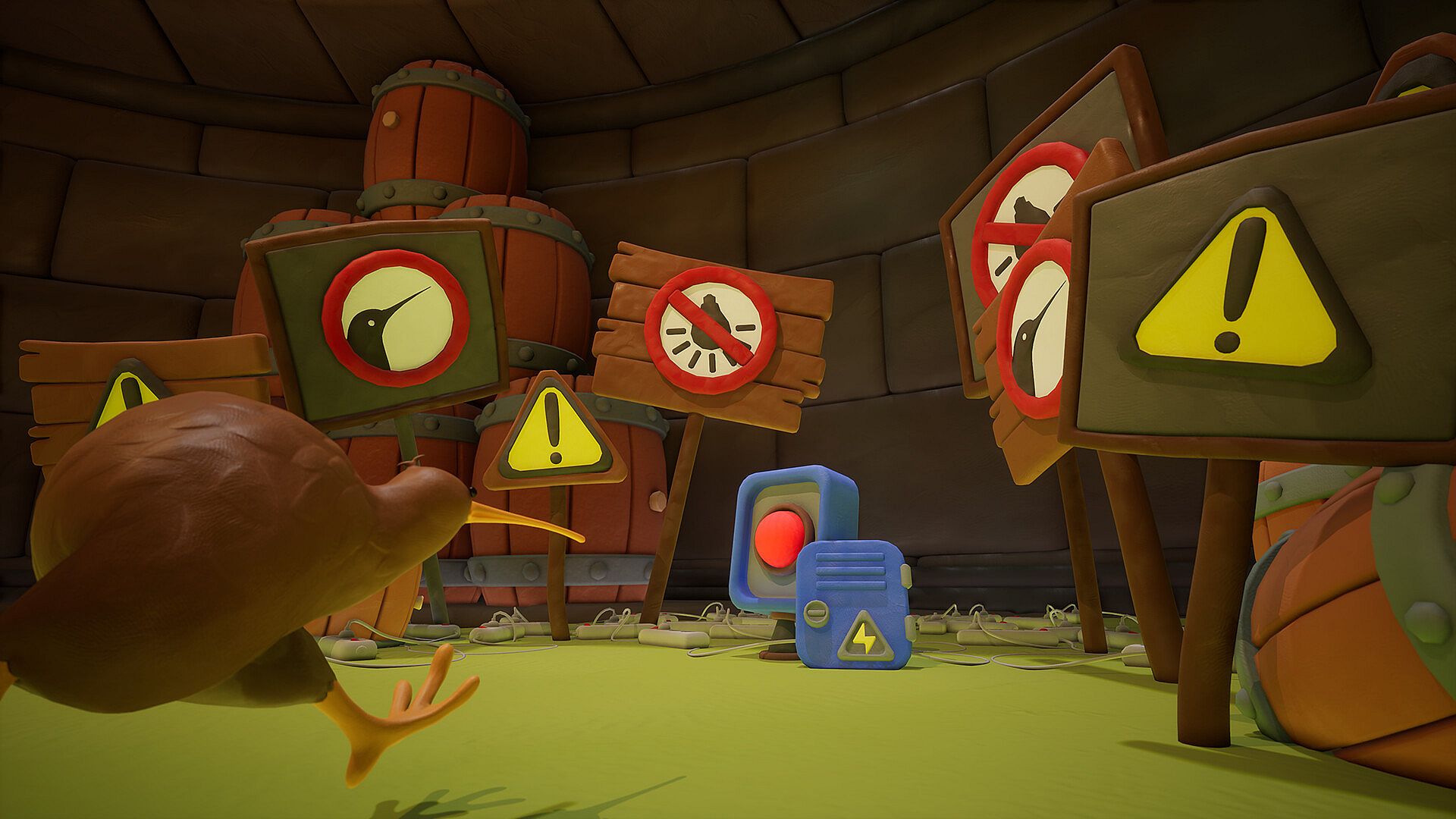
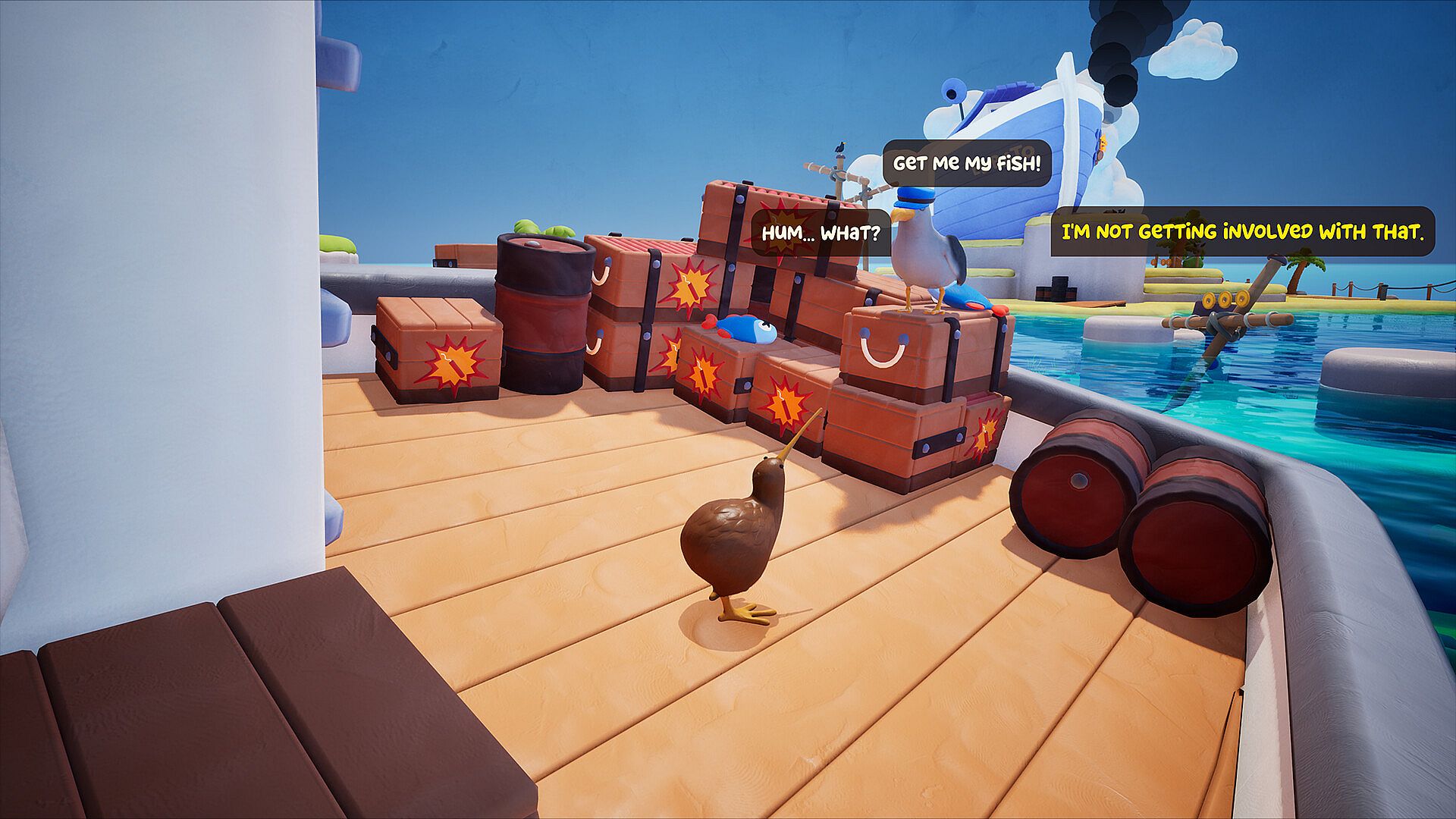

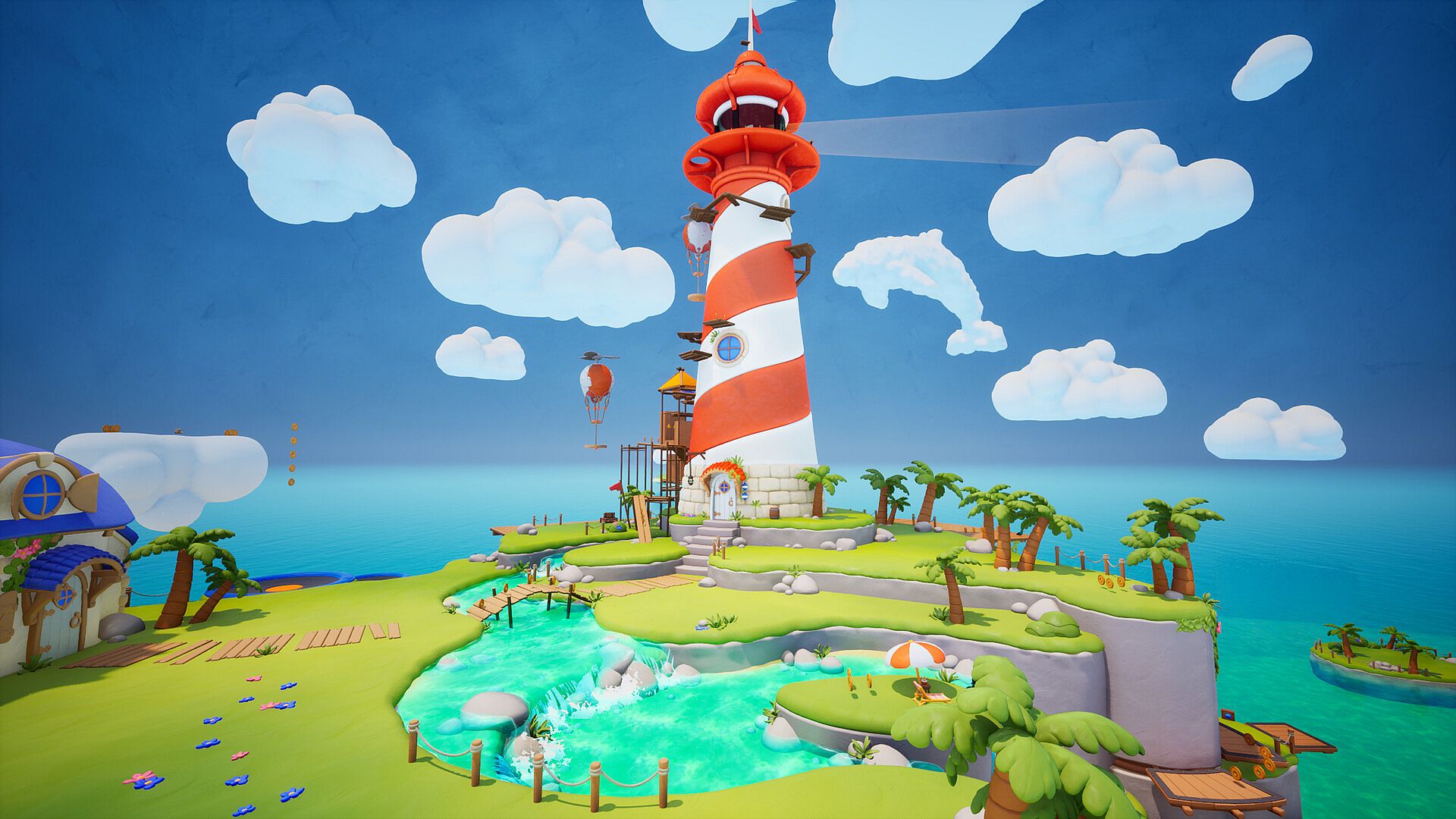

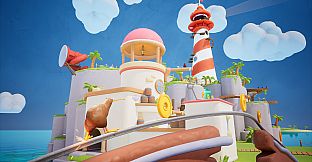
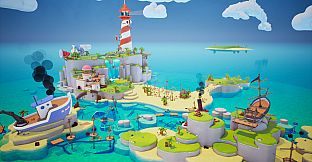
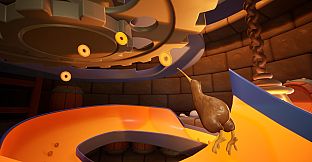
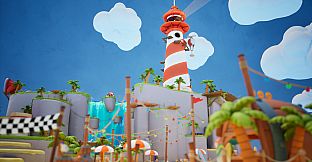
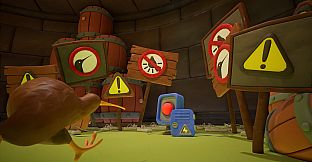
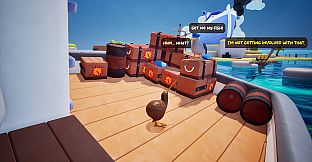
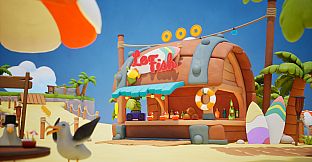
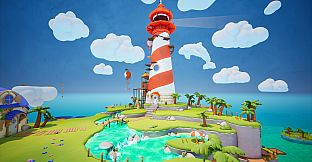
Kiwi Boing is an indie 3D platformer and adventure game for PC in which a flightless kiwi bird navigates three compact open-world islands to recover scattered plane parts and return home. The core loop centers on exploration, movement chaining, and light task completion without combat or resource management systems such as health bars.
Gameplay
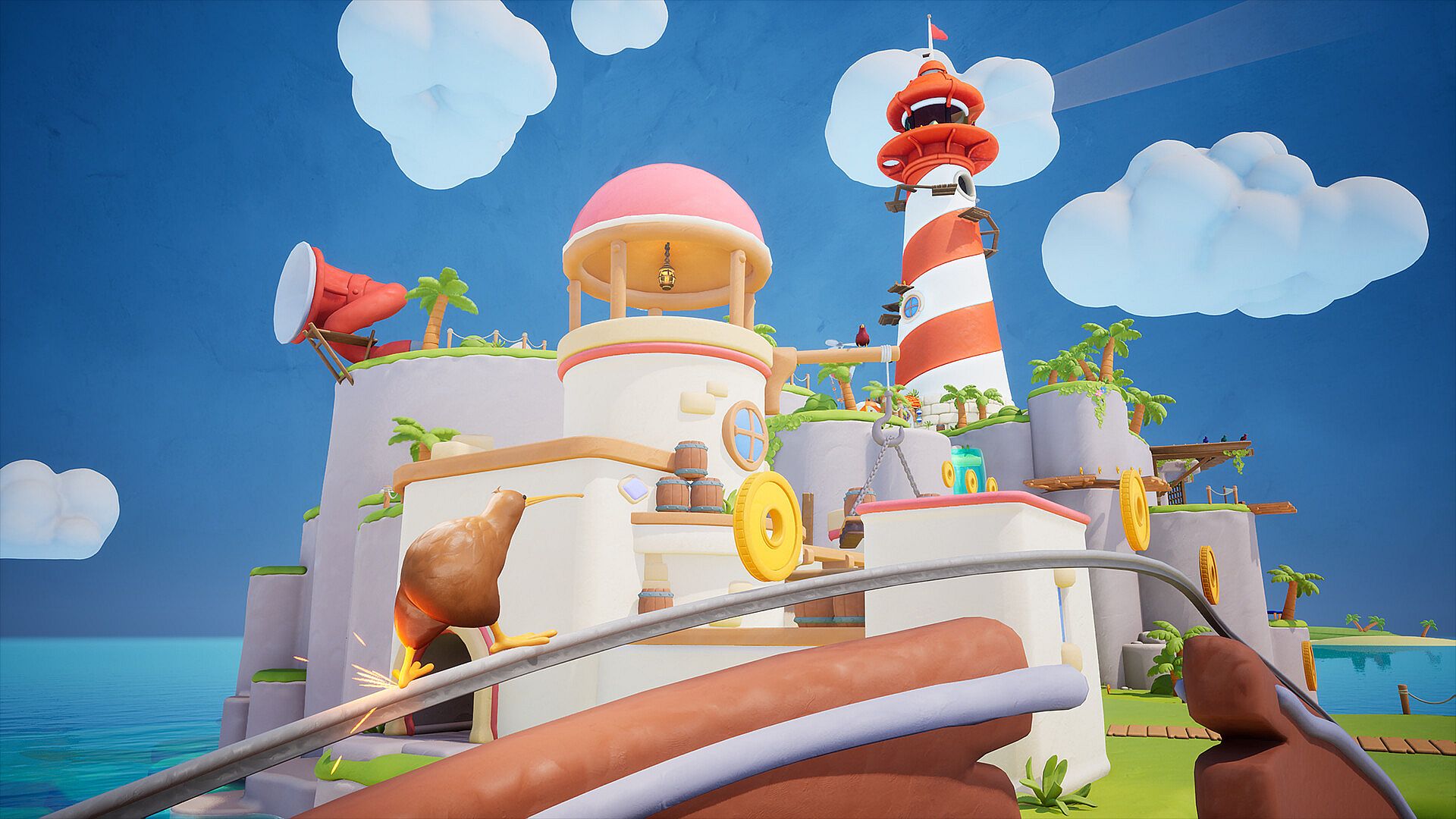
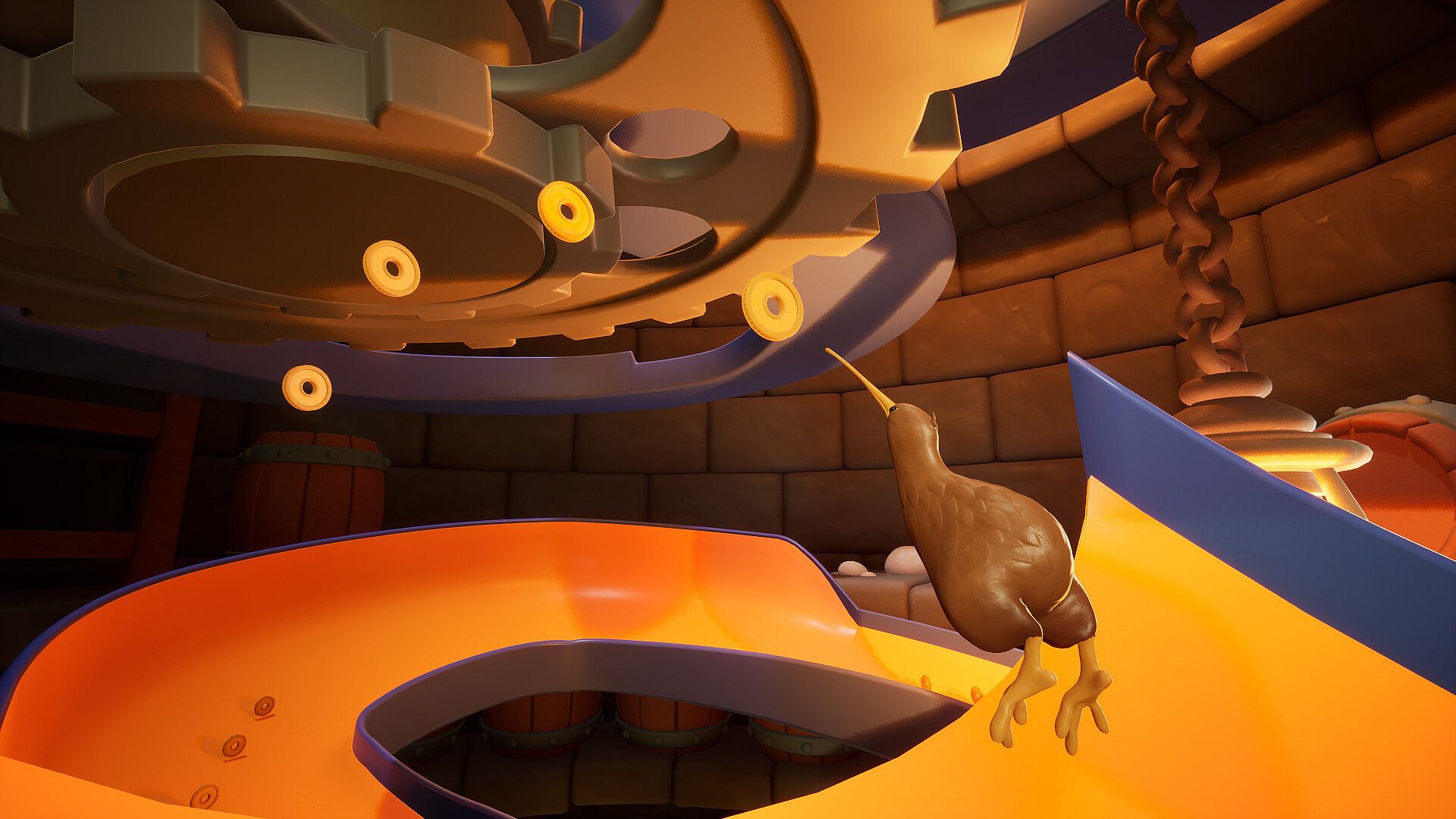
The movement system encourages creative chaining of actions to reach elevated or hidden areas. Core abilities include a triple jump, dive, roll, wall jump, and air dash. The beak plant lets the kiwi embed its beak into surfaces and launch in any direction, opening routes that appear inaccessible at first glance. Gadgets expand these options once unlocked, introducing additional traversal tools discovered through play.
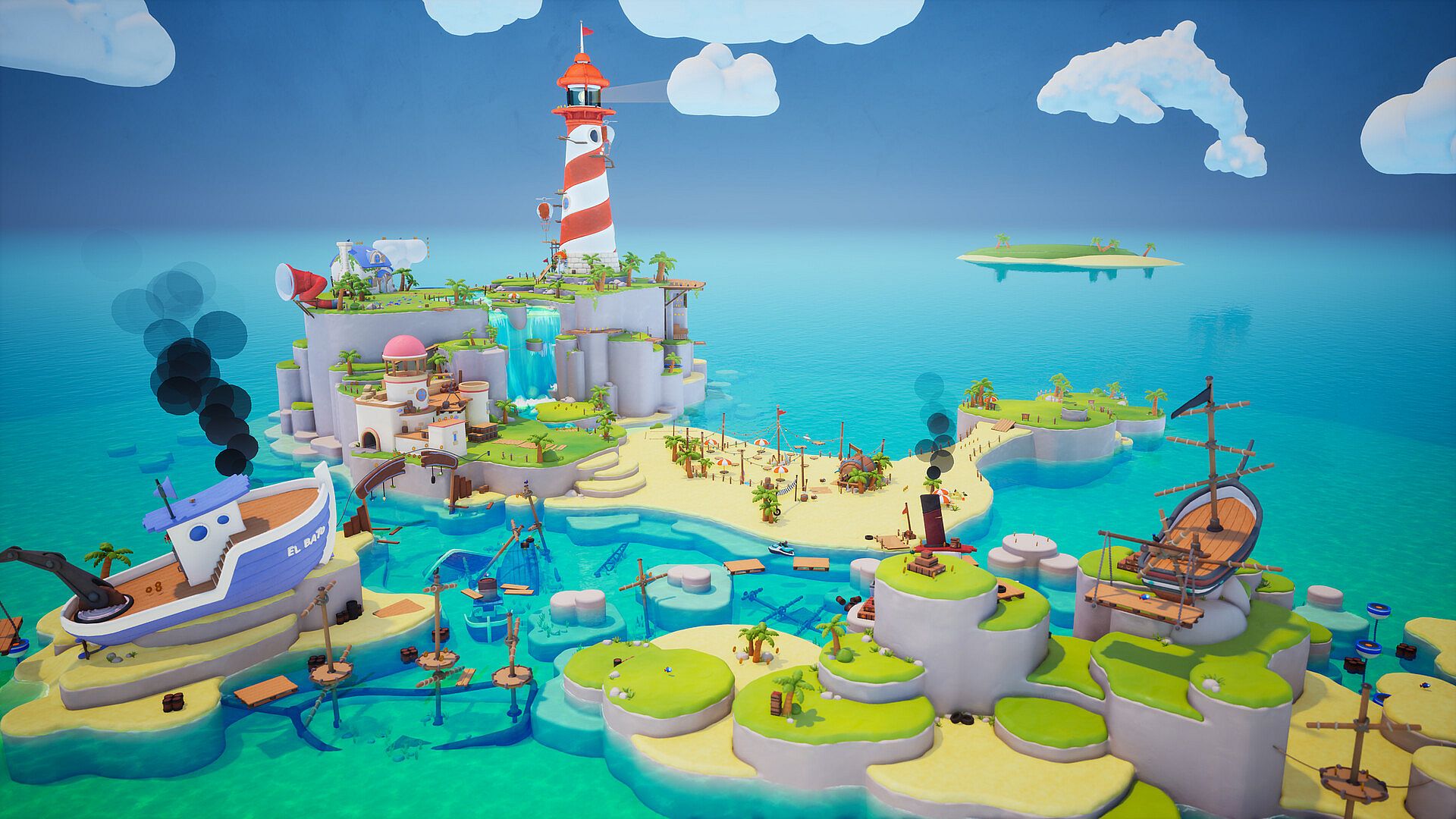
Each of the three islands functions as a small open area filled with collectibles and environmental details. Progress comes from locating plane components, completing tasks for local characters, and uncovering secrets. Traps reset the player to a checkpoint or safe zone rather than ending runs. Familiarity with an island reveals more paths and content over time. Coins gathered during exploration purchase cosmetic hats from island shops, with additional stock unlocked by collecting more packages.
Tasks on the islands involve assisting various inhabitants. On the first island, former pirates now operate in hospitality and request help with deliveries or games such as using the fort cannon as a dart target. A remote-working bartender communicates via boombox and needs tray-carrying assistance. A rock band of macaroni penguins requires lineup support. Successful completion rewards plane parts, with higher performance granting gadget fragments as well.
Game Modes
Kiwi Boing operates entirely in single-player mode. The experience revolves around free roaming across the three islands, completing odd jobs, and locating secrets. Secret levels appear within each island and reward wearable items upon completion. No separate competitive, cooperative, or timed challenge modes exist beyond the main exploration and task structure.
Exploration and Secrets
Every island contains multiple hidden elements, including switches that alter the environment, such as disabling a lighthouse to trigger events like a ship crash with further surprises. The design rewards thorough investigation, as pecking at unusual objects or following odd paths often leads to additional collectibles or shortcuts. The clay-like visual style supports this sense of tangible discovery, with surfaces and objects that feel interactive.
Player progression ties directly to island knowledge. More plane parts collected open new movement options via gadgets, while repeated visits uncover layered secrets. Hats serve as the primary customization, stocked progressively at each island shop based on package collection totals.
Is It Worth Playing?
Kiwi Boing suits players who enjoy deliberate 3D platforming and open-ended exploration in compact spaces. The emphasis on chaining movement abilities and uncovering secrets provides a focused loop without overwhelming scale or failure states. Those drawn to light narrative tasks and collectible-driven progression will find consistent engagement across the three islands. The absence of combat or complex systems keeps the pace steady and accessible for platformer fans seeking a short, self-contained adventure. Availability on PC makes it straightforward to try for anyone interested in indie titles built around creative traversal and environmental interaction.











