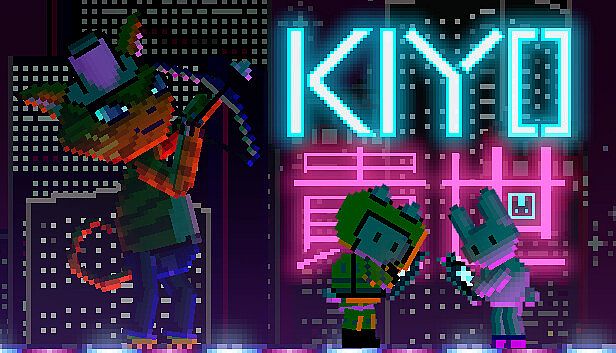












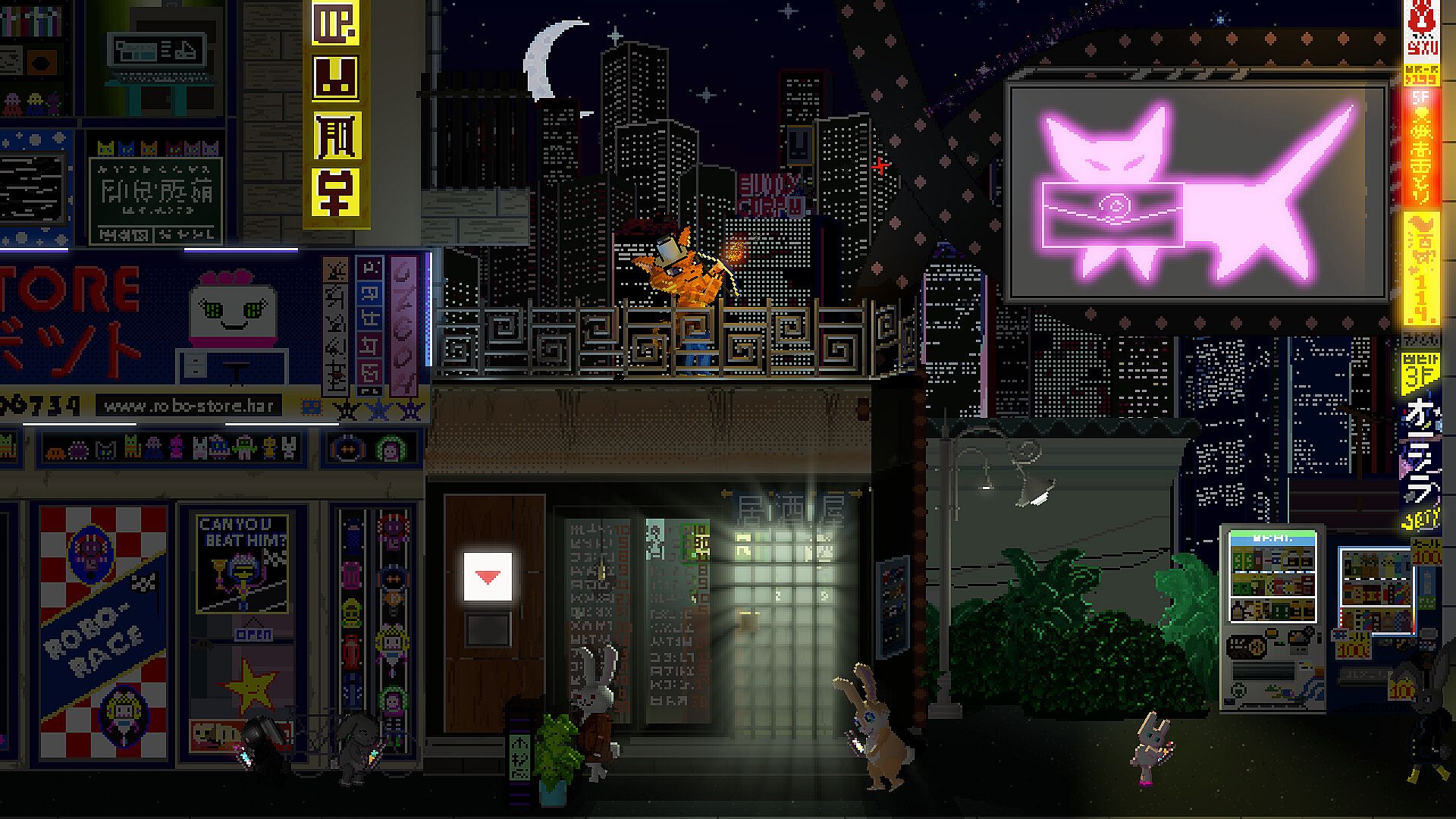

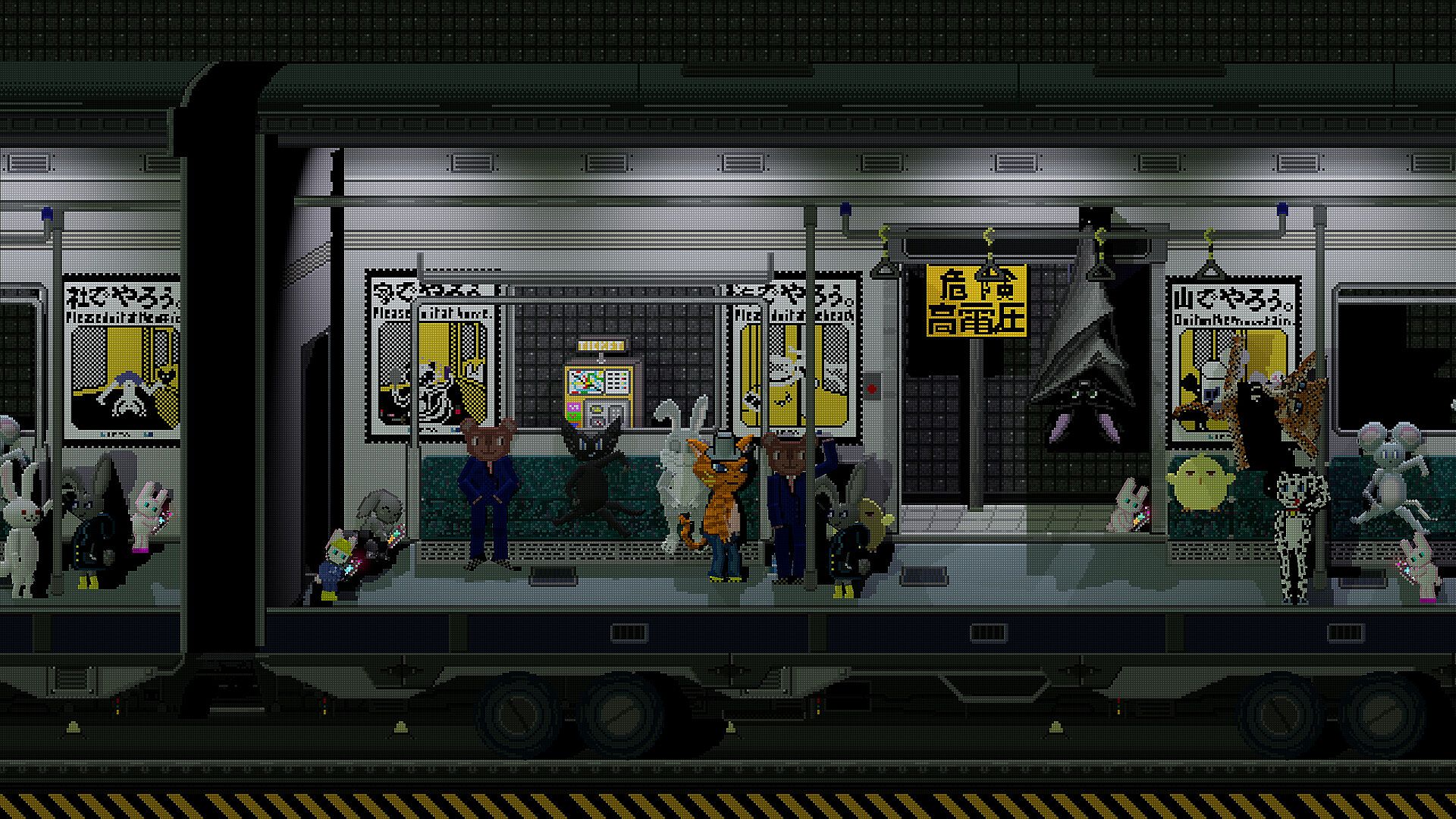
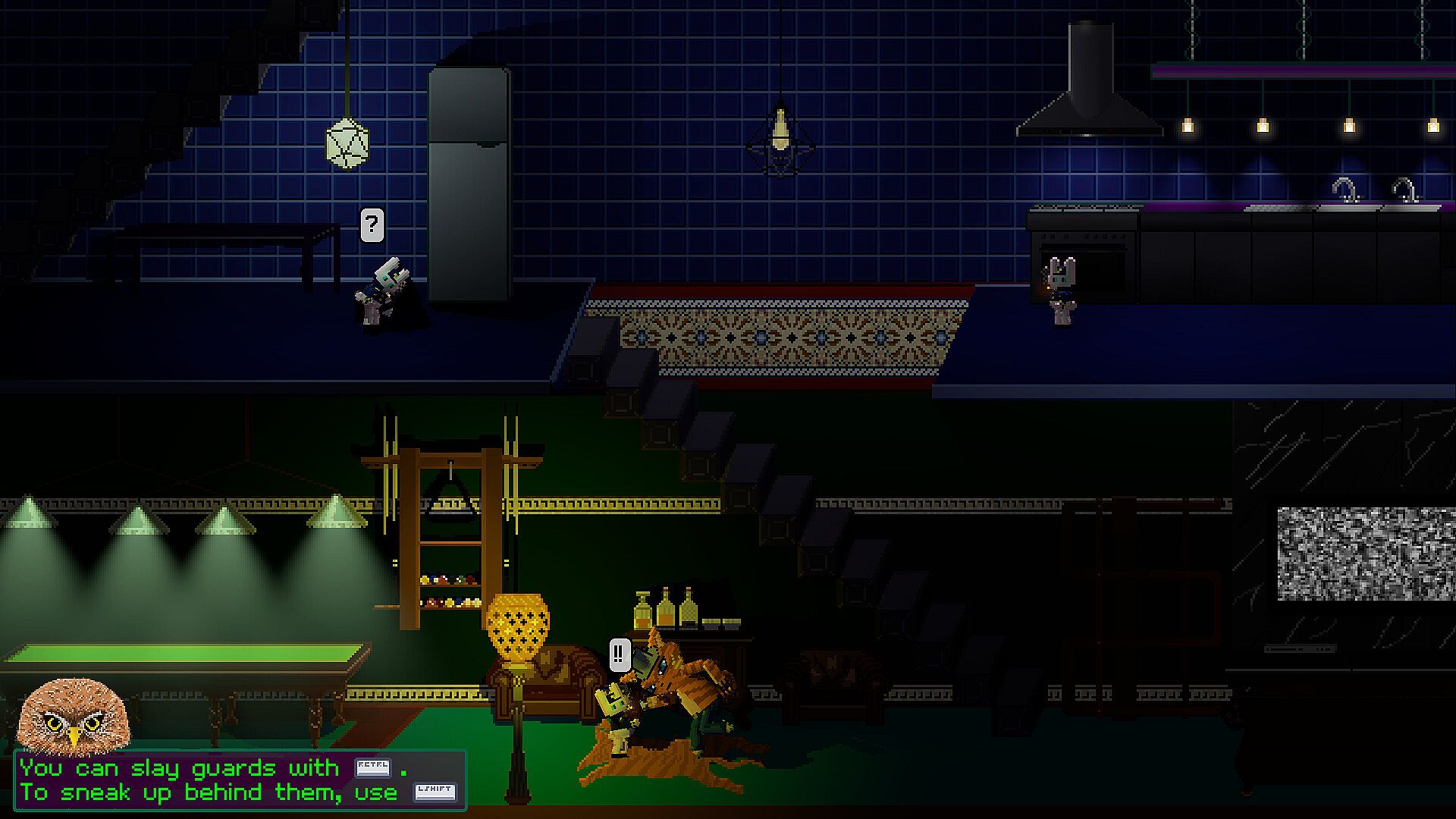
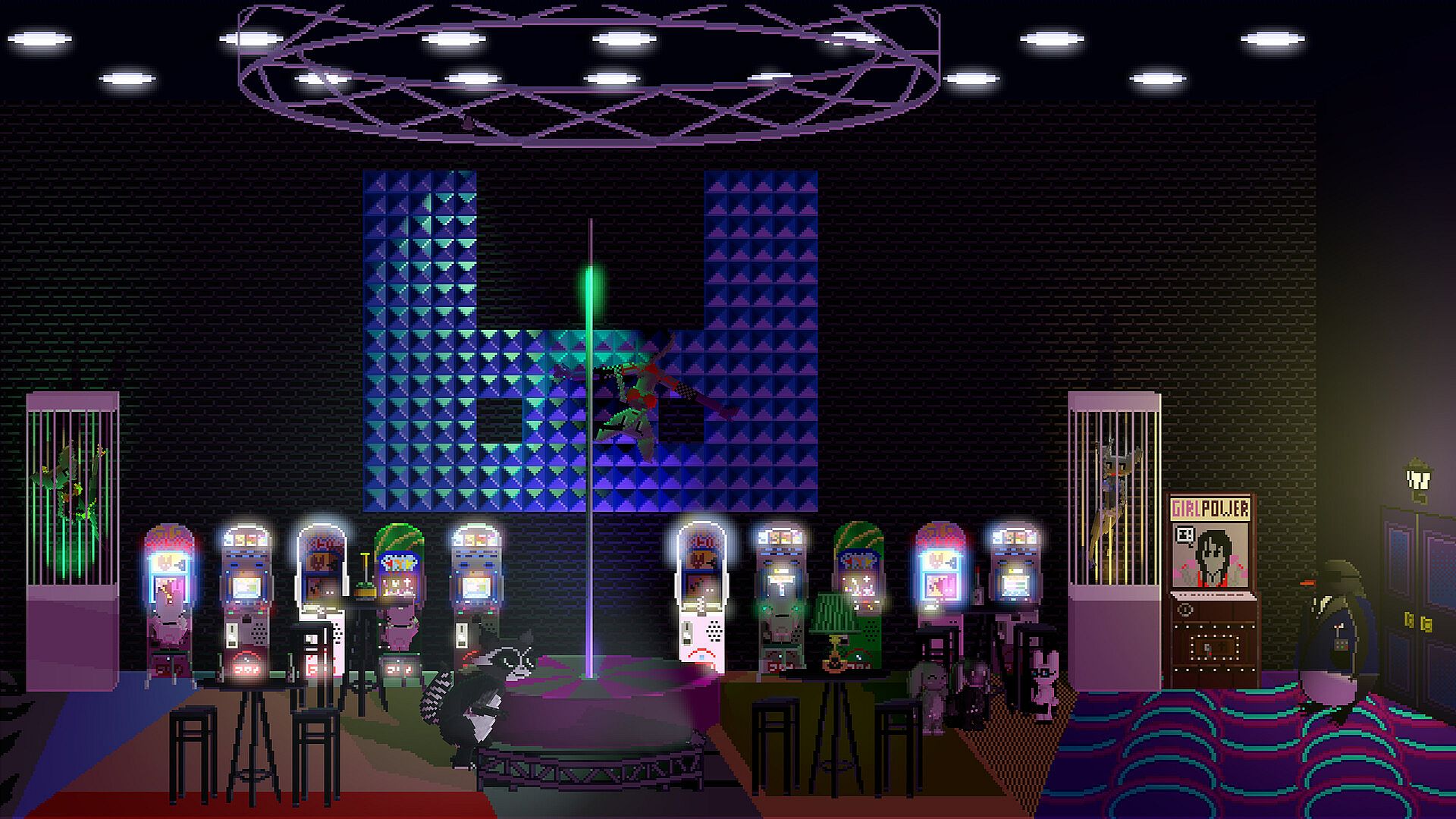
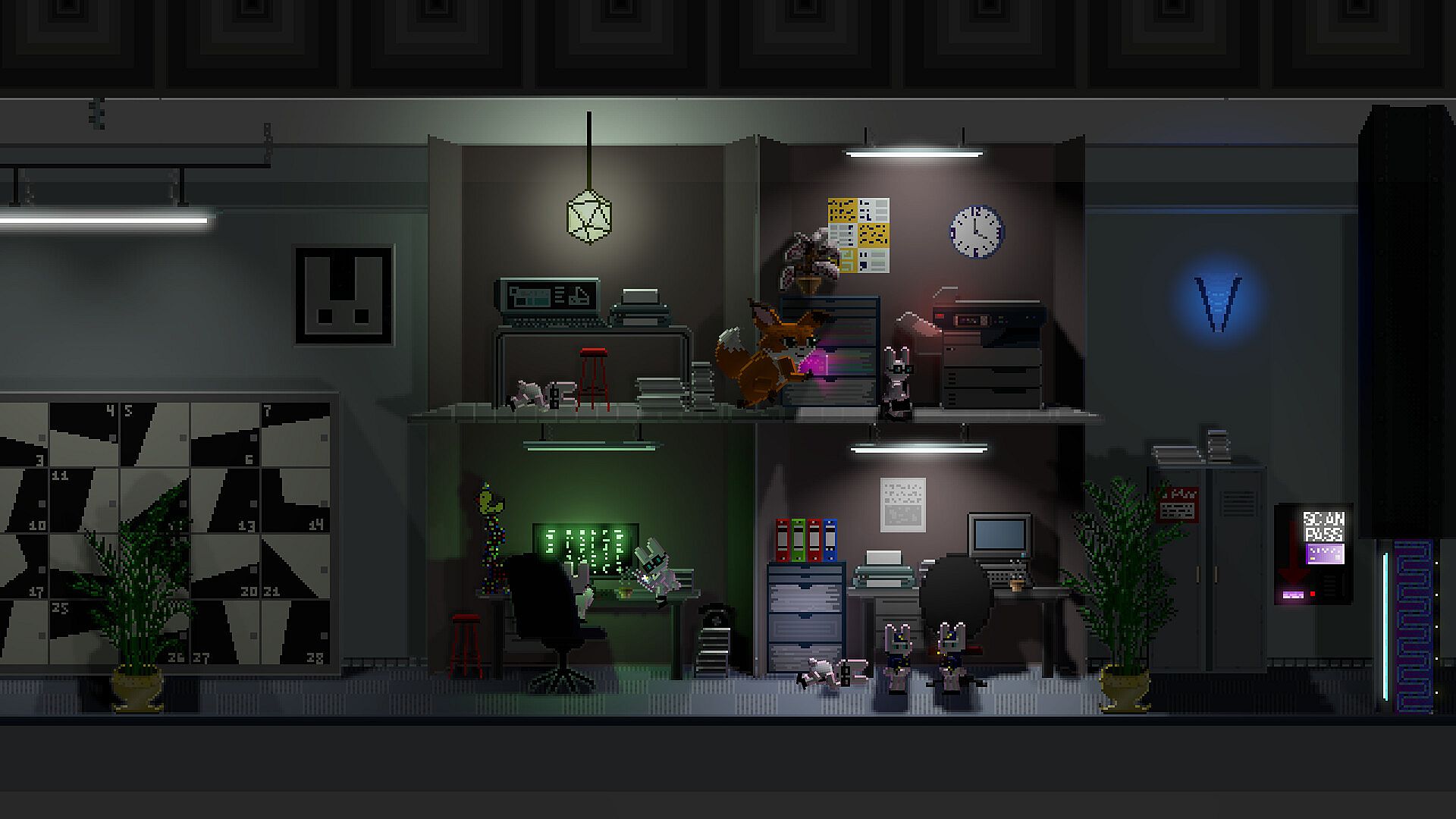
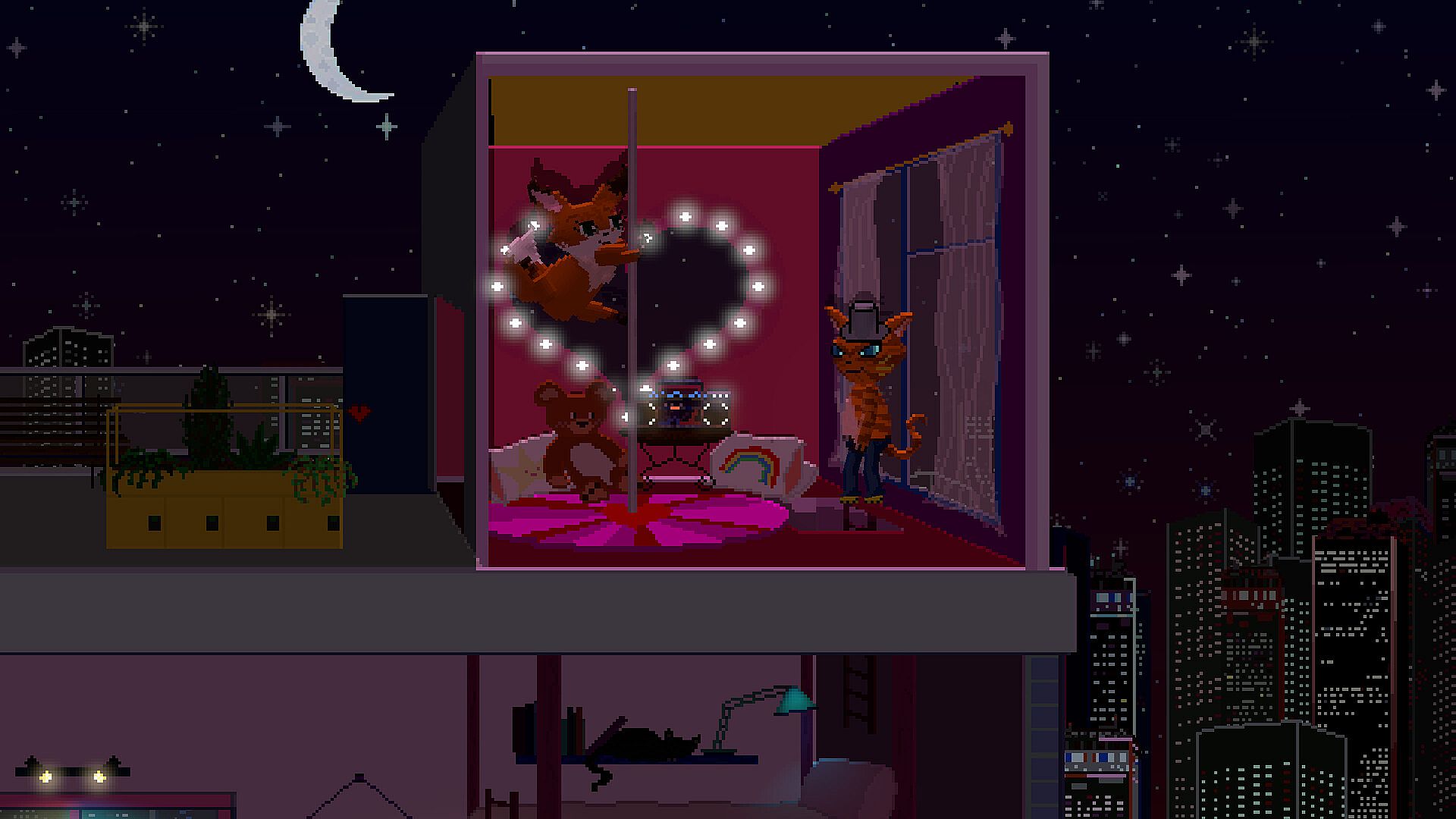
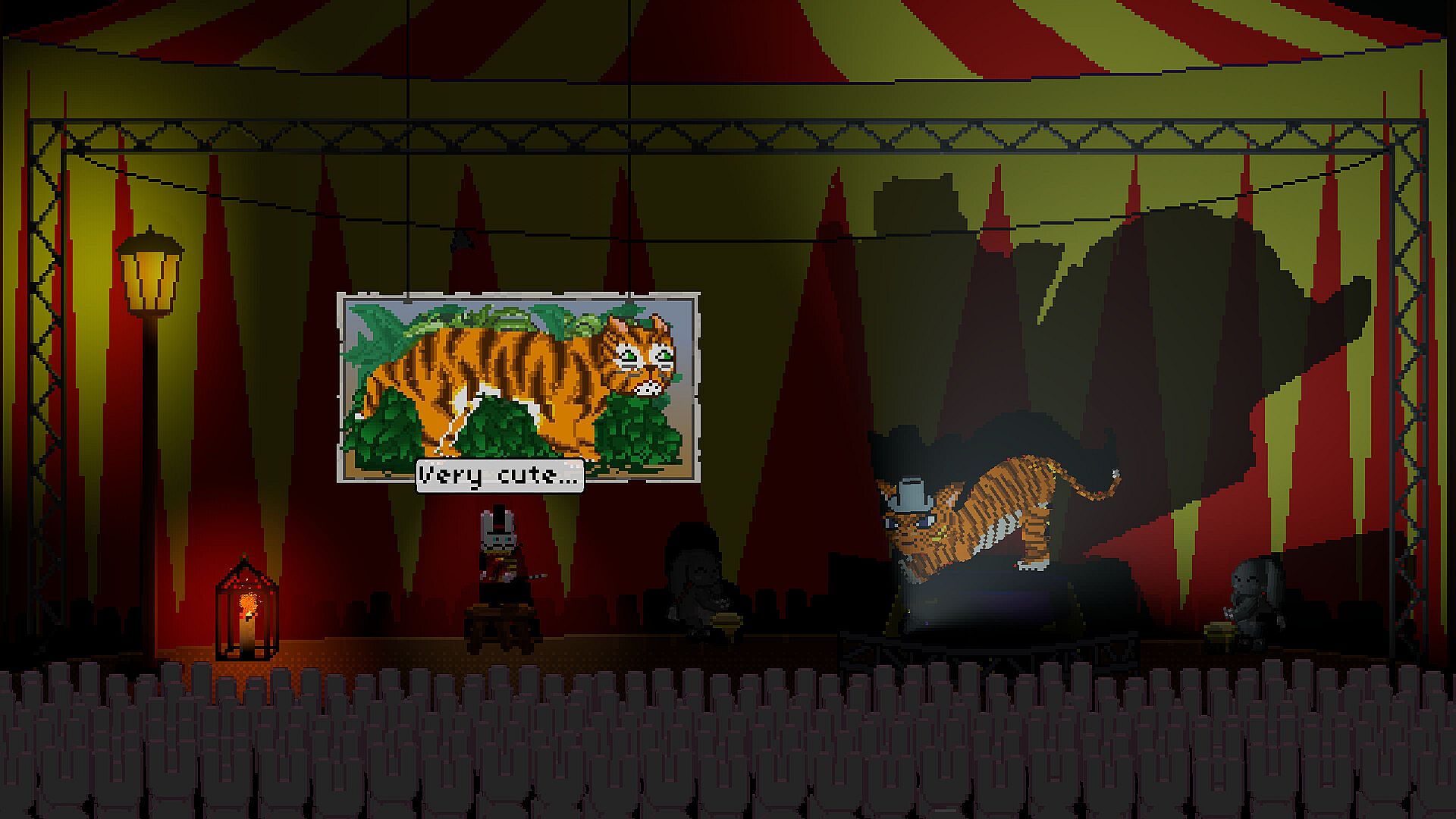
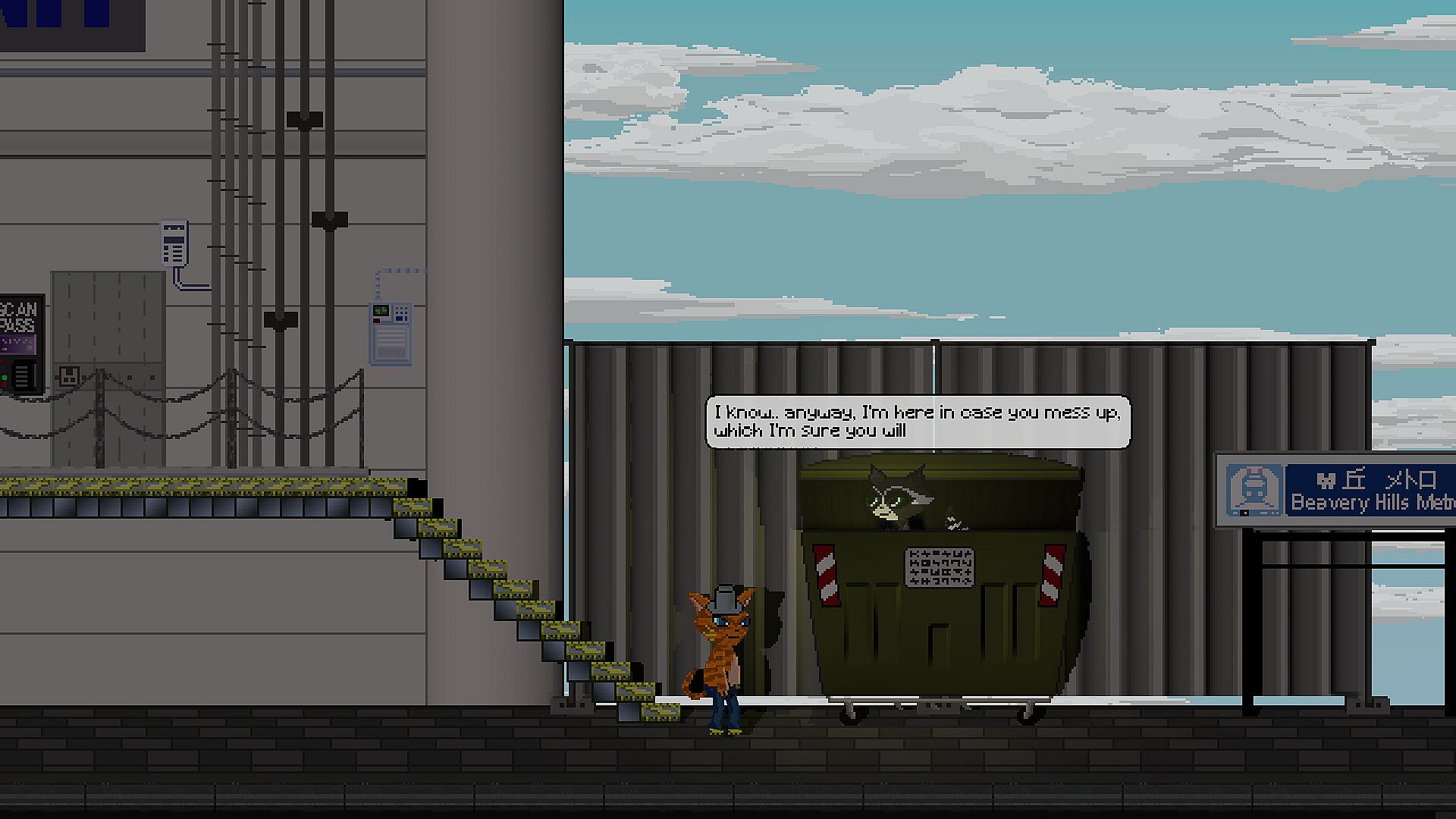
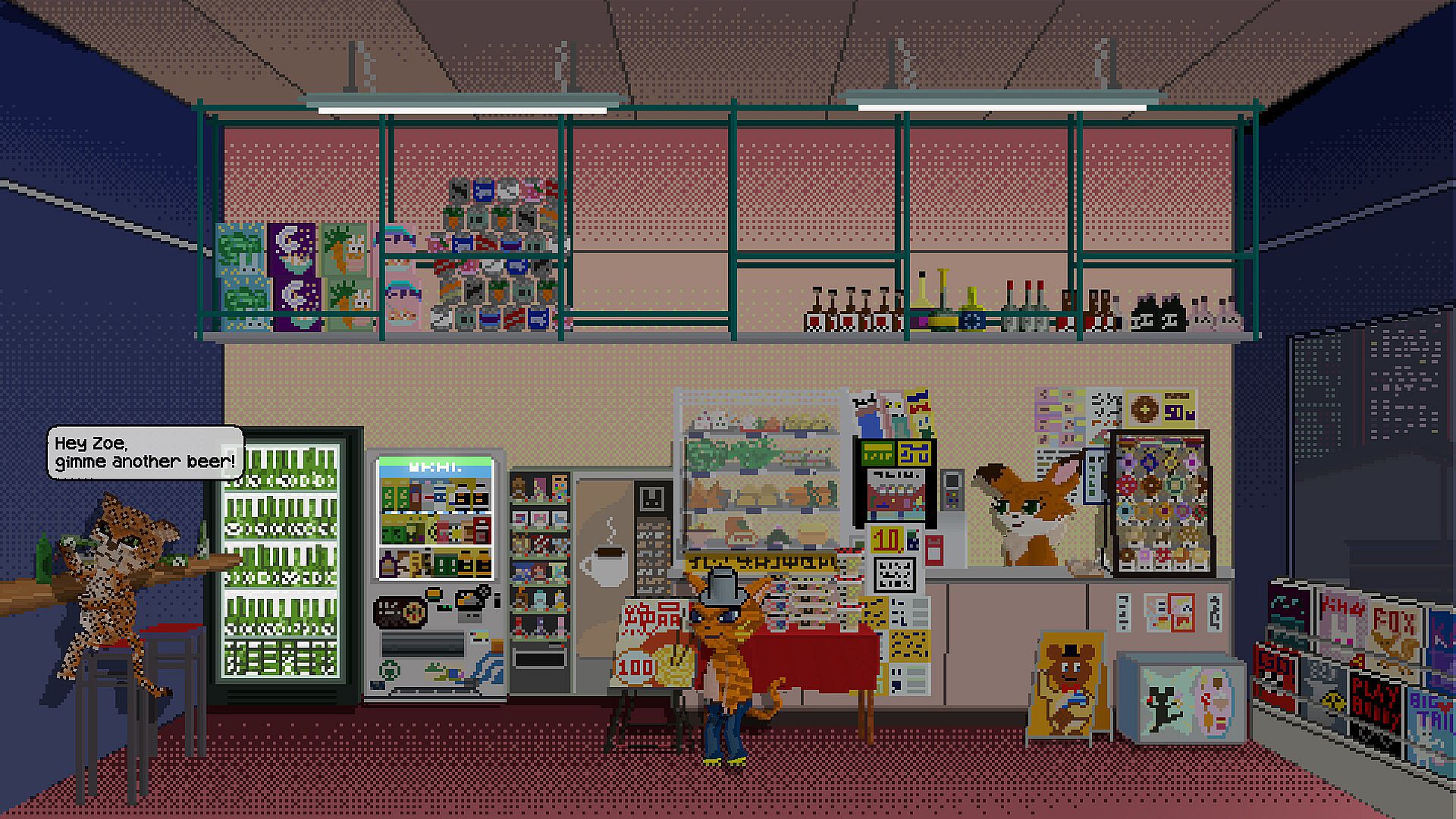
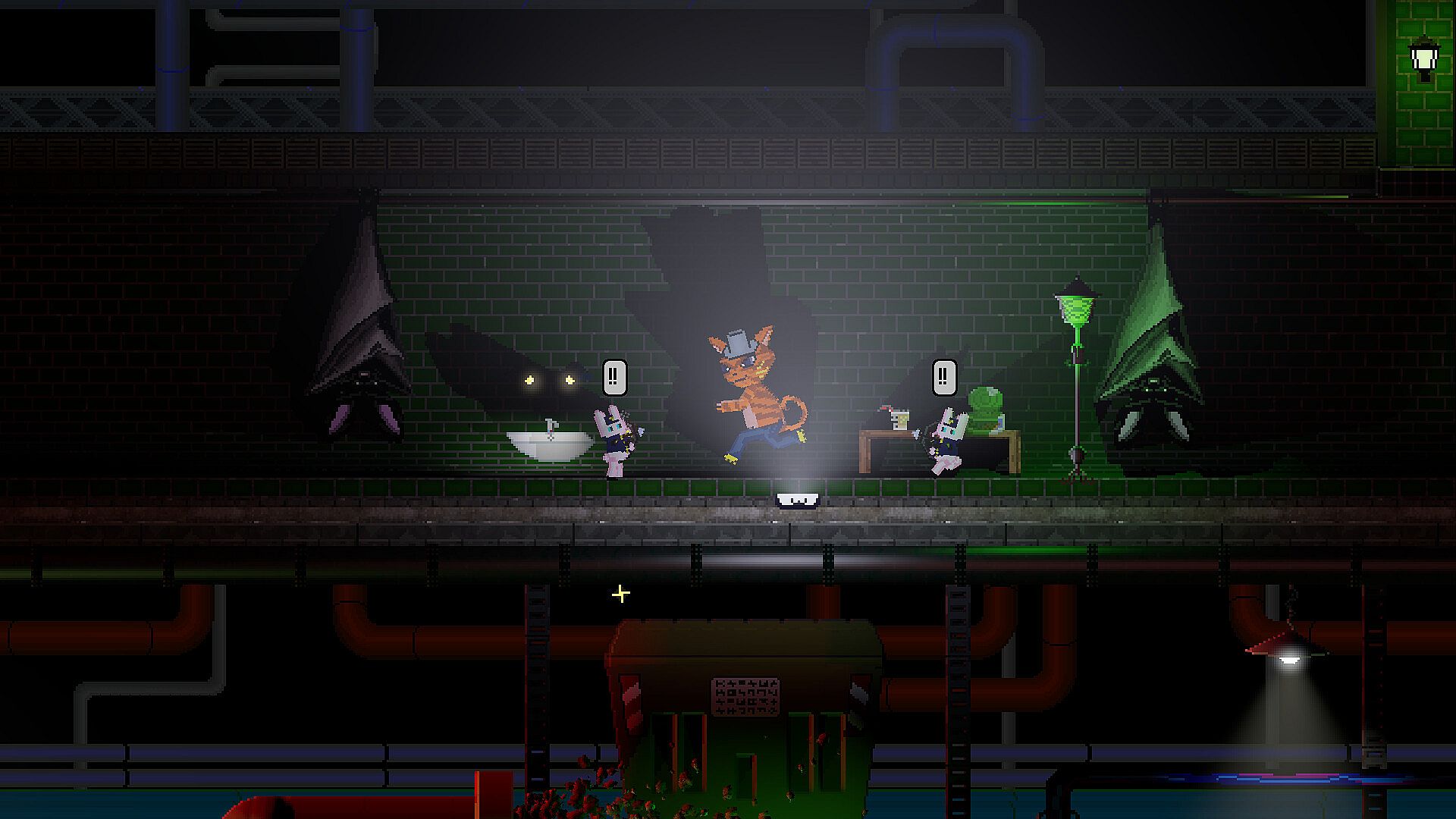
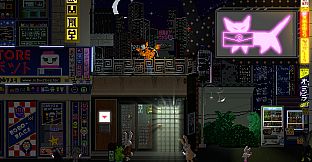
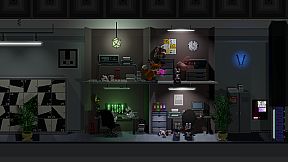
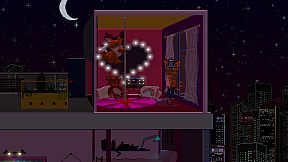
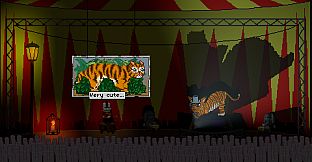
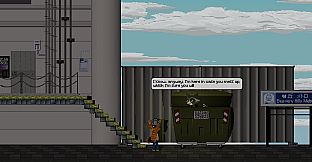
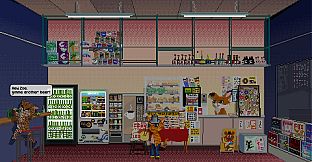
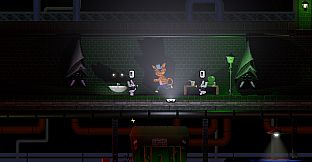
KIYO - Bunny Tyranny is a 2D stealth platform adventure that places players in control of Kiyo, a tiger-lynx operative working to undermine a bunny-dominated regime in the neon-lit metropolis of Rabbithole City.
Gameplay
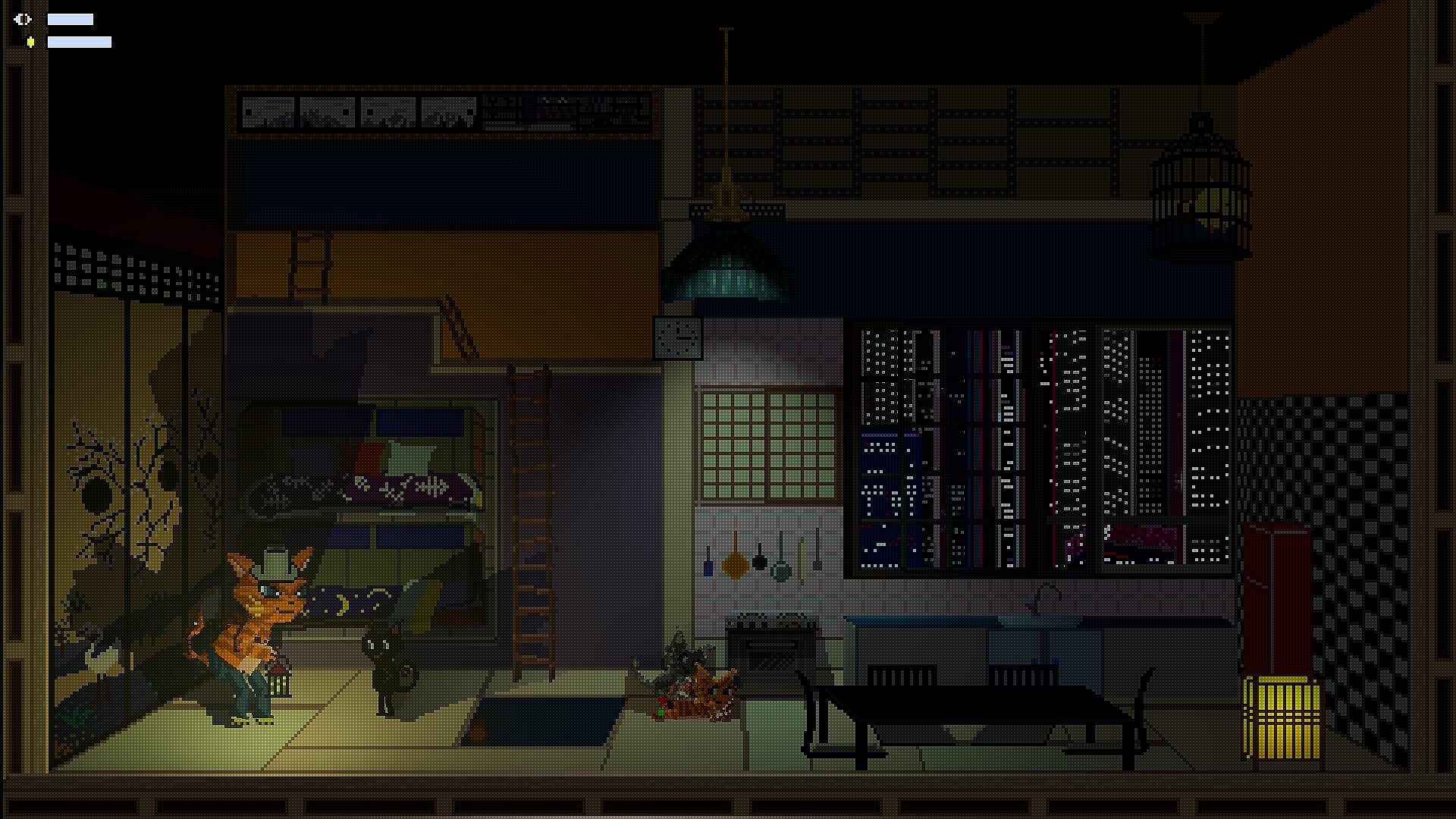
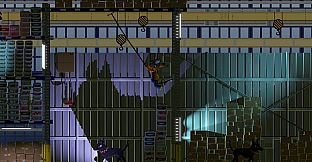
The core loop centers on navigating layered urban environments filled with patrolling rabbit forces. Players alternate between silent movement through dynamic shadows and targeted interventions using a bow for ranged takedowns or close-quarters strikes when detection becomes unavoidable. Rope-based traversal allows swinging between ledges and structures, while gadgets such as tactical carrots create distractions to redirect enemy attention. Levels emphasize observation and timing, rewarding careful planning over rushed action. The feline protagonist retains predatory instincts that clash with the enforced societal norms, adding tension to every encounter. Exploration reveals side paths and environmental details that expand understanding of the city's controlled atmosphere without interrupting the primary objectives.
Game Modes
The experience unfolds as a linear single-player campaign structured around successive infiltration missions. Each mission builds on previous mechanics, introducing new combinations of stealth requirements, platforming sequences, and occasional forced confrontations. There are no separate competitive or cooperative modes; progression remains focused on story advancement through the tiger-lynx's perspective. Optional advanced challenges appear in later stages, testing mastery of combined movement and elimination techniques. The structure encourages replay attempts on individual levels to refine approaches and uncover additional narrative context through environmental storytelling.
Story and Setting
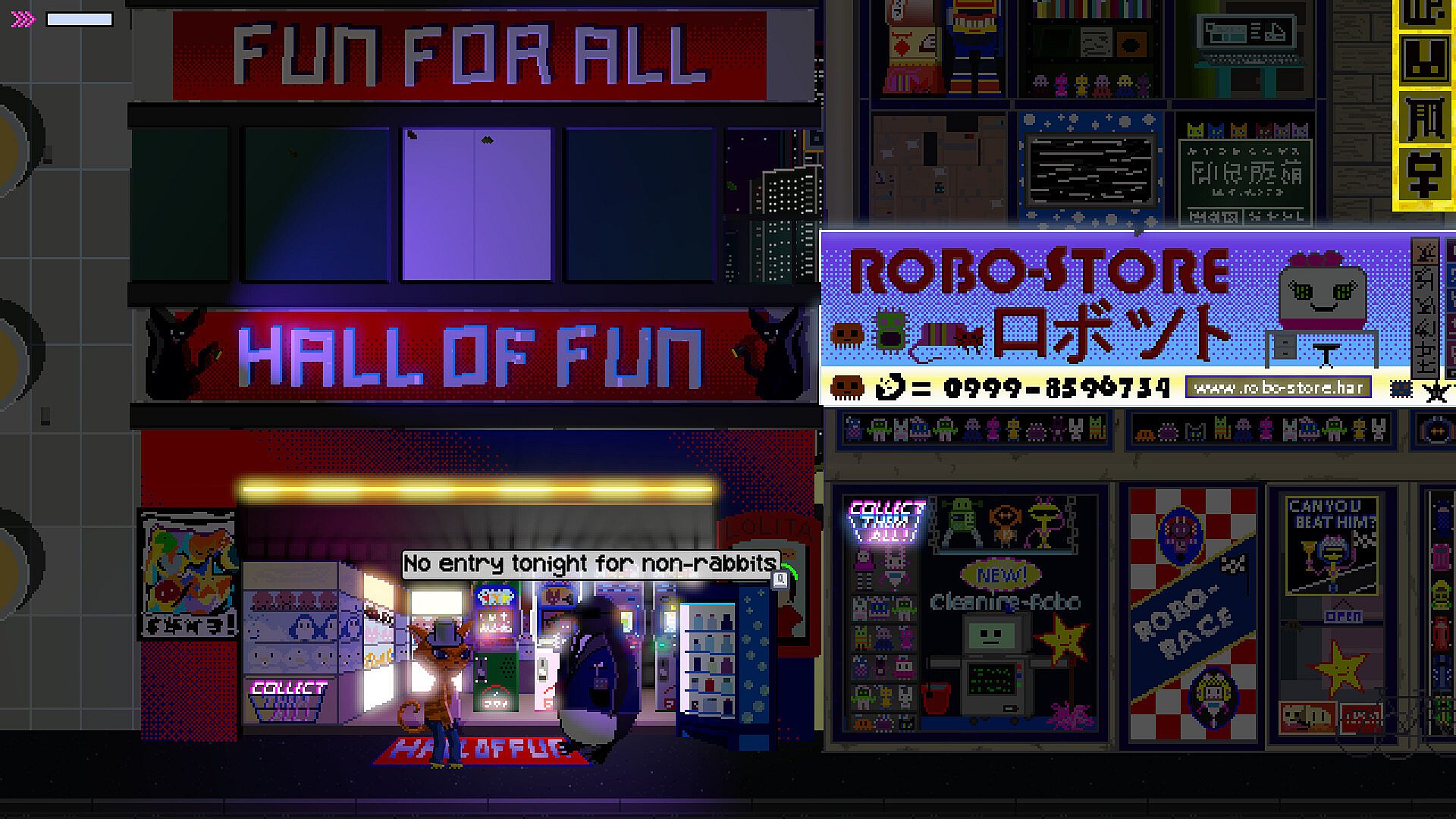
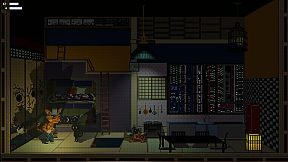
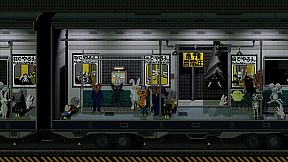
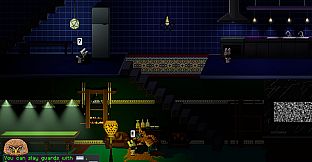
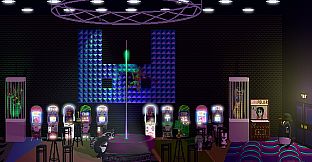
Rabbithole City serves as a self-contained dystopia where technological advancements from the ruling bunnies have replaced natural instincts with regulated pleasures. Carnivorous species face particular pressure to suppress their heritage, creating underlying conflict that the giant Owl exploits by recruiting Kiyo. Missions gradually expose the extent of surveillance and control mechanisms, with encounters involving both ordinary citizens and specialized security units. The synth-infused audio design reinforces the contrast between surface-level vibrancy and underlying oppression, guiding players through districts that range from crowded public spaces to restricted facilities.
Controls and Accessibility
Input supports both keyboard and mouse as well as gamepad configurations, with native Linux compatibility and Steam Deck optimization for portable play. Movement feels precise during acrobatic sequences, and the ability to toggle between aggressive and evasive tactics gives players agency over risk levels. Early missions introduce mechanics gradually, while later ones combine them into complex sequences that demand quick adaptation. A recent post-launch patch addressed a rendering issue on certain NVIDIA hardware, confirming ongoing technical maintenance for the newly released title.
Is It Worth Playing?
Early player reception on Steam stands at 100 percent positive across available reviews, highlighting satisfaction with the blend of stealth and platforming. The game suits those who enjoy methodical infiltration experiences with light combat options rather than constant action. Its focused campaign length and emphasis on atmosphere make it accessible for short sessions while still offering depth for completionists who revisit levels. Availability on PC alongside Nintendo Switch broadens access for different hardware preferences. For fans of 2D stealth adventures that prioritize clever navigation over resource management or multiplayer elements, the title delivers a coherent and engaging package without unnecessary complexity. Those seeking high replayability through randomization or extensive customization may find the structure more linear than expected. Overall, the verified mechanics and consistent feedback position it as a worthwhile choice within the indie stealth platformer space.