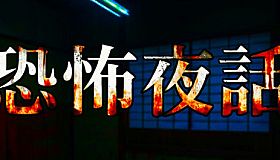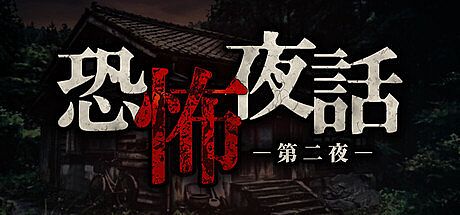


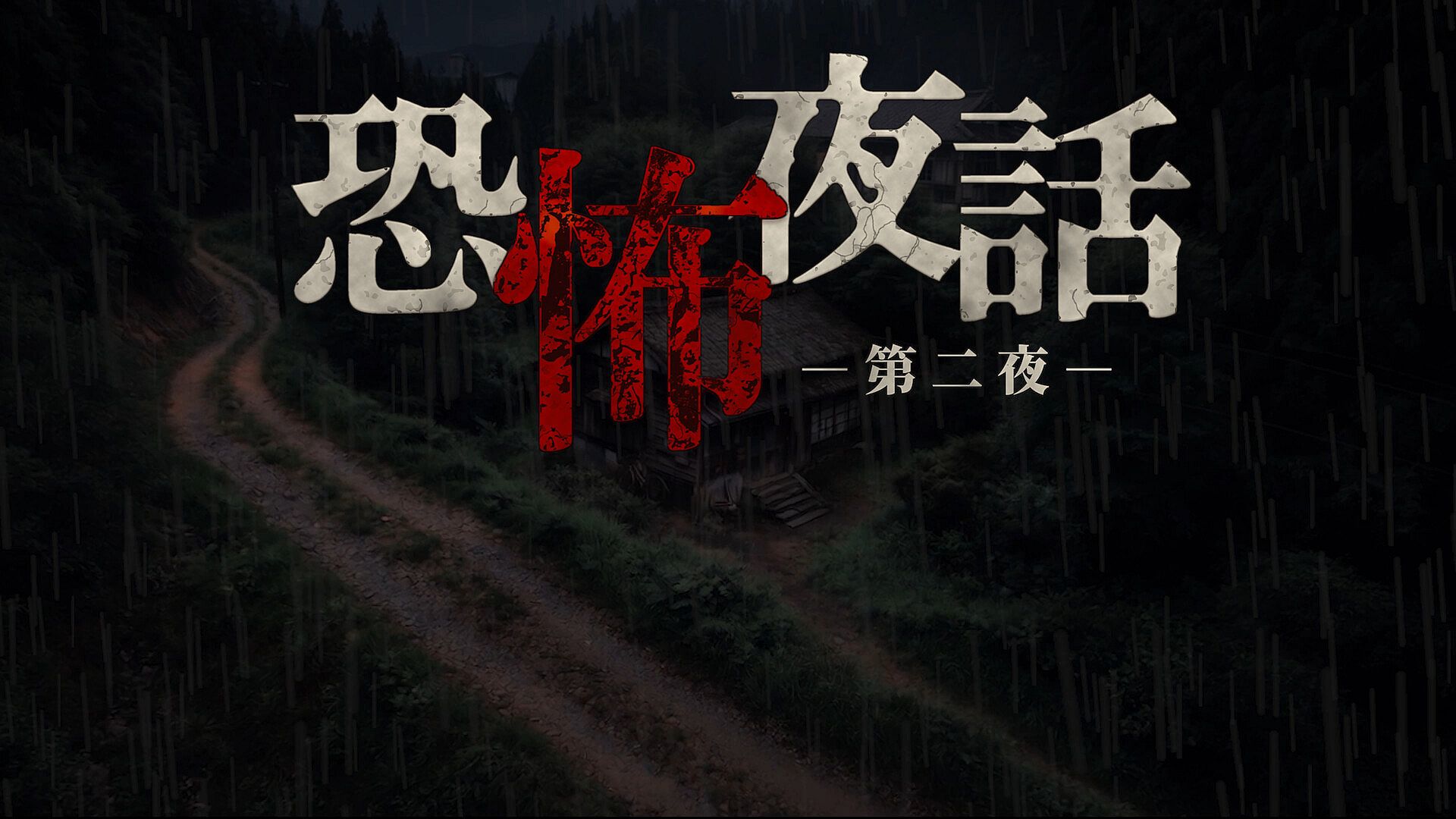
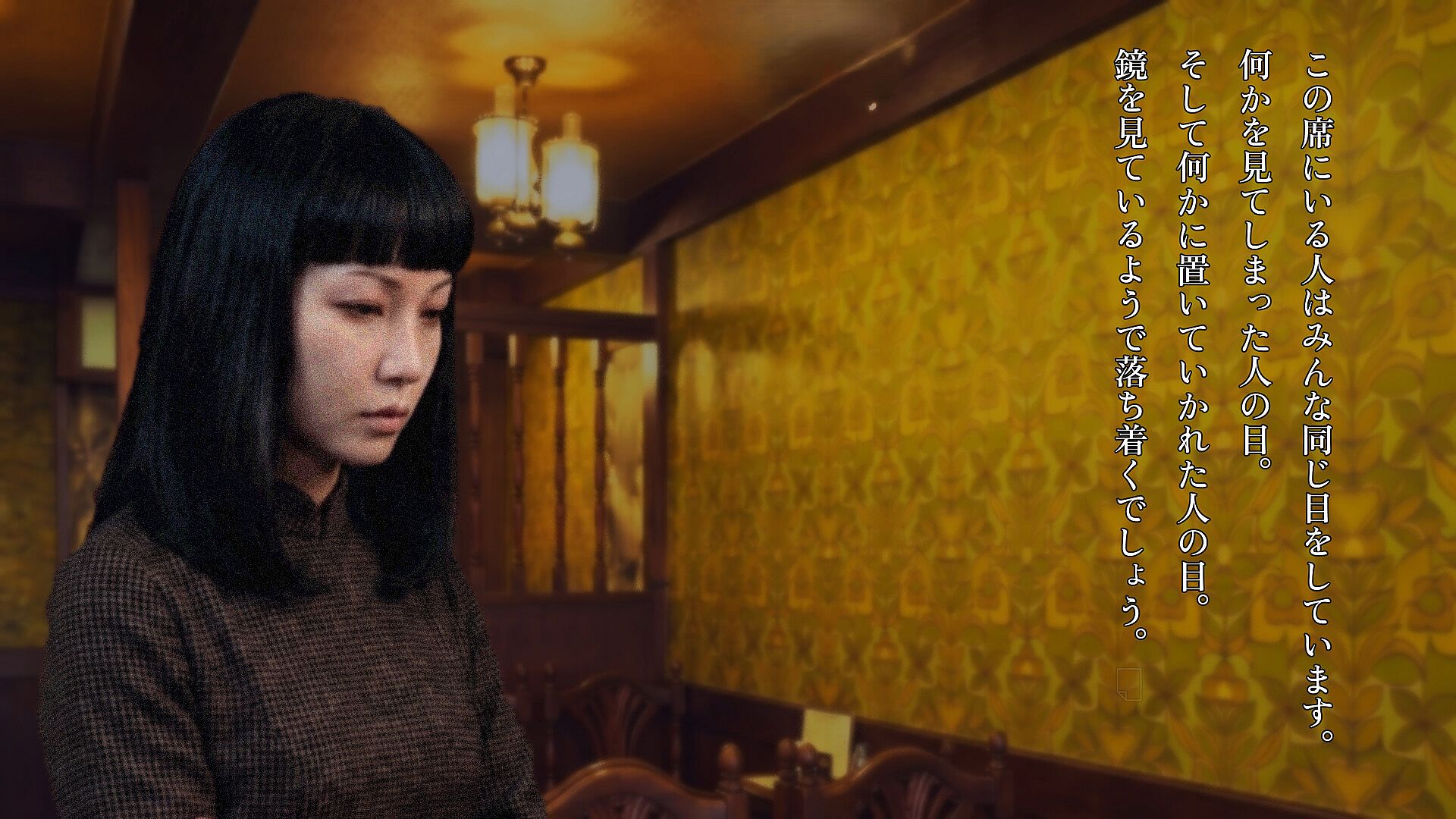
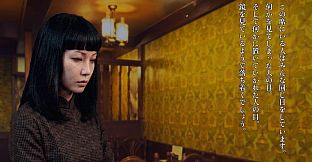

恐怖夜話 第二夜 is a single-player psychological horror visual novel set in a 1990s café during a rainy night. Players take the role of a freelance writer for an occult magazine who interviews three strangers about their encounters with the supernatural. The experience unfolds through text, ambient sound design, and deliberate pacing that emphasizes creeping dread over jump scares or action sequences.
Gameplay
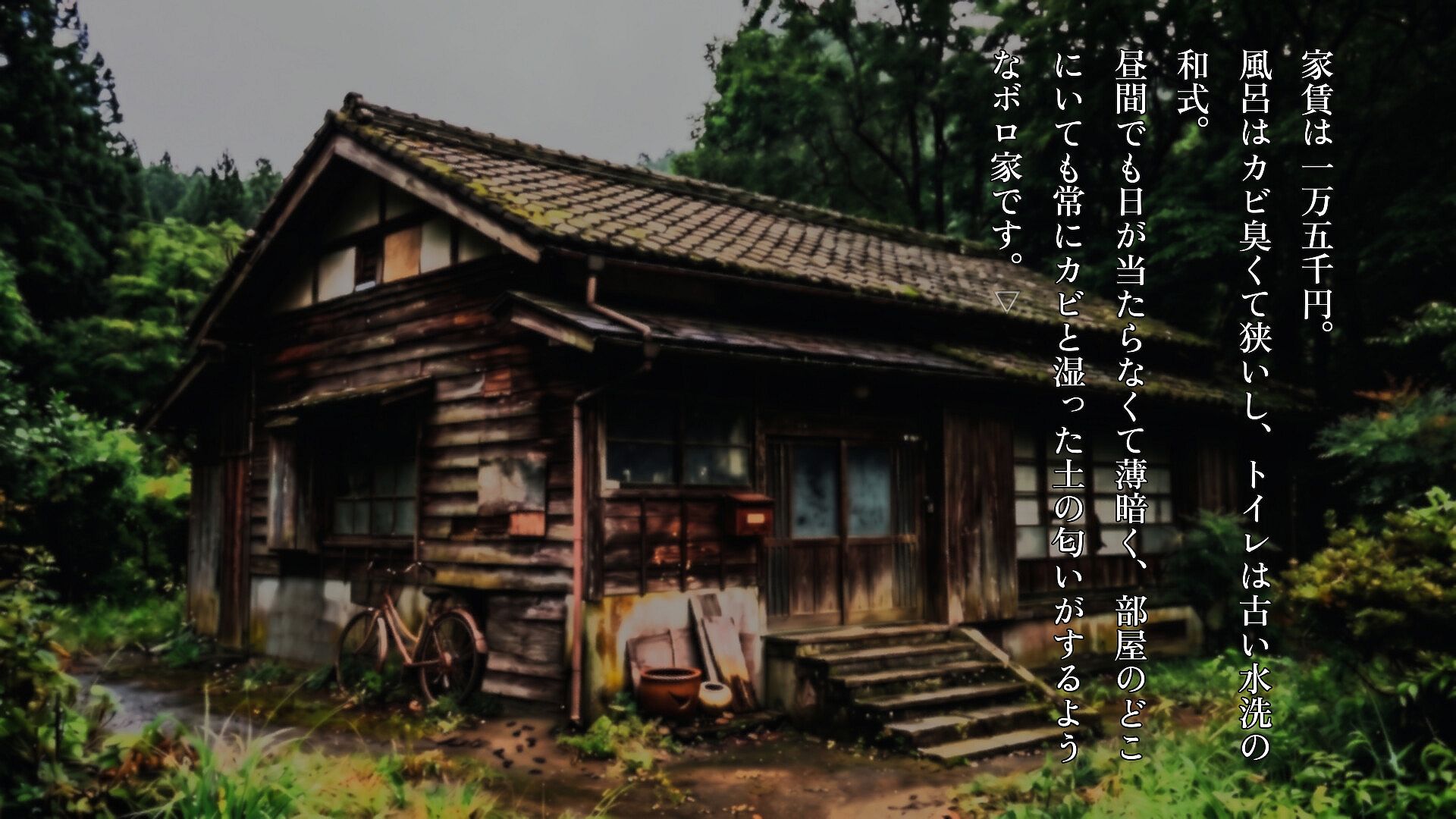
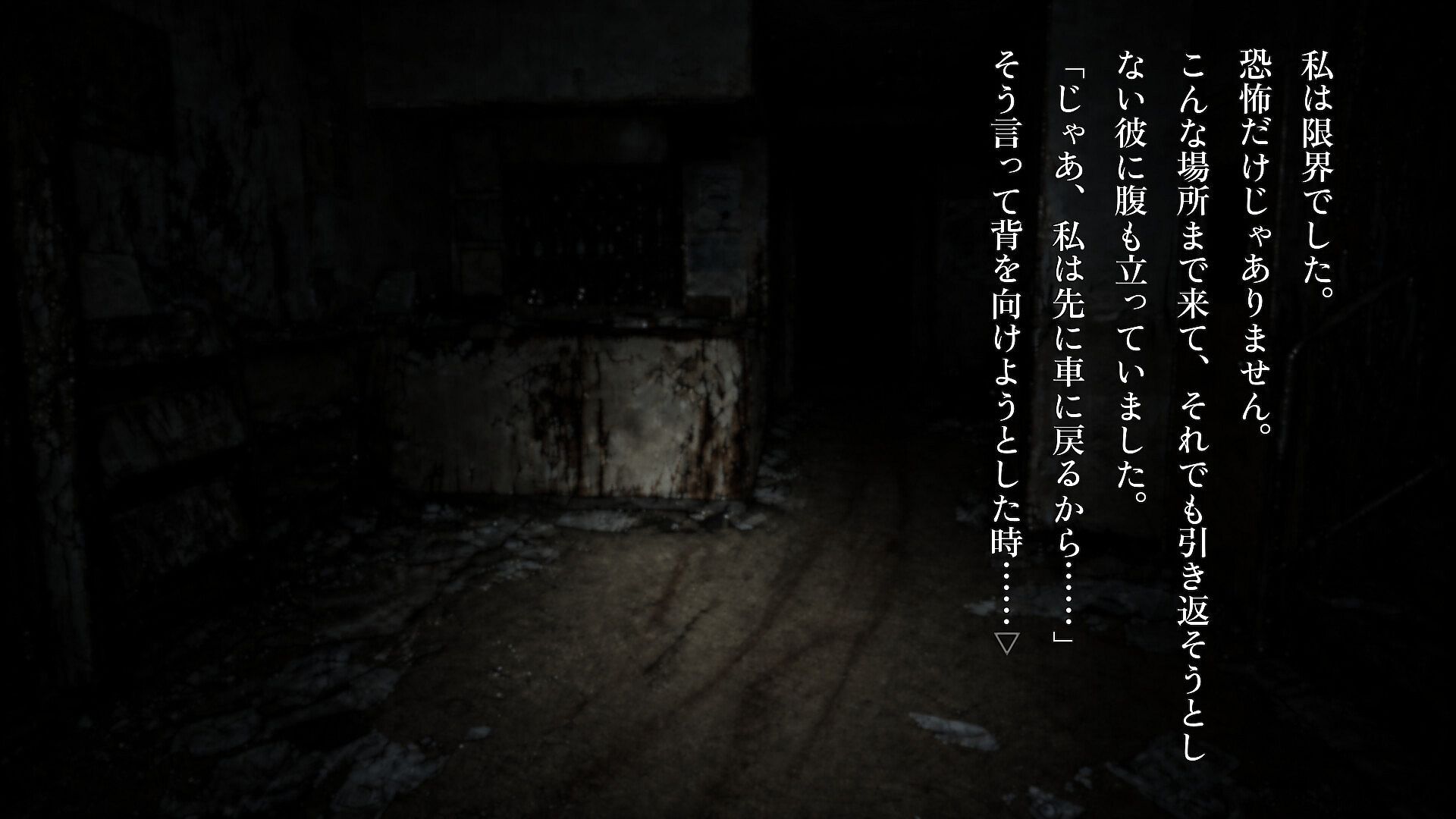
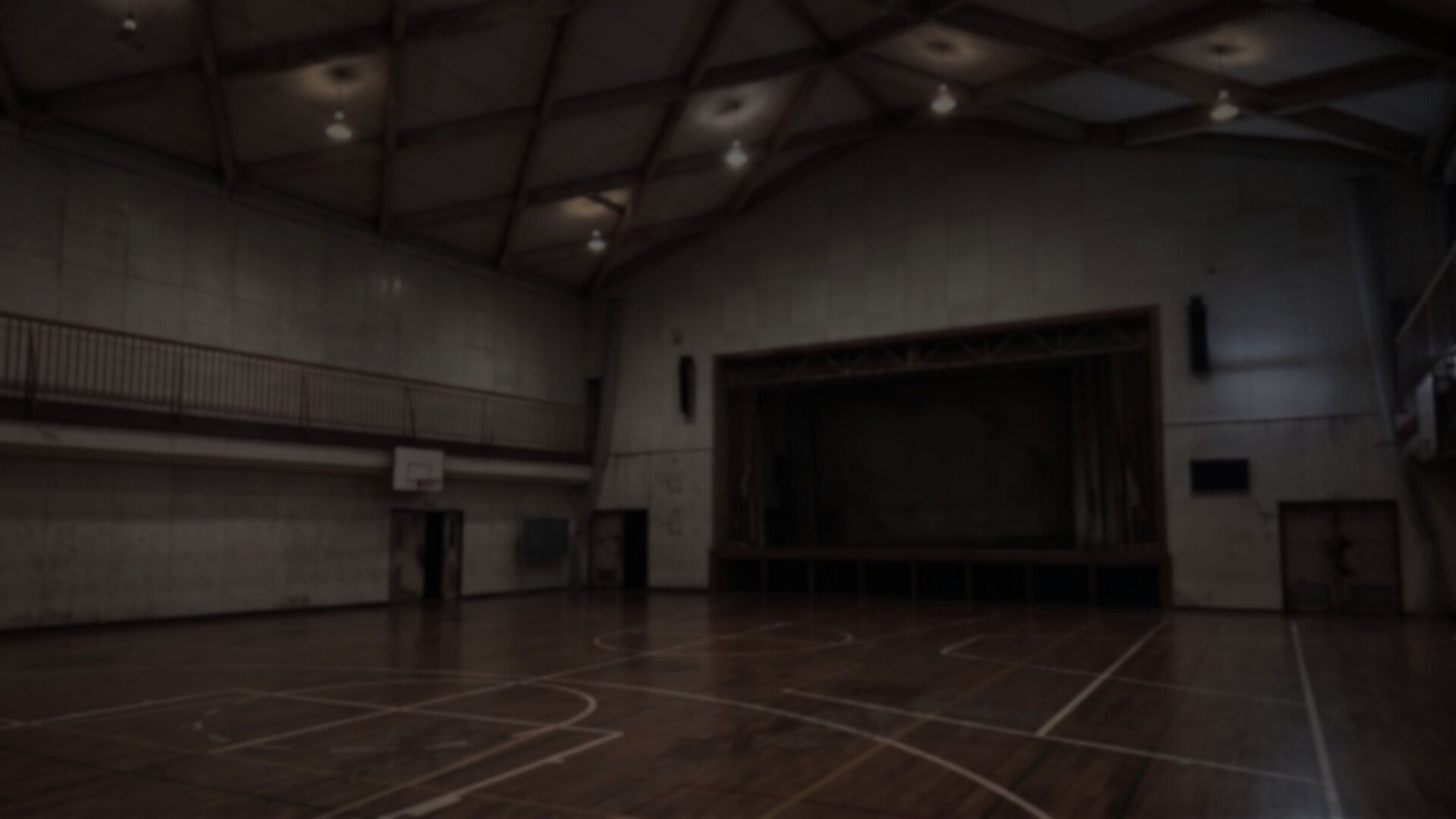
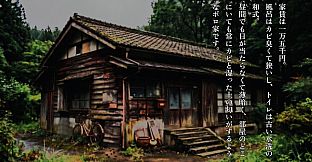
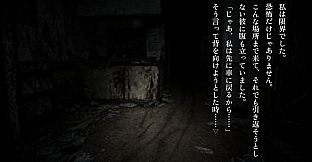
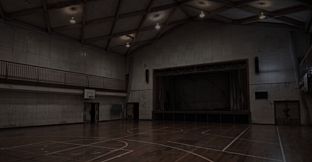
Progression relies on clicking to advance dialogue and descriptions in classic visual novel fashion. The core loop centers on listening to three distinct ghost stories recounted by the interviewees. Each tale draws from everyday settings that turn unsettling, such as an inexpensive rental house, a shuttered school during heavy rain, and a remote abandoned hotel. Sound effects like falling rain reinforce the isolated atmosphere while players absorb the narratives at their own pace.
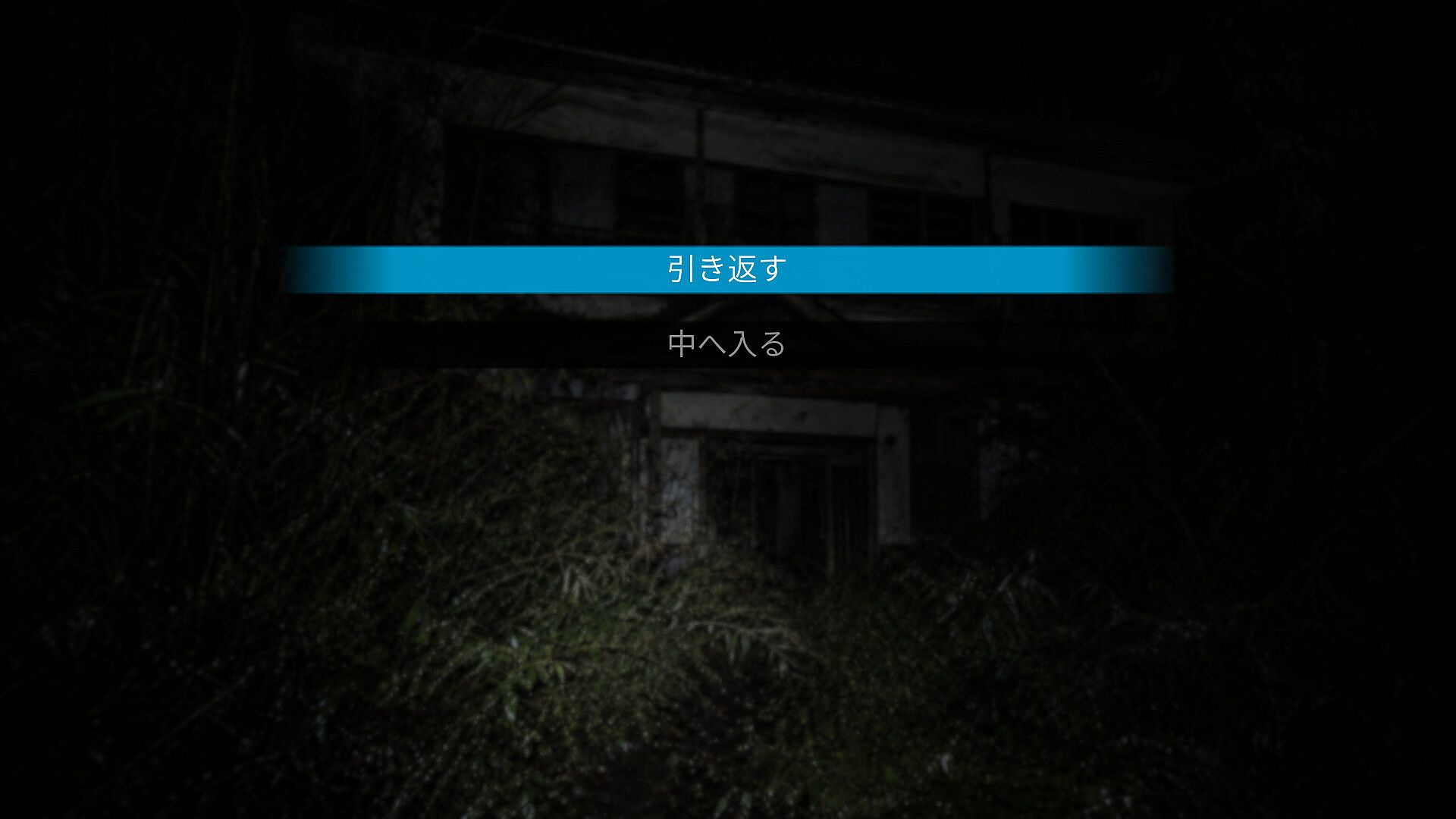
After the stories conclude, players make choices that influence the final outcome. The game avoids complex systems or resource management, keeping focus on narrative delivery and the lingering unease that follows each account. System requirements remain modest, supporting play on a wide range of Windows machines with basic hardware.
Game Modes
The title operates entirely in single-player mode with no multiplayer components. The primary structure allows free selection of story order among the three accounts before the night concludes. This flexibility lets players shape their initial experience without altering the core content of each tale.
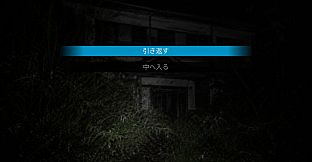
Branching decisions appear only after all stories are heard, leading to one of four possible endings. These range from a true ending that resolves larger threads to a standard conclusion and two negative outcomes. The self-contained design means the full narrative stands alone, though players familiar with the prior entry may notice subtle connections to an unresolved mystery from that night.
Story and Atmosphere
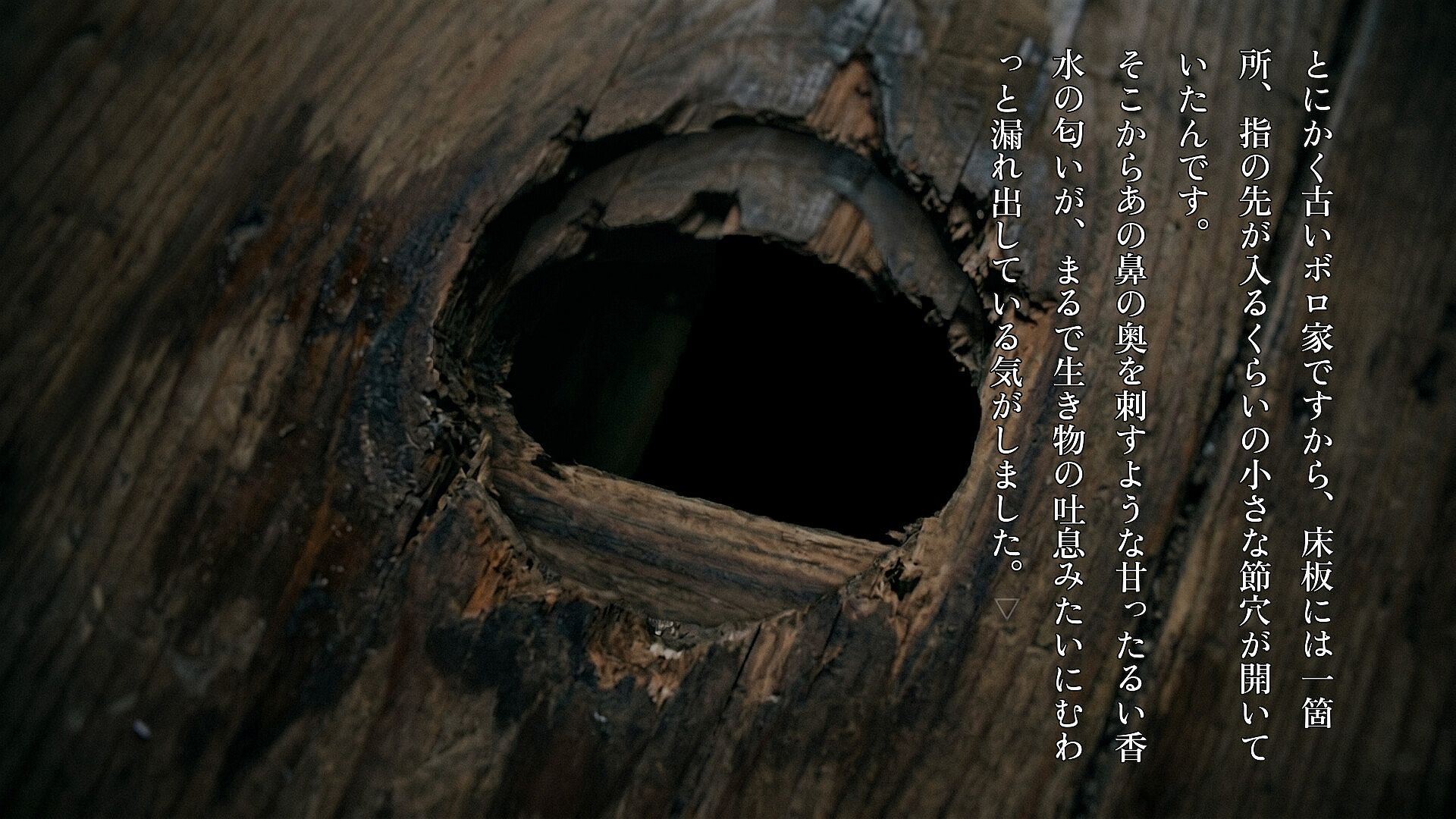
The setting captures a pre-internet era where a third-rate magazine writer gathers material from ordinary people. One account involves persistent noises under the floor of a cheap old house. Another describes an encounter at a closed junior high school amid a storm. The third follows a composed woman who witnesses something forbidden inside a mountain hotel. These accounts build tension gradually through detailed recollections rather than overt horror elements.
Content includes depictions of blood, corpses, mutilation, death, murder, violence, and abuse, along with scenes meant to create psychological distress. The developer notes that AI tools assisted with certain programming and asset creation, though all elements received manual editing before inclusion.
Is It Worth Playing?
This visual novel suits readers who appreciate slow-building psychological horror rooted in classic Japanese ghost story traditions. Its short length of roughly two to two and a half hours makes it accessible for a focused session, and the option to select story order adds minor replay value across the multiple endings. The game remains in Japanese only at present and has not yet launched, so prospective players should confirm language support upon release.
Those drawn to narrative-driven adventures with atmospheric sound and choice-based conclusions will find the structure rewarding. Individuals seeking fast-paced action, extensive gameplay systems, or English localization may prefer other titles until further updates appear. The emphasis on lingering dread after each story aligns with fans of understated supernatural tales rather than high-intensity experiences.