






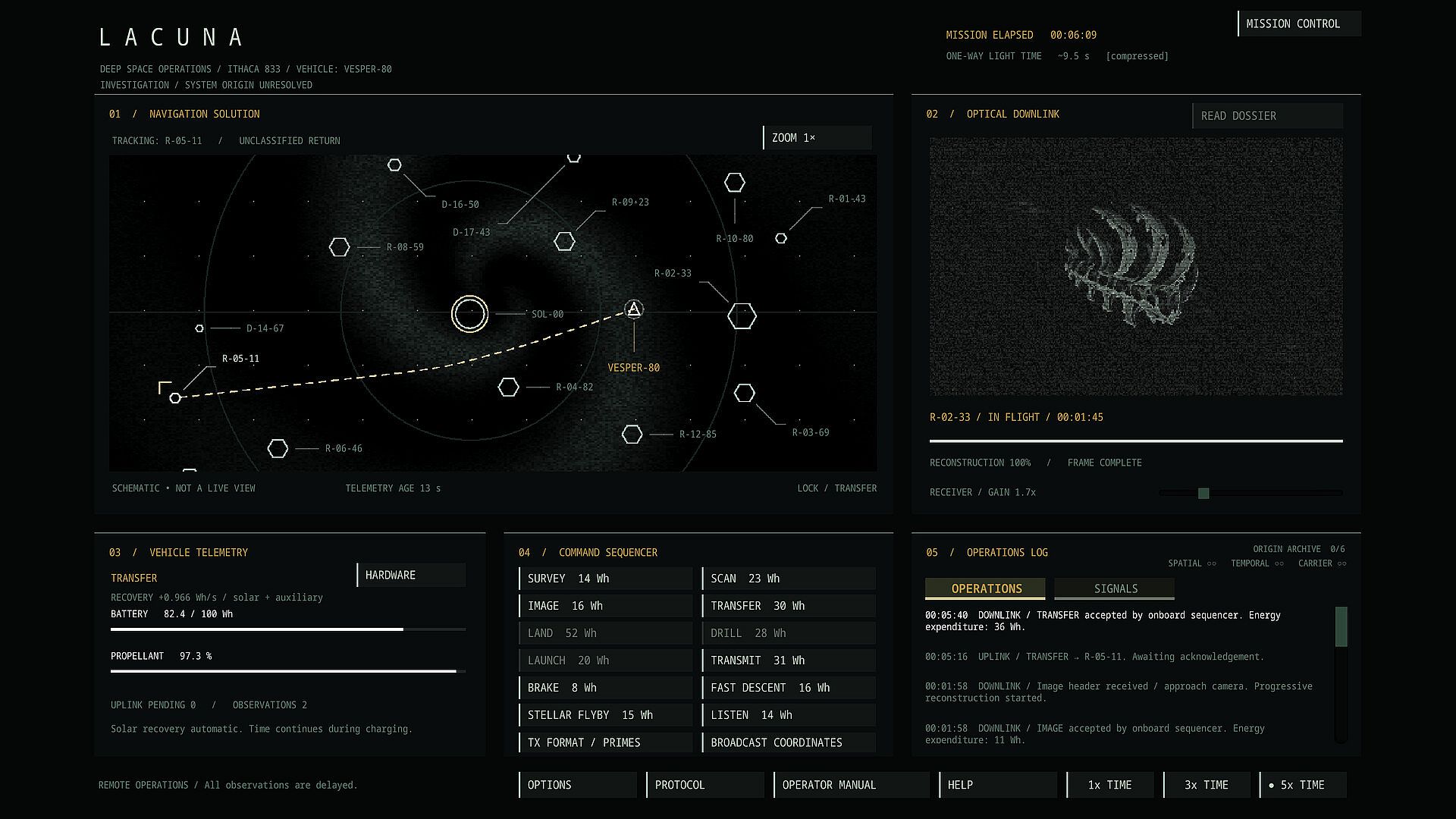
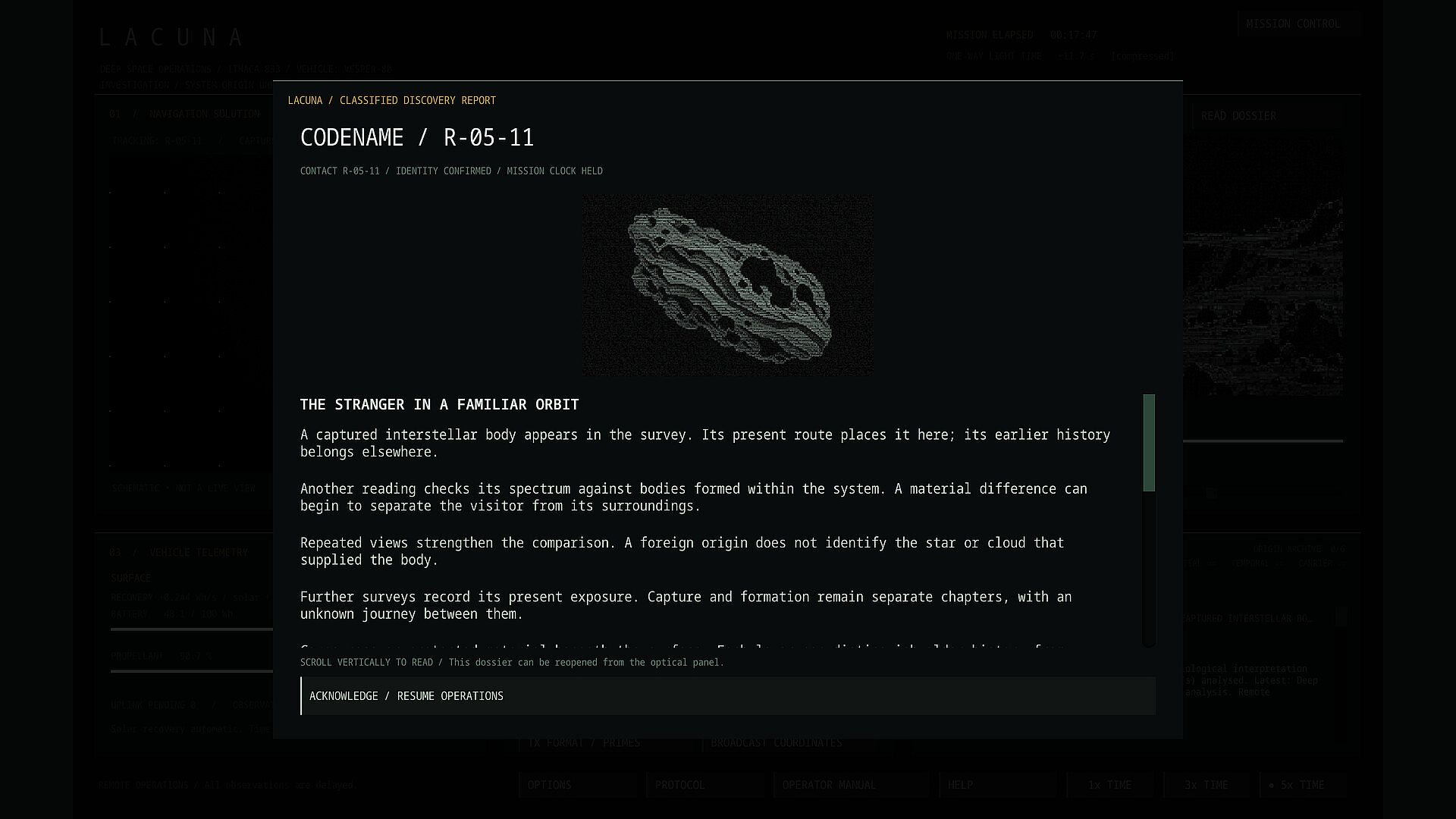
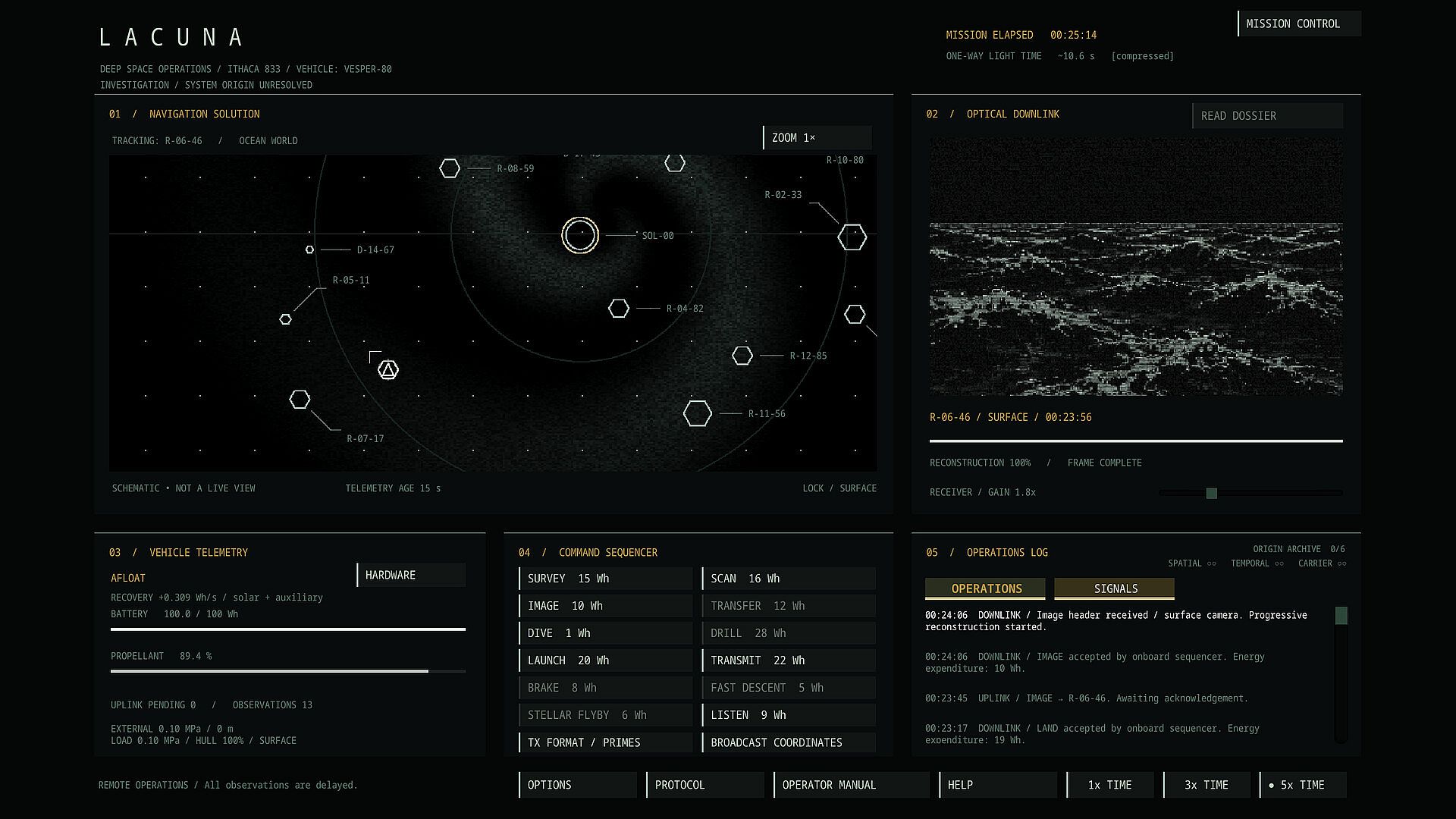
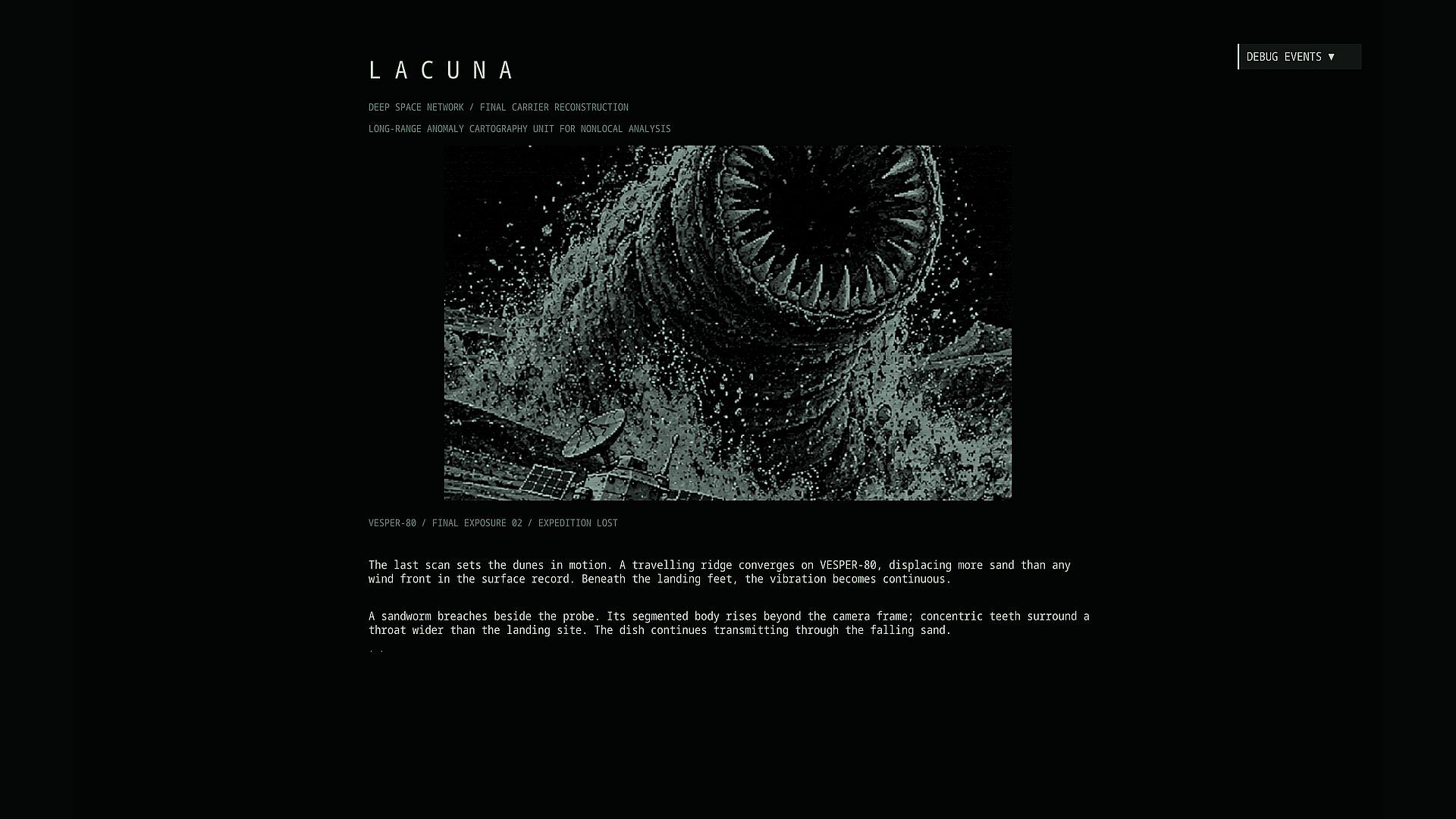
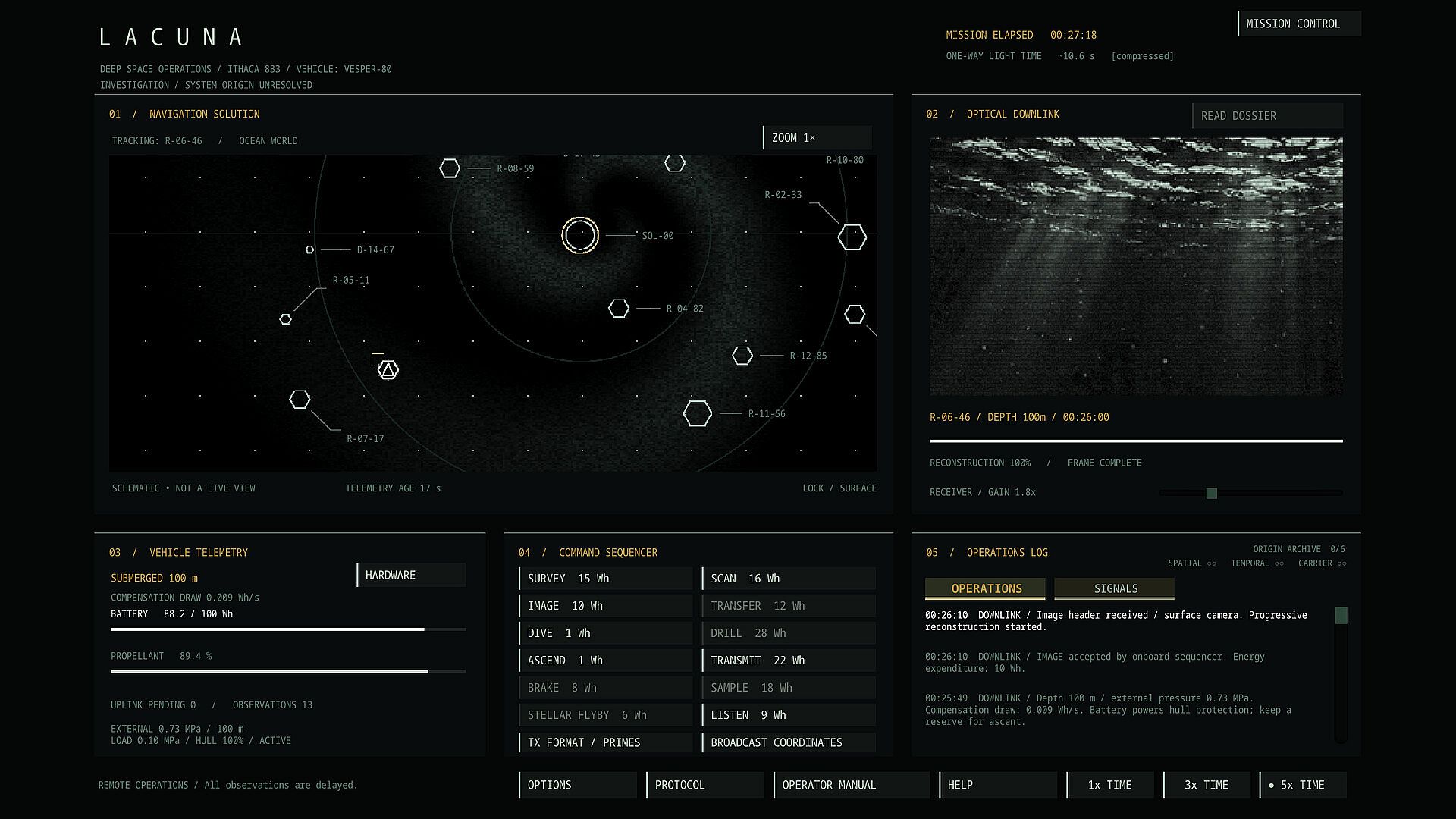
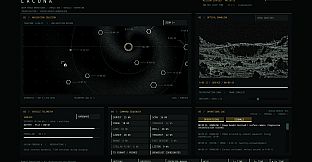
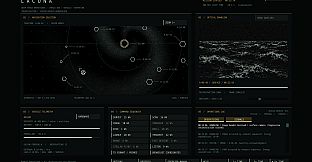
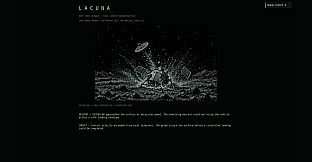
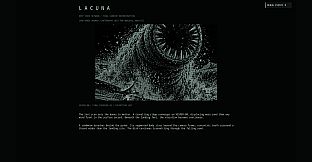
L A C U N A is an indie simulation game for PC that places players in the role of a mission controller overseeing remote probes in uncharted space. The core experience revolves around directing a single VESPER probe through unknown systems while contending with communication delays, limited resources, and incomplete data. Commands travel across distances that make real-time control impossible, so every instruction must be planned with the knowledge that telemetry will arrive from the past and photographs will reconstruct in fragments.
Gameplay
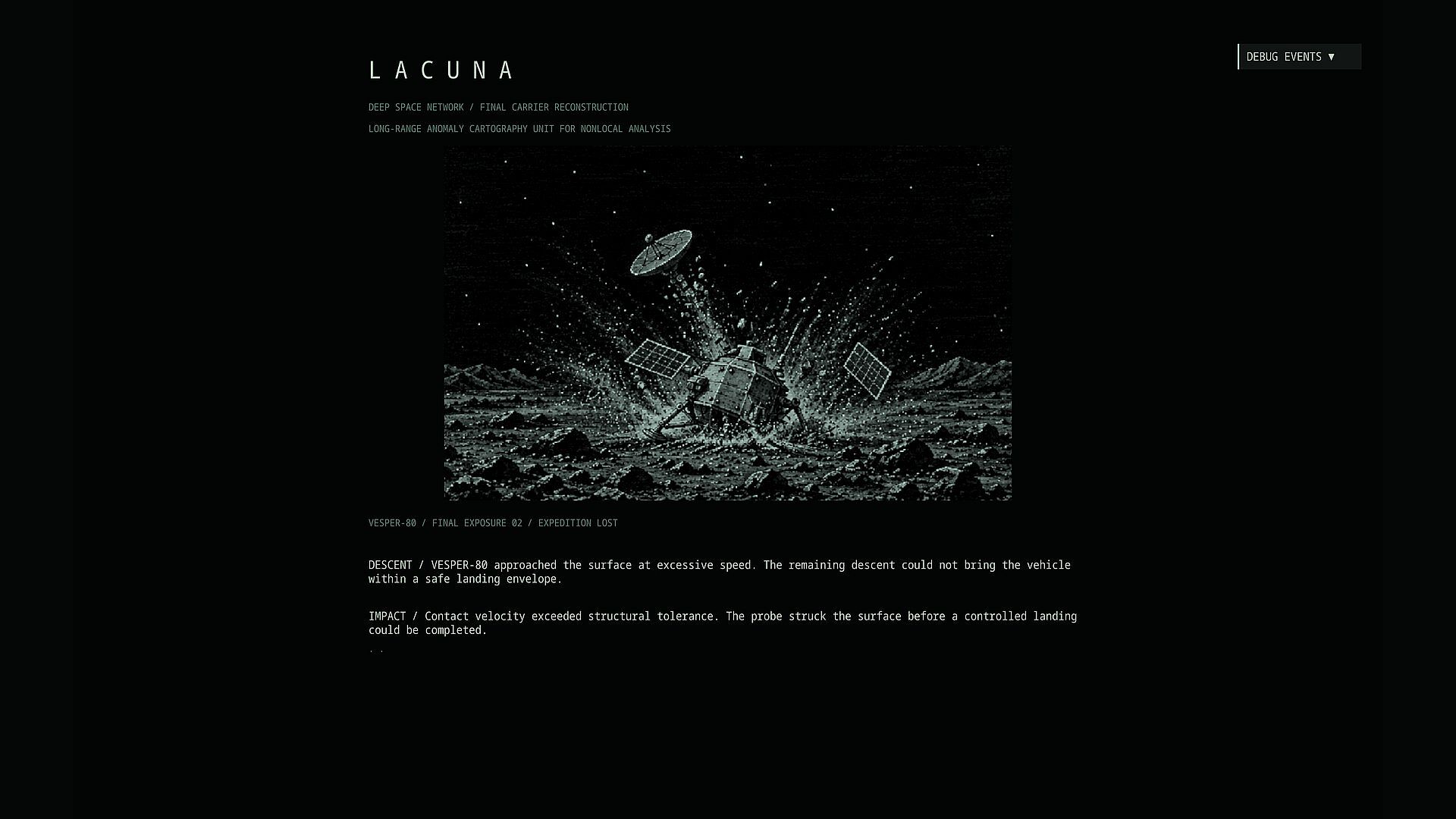
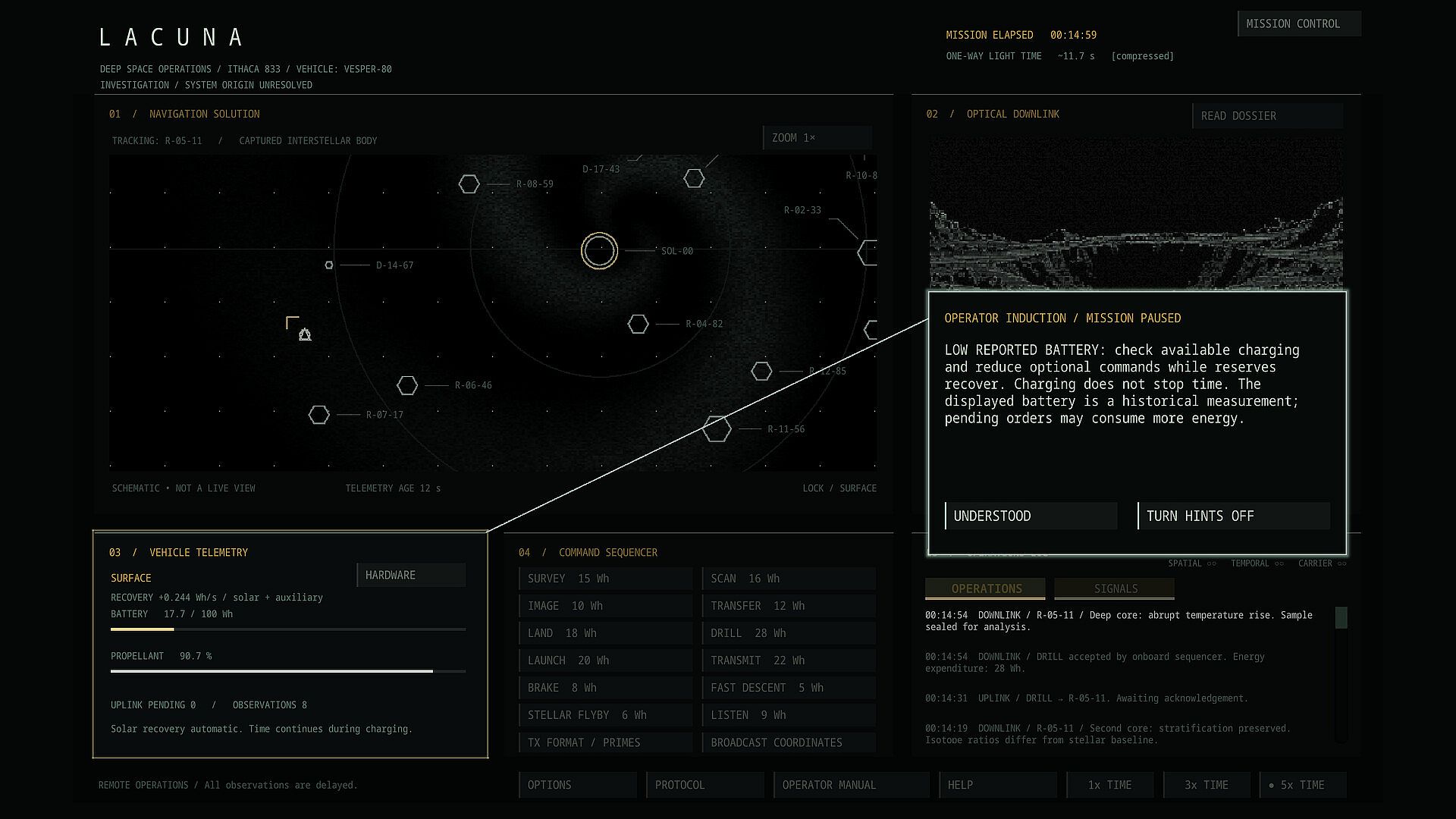
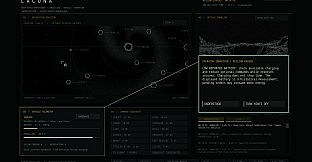
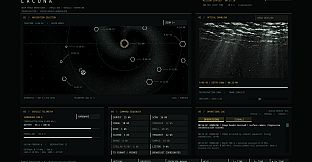
Players remain at Mission Control and issue orders that the probe executes after a delay. Power and propellant levels require constant monitoring because overuse can strand the vehicle or damage its instruments. Routes must account for stellar hazards such as intense radiation zones, and uncertain contacts must be weighed against the cost of reaching them. When a probe is lost, its carrier signal ends permanently and a new numbered unit can be launched into a fresh solar system.
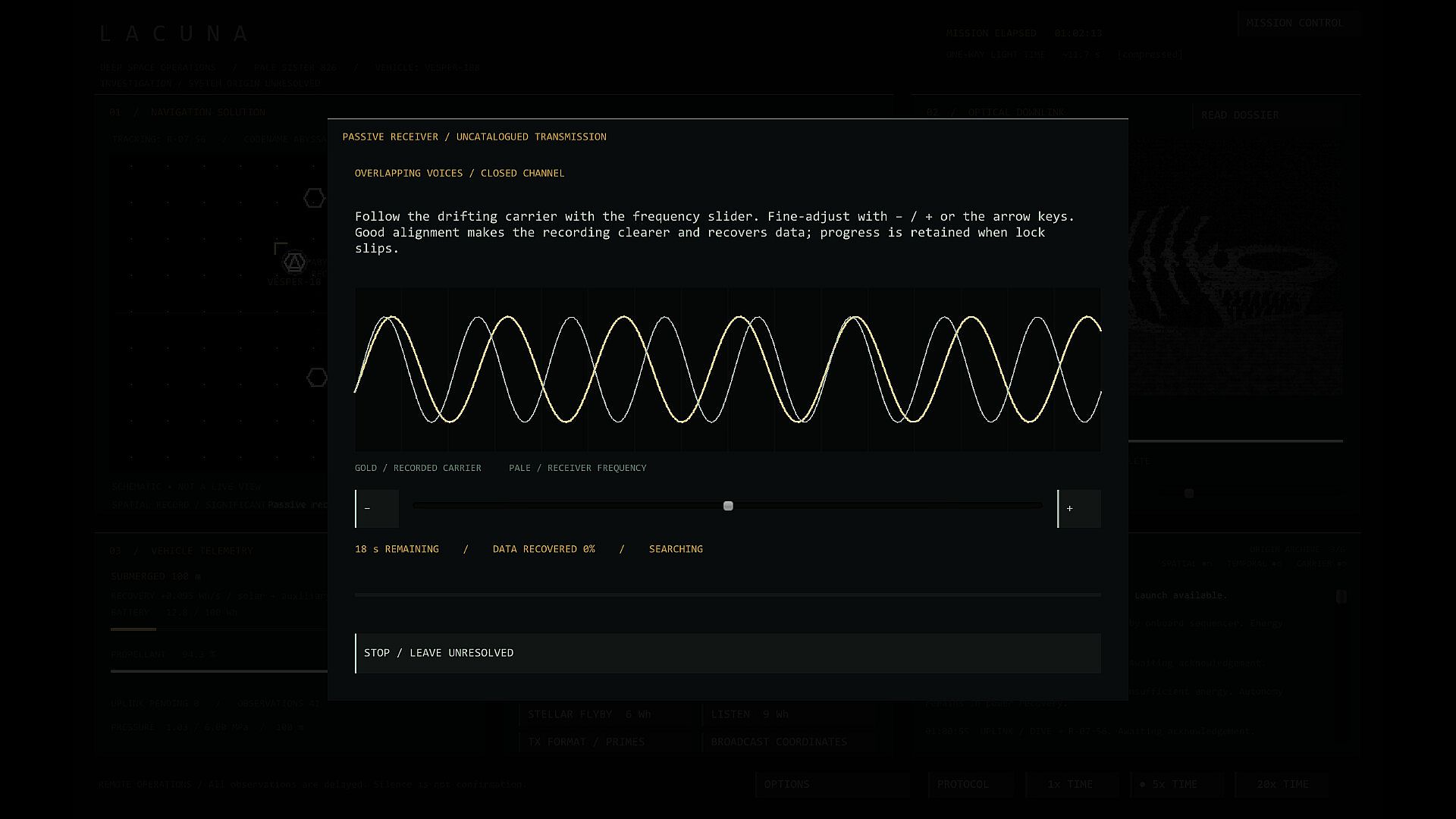
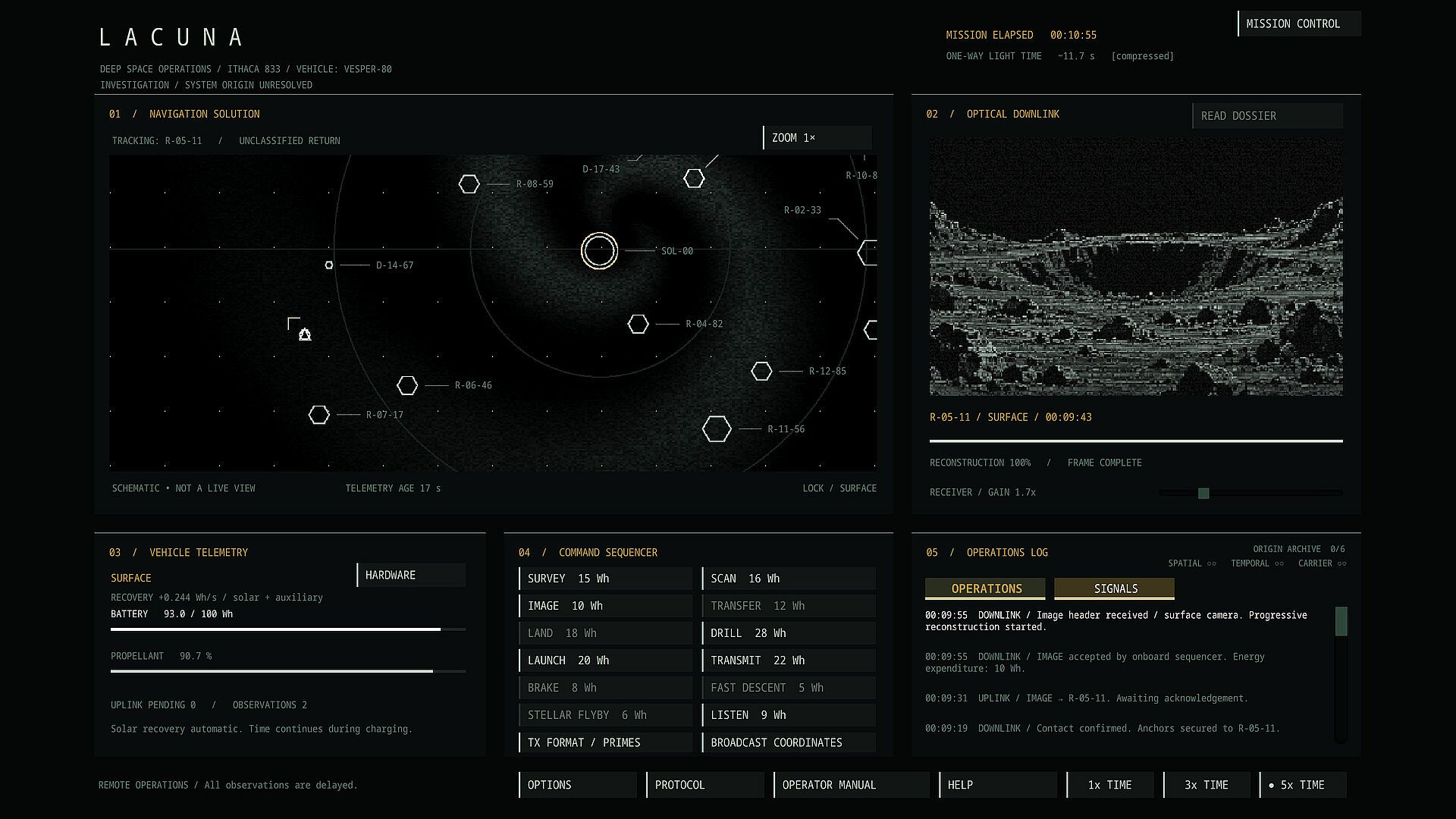
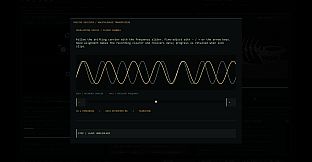
Exploration focuses on analysis rather than direct action. Spectra from distant objects provide clues about composition, samples can be recovered from surfaces, and landings allow descent beneath alien oceans or inspection of abandoned structures. Signals intercepted from the environment may contain patterns that reward careful listening. Findings sometimes have straightforward explanations while others resist easy interpretation even after close examination.
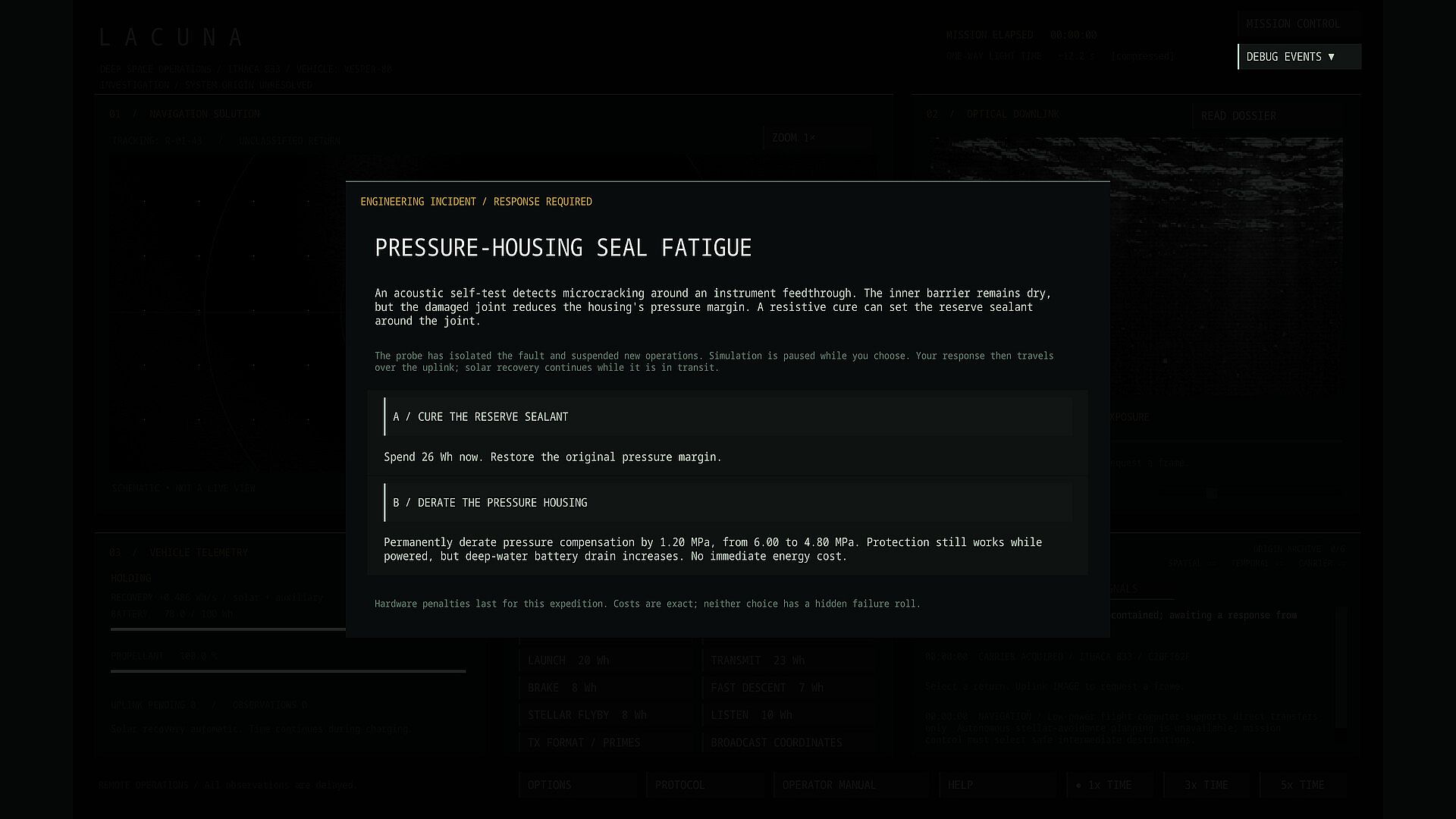
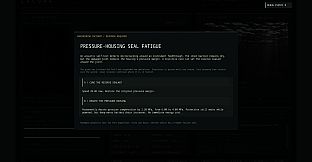
Resource management ties directly into survival. Damaged instruments can sometimes be repaired with salvaged parts, but pressure tolerance and remaining reserves limit how far any single probe can push into hazardous territory. Decisions about whether to investigate a contact or conserve supplies for the return transmission shape the outcome of each attempt.
Game Modes
The game operates as a singleplayer simulation with no separate multiplayer or competitive modes. The primary loop involves launching successive VESPER probes into different solar systems, each attempt independent once the previous probe is lost. Players can choose to continue an ongoing mission if the carrier remains active or begin fresh with the next numbered unit.
Progress centers on gathering evidence of system origins and establishing a reliable return channel to Mission Control. Multiple probes allow repeated attempts across varied starting conditions, but each vehicle operates under the same constraints of delayed commands and one-way telemetry. There are no named difficulty settings or alternate rule sets beyond the core mechanics of power management, route planning, and data interpretation.
Exploration and Investigation
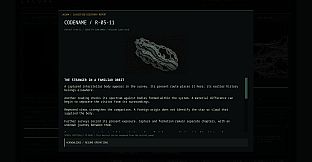
Surveying unfamiliar systems forms the heart of each mission. Probes photograph celestial bodies, measure spectra, and recover physical samples when conditions permit. Landings on distant worlds open opportunities to examine surface features or descend into subsurface oceans. Abandoned stations, shipwrecks, and buried ruins occasionally appear among the findings, offering additional material for study.
Listening for patterns in intercepted recordings adds another layer. Unusual signals may reveal structure or repeat in ways that suggest artificial origin. Not every anomaly requires full explanation; the priority remains transmitting usable data home before reserves run out or instruments fail beyond recovery.
Is It Worth Playing?
L A C U N A suits players who enjoy deliberate simulation and resource management without fast-paced action. The emphasis on planning around communication lag and permanent probe loss creates a measured pace that rewards careful observation over quick reactions. Those interested in space exploration themes with a focus on data analysis and decision-making under uncertainty will find the systems align closely with the described mechanics. The game remains available as a one-time purchase on PC with no additional seasons or live-service elements confirmed at this time.











