




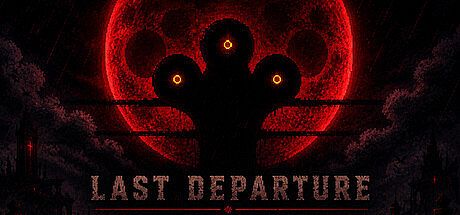


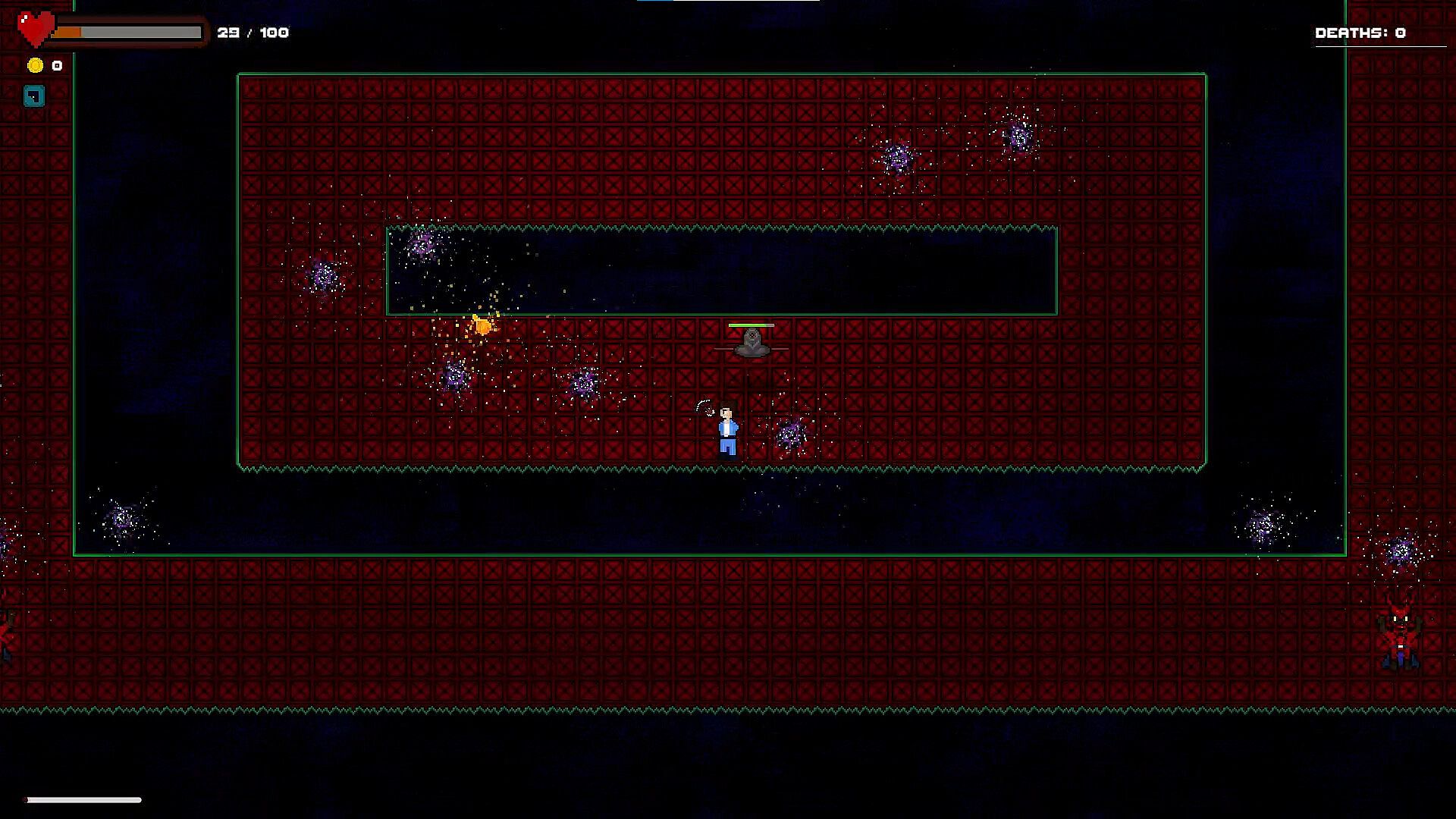
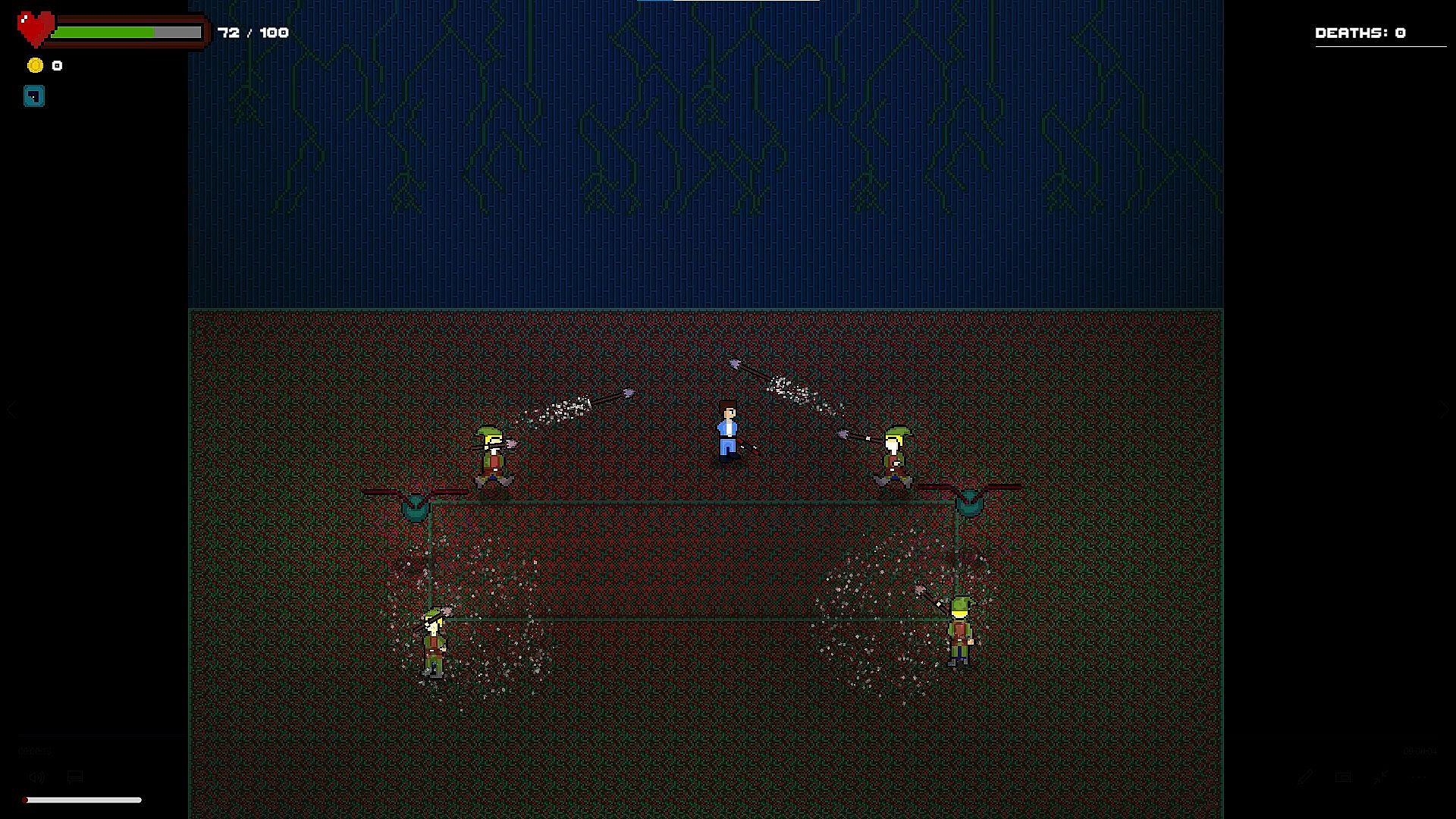
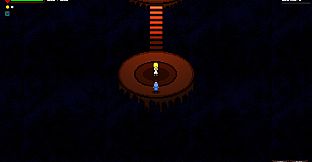
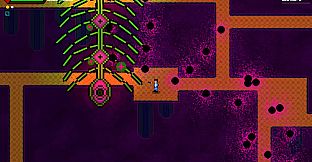
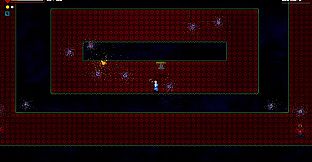
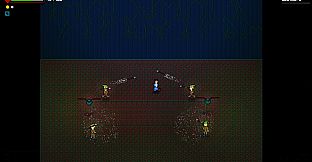
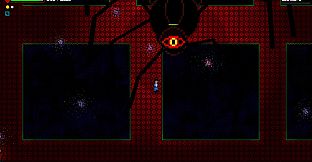
Last Departure is a single-player action indie game built around pixel-art exploration and intense bullet-hell encounters. Set in a melancholic world shaped by the failure of Project Z, the experience centers on a lone journey through haunting environments where players confront the Seven Deadly Sins. The narrative unfolds through environmental storytelling and collectible documents that tie the sins to the project's collapse, revealing three interconnected threads only at the conclusion.
Gameplay
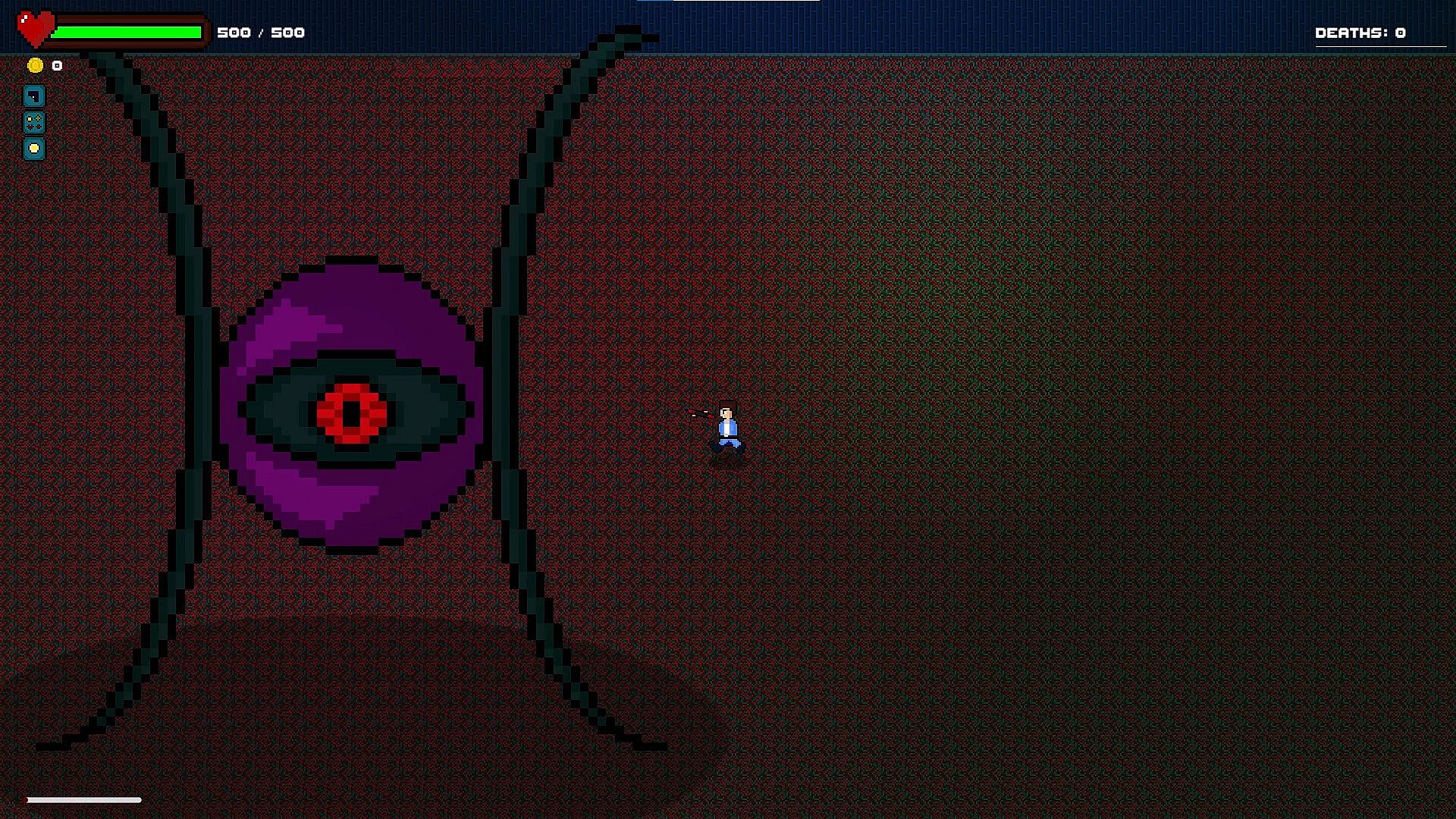
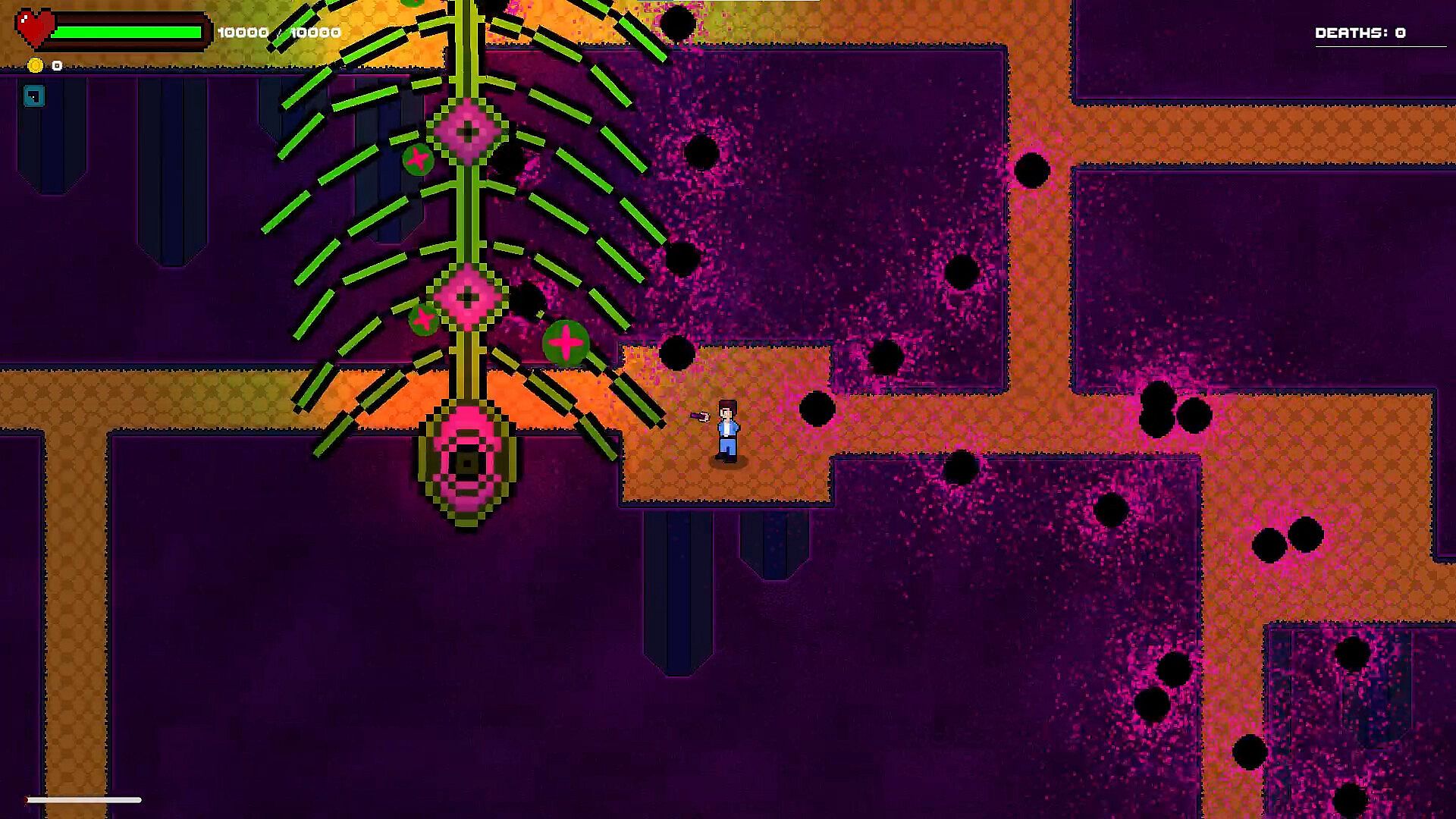
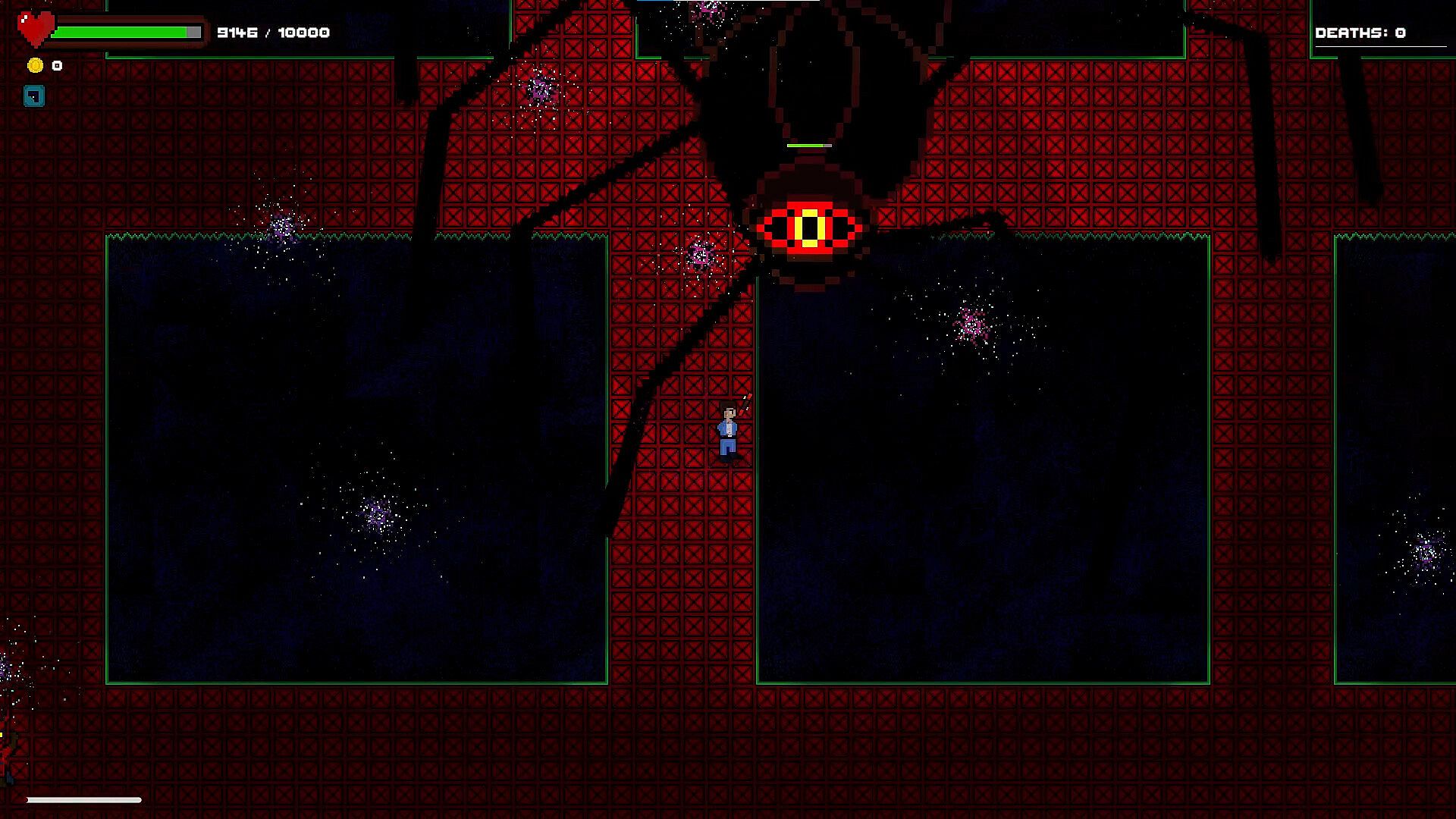
Core movement and combat take place in handcrafted pixel-art levels, each ruled by one of the Seven Deadly Sins. Players navigate these distinct worlds, each featuring tailored mechanics and obstacles that change how encounters unfold. Combat peaks in dedicated boss arenas where every sin deploys unique attack patterns and bullet-hell sequences that demand precise dodging and positioning.
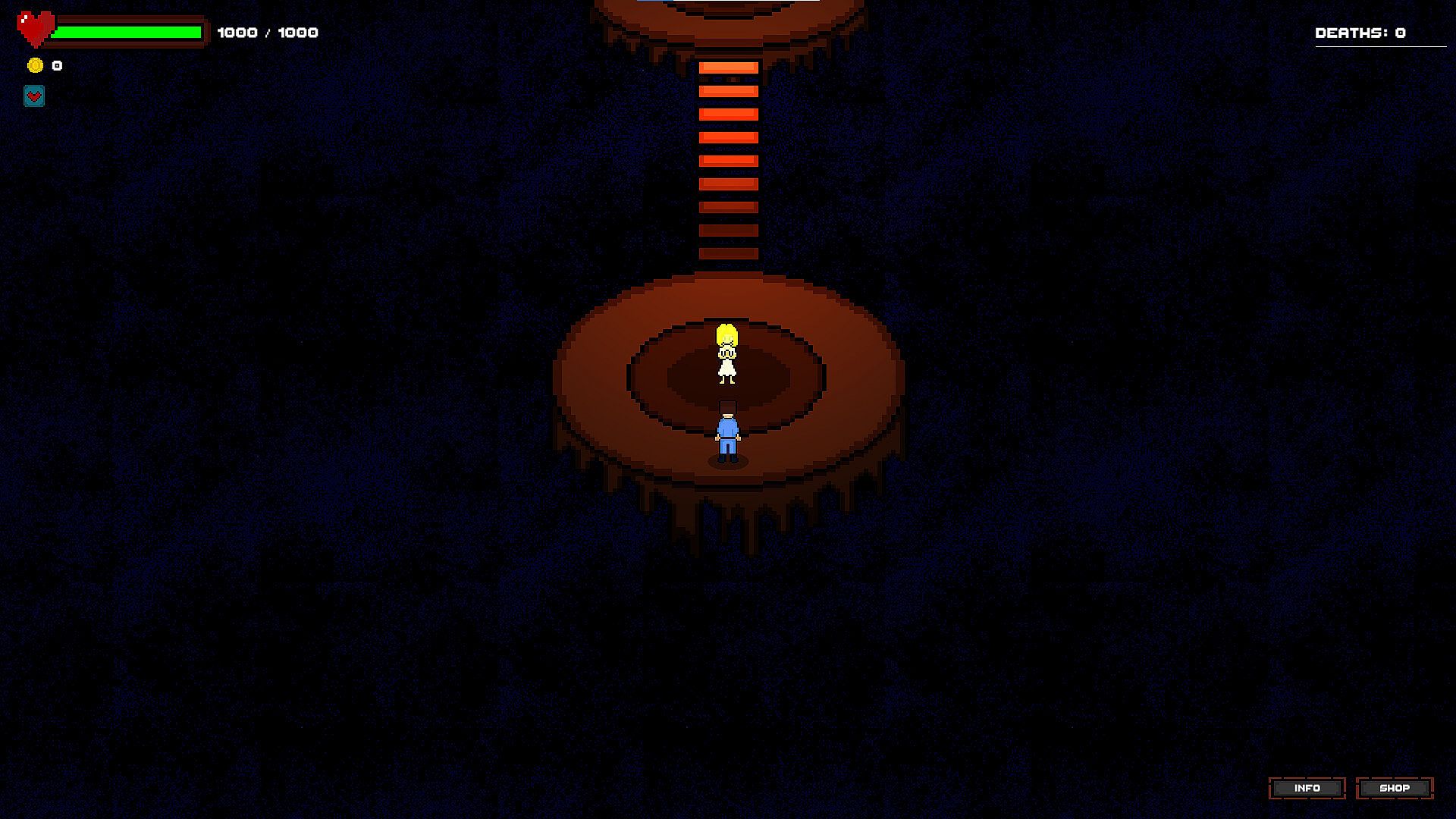
Progression relies on a roguelike structure. At the start of each level, two random weapons appear for selection, and ten weapons in total exist across the game to create varied loadouts. Shops allow purchases of permanent ability upgrades between runs, while defeated enemies grant temporary power-ups. Every enemy kill also raises maximum health permanently, so repeated attempts gradually strengthen the character even after failures. A death counter tracks attempts needed to overcome each sin, adding a layer of personal record-keeping to the loop.
Exploration rewards curiosity with research logs, letters, and archives that piece together the backstory of Project Z and its link to the sins. An orchestral, piano, and choir soundtrack underscores the emotional tone throughout the hand-drawn environments and select cinematic sequences.
Game Modes
The game operates entirely in a single-player format with no multiplayer components. The primary experience revolves around repeated runs through the seven sin-ruled worlds, with the explicit goal of defeating all seven sins in one continuous attempt. Each run resets upon death but carries forward the permanent health increases earned from prior enemy defeats, encouraging persistence across multiple tries.
Story elements integrate directly into these runs. Collecting documents during exploration advances the narrative across three interwoven threads, with full context reserved for players who reach the end. The structure emphasizes replayability through weapon randomization and shop upgrades rather than separate modes or difficulty settings.
Story and World
The setting draws from humanity's darkest hour following Project Z's failure. Players uncover the sins' origins and their connection to the project through gradual reveals tied to each defeated boss. Three stories run parallel, their true relationship surfacing only after all sins fall. The pixel-art presentation and emotional score reinforce themes of melancholy, hope, and despair without relying on spoken dialogue.
Every asset, from animations to music, stems from years of solo development, resulting in a cohesive handcrafted world punctuated by AI-assisted cinematic artworks derived from the developer's own sketches.
Is It Worth Playing?
Last Departure suits players who enjoy single-player roguelike runs combined with bullet-hell boss fights and light narrative discovery. The permanent health progression across deaths provides tangible improvement without removing challenge, while weapon variety and shop upgrades support different strategies on each attempt. Because the game remains in a coming-soon state with no released version or player reviews available, its worth depends on interest in its specific blend of pixel-art atmosphere, story fragments, and demanding boss encounters. Those drawn to solo experiences that reward persistence and exploration of interconnected lore will find the core loop aligned with those preferences.











