




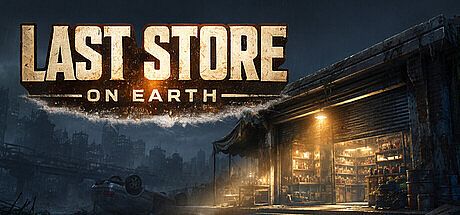


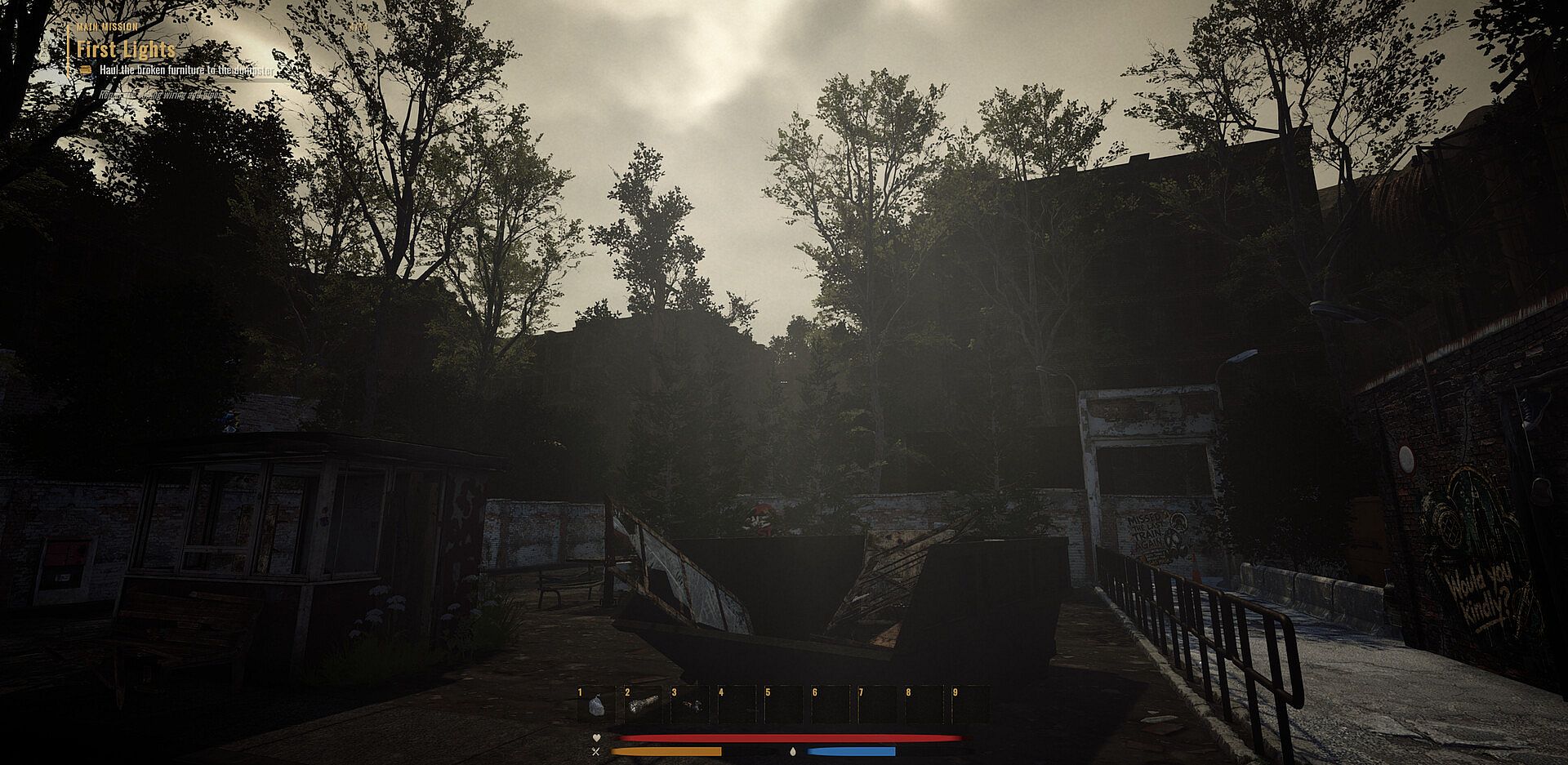
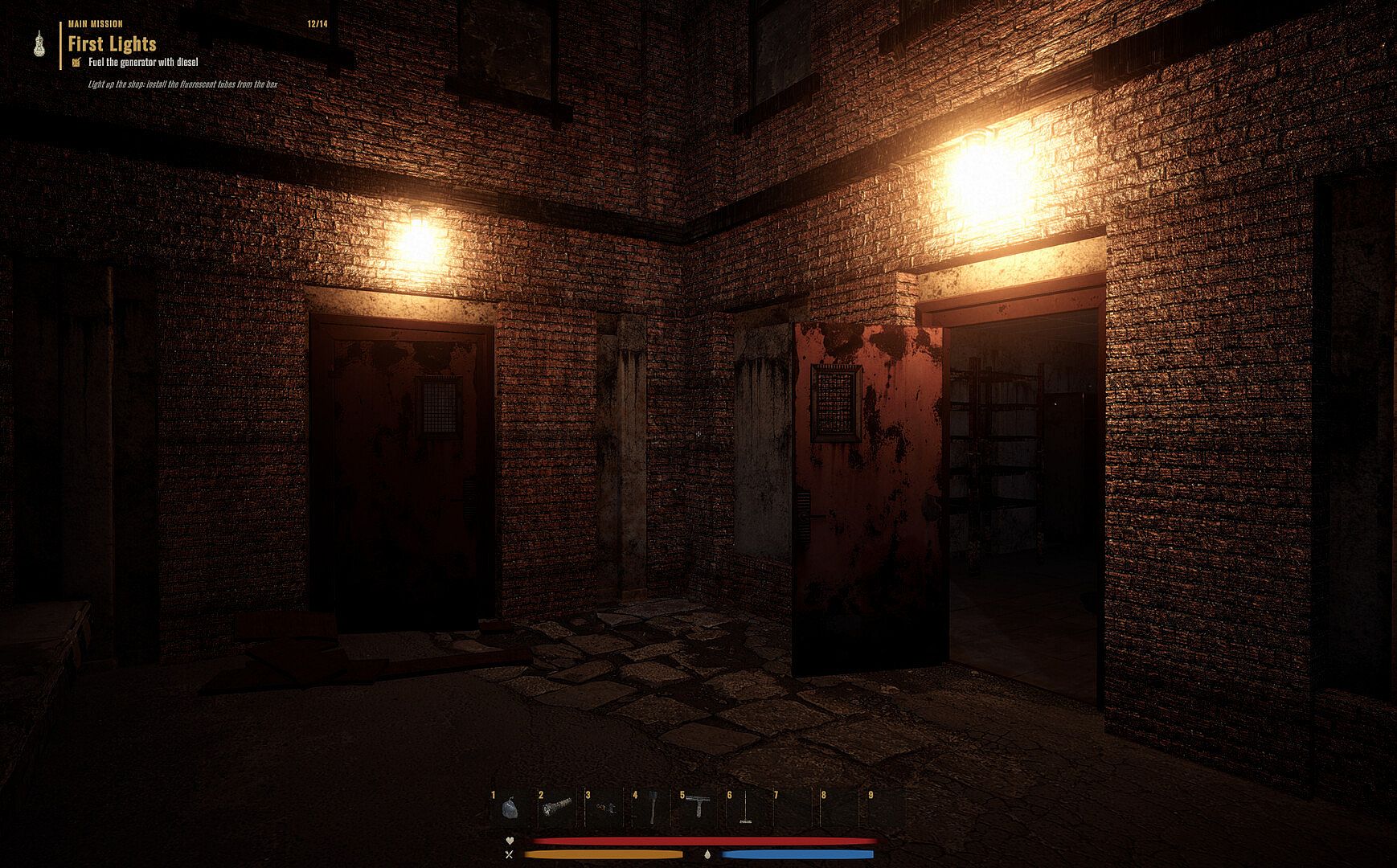






Last Store on Earth is an indie simulation game set in a post-apocalyptic world where players inherit and revive a single ruined shop. The experience centers on hands-on restoration followed by ongoing business management, all from a first-person perspective on PC. Players handle every task themselves, from clearing debris to serving customers who each carry distinct personalities and backstories.
Gameplay
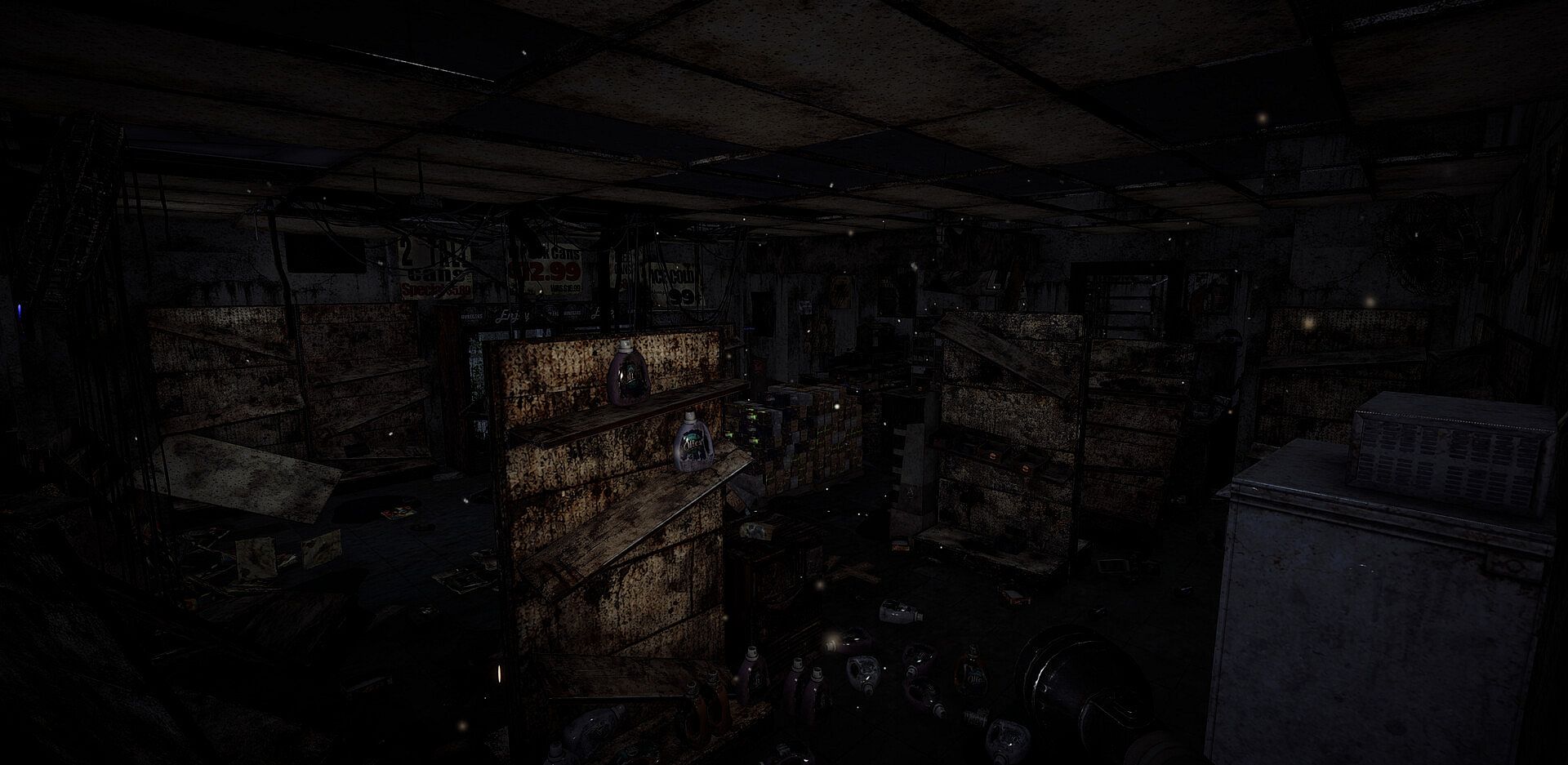
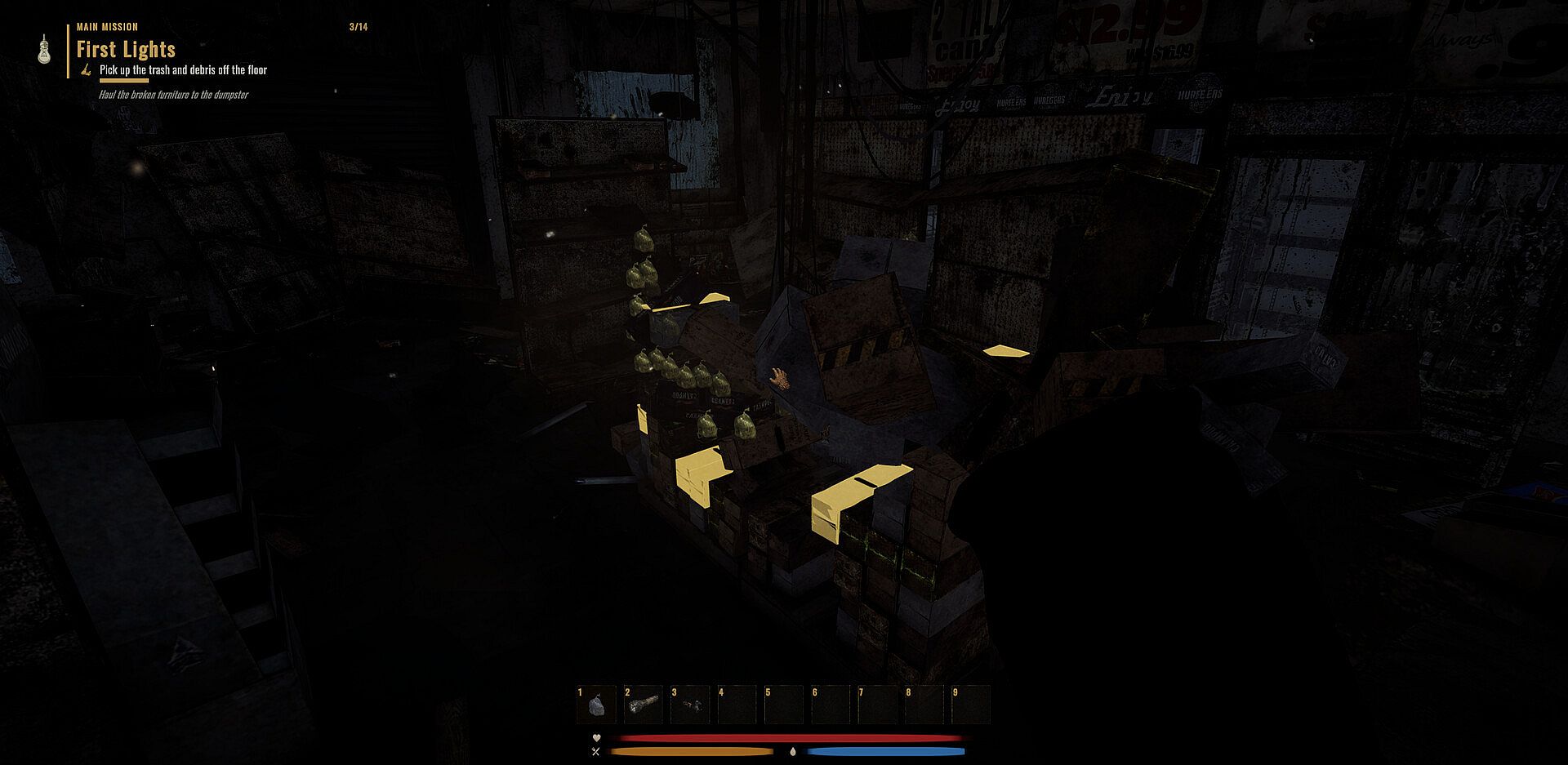
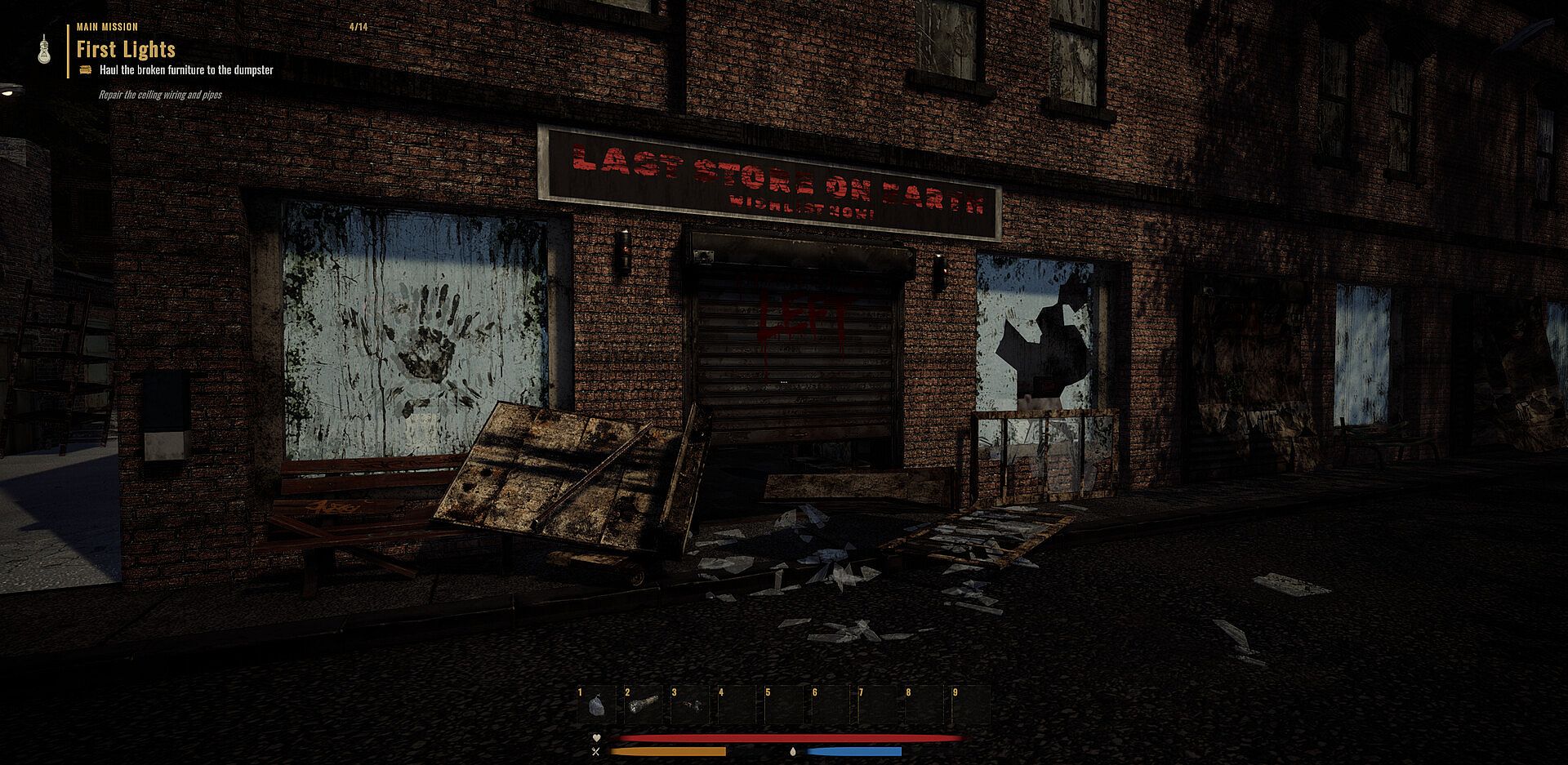
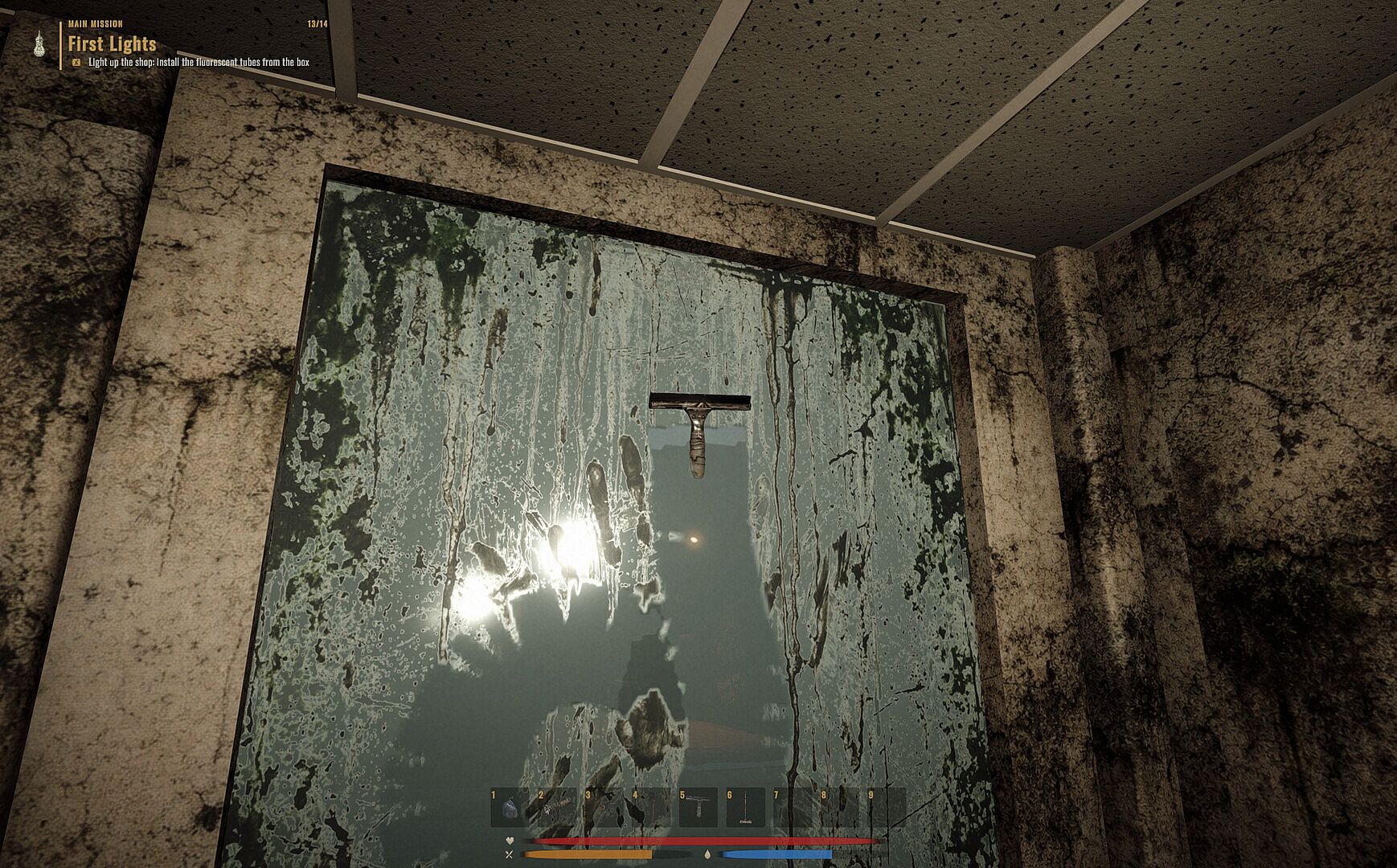
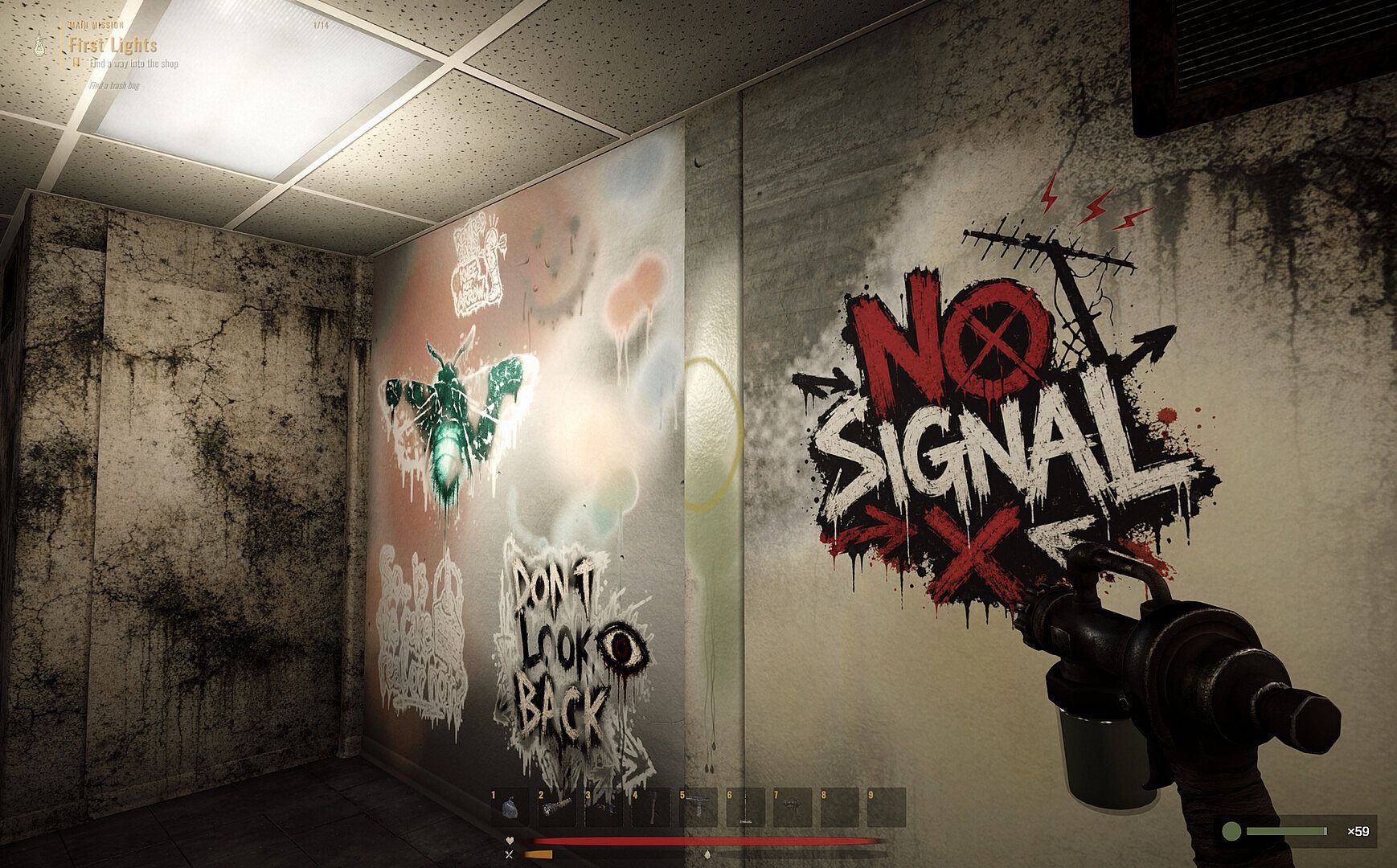
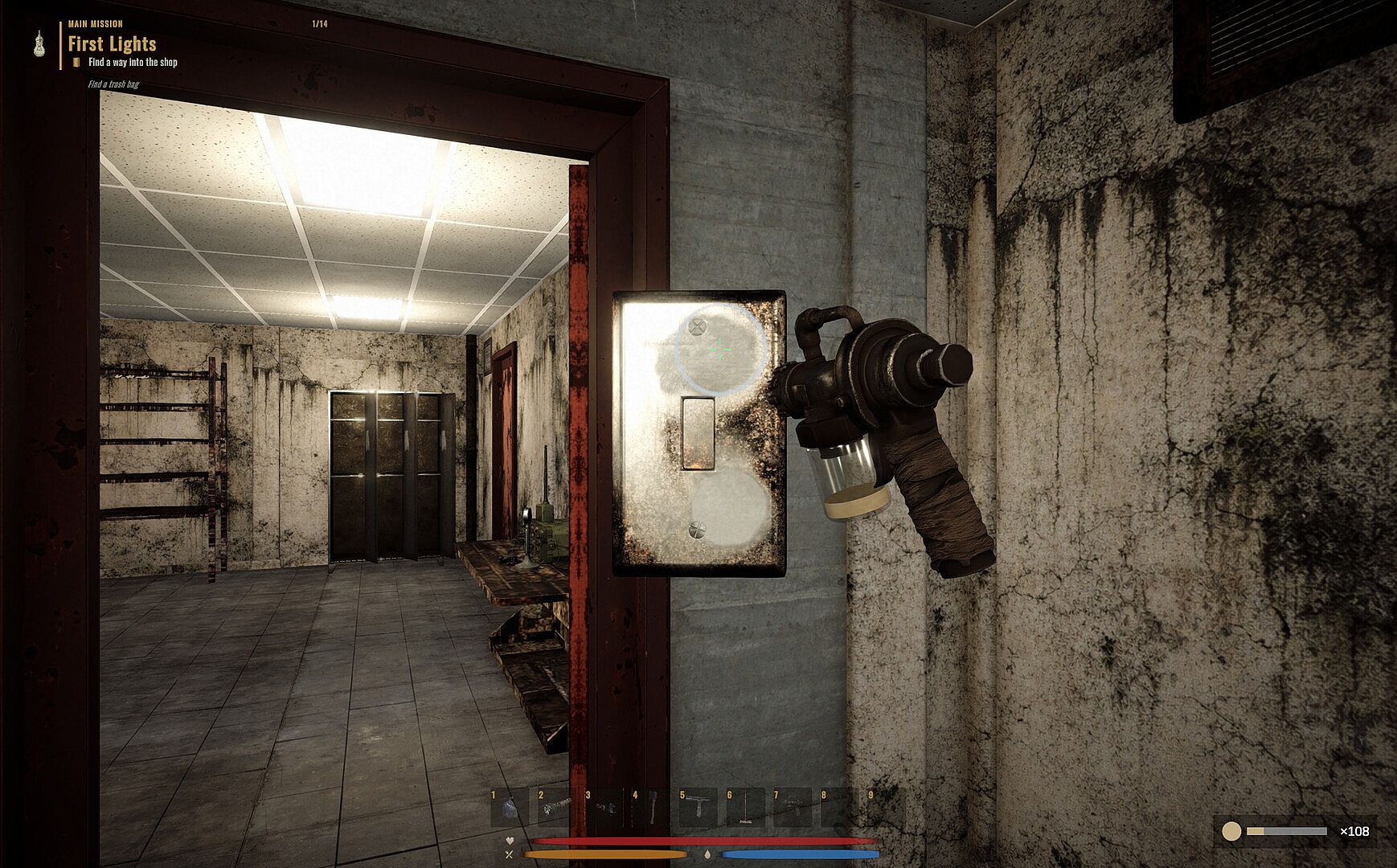
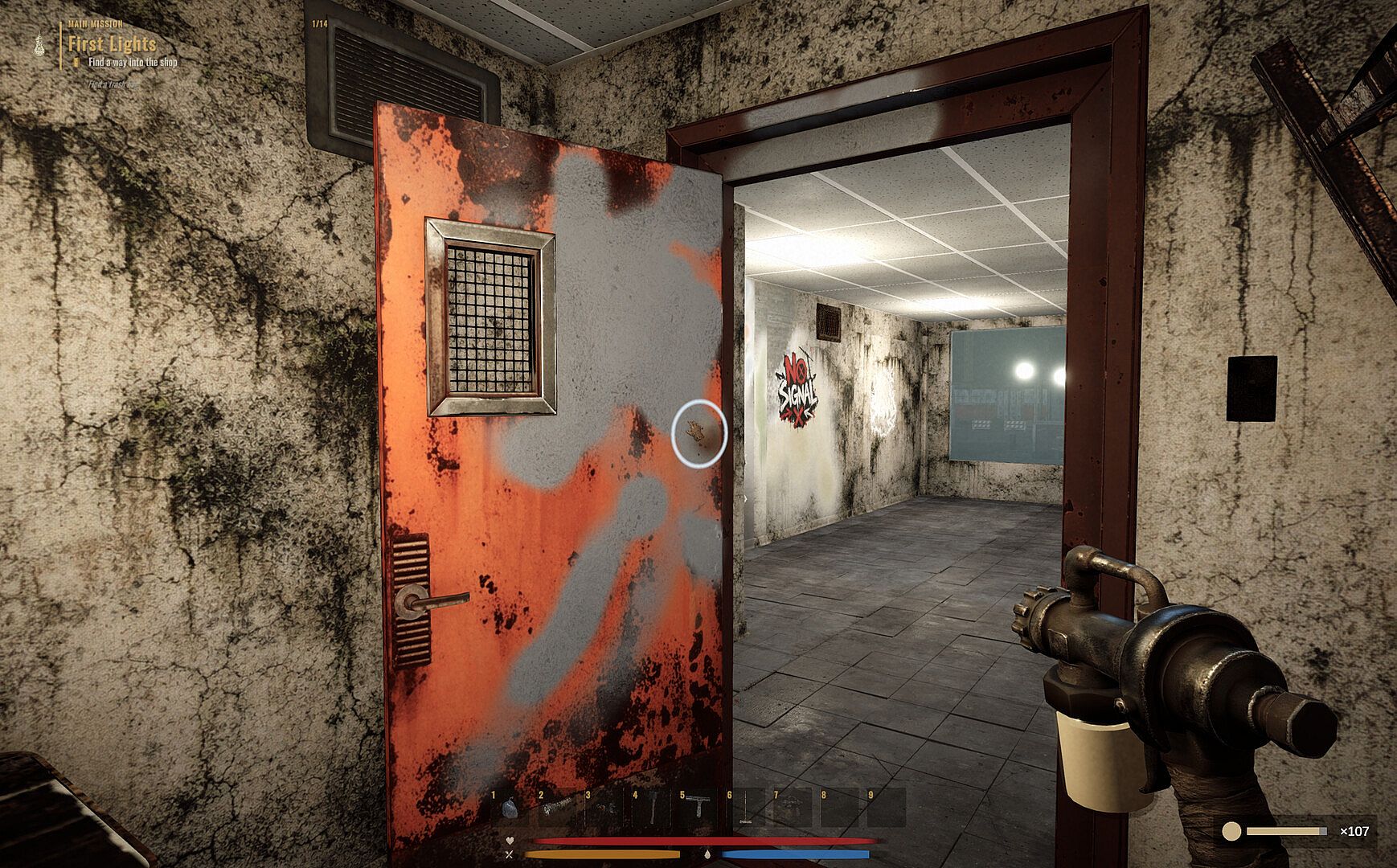
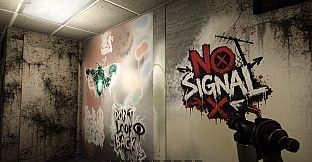
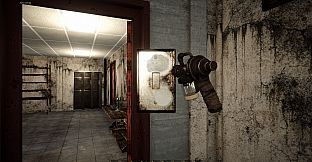
The core loop divides into restoration and operation phases. Restoration requires direct interaction with the environment. Players pick up trash, bag it for disposal, mop puddles, wash windows, remove graffiti, and repair damaged elements. Painting demands prior sanding with a sandblaster to achieve clean results, while power restoration involves filling a diesel generator and starting it manually so fluorescent lights illuminate the aisles.
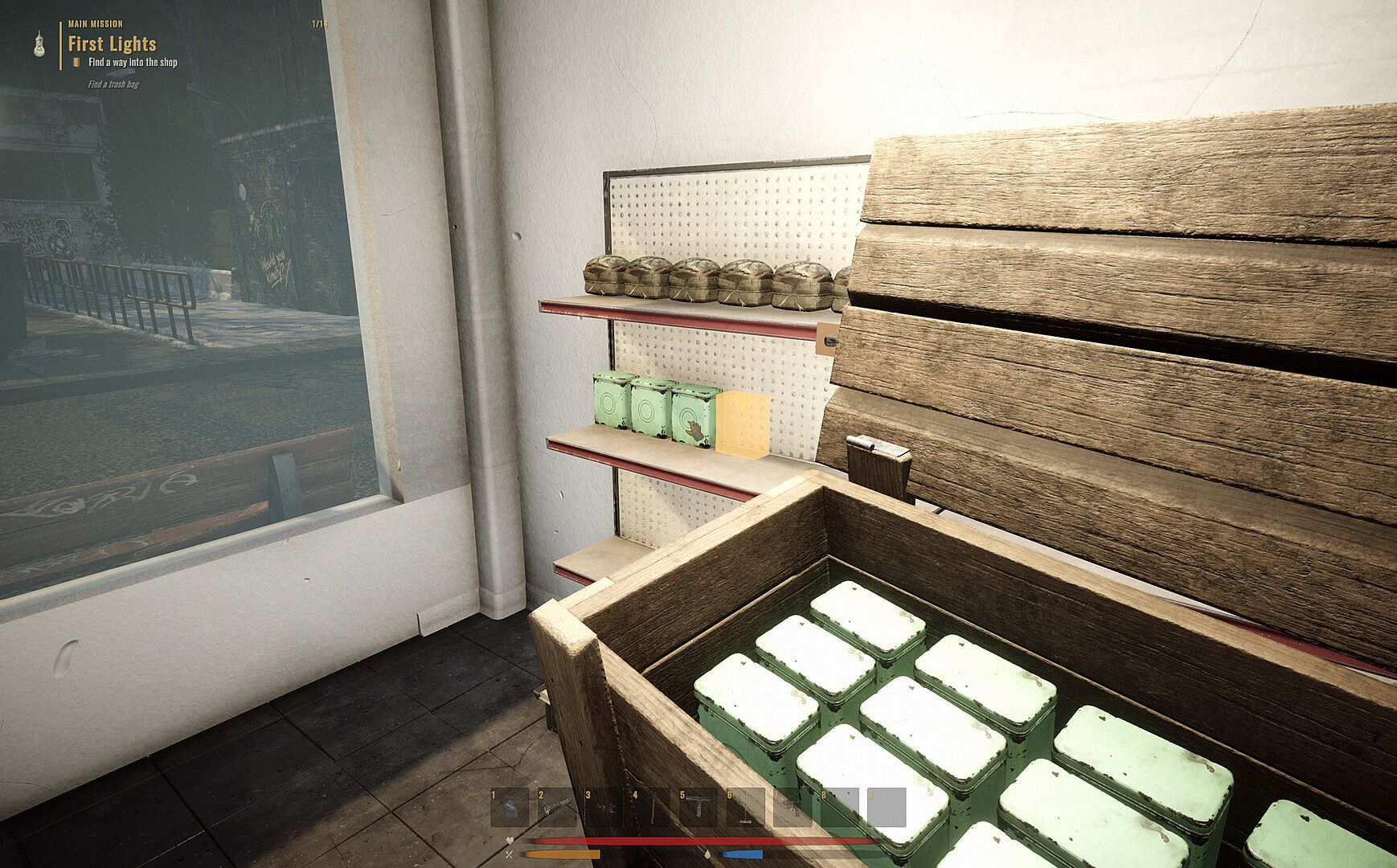
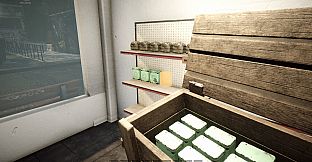
Once the shop stands ready, management takes over. Players order stock, unpack crates, restock shelves, set prices, and operate the till. Appearance matters for attracting repeat visitors, so furniture placement and overall presentation influence customer flow. A build mode allows rearranging items between shifts. Tools include a diesel generator and an electrical grid, while the world features a day and night cycle along with weather such as rain and storms. Exploration reveals hidden rooms that unlock new furniture, mechanics, and upgrades.
Game Modes
The game operates as a single-player simulation without separate named modes. The experience flows through two connected phases: an initial restoration stage focused on cleaning, repairing, and powering the shop, followed by a management stage centered on stock handling, customer service, and daily operations. Progression occurs through exploration and incremental upgrades rather than distinct multiplayer or competitive formats.
Key Mechanics and Features
Customers function as individuals with names, voices, and personal stories. Positive interactions encourage return visits and help spread awareness in the sparse remaining population. The simulator emphasizes personality through detailed tool use and environmental feedback, such as watching paint cover grime or lights flicker on after generator startup. A living world with weather and cycles adds context to daily routines without altering core tasks.
Progression ties directly to uncovering new areas and acquiring upgrades that expand available furniture and systems. All actions remain hands-on, avoiding automated shortcuts for cleaning, repairs, or restocking.
Is It Worth Playing?
Last Store on Earth enters Early Access on November 16, 2026, with a playable demo scheduled for late August 2026. The simulation suits players who enjoy methodical, first-person tasks in restoration and small-scale management. Those drawn to detailed shop upkeep, customer interactions, and gradual world revival will find the hands-on approach central to the design. The current pre-release state means features may expand during Early Access, but the described restoration and operation loop forms the verified foundation. Fans of similar indie simulators can wishlist the title to follow updates as they arrive.











