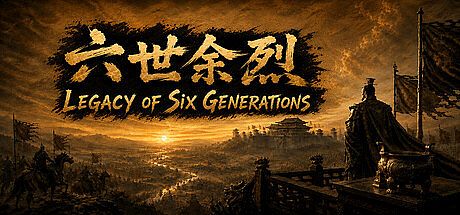


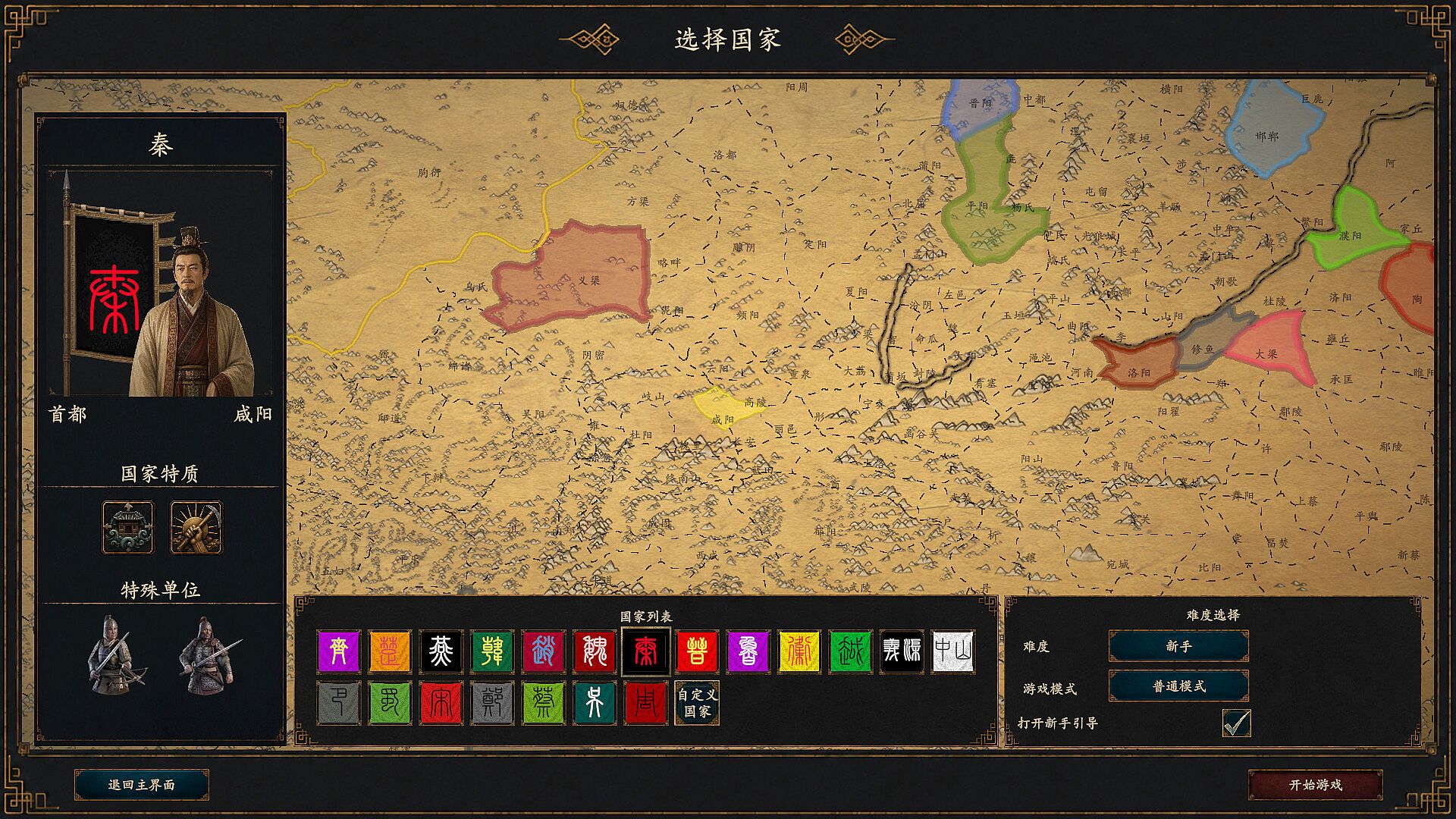
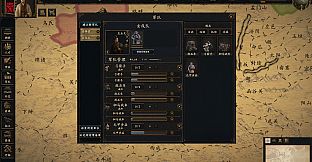
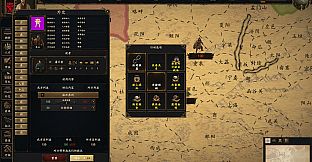
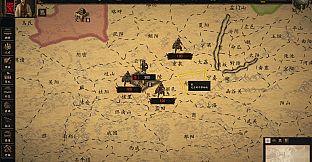
Legacy of Six Generations is a hardcore historical 2D grand strategy game set in the Spring and Autumn and Warring States periods of ancient China. Players assume the role of a ruler starting with a small state and work to build power through governance, warfare, and diplomacy in a setting where rituals have collapsed and competing schools of thought shape society. The experience emphasizes player-driven outcomes rather than following a predetermined historical path, allowing different nations to rise or fall based on decisions made during each session.
Gameplay
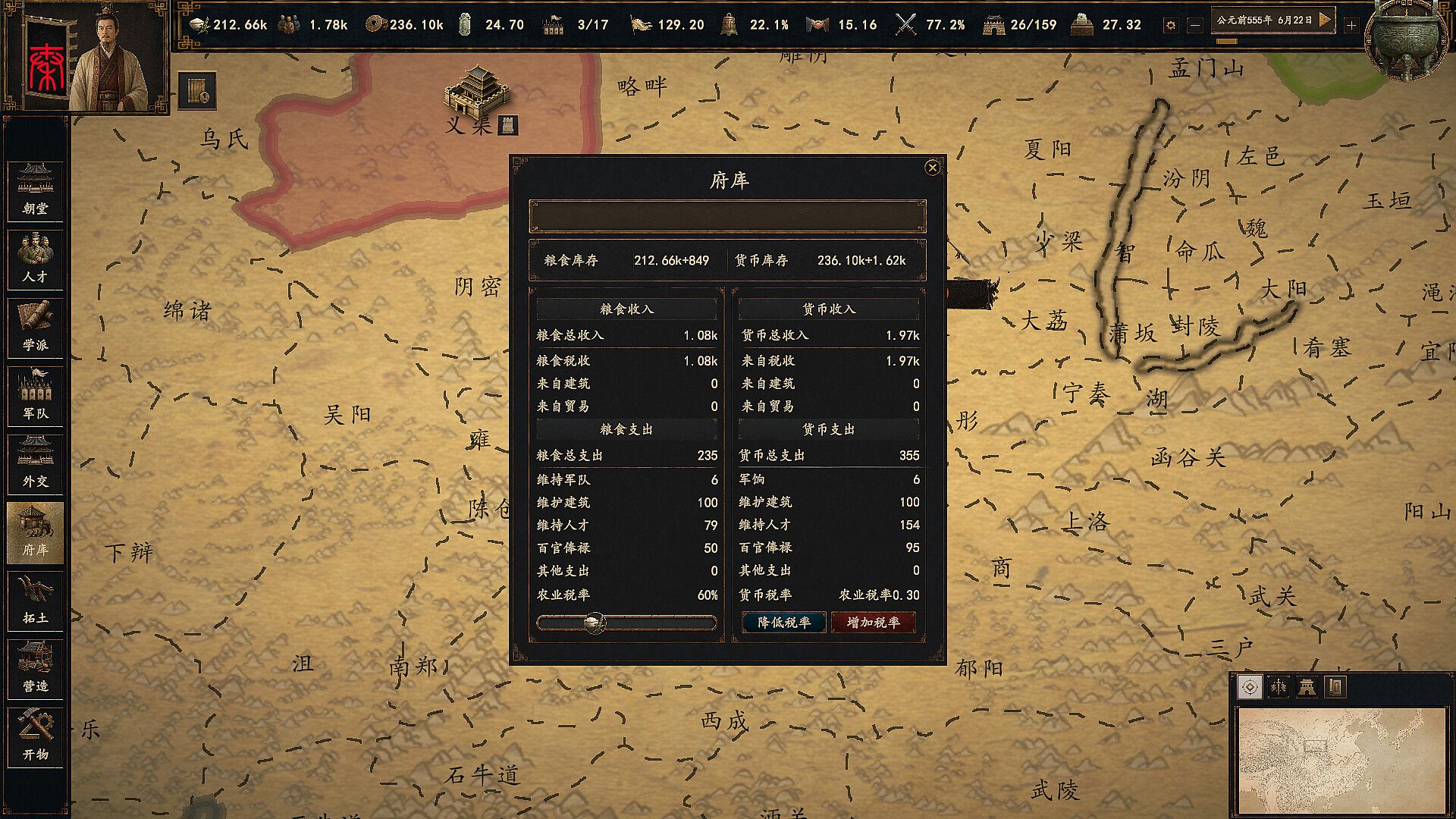
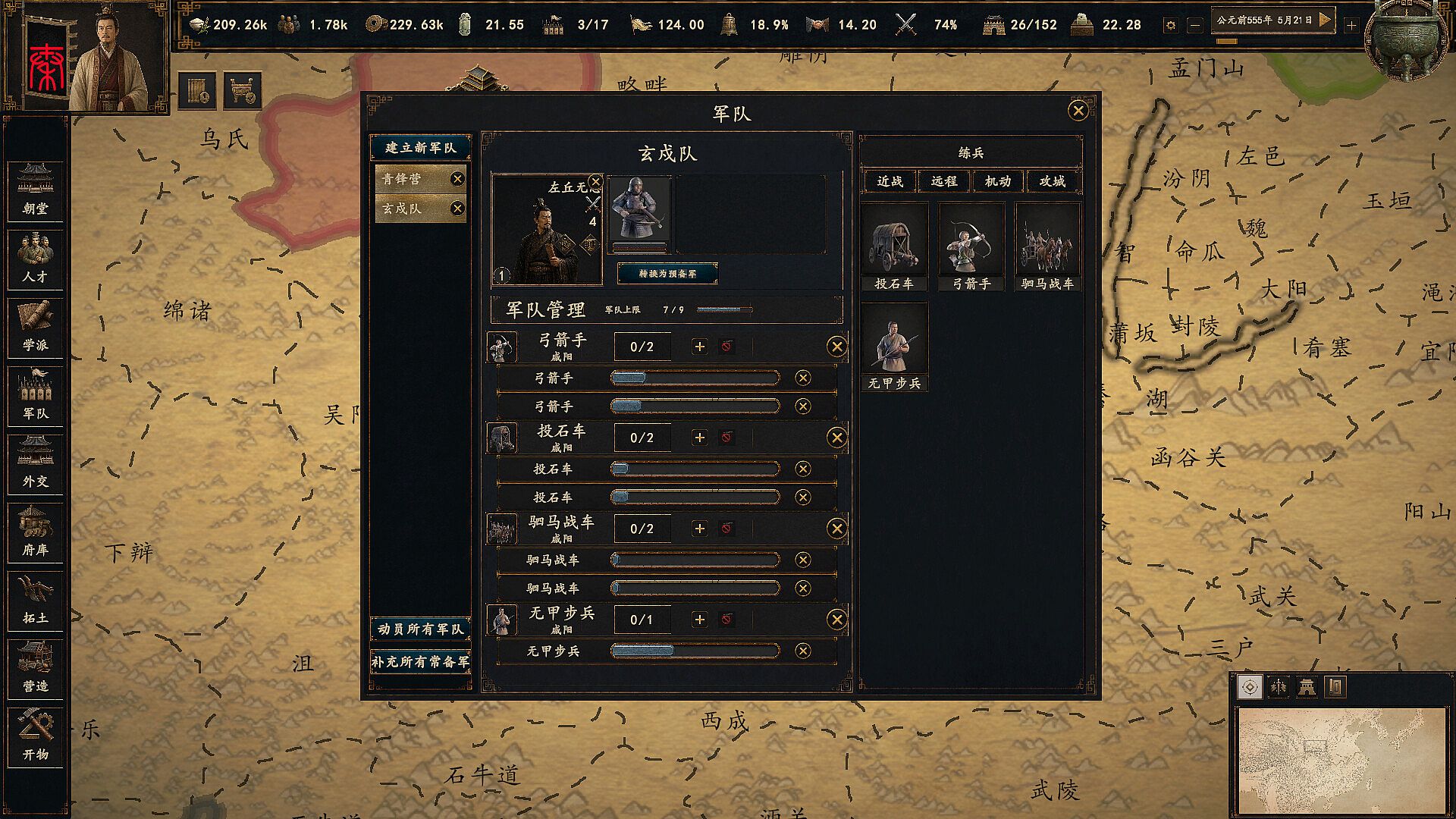
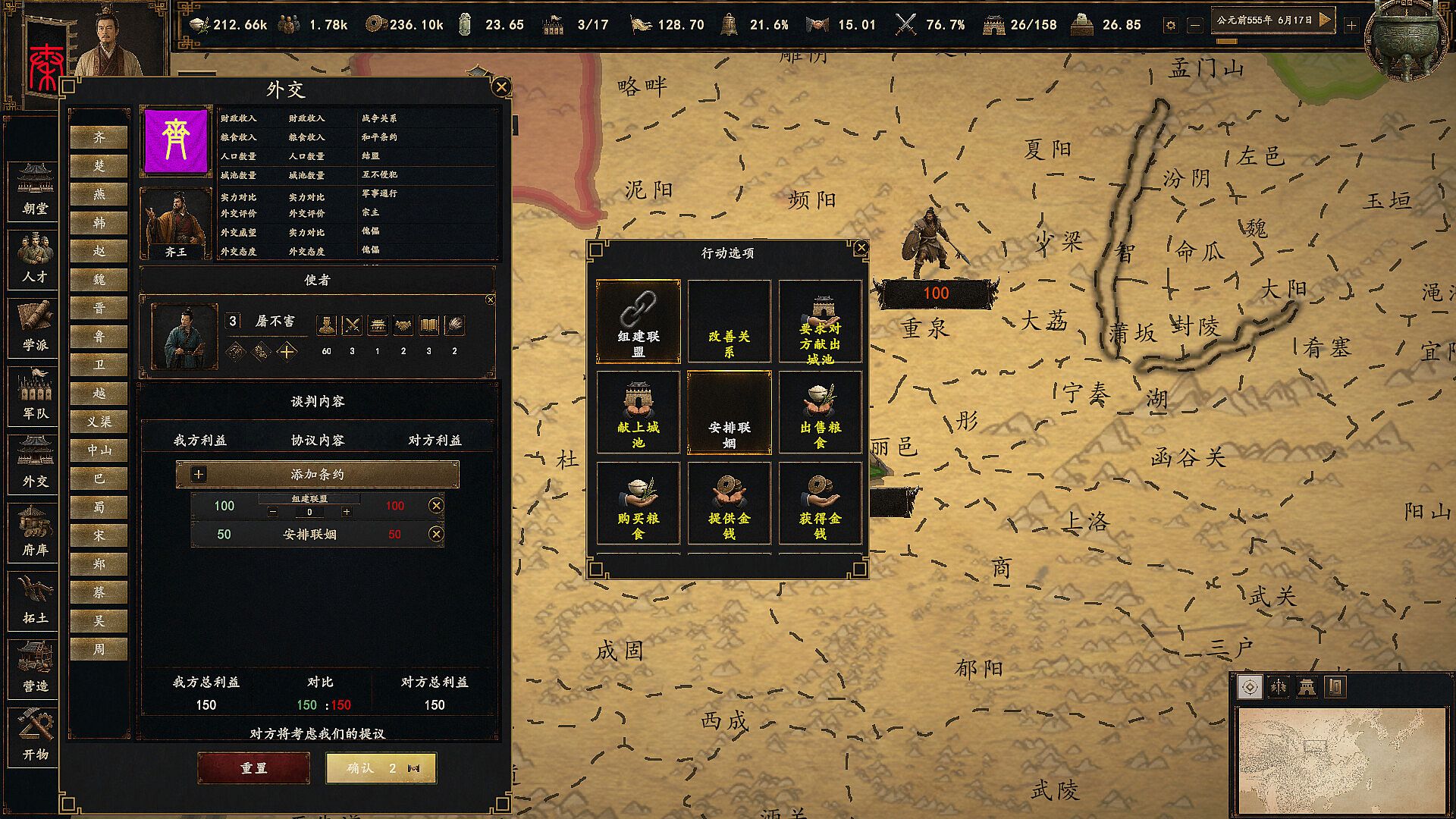
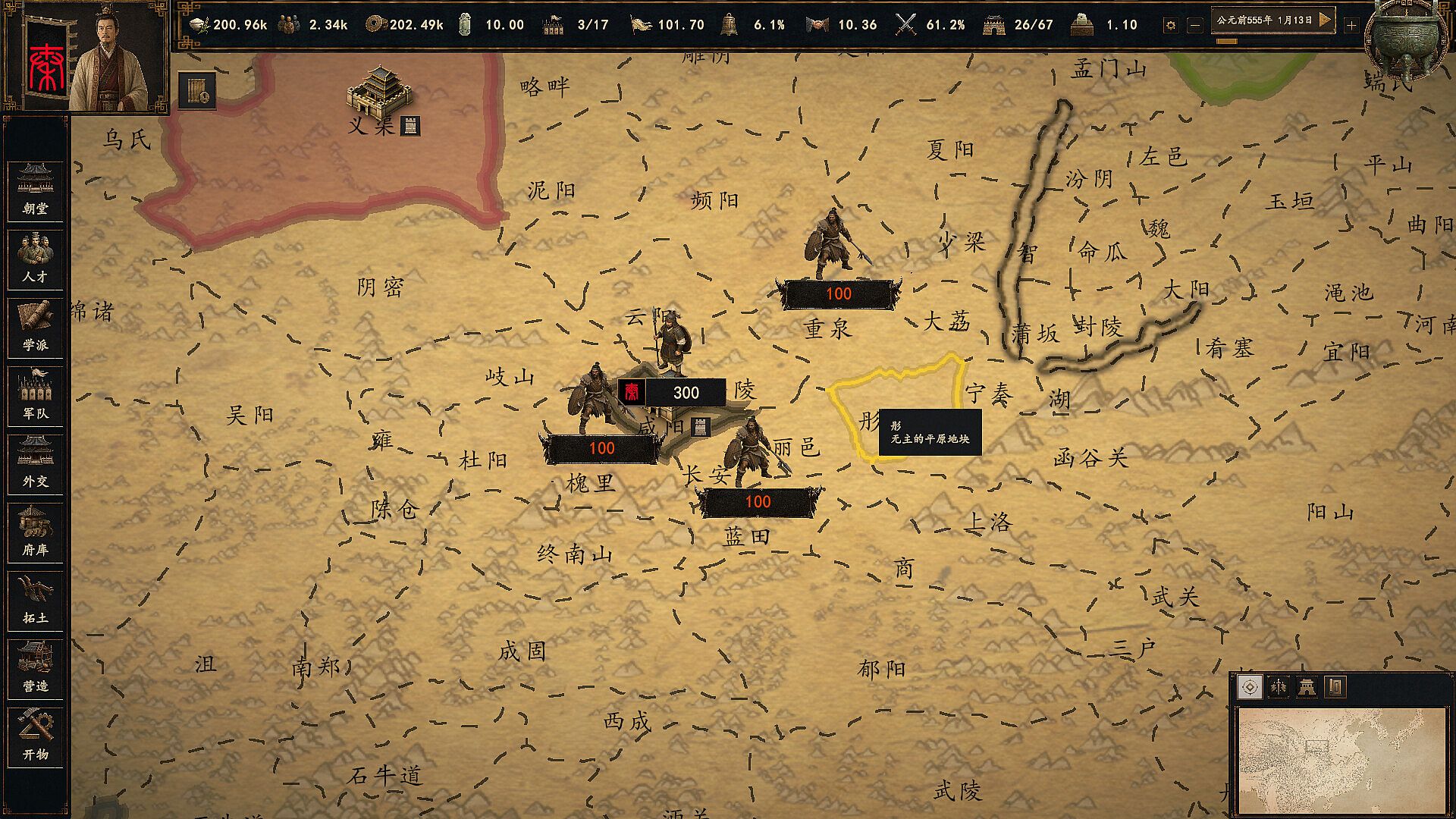
The core loop centers on managing a state from a position of relative weakness toward greater influence. Rulers appoint officials to handle politics, military affairs, and finances, with the match between an official's abilities and their assigned role affecting how efficiently the nation develops. Territory expansion occurs through a combination of military campaigns and diplomatic efforts, each new region introducing fresh resources alongside fresh administrative demands. Armies form according to available population and treasury funds, with choices between maintaining a smaller professional force or relying on broader conscription during conflicts. Economic management tracks tax revenue, resource stocks, and overall fiscal balance to sustain both internal growth and external actions. Diplomacy involves forming temporary alliances or coalitions while monitoring shifting relations among other lords, where former partners may turn hostile and rivals may align against a common threat. Technology research and ongoing adjustments to strategy occur as the simulated world advances independently, producing varied outcomes across different playthroughs.
Game Modes
The game operates as a single-player grand strategy title without additional multiplayer components. Sessions unfold in a sandbox-style environment where the absence of a fixed historical script means each run generates its own sequence of events. Players guide one nation through periods of reform, conflict, and consolidation, with the world state evolving based on collective actions of all simulated states. This structure supports repeated playthroughs that explore alternate paths, such as preventing the rise of certain powers or elevating a minor state to dominance through targeted policies and military focus.
Historical Setting and Decision-Making
The Spring and Autumn and Warring States era provides the backdrop, marked by competition among feudal lords and the influence of philosophical traditions. Choices include pursuing aggressive legalist reforms to strengthen central control, balancing Confucian and Legalist approaches for internal stability, or emphasizing military recruitment to pursue territorial gains. Each decision alters national development metrics and the broader geopolitical map, with no single optimal route guaranteed to succeed. The 2D presentation focuses on strategic layers rather than visual spectacle, directing attention toward the interplay of domestic systems and external relations.
Is It Worth Playing?
Legacy of Six Generations targets players who enjoy detailed grand strategy titles centered on statecraft and alternate-history outcomes. Its emphasis on interconnected systems of governance, military recruitment, economic planning, and diplomacy creates a self-contained experience where long-term planning determines success. The single-player format and lack of a scripted narrative support extended sessions focused on experimentation. As an unreleased title with a planned release date still to be announced, its appeal will depend on how the implemented mechanics deliver on the described depth once available. Those drawn to historical strategy games that reward careful resource allocation and adaptive decision-making may find it aligns with their preferences once it launches.