







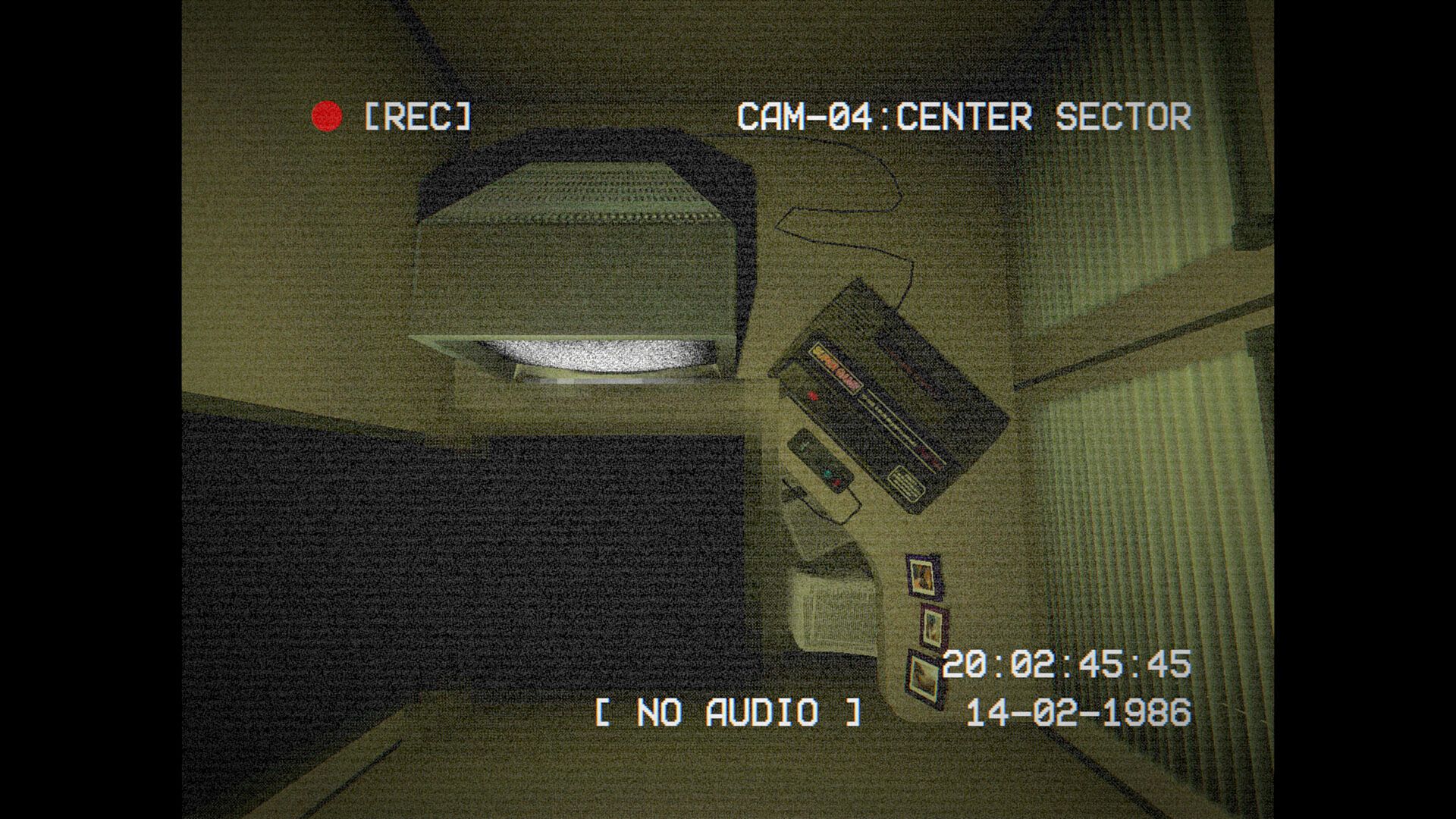
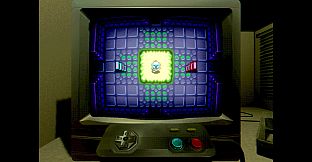
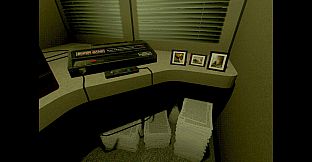

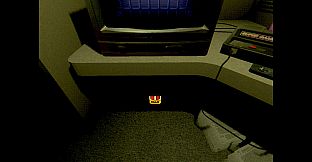

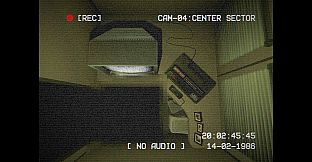
Little Knight's Last Night is an indie simulation adventure game set on PC in which players take on the role of a QA tester working a late-night shift at a game studio in the early 1980s. The experience centers on evaluating test levels from an upcoming title called Little Knight Adventure, distinguishing between routine software glitches confined to the 2D environment and rarer anomalies that blend the 2D and 3D worlds together. Correct identification of these issues drives the entire session, with the goal of completing ten accurate diagnoses in succession before the shift ends.
Gameplay
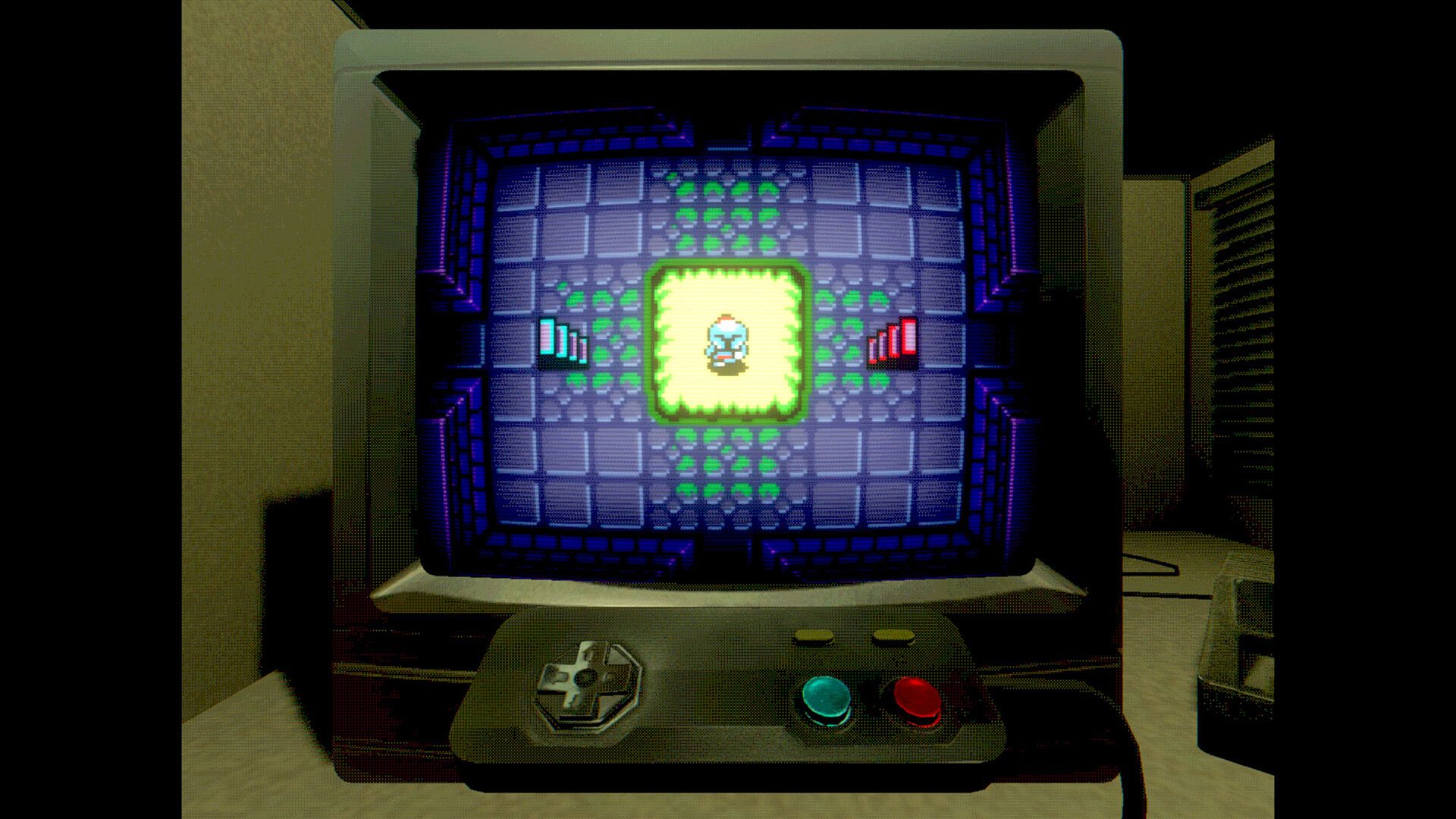
The core loop requires careful observation of each generated level in a special development build of Little Knight Adventure. Players examine the environment for visual or behavioral differences that signal either standard glitches or the more concerning anomalies. Once a determination is made, the choice leads through one of two staircases added to the central hub area. The red staircase on the right corresponds to the presence of an anomaly, while the blue staircase on the left indicates a clean level free of such events. Selecting the correct path advances the session and loads the next test level, while an incorrect choice resets progress toward the required streak of ten successes.
Additional tension comes from the office setting itself. Coworkers remain present during the shift and occasionally stage pranks that can interrupt concentration or alter the immediate surroundings. These interruptions demand that players maintain focus amid the routine of level inspection and decision making. The process repeats until the streak requirement is met or the session concludes, emphasizing precision and sustained attention over extended playtime.
Game Modes
The game operates through a single continuous diagnostic procedure rather than separate named modes. Each cycle involves loading a fresh level, identifying its category through direct observation, and routing through the appropriate staircase to confirm the call. Success builds a consecutive count that must reach ten before the shift completes. The structure keeps every run focused on the same core task of anomaly detection, with the only variation arising from the specific content of each procedurally presented level and occasional coworker interactions.
Setting and Atmosphere
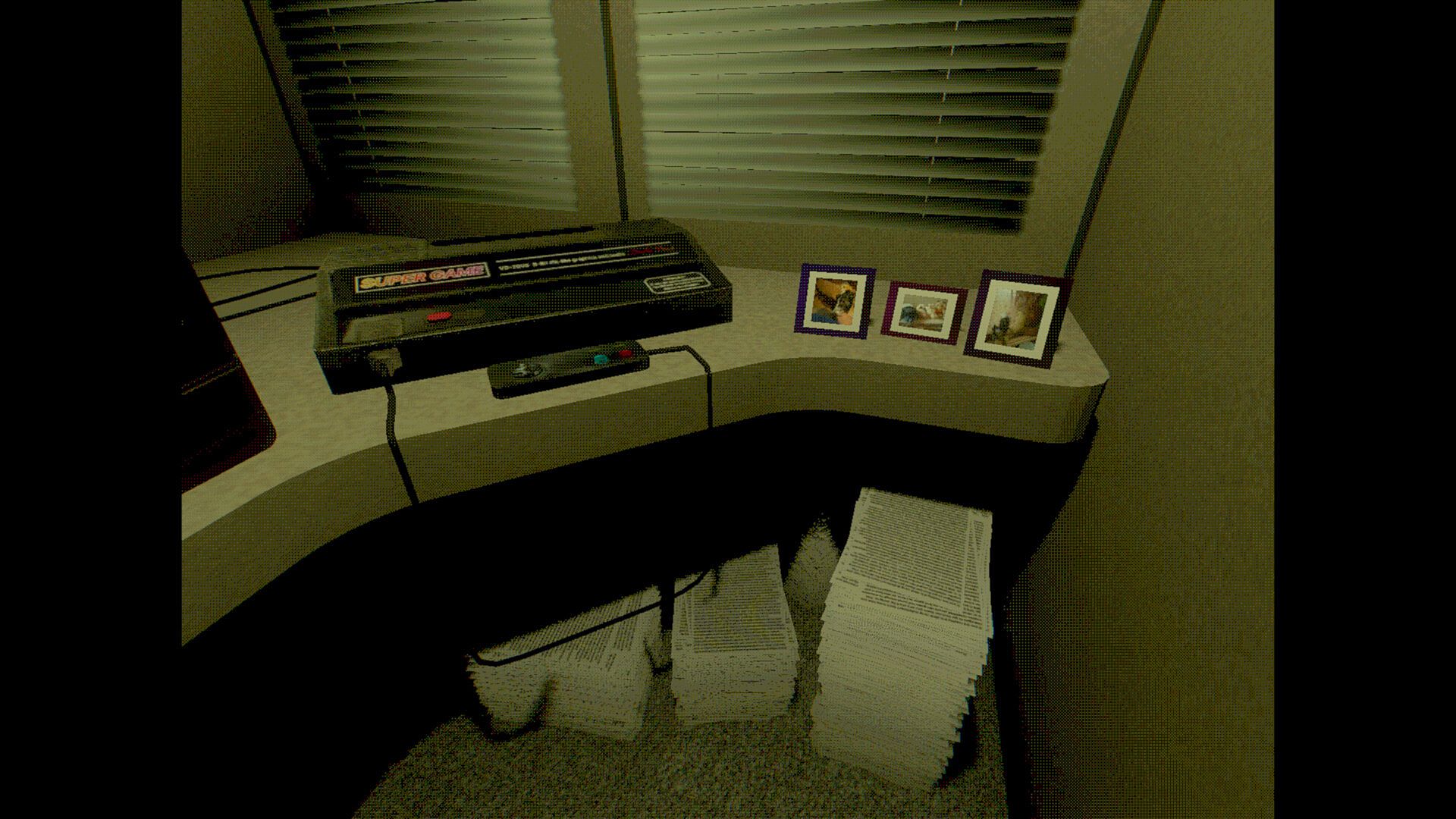
The early 1980s game studio environment establishes a grounded backdrop for the testing work. Fluorescent lighting, period-appropriate office details, and the pressure surrounding a major holiday release title shape the mood. The distinction between ordinary bugs and world-blending anomalies adds a layer of unease, as the higher-ups treat the latter with particular urgency. This combination creates a compact narrative space centered on professional responsibility and the subtle unease of working alone at night with unseen colleagues nearby.
Is It Worth Playing?
Little Knight's Last Night suits players who enjoy short, focused single-player experiences built around observation, pattern recognition, and deliberate decision making. The mechanics reward careful attention to visual and behavioral cues within each test level, while the streak requirement introduces a clear progression goal without requiring long sessions. Because the game remains in a coming-soon state with no released player reviews or additional updates available, its appeal rests entirely on interest in this specific QA-tester premise and the straightforward diagnostic loop described. Those drawn to concise simulation adventures that emphasize mental engagement over action or exploration will find the described systems align directly with that preference.












