

Live on, Until we can't is a turn-based tribal survival rogue-lite that blends strategy and simulation elements on PC. Players guide a tribe through generations by managing limited resources and responding to events that shape its long-term survival. The core loop centers on assigning tribe members to tasks before each turn advances, balancing food, water, materials, and herbs while preparing for an uncertain future.
Gameplay
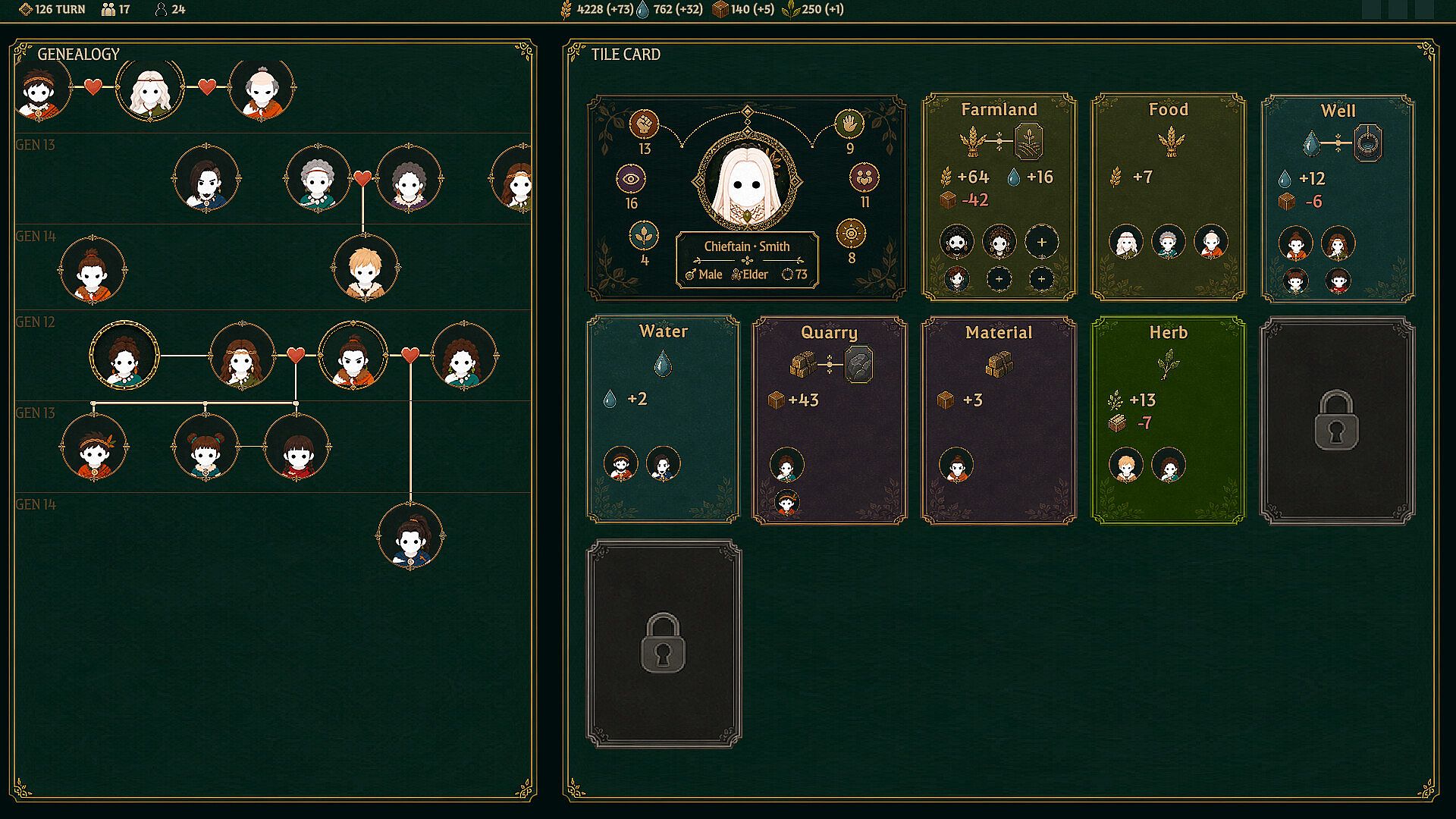
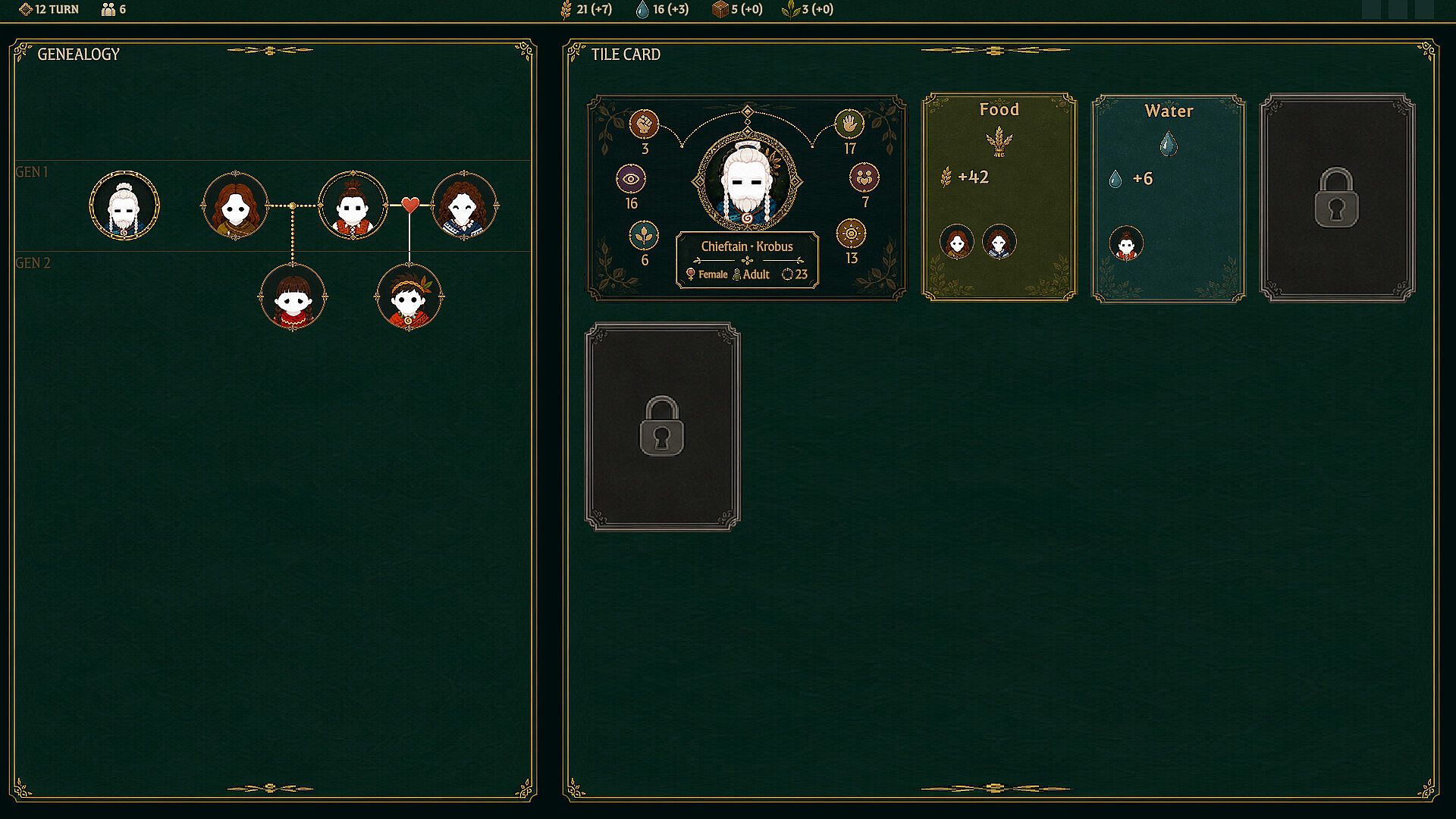
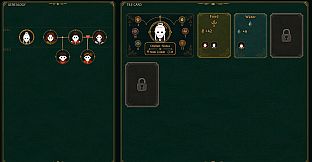
The gameplay revolves around placing each tribe member into buildings or roles that support the group's needs. Assignments determine what the tribe produces or consumes in the coming turn, and even small shifts in personnel can alter outcomes significantly. Players match individual strengths to required tasks, such as gathering resources or instructing the young, while monitoring production levels to sustain growth.
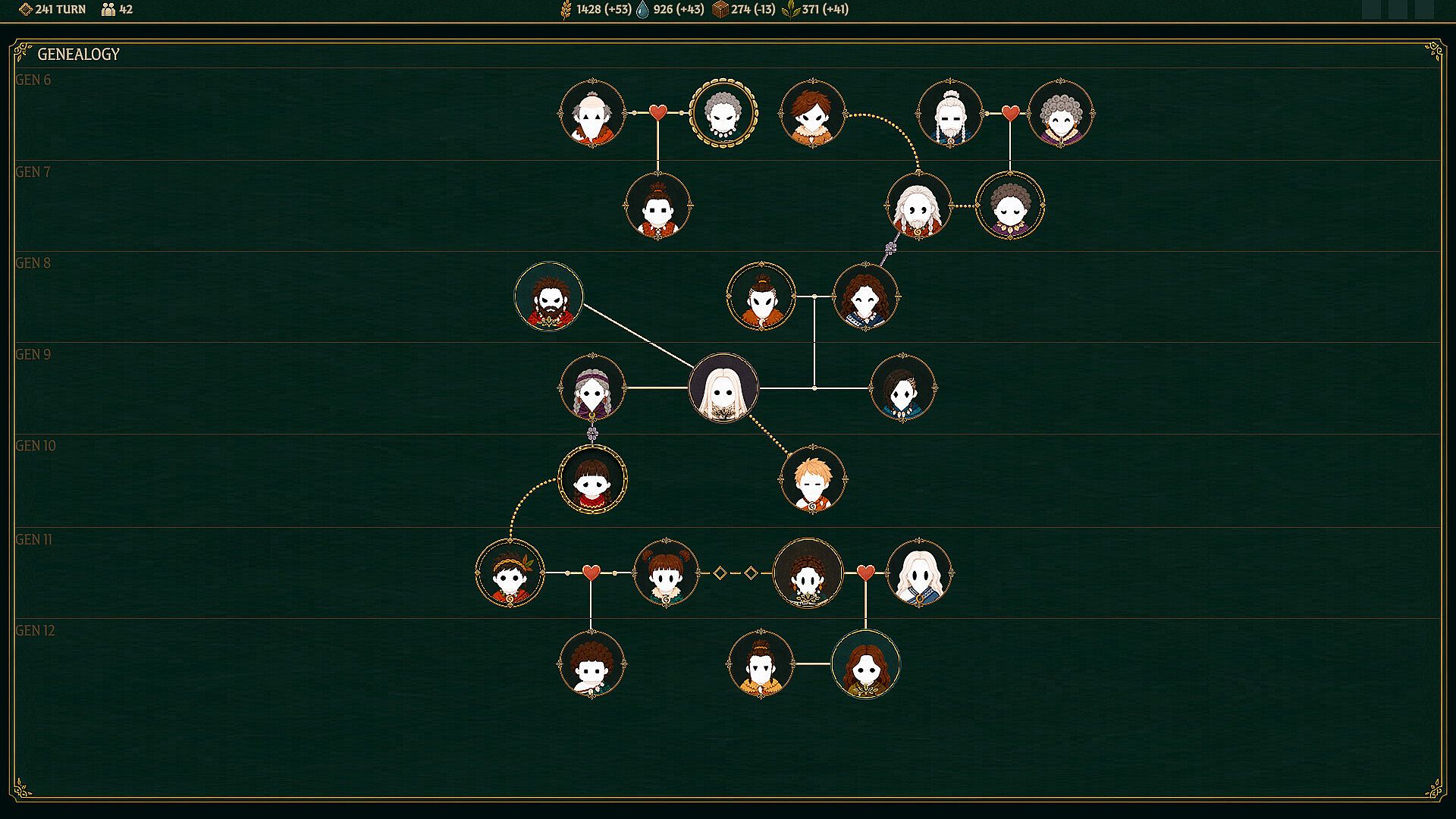
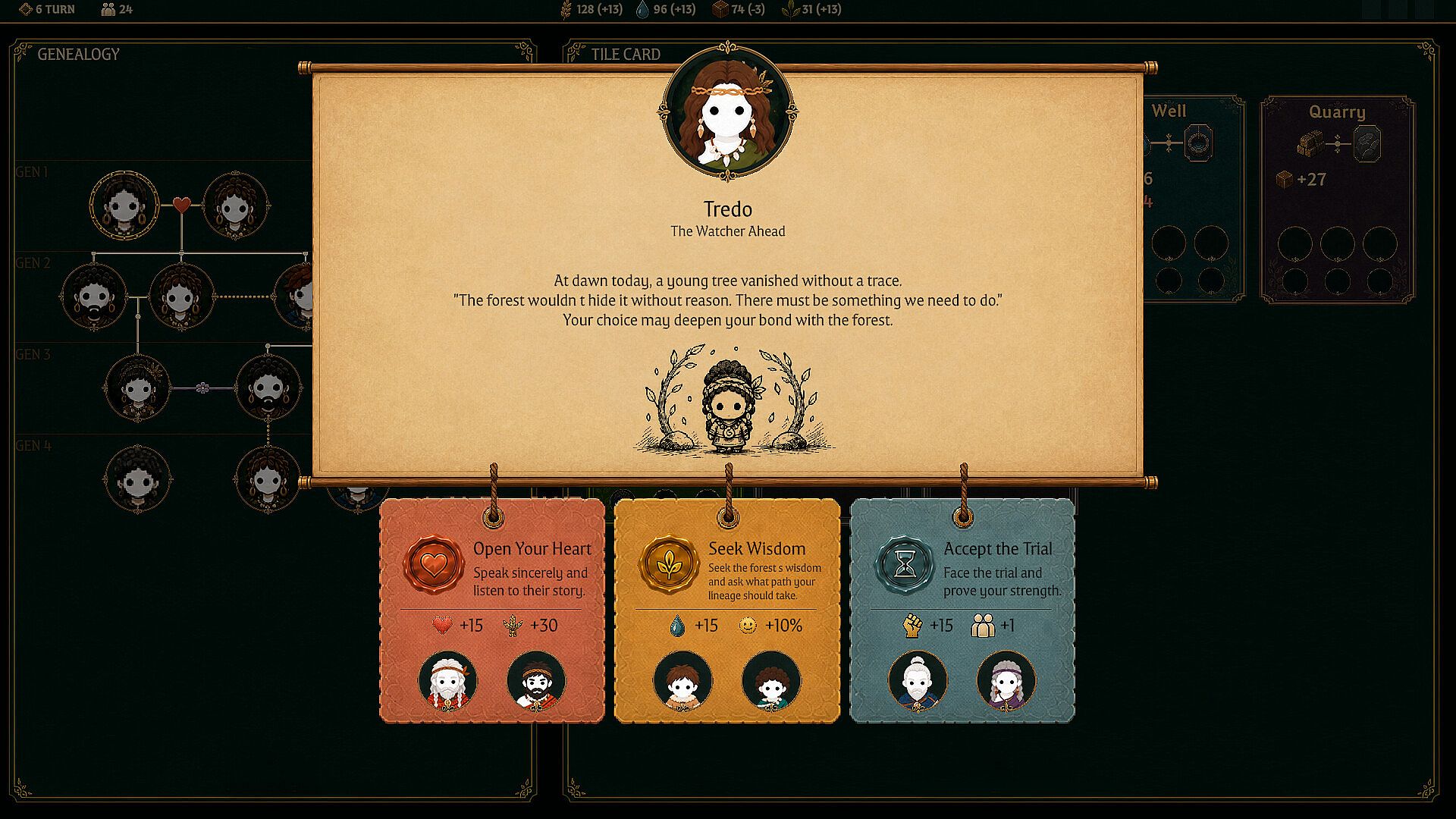
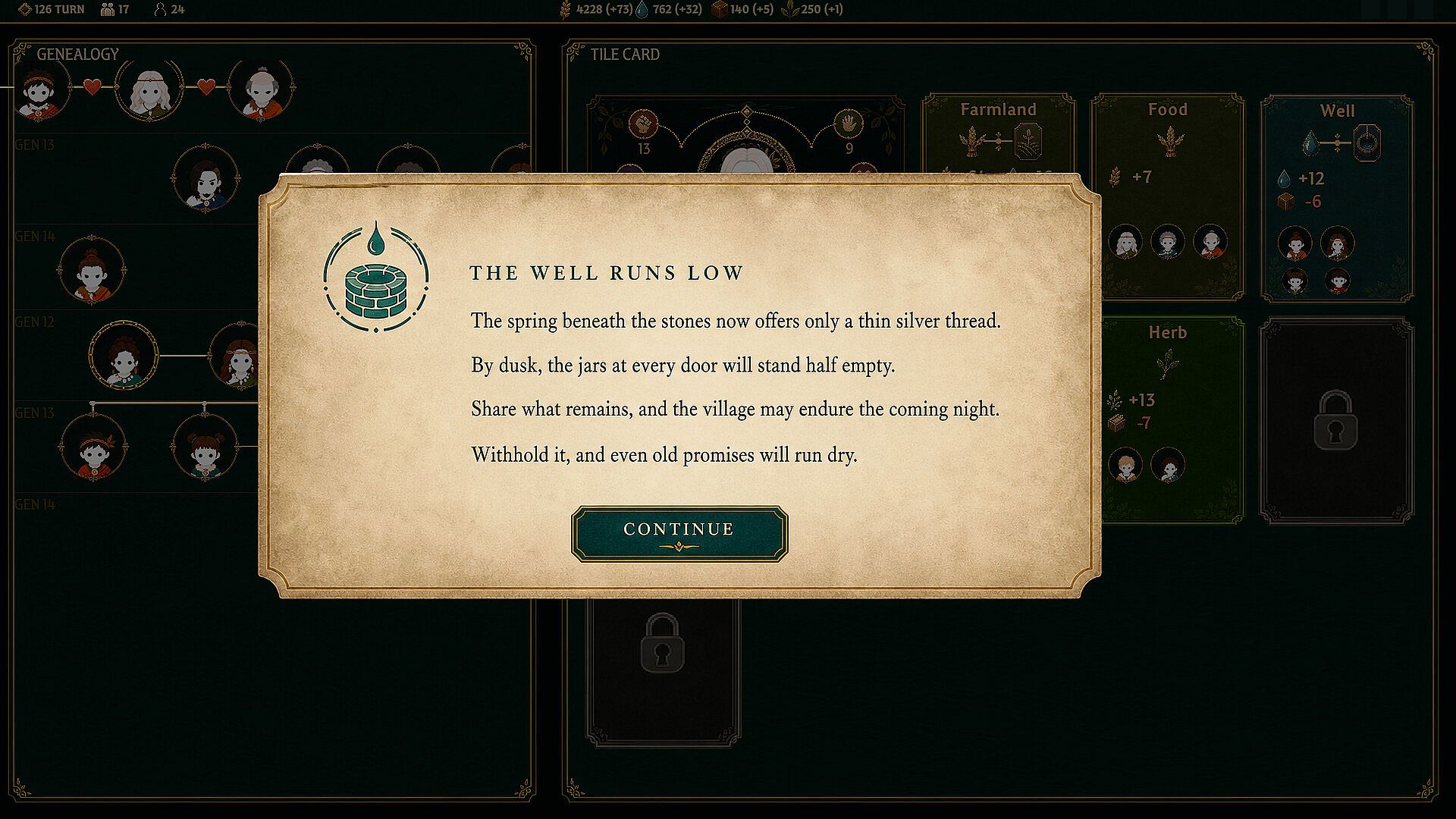
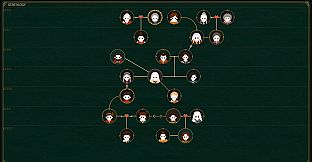
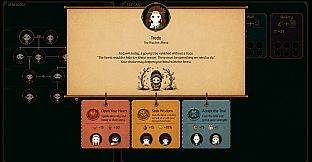
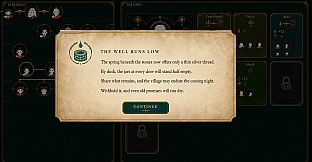
Unexpected events interrupt the routine and force decisions that affect the tribe's trajectory. These range from injuries and illnesses to harvests, marriages, births, and deaths. The system presents relevant people and options, allowing choices that balance risk against security. For instance, a player might accept a marriage to strengthen bloodlines or allocate herbs during a crisis rather than saving them. Traits pass to new generations, and personal feats become part of the tribe's shared history recorded in its chronicle.
Expansion requires careful planning because more members increase both opportunities and demands. Buildings provide space for work and learning, yet limited resources can quickly strain the group if production falters. The rogue-lite structure means each attempt carries forward lessons through inherited traits and recorded names, even as the tribe itself faces permanent loss when resources run out.
Game Modes
The experience unfolds as a continuous single-player campaign focused on one tribe's endurance across seasons and generations. No separate competitive or cooperative modes appear in the design. Instead, the game emphasizes procedural variation through events that adapt to the tribe's current state and the lives of its members. Each playthrough builds a unique chronicle of choices, successes, and failures that persists even after a tribe ends.
Progression occurs through repeated turns where assignments and responses accumulate into longer-term consequences. The absence of distinct modes keeps attention on the core survival loop, where every decision influences the next generation's starting conditions and the overall length of the tribe's story.
Core Mechanics and Progression
Resource management forms the foundation, with food, water, materials, and herbs tracked across turns. Players decide how to allocate labor to maintain balance while expanding infrastructure. New buildings open additional roles, supporting larger populations and specialized activities like teaching or crafting.
Succession and inheritance add depth to long-term strategy. When elders pass, their acquired skills disappear, but names endure in the chronicle and traits carry forward. Choosing the next chief from available candidates with differing strengths becomes a pivotal moment that steers the tribe's direction. Apprenticeships and schooling for adolescents further shape future capabilities.
The chronicle serves as a persistent record of the tribe's journey. It captures seasons survived, generations raised, and names preserved, providing context for each new attempt even when a particular lineage ends.
Is It Worth Playing?
Live on, Until we can't suits players who enjoy deliberate, turn-based strategy with simulation depth and roguelite replayability. Its focus on generational decision-making and resource balancing rewards careful planning and adaptability. Those drawn to indie titles that emphasize narrative emergence through mechanics rather than scripted stories will find the tribe's evolving chronicle engaging. The game runs on PC and presents a self-contained experience centered on survival endurance without additional modes or external requirements. If the described loop of assignments, events, and inheritance aligns with your preferences for thoughtful strategy, it offers a distinctive approach worth exploring.