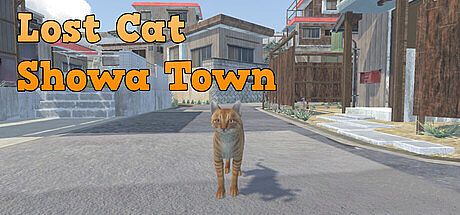


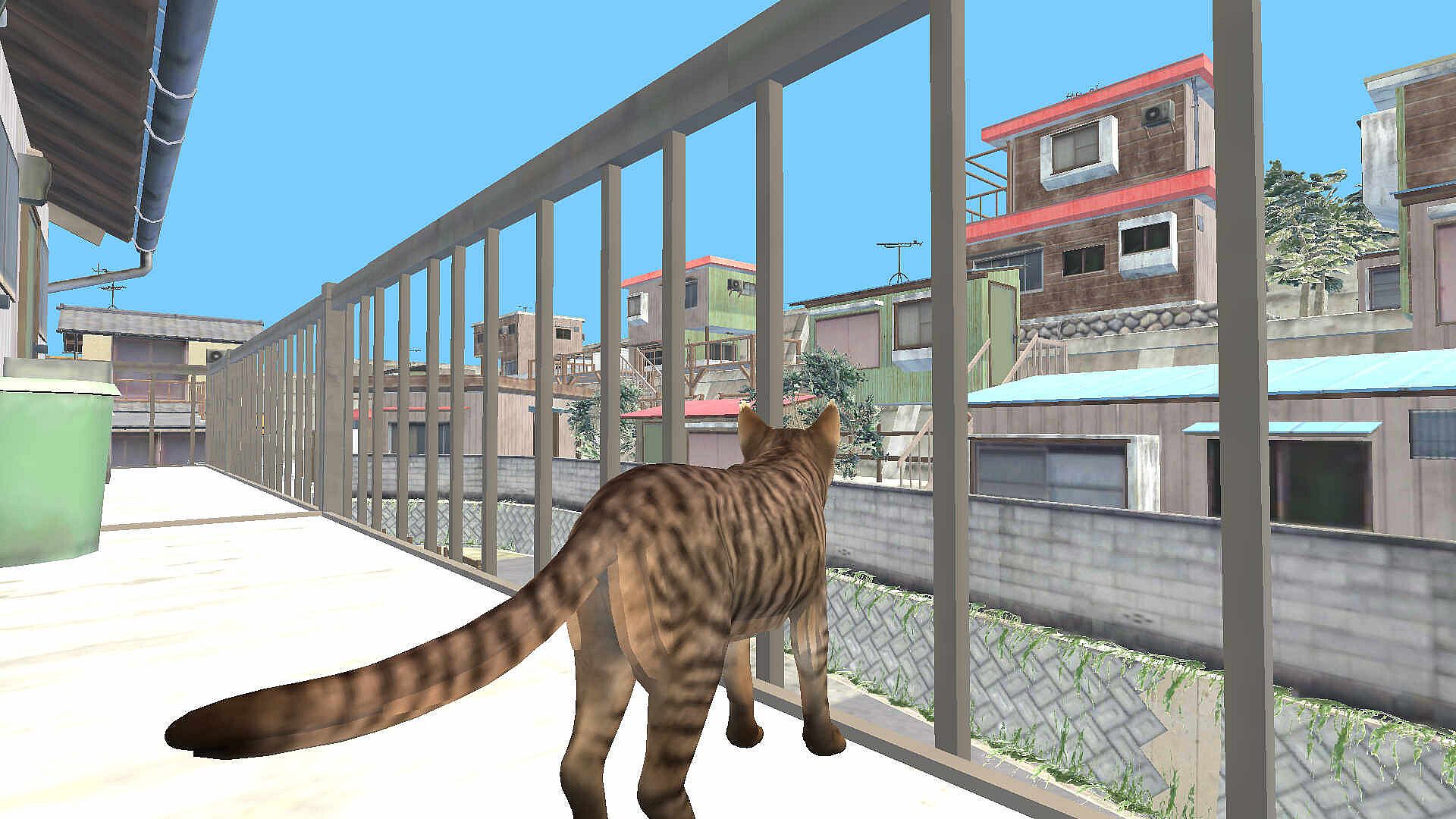
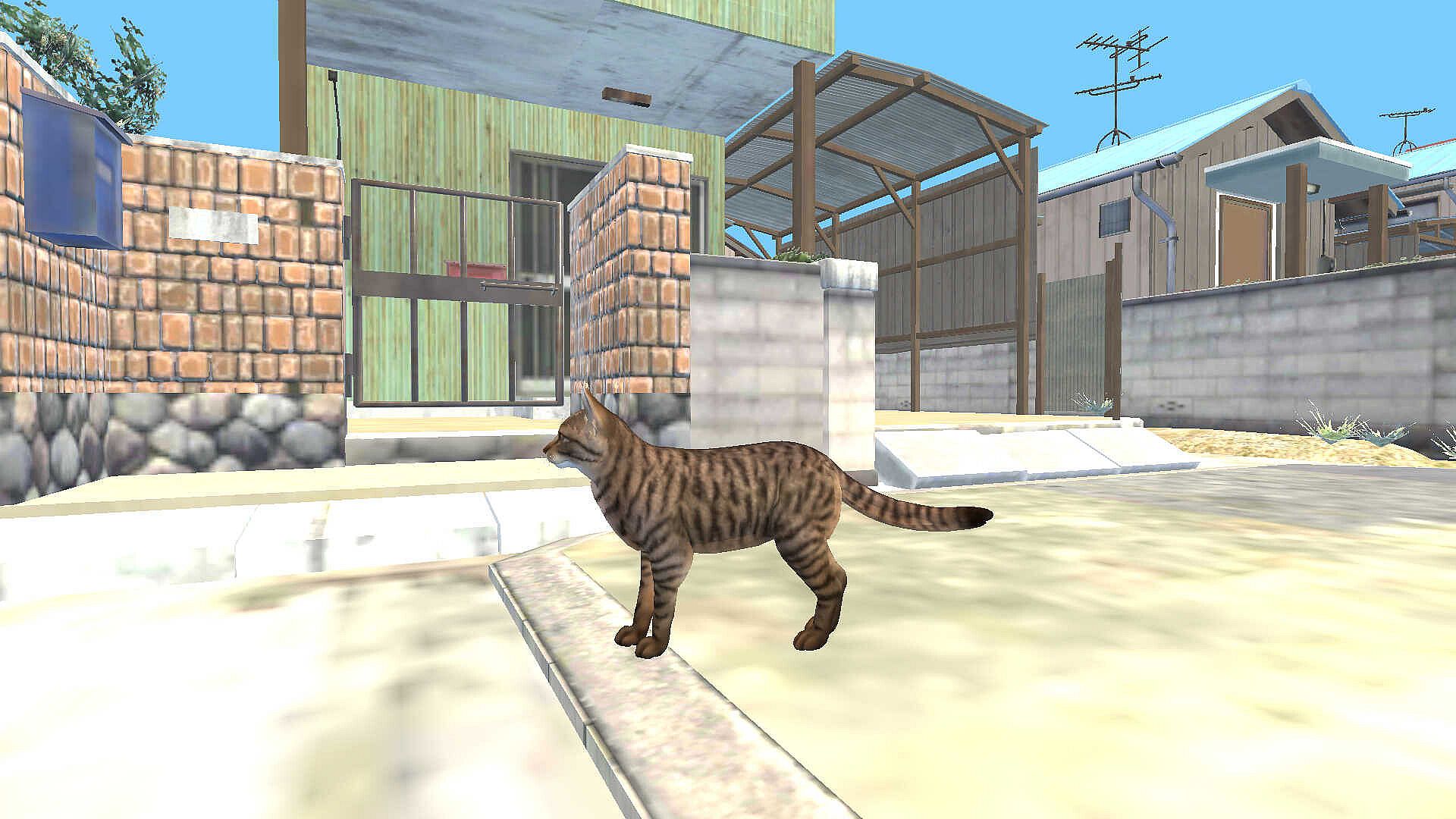
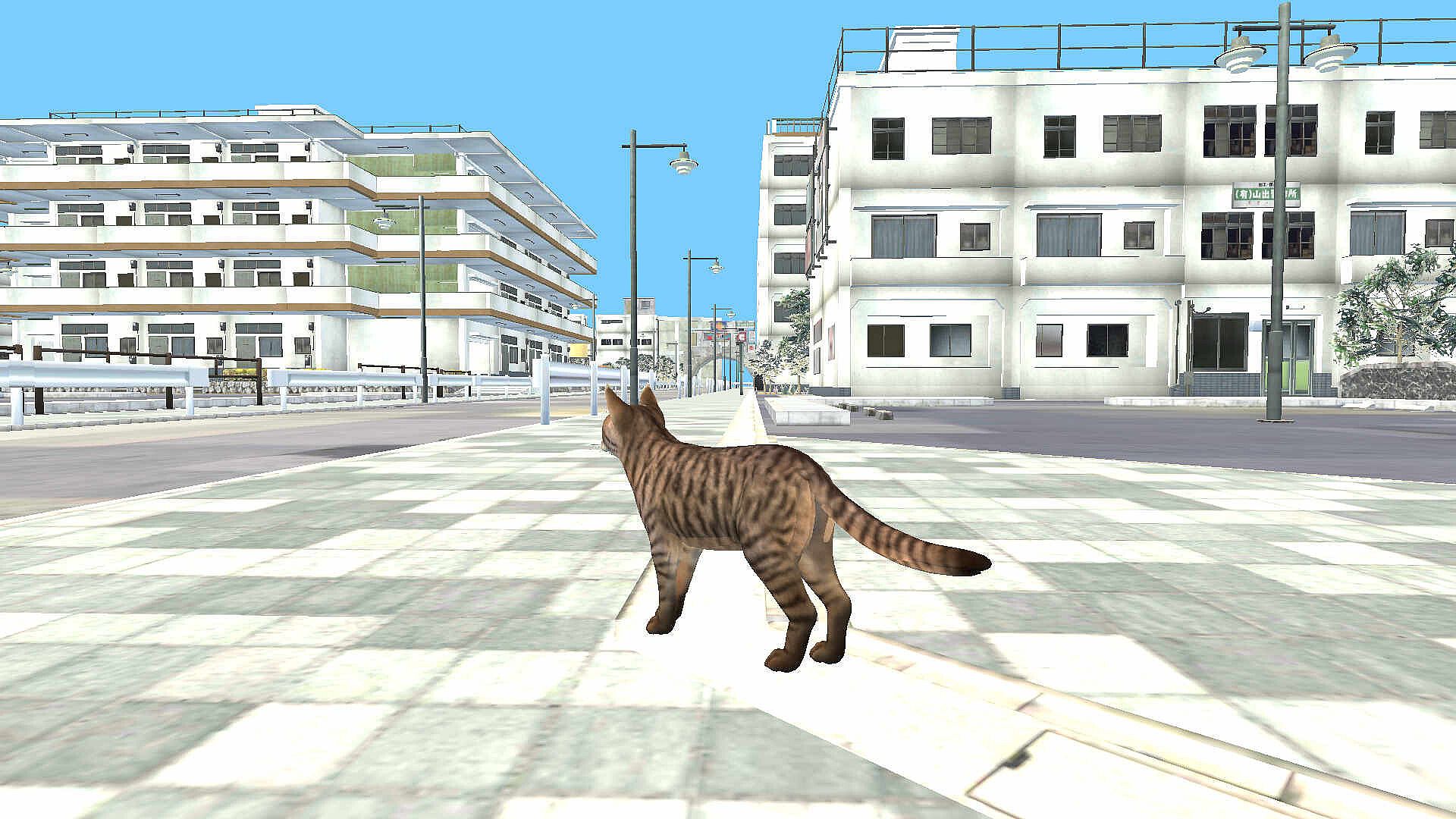
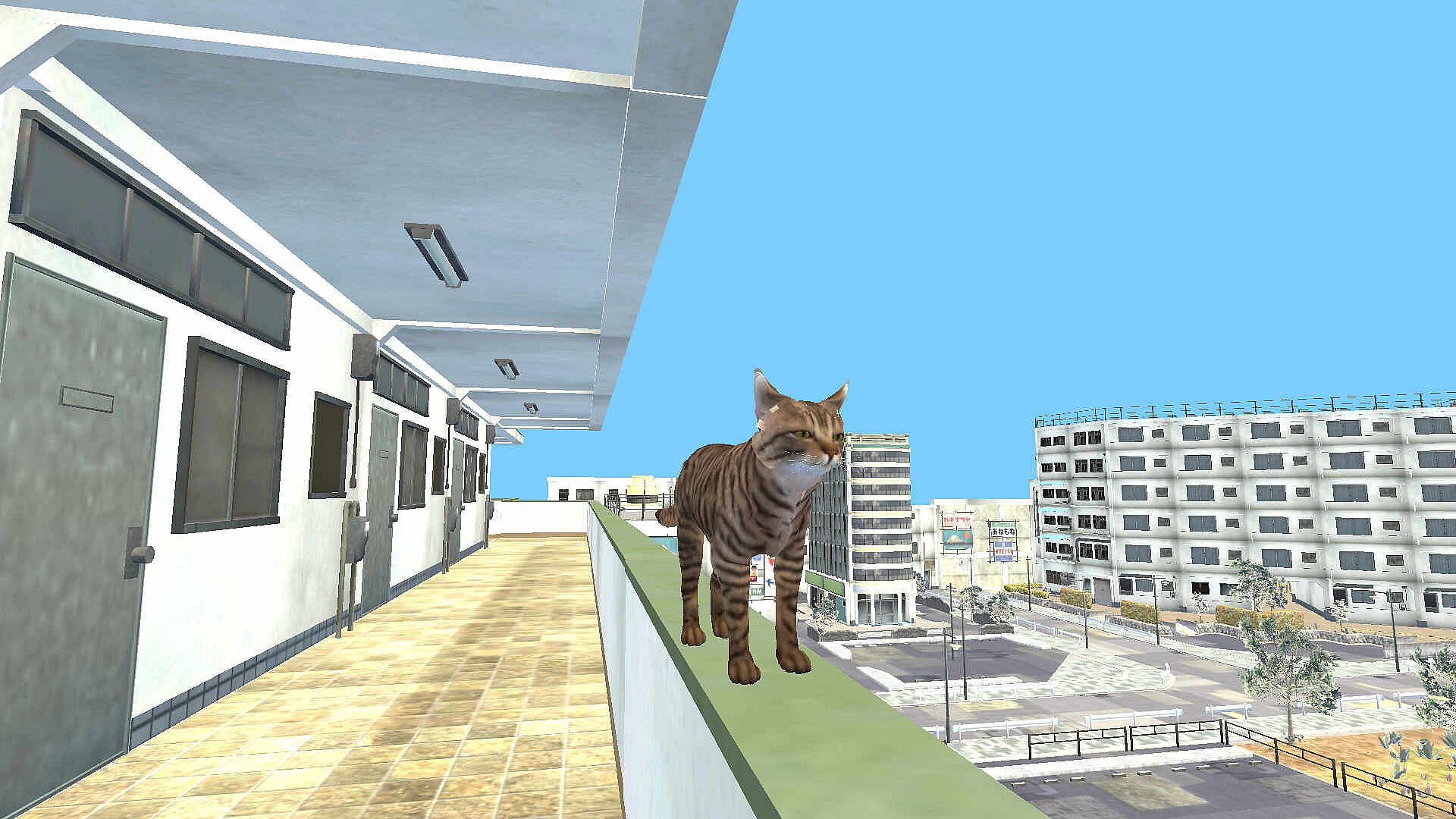
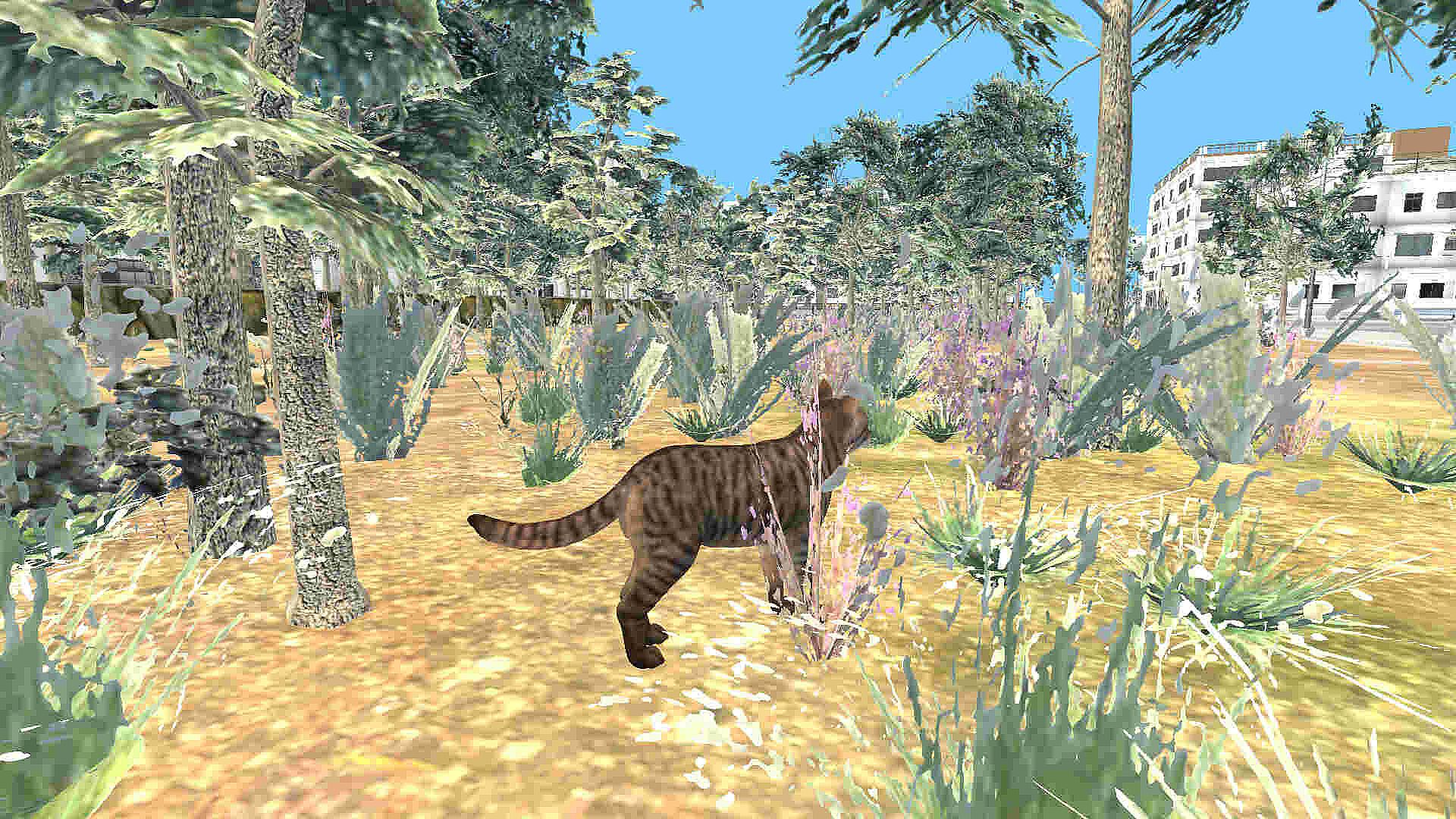
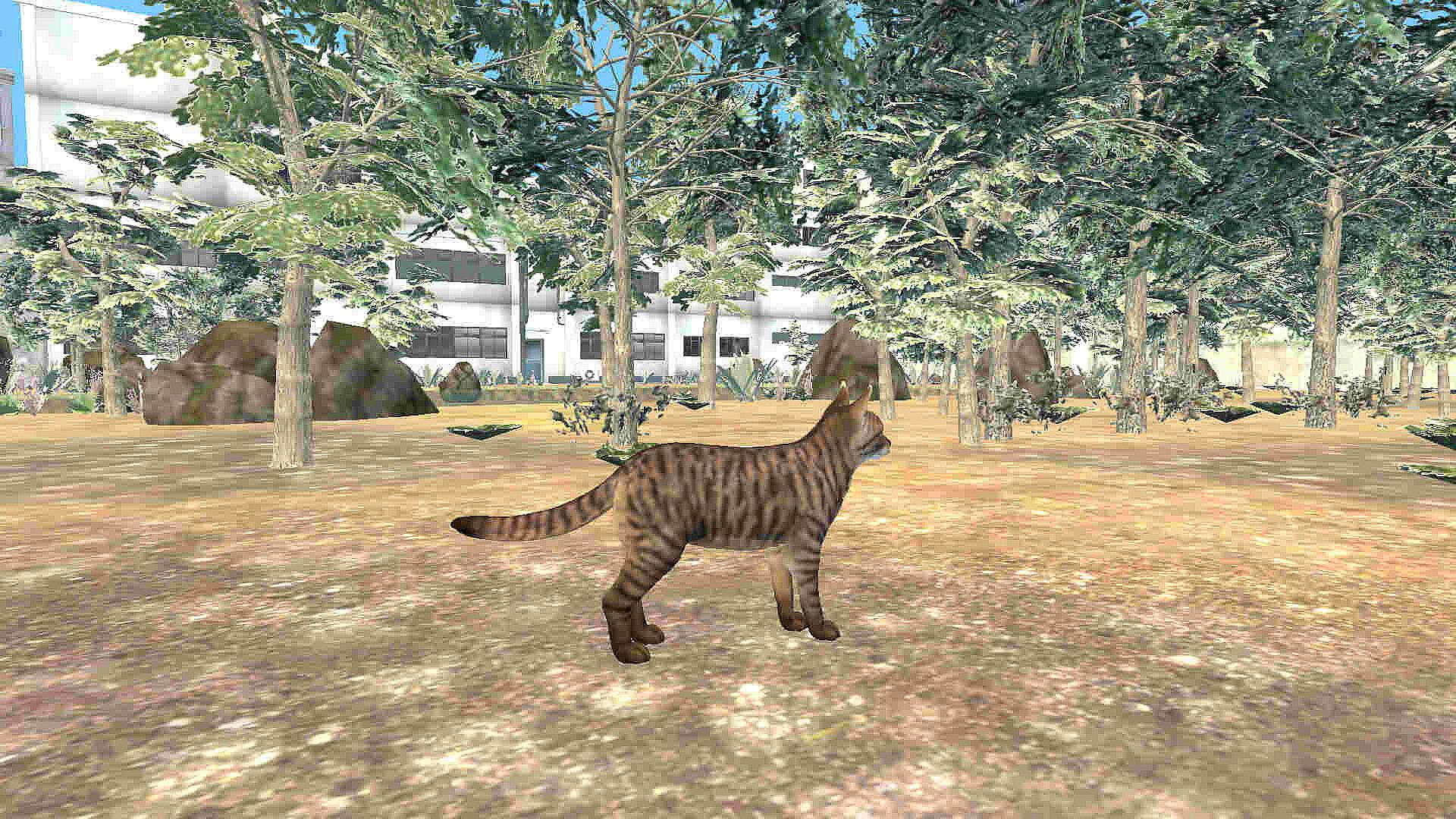
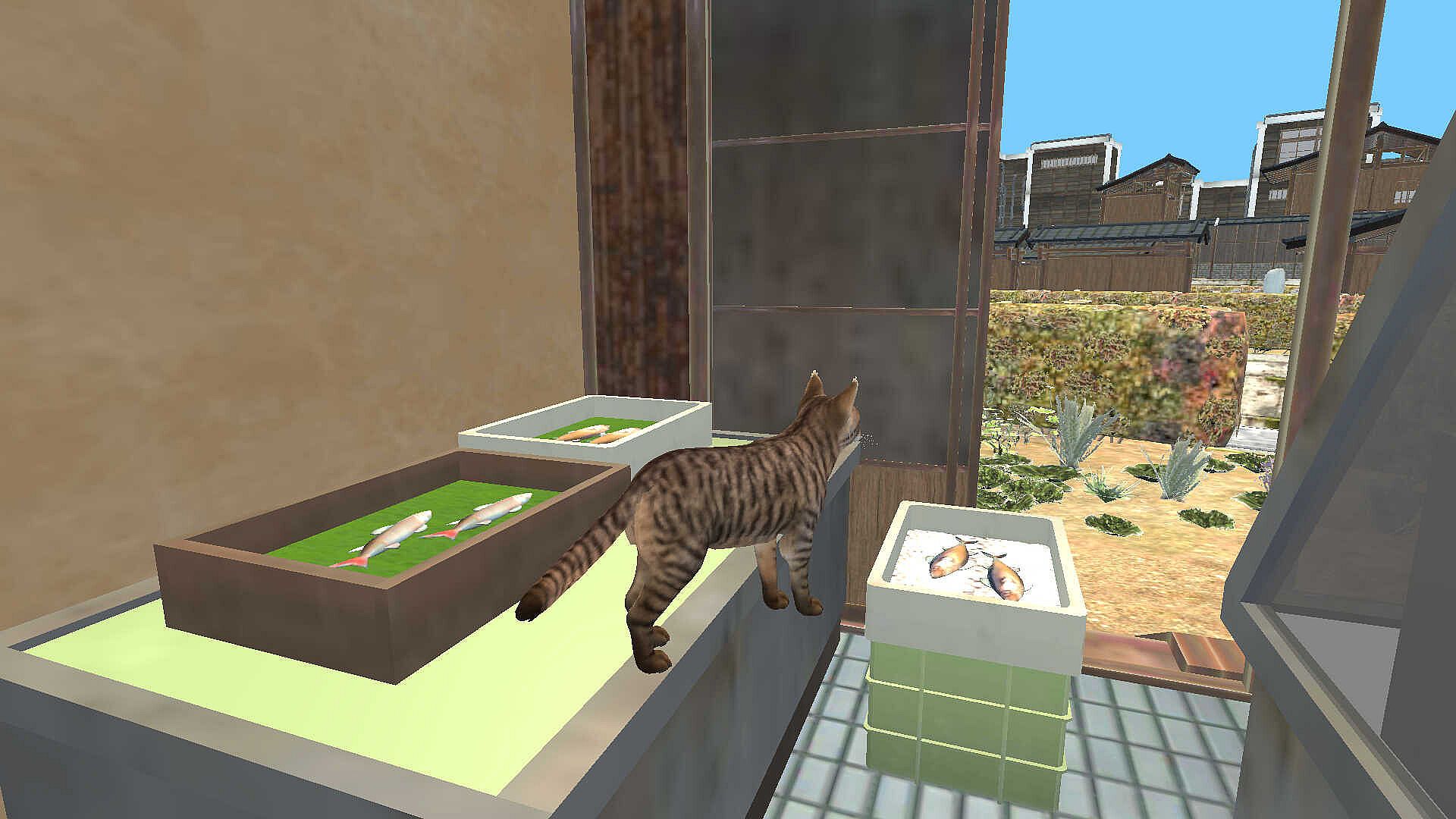
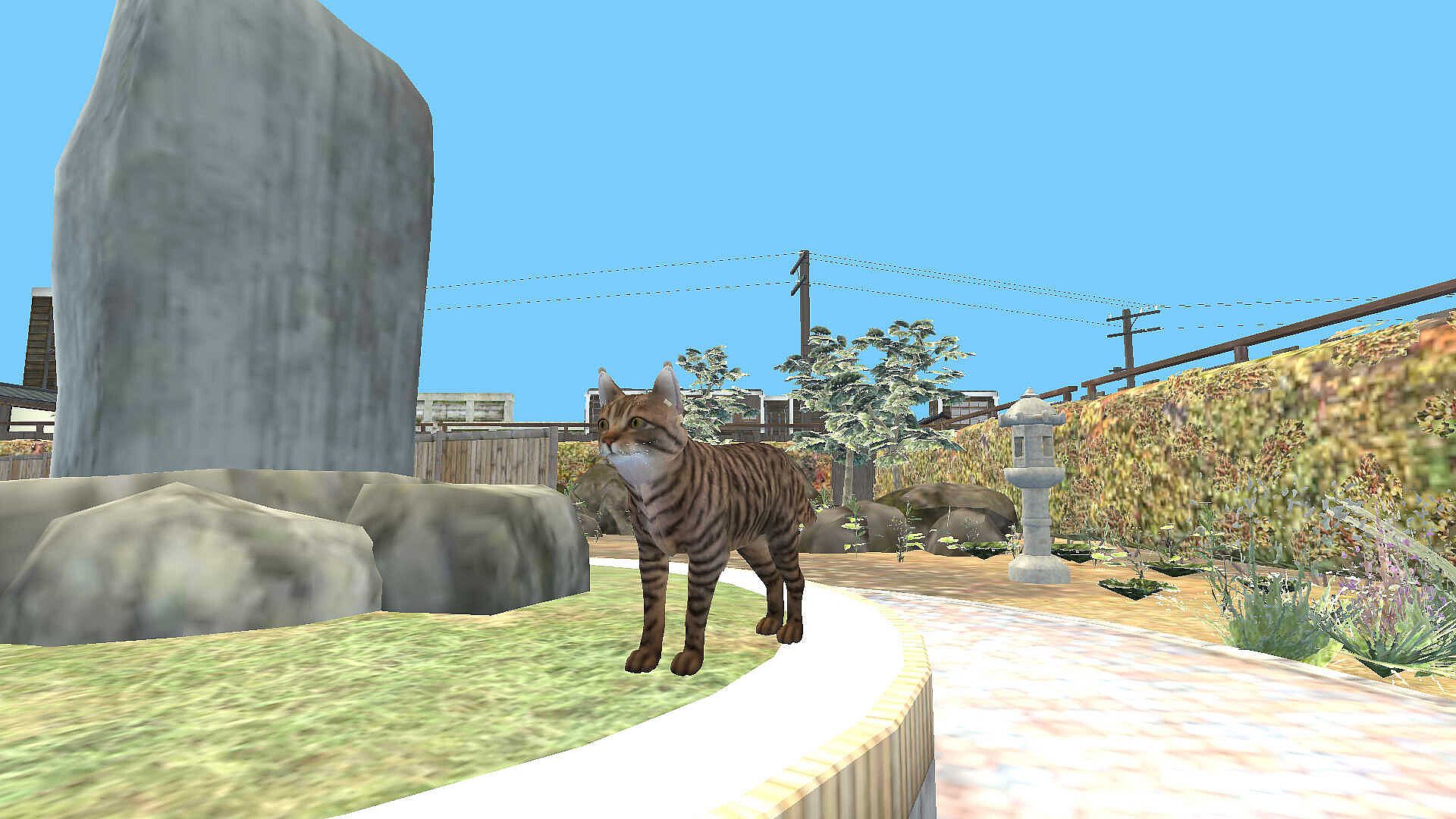
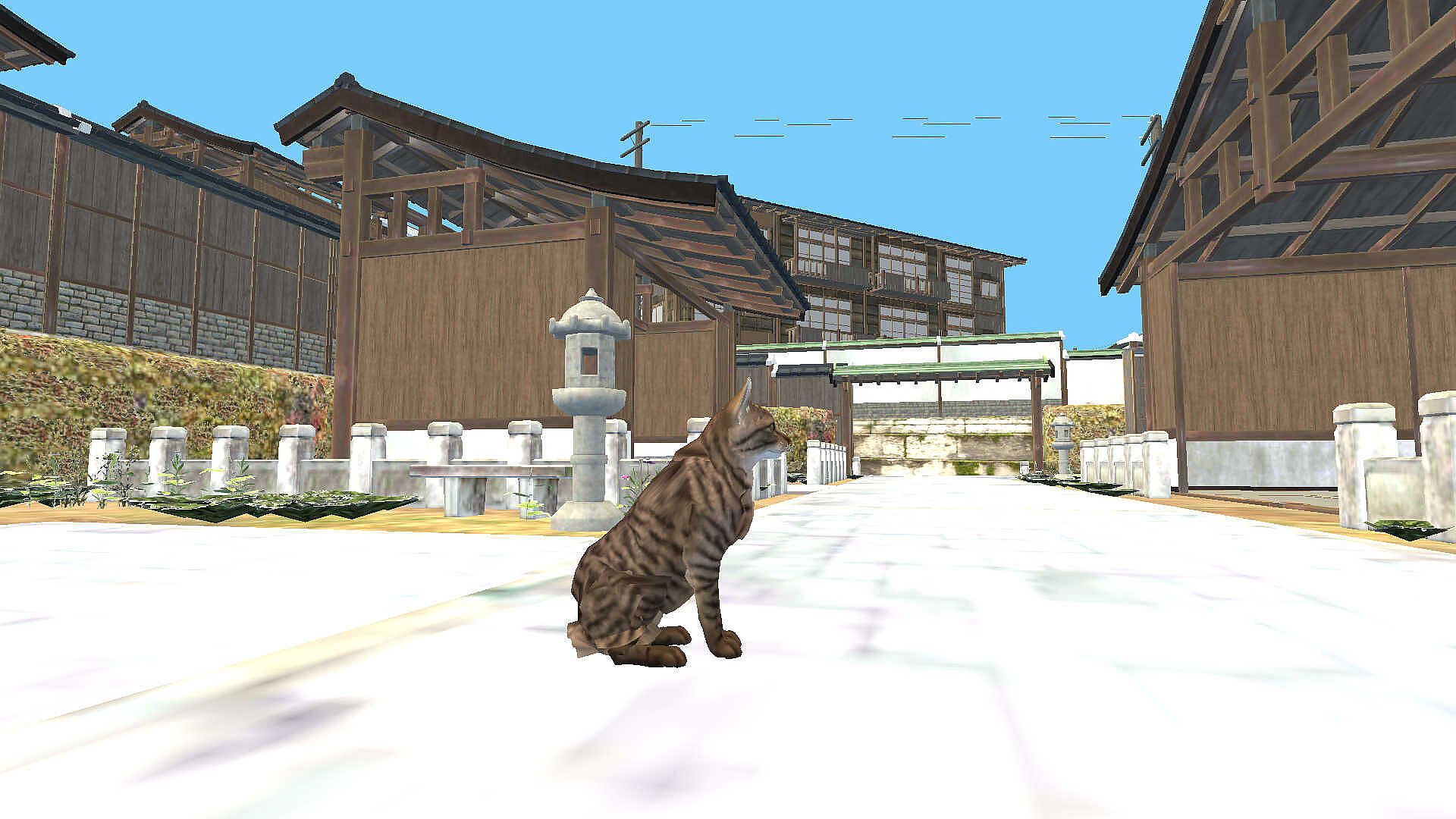
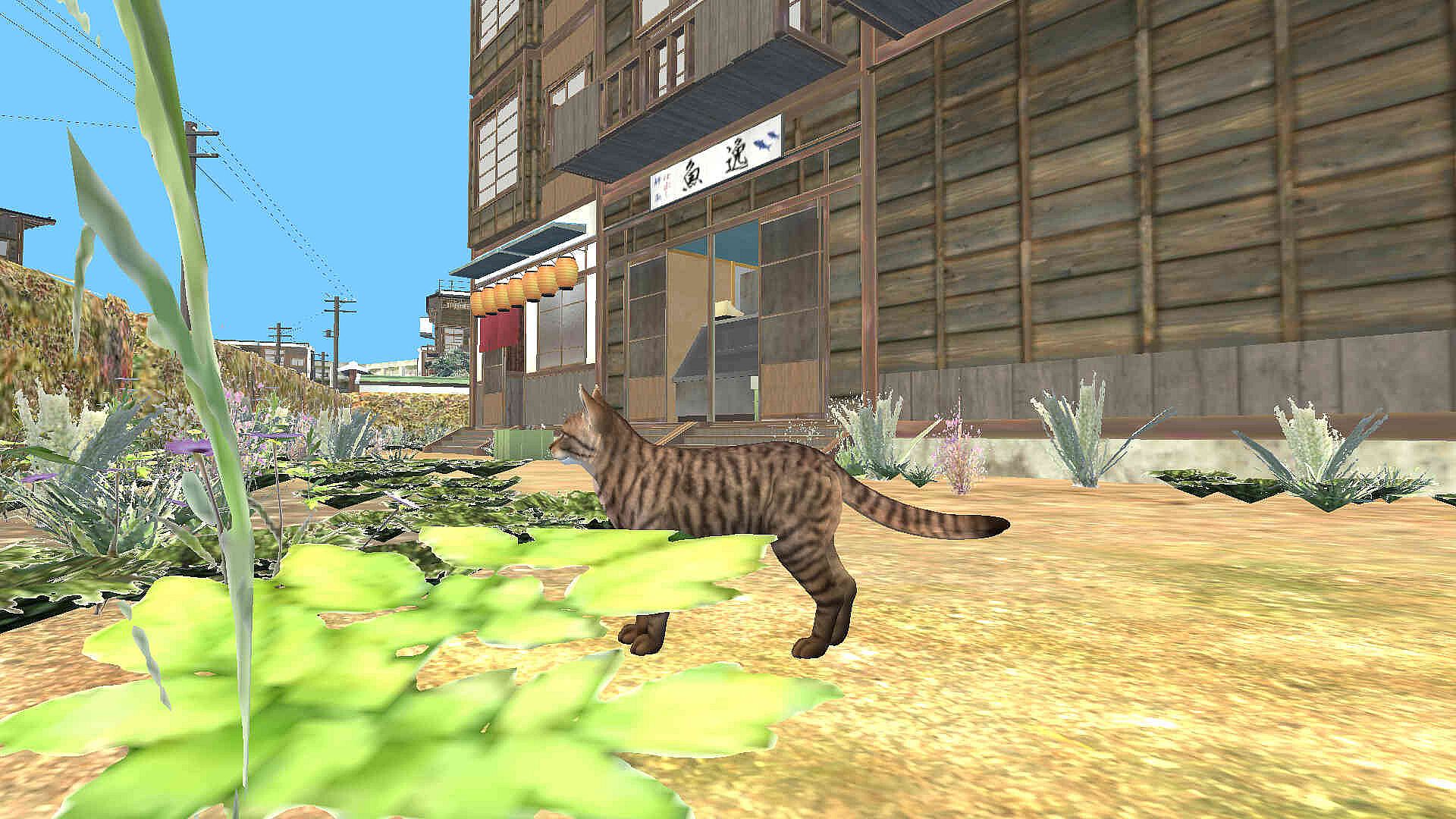
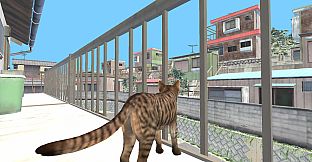
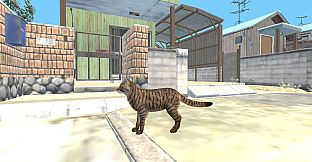
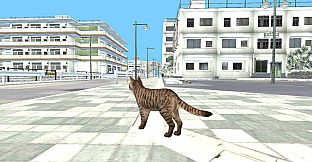
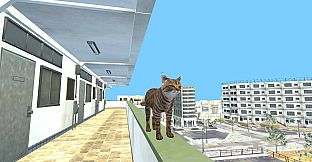
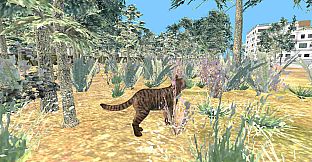
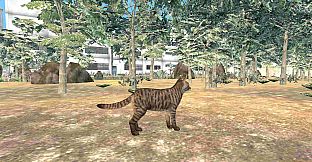
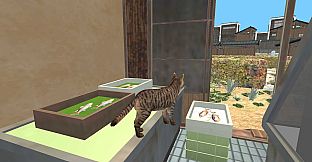
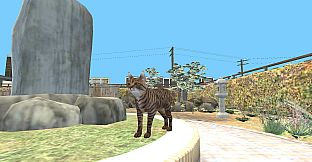
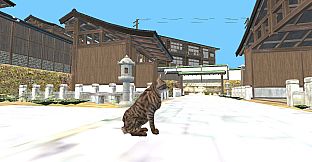
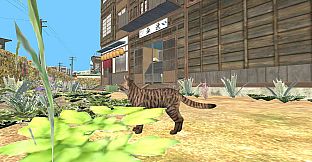
Lost Cat Showa Town is an indie adventure game set in a nostalgic Japanese town inspired by the Showa era. Players control a cat and move freely through narrow alleys, old houses, shops, rooftops, and hidden corners that humans overlook. The experience emphasizes unhurried movement and discovery from a feline viewpoint, where climbing high surfaces and slipping through tight gaps opens new paths across the environment.
Gameplay
Core movement revolves around the cat's natural abilities to navigate vertical spaces and confined areas. Players wander residential streets, climb onto rooftops for different vantage points, and enter backyards or interior spaces that remain inaccessible to larger characters. Food items scattered throughout the town provide moments of interaction, while various resting spots such as cat beds offer places to pause and observe surroundings.
Other cats appear in the environment and can be approached for light interactions. The town layout mixes quiet neighborhoods with commercial areas filled with period-appropriate details like traditional shops and narrow passages. Exploration follows player curiosity rather than timers or required paths, allowing repeated visits to the same locations to notice new details from altered angles or heights.
Additional actions include locating comfortable spots for rest and sampling different foods found in local settings. The overall loop centers on steady movement combined with brief pauses to examine the surroundings or engage with the feline inhabitants.
Game Modes
The game presents a single-player experience built around open exploration without separate competitive or mission-based structures. Players direct their own sessions by choosing routes through the town and deciding when to focus on movement, rest, or interactions with other cats. No structured objectives dictate progress, so each play session adapts to individual preferences for pacing and focus areas.
This approach keeps the emphasis on atmosphere and personal discovery across the fixed town layout. Sessions can range from short walks through familiar alleys to longer periods spent investigating rooftops and hidden corners.
The Showa-Era Town Environment
Visual and spatial design draws from mid-20th century Japanese urban life, featuring wooden houses, narrow streets, and everyday locations such as izakaya and residential blocks. The cat perspective highlights details like elevated perches and ground-level passages that change how spaces feel during navigation. Backyards and shop interiors add variety to routes, while rooftops provide connecting paths between districts.
Atmospheric elements remain consistent with the era's aesthetic, supporting relaxed observation of the setting. Players encounter the same areas multiple times from new positions, revealing layers of the environment that reward repeated visits without altering the core layout.
Interacting with Other Cats and Daily Life
Feline encounters form a recurring part of time spent in the town. Approaching other cats leads to simple exchanges that fit the lighthearted tone. Food search adds another layer, with items appearing in different spots that encourage checking multiple locations during a single outing.
Resting mechanics allow the cat to settle in beds or similar spots, creating natural breaks in movement. These elements combine to simulate a low-pressure daily routine viewed through the cat's eyes, where eating, resting, and brief social moments occur alongside free roaming.
Is It Worth Playing?
Players who enjoy calm, curiosity-driven exploration in detailed single-player environments will find the core loop matches that preference. The absence of time pressure or complex systems makes it suitable for short or extended sessions focused on atmosphere and movement. Availability on PC supports easy access for those interested in indie adventures centered on animal perspectives and nostalgic settings. Those seeking fast-paced action or narrative-driven progression may prefer titles with more structured goals, while fans of relaxed town navigation and feline interactions have a clear match in this experience.