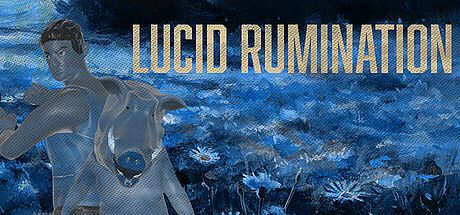


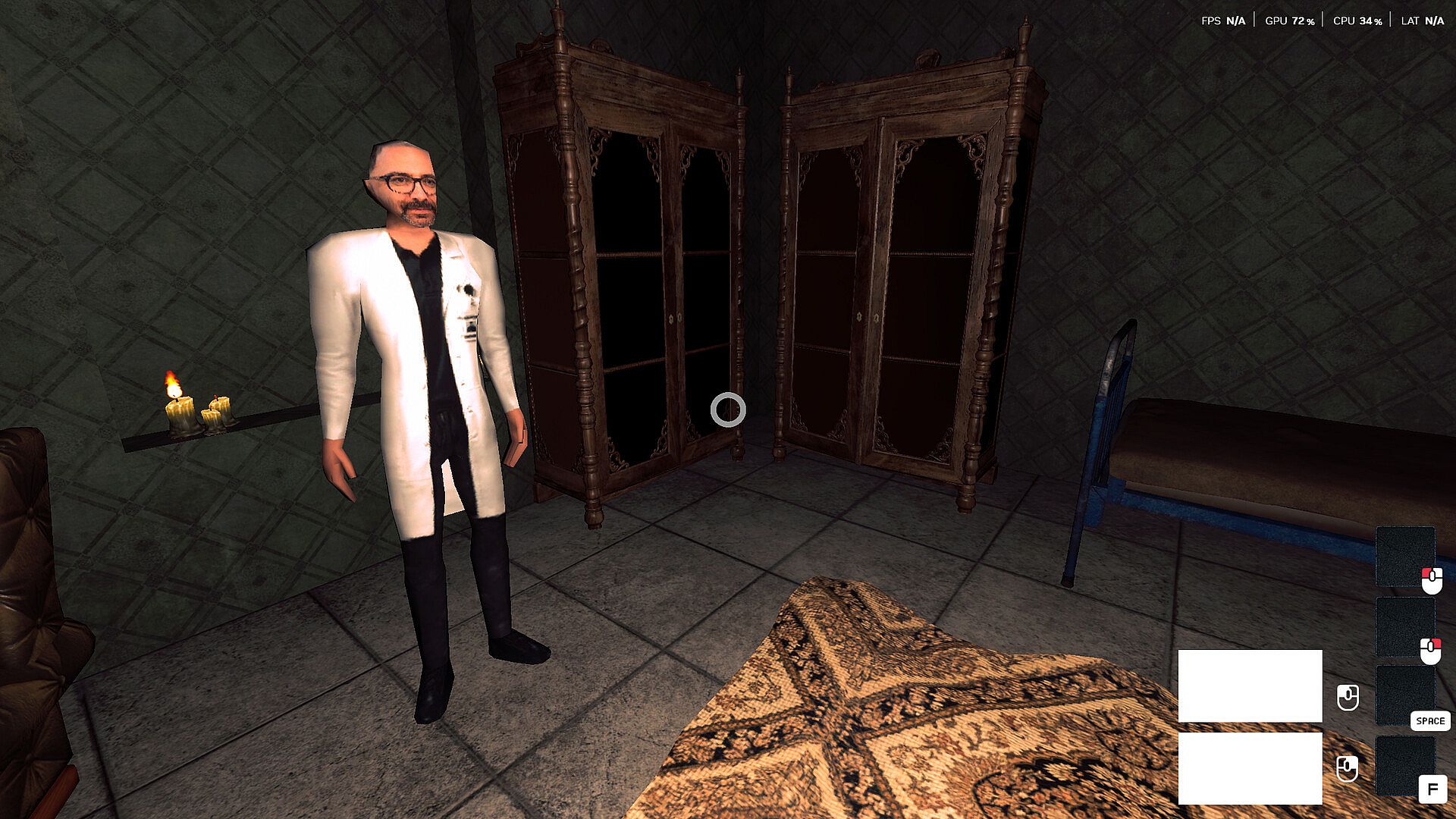
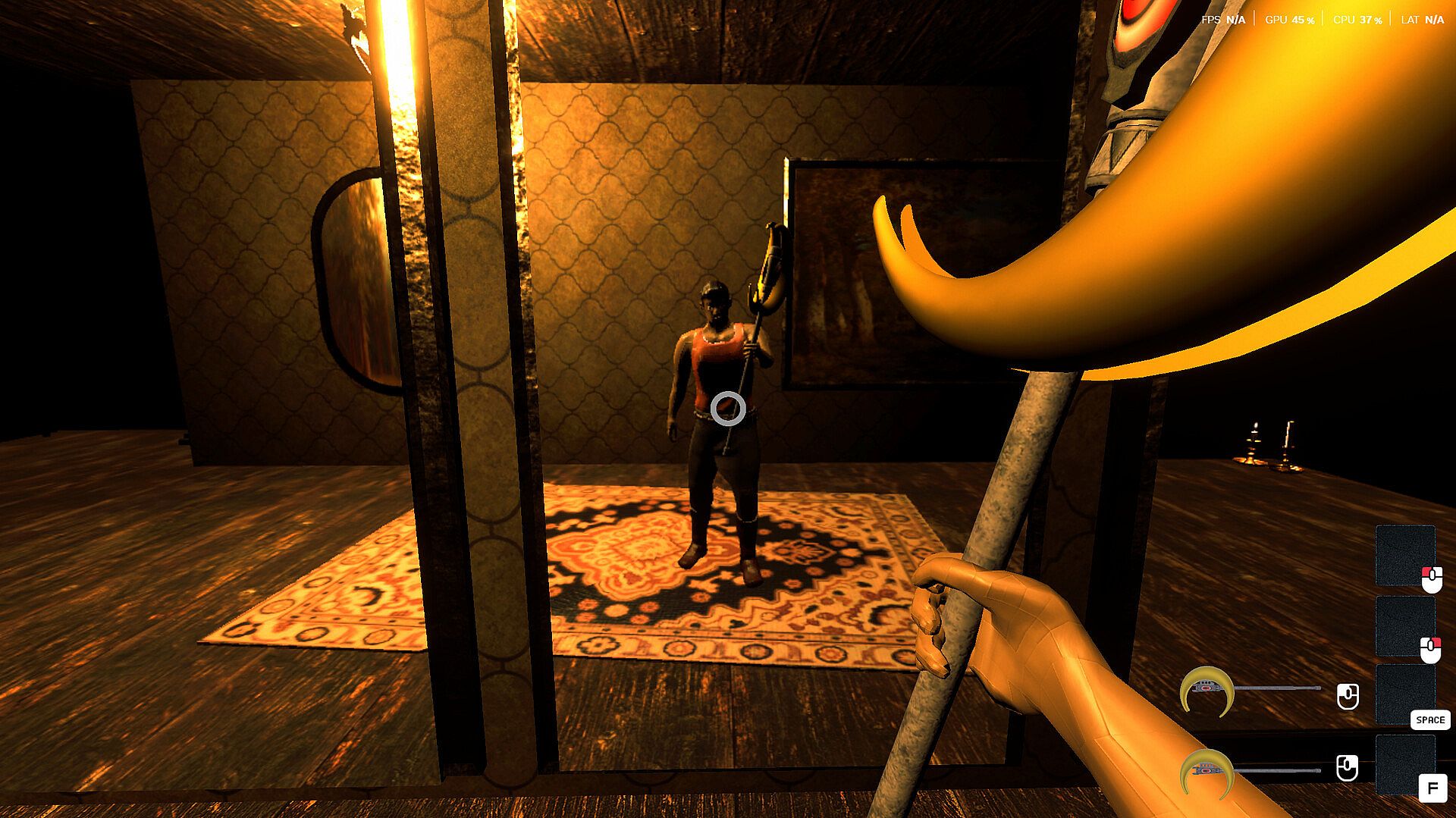
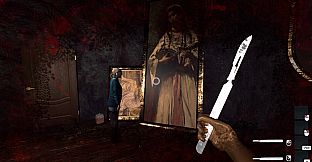
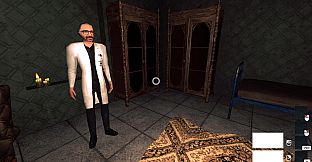
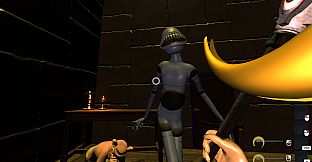
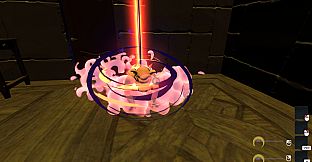
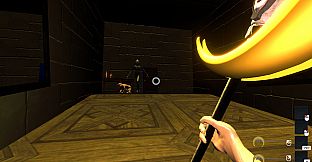
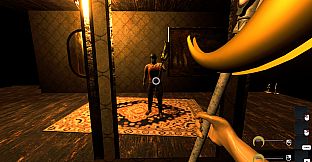
Lucid Rumination is a first-person action roguelite that blends elements of action and RPG gameplay on PC. Players step into the role of Miki, whose mind has been pulled into an experimental reconstruction of his subconscious following a serious accident. The experience unfolds as a single-player journey through surreal environments drawn from memories, fears, and relationships, where combat and exploration serve as tools to piece together the events that led to his coma.
Gameplay
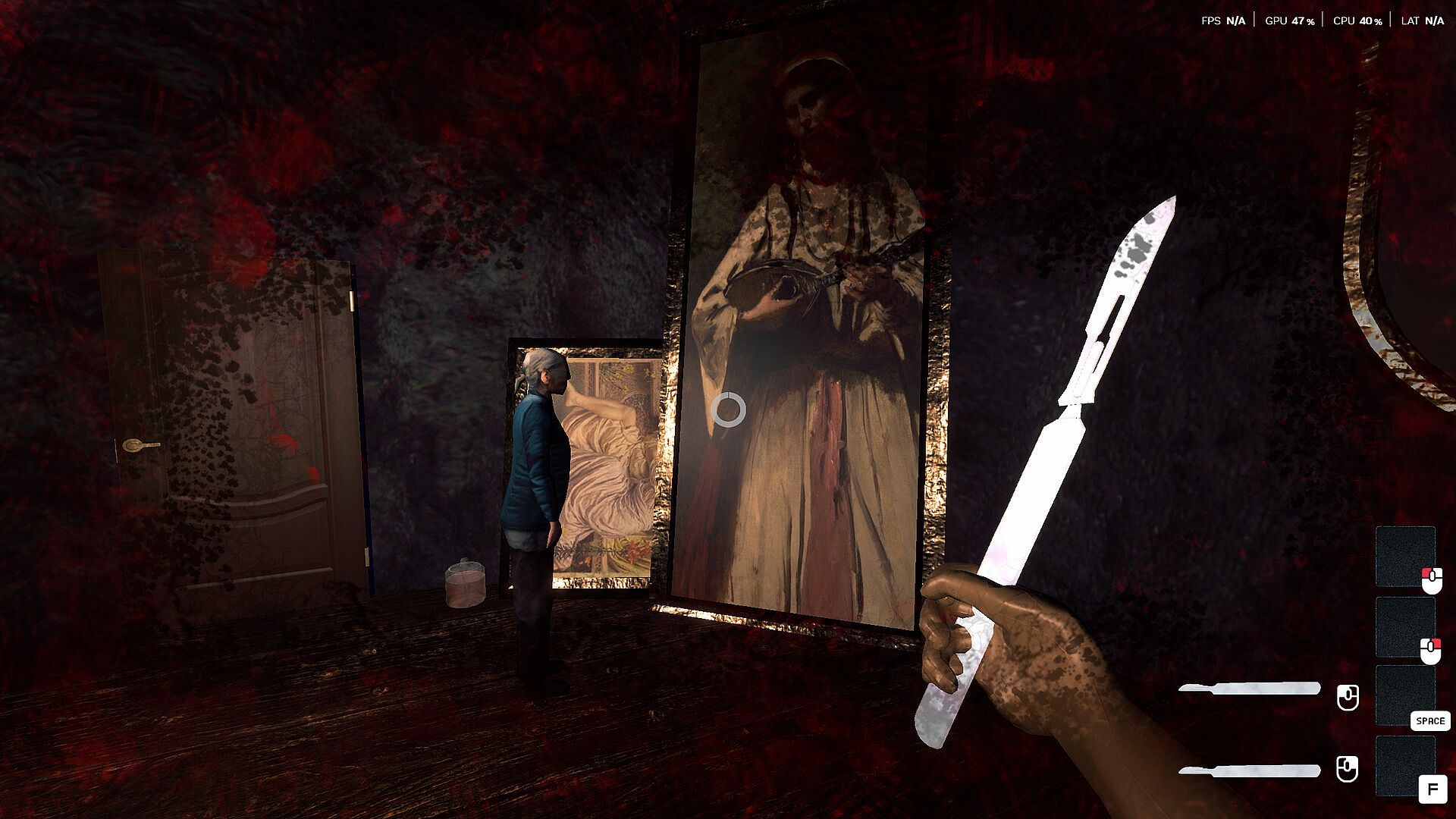
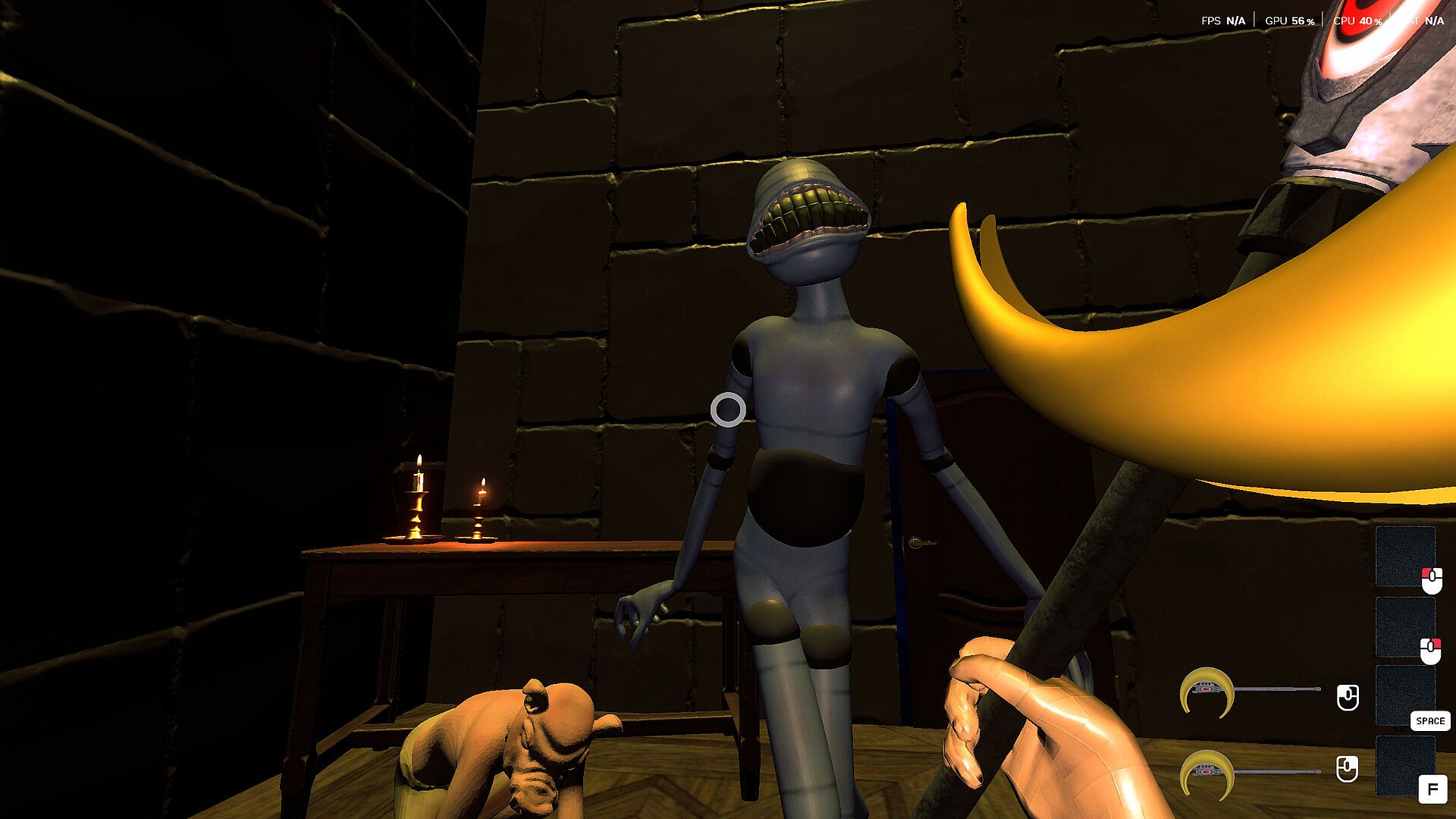
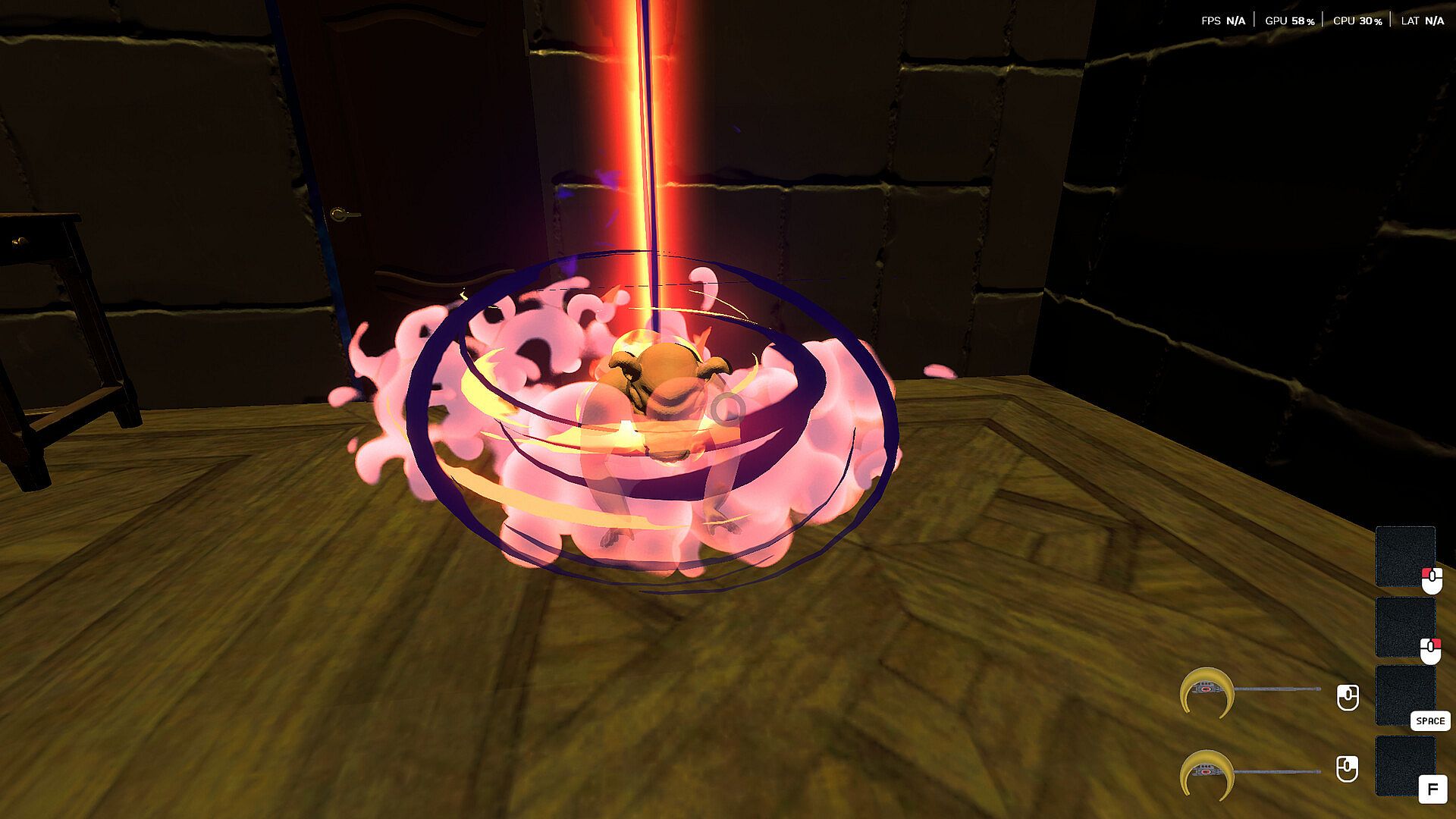
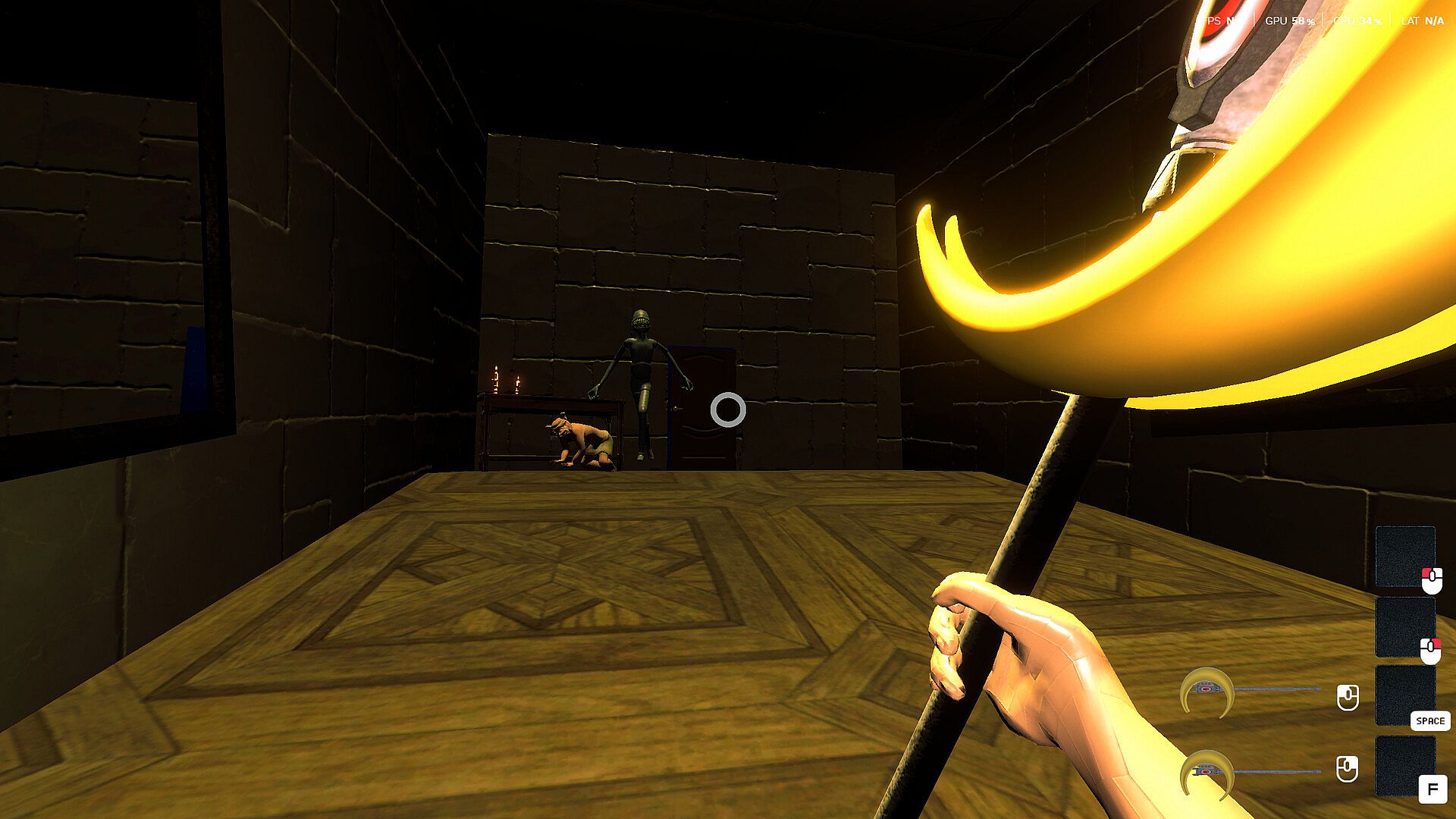
The core loop centers on repeated entries into a shifting mental landscape. Each session begins in a hospital setting before transitioning into procedurally influenced rooms filled with manifestations of inner demons. Combat takes place in fast-paced first-person perspective, relying on melee weapons sourced from Miki's memories, movement abilities, and special attacks. Players collect upgrades known as boons from encountered figures and combine weapons to form new variants with altered properties and combat styles. These merges allow for varied approaches, such as emphasizing range, crowd control, or rapid strikes, encouraging experimentation across runs. Progression between attempts involves selecting persistent elements to carry forward while discarding others, building long-term growth in capabilities and understanding of the narrative threads.
Exploration reveals layers of Miki's past through environmental details and interactions. Familiar faces appear as non-combatant presences that provide conversation and relationship-building opportunities. These encounters occur outside active runs and deepen over multiple sessions, unlocking additional dialogue and context about the people and events tied to the accident. The design emphasizes personal discovery, with the subconscious world adapting based on accumulated choices and retained upgrades.
Game Modes
Lucid Rumination operates as a single-player roguelite without separate named modes. All play revolves around the central run structure, where each attempt pushes deeper into the subconscious. Runs feature combat encounters, weapon acquisition and merging, boon selection, and navigation through memory-based rooms. Death returns the player to the hospital hub, where decisions about retained progress shape the next entry. The relationship system functions as an ongoing layer across runs, allowing incremental development of connections that influence available interactions and story fragments. No cooperative or competitive variants exist; the focus remains on individual progression through the roguelite loop and narrative reconstruction.
Narrative and World
The story unfolds gradually through repeated explorations rather than direct exposition. Rooms reflect fragments of Miki's life, emotions, and relationships, manifesting as both hostile entities and conversational presences. Players uncover details about the accident and the experimental treatment by surviving encounters and engaging with recurring characters. The treatment itself is presented as an ongoing process, with the game questioning its reliability through environmental storytelling and character interactions. This approach rewards persistence, as deeper runs and stronger relationships reveal more about the motivations and history locked in the subconscious.
Is It Worth Playing?
Lucid Rumination suits players who enjoy roguelite structures combined with first-person action and light RPG progression. The weapon merging and boon systems provide build variety within runs, while the between-run persistence and relationship mechanics add a layer of long-term investment. Those drawn to narrative-driven experiences that unfold across multiple attempts will find the subconscious exploration and character interactions rewarding. As a free-to-play title, it offers accessible entry with no upfront cost, allowing players to test the combat and progression loop directly. The single-player focus and emphasis on personal growth through repeated attempts make it a fit for solo adventurers seeking a blend of fast combat and gradual story revelation.