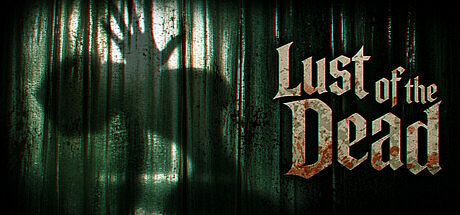


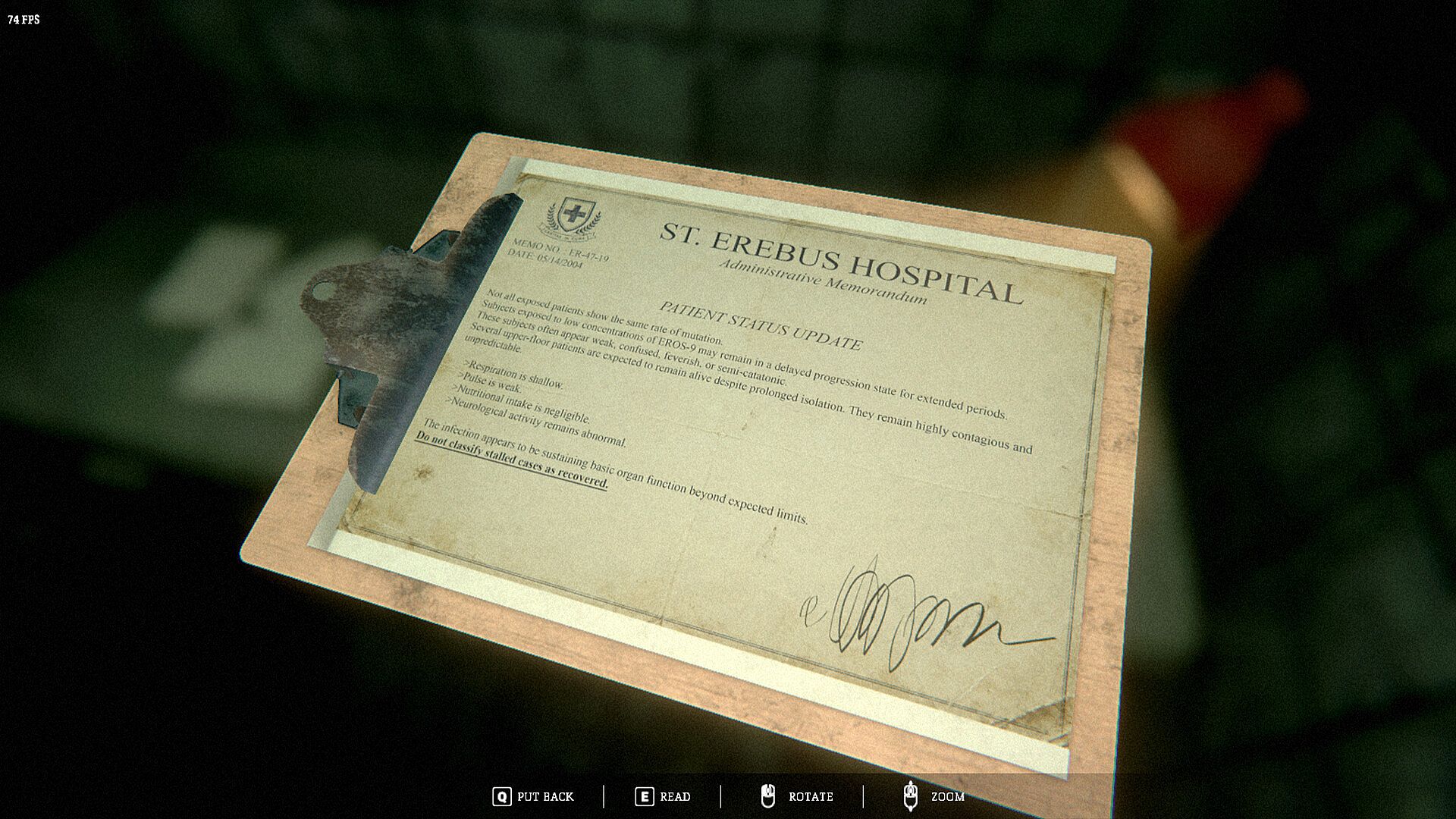
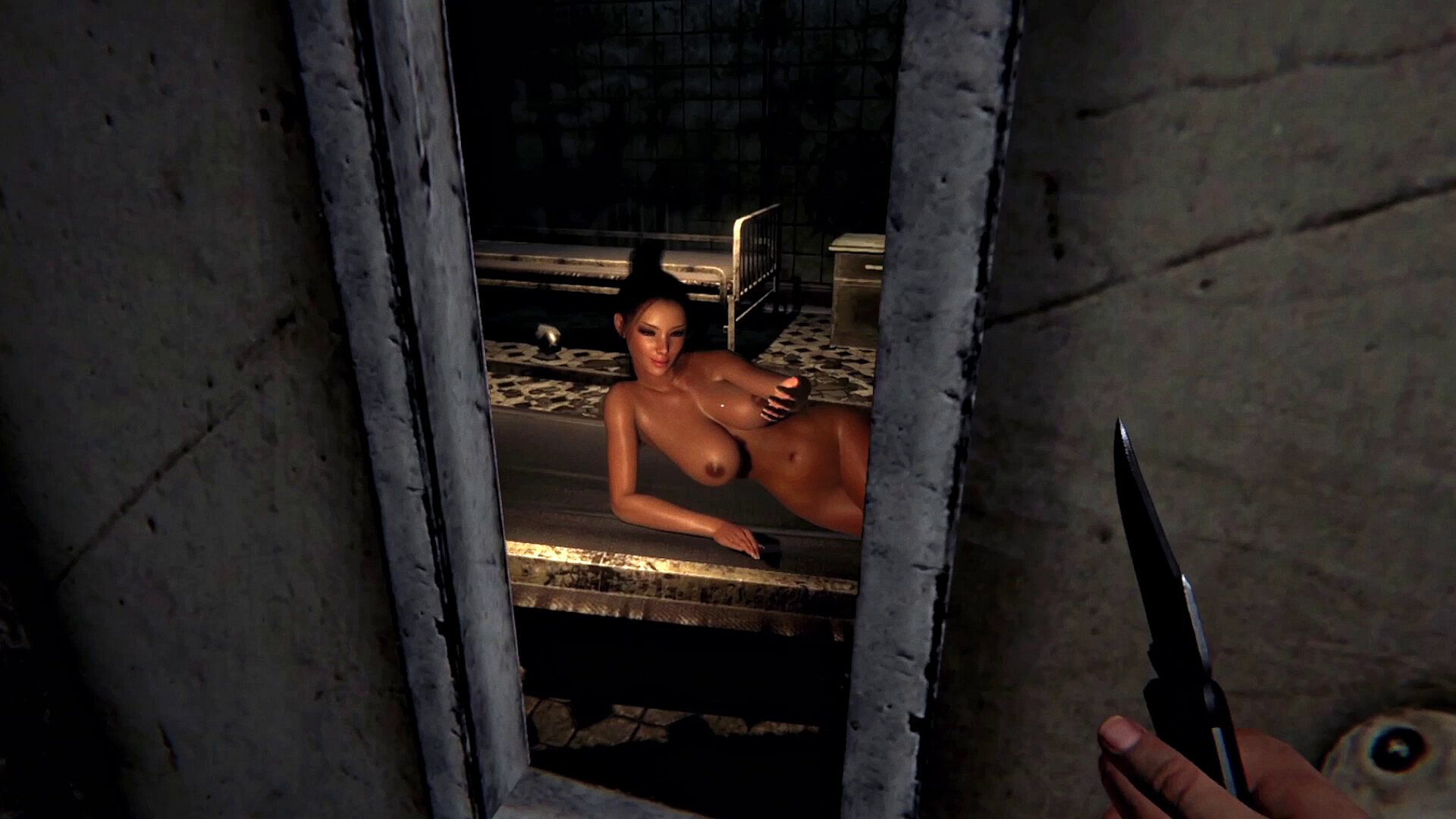
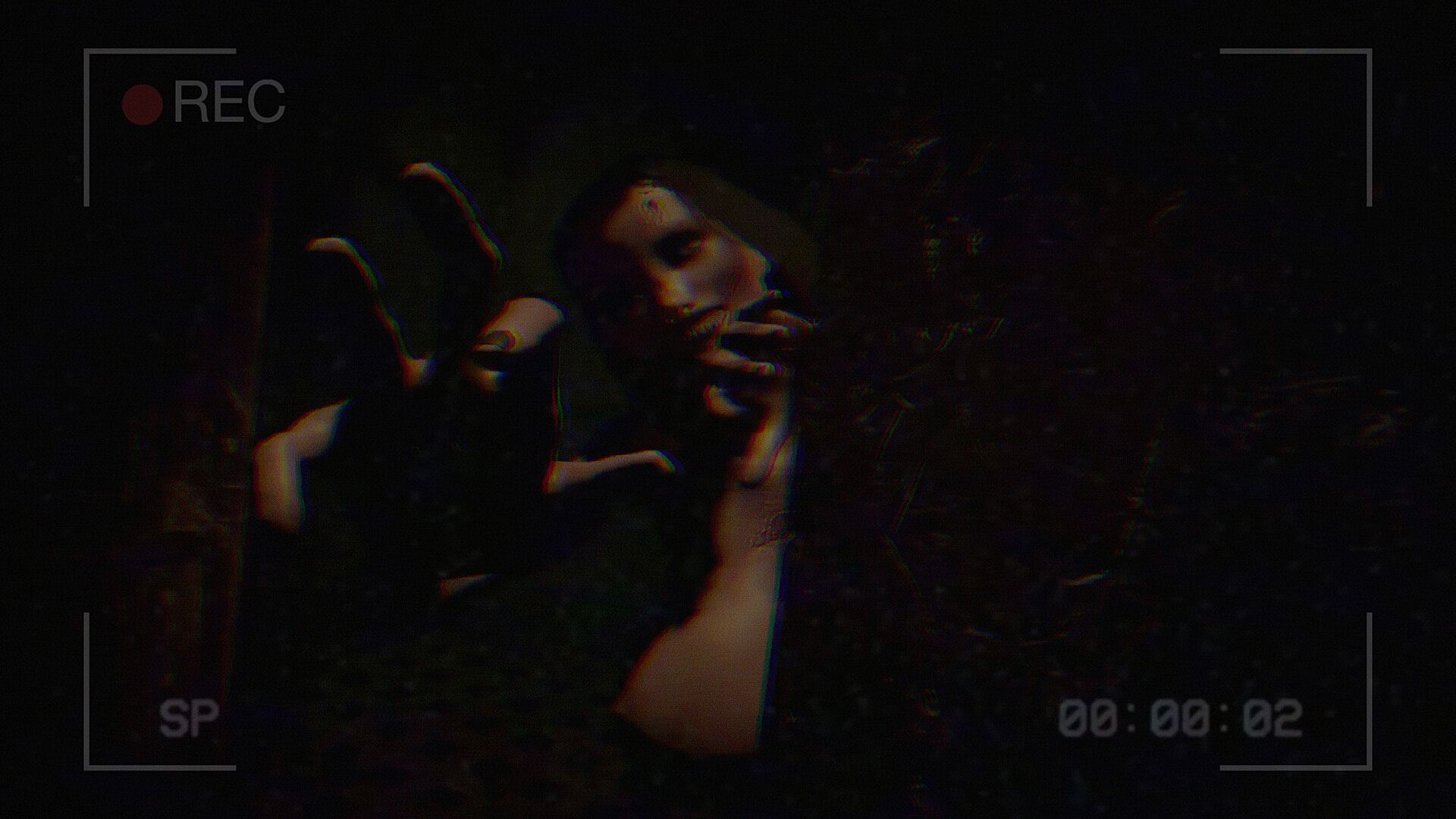
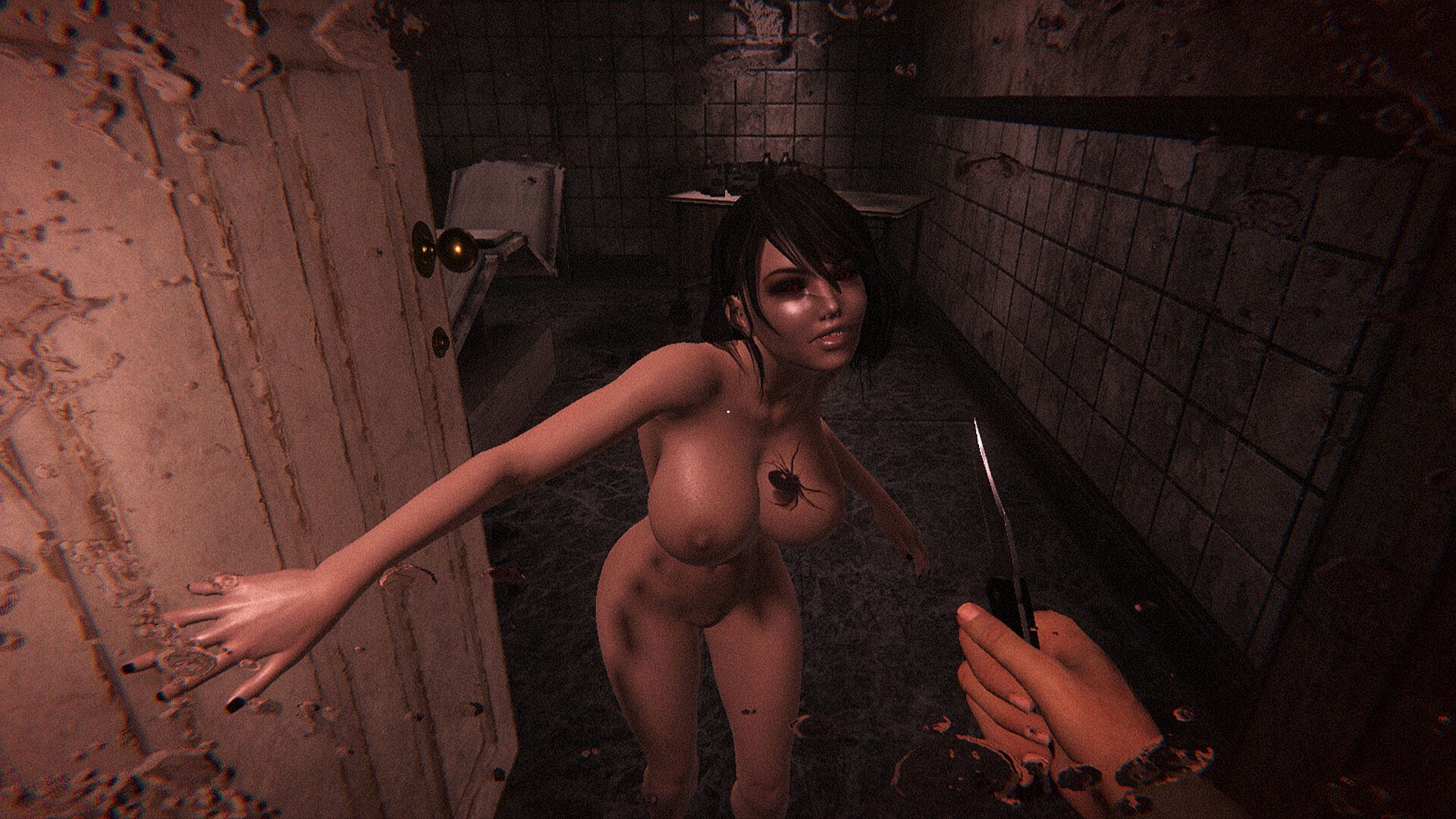
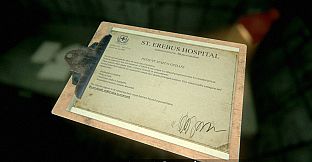
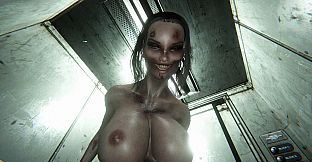
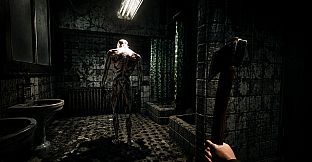
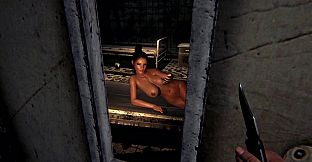
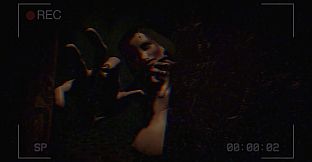
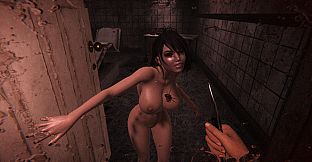
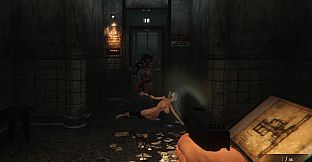
Lust of the Dead is a first-person survival horror action game set on PC inside the abandoned St. Erebus Hospital. A mysterious outbreak known as the Eros-9 virus has transformed desire into a deadly threat, leaving players trapped among the decaying corridors and the horrors that now inhabit them. The experience centers on uncovering the origins of the virus while managing scarce supplies and navigating locked sections of the facility.
Gameplay
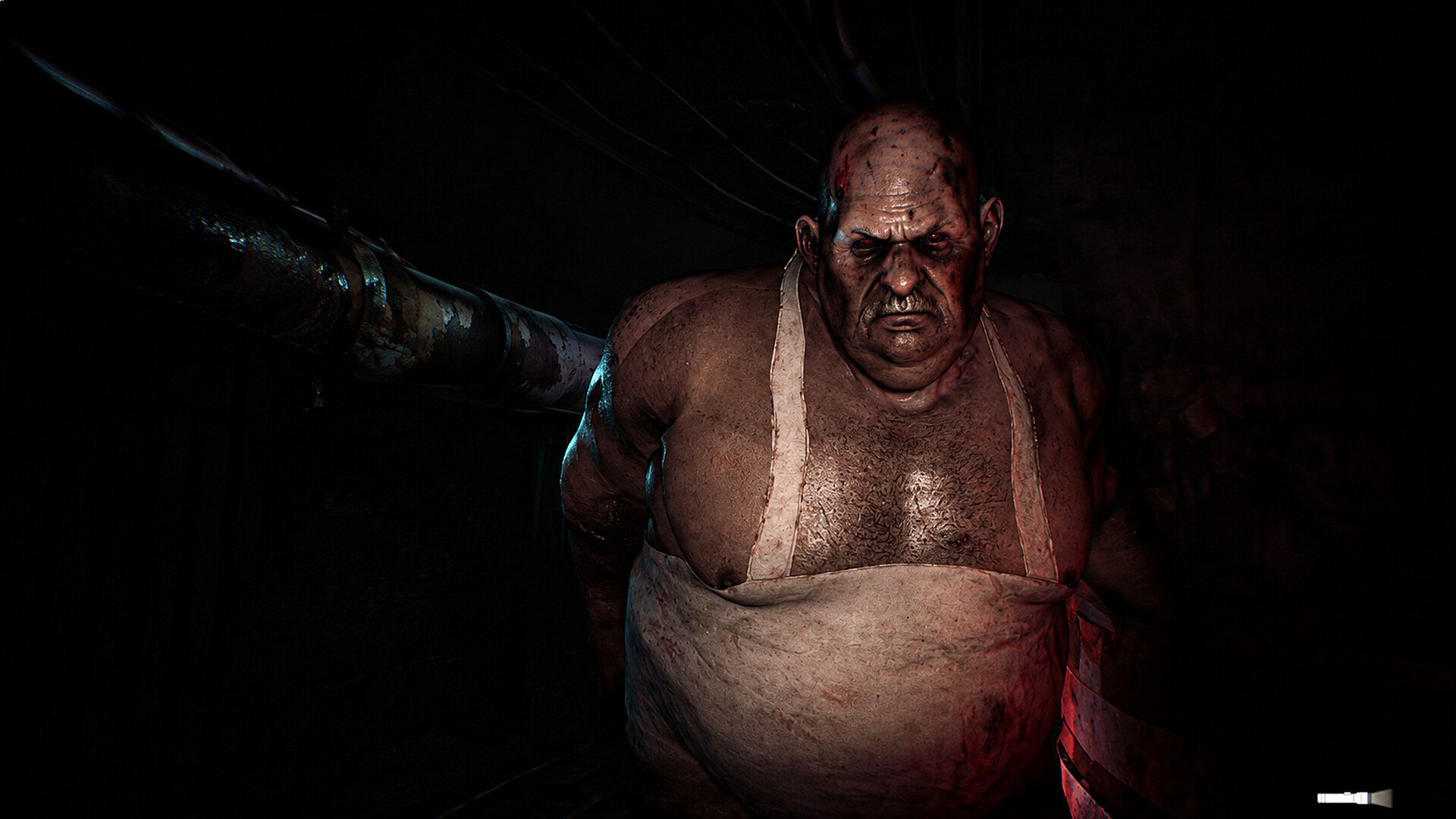
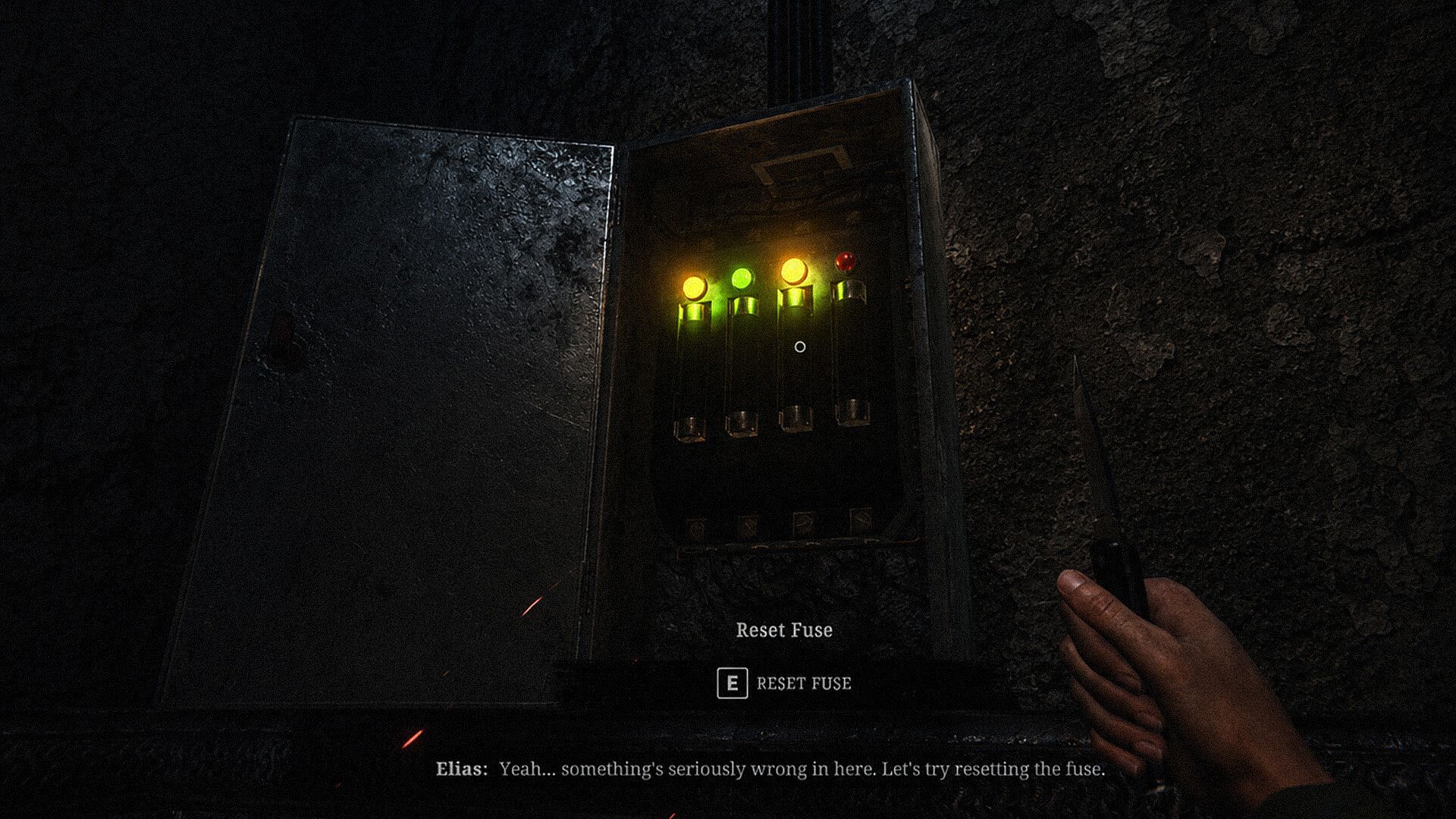
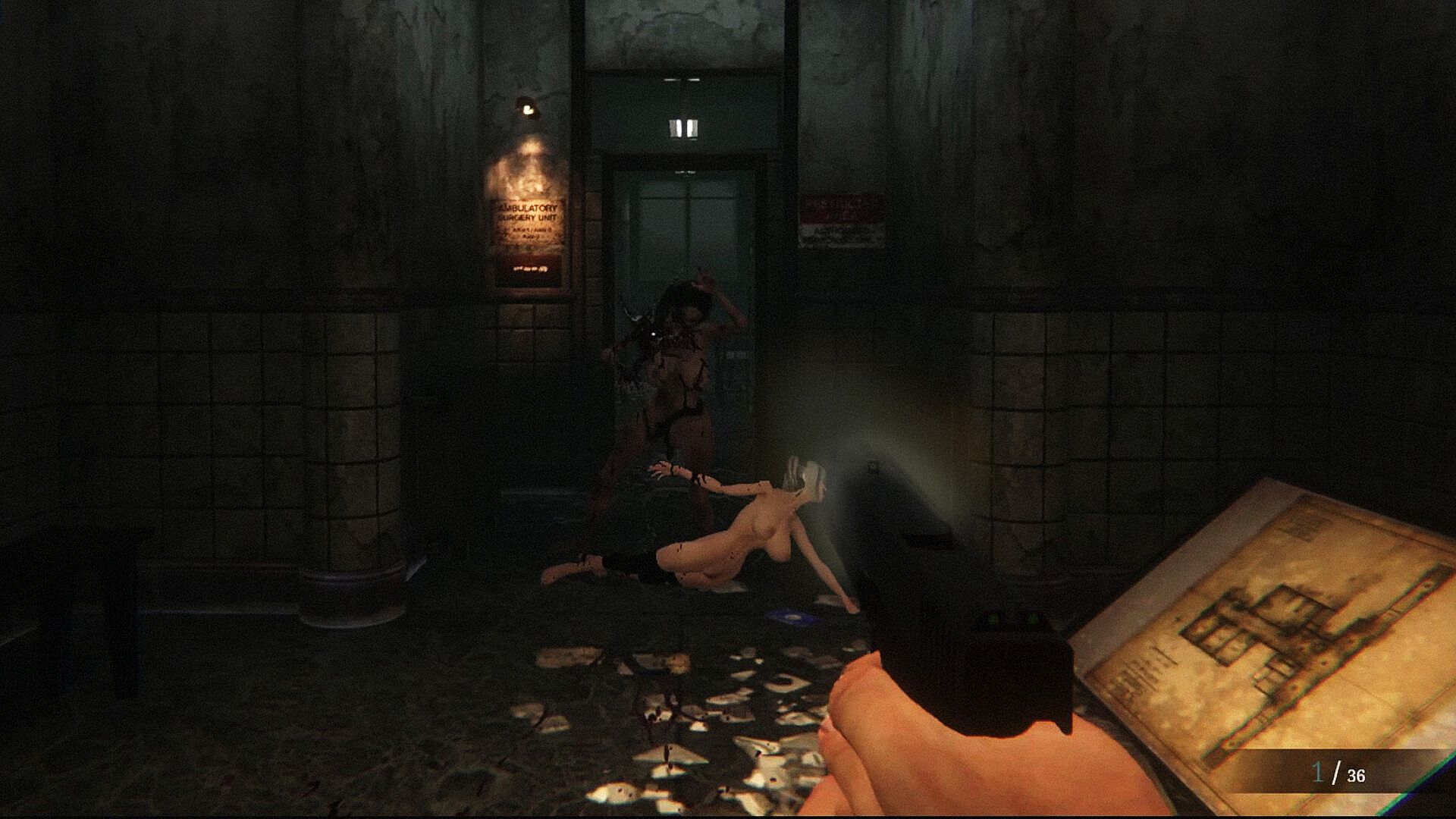
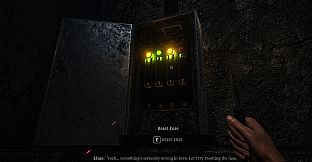
The core loop revolves around careful resource management in a confined environment. Players carry a limited inventory that forces tough choices about what to keep and what to discard. Ammunition remains scarce, so every shot counts during encounters with infected threats. Exploration requires restoring power to different hospital wings, which opens new paths and reveals additional details about the outbreak.
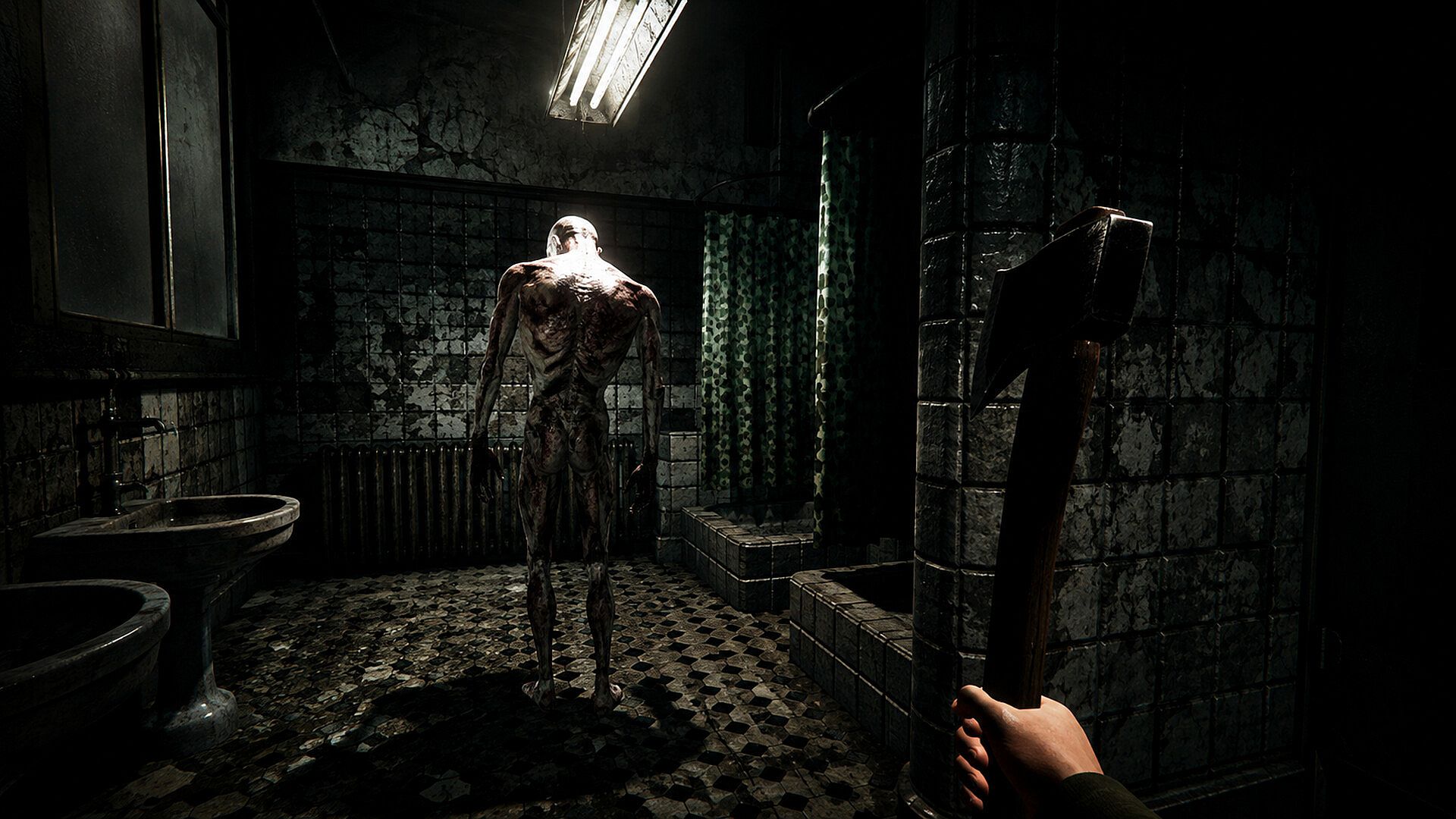
Environmental puzzles appear throughout the facility, often tied to restoring utilities or accessing restricted zones. These challenges encourage players to observe their surroundings closely rather than rush forward. Combat options include melee weapons for close encounters and firearms for ranged threats, though stealth provides an alternative to direct confrontation in many situations. Sound design plays a key role, as every footstep or distant noise can signal approaching danger in the tight hallways.
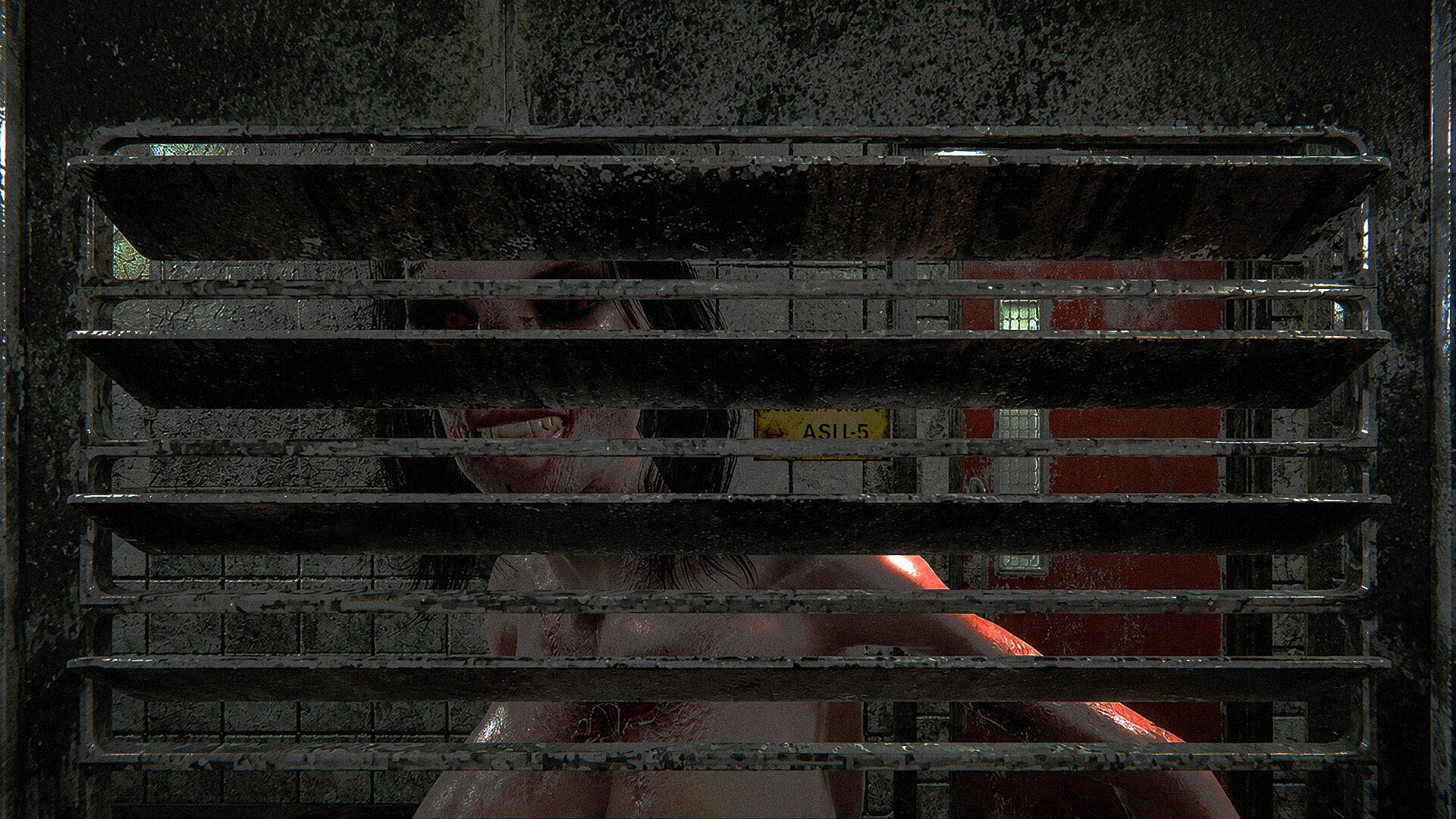
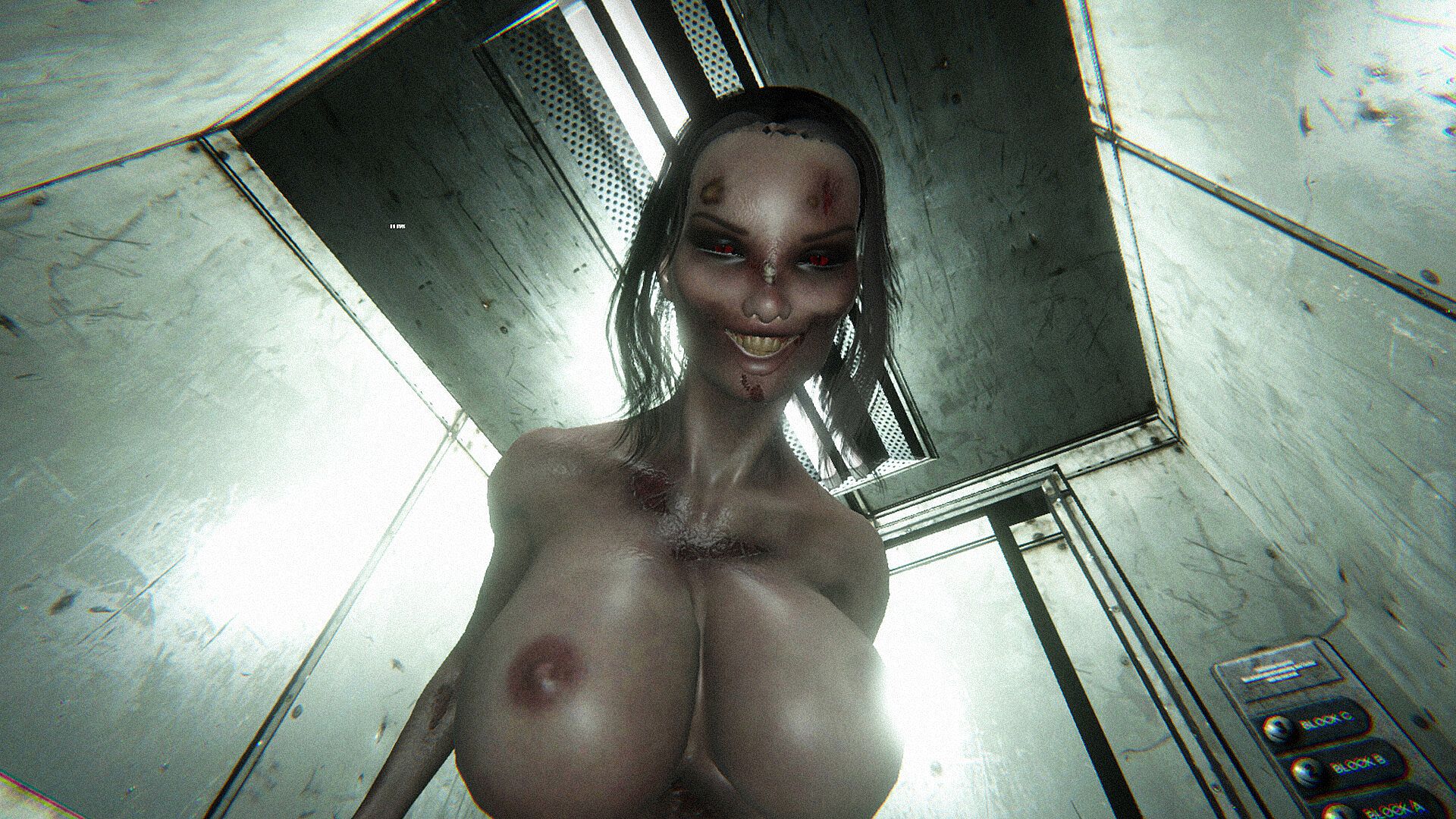
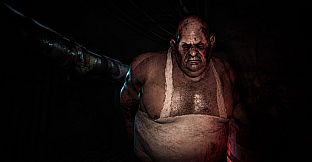
The game blends psychological tension with physical threats through its atmosphere. Fully voiced characters and cutscenes advance the narrative during key moments, while the overall presentation maintains a focus on unease rather than jump scares alone. Adult themes integrate directly into the story and setting, shaping both the virus's effects and the interactions players encounter.
Game Modes
Lust of the Dead operates as a single-player experience without separate multiplayer components or additional modes. The structure follows a continuous progression through the hospital, where survival depends on balancing exploration, puzzle solving, and combat decisions. Players advance by managing limited resources and choosing when to engage threats or avoid them entirely.
No alternate difficulty settings or challenge variants receive confirmation beyond the standard survival horror framework. The emphasis stays on the main sequence of events inside St. Erebus Hospital, with each section building tension through restricted movement and environmental hazards.
Exploration and Atmosphere
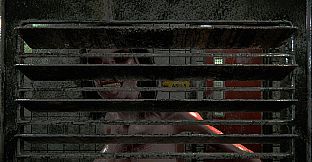
The hospital itself functions as the primary setting, filled with locked doors, hidden routes, and scattered clues about the Eros-9 virus. Players move through claustrophobic spaces that reward thorough searching for supplies and story fragments. Disturbing encounters arise naturally from the environment rather than scripted events alone.
Atmospheric horror builds from the combination of visual decay, audio cues, and the constant pressure of limited resources. The blend of psychological elements and direct physical threats creates a consistent sense of vulnerability. Explicit content and strong sexual themes appear as part of the narrative integration, influencing both character interactions and the broader world design.
Is It Worth Playing?
This title suits players who enjoy classic survival horror mechanics with an emphasis on tension and decision-making under constraints. Those drawn to first-person exploration in a single contained location, combined with resource scarcity and occasional combat or stealth choices, will find the core systems align with that preference. The adult themes form a deliberate part of the experience rather than an afterthought.
Without confirmed updates or additional content releases at this stage, the game stands as a self-contained release focused on its hospital setting and narrative delivery. Individuals seeking fast-paced action or varied multiplayer options may find the deliberate pacing and limited scope less appealing. The verified elements center on meaningful inventory choices and environmental interaction within a horror context.