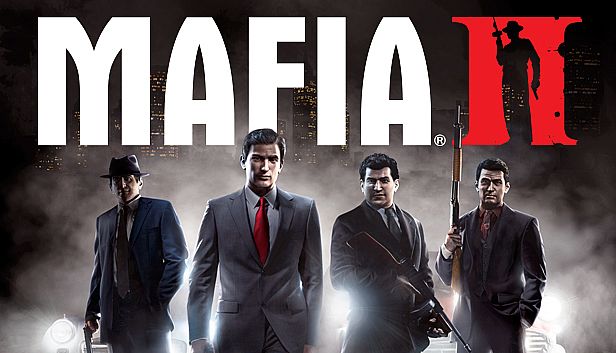





























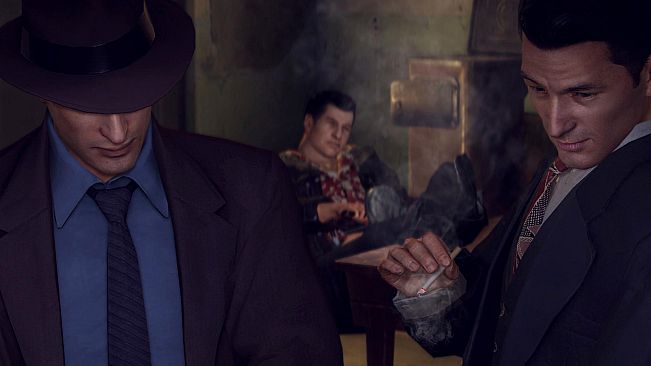
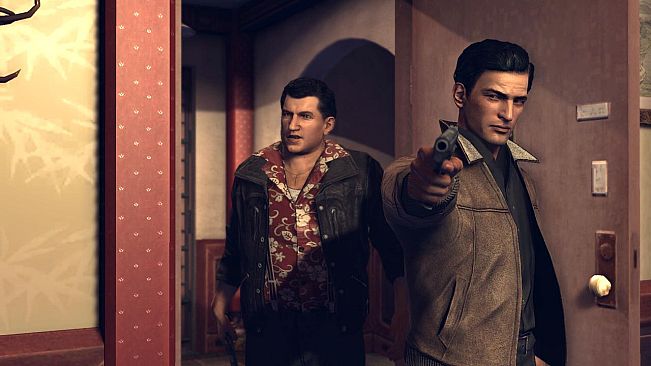

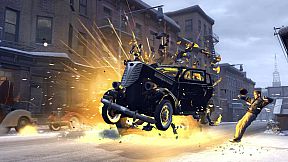
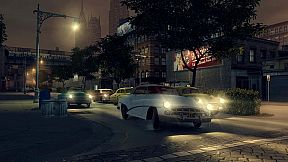
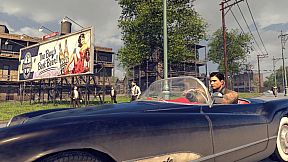
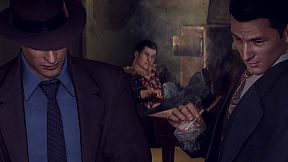
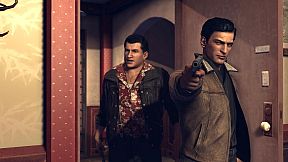
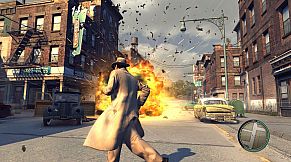
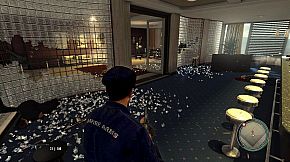
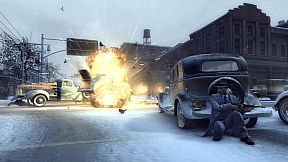
Mafia II (Classic) stands out as a third-person action-adventure game that captures the gritty underworld of organized crime in mid-20th century America. Released in 2010, it follows Vito Scaletta, an Italian-American war veteran who gets drawn into the mafia life in the fictional city of Empire Bay. Players navigate a narrative filled with betrayal, loyalty, and escalating criminal activities, all set against the backdrop of World War II and the emerging 1950s era. This single-player experience emphasizes story-driven progression with elements of shooting, driving, and close-quarters combat, making it a draw for fans of cinematic crime tales.
Gameplay
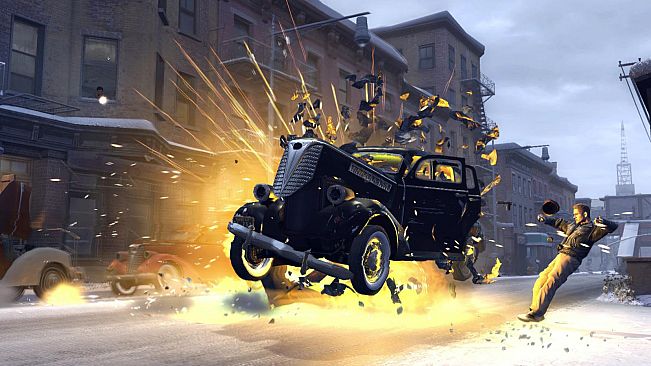
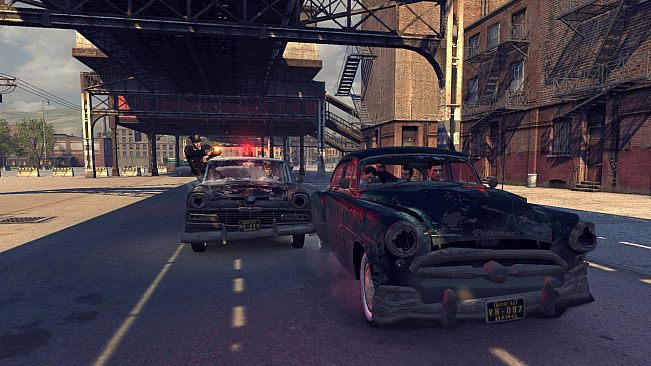
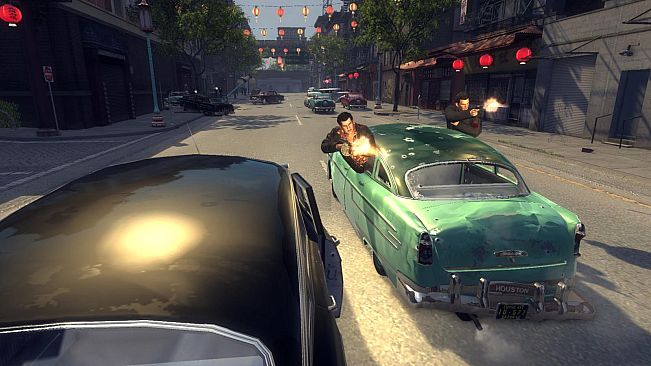
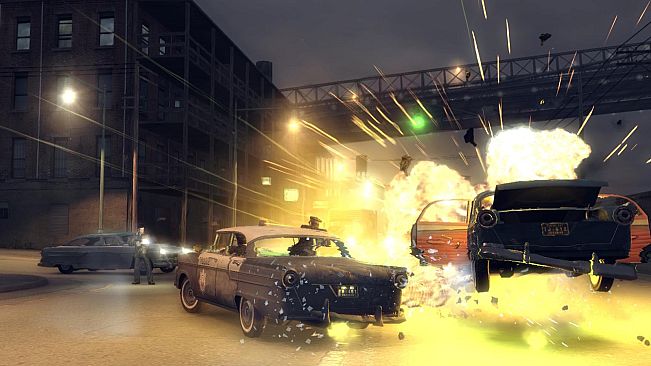
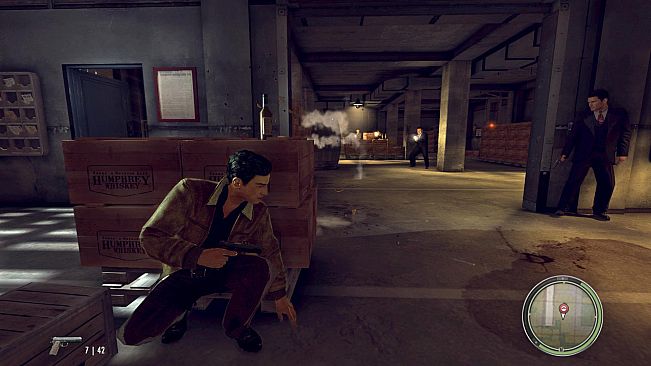
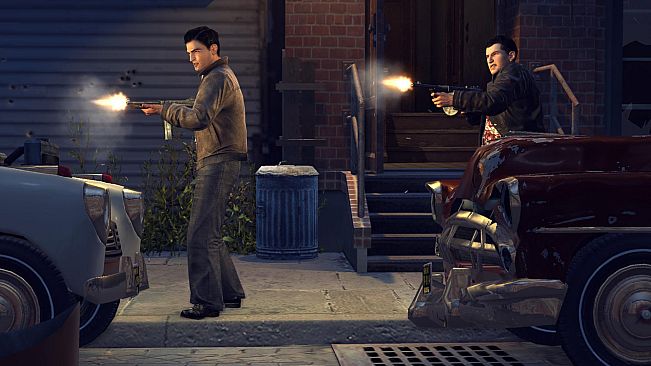
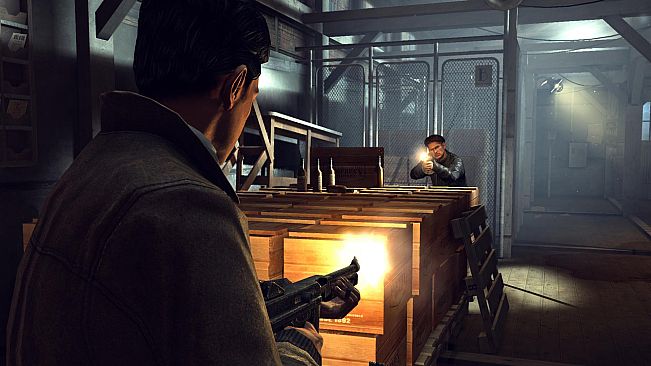
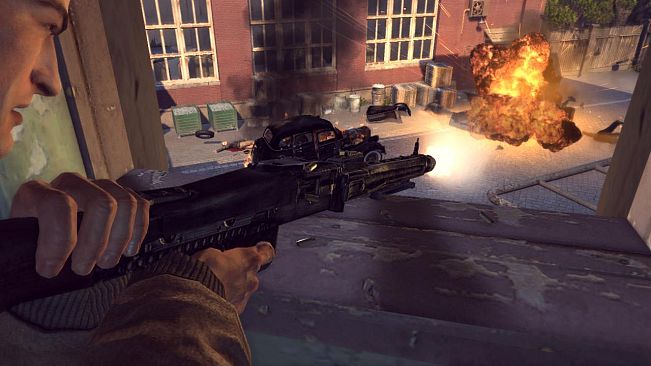
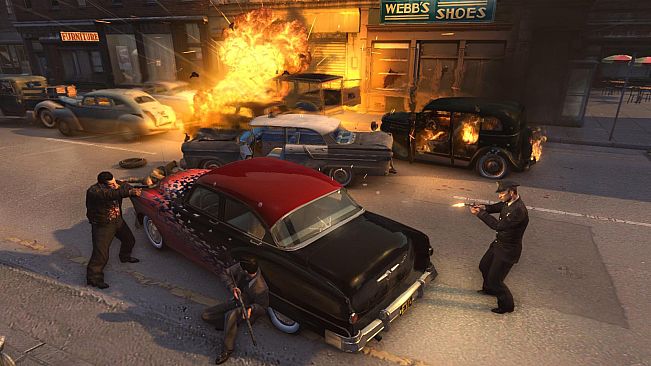
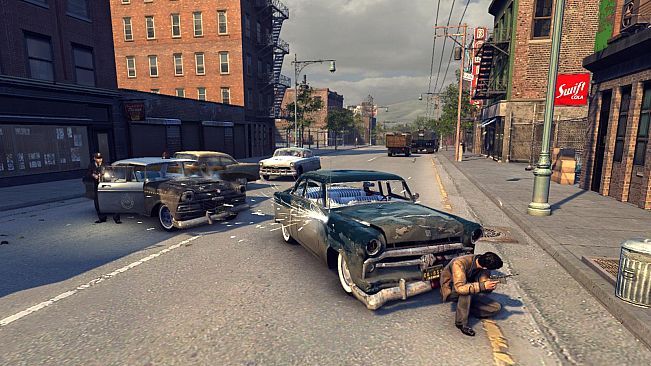
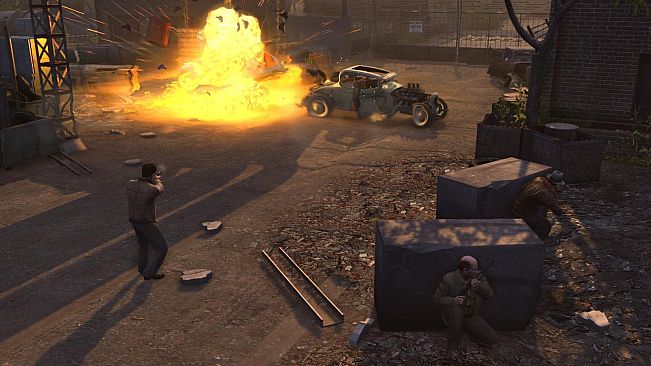
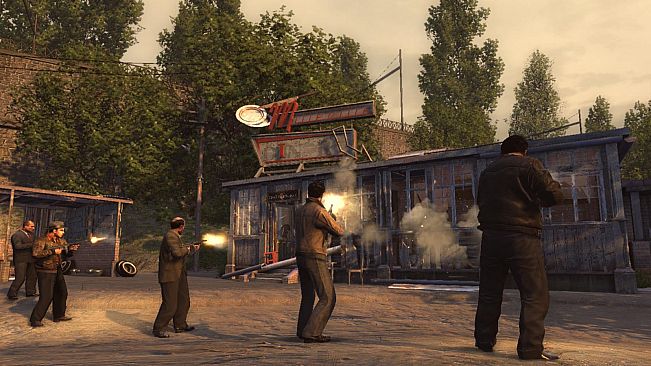
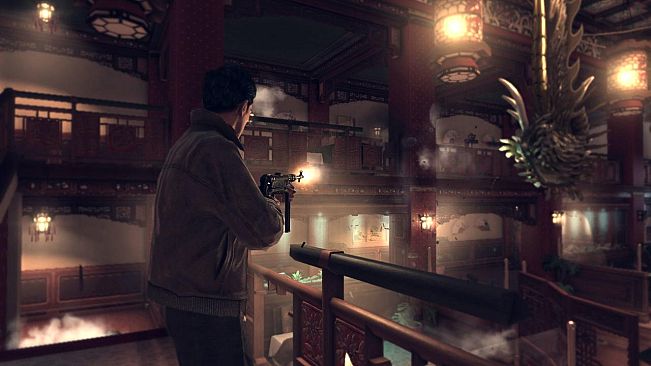
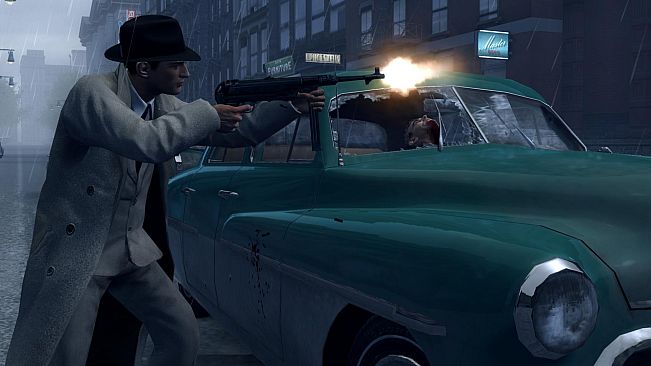
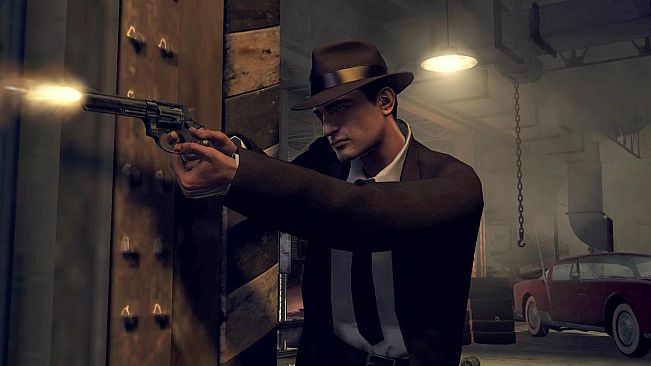
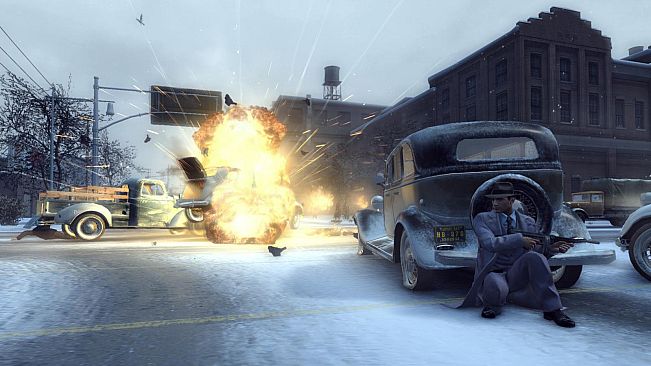
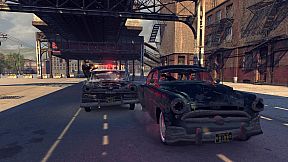
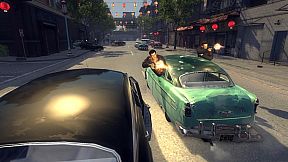
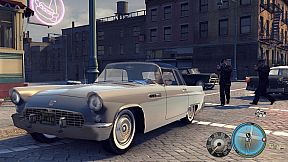
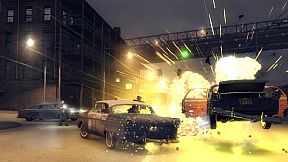
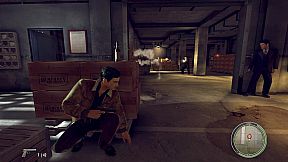
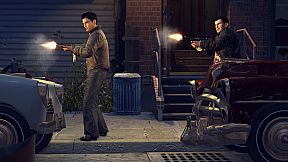
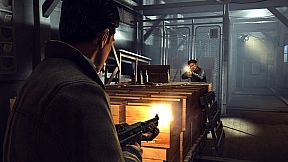
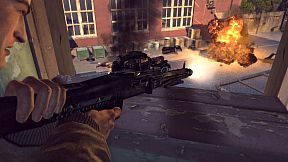
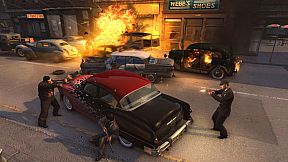
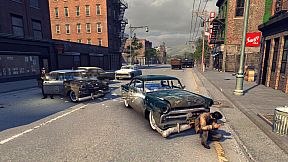
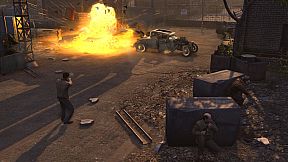
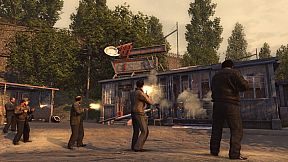
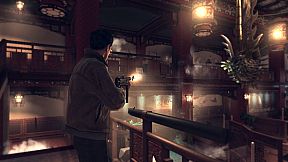
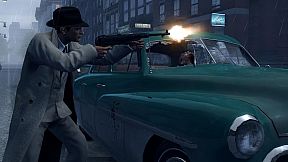
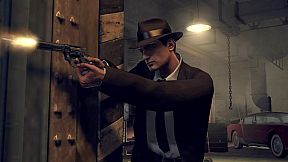
In Mafia II, the core gameplay revolves around third-person shooting mechanics where players use cover systems to engage in gunfights against rival gangsters and law enforcement. Combat includes aiming and firing weapons like pistols, shotguns, and machine guns, with a focus on realistic ballistics and limited ammo management. Driving plays a significant role, as players control period-appropriate vehicles during chases or escapes, handling mechanics that simulate weight and speed from the 1940s and 1950s cars. Hand-to-hand combat allows for punches, dodges, and finishing moves in melee encounters. Exploration of the open-world city of Empire Bay lets players interact with environments, steal cars, or engage in side activities like collecting wanted posters, though the game keeps a linear structure tied to missions.
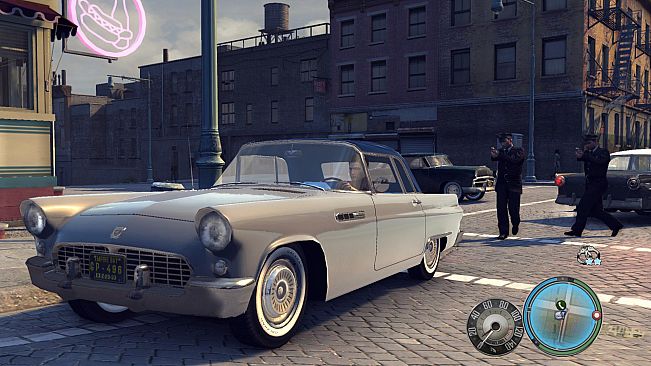
Mechanics emphasize realism, such as police pursuits that escalate based on player actions, requiring evasion tactics or bribes. The game uses a health system without regeneration, pushing careful play, and includes stealth elements in certain missions where avoiding detection is key. All these systems tie into the narrative, where completing jobs for the mafia advances the story and unlocks new areas or abilities.
Game Modes
Mafia II features a single main game mode centered on its campaign, which unfolds through a series of chapters following Vito's rise in the criminal world. There are no separate multiplayer or cooperative modes; the focus remains on solo play. Players progress linearly through story missions, with occasional free-roam opportunities between them to explore Empire Bay or handle optional tasks.
Setting and Features
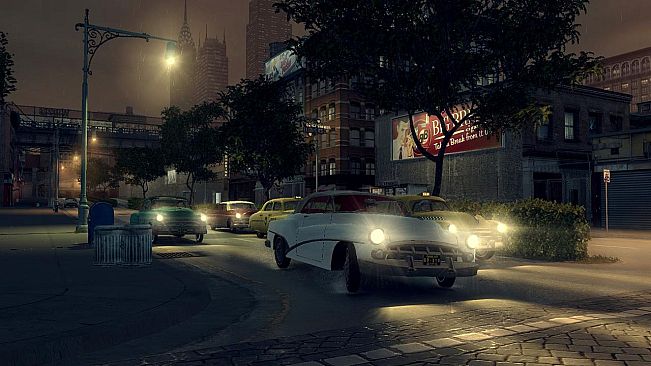
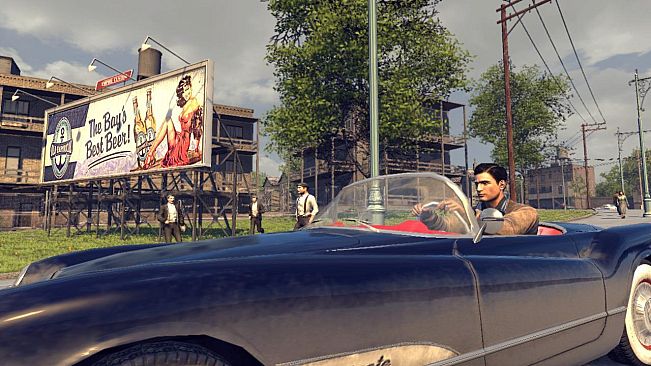
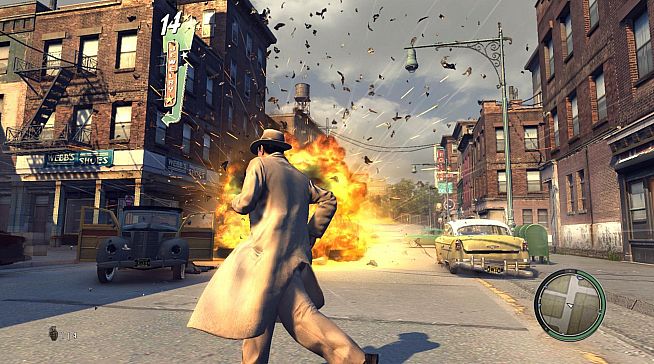
The game world draws from historical periods, starting in the 1940s amid World War II influences and shifting to the 1950s with evolving fashion, music, and vehicles. Empire Bay spans about 10 square miles, detailed with architecture, radio broadcasts, and a soundtrack featuring artists like Louis Prima and The Mills Brothers to enhance immersion. Key mechanics include a wanted system that tracks player notoriety, leading to police responses, and interactive elements like changing clothes to alter appearance and evade capture.
Factions revolve around mafia families, with Vito aligning with groups like the Clemente and Falcone families, each presenting alliances and rivalries that drive conflicts. The proprietary Illusion Engine supports detailed environments, from bustling streets to intricate interiors, contributing to the atmospheric feel.
Is It Worth Playing?
For those interested in narrative-heavy action games with a strong emphasis on story and period authenticity, Mafia II holds up well even in 2026. Player reception highlights its compelling characters and cinematic presentation, though some reviews note bland combat mechanics and a lack of longevity beyond the main campaign. On Metacritic, it has garnered mixed user scores, with praises for the believable world and criticisms for technical flaws in remastered versions. The game receives no ongoing updates or seasons, as it's a completed title from 2010, but it remains available for PC players seeking a focused single-player experience. If you enjoy crime dramas with realistic driving and shooting, it's a solid choice; however, those looking for extensive replayability or modern multiplayer might find it limited.