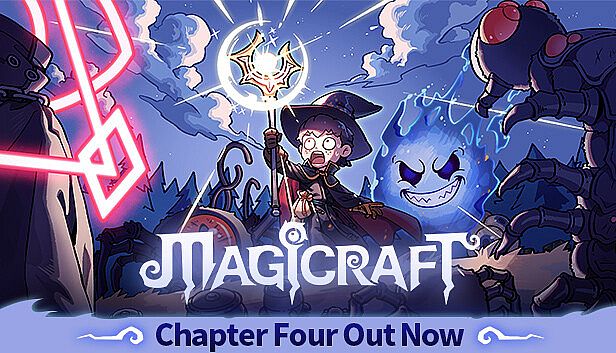















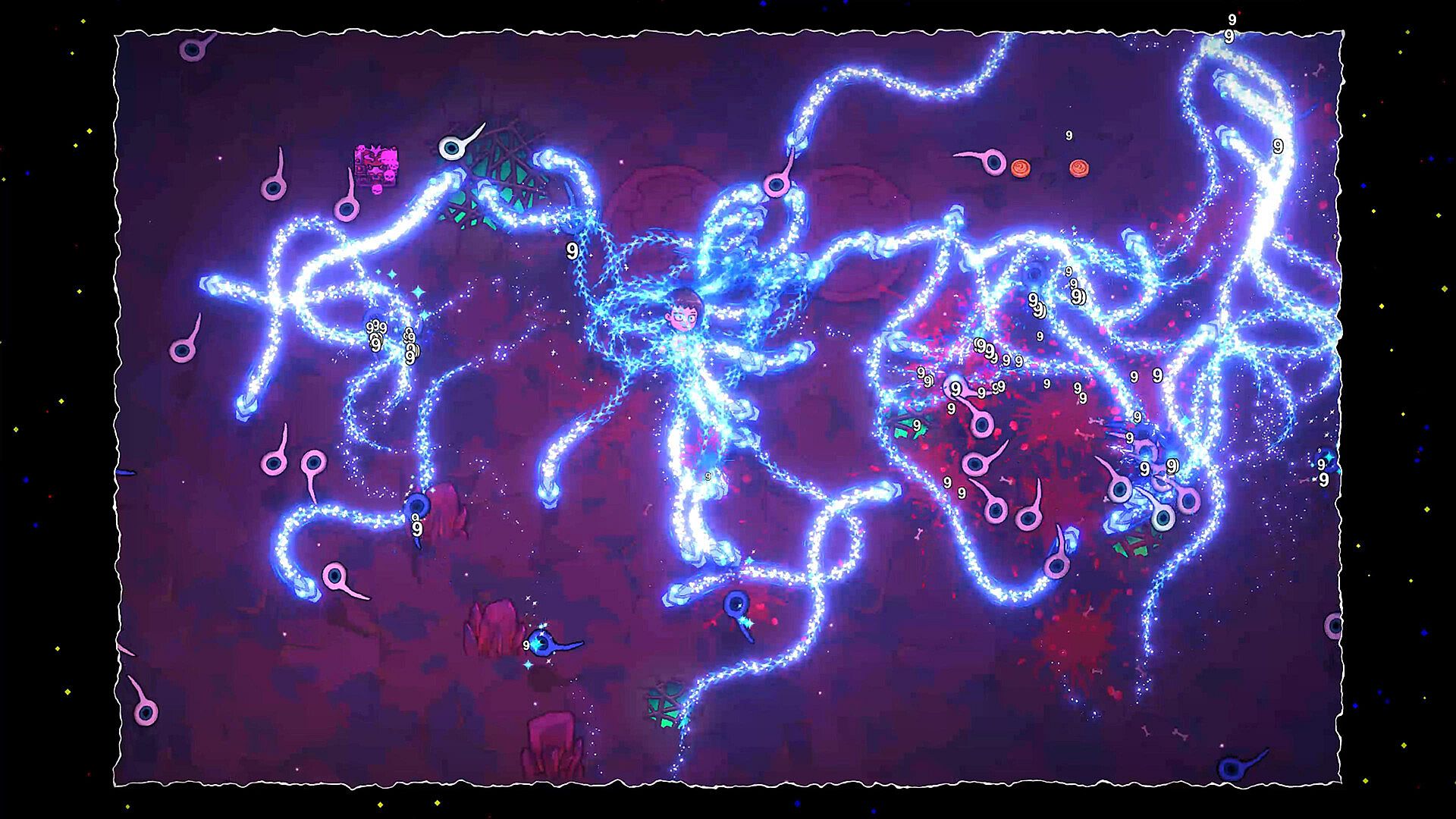
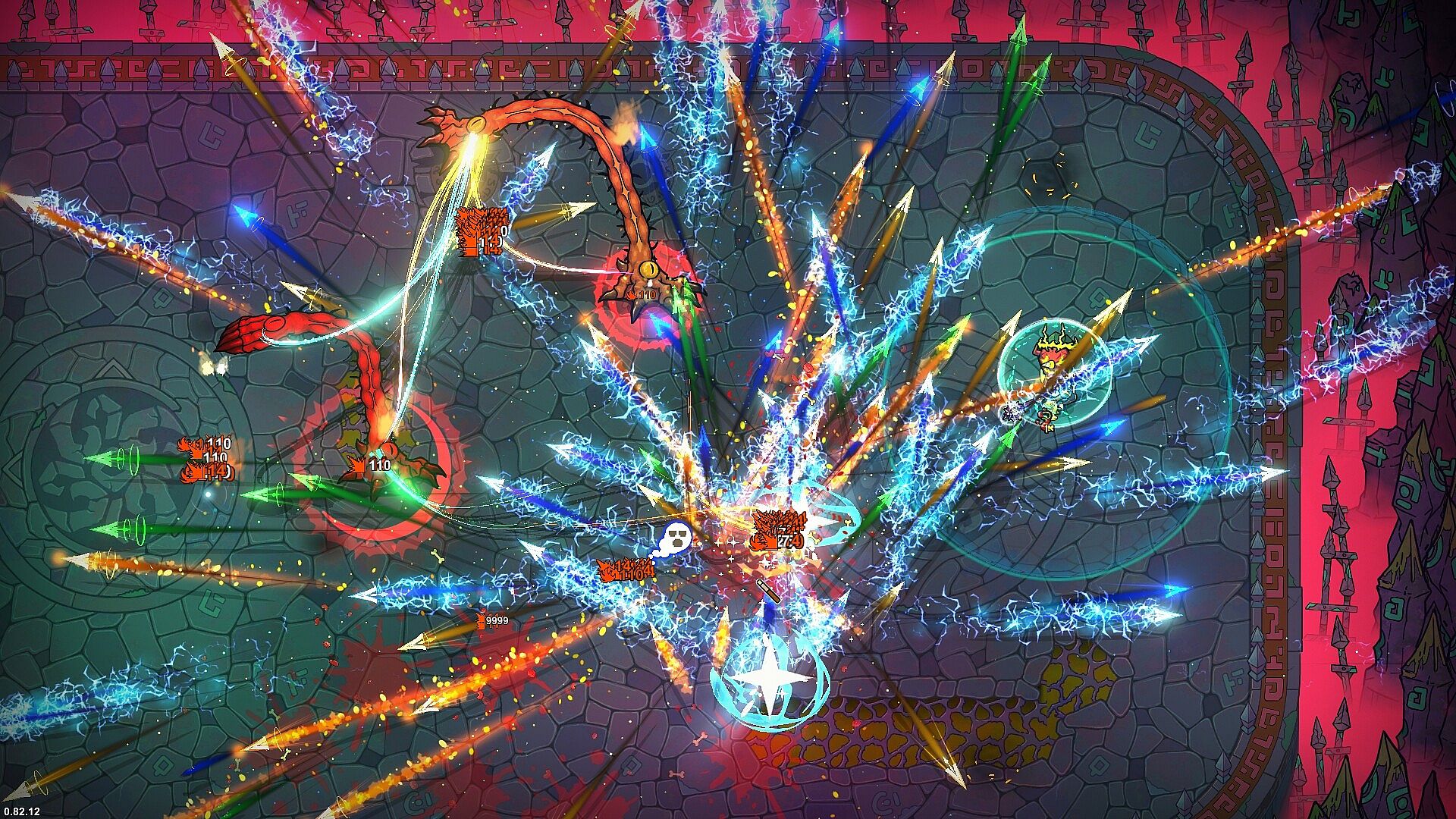
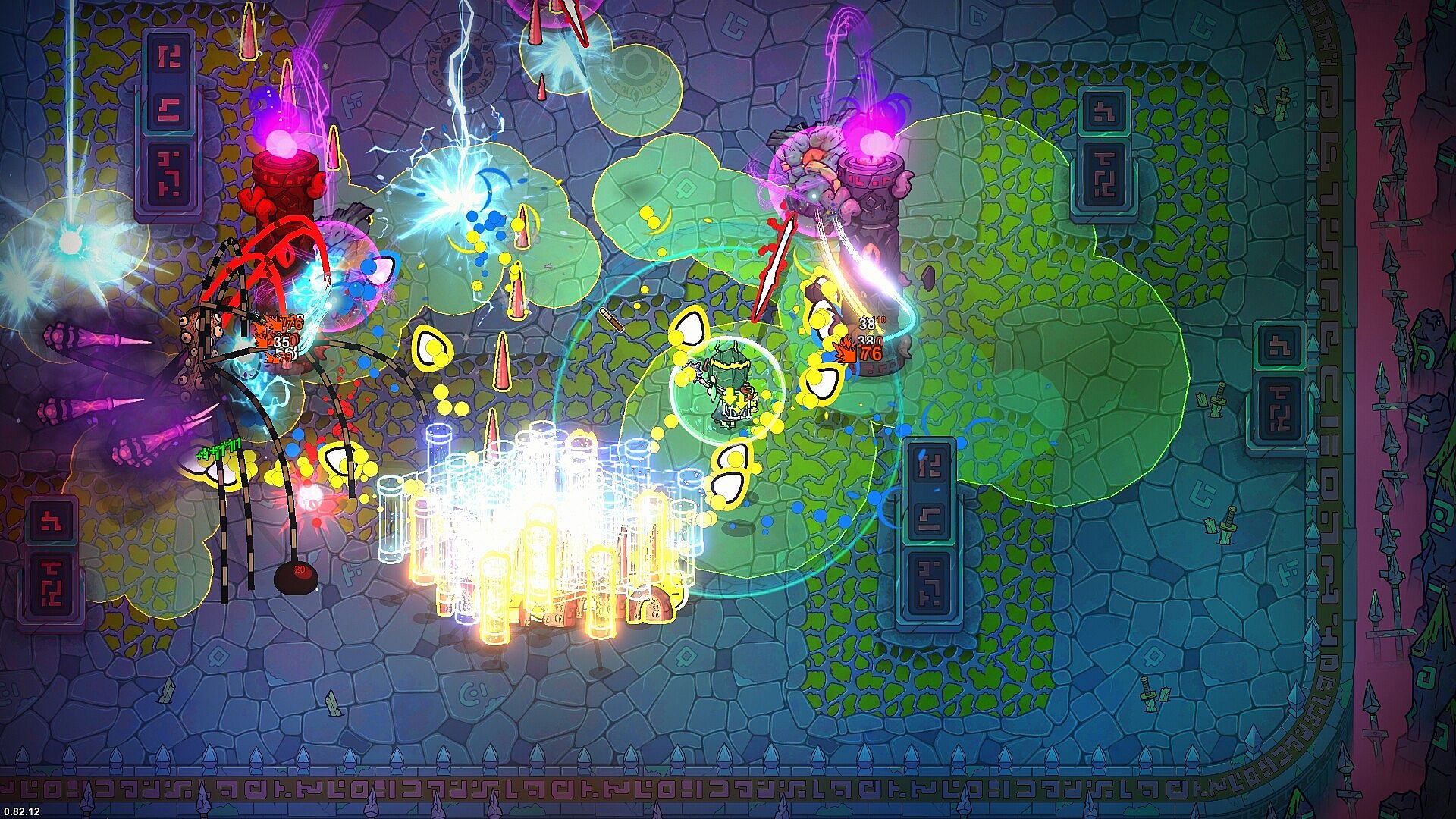
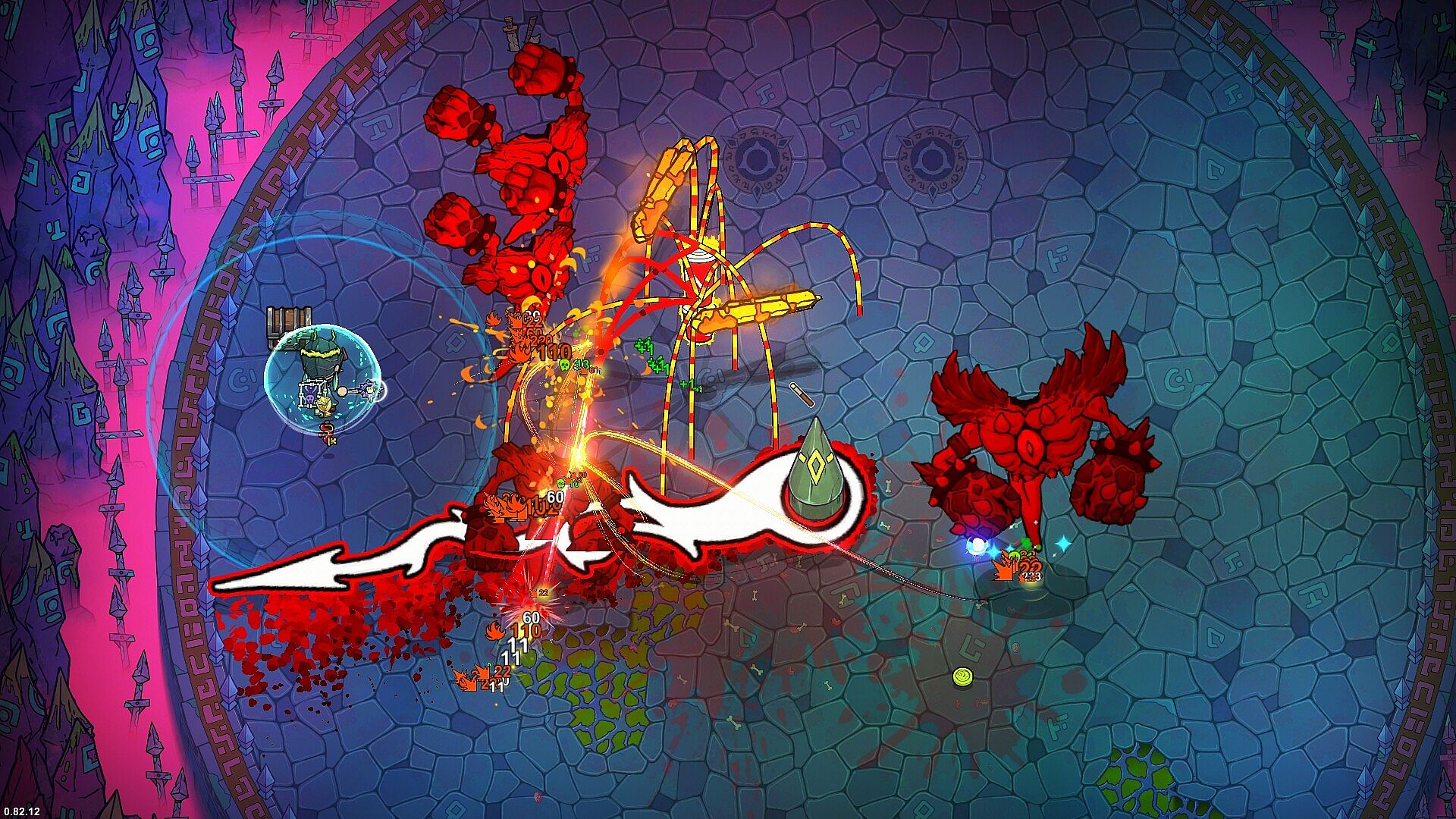
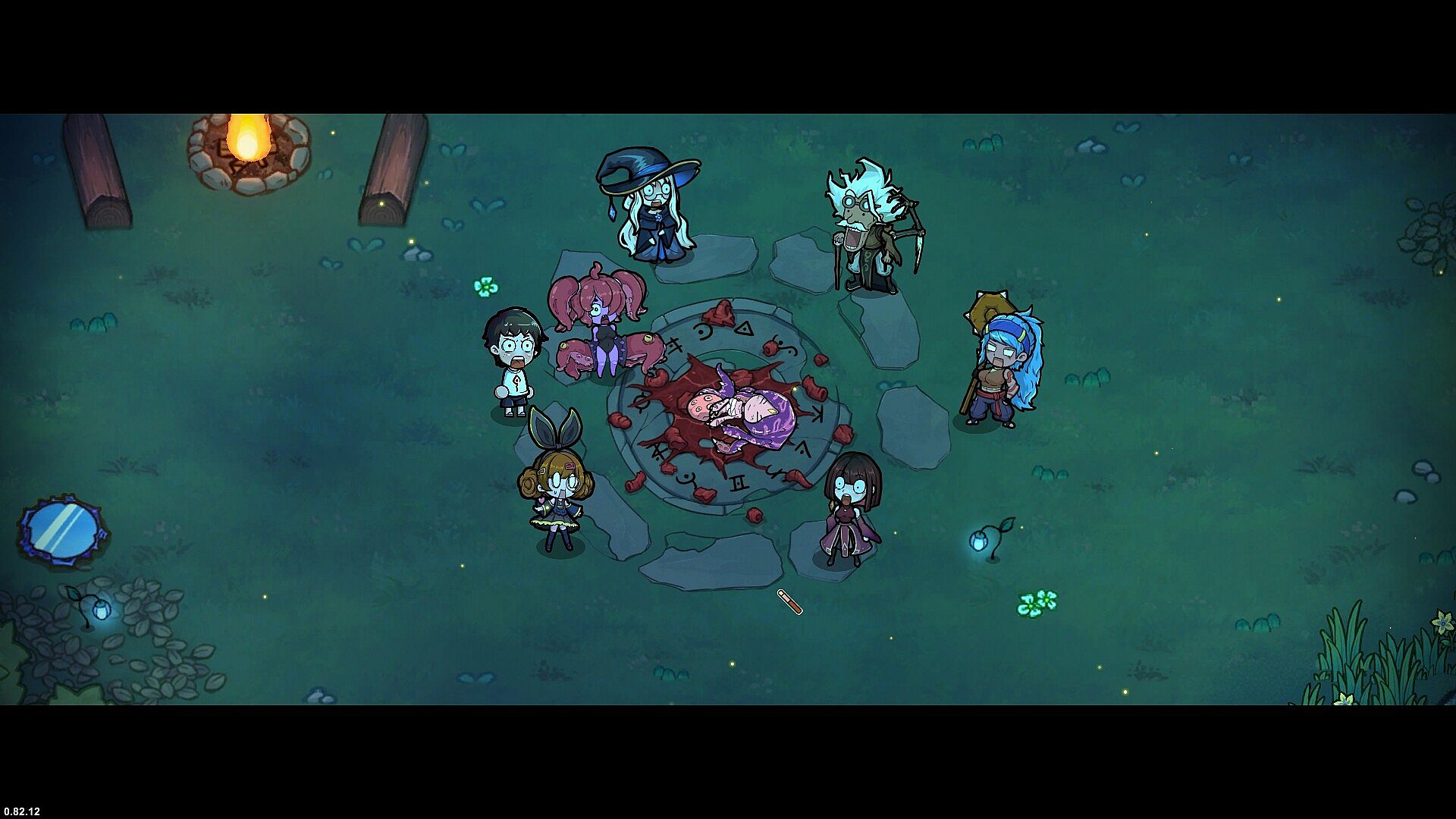
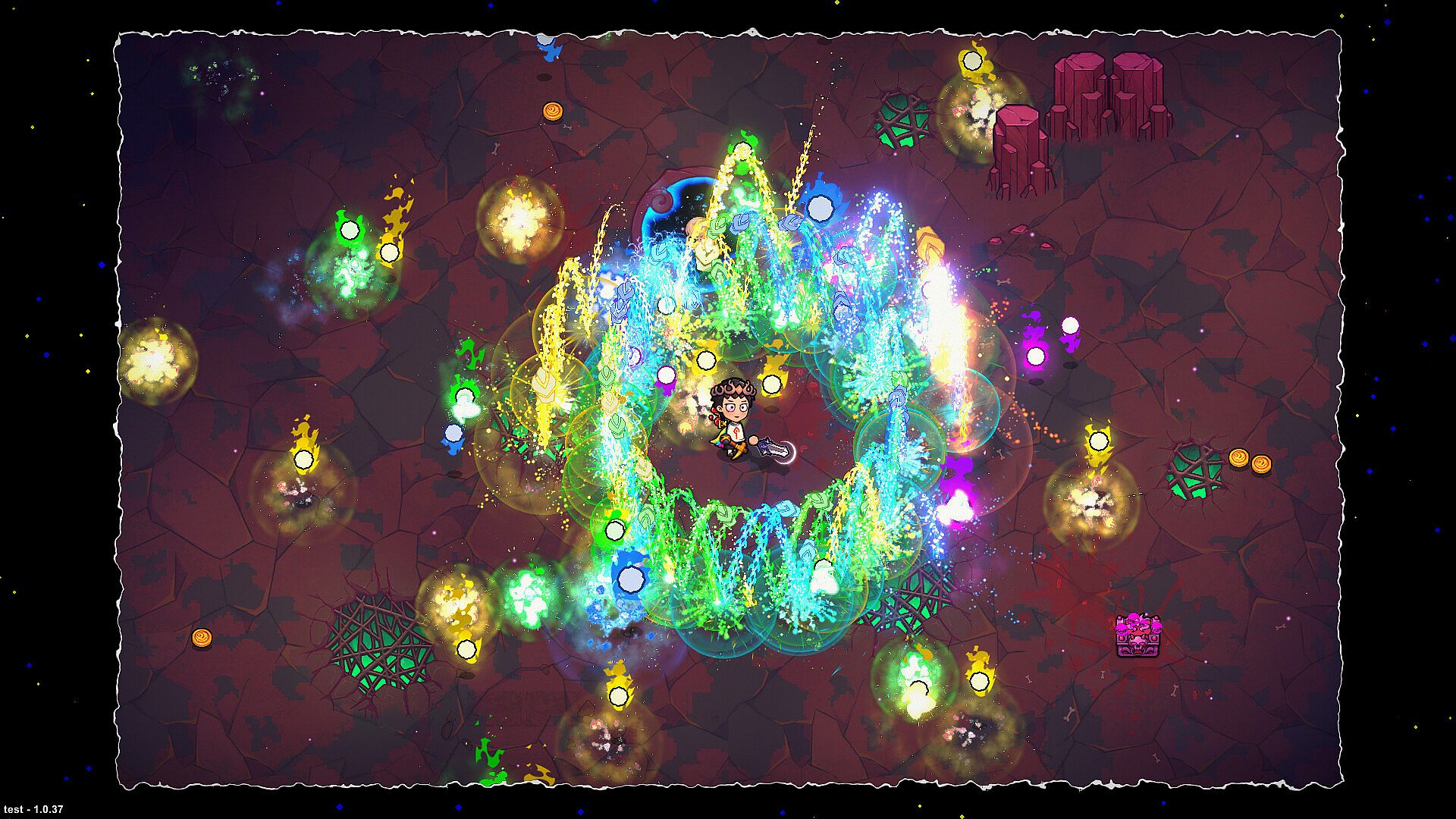
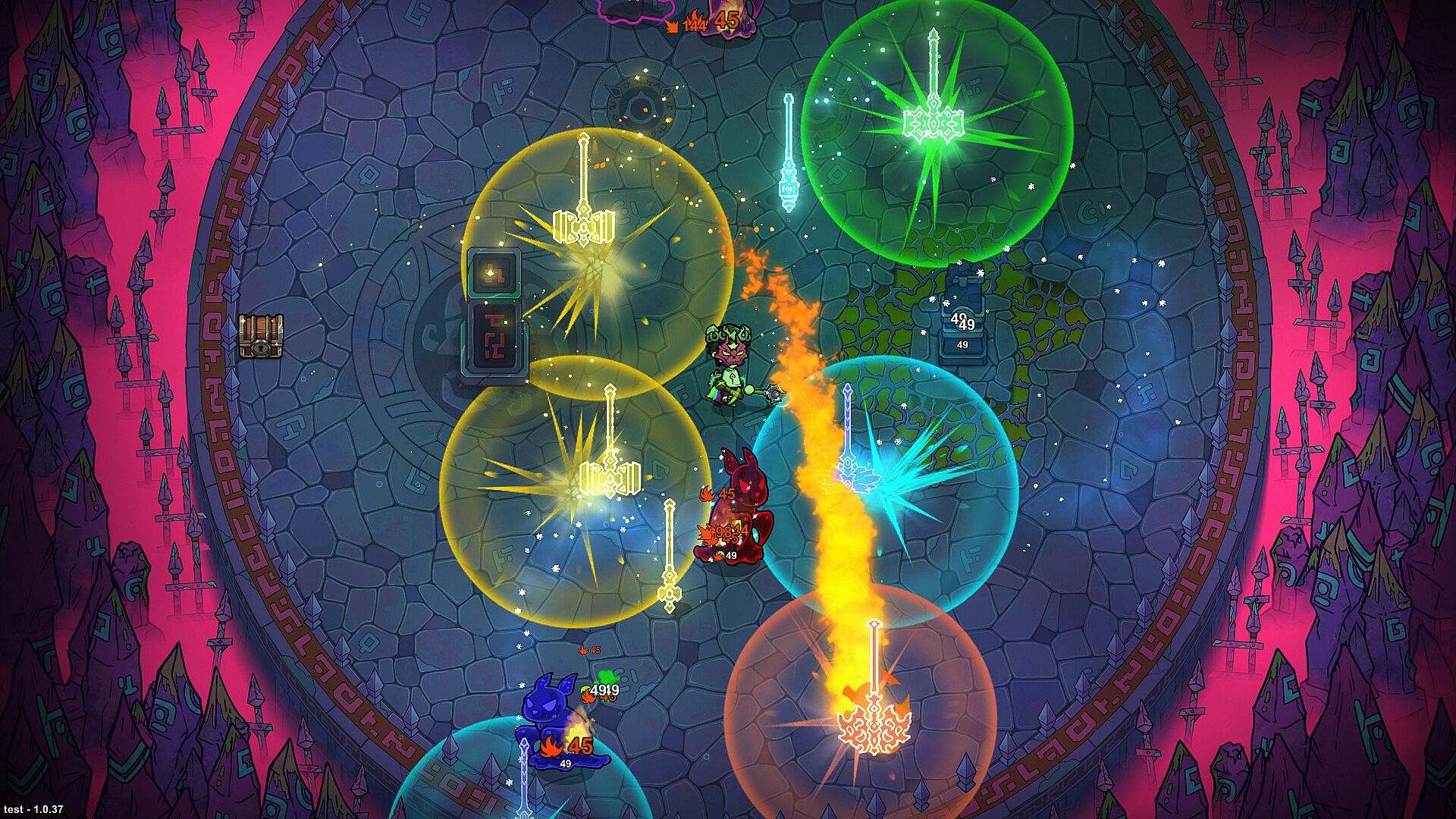
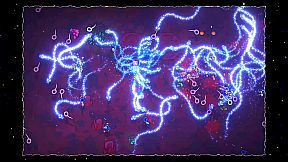
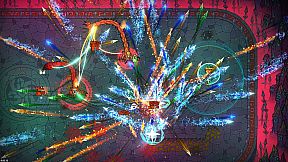

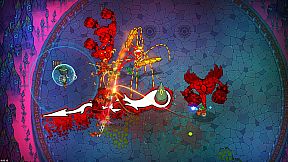
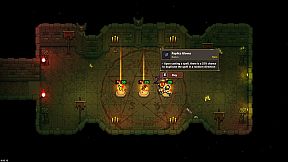
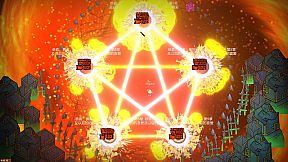
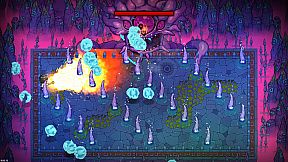
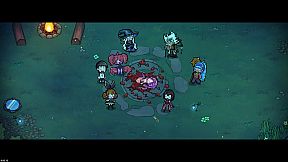
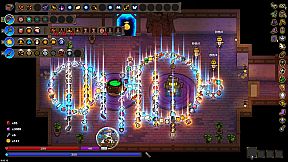

Magicraft stands out as a captivating magic action roguelike that blends intense combat with creative spellcrafting in a fantasy world under siege by ancient gods. As a brave mage who stumbles into this realm and claims a legendary staff, you embark on a quest to vanquish monstrous foes and restore balance. This PC title combines elements of action, indie innovation, RPG progression, and adventure exploration, drawing players into randomized runs filled with strategic depth and magical experimentation.
Gameplay
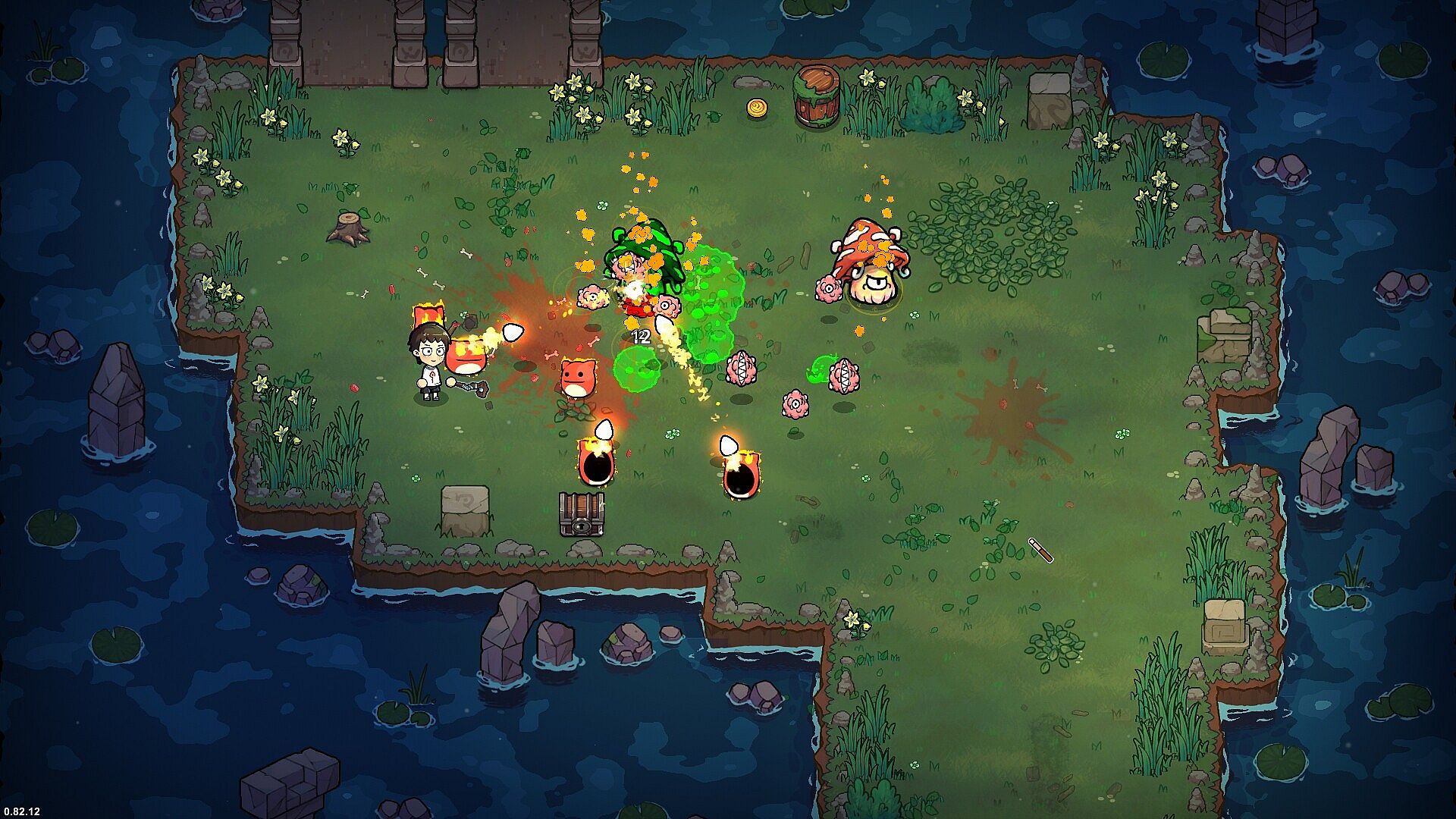
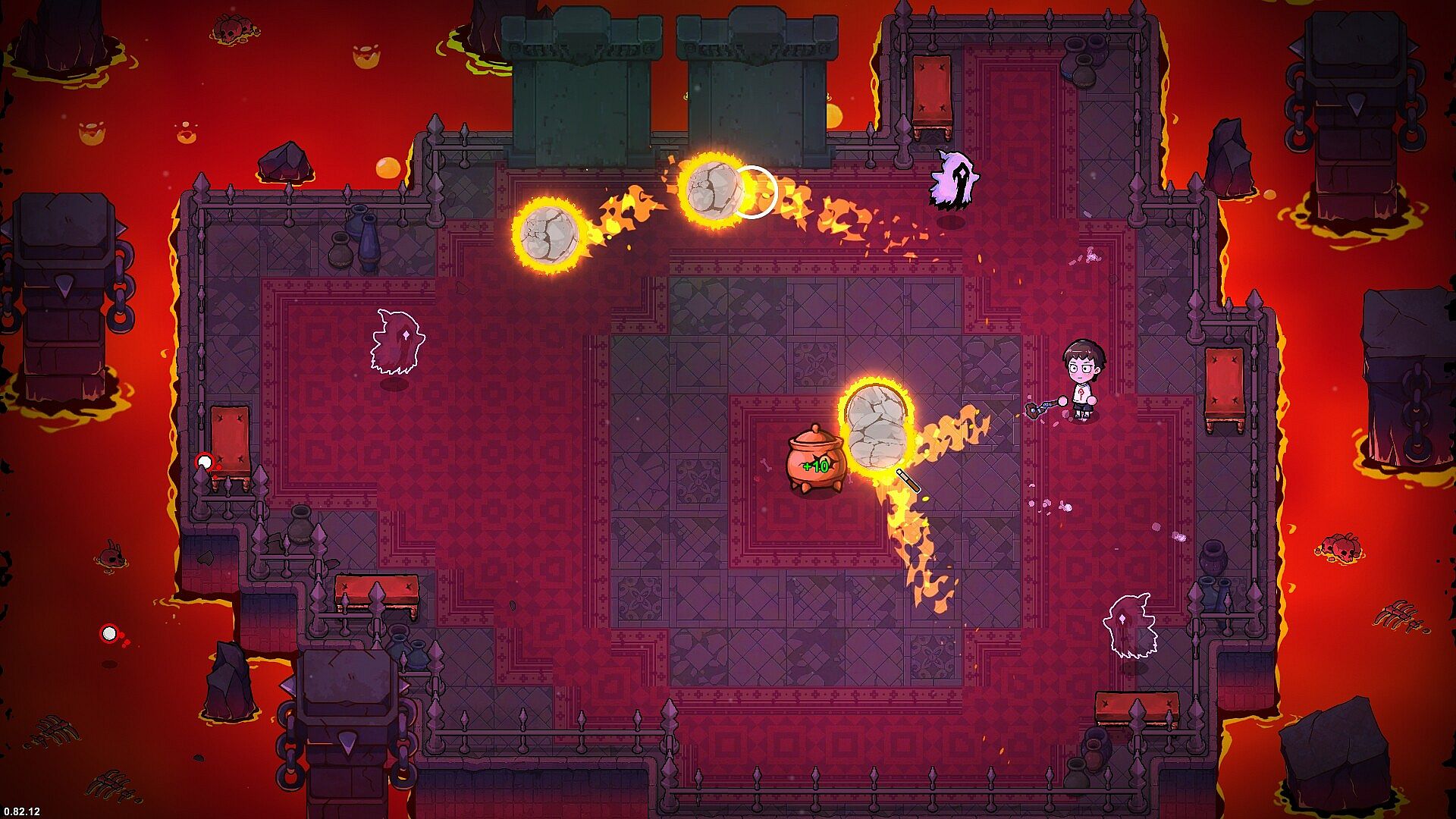
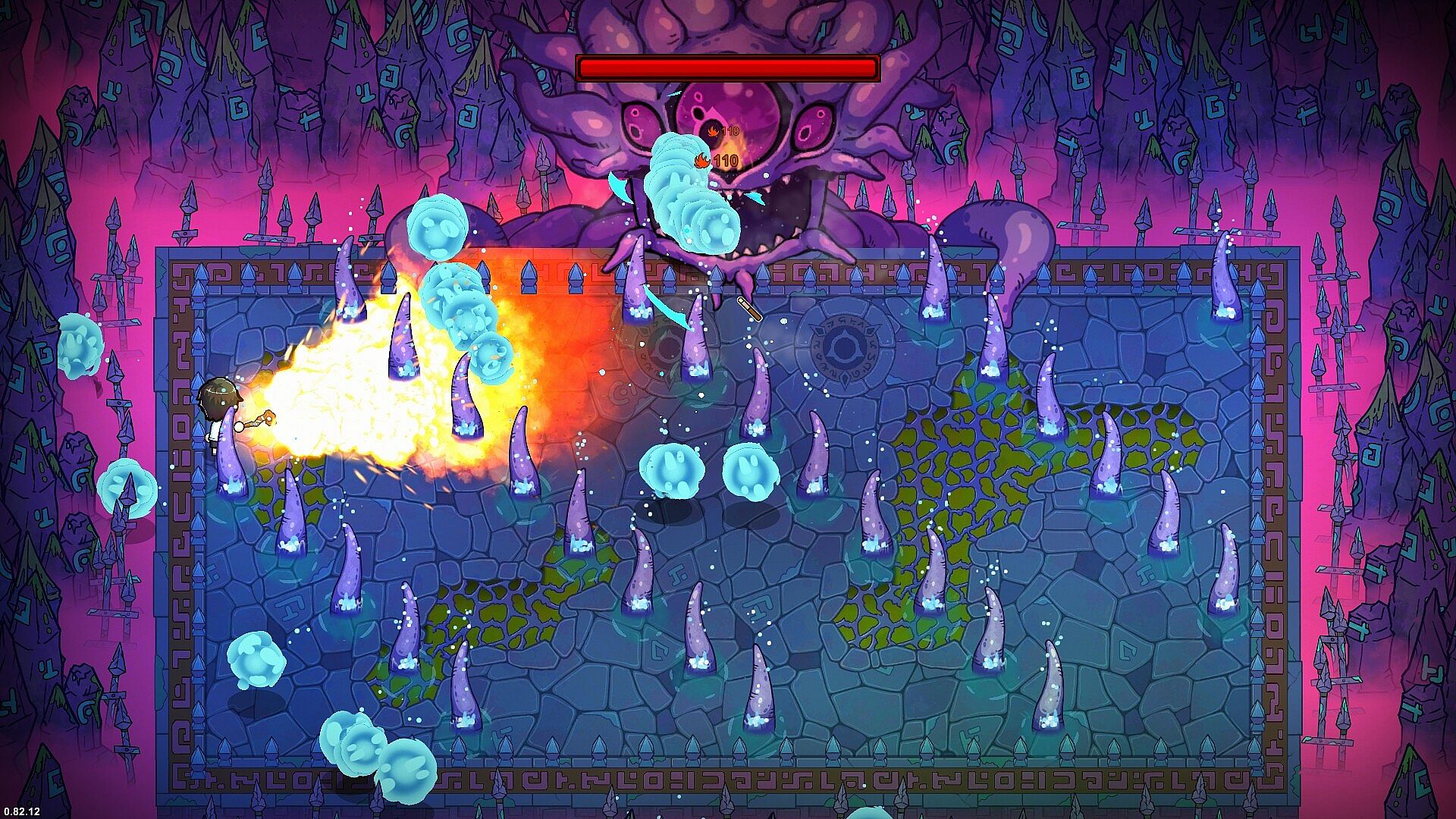
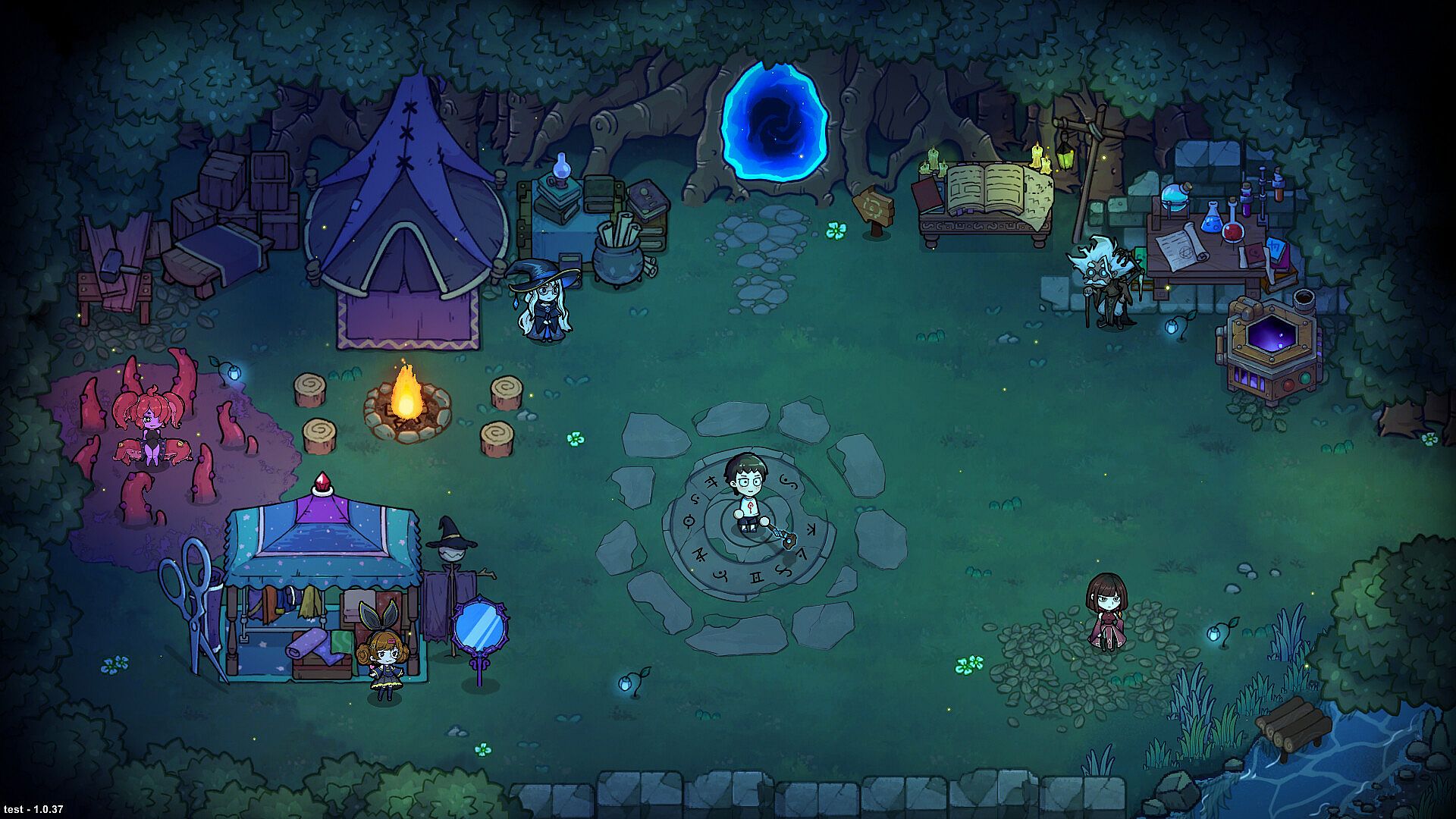
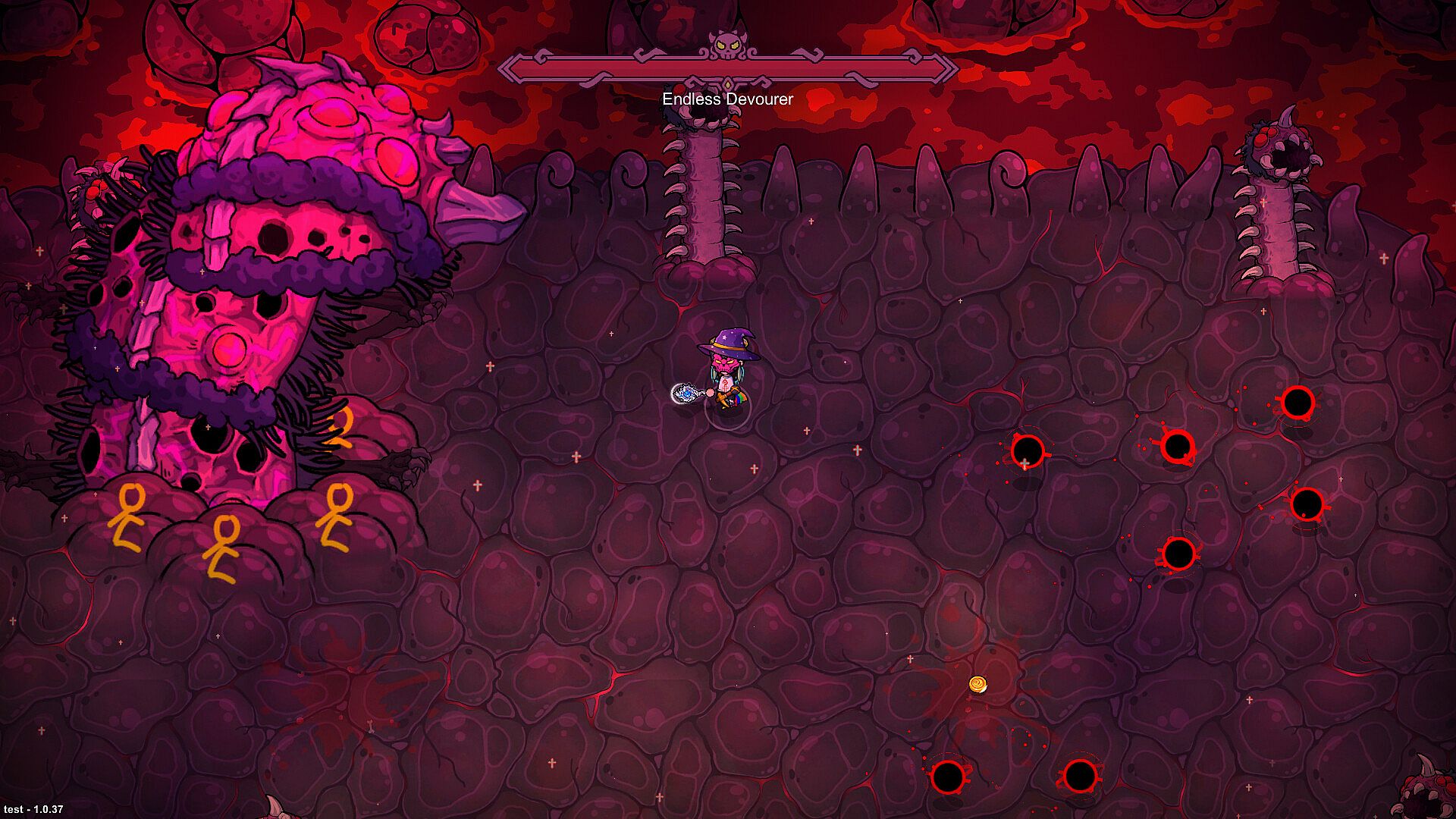
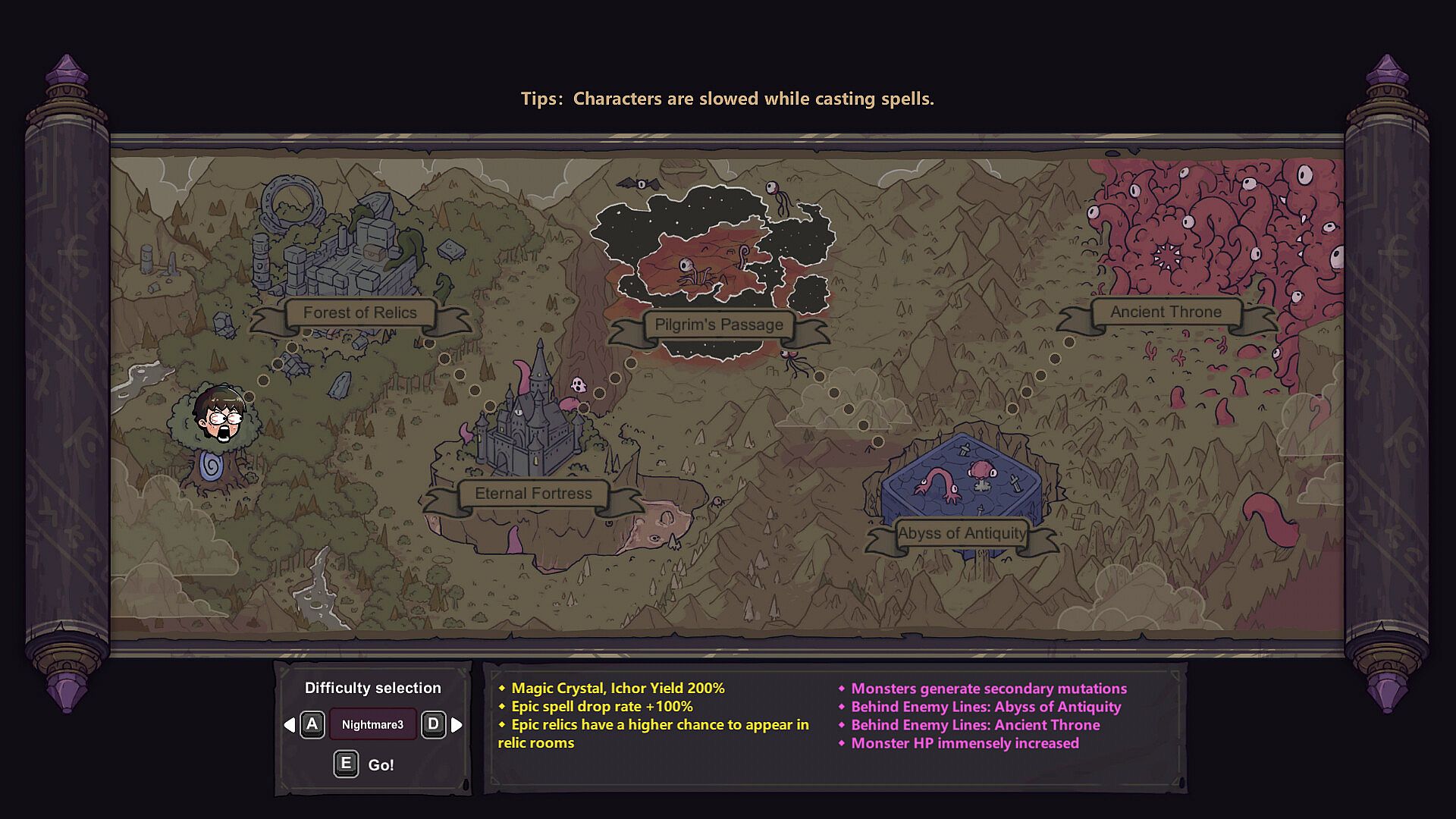
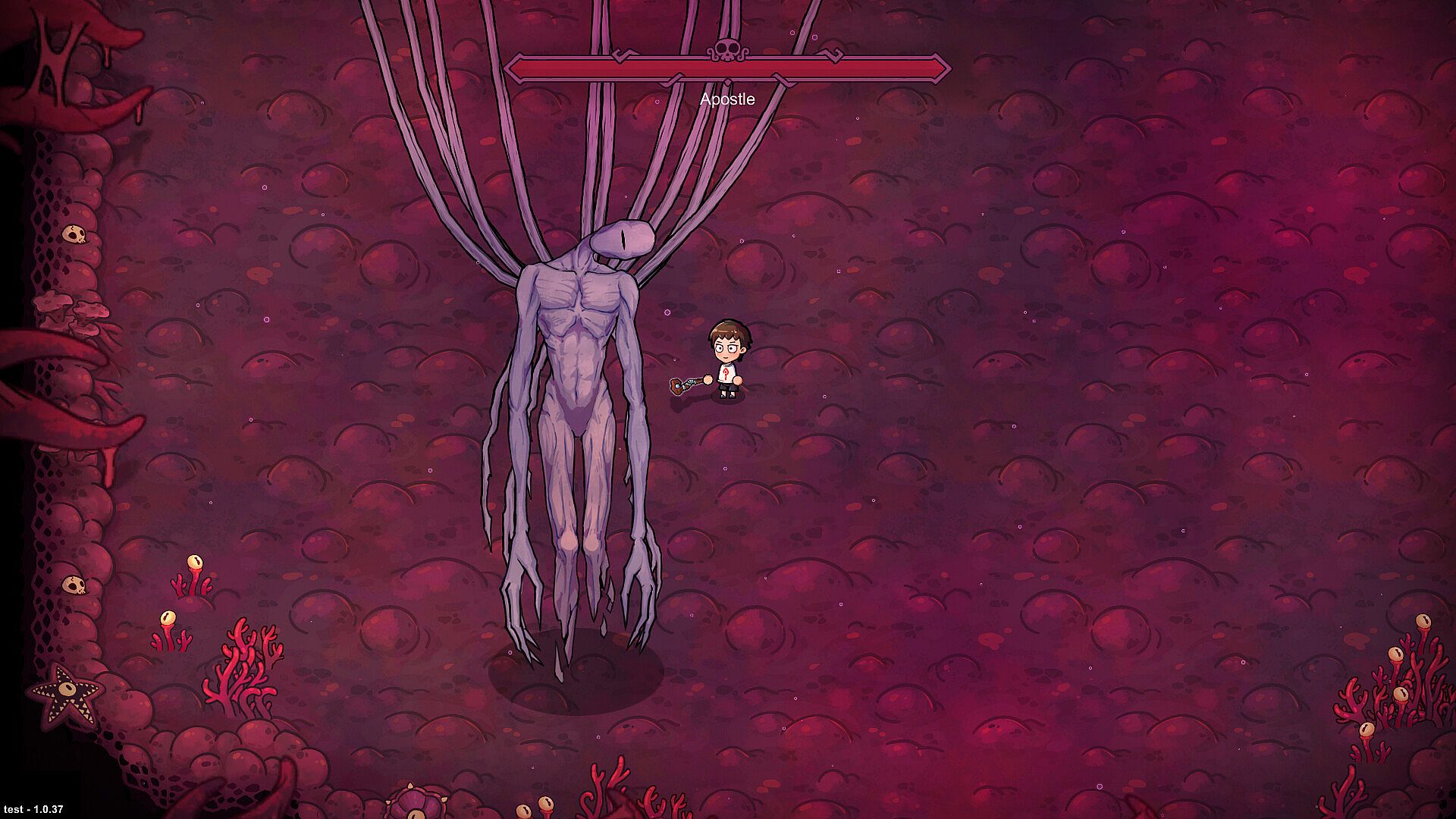
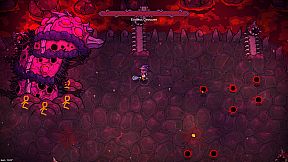
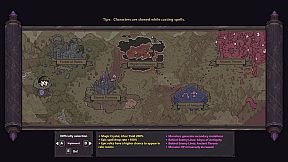
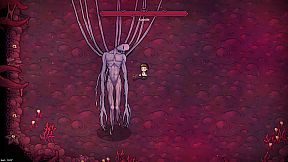
In Magicraft, the core loop revolves around navigating procedurally generated levels while building and refining your magical arsenal. You start as a novice mage and advance through five distinct chapters, each presenting unique environments like dense forests, purgatory realms, and temporal rifts. Combat demands quick reflexes and smart decision-making, as you face off against evil creatures and corrupted entities bent on obstructing your path to the Demon Lord.
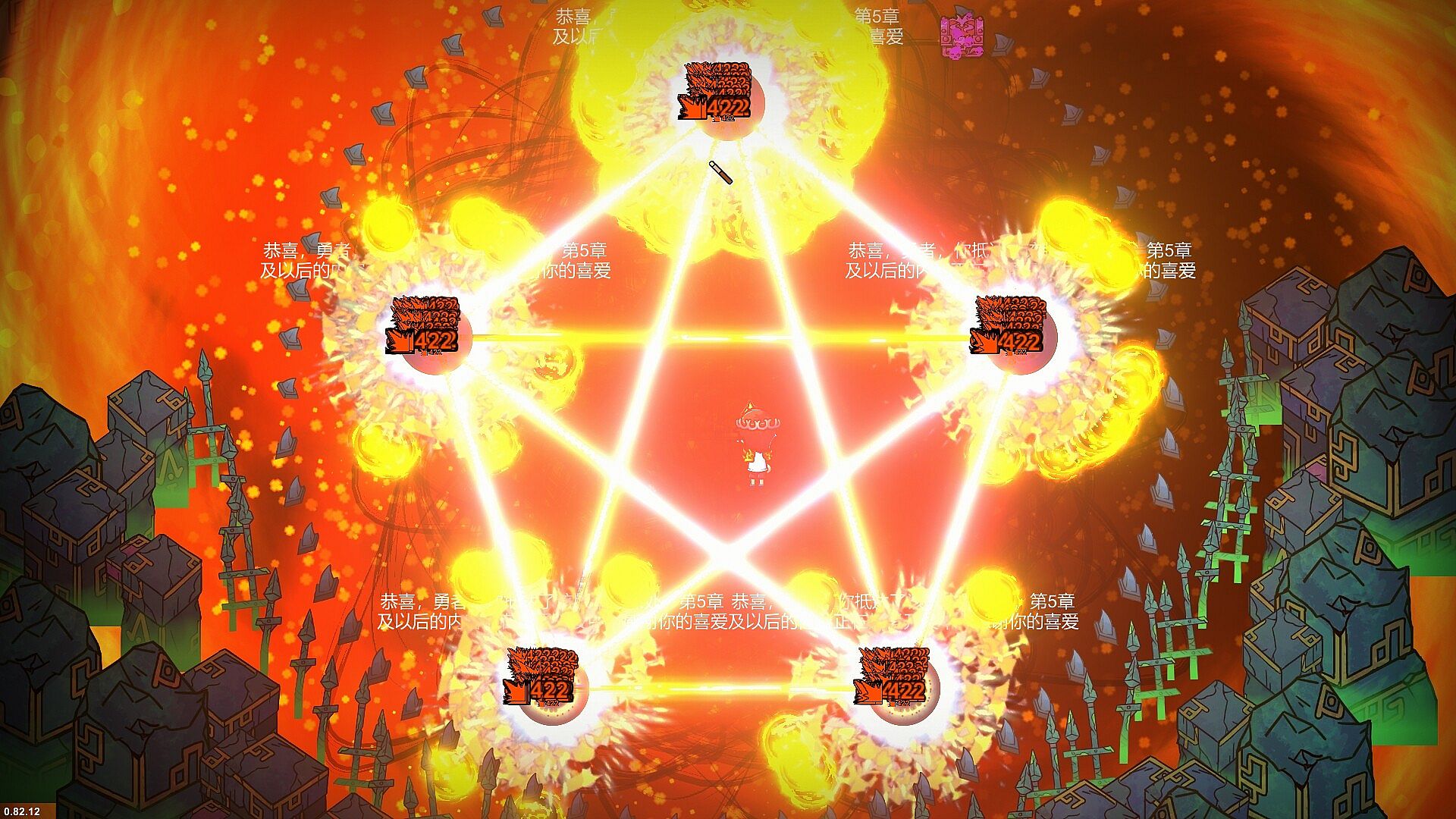
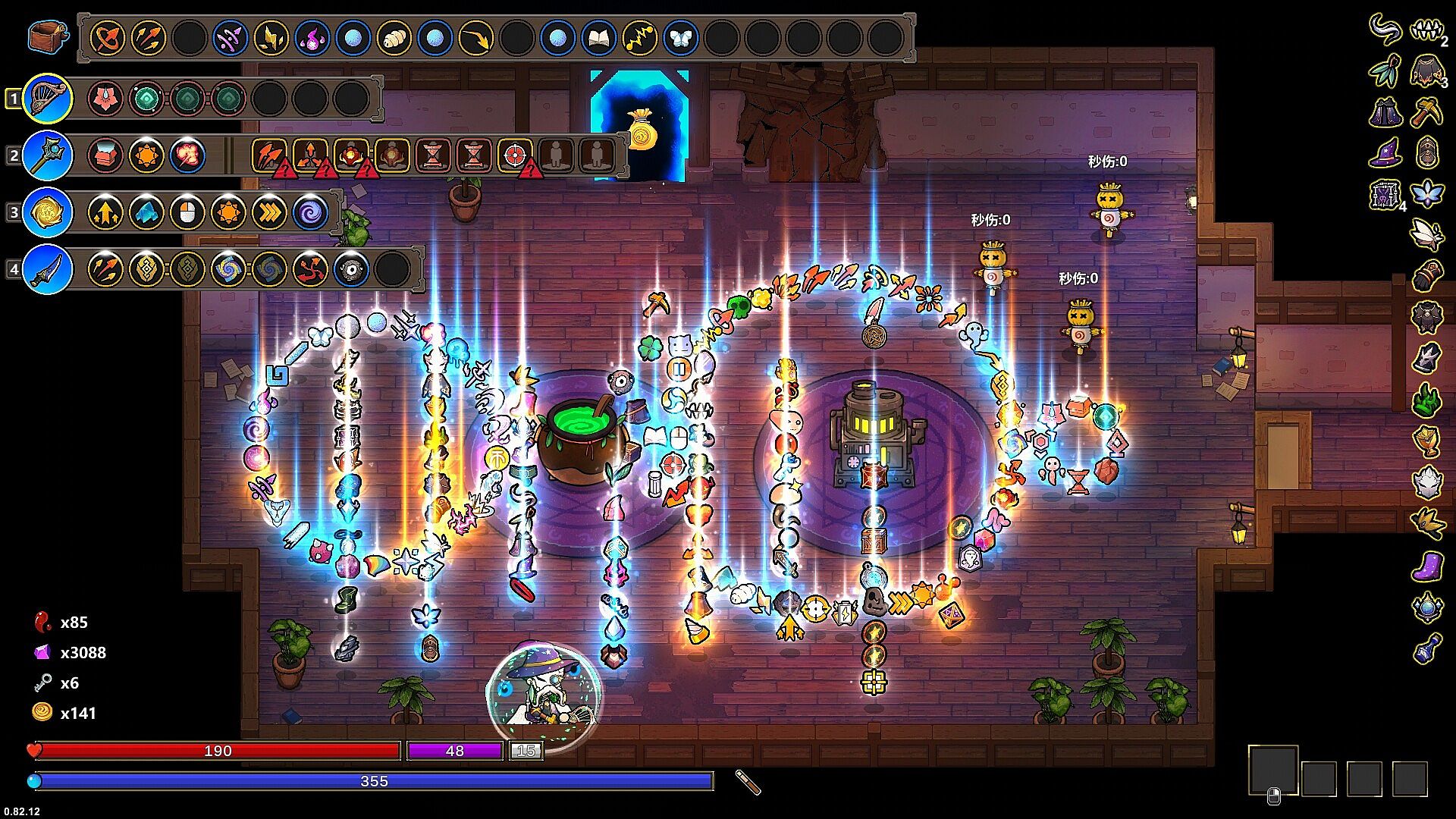
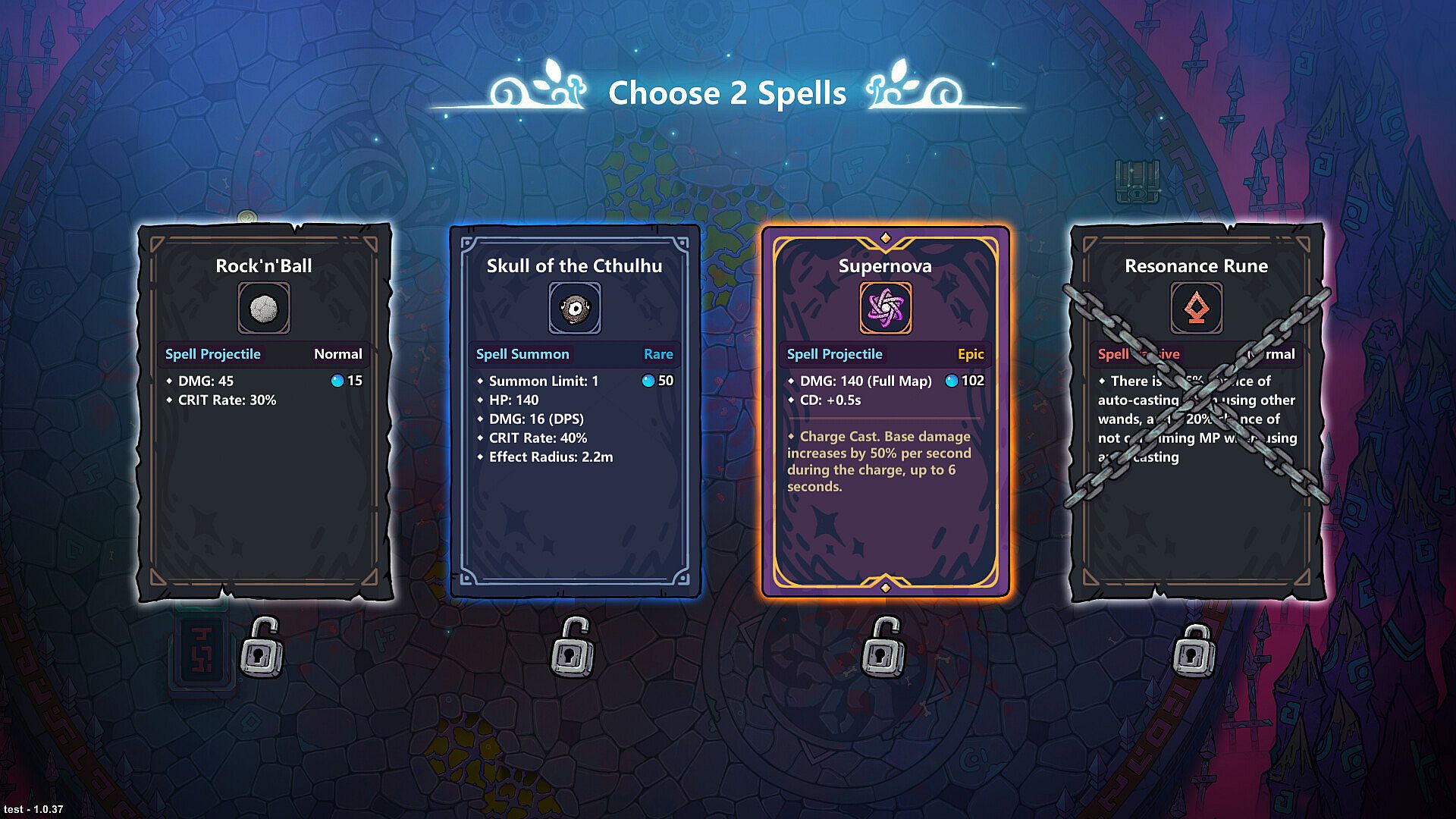
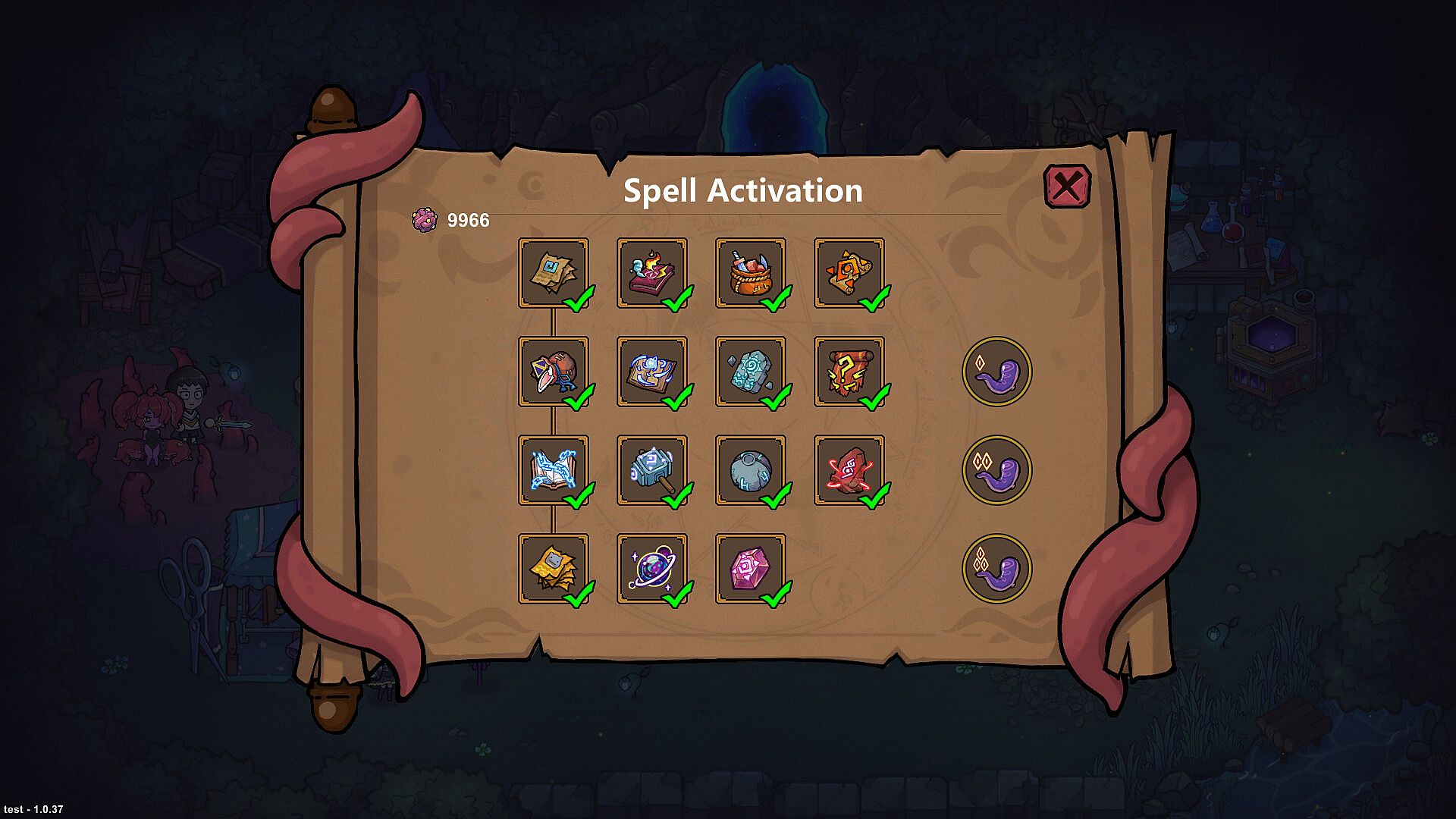
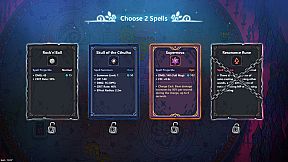
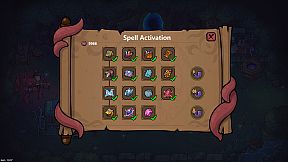
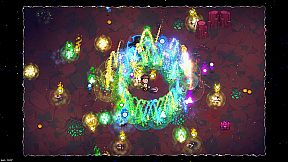
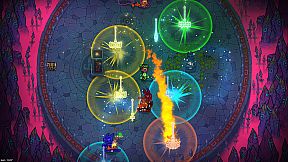
Spell combination forms the heart of the experience, allowing you to mix from a pool of one hundred distinct spells to create powerful synergies. Whether summoning allies, unleashing elemental barrages, or engaging in close-quarters melee with enchanted abilities, the system encourages experimentation to produce spectacular effects. Progression feels rewarding, with deeper runs unlocking stronger capabilities that turn the tide against increasingly tough opponents.
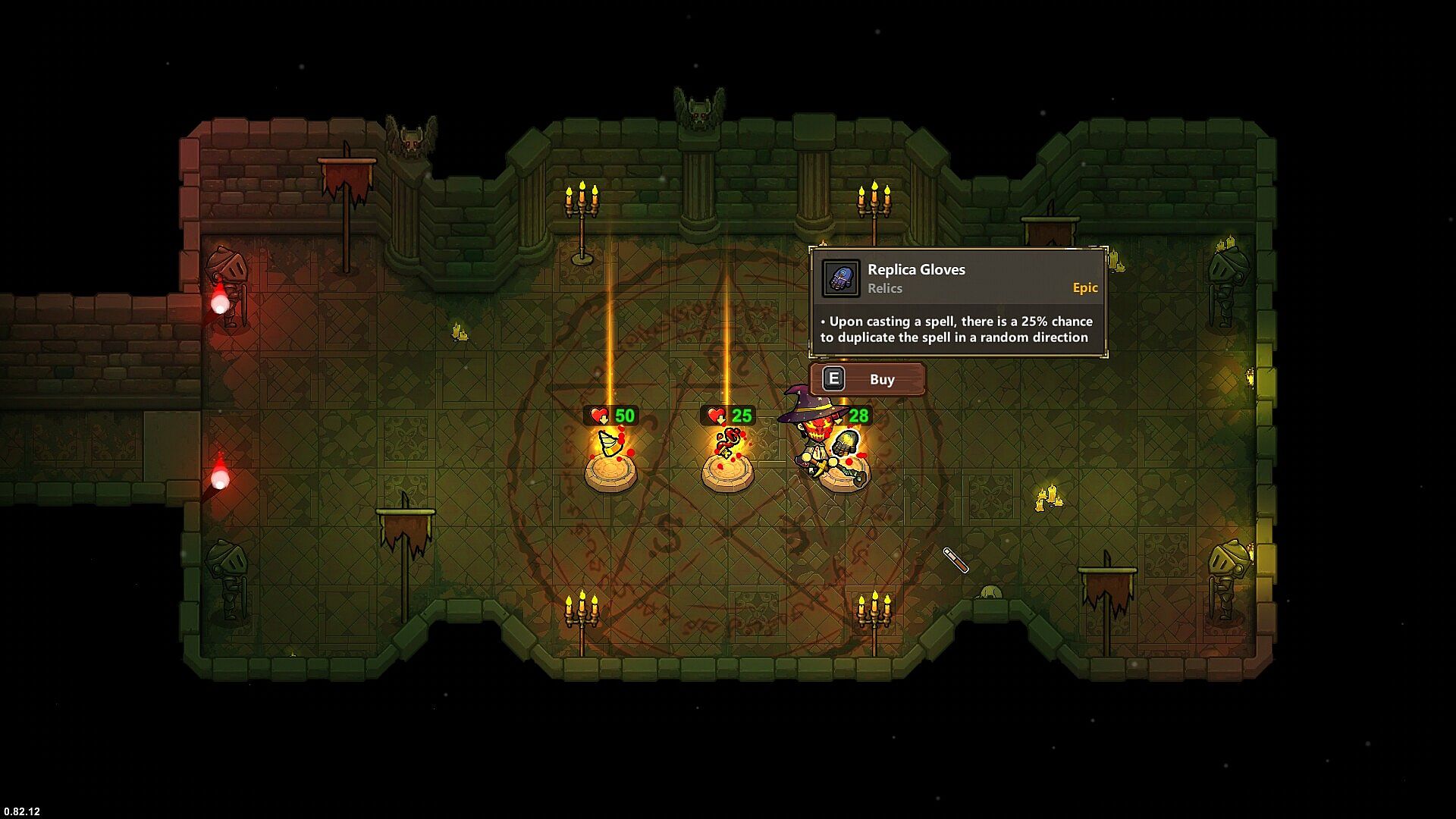
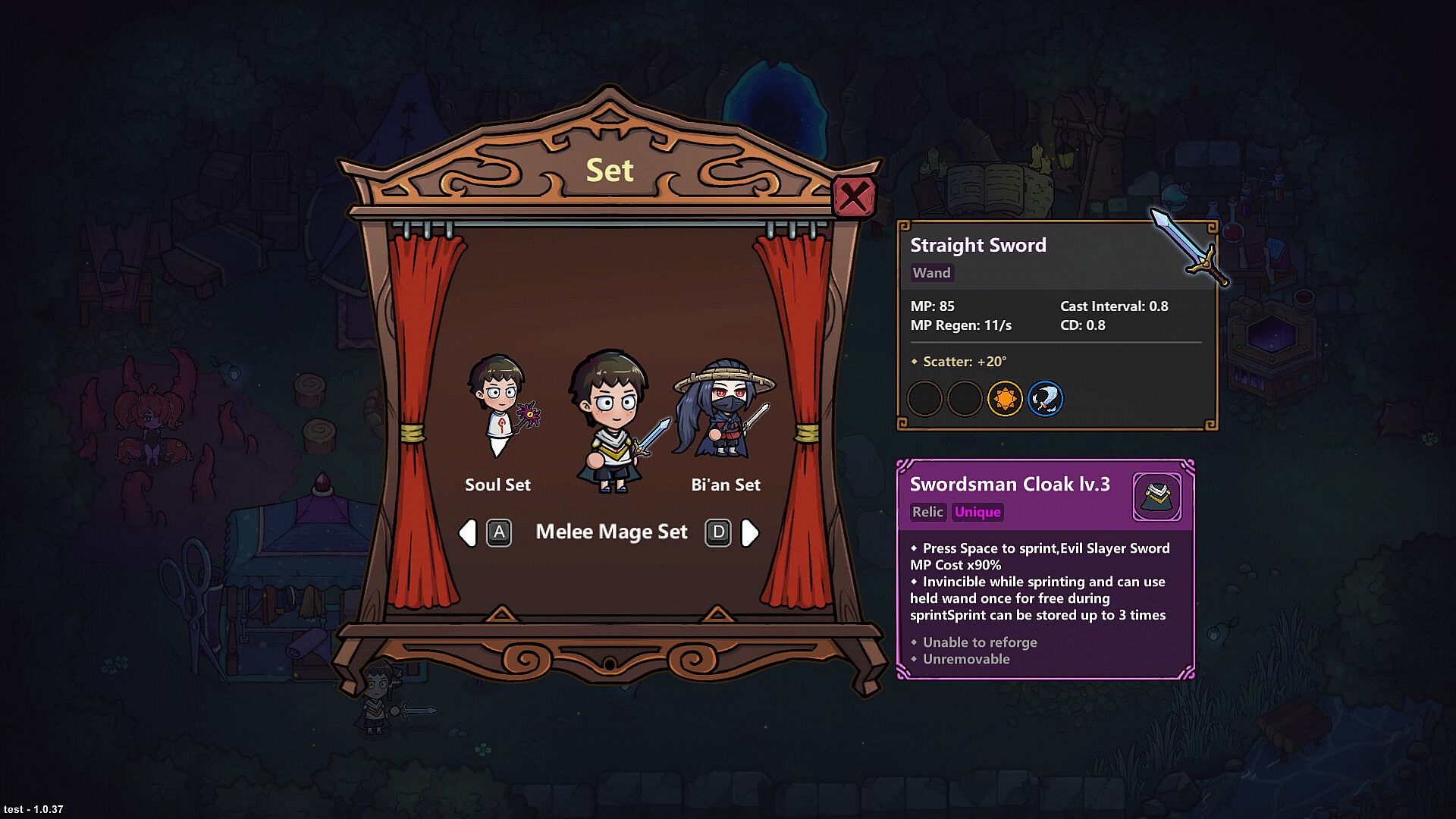
Relics and staffs add layers of customization. Choose from 100 unique staffs, each with distinct attributes that influence your build, and collect 80 relics that grant bonuses and alter your character's look. Blacksmith forges and in-game stores let you strengthen gear, ensuring every run offers fresh strategic opportunities.
Game Modes
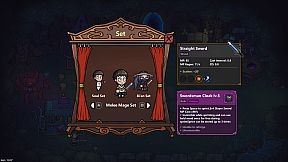
Magicraft focuses on single-player roguelike runs, where each attempt delivers a randomized adventure tailored to your choices. The game emphasizes replayability through varied starting conditions, including nine initial character sets that set the tone for your journey.
Beyond standard progression, bonus levels introduce puzzle-solving elements. These decryption challenges require using your magical prowess and wits to unlock new relics and spells, breaking up the action with thoughtful interludes. Mini-games scattered throughout provide additional ways to acquire props, enhancing the overall roguelike structure without diverging into separate multiplayer or competitive formats.
Mechanics and Builds
Diving deeper into mechanics, Magicraft's build system shines with its emphasis on synergy. Spells interact in unpredictable ways, letting you craft loadouts that might summon minions for defense while hurling fireballs or manipulate time for tactical advantages. This flexibility means no two playthroughs feel identical, as relics can amplify specific strategies, like boosting elemental damage or enhancing summoning efficiency.
The game's progression ties growth to exploration depth; surviving longer grants access to more potent abilities, creating a satisfying power curve. With 15 achievements to chase, players have incentives to experiment across multiple runs, mastering the balance between offense, defense, and utility in this spell-weaving roguelike.
Is It Worth Playing?
For enthusiasts of roguelikes that reward creativity and build-crafting, Magicraft delivers a compelling experience worth your time. Its positive reception, with 14,243 very positive reviews overall and 93 percent positive in recent assessments, highlights the addictive nature of its combat and spell synergies. Released fully in November 2024 after early access, the game continues to receive support through free and paid DLC, including content packs and cosmetic additions that expand options without fragmenting the core gameplay.
If you enjoy titles where strategic depth meets action-packed encounters, this indie gem offers high replay value through randomized elements and puzzle integration. It's particularly suited for solo players seeking a fresh take on magical combat, making it a strong pick in the genre.